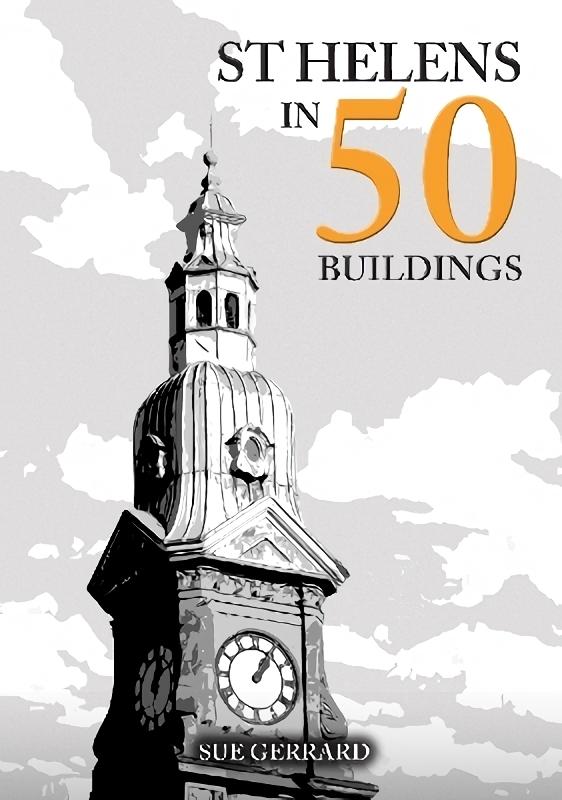
St Helens was a giant of the Industrial Revolution, transforming itself through invention and innovation to become a leading voice around the world. It grew from four rural townships Eccleston, Parr, Sutton and Windle to become a municipal borough in 1868 and a centre for industries such as glassmaking, coal mining and copper smelting. The towns industrial heritage is echoed through the towns buildings such as Cannington Shaw and the Crown Glass Works and the Beechams Building, which was the first factory in the world built to manufacture medicines. St Helens was also located on the first canal built in Britain in the Industrial Revolution the Sankey Canal and the pioneering Liverpool to Manchester passenger railway, of which one of the oldest passenger railway stations in the world is located at St Helens Junction. Venues such as the Hippodrome which played host to Charlie Chaplin and George Formby entertained the rapidly growing population, and St Helens story continues today with the opening of the sustainable Glass Futures plant in 2023. St Helens in 50 Buildings explores the history of this town in Merseyside through a selection of its most interesting buildings and structures, showing the changes that have taken place over the years. The book will appeal to all those who live in St Helens or who have an interest in the area. Autorid: Sue Gerrard



Ole esimene, kes toodet kommenteerib