
Naval Institute Press At Sea Against the Soviet Fleet: The Evolution of U.S. Navy Operational Intelligence in the Cold War New edition
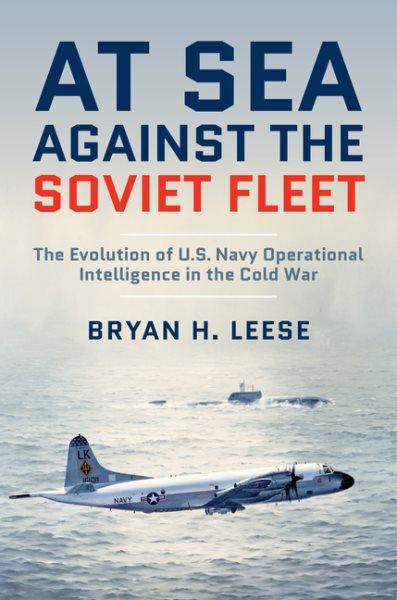
Naval Institute Press At Sea Against the Soviet Fleet: The Evolution of U.S. Navy Operational Intelligence in the Cold War New edition
GTIN: 9781682472026
At Sea Against the Soviet Fleet is a historyof the evolution of the United States Navy's Operational Intelligence culture that informs great power competition with China today.At Sea Against the Soviet Fleet examines the critical transformation of naval intelligence during a pivotal era marked by the Cold War and the Vietnam conflict. Bryan Leese meticulously details how U.S. Navy operational intelligence evolved to meet the complexities of modern naval warfare, particularly in response to the increasing threats posed by the Soviet Navy. Structured into four main parts, this book begins by examining the Vietnam War and the institutionalization of shipboard operational intelligence, or what Navy intelligence calls Opintel. The book highlights the establishment of Integrated Operational Intelligence Centers as part of the RA-5C Vigilante program and the innovative strategies that emerged in air combat and targeting. Leese goes on to underscore the necessity of Opintel to the U.S. Navys close and distant blockade strategy in the 1960s and 1970s. He delves into the decentralization of intelligence processes, emphasizing the importance of adaptability and the need to prevent surprise attacks. This evolution is framed within the transition to the Navys Ocean Surveillance Information System, a decentralized and responsive operational intelligence system. The ongoing developments of shipboard intelligence capabilities are explored, demonstrating how these advancements empowered naval commanders. In the 1970s, the organizations evolved as the revolutionary Opintel adaptations of the 1960s that leveraged cooperation without hierarchy became formalized. Leese highlights the revolution to evolution process by introducing Opintel support to shipboard tactical decisions to integrate operational intelligence into comprehensive naval strategies. Capturing the essence of this transformative period, the author discusses the cultural dynamics within the Navy that fostered innovation and interdepartmental collaboration. These developments not only contributed to maintaining a strategic edge over the Soviet Union, but also laid the groundwork for future naval operations in the digital age. Leeses work reveals the intricate interplay between technology, strategy, and personnel in creating an effective intelligence framework that allows the U.S. Navy to assert influence at sea, setting conditions for sea control in conflict. By blending rich archival research with firsthand accounts, this book offers a nuanced understanding of how the Navy adapted to an ever-changing operational landscape, ultimately preserving peace while navigating the complexities of high-stakes maritime conflict. This work will argue that the operational intelligence (OpIntel) culture in the U.S. Navy now was codified in the Cold War. The work will also make the case that this existing OpIntel culture is rooted in aircraft carrier culture, a culture which accepts adaptation and favors a structure that has the principles of mission command built in. Additionally, I see this work as having two purposes: 1) making the case that the USN's OpIntel strengths now in an age of Great Power competition are the same as those which guided the USN during the Cold War, and 2) Making the case for the success of USN OpIntel (or viewed another cynical way, that because we are in an era of Great Power competition, that the old methods of OpIntel at sea work, so why change them?) One other argument outside the central argument is that USN OpIntel owes its success to carrier culture specifically, so there is an aviation culture angle here. One other point the author raises in his proposal is that this evolution of OpIntel at sea in the face of the Soviet threat fostered a culture of trust between USN commanding officers and their intel officers. Autorid: Bryan H. Leese, Andrew Lambert
Pakkumised
Tellimisel (tarne 10-14 tp) | 46,19 € | ||
Hinnapakkumised on indikatiivsed. Hinnavaatlus ei vastuta hindade, laoseisude ega tooteinfo õigsuse eest. Lõpliku hinnapakkumise tootele saab toote müüjalt. | |||

Toote tehnilised andmed
| Min. hind | 46.19 |
| Max. hind | 46.19 |
| Toode lisatud | 2026-01-20 |




Ole esimene, kes toodet kommenteerib