

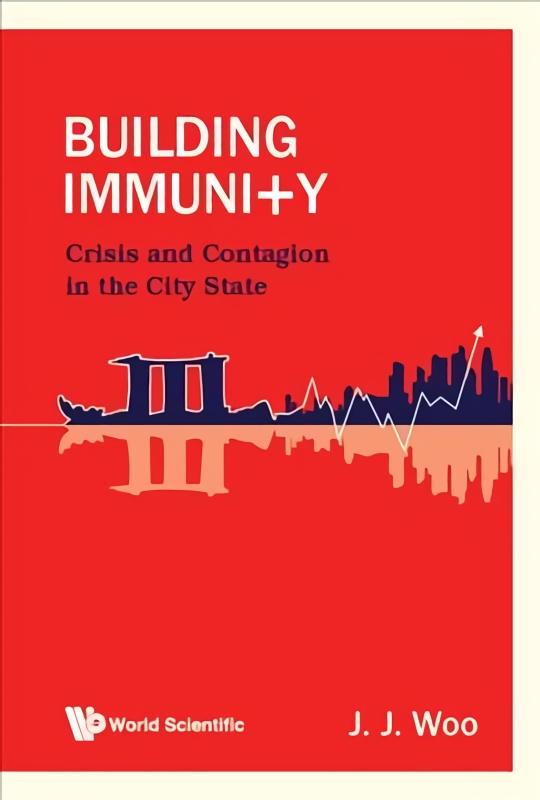
World Scientific Publishing Co Pte Ltd Building Immunity: Crisis And Contagion In The City State
GTIN: 9789811241390
%20--%3e%3csvg%20version='1.1'%20id='Layer_1'%20xmlns='http://www.w3.org/2000/svg'%20xmlns:xlink='http://www.w3.org/1999/xlink'%20x='0px'%20y='0px'%20viewBox='0%200%20276.9%2097.2'%20style='enable-background:new%200%200%20276.9%2097.2;'%20xml:space='preserve'%3e%3cg%20id='ESTO_NEW-LOGO_00000108272157578412850590000010103289491973301143_'%3e%3cg%20id='UP_2-Copy-2_00000083784633980550441860000000268630932177965757_'%20transform='translate(-287.000000,%20-522.000000)'%3e%3cpath%20id='BLACK_00000083787592967535075280000005040182133004039594_'%20d='M525.7,540.3c10.2,0,19.7,4,27,11.4%20c7.2,7.5,11.2,17.3,11.2,27.9c0,10.6-3.9,20.6-11.2,28.1c-7.3,7.5-16.7,11.4-27,11.4c-10.2,0-19.5-4-26.8-11.4%20c-7.4-7.6-11.3-17.5-11.3-28.1c0-10.6,3.9-20.3,11.3-27.9C506.2,544.3,515.5,540.3,525.7,540.3z%20M525.7,554.7%20c-6.3,0-11.9,2.7-16.1,7.2c-4.1,4.5-6.6,10.6-6.6,17.6c0,7,2.5,13.2,6.6,17.7c4.1,4.5,9.8,7.3,16,7.3c6.2,0,11.9-2.8,16-7.3%20c4.1-4.5,6.6-10.7,6.6-17.7c0-7-2.5-13.2-6.6-17.6C537.7,557.4,532,554.7,525.7,554.7z%20M324,540.2c6.4,0,12.2,1.4,17.2,4.2%20c5.1,2.8,9.1,6.7,12.1,11.7c3,5,4.5,10.7,4.5,17.2c0,1.1-0.1,4.9-0.2,11.3l0,0.4l-54.5,0c1.2,5.7,3.6,9.8,7.5,12.9%20c4.1,3.2,9.6,4.9,16.6,5.2l0.6,0l1.7,0h24.2v14.6h-24.3c-13.3,0-23.6-3.5-31-10.4c-7.5-6.9-11.3-15.7-11.3-29%20c0-6.7,1.5-12.9,4.6-18.7c3.1-5.8,7.3-10.5,12.8-14.1C309.9,542.1,316.5,540.2,324,540.2z%20M324.7,555.3c-6,0-10.9,1.6-15.5,5.6%20c-2.8,2.7-4.6,6.1-5.7,10.6l0,0l40.1-0.3l0-0.5l0-0.4c-0.2-2.3-1-4.5-2.2-6.5c-1.5-2.6-3.7-4.6-6.5-6.2%20C332.1,556.1,328.7,555.3,324.7,555.3z%20M420.5,541.7v14.2h-31.7c-2.3,0-4.1,0.5-5.3,1.5c-1.2,0.9-1.8,2.3-1.8,4%20c0,1.3,0.5,2.4,1.5,3.4c1.2,1.2,3.1,2.3,5.7,3.4l0,0l13.6,5.6c7.4,3.1,13.1,5.9,16.7,9.7c3.2,3.4,4.9,7.5,4.9,13.2%20c0,7.2-2.6,12.5-7.8,16c-5.1,3.4-12.9,5.2-23.4,5.2l0,0l-0.6,0h-24.7v-14.5h31.7c3,0,5.4-0.6,7.1-1.7c1.5-1.1,2.4-2.6,2.4-4.5%20c0-1.7-0.6-3-1.8-4.1c-1.5-1.4-3.9-2.6-7.1-4l0,0l-13-5.3c-7.1-2.9-12.2-5.7-15.5-9.3c-3.1-3.4-4.6-7.5-4.6-12.9%20c0-6.2,2.3-11.2,6.6-14.5c4.2-3.2,10.4-5.1,18.5-5.1l0,0l0.5,0H420.5z%20M435,522h15v19.7h29.2v14.4H450V587c0,5.6,1.2,9.7,4,12.4%20c2.8,2.7,7,3.9,12.9,4l0,0l12.3,0v14.5h-12.1c-10.6,0-18.5-2.4-23.9-7c-5.4-4.7-8.2-11.6-8.3-21l0,0l0-0.6V522z'/%3e%3c/g%3e%3c/g%3e%3c/svg%3e) väikelaenuga 2,97 € kuus
väikelaenuga 2,97 € kuusThe Association of Southeast Asian Nations (ASEAN) has been one of the world's most dynamic and fastest-growing regions over the years. Its average combined GDP growth rate is more than 6% and the total combined GDP was valued at US$3.0 trillion in 2018. ASEAN countries have managed to significantly reduce their national poverty over the last few decades. Although a correlation exists between economic growth and poverty reduction, millions of people in ASEAN countries still do not have sufficient incomes to fulfill their basic needs including food, shelter, clothes and sanitation. This book is a collection of working group papers contributed by members of Network of ASEANChina Think-tanks (NACT) and covers best practices on poverty alleviation in ASEAN member states as well as in China, and ASEAN-China cooperation. It discusses experiences of ASEAN member states and China such as with regard to national policies, principles, definitions, approaches, progress, and challenges in poverty reduction. It reviews and evaluates the way forward including existing joint projects, opportunities, and challenges in the future cooperation and offers policy recommendations from both national and regional perspectives to help policymakers better cope with the daunting poverty challenges. "From the financial contagion of the 2007 Global Financial Crisis (GFC) to viral contagion in the recent COVID-19 pandemic, Singapore has been severely impacted by ripples and shockwaves that have emanated from global financial and healthcare crises. At the same time, it has proven to be highly resilient amidst such instability. This book provides an in-depth account of Singapore's policy responses to the COVID-19 pandemic and GFC. It focuses on the policy capacity-building efforts that have taken place in the aftermath of earlier crises such as the 2003 Severe Acute Respiratory Syndrome (SARS) outbreak and the 1997 Asian Financial Crisis. Linked across time and space, these four crises -- SARS, COVID-19, the AFC and GFC -- reflect a consistent pattern in Singapore's approach to crisis management. This is a pattern that involves policy learning and capacity-building after each crisis, and the application of these lessons and capacities to subsequent crises. In focusing on the role of policy capacity in Singapore's crisis response measures, this book will provide policymakers and practitioners with a useful framework that can be used to plan for future crises and pandemics"--Back cover. This book examines Singapores responses to the global financial crisis and COVID-19 pandemic and the connection between these crises and the 1997 Asian Financial Crisis and 2003 SARS (severe acute respirator syndrome) outbreak, showing how they are linked by processes of capacity-building and policy learning, as lessons learned from the 1997 Asian Financial Crisis and 2003 SARS outbreak prompted the government to begin capacity-building that contributed to its ability to respond to the global financial crisis and COVID-19. It focuses on four capacities that were mobilized during each crisis and were built up in the aftermath: analytical, material, operational, and political capacity. It ends with discussion of practical implications for policymakers. Annotation ©2022 Ringgold, Inc., Portland, OR (protoview.com) Autorid: Jun Jie Woo
Pakkumised
103,23 € | |||
Tellimisel (tarne 10-14 tp) | 111,00 € | ||
Hinnapakkumised on indikatiivsed. Hinnavaatlus ei vastuta hindade, laoseisude ega tooteinfo õigsuse eest. Lõpliku hinnapakkumise tootele saab toote müüjalt. | |||


Toote tehnilised andmed
| Min. hind | 103.23 |
| Max. hind | 111.00 |
| Toode lisatud | 2026-02-02 |
Ole esimene, kes toodet kommenteerib