

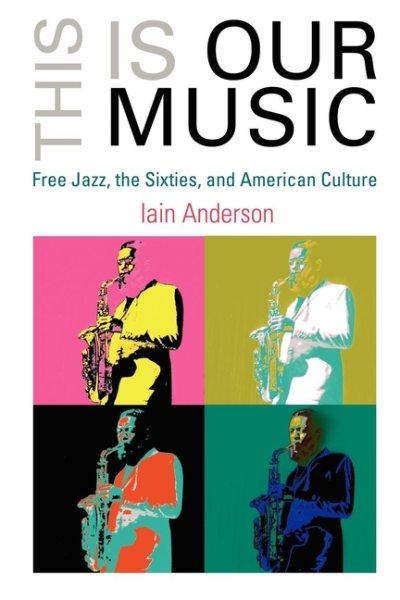
University of Pennsylvania Press This Is Our Music: Free Jazz, the Sixties, and American Culture
GTIN: 9780812220032
A look at the evolution of free jazz in the 1960s explores the role played by political radicalism, universities, nonprofit organizations, older musicians, Black nationalism, and commercial considerations in the reception and development of this new music. This Is Our Music, declared saxophonist Ornette Coleman's 1960 album title. But whose music was it? At various times during the 1950s and 1960s, musicians, critics, fans, politicians, and entrepreneurs claimed jazz as a national art form, an Afrocentric race music, an extension of modernist innovation in other genres, a music of mass consciousness, and the preserve of a cultural elite. This original and provocative book explores who makes decisions about the value of a cultural form and on what basis, taking as its example the impact of 1960s free improvisation on the changing status of jazz. By examining the production, presentation, and reception of experimental music by Ornette Coleman, Cecil Taylor, John Coltrane, and others, Iain Anderson traces the strange, unexpected, and at times deeply ironic intersections between free jazz, avant-garde artistic movements, Sixties politics, and patronage networks. Anderson emphasizes free improvisation's enormous impact on jazz music's institutional standing, despite ongoing resistance from some of its biggest beneficiaries. He concludes that attempts by African American artists and intellectuals to define a place for themselves in American life, structural changes in the music industry, and the rise of nonprofit sponsorship portended a significant transformation of established cultural standards. At the same time, free improvisation's growing prestige depended in part upon traditional highbrow criteria: increasingly esoteric styles, changing venues and audience behavior, European sanction, withdrawal from the marketplace, and the professionalization of criticism. Thus jazz music's performers and supporters—and potentially those in other arts—have both challenged and accommodated themselves to an ongoing process of cultural stratification. "Takes us back to that moment between the fifties and the sixties when a new music called free jazz took root in the coffeehouses and nightclubs of New York City, Chicago, and Los Angeles."—John Szwed, author of So What: The Life of Miles Davis Autorid: Iain Anderson
Pakkumised
Tellimisel (tarne 10-14 tp) | 34,04 € | ||
Hinnapakkumised on indikatiivsed. Hinnavaatlus ei vastuta hindade, laoseisude ega tooteinfo õigsuse eest. Lõpliku hinnapakkumise tootele saab toote müüjalt. | |||

Toote tehnilised andmed
| Min. hind | 34.04 |
| Max. hind | 34.04 |
| Toode lisatud | 2026-06-23 |
Ole esimene, kes toodet kommenteerib