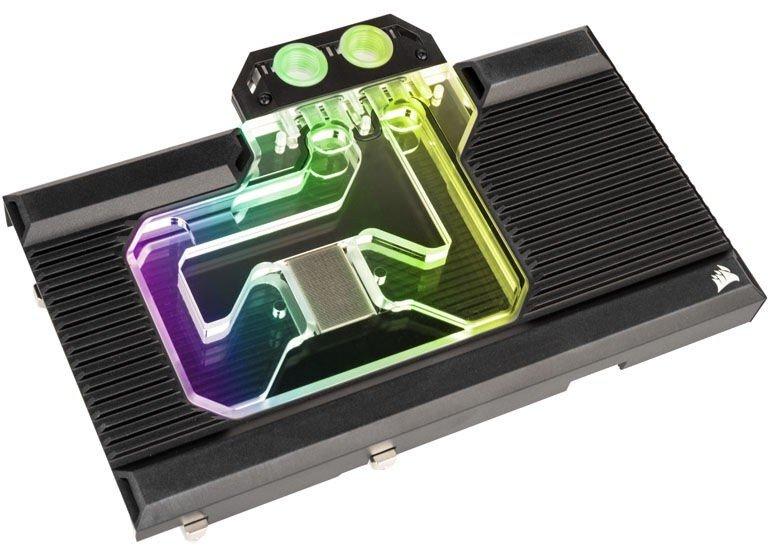
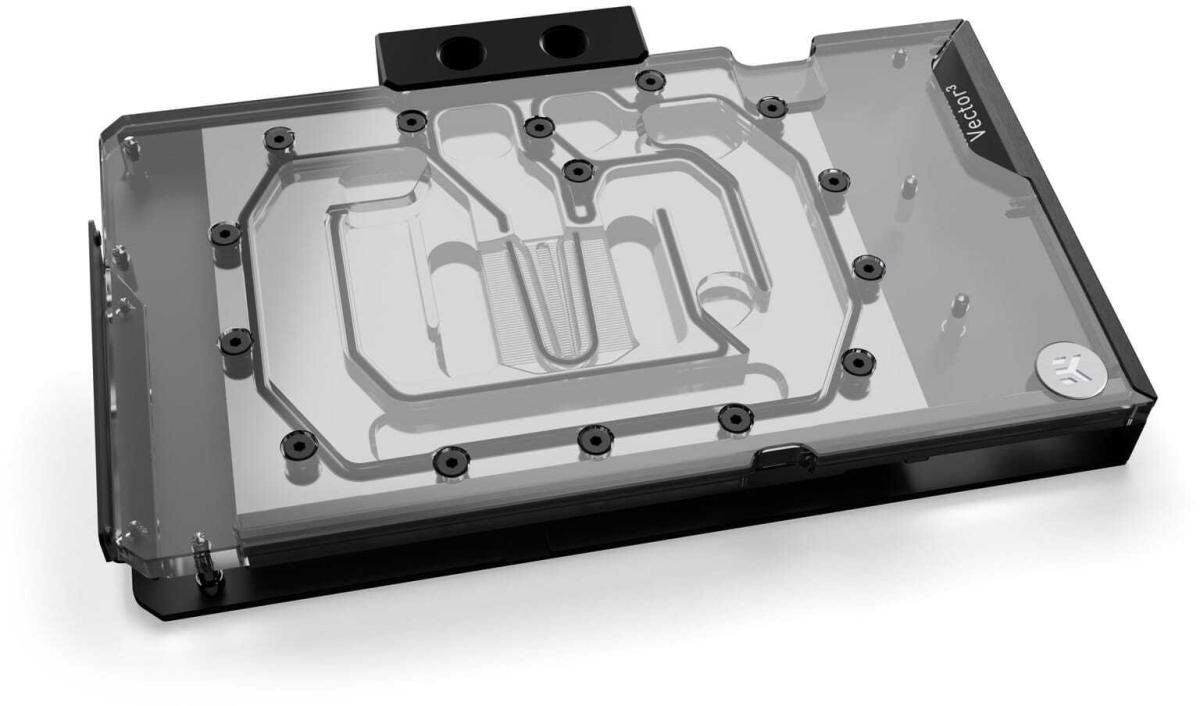
Vernickelter Full-Block-Wasserkühler, mit Acrylglas, Corsair DOMINATOR-Optik, digital adressierbarer RGB-LED-Beleuchtung, für NVIDIA GeForce RTX 3090 Ti Founders Edition
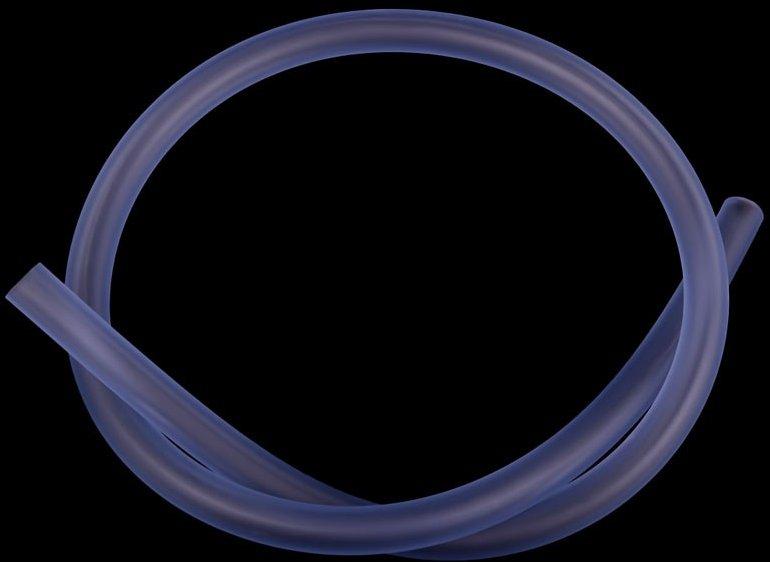
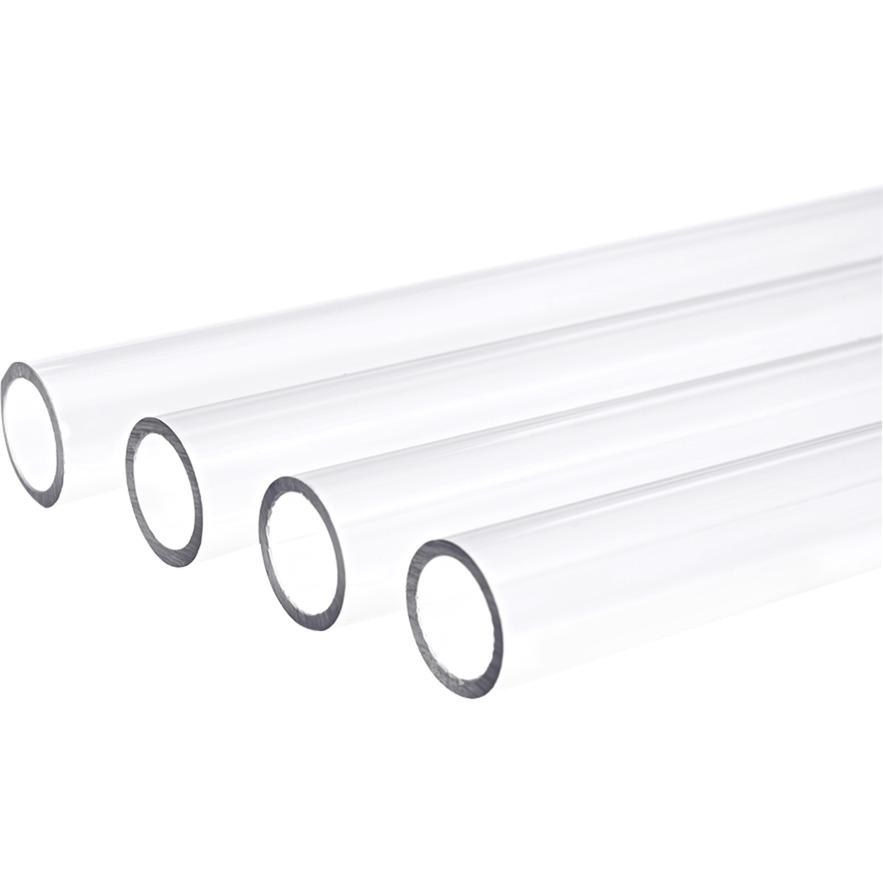
Tubing is the veins of a water cooling system! These are the next generation, made by Alphacool! Deep, intense colours as well as comfortable handling during installation and connection were our focus in developing these tubes. The result is tubing in a variety of sizes and colours, such as red, green, blue, or black. In developing these tubes, we specifically ensured that there would no longer be any need to deal with colour particles in the coolant fluid, but rather that all the colour would come from the tubing itself. Besides the colour, the installation and bending properties are of course very important in tubing. The ability to span a tight bend radius and comfortable handling in tricky spaces were also emphasised during development. This was optimised to perfection by mixing different combinations of synthetic materials, resulting in tubing that manages to bring opposing goals together in harmony and that will satisfy both amateur enthusiasts and experienced water cooling users! Manufactured in Germany, with the promise of consistent high quality. Our years of manufacturing experience guarantee that any product we sell is the best. Technical Specifications Material: PVC Colour: Transparent Inner diameter: 10mm, 3/8" Outer diameter: 16mm, 5/8" Wall thickness: 3mm Scope of Delivery 1x Alphacool tubing AlphaTube HF 16/10 (3/8"ID) - clear 1m (3,3ft) Retailbox
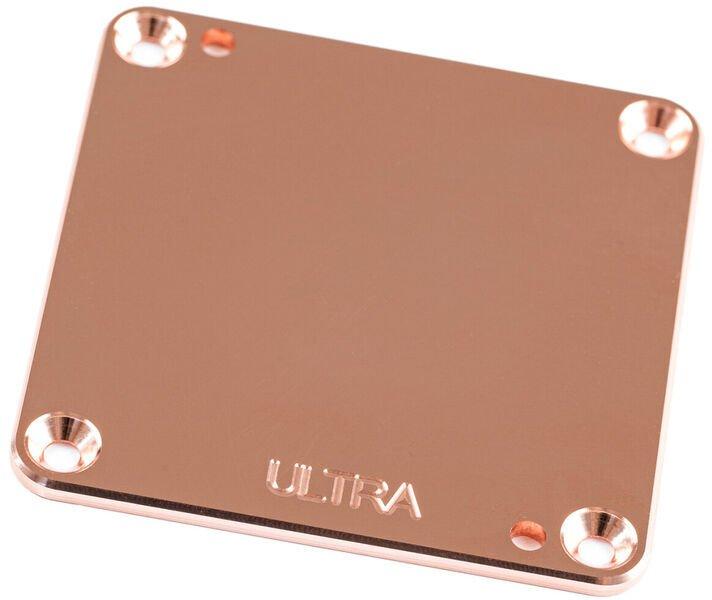
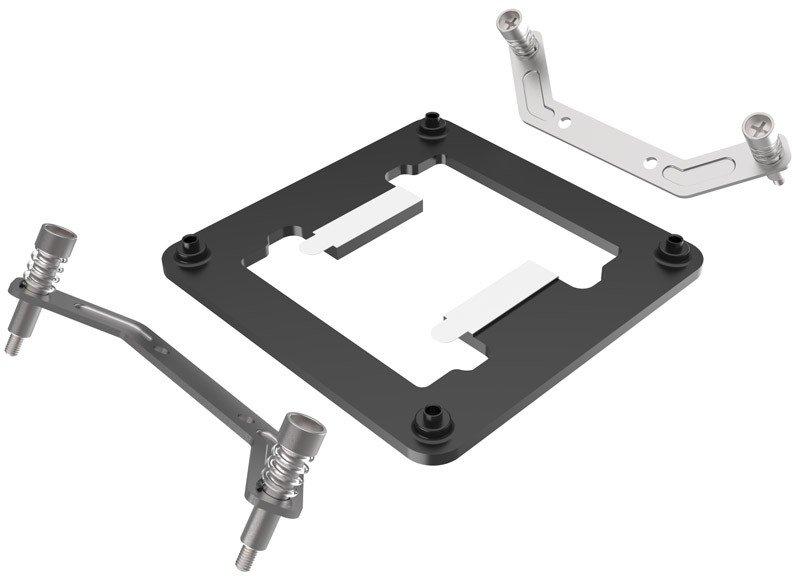
High-End-CPU-Wasserkühler, Kühler aus vernickeltem Kupfer, Deckel aus silber satiniertem Messing, mit adressierbarer RGB-Beleuchtung, für Intel-Sockel 1200
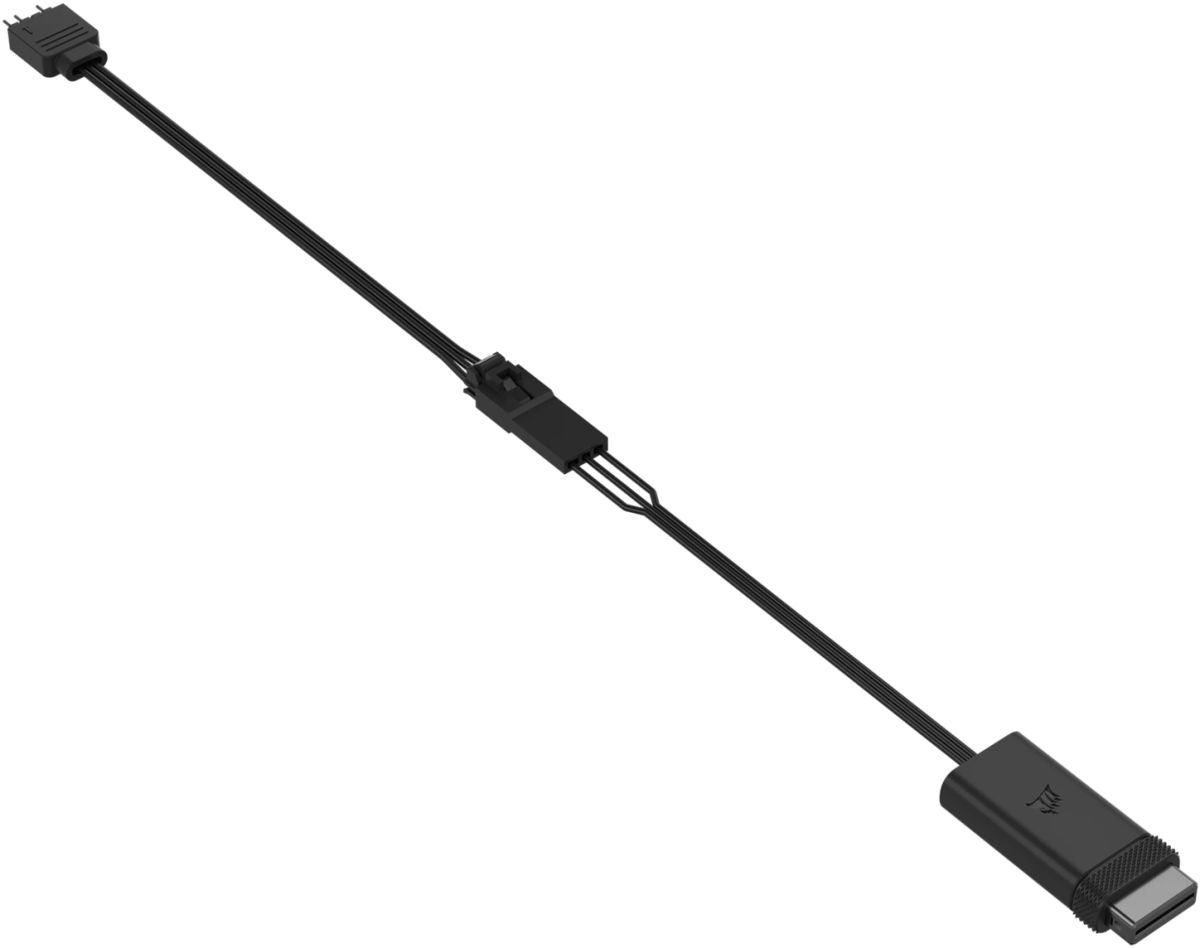
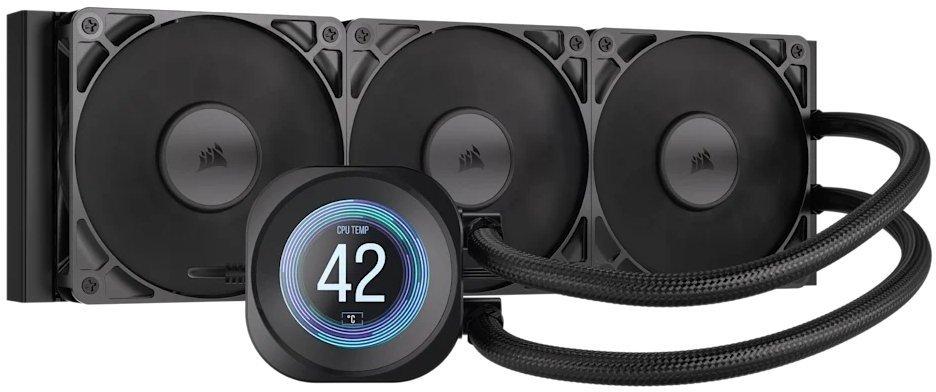
Direct iCUE LINK integration for GPU water blocks, ideal for lighting control within iCUE ecosystems, compatible with XG5/XG7 & many third-party blocks
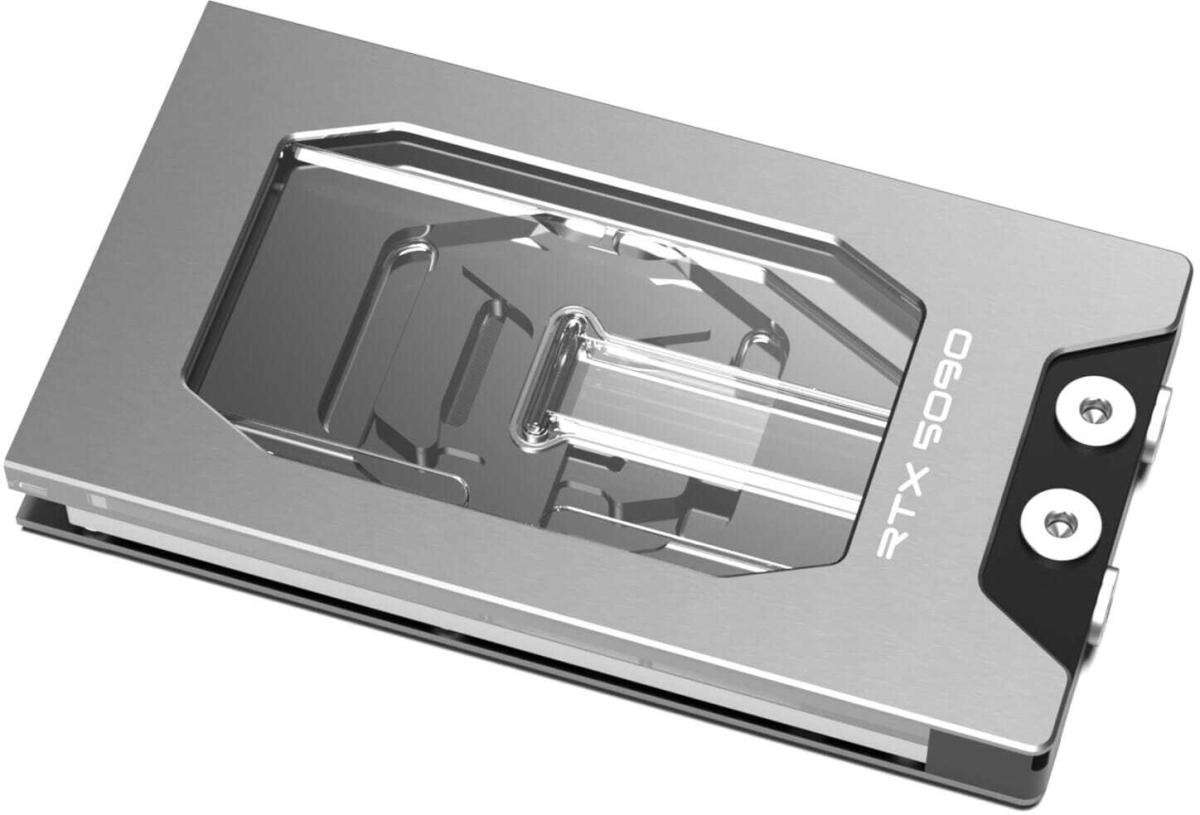
Watercool HEATKILLER® V ULTRA aRGB for Palit/Gainward RTX 5090 - Ultimate Cooling Performance for Your Graphics Card! Unleash the full potential of your Palit or Gainward RTX 5090 with the new HEATKILLER® V ULTRA aRGB graphics card water block! Engineered for ultimate performance and efficiency, this high-end cooler sets new standards in water cooling. Experience unmatched cooling performance thanks to innovative features like the modular Ultra-Performance cold plate with 100 x 0.15mm fins and the dual-layer inlet design. Highlights: Modular Ultra-Performance Cold Plate: Featuring 100 x 0.15mm fins for maximum cooling surface and optimal flow. Compared to the Pro version, the larger cooling surface ensures even better temperatures. Dual Layer Inlet: Efficient water distribution for enhanced cooling performance. Symmetrical Cooling Design: Optimized flow rates through flow-optimized channels. Design-Integrated Connection Threads: Elegant and sturdy integration of the connection module. Screwless Design: Compact and clean look. aRGB Lighting: Customizable lighting with a modular plug-in system. High-Performance Thermal Pads: Optimal heat dissipation from the GDDR7 RAM. Includes Backplate: Improved stability and heat dissipation. Made in Germany: Highest quality and precision. Technical Specifications: Cold plate material: Nickel-plated electrolytic copper Top material: PLEXIGLAS® GS Cover material: Natural anodized aluminum Connection terminal material: Acetal Dimensions: (L x W x H): 236 x 131 (incl. terminal) x 28mm (incl. backplate) Connection: 6x G ¼ inch (DIN ISO 228-1) Approved up to 1 bar Compatibility: Palit RTX 5090 Gainward RTX 5090 Package Contents: 1 x HEATKILLER® V ULTRA aRGB 1 x HEATKILLER® V ULTRA Backplate 1 x Mounting material Invest in the best cooling for your high-end graphics card and experience maximum performance without thermal limits!
EK Water Blocks EK-Quantum Vector³ Suprim RTX 5090 - Plexi: Ultimate water cooling for your MSI RTX 5090 SUPRIM This premium water block sets new standards in cooling performance, reliability, and aesthetics. Featuring an improved, larger cooling motor, more powerful thermal pads, and a new seal design to optimize reliability and aesthetics, this water block ensures exceptional cooling efficiency, even under the most extreme workloads. Improved cooling motor for unsurpassed performance The Vector³ Suprim RTX 5090's redesigned cooling structure maximizes heat transfer through an expanded fin array and optimized coolant flow paths. It actively cools the GPU core, VRAM, and power phases , and passively cools PCB hotspots through the included backplate. Optimized open split-flow cooling engine: Superior flow distribution for even cooling and reduced resistance. Low hydraulic resistance: Allows compatibility with both high and low flow pump systems. Ideal for overclocking & high-load applications: Keep your GPU at peak performance with consistently low temperatures. Premium materials and precision technology Built with high-quality components for durability and top performance: Nickel-plated electrolytic copper cold plate: Maximizes thermal conductivity and longevity. CNC-machined acrylic top: Shows the coolant and offers a crystal-clear aesthetic. Black anodized aluminum backplate: Increases cooling surface and improves structural integrity. Single O-ring seal design: Reduces potential points of failure for long-term reliability. New sealing system: Prevents solid coolant particles from accumulating between the cold plate and the acrylic top to ensure optimal performance. Pre-cut high-performance thermal pads The Vector³ Suprim RTX 5090 comes with next-generation thermal pads, some of which are pre-cut for seamless installation and optimized contact. This enables superior heat dissipation from VRAM and power components. Includes full coverage backplate Each Vector³ Suprim RTX 5090 water block includes a backplate designed to: Passively cool PCB hotspots , including VRAM, core, and VRM areas. Offering a sleek, modern look with its black anodized aluminum finish. Simplify installation with pre-installed captive backplate screws , eliminating the guesswork. This L-shaped backplate profile seamlessly wraps the GPU for a clean, unified aesthetic while adding an extra layer of cooling performance. EK-Matrix7 support – For perfect loop planning The EK-Quantum Vector³ Suprim RTX 5090 follows EK-Matrix7, a standard that simplifies the assembly of liquid cooling circuits by aligning connectors and component spacing for intuitive hose routing. Perfect integration with EK-Quantum Reflection² distribution plates. Easy hose bending & loop planning: Less time for measuring and adjusting. Seamless vertical & horizontal GPU mounting: A clean, professional look with minimal effort. Whether the GPU is mounted vertically or horizontally, Matrix7 ensures a smooth, precise setup. Addressable D-RGB compatibility Addressable D-RGB LED lighting is mounted along the longest edge of both the top and rear water blocks for improved uniformity and brightness . The PCB and diodes are concealed within a clean aluminum extrusion. The individually addressable RGB LED is compatible with popular RGB synchronization technologies from all major motherboard manufacturers. The arrow marking on the 3-pin D-RGB LED connector must be aligned with the +5V marking on the D-RGB (addressable) header (pinout: +5V | Data | Block | Ground). Technical data: Dimensions (L x H x W): 236.5 x 156 x 27 mm D-RGB LED number: 12 D-RGB connector: 3-pin 5V digital LED header D-RGB cable length: 500 mm Made in: Slovenia – Europe!
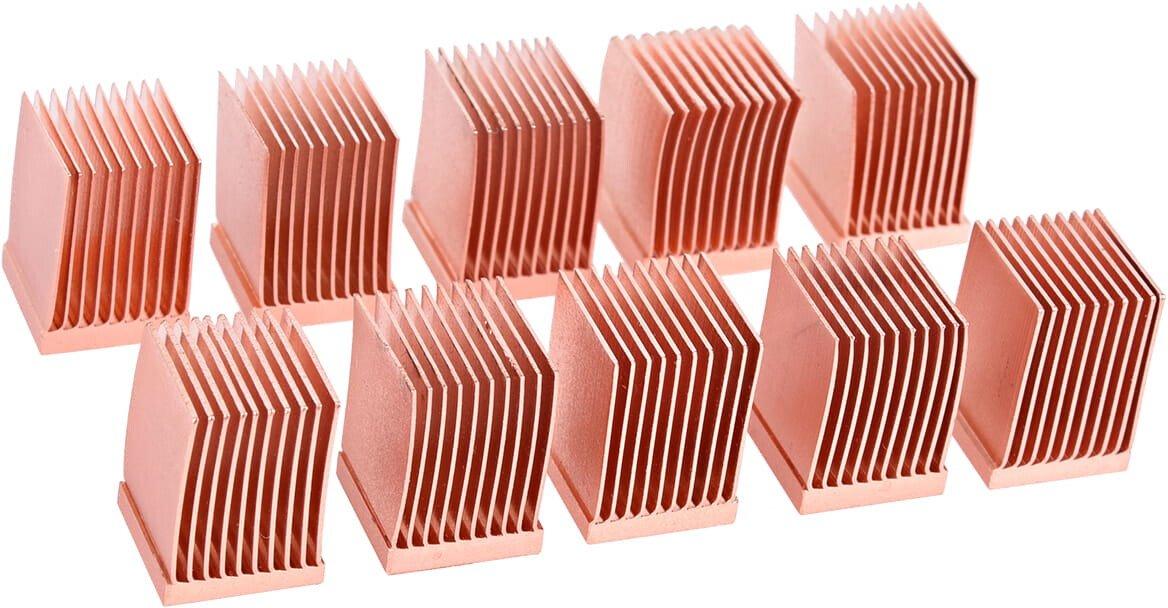
The small heat sinks are the perfect addition for cooling various electronic components such as the graphics card VRam, the voltage transformer on a motherboard, or even in a power amplifier or in RC vehicles. To ensure maximum heat capacity and cooling performance, the coolers are made of copper. Alphacool uses a special coating to prevent the infamous greenish discolouration on copper as much as possible. This increases the lifespan of the cooler and ensures steady cooling performance. The coolers can be installed onto the desired components with optional thermal paste or self-adhesive thermal pads. Technical Data Dimensions: 10 x 10mm Material: Fullcopper Scope of Delivery Alphacool GPU RAM Copper Heatsinks 10x10mm - 10pcs
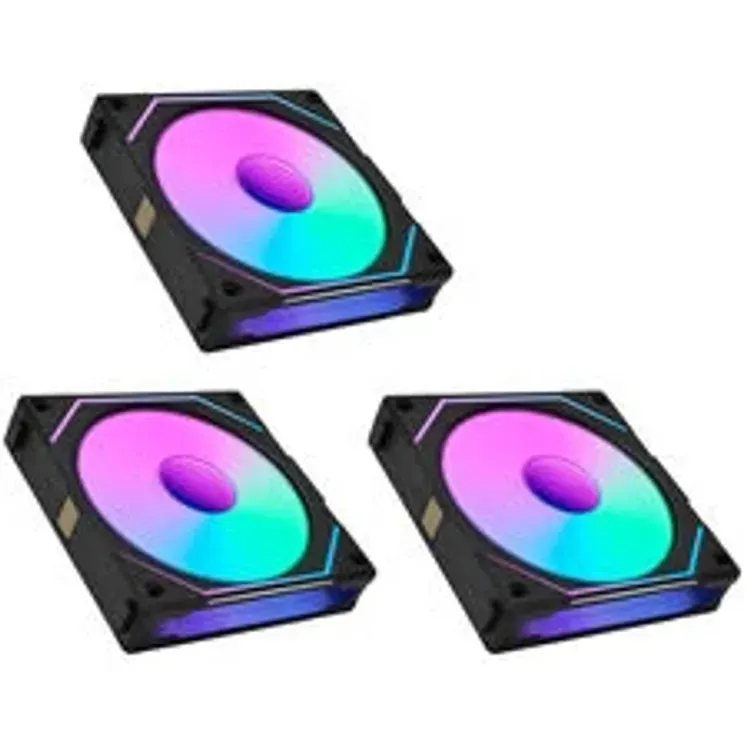
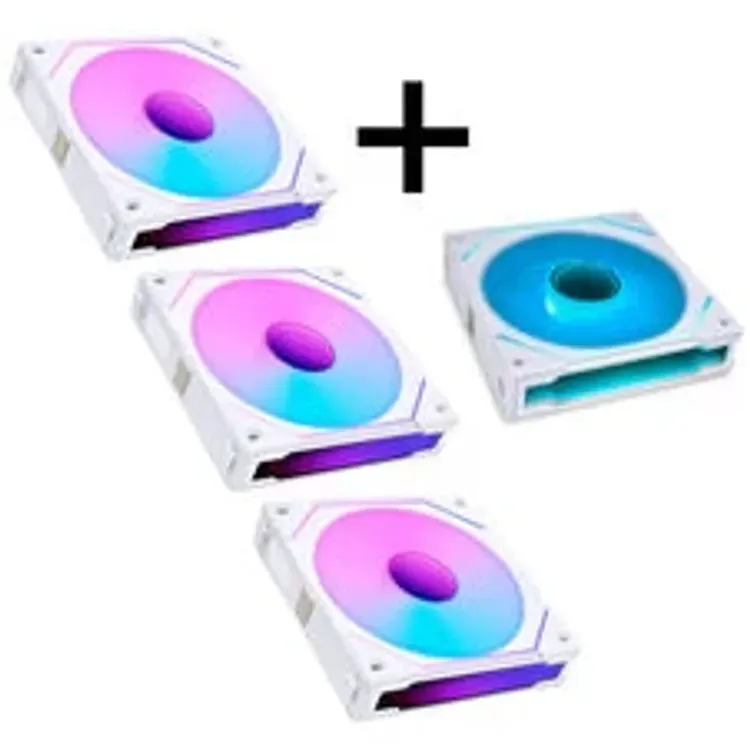
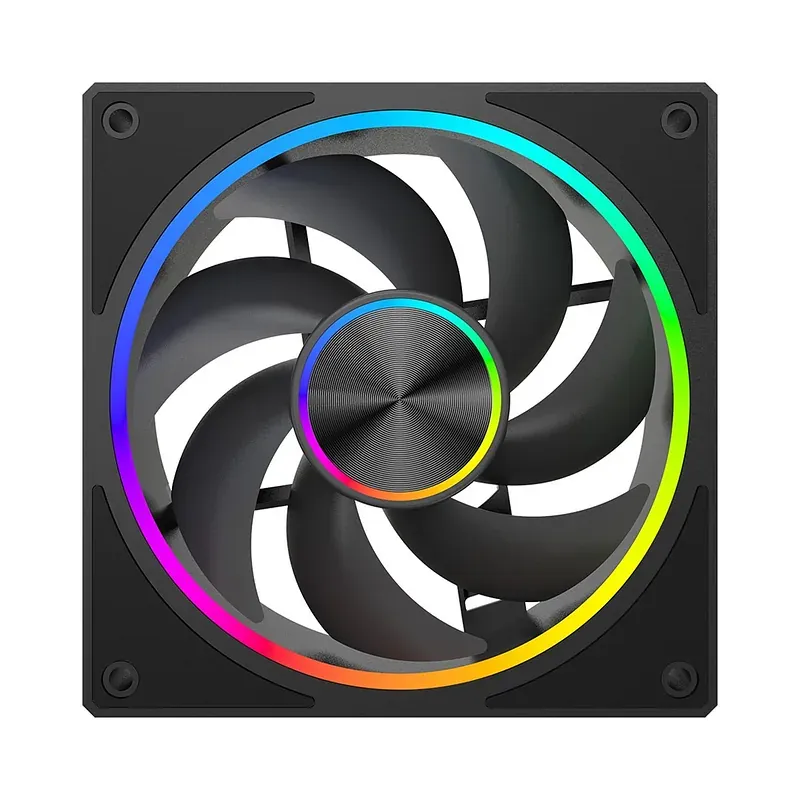
3-piece bundle of 120 mm PWM intake fans from Lian Li, unique plug-in system for less cable clutter, with addressable RGB LEDs, infinity mirror effect on the side and front, max. 2,100 RPM, max. 108.05 m³/h airflow, max. 2.02 mmH₂O static pressure Plug-in system for clean cable management 40 ARGB LEDs & infinity mirror design Fan speed & lighting controllable via software Up to 2,100 RPM at max. 32 dB(A) 108.05 m³/h airflow, 2.02 mmH₂O static pressure Decoupling with rubber buffers to reduce vibrations Lian Li UNI FAN SL-INF 120 Reverse Blade – powerful PC fan with RGB lighting The UNI FAN SL-INF 120 Reverse Blade is the perfect choice for builds with special demands on airflow and aesthetics. The reverse design allows the airflow to be precisely reversed without sacrificing the visible RGB side – for a harmonious overall look inside the case, even with push or pull configurations. The revised version of the UNI FAN SL offers higher cooling performance while reducing cable clutter. Thanks to the modular plug-in system, multiple fans can be seamlessly connected – ensuring a clean look and making installation particularly easy. Improved plug-in system for easy integration Lian Li has further optimised the proven daisy-chain system: the fans are connected via side contacts – eliminating separate cables for power and control. The new 7-pin connector combines all signals and can be routed in two directions. For greater installation flexibility, the connector is centrally placed on the frame – also ideal for radiator use. An adapter for splitting the signals for direct motherboard connections is included with the single version. Note: the system is not compatible with fans from the SL or AL series. High performance on radiators or inside the case With speeds from 200 to 2,100 RPM and an airflow of up to 108.05 m³/h, the SL-INF 120 Reverse Blade delivers strong performance – with a static pressure of 2.02 mmH₂O, it is also perfectly suited for dense radiator fins. The hydrodynamic sleeve bearing reduces friction and increases lifespan. Despite its power, the fan remains pleasantly quiet at a maximum of 32 dB(A). ARGB effects with depth through infinity mirror A total of 40 ARGB LEDs provide vivid colours and even illumination. The infinity mirror effect enhances the lighting through optical depth – both at the fan hub and in the side frame. All LEDs can be individually addressed and customised via L-Connect 3 or motherboard software. For full control over lighting and speed, you can operate the fan directly via the motherboard or through the L-Connect controller (e.g. LULI-028 or LULI-029). This gives you maximum flexibility for your setup – whether subtle or spectacular.
4-pack bundle of 120mm PWM fans from Lian Li, unique plug system for less cable clutter, with addressable RGB LEDs, infinity mirror effect on the side and front, max. 2,100 RPM, max. 104.14 m³/h airflow, max. 2.66 mmH₂O static pressure, with controller Plug system for clean cable management 40 ARGB LEDs & infinity mirror design Fan speed & lighting controllable via software Up to 2,100 RPM at max. 29 dB(A) 104.14 m³/h airflow, 2.66 mmH₂O static pressure Decoupling through rubber buffers against vibrations Includes controller Lian Li UNI FAN SL-INF 120 Standard Blade – powerful PC fan with RGB lighting The UNI FAN SL-INF 120 Standard Blade is the perfect choice for builds with special demands on airflow and aesthetics. The standard design allows targeted airflow out of the case without sacrificing the visible RGB side – for a harmonious overall look inside the case. The revised version of the UNI FAN SL offers higher cooling performance while reducing cable clutter. Thanks to the modular plug system, multiple fans can be seamlessly connected – ensuring a clean look and making installation especially easy. Improved plug system for easy integration Lian Li has further optimised the proven daisy-chain system: the fans are connected via side contacts – saving separate cables for power and control. The new 7-pin connector combines all signals and can be routed in two directions. For more flexibility during installation, the connector is centrally placed on the frame – ideal also for radiator use. An adapter to split the signals for direct motherboard connection is included with the single version. Note: The system is not compatible with fans from the SL or AL series. High performance on radiators or inside the case With speeds from 200 to 2,100 RPM and airflow up to 104.14 m³/h, the SL-INF 120 Standard Blade delivers strong performance – with a static pressure of 2.66 mmH₂O, it is also well suited for dense radiator fins. The hydrodynamic bearing reduces friction and increases lifespan. Despite its power, the fan remains pleasantly quiet at a maximum of 29 dB(A). ARGB effects with depth through infinity mirror A total of 40 ARGB LEDs provide vibrant colours and even illumination. The infinity mirror effect enhances the lighting with optical depth – both at the fan hub and on the side frame. All LEDs can be individually addressed and customised via L-Connect 3 or motherboard software. For full control over lighting and speed, you can operate the fan directly via the motherboard or through the L-Connect controller. This gives you maximum flexibility for your setup – whether subtle or spectacular.
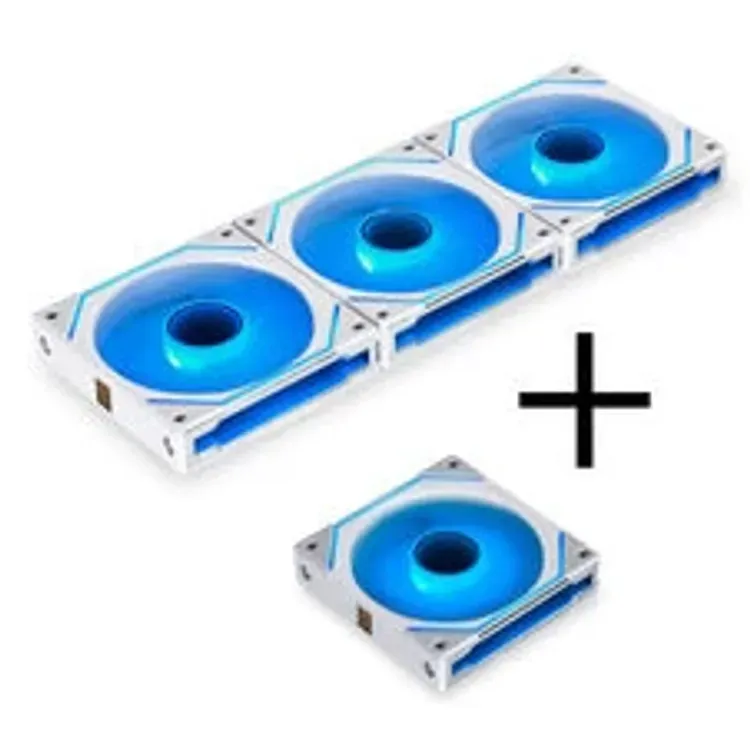
4-piece single bundle 120mm PWM fans, 3x reverse, 1x standard, unique plug system for less cable clutter, with addressable RGB LEDs, infinity mirror effect on side and front Plug-in system for clean cable management 40 ARGB LEDs & infinity mirror design Fan speed & lighting controllable via software Up to 2,100 RPM at max. 32 dB(A) 108.05 m³/h airflow, 2.02 mmH₂O static pressure Rubber buffers for vibration damping Bundle of Lian Li UNI FAN SL-INF 120 Reverse Blade and SL-INF 120 Standard Blade The UNI FAN SL-INF 120 Reverse Blade is the perfect choice for builds with special requirements for airflow and aesthetics. The reverse design allows the airflow direction to be precisely reversed without sacrificing the visible RGB side – for a harmonious overall look inside the case, even in push or pull configurations. The standard fan is ideal as a rear exhaust fan. The revised version of the UNI FAN SL offers higher cooling performance while reducing cable clutter. Thanks to the modular plug-in system, multiple fans can be connected seamlessly – ensuring a clean appearance and making installation especially easy. Improved plug-in system for easy integration Lian Li has further optimised the proven daisy-chain system: the fans are connected via side contacts – eliminating separate cables for power and control. The new 7-pin connector combines all signals and can be routed in two directions. For greater flexibility during installation, the connector is centrally positioned on the frame – also ideal for radiator use. An adapter to split the signals for direct motherboard connections is included with the single version. Note: the system is not compatible with fans from the SL or AL series. High performance on radiators or in the case With speeds from 200 to 2,100 RPM and an airflow of up to 108.05 m³/h, the SL-INF 120 delivers strong performance – with a static pressure of 2.66 mmH₂O, it is also well suited for dense radiator fins. The hydrodynamic bearing reduces friction and increases service life. Despite its performance, the fan remains pleasantly quiet at a maximum of 32 dB(A). ARGB effects with depth through infinity mirror A total of 40 ARGB LEDs provide vivid colours and even illumination. The infinity mirror effect enhances the lighting through optical depth – both on the fan hub and in the side frames. All LEDs can be individually addressed and customised via L-Connect 3 or motherboard software. For full control over lighting and speed, you can operate the fan directly via the motherboard or through the L-Connect controller (e.g. LULI-028 or LULI-029). This gives you maximum flexibility for your setup – whether subtle or spectacular.
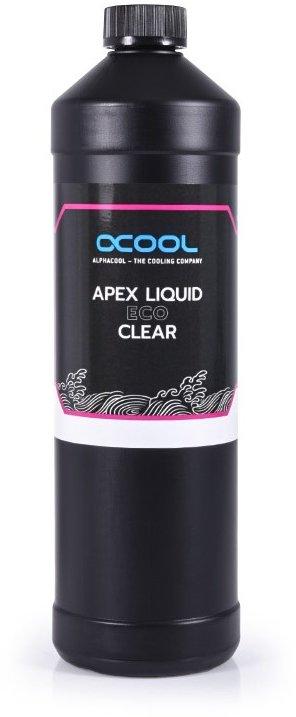
Alphacool Apex Liquid ECO represents the high-end coolant from Alphacool. This product does not contain any dangerous and aggressive ingredients. Thus, Alphacool Apex Liquid ECO is ecologically harmless and can be disposed of safely if necessary. The liquid is a ready-mix and can be used directly from the bottle.PropertiesThe additives included effectively protect the water loop from corrosion, limescale and other contaminants and minimise the surface tension of the liquid, making it easier to dissolve bubbles in the loop. An additional positive side effect is that the pump is lubricated and its service life is significantly extended.Osmosis water as the foundationAt its foundation, the water is filtered and purified several times through an osmosis system. Normal tap water can contain various substances that have no place in a cooling loop. Lime can clog the fine cooling fins and block the complete whole loop. Chlorine, which is added in some countries, is extremely harmful to nickel-plated surfaces, and various other minerals and substances can also attack nickel-plating and other surfaces. In addition, tap water contains microbes that can lead to fungal and algae growth.No restrictionsAlphacool Apex Liquid ECO is suitable for all materials that are usually included in the water circuit of a water cooling system. This includes materials such as copper, brass, nickel, chrome plating, aluminum, POM, PPS-GF40, PETG, acrylic, PVC and EPDM/PP.Notes:Do not add other biocides or anti-corrosion fluids and do not dilute the fluid with distilled water, otherwise the basic and coordinated properties of the fluid will be lost. Technical dataFilling volume1000mlOsmosis water95%Propylene glycol4,2%PH stabilizer0,8%ColorClear
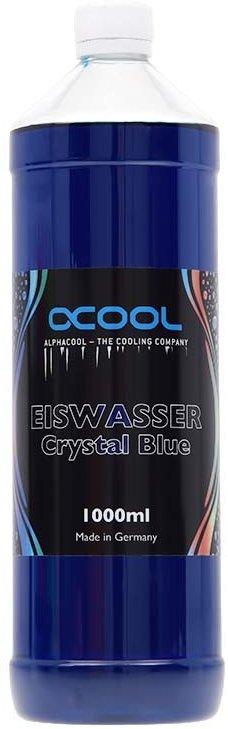
With Alphacool Eiswasser, water cooling pioneer Alphacool is checking off every modder and enthusiast’s wish list: brilliant colors, cool effects in plexi coolers, tubing, and reservoirs, as well as a long lifespan and material compatibility. The Alphacool Eiswasser Crystal Series has been tested in every possible application both in Alphacool’s lab and by external testers and modders, and was proven to be high-quality and long-lasting. If you’re looking to add some illumination to your PC, the Alphacool Eiswasser Crystal UV is for you. It has excellent UV-reactivity with UV-LEDs or cathodes. Alphacool Eiswasser gives your water cooling system an extra visual highlight with great cooling performance. Note: This cooling liquid does not contain any biocides or anti-corrosion additives. It should also be noted that the loop must be cleaned more frequently when using this colored liquid. The dyes it contains can clog the circuit after a long period of use and impair cooling performance. Alphacool's Eiswasser series is therefore more suitable for use in show cases than in gaming or work PCs. Technical data UV ink: blue Content: 1000ml Specification: Ready mix Color: blue Manufacturer: Alphacool