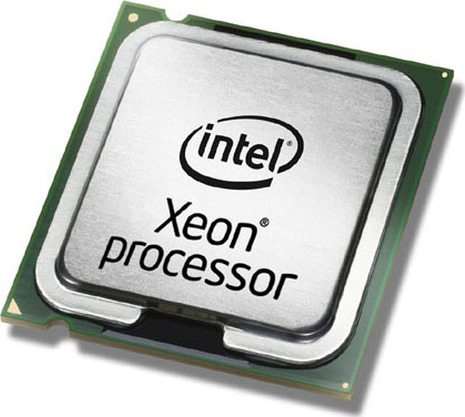
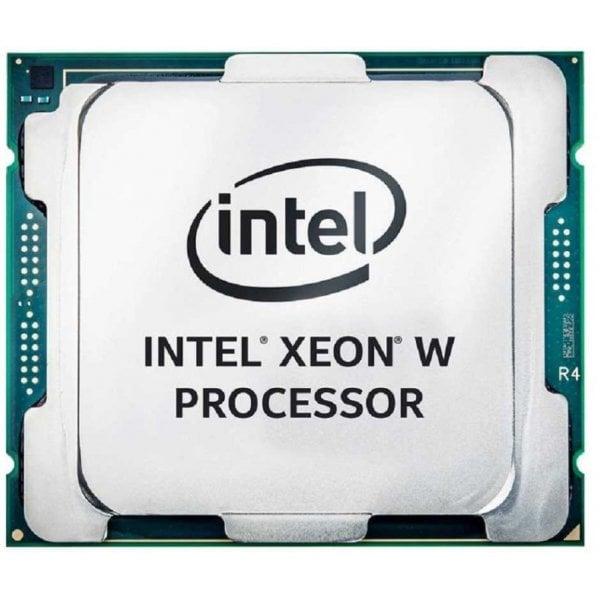
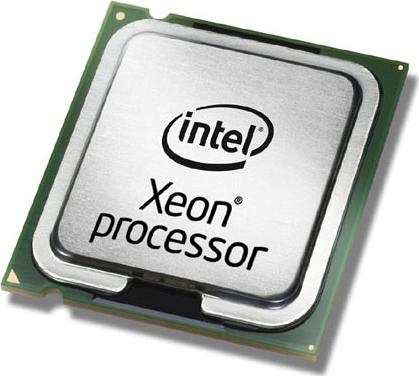
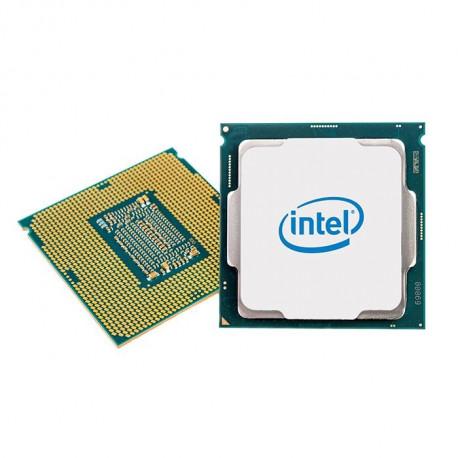
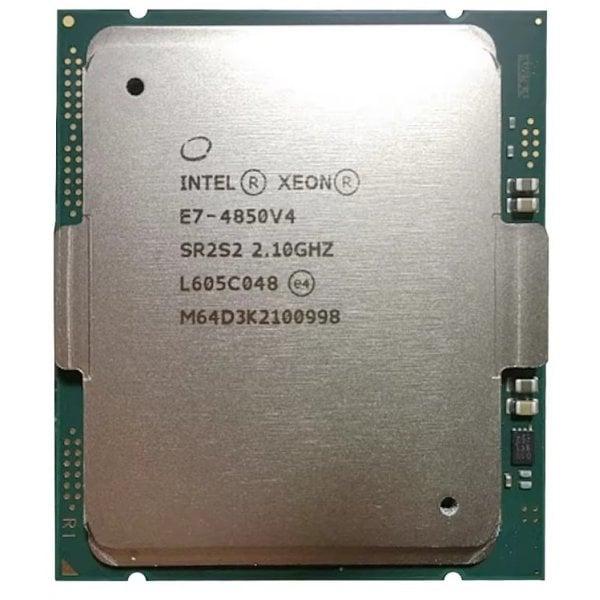
With support for higher memory speeds, enhanced memory capacity, and up-to four-socket scalability, Intel Xeon Gold processors deliver improved performance, enhanced memory capabilities, advanced security technologies, and built-in workload acceleration. These processors are optimized for demanding mainstream data center, cloud compute, and network and storage workloads. With up to four-socket scalability, they are suitable for an expanded range of workloads.
Deliver cloud computing, real-time analytics, processing for your mission-critical business, and big data insights. Improve data center efficiency and reliability to handle any workload.
With support for higher memory speeds, enhanced memory capacity, and up-to four-socket scalability, Intel Xeon Gold processors deliver improved performance, enhanced memory capabilities, advanced security technologies, and built-in workload acceleration. These processors are optimized for demanding mainstream data center, cloud compute, and network and storage workloads. With up to four-socket scalability, they are suitable for an expanded range of workloads.
Intel Xeon Silver processors deliver essential performance, improved memory speed, and power efficiency. Hardware-enhanced performance required for entry data center computes, network and storage.
With support for higher memory speeds, enhanced memory capacity, and up-to four-socket scalability, Intel Xeon Gold processors deliver improved performance, enhanced memory capabilities, advanced security technologies, and built-in workload acceleration. These processors are optimized for demanding mainstream data center, cloud compute, and network and storage workloads. With up to four-socket scalability, they are suitable for an expanded range of workloads.
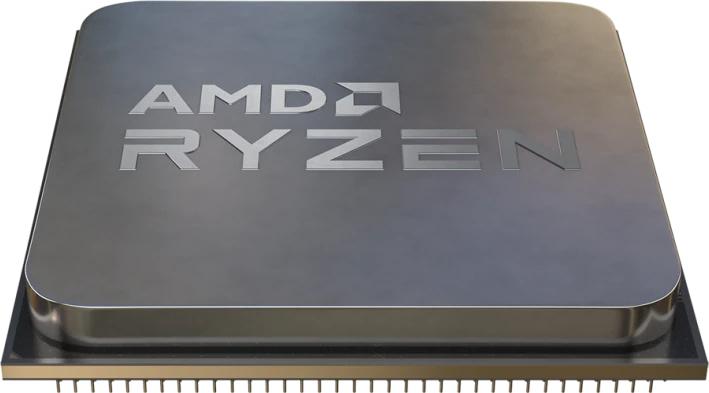
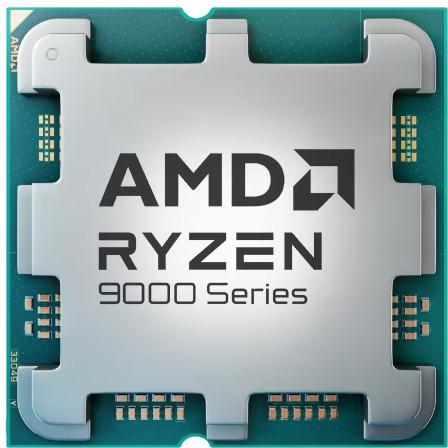
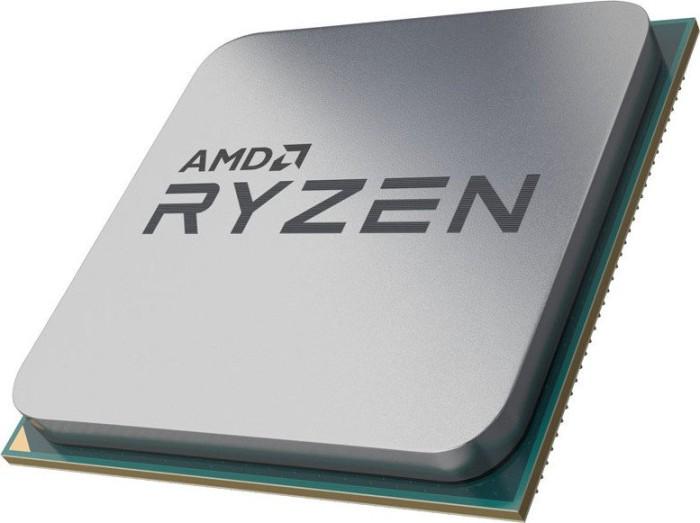
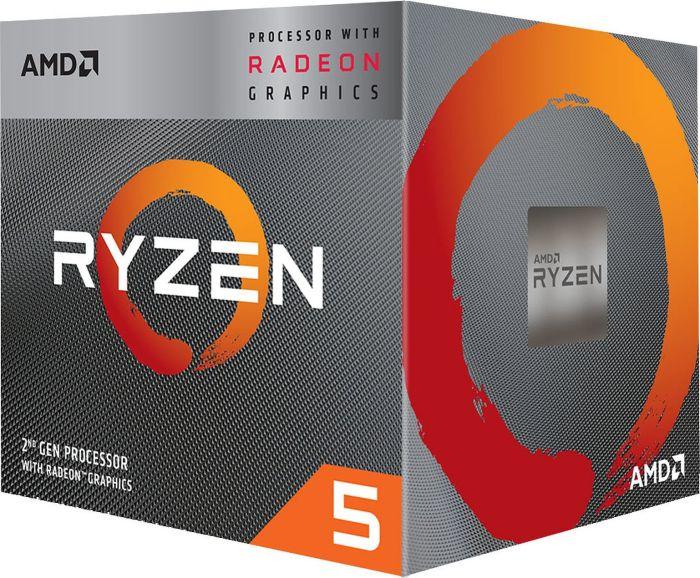
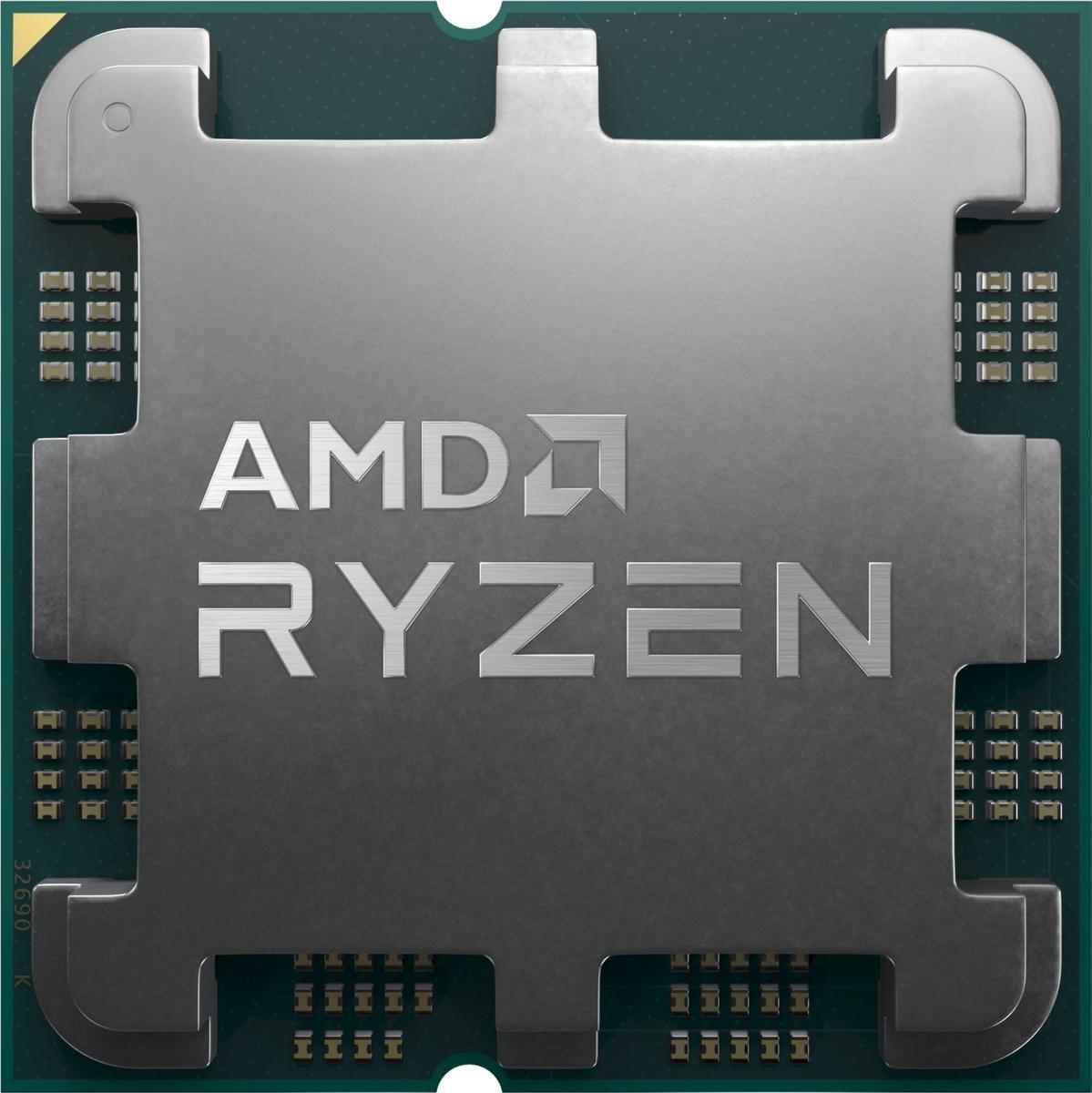
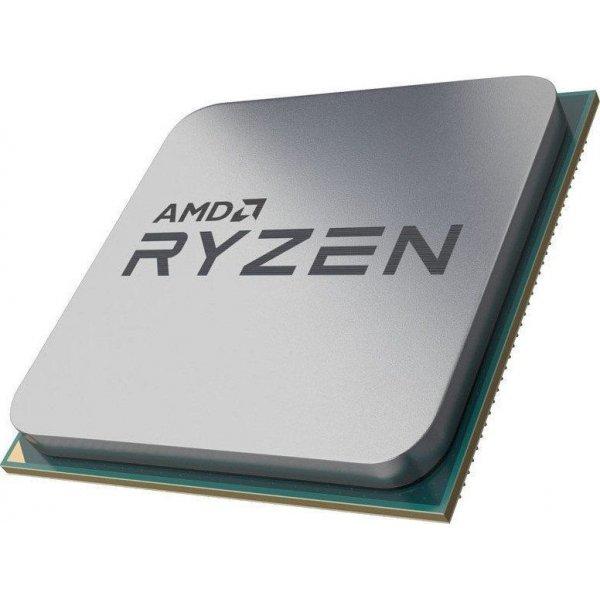
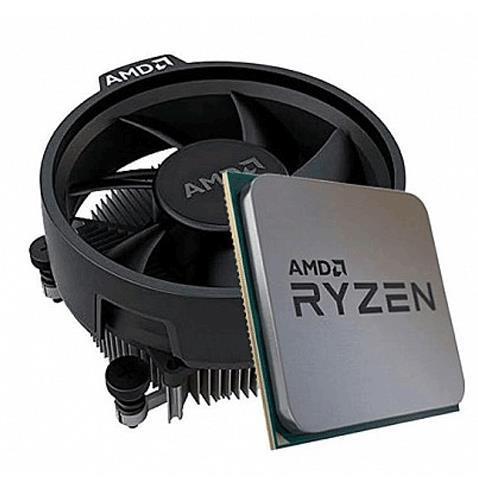
Higher speeds. More memory. Wider bandwidth. You must push every lever, squeeze every ounce, and leave nothing on the table. AMD's Ryzen 9 processor was designed to break expectations and set a new standard for high-performance processors.The AMD Ryzen 9 processor is built using advanced manufacturing technology to deliver winning performance while keeping your system astonishingly cool & quiet. Ryzen 9 processors feature support for the PCIe 4.0 ready platform, enabling the most advanced motherboards, graphics, and storage technologies available.
The AMD Athlon CPU runs on AMD64 technology, a revolutionary technology that allows the processor to run 32-bit applications at full speed while enabling a generation of powerful 64-bit software applications. Advanced 64-bit operating systems designed for the AMD64 platform.The AMD Athlon CPU helps ensure superior performance on today's software with readiness for the coming wave of 64-bit computing. With AMD64 technology, customers can embrace the some capabilities of 64-bit computing on their own terms and achieve compatibility with existing software and operating systems.
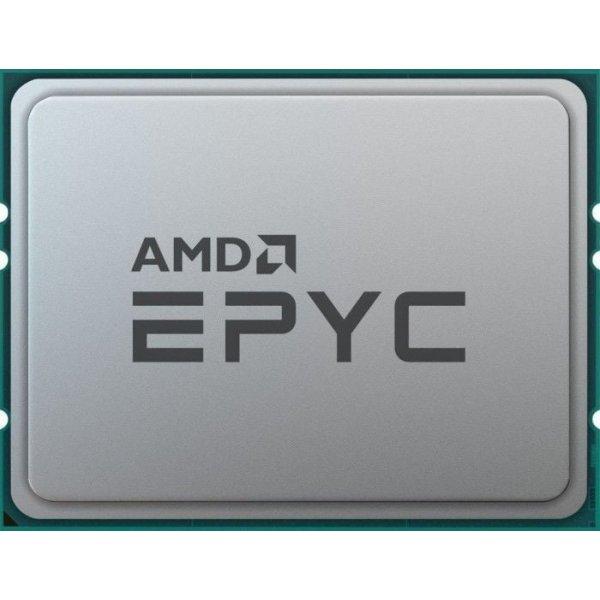
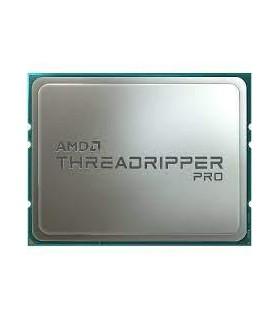
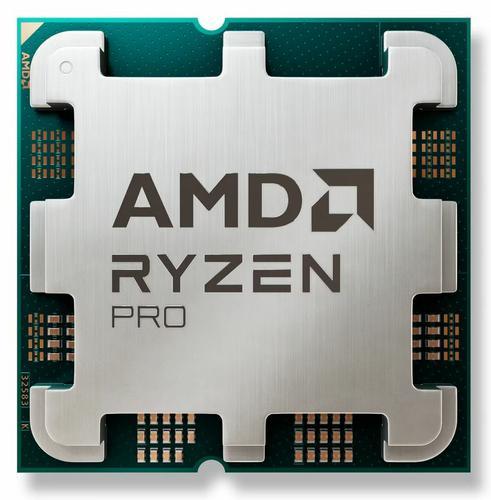
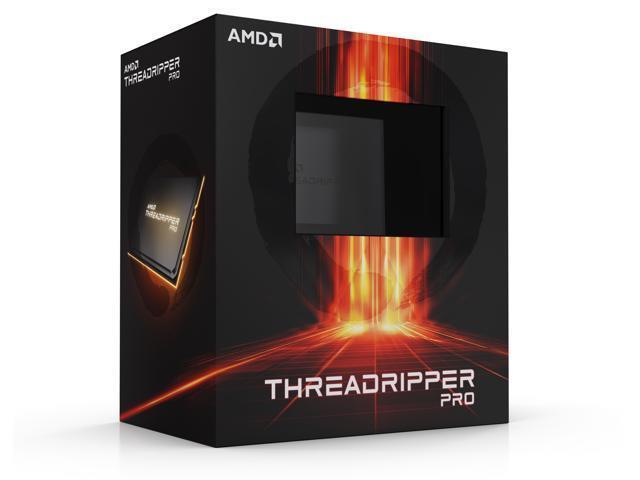
AMD Ryzen Threadripper PRO processor is the first and only professional workstation-caliber CPU to exploit a 7 nm silicon manufacturing process, allowing engineers to double the density and fueling the transistor budget needed to substantially drive-up core throughput. With the unveiling of the first generation of "Zen" CPU technology, AMD disrupted the status quo with a microarchitecture completely rebuilt from the ground up and optimized for modern single and multi-threaded workloads. With the Threadripper PRO processor's "Zen 2" microarchitecture, improvements are many, but two carry most of the weight, especially where high demand professional computing is concerned: up to 15% faster instructions per cycle (IPC), and an impressive quadrupling of the peak floating point throughput rate. The former comes primarily by the way of improved branch prediction and pre-fetching, supported by much deeper and broader allocation of cache, while the latter is the result achieved by both doubling the width of the FPU data path and doubling density. Supporting the increased compute throughput, architects doubled load-store bandwidth and dialed up dispatch and retire bandwidth to minimize the chances the higher throughput ALUs would be starved of data.