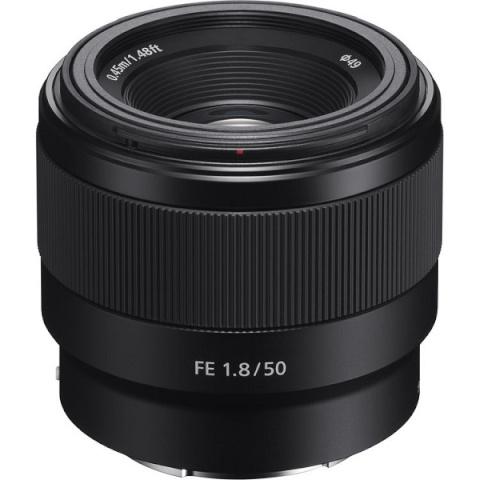
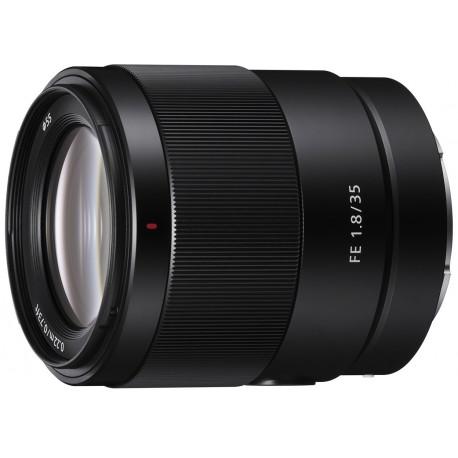
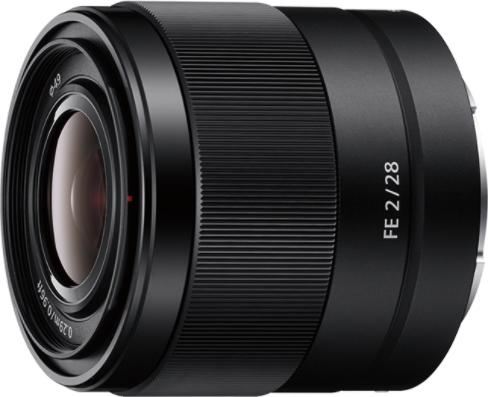
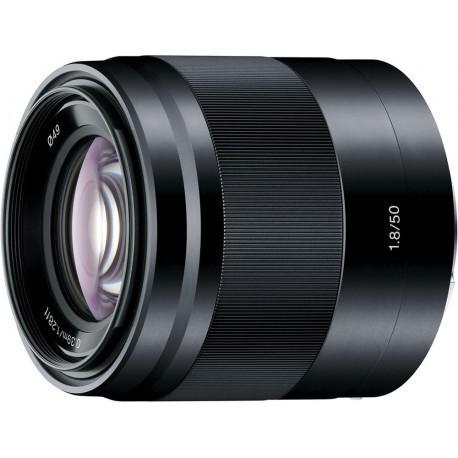
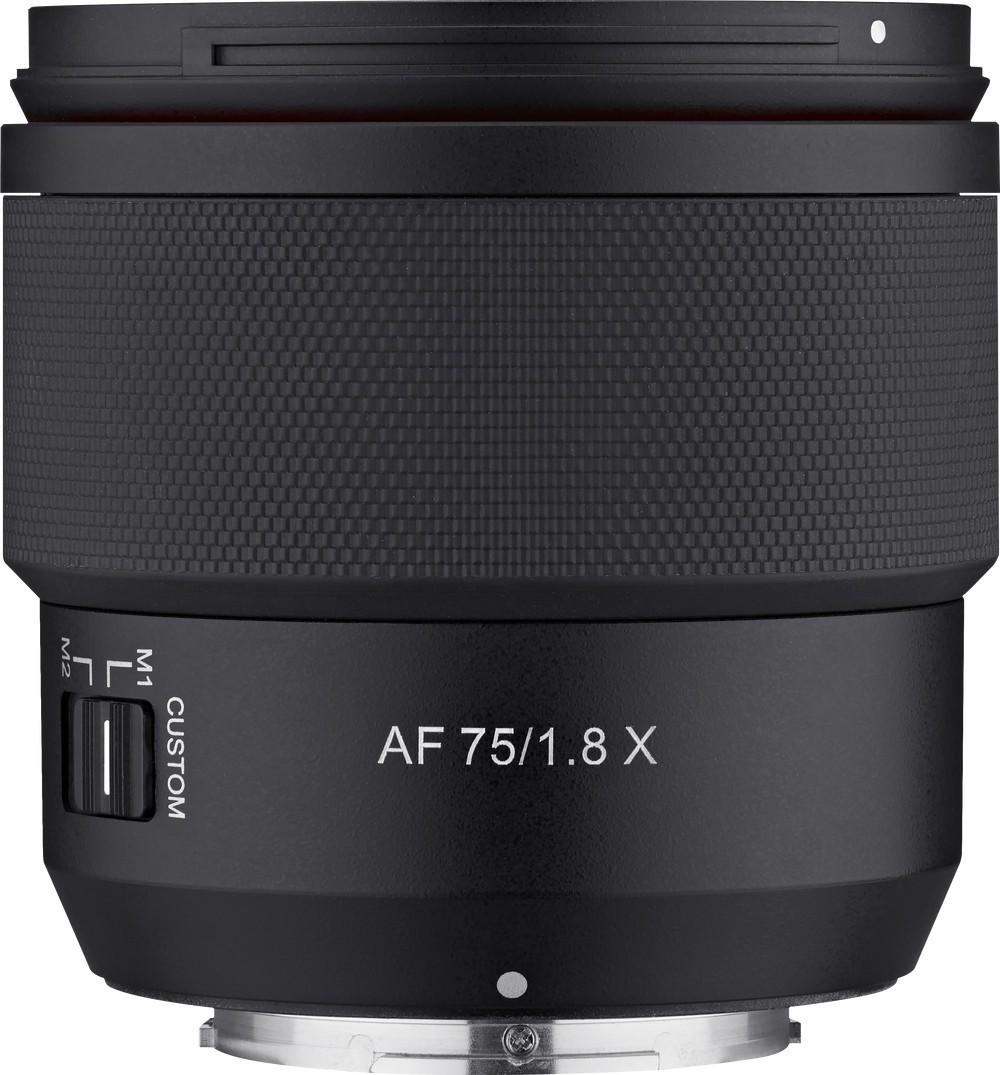
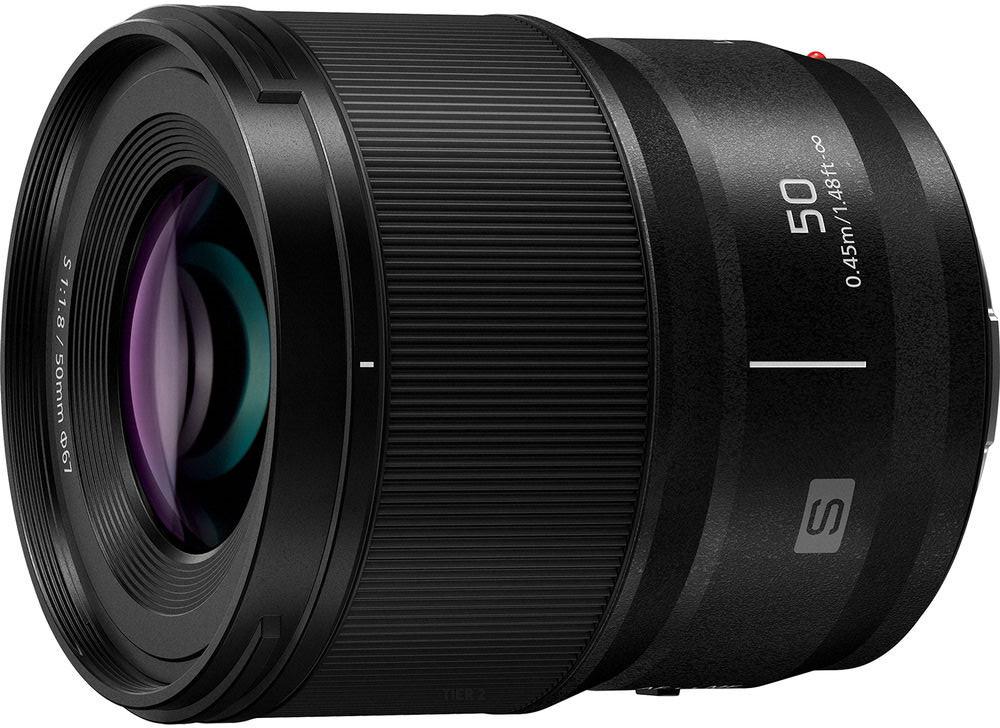
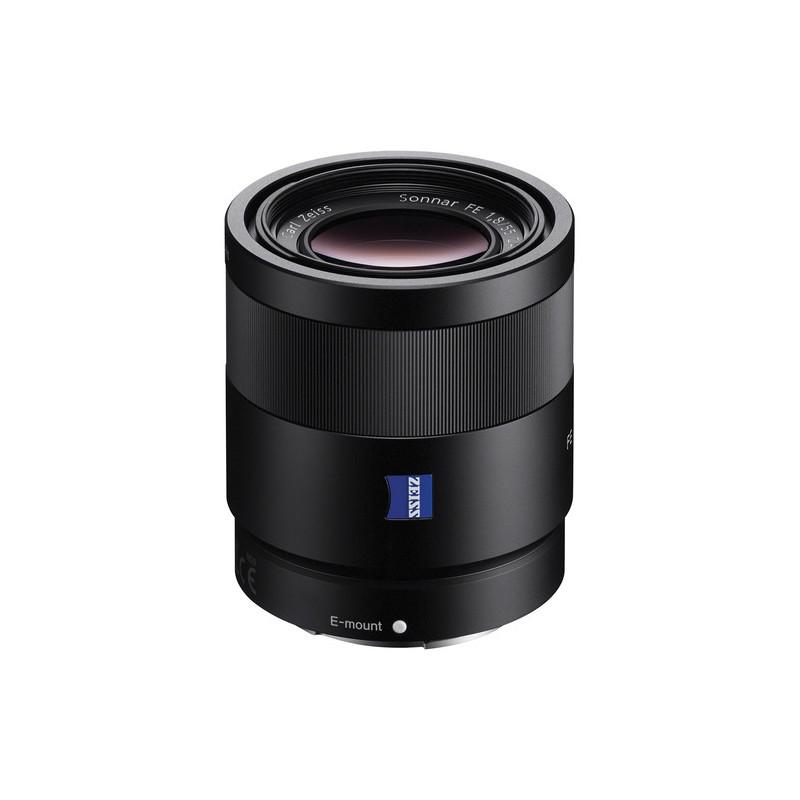
50 mm normaal-fiksobjektiiv; Valgusjõuline - suure f/1.8 avaga; Parim kooslus mitmekülgsusest ja pildikvaliteedist; DV teravustamismootoriga; Sony α pool- ja täiskaader hübriidkaameratele
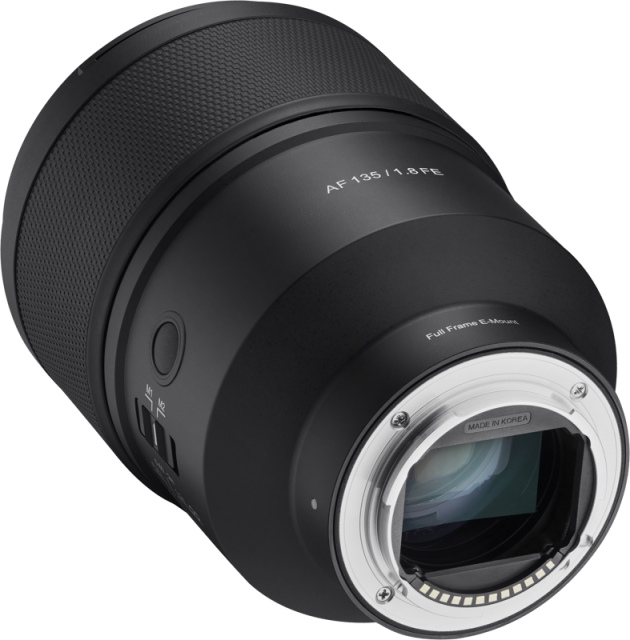
Uus valgusjõuline AF 135 mm F1.8 FE teleobjektiiv on optimeeritud portreede, ööfotografia ja videovõtete vajadusi silmas pidades. Objektiivil on juba varasemast tuttavad fookuse lukustamise, teravustamisulatuse piiraja ning muudetava funktsiooniga nupp. Kõik see on ühendatud eeskujulike optiliste näitajatega ning pakitud kompaktsesse ning kergesse korpusesse. Optiliselt koosneb uus 135 mm fookuskaugusega objektiiv 13 läätsest (neist üks U-ASP, kaks HR ja kolm ED), mis on jagatud 11 gruppi. Koostööna Sony täiskaadri mõõdus sensoriga saavutatakse eeskujulik kontrastsus ja kujutise teravus kogu pildivälja ulatuses. Objektiivis kasutatav UA (Ultra-precision Aspherical) lääts aitab luua teie fotodele loomuliku uduse tausta ning eraldada portree- ning lähivõtetel fookuses oleva objekti selgelt taustast. AF 135 mm F1.8 FE disainiti kerge ning kompaktsena ja see kaalub vaid 772 grammi. Mikrotekstuuriga kaetud kummeeritud teravustamisrõngas ning tihendid kaitseks ilmastikumõjude eest võimaldavad selle objektiivi kasutamist ka keerulistes ilmastikuoludes. Objektiivilt leiame teravustamispunkti lukustamise nupu, muudetava funktsiooniga lüliti ja teravustamisvahemiku valiku lüliti. Muudetava funktsiooniga lüliti võimaldab teil näiteks muuta teravustamisrõnga keeramisel hoopis vaikselt avaarvu. Samyang Lens Station´i abiga saate objektiivi kohandada enda vajadustele ning tulevikus lisatakse tarkvarauuendustega ka täiendavaid võimalusi funktsioonilülitile. Focus Hold nupu vajutamisel hoitakse fookust valitud kaugusel. Kaamerast on sellele nupule võimalik omistada ka teisi seadistusi – näiteks silmale teravustamist (Eye AF). Objektiivis Samyang AF 135 mm F1.8 FE on teravustamiseks kasutusel Samyang´i linear STM (samm-mootor), mille vaikne töö võimaldab objektiivi kasutada nii video- kui fotovõteteks. Lähimaks teravustamiskauguseks on eeskujulik 0,69 meetrit, mis annab lähipildistamiseks suurenduse 0,243x – eriti sobilik detailide esile toomiseks pehmest udustatud taustast. Olulisimad omadused Suurepärane pildikvaliteet. Eeskujulik tausta hägustamine. Tihendid kaitseks ilmastikumõjude eest. Kiire, täpne ja vaikne automaatteravustamine. Muudetava funktsiooniga nupud. Minimaalne teravustamiskaugus vaid 0,69 meetrit. Kaalub vaid 772 grammi. Filtrikeerme läbimõõt 82 mm.
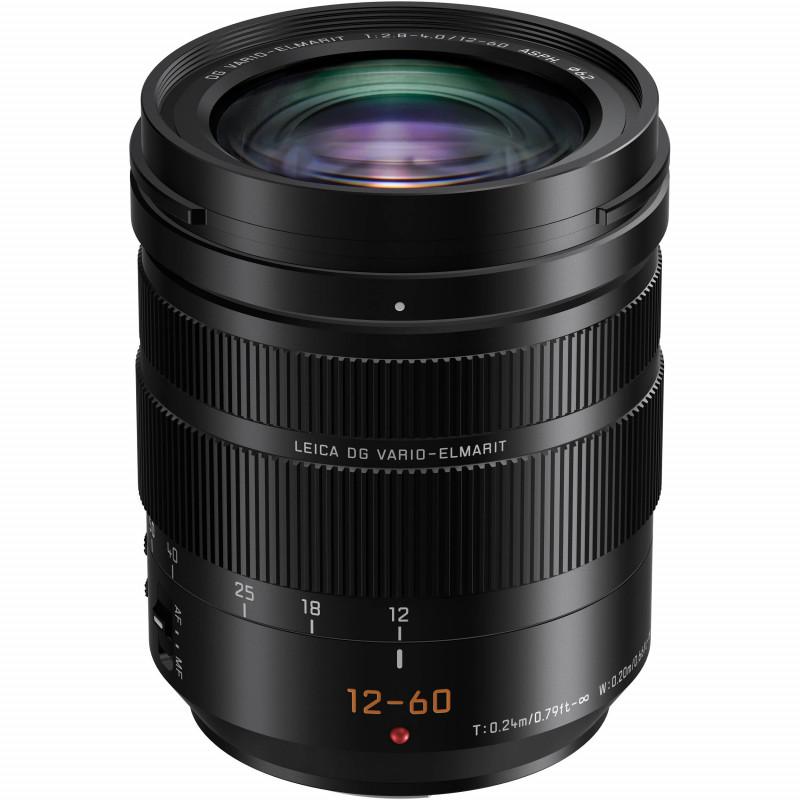
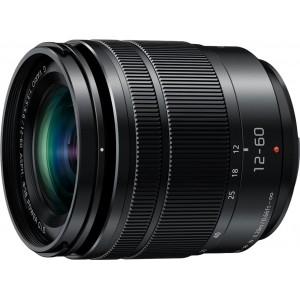
12–60 mm normaalsuumobjektiiv; 35 mm ekvivalendina 24–120 mm; Integreeritud Power O.I.S. stabilisaator; Pritsme- ja tolmukindel disain; Micro Four Thirds hübriidkaameratele
50mm objektiiv on võrdlemisi universaalne, kuna sellega pildistades on perspektiiv sama, nagu inimene oma silmadega maailma näeb. Seetõttu on selle objektiiviga tehtud pildid loomutruud. Samas tänu suurele ning ümarale avale saab ...
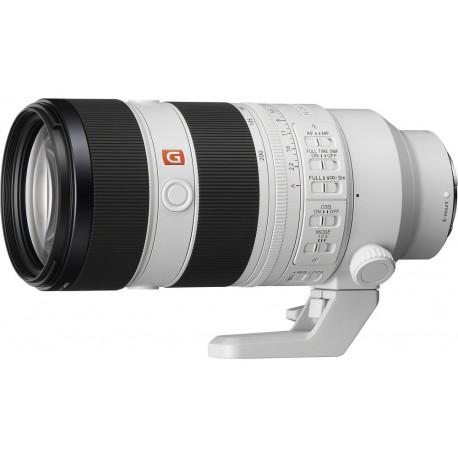
Uuendatud 70-200mm klassikaline telesuumobjektiiv; Valgusjõuline - läbiva f/2.8 avaga; Võimekas pildistabilisaator; Vähem sisepeegeldusi ja valgushalosid rasketes tingimustes tänu uuele vääristusele; Air Sphere (ASC); Kiire ning ...
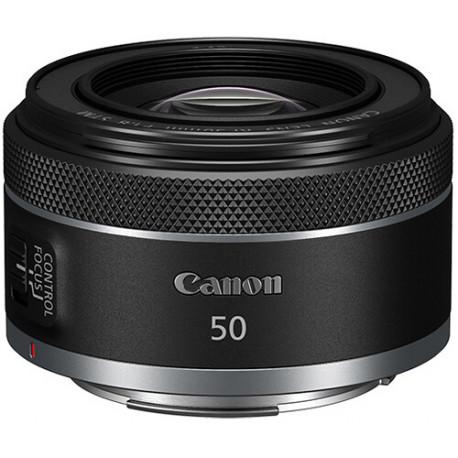
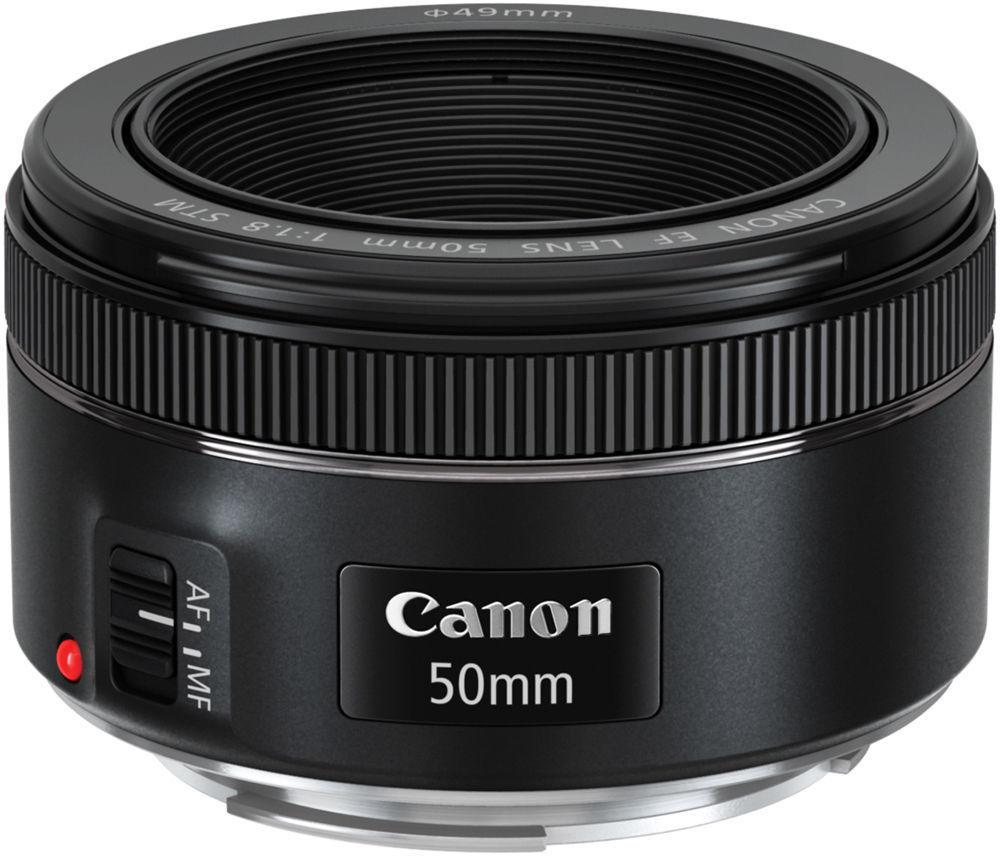
50 mm normaal-fiksobjektiiv; Valgusjõuline - suure f/1.8 avaga; Sujuv ning vaikne STM teravustamismootor; Soodne, kuid võimekas objektiiv; Canoni täiskaader hübriidkaameratele
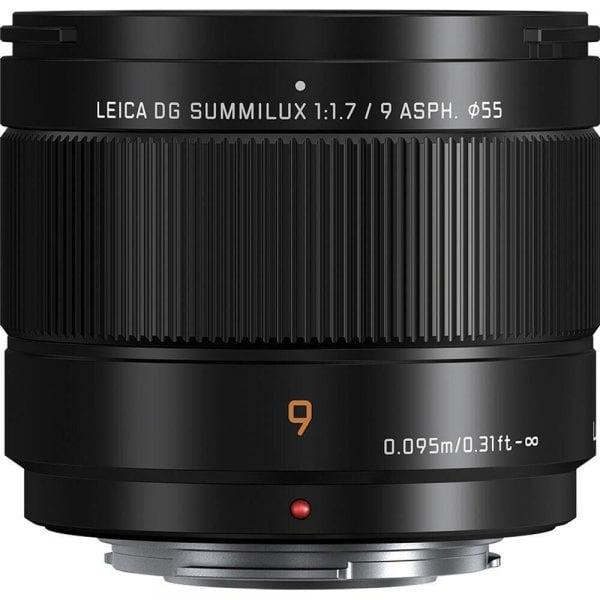
Uue 9 labaga ja F1.8 valgusjõuga ava teevad sellest objektiivist ideaalse kaaslase portreefotode tegemiseks; Objektiivi sisse on paigaldatud ülivaikne lineaarne teravustamismootor mis eemaldab kaameraga filmides teravustamisest ...
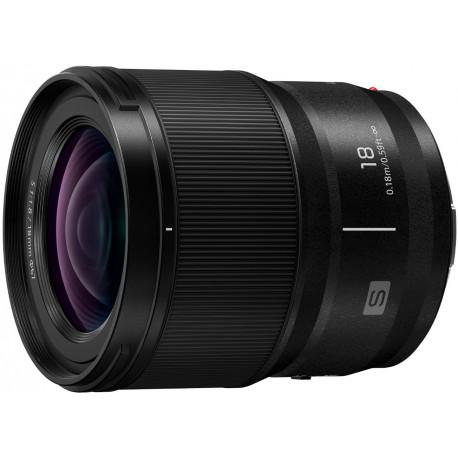
18 mm ülilainurk fikseeritud objektiiv; Kiire – maksimaalne ava f/1,8; Kiire ja täpne autofookus; Tolmu- ja pritsmekindel konstruktsioon; L-kinnitusega täiskaaderkaameratele
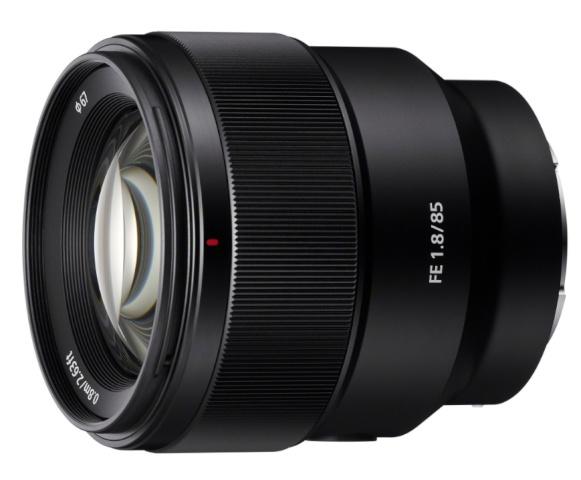
85 mm tele-fiksobjektiiv; Valgusjõuline – maksimaalne f/1.4 ava; Kiire, vaikne ja täpne Linear STM teravustamismootor; Lummav bokeh – täiuslik porteefotograafiaks; Sony E bajonetiga kaameratele
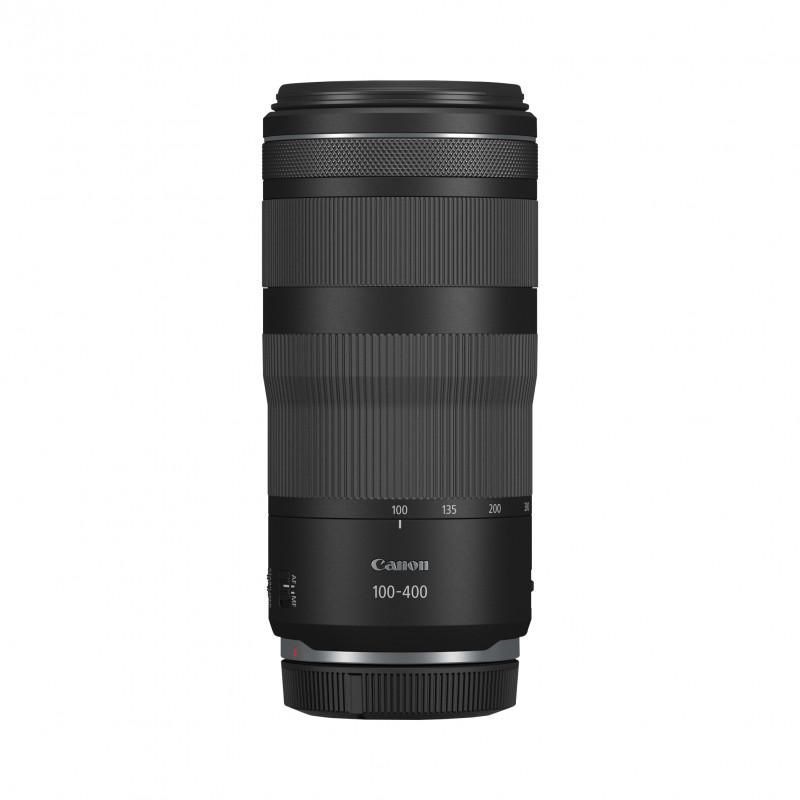
100–400 mm telesuumobjektiiv; Võimekas pildistabilisaator, kuni 5,5 stoppi; Sujuv, kiire ja vaikne Nano USM teravustamismootor; Sobiv loodus- ja spordifotograafidele; Canoni täiskaader hübriidkaameratele
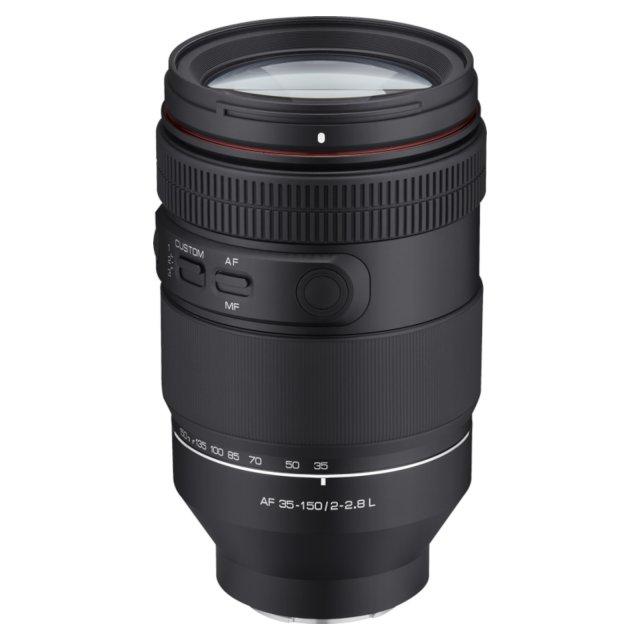
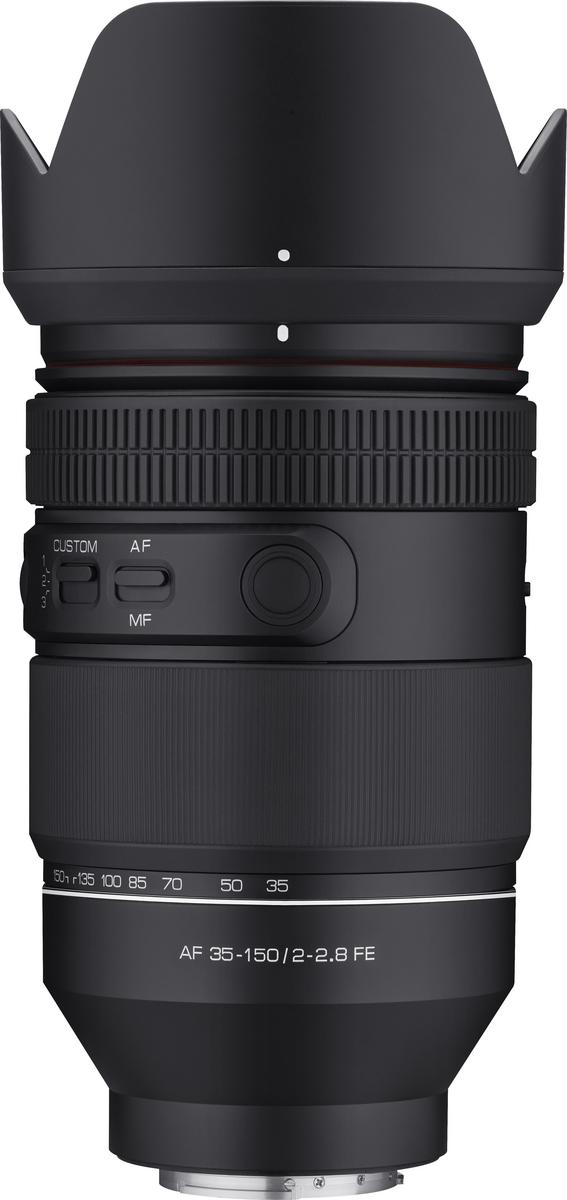
35–150 mm universaalsuumobjektiiv Valgusjõuline – maksimaalne f/2–2.8 ava Kiire ja täpne teravustamismootor Tolmu- ja ilmastikukindel konstruktsioon L-bajonetiga täiskaader kaameratele 35–150 mm universaalsuumobjektiiv maksimaalse f/2–2.8 avaga Suurepärane objektiiv, mis toob pildistatava udustatud taustast esile Mitmed videograafidele suunatud funktsioonid: Dolly Shot, digitaalne Par-Focal funktsioon, sujuv fookuspunkti liikumine, minimeeritud focus breathing Kiire, vaikne ja täpne Linear STM teravustamismootor Lisatud tihendid kaitsevad objektiivi kerge vihma, lume ja tolmu eest Seadistatav lüliti ja fookuse hoidmise nupp Üks objektiiv kõigeks. Samyang’i uus suumobjektiiv on universaalne, kattes enimkasutatavad fookuskaugused – 35, 50, 85 mm – ning ulatudes kuni 150 mm kaugusele. Kuigi see objektiiv on peamiselt loodud portreefotograafidele, on see kasulik ka reklaamide, ürituste ja reiside jäädvustamiseks. Suurepärane pildikvaliteet. Objektiivi optiline konstruktsioon koosneb 21 läätsest (sh 2 ASP, 1 HB, 3 H-ASP ja 6 ED elementi), mis on jagatud 18 grupiks, et tagada eeskujulik pildikvaliteet kogu pika suumivahemiku ulatuses. UMC (Ultra Multi-Coating) vääristus minimeerib peegeldusi, mis aitab omakorda säilitada loomulikke värve ning saavutada selgeid ja kontrastseid kaadreid. Imeline taustahägu Maksimaalse f/2–2.8 ava aitab tõhusalt eraldada objekti taustast ja üheksa diafragmalamelli loovad ühtlase ja meeldiva tausta hägustamise. Kiire ja vaikne teravustamismootor. Objektiivis on kasutusel Samyang’i Linear STM teravustamismootor, mis pakub kiiret, vaikset ja täpset teravustamist. See sobib suurepäraselt ka videotöös kasutamiseks. Objektiiv on disainitud parfokaalsena, mis on eriti kasulik videovõtetel. Kui oled käsitsi teravustamise režiimis (MF) mingile objektile teravustanud, siis ei ole suumimisel vaja fookust korrigeerida. See võimaldab videovõtetel aega kokku hoida ning teisalt säilitada täpne ja stabiilne fookus. Ka focus breathing on selle objektiivi puhul viidud miinimumini. Lühike lähim teravustamiskaugus. Selle objektiivi lähim teravustamiskaugus on 35 mm juures 32 cm ja 150 mm juures 85 cm. Tänu objektiivi lahtisele avale võimaldab see luua ainulaadse perspektiiviga võtteid, millel objektiivi läheduses olev objekt eraldub kaunilt hägustatud taustast. Funktsionaalsus. Objektiivi küljel olevad muudetava funktsiooniga lülitid ja nupud võimaldavad kasutajal objektiivi enda vajadustele vastavaks kohandada. Samyang Lens Station (saadaval eraldi) võimaldab objektiivi kohandada Sinu vajaduste järgi. Ilmastikukindel disain. AF 35-150 mm f/2-2.8 on ilmastikukindla disainiga. 12 tihendit erinevates objektiivi piirkondades aitavad vältida tolmust, kergest vihmast või lumest tekkida võivaid kahjustusi.
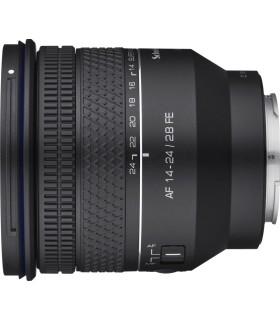
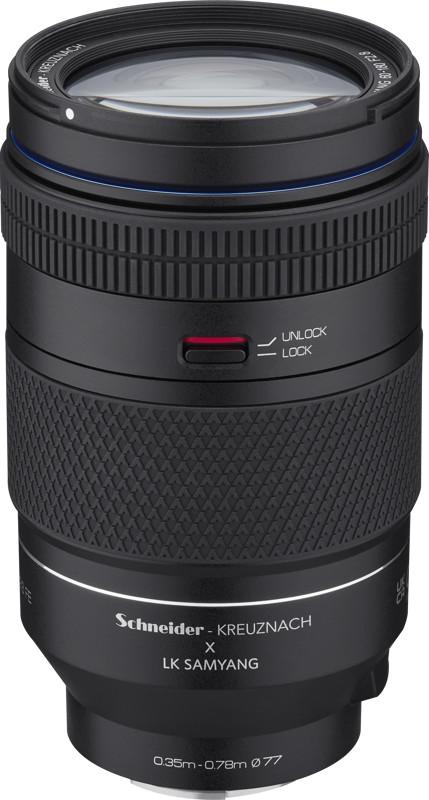
Kerge ja võimekas ülilainurk-suumobjektiivSamyang AF 14-24mm f/2.8 FE on Samyangi ja Schneider-Kreuznachi koostöös loodud kompaktne ja kerge ülilainurk-suumobjektiiv.Vaid 88,8 mm pikk ja 445 g kaaluv objektiiv sobib ideaalselt kaasavõtmiseks – olgu pildistamispaigaks linn, loodus, öine taevas või arhitektuursed detailid. See on maailma esimene* ülilainurk-suum, millele saab kinnitada tavalise esifiltri – tehes sellest eriti praktilise ja mitmekülgse tööriista.Lai vaatenurk, lõputud võimalusedSee objektiiv pakub suurepärast vaadet kogu fookuskauguste vahemikus. 14 mm juures saad jäädvustada dünaamilisi ja avaraid stseene vaatenurgaga 114,2º. 24 mm pakub omakorda rohkem paindlikkust ja sobib hästi erinevateks olukordadeks (vaatenurk 84,1º). Sobib maastike, linnavaadete, ööfotode, tähtede, arhitektuuri, sisekujunduse ja portreede jaoks – loominguline vabadus igas kaadris.Väiksem ja kergem kui kunagi varemSpetsiaalselt Sony täiskaader E-mount kaameratele loodud objektiiv kaalub kõigest 445 grammi, tehes sellest oma klassi kergeima. Väike kaal ja kompaktsus muudavad selle suurepäraseks kaaslaseks reisidel ja õues pildistamisel. Rohkem ruumi kotis ja vähem koormust õlgadel!Esifiltri kinnitus – 77 mm keermegaErinevalt paljudest teistest ülilainurkobjektiividest saab sellele mudelile kinnitada tavalise 77 mm esifiltri. See on eriti väärtuslik maastikufotograafidele, kes soovivad kasutada polarisatsiooni- või ND-filtreid. Nüüd saad hõlpsasti lisada oma fotodele soovitud efektid.Valgusjõuline ja terav15 läätseelementi 11 grupis tagavad teravuse ka maksimaalse ava f/2.8 juures. Kaader on ühtlaselt detailne servast servani. Kui aktiveerid Sony kaameras "Lens Compensation" funktsiooni, väheneb moonutus ja vinjett – tulemuseks veelgi puhtam pilt.Selged kaadrid ka pimedasKolm asfäärilist elementi aitavad minimeerida moonutusi, isegi täiesti lahtise avaga. Tulemuseks on selged tähed öises taevas. See objektiiv näitab oma tõelist tugevust just öö- ja astrofotograafias.Mine lähemale, jäädvusta julgeltMinimaalne teravustamiskaugus on kogu suumivahemikus vaid 0,18 m. Sellega saad kuni 0,26-kordse suurenduse, tuues detailid esile isegi ülilainurkvaates. Lähedased objektid mõjuvad pildil veelgi silmapaistvamalt.Kiire, vaikne ja täpne autofookusSamyangi lineaarne samm-mootor tagab kiire ja vaikse teravustamise. Täpne fookusjälgimine hoiab pildi teravana ka liikuvate objektide korral.Isikupärane juhtimineObjektiivil on sujuvalt töötavad teravustamis- ja suumirõngad ning mugav AF/MF lüliti. Lisaks on sellel kohandatav nupp, mis vaikimisi lukustab fookuse – aga seda funktsiooni saab oma kaamera menüüst soovi järgi muuta. Kõik selleks, et kasutuskogemus oleks võimalikult mugav.Lihtne uuendada, kaitstud ilmastiku eestObjektiivil on USB-port, mille kaudu saad tarkvara hõlpsalt uuendada. Nii oled alati varustatud uusimate täiustustega. Ilmastikukindlus kaitseb kerge vihma, lume ja tolmu eest.Objektiivi tolmu- ja pritsmekindlust ei saa garanteerida igas olukorras.
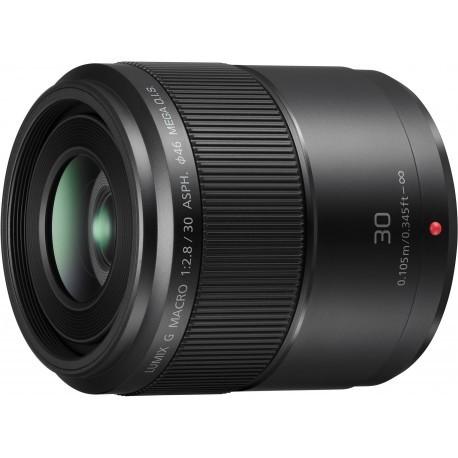
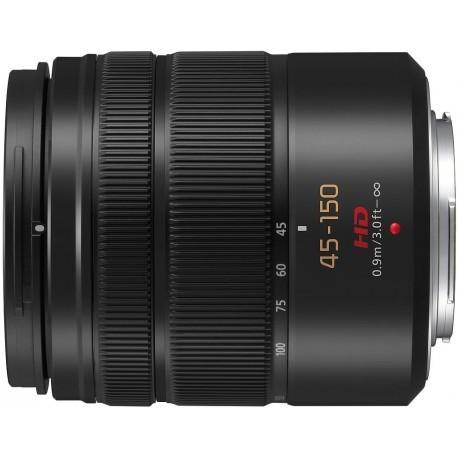
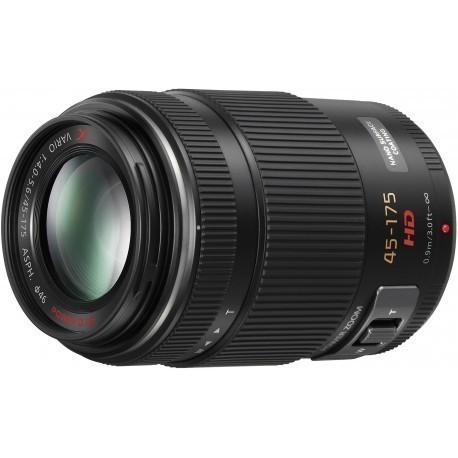
Kompaktne ja kergekaaluline teleobjektiiv Panasonic hübriidkaamerale., 2 asfäärilist läätse ja 1 UHR lääts teevad sellest objektiivist kvaliteetse toote., MEGA O.I.S. pildistabilisaator tagab teravad pildid ja värvinakindla ...
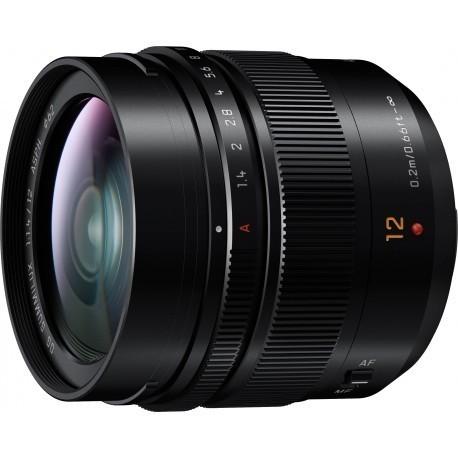
Micro Four Thirds System, 24mm (35mm Equivalent), Aperture Range: f/1.4 to f/16, Two Aspherical Elements, One ED Element, Two UED Elements, Weather-Resistant Construction, Rounded 9-Blade Diaphragm
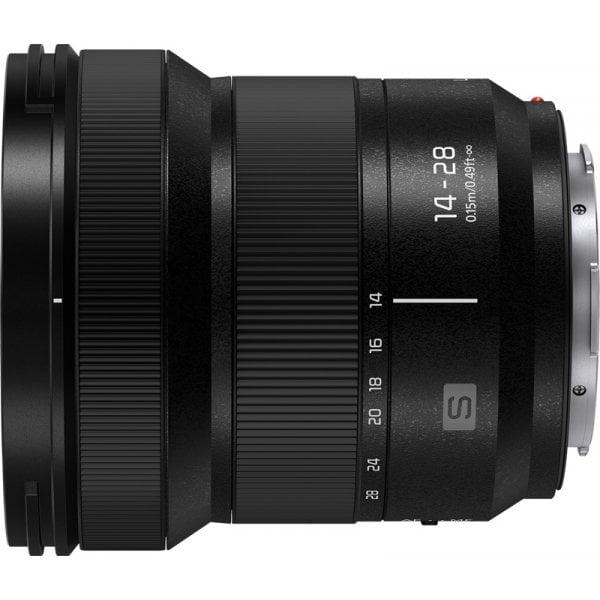
L-bayonet connection, minimum focusing distance 0.25 m, filter Ø 77 mm, 12 elements in 9 groups, 9 aperture blades, HD support, dust / splash / frost resistant, lens hood and lens bag included
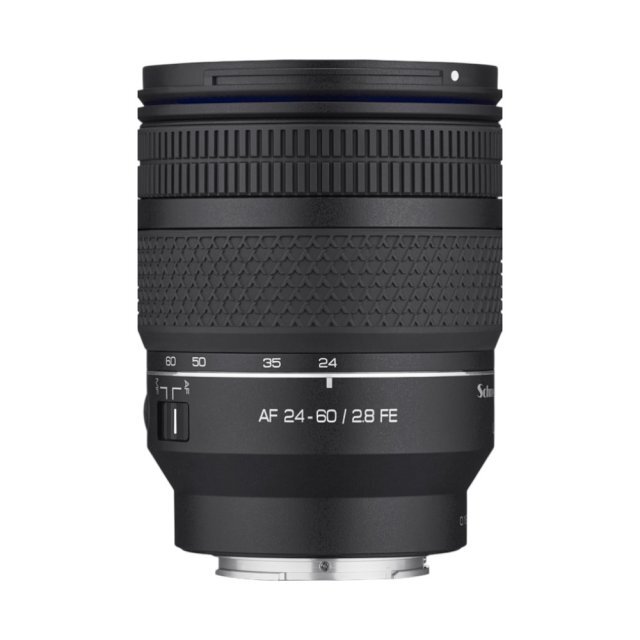
Kerge ja valgusjõuline universaalsuum Sony E ja FE kaameratele. Samyang AF 24-60 mm F2.8 FE on kerge ja kompaktne (vaid 494 g ja 102 – 126 mm pikk) objektiiv maastike, elustiili ja portreede pildistamiseks. Püsiv F2.8 ava pakub usaldusväärseid tulemusi hämaras ja selget objektide eraldamist taustast. Koostöös Schneider-Kreuznachiga arendatud optiline disain ühendab kolm HR-, kaks ED- ja kolm asfäärilist elementi koos Samyangi UMC-kattega, et kontrollida aberratsioone ja säilitada terav kontrast ja värvid kogu kaadris. 9-labaline diafragma tagab meeldiva, ümardatud bokehi. Nii foto- kui ka videofotode puhul tagab lineaarne STM-ajam kiire ja vaikse autofookuse koos kindla objekti jälgimisega ning AF/MF-lüliti pakub vajaduse korral kiiret juurdepääsu käsitsi peenhäälestusele. Lähitöö on tugevaks küljeks: fookus kuni 0,18 m kaugusele 24 mm juures 0,27-kordse suurenduse korral või 0,32 m kaugusele 60 mm juures 0,25-kordse suurenduse korral, mis teeb detailipildid lihtsaks ilma objektiivi vahetamiseta. Vastupidav alumiiniumist korpus on IP5X tolmu- ja pritsmekindlusega ning vee- ja õlihülgava kattega ning praktiline 72 mm eesmine keermestik hoiab filtrid lihtsad. Väliomadused Mis on karbis: ObjektiivEsi- ja tagakateObjektiivi kapuuts
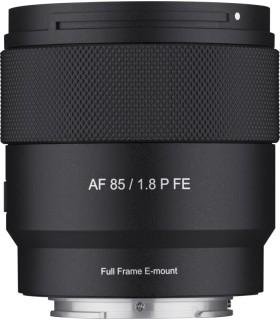
Uskumatult kerge – vaid 272 gAF 85mm F1.8 P FE on ülikerge objektiiv, mis kaalub kõigest 272 g ja on 71,5 mm pikk, olles seega üks väiksemaid ja kergemaid oma klassis. Tänu kompaktsele suurusele saad portreefotode tegemisel hõlpsasti tabada loomulikke ilmeid ja liigutusi. Objektiiv mahub mugavalt ka kotti, ilma et see koormaks, pakkudes suurepärast kaasaskantavust. Kerge kaal vähendab ka randme väsimust pikematel pildistamissessioonidel, tagades stabiilse käitumise nii käsitsi pildistades kui ka stabilisaatoriga kasutades.Teravus, mis tabab iga emotsiooniObjektiiv pakub portreefotograafiaks suurepärast teravustamist 2–3 meetri kauguselt. Objektiivi arenenud optiline konstruktsioon, mis sisaldab kolme ED (eriti madala dispersiooniga) elementi, vähendab kromaatilist aberratsiooni ja tagab täpse detailide esituse pildi keskosas. See objektiiv suudab täpselt jäädvustada peeneid detaile nagu silmad, ripsmed ja nahatekstuur, võimaldades loomulikku ja elavat emotsioonide väljendust.Siidine bokeh, mis toob subjekti esileValgusjõuline f/1.8 ava loob kauni madala teravussügavuse, mis eraldab objekti loomulikult taustast, samal ajal kui sujuv bokeh tugevdab portree emotsiooni ja kohalolu. 85 mm fookuskaugusega tagab see pehme fookusest väljas olev efekt võimsa väljendusjõu, muutes selle objektiivi suurepäraseks valikuks muljetavaldavate portreede tegemiseks.Sügavus, mis toob esile iga väljenduseAF 85mm F1.8 P FE loob sujuva teravussügavuse ülemineku subjektist taustani, mis annab piltidele harmoonilise ja tasakaalustatud ilme. Teravustatud ala ja tausta vaheline sujuv üleminek lisab igale pildile emotsionaalset sügavust ja loob kaasahaarava visuaalse elamuse.Uuenduslikud omadusedObjektiivikorpus on tehtud spetsiaalsest tugevast plastikust, mis on samas kerge ja vastupidav ning mille viimistlus on kvaliteetne. Uuendusliku disainiga päikesevarjuk vähendab tõhusalt soovimatut valgust, peegeldusi ja varje, tagades puhtamad ja teravamad pildid.Kompaktne disain vajalike funktsioonidegaAF 85mm F1.8 P FE on loodud pakkuma vaid neid funktsioone, mida loojad tõeliselt vajavad – seda kõike kompaktses ja kerges vormis. Objektiivil on eraldi AF/MF-lüliti, mis võimaldab kiiret ja mugavat teravustamisrežiimide vahetust, ning USB-C liides objektiivi kinnitusel, mille kaudu saab tarkvara uuendada. LK SAMYANGi sisetestide kohaselt vastab objektiiv IP5 tolmukindluse tasemele, pakkudes usaldusväärset kaitset igapäevase tolmu ja kerge niiskuse eest.
Samyang AF 60-180mm f/2.8 Sony FE | Pidev f/2.8 | Schneider-Kreuznach | 730g | 17e/14g | Linear STM | 0.35m / 0.26× | Ilmastikukindel | Zoom Lock | USB Firmware Professionaalne telesuumi jõudlus – poole raskusega Samyang AF 60-180mm f/2.8 FE on kompaktne telesuumiobjektiiv Sony täiskaadri E-bajoneti kaameratele, mis pakub pidevat f/2.8 ava kogu 60–180mm vahemikus ning kaalub ainult 730 grammi. Saksa optikamaja Schneider-Kreuznachkaasarendatuna ja 17 elementi 14 grupis konstruktsiooniga on see objektiiv Samyangi Compact Zoom seeria lõpuosa – koos 14-24mm f/2.8 ja 24-60mm f/2.8 kaetud kogu vahemik 14–180mm kolme kompaktse f/2.8 läätsega. Fotograafidele, kes ei taha kompromisse kvaliteedi ja kaalu vahel. Schneider-Kreuznach – mida see tähendab Schneider-Kreuznach on Saksa optikamaja, mis on tegutsenud alates 1913. aastast ja on tuntud eelkõige kino-, televisiooni- ja kõrgtasemeliste fotoobjektiivide vallas. Nende optikat kasutatakse Arri, Mamiya ja Phase One seadmetes. Samyang AF 60-180mm f/2.8 on kaasarendatud (co-engineered) Schneider-Kreuznachiga – see tähendab, et Saksa optikateadmised on integreeritud objektiivi optilisse projekteerimisotsustesse: Kes on Schneider-Kreuznach Miks see ostjale oluline Saksa optikamaja aastast 1913 Üks vanimaid ja tunnustatumaid optikabrände Tuntud kino- ja broadcastoptikas Rangem projekteerimisstandard kui tavalises fototarvikute arenduses Kaasarendus (co-engineered) Ei ole lihtsalt nime litsentsimine – tegemist on ühise optikaprojektiga 60-180mm – miks mitte 70-200mm? Enamik professionaalseid telesuumid on 70-200mm. Samyang valis 60-180mm – see ei ole juhuslik: Aspekt 70-200mm traditsiooniline 60-180mm Samyang Lähim otsapunkt 70mm 60mm – laiem algus, paindlikum reportaaž Kaugem otsapunkt 200mm 180mm – lühem objektiiv = kompaktsem korpus Korpuse pikkus 200mm+ 149mm Kaal (Sony FE 70-200mm GM II) 1045g 730g Kompaktsuumi seeria 14-24 / 24-70 / 70-200 = 3 rasket läätse 14-24 / 24-60 / 60-180 = 3 kergelt kattuvat kergelt 60mm lähe võimaldab kasutada objektiivi portreefotol, kus standardsuumi 24-60mm lõpetab – üleminek toimub sujuvalt ilma “auguta” vahemikus. 180mm on praktikas sama kasutatav kui 200mm enamikus stseenides. Pidev f/2.8 – mida see tähendab päriselt “Pidev ava” tähendab, et f/2.8 kehtib kogu suumi vahemikus 60mm kuni 180mm. Tarbijaklassi suumid kasutavad muutuvat ava (nt f/4-6.3): Olukord Muutuva avaga suumi (f/4-6.3) Samyang f/2.8 pidev Suumid 60mm-lt 180mm-le Ava muutub → eksponeerimine muutub Ava = f/2.8 kogu vahemikus Pildistamine halvadel valgustingimustel ISO tõus suumimisel ISO konstantne Manuaalne eksponeerimine Pideva ümberhäälestuse vajadus Ei pea eksponeerimist muutma Bokeh 180mm juures f/6.3 andis vähem tausta ähmastust f/2.8 annab selge subjekti-tausta eralduse f/2.8 180mm juures täiskaadril on tausta ähmastusvõime väga tugev – portreedel lähipildistamisel on see vahe ilmne. Linear STM autofookus – fotole ja videole Linear STM (Linear Stepping Motor) on autofookuse mootori tüüp, mis erineb traditsioonilisest keerumootori (screw drive) ja tavalisest astemootorist (stepper motor): AF mootori tüüp Kiirus Müra Video sobilikkus Keerumootor (screw drive) Aeglasem Kuulda Halb Tavamootor (standard) Keskmine Mõnikord kuulda Rahuldav Linear STM (Samyang) Kiire Vaikne Hea Ultrasonic (USM/SWM) Kiire Vaikne Hea Linear STM-i eelis: lineaarne elektromagnetiline tegevus (mitte pöörlevad mägikomponendid) annab täpsema ja sujuvama liikumise, mis on eriti kasulik videol fookusüleminate (focus pull) jaoks. Ujuv fookussüsteem (Floating Focus System) Tavaline lääts kasutab fokuseerimisel ühe elemendirühma liikumist. Ujuv fookussüsteem liigutab fokuseerimisel mitut elemendirühma iseseisvalt: 0.35m lähifookuskauguses on ujuv fookussüsteem eriti oluline – ilma selleta langeb lähifokuseerimisel tavaliselt servateravus ja kontrastsus. 0.35m / 0.26× – telesuumi makrovõimekus 0.35m minimaalne fookuskaugus ja 0.26× maksimaalne suurendus on telesuumile erakordne: Objektiiv Min fookuskaugus Max suurendus Sony FE 70-200mm f/2.8 GM II 0.4m 0.30× Tamron 70-180mm f/2.8 Di III 0.27m (180mm) 0.50× Samyang AF 60-180mm f/2.8 0.35m 0.26× 0.26× suurendus 180mm juures tähendab: A4-formaadis (297mm) objekt täidab kaadrist 0.26 × kaadri suuruse. Praktiliselt: toidupildistamine lähiplaanilt, lillede detailid, toodete tekstuurid, naha detailid portreefotol – kõik 35cm kauguselt. Ilmastikukindlus, zoom lock ja USB firmware Ilmastikukindlus (weather sealing) Tihenduselemendid kaitsevad objektiivi niiskuse ja tolmu eest. Täpne IP-klass ei ole täpsustatud, kuid sobib reportaaži- ja pulmafotograafiaks välitingimustes. Zoom lock Zoom lock lukustab suumiasendi 60mm-le, takistades objektiivil “roomamist” (zoom creep) gravitatsiooni mõjul, kui kaamera on suunaga alla või kotis. Oluline reisifotograafidel ja pulmafotograafidel. USB firmware uuendusport Objektiivil on USB-C port otseühenduseks arvutiga. Samyangi tarkvara kaudu saab uuendada objektiivi firmware’t: See on Samyangi praktiliselt kasulik eristav omadus: ostetud objektiiv jääb ühilduvaks ka tulevaste Sony kaameratega. Sony täiskaadri + APS-C – kahekordne kasutus Samyang AF 60-180mm f/2.8 toetab mõlemat Sony E-bajoneti kaameraklassi: Kaamera sensor Fookus (tegelik) Ekvivalentne FOV Sony täiskaadri (A7 IV, A7R V, A7C II jne) 60–180mm 60–180mm Sony APS-C (A6700 jne, 1.5× crop) 60–180mm 90–270mm ekv. APS-C kaameratega saab 60-180mm’st 90-270mm ekvivalent – see on juba pikk telesuum, sobiv spordi, lindude ja kaugemate subjektide pildistamiseks. Kellele on Samyang AF 60-180mm f/2.8 Sony FE mõeldud? Pulmafotograafid ja portreefotograafid 60mm on piisavalt lai dokumentaalfotoks ja grupiportreeks, 180mm f/2.8 on ideaalne kompressiooniportreedeks. Ilmastikukindlus ja zoom lock lisavad töökindlust välitingimuste sessioonis. Reisifotograafid ja dokumentalistid 730g on selles klassis erakordne – see objektiiv mahub käsipagas. 60-180mm vahemik katab tänava-, sport-, looduse ja detailide pildistamise ühes läätsas. USB firmware tagab pikaaegse ühilduvuse. Videograafid Sony FE süsteemis Linear STM + ujuv fookussüsteem = sujuv, vaikne, täpne fookusüleminekud (focus pull) videol. Pidev f/2.8 = eksponeerimine ei muutu suumimisel. Toidupildistajad ja tootepildistajad Sony süsteemis 0.35m lähifookus + 0.26× suurendus annab lähedase makrovõimekuse, mida tavalised telesuumid ei paku. Komplektis sisaldub
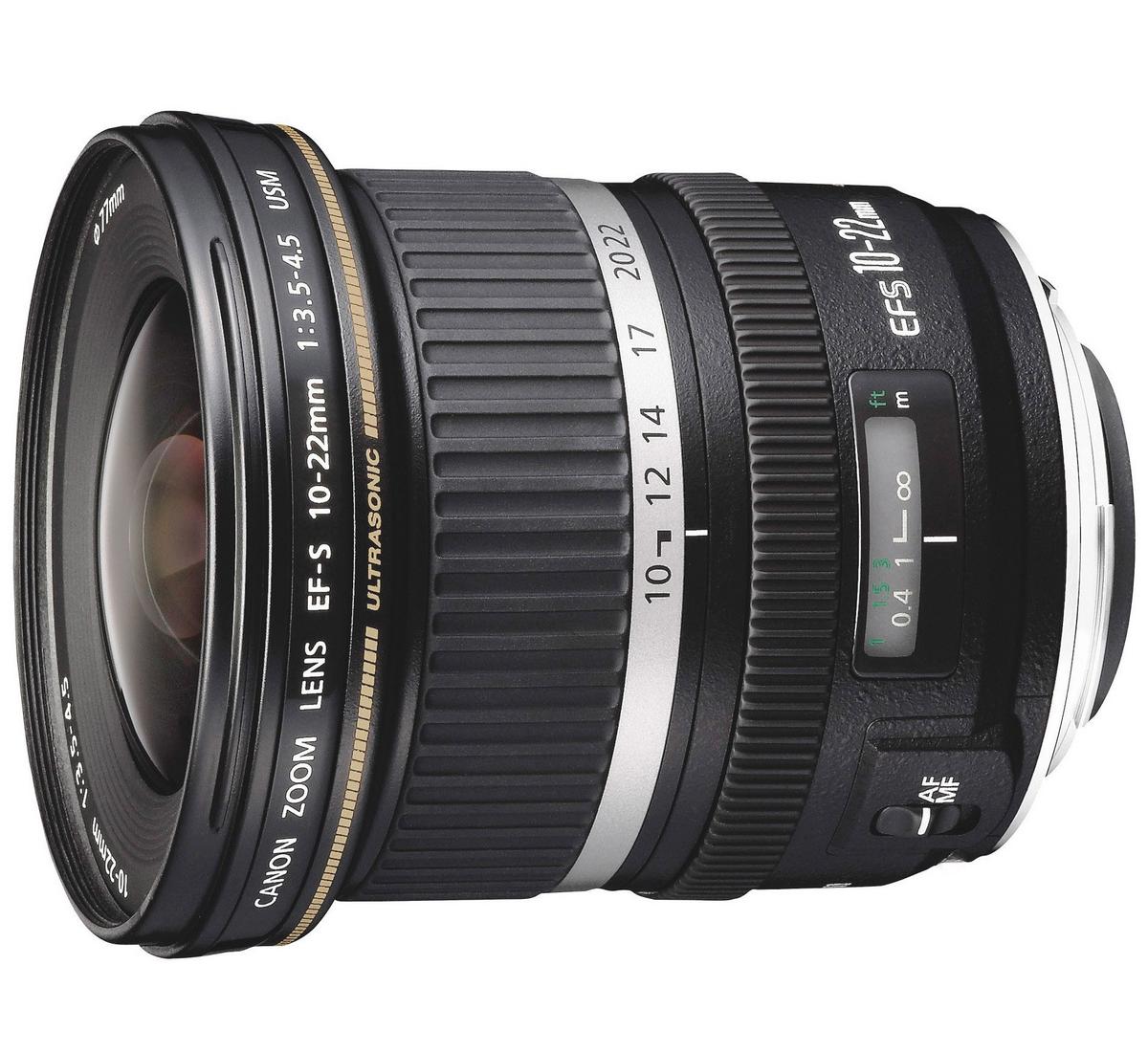
Ülilainurk-zoomobjektiiv väga loovateks võteteks kõigile EF-S bajonetiga kaameratele. Ülimalt kompaktne ja kerge maksimaalseks mobiilsuseks. Oma efektiivse fookuskaugusega 16 - 35 mm (35mm ekvivalent) annab EF-S 10 - 22 mm f/3.5 - 4.5 USM sulle ...
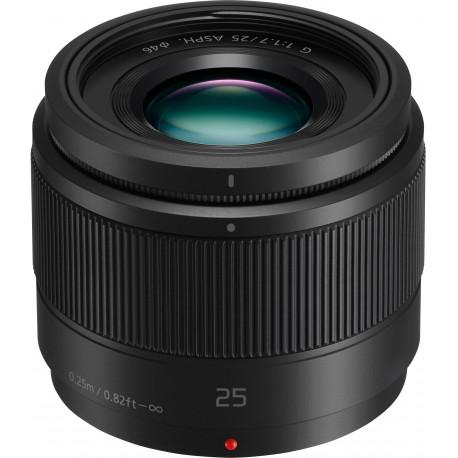
Micro Four Thirds System Lens, 50mm (35mm Equivalent), Aperture Range: f/1.7 to f/22, One Ultra-High Refractive Index Element, Two Aspherical Elements, Stepping AF Motor, Rounded 7-Blade Diaphragm
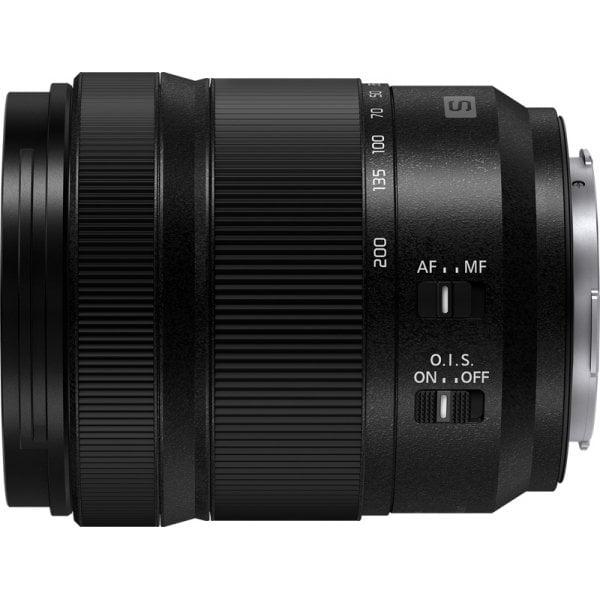
12–60 mm normaalsuumobjektiiv 35 mm ekvivalendina 24–120 mm Integreeritud Power O.I.S. stabilisaator Pritsme- ja tolmukindel disain Micro Four Thirds hübriidkaameratele Panasonic Lumix G Vario 12-60mm f/3.5-5.6 objektiiviga suumid hingematvatest maastikest võimsate portreedeni. See mitmekülgne objektiiv hõlmab endas nii 12 mm lainurga kui 60 mm objektiivi võimekust (24–120mm 35 mm ekvivalendina) ning pakub mitmekülgseid pildistamisvõimalusi erisugustes keskkondades. Lisaks ei jäta see Sind hätta ka kristallselgeid makrovõtteid püüdes.
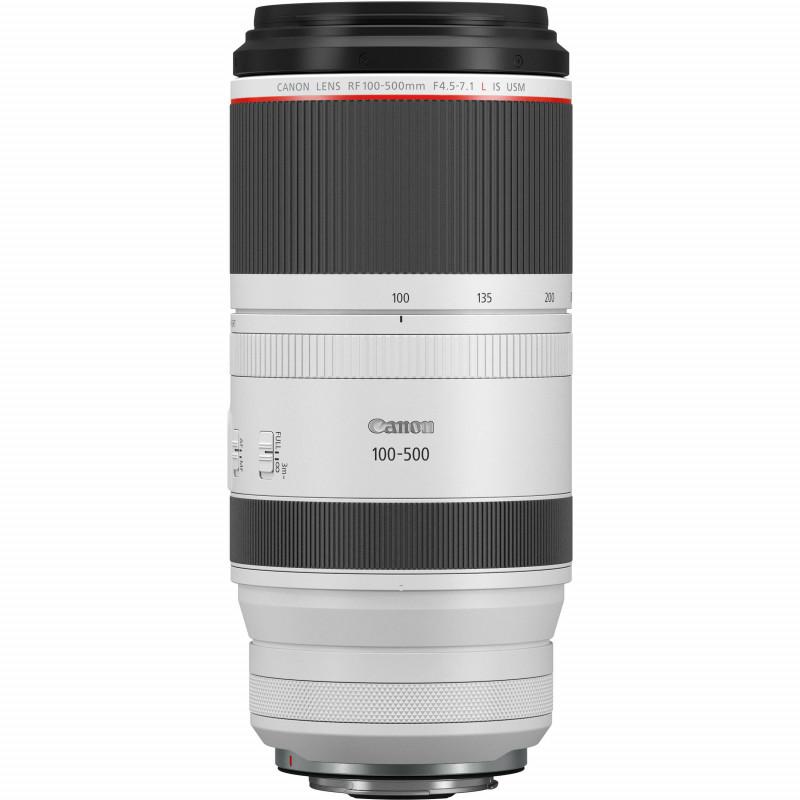
100–500 mm telesuumobjektiiv; Võimekas pildistabilisaator, kuni 5 stoppi; Sujuv, kiire ja vaikne Dual Nano USM teravustamismootor; Ideaalne loodus- ja spordifotograafiaks; Canon täiskaader hübriidkaameratele
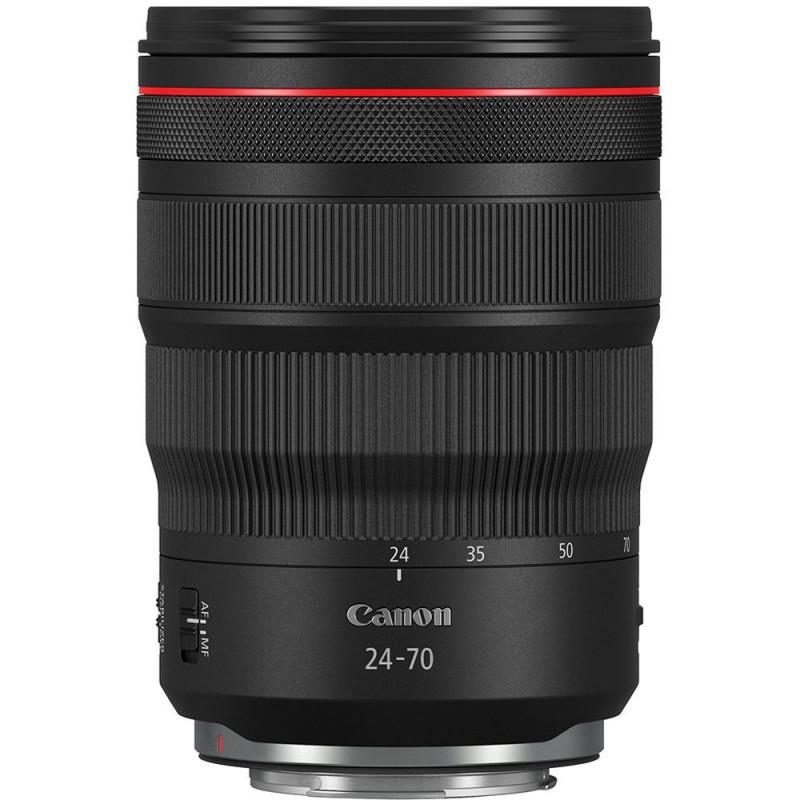
24–70 mm normaal-suumobjektiiv; Valgusjõuline, läbiva f/2.8 avaga; Võimekas pildistabilisaator; Kiire ning vaikse USM teravustamismootoriga; Canoni täiskaader hübriidkaameratele