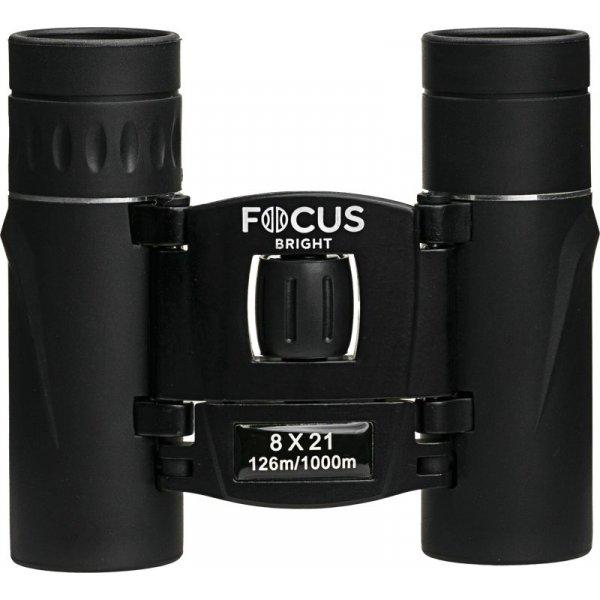
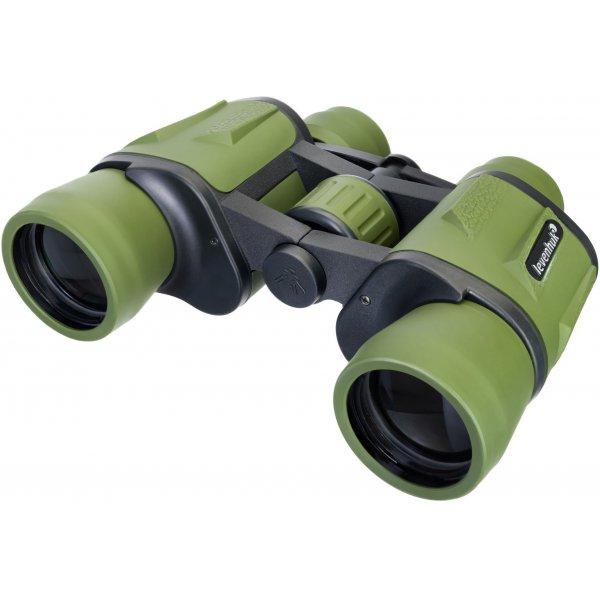
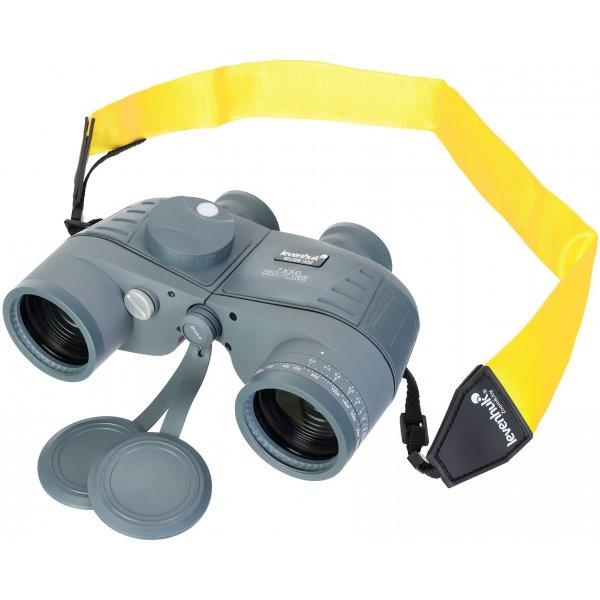
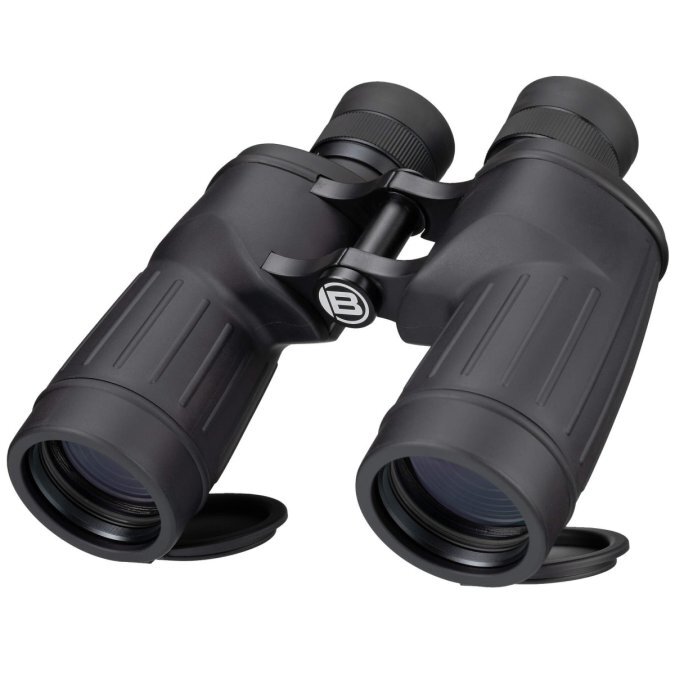
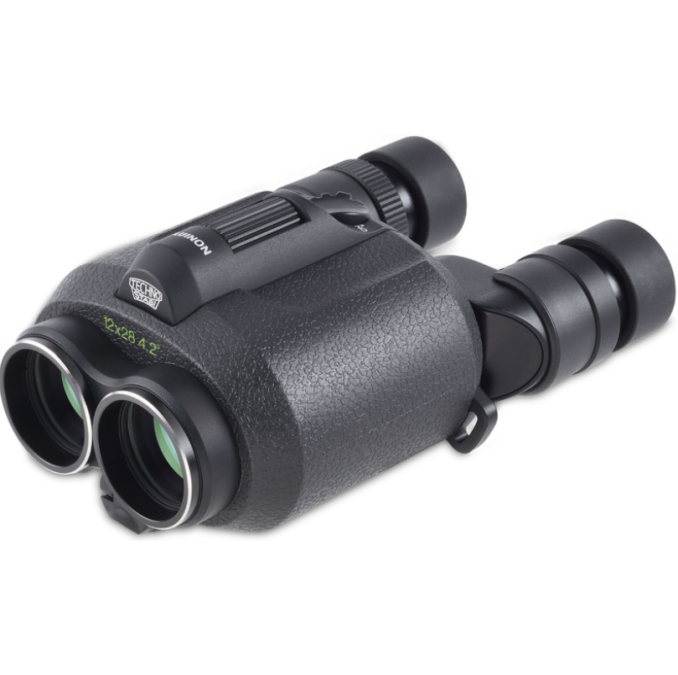
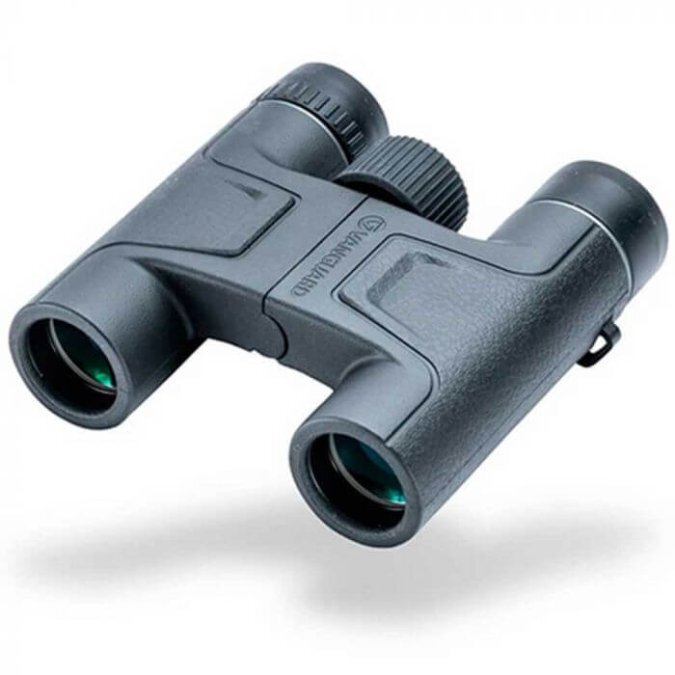
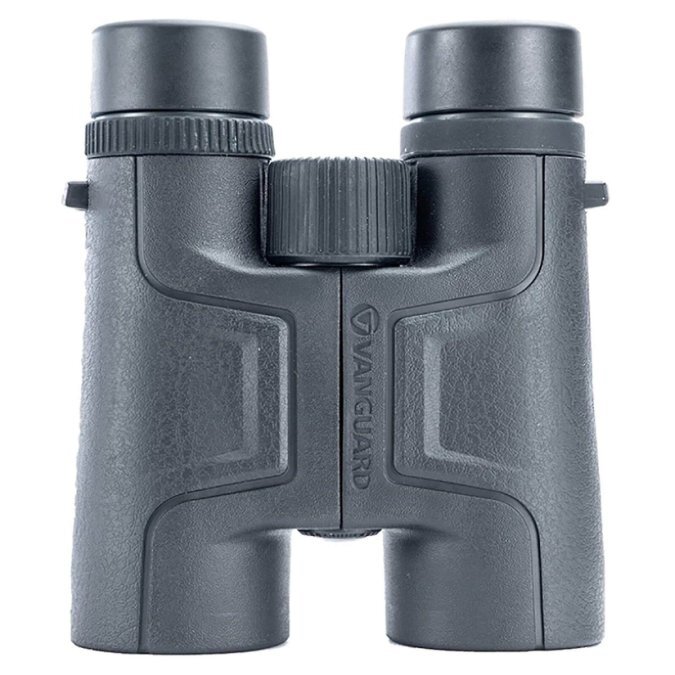
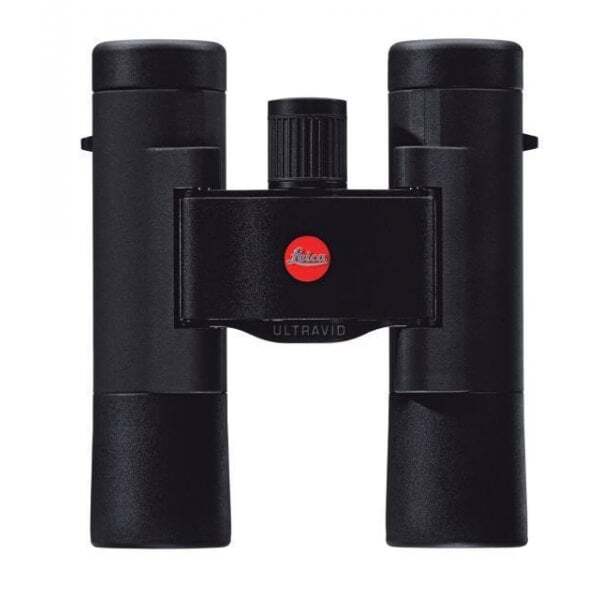
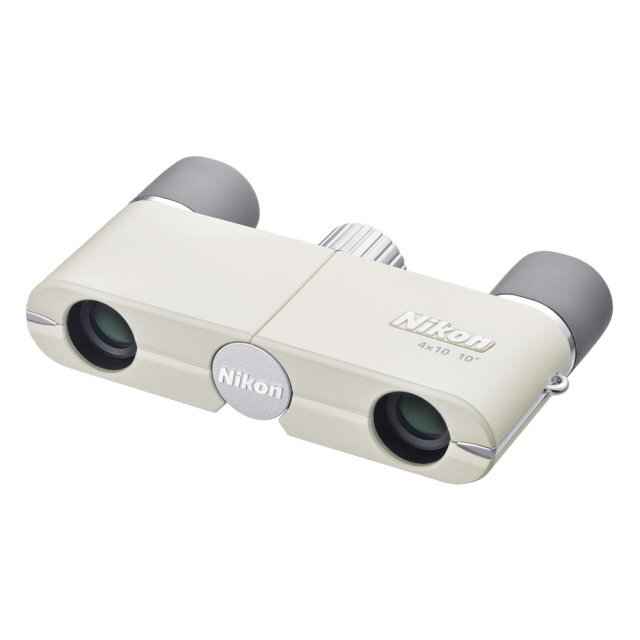
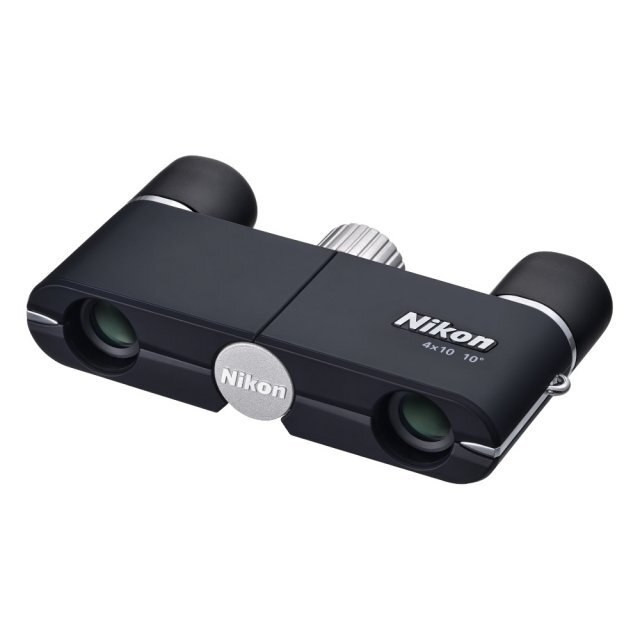
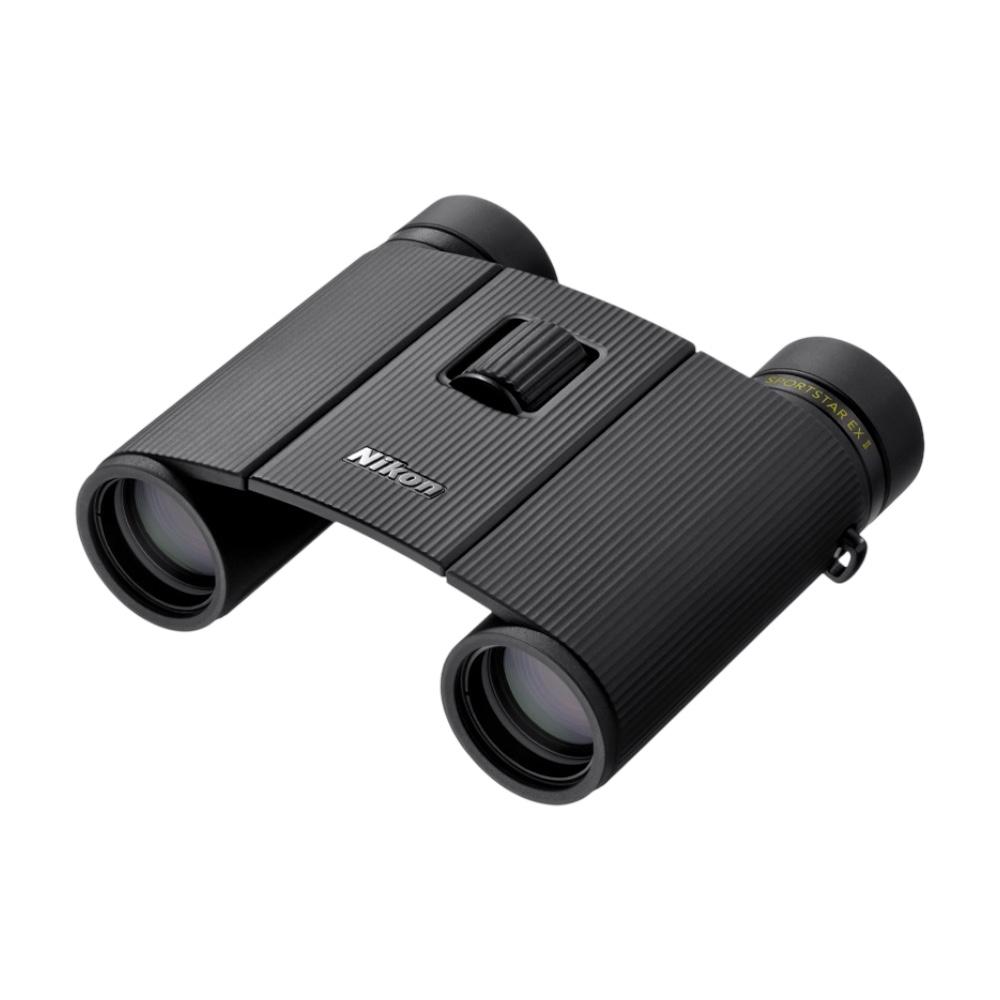
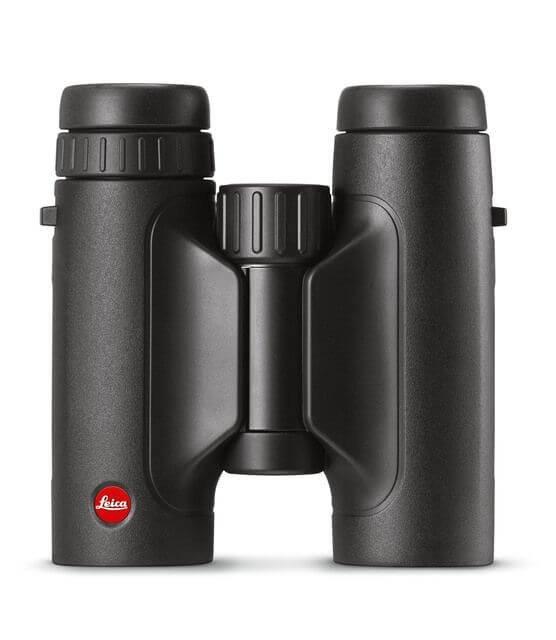
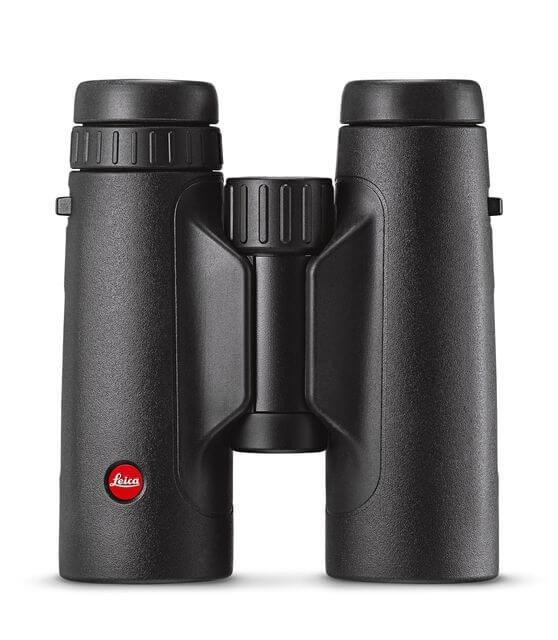
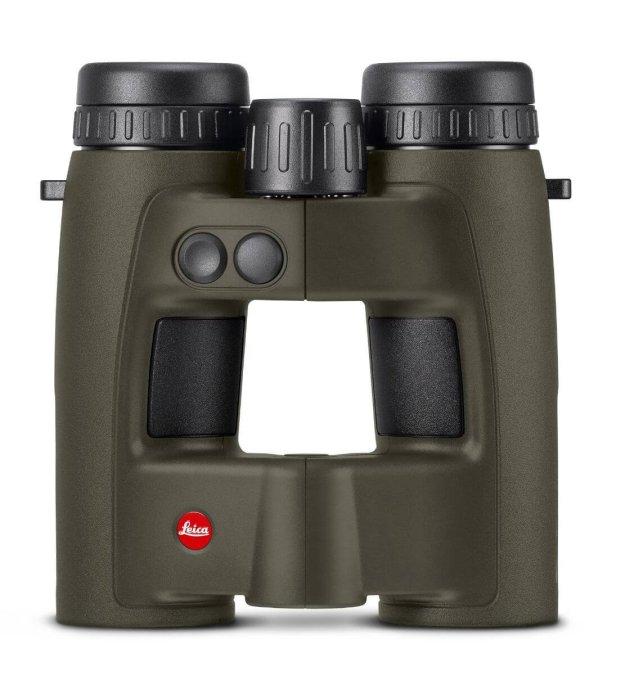
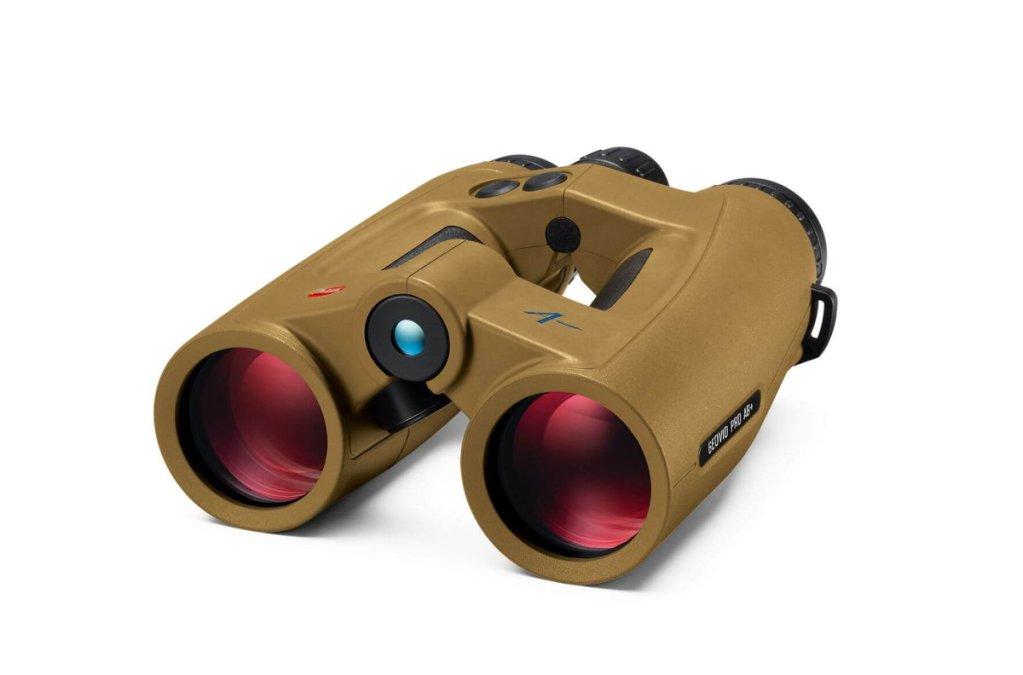
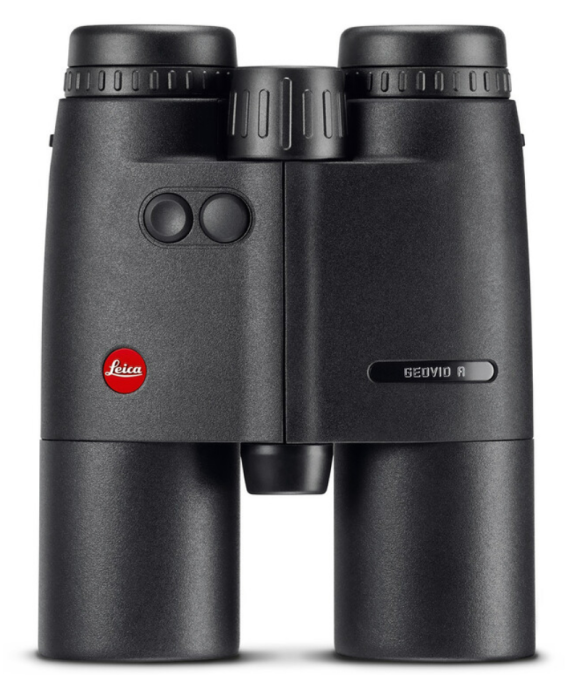
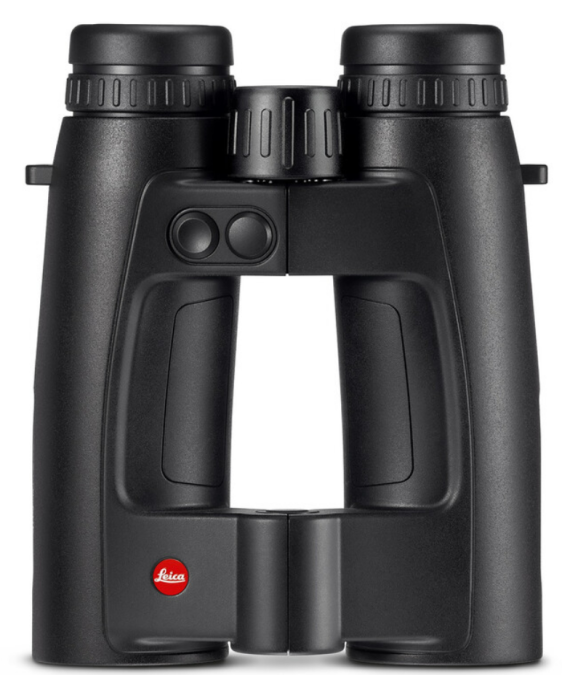
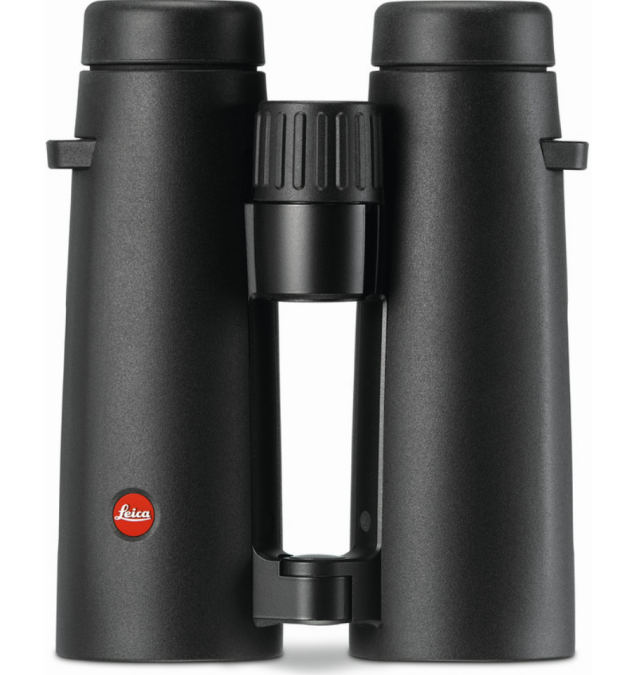
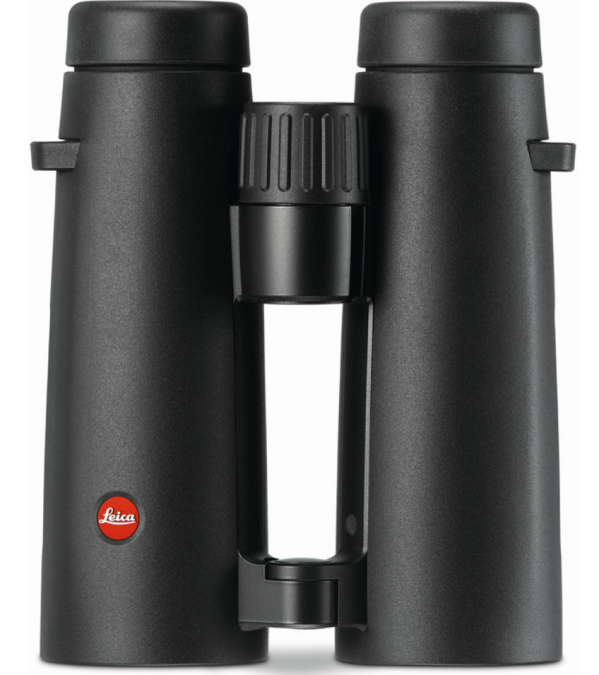
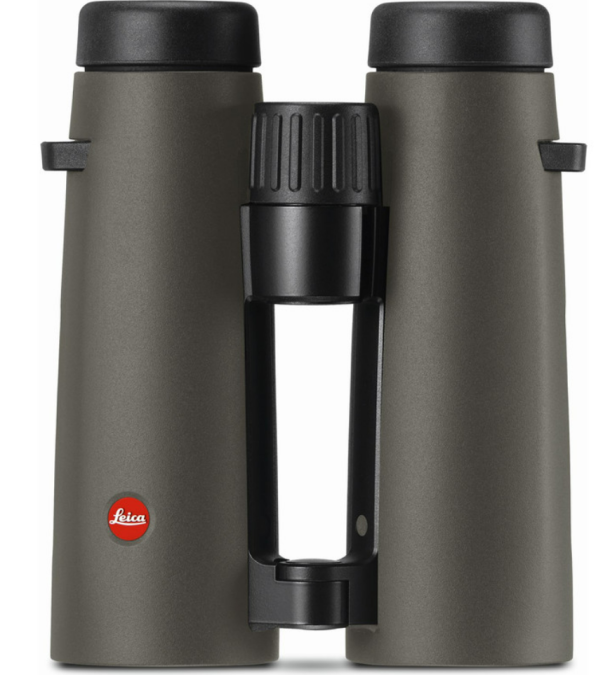
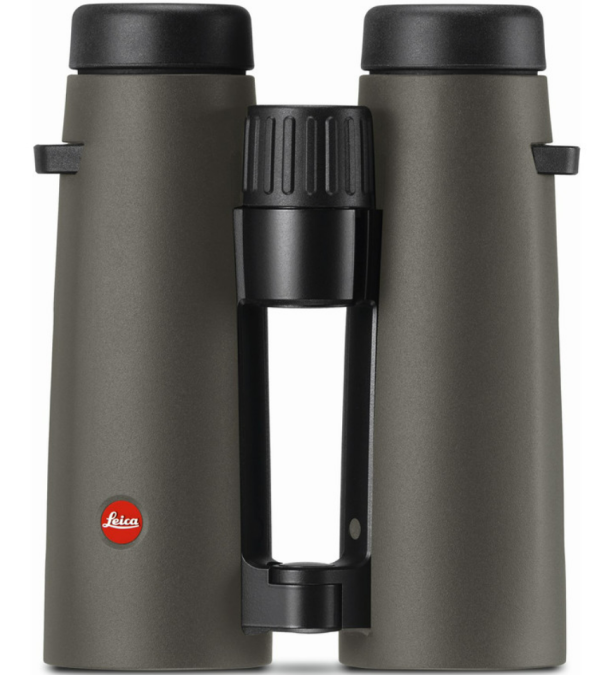
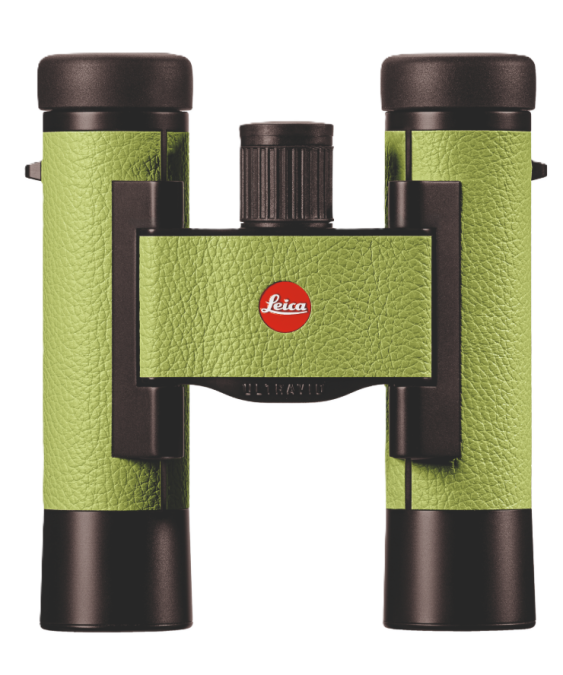
Voigtländer Vienna 10×32 APO binokkel | 10× | 32mm | APO Optika | 90% valgusläbilaskvus | IP67 | 16mm silmakaugus | 630g Voigtländer Vienna 10×32 on kompaktne 10-kordse suurendusega binokel apokromaatse (APO) optikasüsteemiga – klassist, mis on tavaliselt reserveeritud tippklassi vaatlusoptikale. IP67 veekindlus ja lämmastikutäide teevad sellest töökindla vahendi nii loodusvaatluseks, rändamiseks kui ka spordiüritustele. APO optika – mis see on ja miks see oluline on? APO (apokromaatne) tähistab kõrgeimat standardset kromaatilise aberratsiooni korrektsiooni taset: Optikaklass Korrigeeritud lainepikkused Tulemus Akromaatne(standard) 2 lainepikkust Väikesed värvivead servades, eriti kontrastsetes piirides APO (apokromaatne) 3 lainepikkust Kromaatiline aberratsioon peaaegu olematu – teravad, värvitruud pildid kogu vaatevälja ulatuses Praktilises vaatluses tähendab APO optika: Apokromaatne korrektsioon on eriti märgatav kontrastsetes tingimustes – tumeda serva üleminekul heleda tausta vastu, kus tavalised binoklid näitavad värvilist “halo” efekti. 90% valgusläbilaskvus – mis see tähendab silmale? Valgusläbilaskvus 90% näitab, kui palju sissetulevast valgusest jõuab läätsede ja prismasüsteemist läbi silmani. See on oluline parameeter hämaras: Valgusläbilaskvus Tüüpiline kasutuskoht Silmale jõudev valgus ~70–75% Enamik keskmise hinna binokle Hämaras märgatav pildi tuhmumine ~80–85% Kvaliteetsed loodusvaatlusbinoklid Hea hämaras toimivus 90% Voigtländer Vienna 10×32 Pildi heledus maksimaalne – hämaras selge pilt 90% valgusläbilaskvus saavutatakse kõrgekvaliteetsete täiskattega anti-reflektsioonkatete (fully multi-coated) abil kõigil läätse pindadel. Tulemus: vähem peegeldust, rohkem valgust, heledama ja kontrastsema pildi. 16mm silmakaugus – prillikandjatele sobiv Silmakaugus (eye relief) 16mm on binoklite kategoorias hea näitaja prillikandjatele: Silmakaugus Sobivus prillikandjale
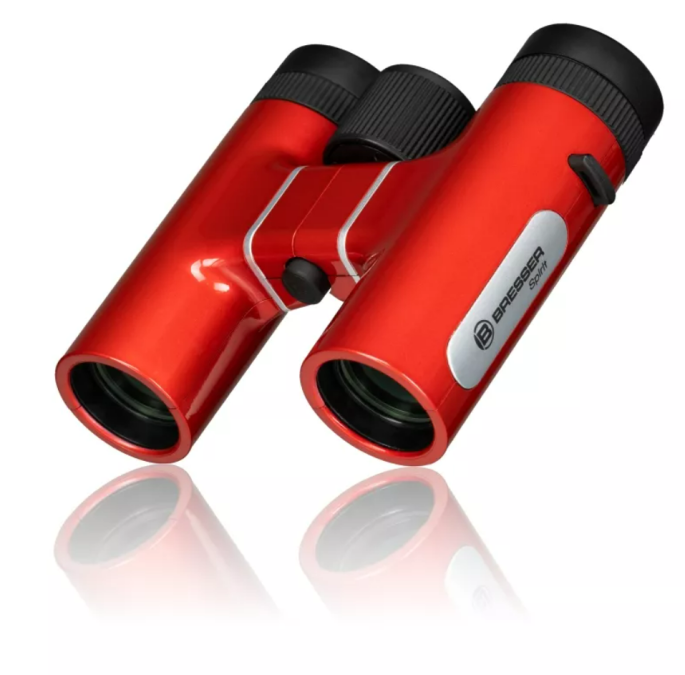
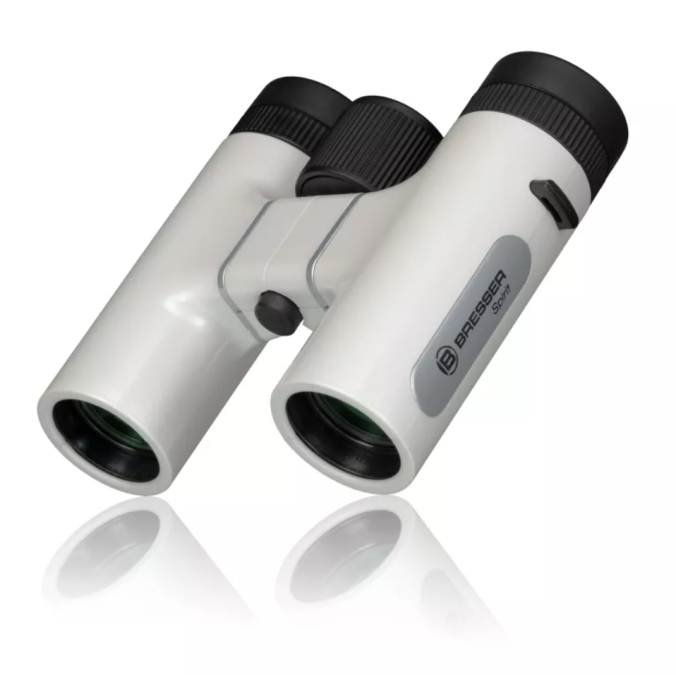
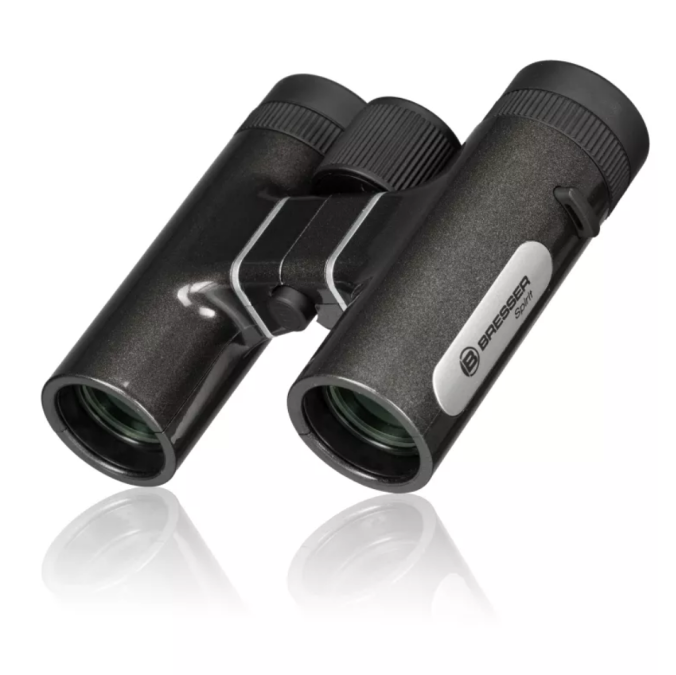
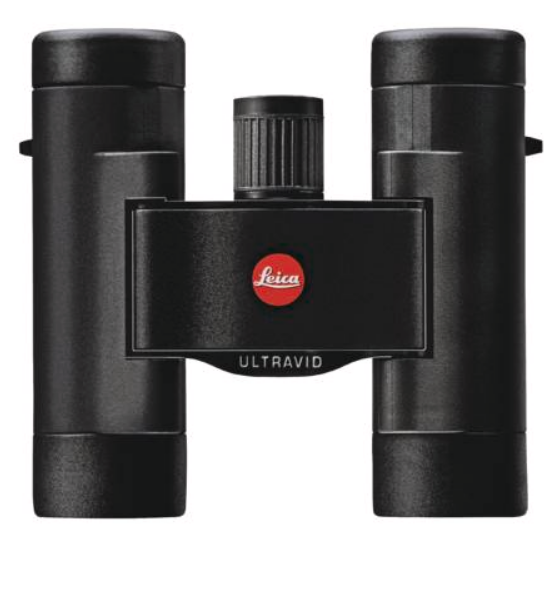
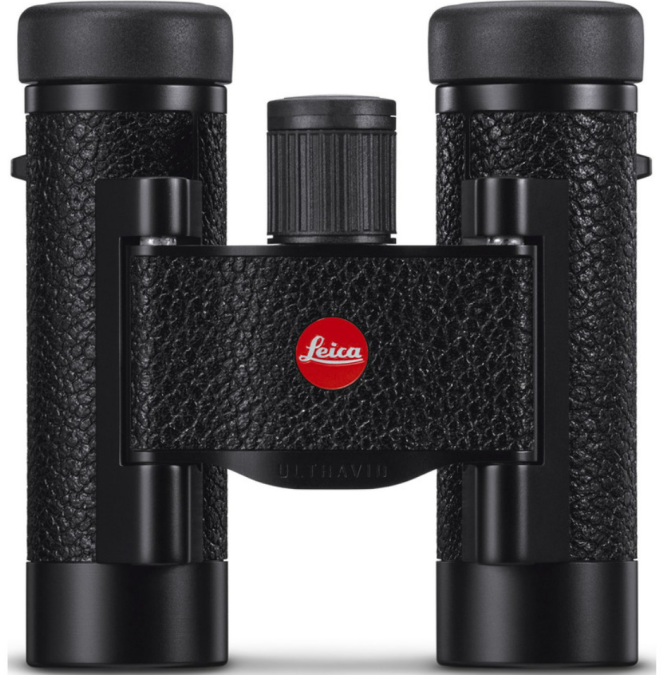
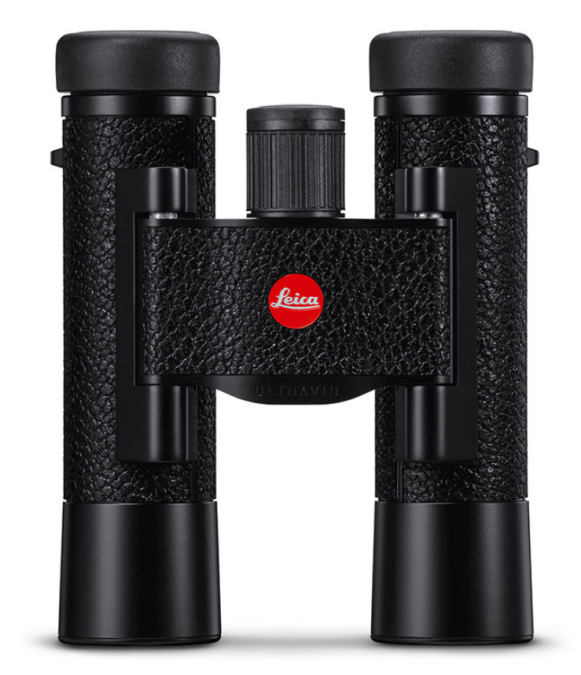
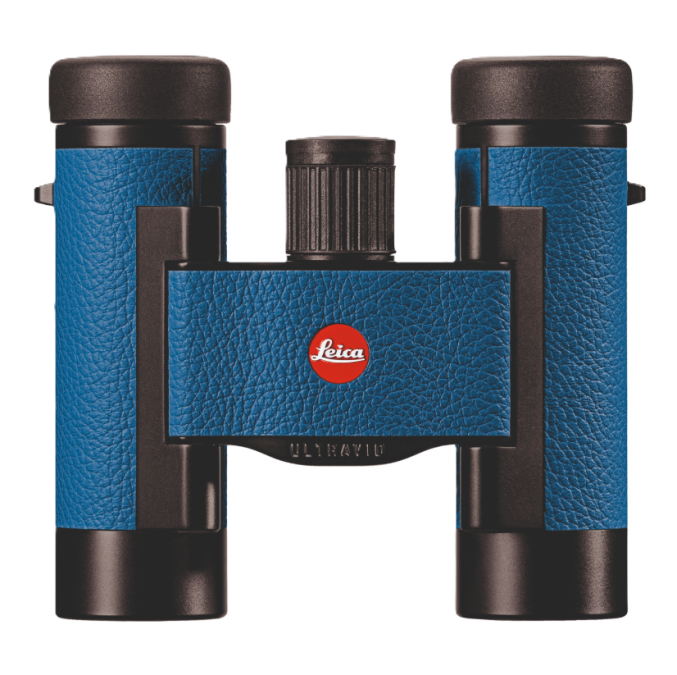
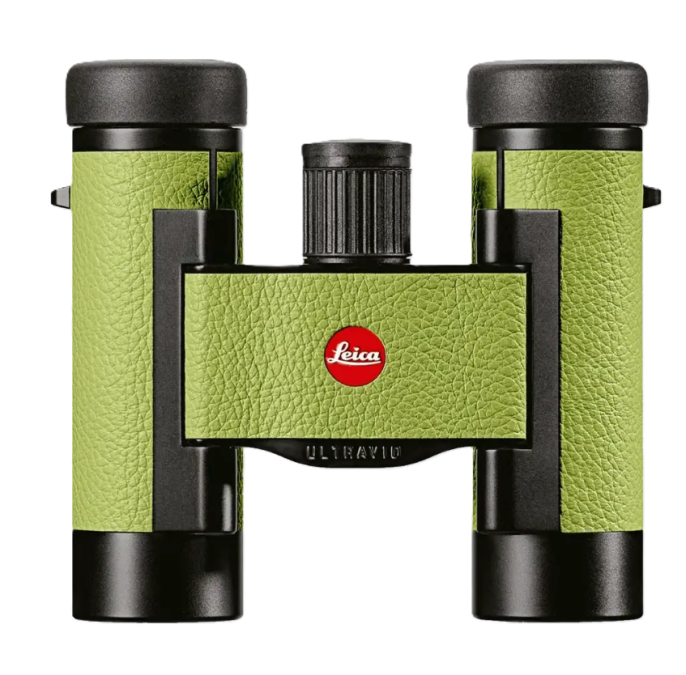
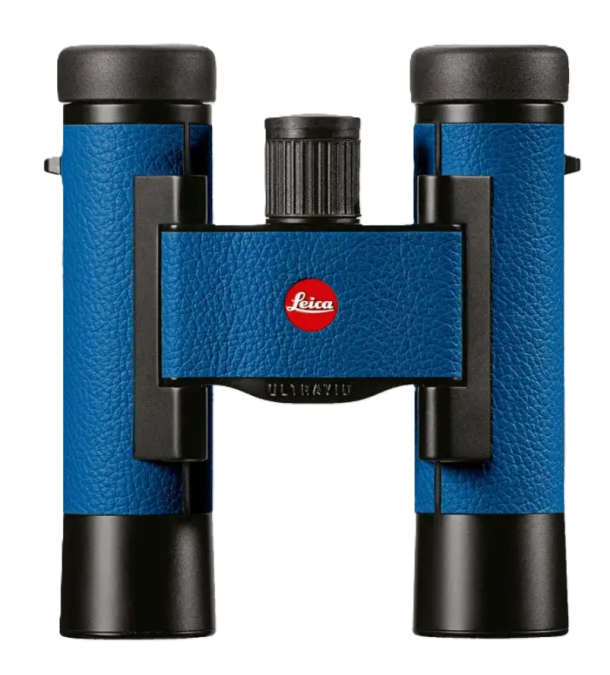
Voigtländer Vienna 8×25 APO binoklid | 8× | 25mm | APO Optika | 340g | 19mm silmakaugus | 90% | IP67 | 1,8m lähifookus 340 grammi – täisväärtusliku APO binoklina taskus Voigtländer Vienna 8×25 APO on see mudel, kus optikakvaliteedist ei loobuta ka siis, kui suurus ja kaal on prioriteet. 340 grammi on erakordselt kerge kaal – binokel mahub jaki taskusse ja kaob sinna märkamatult. Samas ei tee see järeleandmisi seal, kus see loeb: apokromaatne (APO) optika, 90% valgusläbilaskvus, 19mm silmakaugus ja IP67 veekindlus on parameetrid, mida leidub tavaliselt oluliselt suurematel ja raskemal binoklitel. Voigtländer – asutatud 1756. aastal Viinis – on mudeli nimega Vienna viinud ühe oma kompaktseima toote samale optilisele tasemele kui suureformaadiline 10×32 APO. APO optika – kromaatilise aberratsiooni korrektsioon kolmel lainepikkusel APO (apokromaatne) tähistab kõrgeimat standardset optilise korrektsiooni taset: Optikaklass Korrigeeritud lainepikkused Praktika Akromaatne(standard) 2 lainepikkust Nähtavad värvivead (sinakad / punakad) teravate kontuuride servades APO (apokromaatne) 3 lainepikkust Kromaatiline aberratsioon minimaalne – pilt terav ja värvitruupilt kogu vaatevälja ulatuses 8×25 formaadis on APO optika eriti väärtuslik just kompaktsetes tingimustes: väikesed läätsed on tundlikumad optiliste vigade suhtes, ning APO korrektsioon tagab, et ka 25mm objektiiviga binokel annab värvitru ja terava pildi – mitte ainult keskel, vaid kogu 136m/1000m vaateväljas. 19mm silmakaugus – parim valik prillikandjatele Silmakaugus (eye relief) 19mm on Vienna seeria mudelite seas kõrgeim näitaja ja üks parimaid turul tervikuna: Silmakaugus Sobivus prillikandjale 5m Tüüpiline odavam binokel – lähivaadet praktiliselt ei ole 3–5m Rahuldav – lähedal olevad objektid tuleb läbi fookusesse saada 2–3m Hea – enamik loodusvaatluse vajadusi kaetud ≤2m Suurepärane – putukad, liblikad, lilled, mineraalid lähedalt 1,8m lähifookusega Vienna 8×25 APO võimaldab vaadelda: See on erakordne omadus, mis avab loodusvaatlusele täiesti uue dimensiooni – sama binokel töötab kaugvaatluseks ja lähivaatluseks. 340g – mida see kaal tähendab praktikas? 340 grammi asetab Vienna 8×25 ultra-kompaktsesse kategooriasse: Kaal Binoklide kategooria >700g Täiskogu loodusvaatlus (nt 10×50) – tripod soovitatav 500–700g Standardne loodusvaatlus (nt 10×42) 350–500g Kompaktne (nt 8×32, 10×32) ≤350g Ultra-kompaktne – taskusse mahtuv Vienna 8×25 on 40g raskem kui tüüpiline nutitelefon – see on kaal, mida käe küljes ei tunneta. Erinevus Vienna 10×32 APO (630g) ja 8×25 (340g) vahel on 290g – see on märgatav erinevus päevapika metsaretke lõpus. Mõõtmed 103×121,5×44mm tähendavad, et binokel mahub keskmise suurusega jaki taskusse. IP67 veekindlus ja lämmastikutäide IP67 kaitseaste: Kood Tähendus IP6x Tolmukindel – täielik kaitse tolmuosakeste eest IPx7 Veekindel – talub 1 meetri sügavusel kuni 30 minutit Lämmastikutäide (N₂): binoklisisene õhk on asendatud kuiva lämmastikuga, mis ei sisalda niiskust. Sisemine udustumine temperatuurimuutustel on välistatud – binokel töötab sama selgelt külmalt sooja tulles, merekaldal niiskes õhus ja vihmases metsas. Ultra-kompaktse binoklina on IP67 kaitse eriti oluline: taskubinoklid satuvad tihedamini keerulisemate ilmaoludega kokku – sest neid võetakse kaasa just siis, kui suur binokel jääks koju. Silmapupilli läbimõõt 3,1mm ja 90% valgusläbilaskvus Silmapupilli läbimõõt = 25 ÷ 8 = 3,1mm Inimsilma pupill päevavalguses on 2–4mm – 3,1mm on täpselt päevavalguse optimum. 90% valgusläbilaskvus tähendab, et kaod optikasüsteemis on minimaalsed – rohkem valgust jõuab silmani, pilt on heledam ja kontrastsem kui enamik samaklassilisi binokle. Hämaras on 3,1mm pupill loomulikult piiratud (silm avab kuni 7mm), kuid 90% läbilaskvus kompenseerib seda osaliselt – Vienna 8×25 APO toimib hämaras paremini kui oodatav 25mm objektiiviga. Silmavahekaugus 35–74mm – eriline laius Silmavahekaugus (pupil distance) 35–74mm on Vienna 8×25 eriomadus: enamikul binoklitel algab minimaalne silmavahekaugus 50–55mm-st. Vienna 8×25 läheb alla 35mm-ni – see on oluline: 74mm ülemine piir katab ka enamiku laie silmavahekaugusega kasutajaid. Kellele on Voigtländer Vienna 8×25 APO mõeldud? Reisijad ja igapäevakandja binoklina 340g ja taskusse mahtuvad mõõtmed teevad Vienna 8×25 ideaalseks reisibionokliks – binokel, mis läheb alati kaasa, sest selle kandmine ei koorma. APO optika tagab, et ka üllatuslikul vaatlushetkel – linnuparv, ilmalaps, arhitektuuridetail – saadakse kvaliteetne pilt. Prillikandjad 19mm silmakaugus on praktiliselt garantii, et prillikandjad näevad täit vaatevälga. Kui prillide tõttu on varasem binoklite kogemus olnud pettumustpakkuv, on Vienna 8×25 APO konkreetne lahendus. Linnuturistid ja loodusvaatlejad, kes väärtustavad kaalu Päevapikkadel vaatlusretkedel on kaal otsustav tegur. Vienna 8×25 APO – koos 1,8m lähifookuse, 136m vaatevälja ja APO optikaga – on täisväärtuslik loodusvaatlusbinokel, mis kaalub vähem kui pool 10×42 klassikast. Spordiürituste ja kultuurisündmuste külastajad 8x suurendus on ideaalne lühema kuni keskmise vahemaa vaatluseks – teatri rõdult lavale, velodroomi kiiretele manöövritele, purjeregatile. 19mm silmakaugus sobib ka prillides vaatajale. Lapsevanema binokel, mida laps saab kasutada 35mm minimaalne silmavahekaugus tähendab, et binokel sobib ka suurele osale lapsi. APO optika tagab kvaliteetse esmakogemuse. Vienna 8×25 vs Vienna 10×32 – kumba valida? Omadus Vienna 8×25 APO Vienna 10×32 APO Suurendus 8× 10× Objektiiv 25mm 32mm Kaal 340g 630g Mõõtmed 103×121,5×44mm 128,5×128,5×48mm Vaateväli 136m/1000m 127m/1000m Silmakaugus 19mm 16mm Lähifookus 1,8m 2m Käsivärin Väiksem (madalam suurendus) Suurem Detailsus kaugel Väiksem Suurem Sobib Kompaktsus, prillid, reisimine Kaugvaatlus, rohkem detaili Vali 8×25, kui: kaal ja kompaktsus on prioriteedid, oled prillide kandja, eelistad laiemat vaatevälga ja stabiilsemat pilti.Vali 10×32, kui: soovid rohkem detaili kaugel, aktsepteerid suuremat kaalu.
The 32 mm low power Omni eyepiece is a 4 -element premium symmetrical Plössl optical design. Features include blackened lens edges to minimize internal reflection and maximize contrast, multi-layer coating group on each lens surface to maximize light transmission and contrast, and each Omni goes through a two-step anodizing process to prevent reflection from the top eyepiece barrel, unlike most other manufacturers who use reflective surfaces.
Explore Scientific 82° Series™ extreme wide field eyepieces are optimized to produce high contrast, high resolution, and superior flat field characteristics.The visual effect of these eyepieces with their long eye-relief and their 82° apparent field is truly a full-immersion experience. Your eye is relaxed, allowing you to easily use the "averted vision" technique to study faint details across a huge field-of-view. The 82° Series eyepieces come with a twist-up rubber eye-guard that raise to the desired height for the comfort of the observer, and as experienced astronomers know, eye comfort is critical when trying to observe at the visual limits of the telescope. To keep internal reflections to a minimum, all internal surfaces of the eyepiece barrel are flat black, as well as the edges of the lenses themselves to minimize the scattering of light within the lenses themselves. All 82° Series eyepieces are fully multi-coated and edge-blackened to produce maximum contrast.
Explore Scientific 82° Series™ extreme wide field eyepieces are optimized to produce high contrast, high resolution, and superior flat field characteristics. The visual effect of these eyepieces with their long eye-relief and their 82° apparent field is truly a full-immersion experience. Your eye is relaxed, allowing you to easily use the "averted vision" technique to study faint details across a huge field-of-view. The 82° Series eyepieces come with a twist-up rubber eye-guard that raise to the desired height for the comfort of the observer, and as experienced astronomers know, eye comfort is critical when trying to observe at the visual limits of the telescope. To keep internal reflections to a minimum, all internal surfaces of the eyepiece barrel are flat black, as well as the edges of the lenses themselves to minimize the scattering of light within the lenses themselves. All 82° Series eyepieces are fully multi-coated and edge-blackened to produce maximum contrast.
You want to collimate your Newtonian telescope to get the best possible image out of it and need a collimation aid that is precise but inexpensive.Long metal tube with crosshairsThe collimation eyepiece is simple but absolutely effective. With practice, you will be able to collimate your Newtonian telescope in just a few minutes - especially if simply finely collimating your telescope for optimal imaging. The eyepiece consists of a long metal tube, a reticule and a 45° base. The reticule gives you the orientation required for the optical axis.Collimation of refracting telescopesIf you use the eyepiece for checking the collimation of a refracting (lens) telescope, then you will see as many reflections as there are lenses in the telescope. If all the reflections are round and centred, then your telescope is well collimated.
The Plossl eyepiece design has set a new standard for quality and has been in use for decades. Its popularity is due to the good performance at an unusually low price. Super Plossls are state of the art Plossl eyepieces with outstanding optical quality. They are particularly well suited for observing planets and the moon. Their image sharpness and their high transmission make them ideal eyepieces for many applications. Quality Features of the Super Plössl eyepieces: High-Grade Multi-Coating: A special high-grade multicoating on all glass-to-air surfaces provides for excellent light transmission, image clarity and colour fidelity. For further information on this FMC coating please see "user reports"! Blackened lens edges for suppression of stray light inside the eyepiece. This is particularly important when viewing bright objects Rubber eyeguard for better viewing comfort. The eyeguard also keeps stray light from the side out of your eyes.
The LF2090, 2" Neutral Density 50 Filter (ND50), transmits 50% of all incident light while blocking 50%. For lunar and planetary observing, and splitting double stars. Lumicon Neutral Density Filters are made from renowned Schott and Hoya optical glass and allow for maximum contrast on viewing planetary and lunar detail. Individually precision ground highly polished with maximum light transmission coatings on both sides. For 1.25 eyepieces.
When using AstroSolar® Safety Film 5.0 – mounted in front of your optics – you can image the Sun and safely look through the viewfinder of your camera – or you can directly look into the Sun with telescopes and binoculars at any suitable magnification. The coating of AstroSolar® Safety Film 5.0 is subject to constant quality control. Its reflective property and security for solar observation through optical instruments is being tested repeatedly. AstroSolar® Safety Film 5.0 reduces the intensity of solar radiation by 99,999% to a factor of 1 : 100 000 of the initial value. Multiple coating processes on both sides of the carrier film are adding up during production to result in a perfectly uniform filtering result and help in neutralizing the effect of microscopic pores in the coating hat plague conventional glass solar filters which are commonly only coated on one side of the glass.
Omegon 1.25" Skylum filter - the easy way to discover more on Mars and Jupiter Would you like more detail and contrast when observing the Moon and planets? And that the object should still look natural? - then the Omegon Skylum filter is the 'star' in your eyepiece. It amplifies details in the red or blue parts of the spectrum - see the bands on Jupiter more vividly and make out more detail on Mars. The advantages in a nutshell stronger contrast with Jupiter and Mars - see how the red details stand out deep sky objects - improved contrast with nebulae and galaxies ideal for small telescopes - the image in the eyepiece is still bright and clear 1.25" filter with filter thread also suitable for astrophotography An 'expert' for the entire night sky You do not need to spend time considering which filter might be useful for your object. The Skylum filter is universal and is suitable for many astronomical objects. It turns the night sky background slightly darker and highlights blue and red colours. It will produce more vivid details, even in reddish nebulae. One has to say - it has a real 'sky glow' effect. The filter increases contrast, but causes little attenuation. It is useful for observing the crescent phases of the Moon. It prevents blooming when observing bright planets. And what are the advantages for you? - in future, you will be able to observe these objects in even more detail. Nullifies artificial light Similar to a nebula filter, the Skylum filter only allows certain wavelengths to pass through, and reduces scattered light. In addition, it blocks the light of many street lamps - for example the spectral lines from sodium vapour lamps. The light of the astronomical objects is therefore seen more intensely by the eye. For small and large telescopes The Skylum filter has high light transmission. This makes it ideal for visual observing with small or large telescopes. It will do a good job even with an 80mm telescope. The 'nice' filter for star clusters and galaxies Do the stars looking like glittering diamonds on black velvet? That would be nice. But from the city, the sky sometimes looks like a grey concrete wall. Bur you do not have to put up with this - put the Skylum filter into your eyepiece and to start enjoying star clusters and galaxies. Already the sky looks much darker and the objects clearly more beautiful. Make more of your observing!
Sky Panorama 7-element ultra-wide-angle eyepieces offer an 82° field of view for an immersive viewing experience over a very flat, well corrected and virtually distortion-free field. Features a built-in soft rubber eyecup which extends by rotating an external collar. The eye relief is comfortable and suitable for spectacle wearers. All models are fully broadband multi-coated for high contrast and maximum light transmission. Threaded to accept standard filters. Eyepiece weights: 7mm : 350g 15mm : 410g 23mm : 830g
Your NexStar carrying case is designed to safely carry your NexStar 4/5/6 telescope as well as any Celestron 8" SCT/EdgeHD optical tube. The case is EVA molded to protect your telescope with a hard yet flexible shell. Your case also comes with a convenient storage zipper pocket that holds all your telescope's standard accessories with room to expand. Inside the case includes two dense foam spacers and a built-in compression strap designed to customize the case for each telescope model. Includes a durable Nylon handle for easy transportation. External Dimensions: 23” x 15” x 14”.Internal Dimensions: 19” x 11” x 10”.