Kerge ja kompaktne süsinikust valgustistatiiv BRESSER BR-LS210C sobib suurepäraselt liikvel olevatele fotograafidele. See kaalub vaid 670 g, on reguleeritav kuni 210 cm kõrguseks ja suudab kanda kuni 2 kg. Ideaalne väikeste LED-valgustite, kaamerate ja välklampide jaoks.
Valgustistatiiv BRESSER BR-TP240 PRO-1 pakub 80,5–240 cm kõrguse juures stabiilsust ja kaasaskantavust. See alumiiniumist valmistatud ja peegelduste vähendamiseks musta pulbervärviga kaetud statiiv sobib suurepäraselt stuudiovälkude ja -valgustite jaoks.
Muuda laskmiskogemus paremaks, kasutades peegelsihikut Sightmark Ultra Shot R-Spec (Dark Earth). Sellel vastupidaval, põrutuskindlal optikaseadmel on 4 valgustatud risti valikut, 10 heleduse taset ja pikk aku kasutusiga, mis tagab täpsuse ja töökindluse igas olukorras.
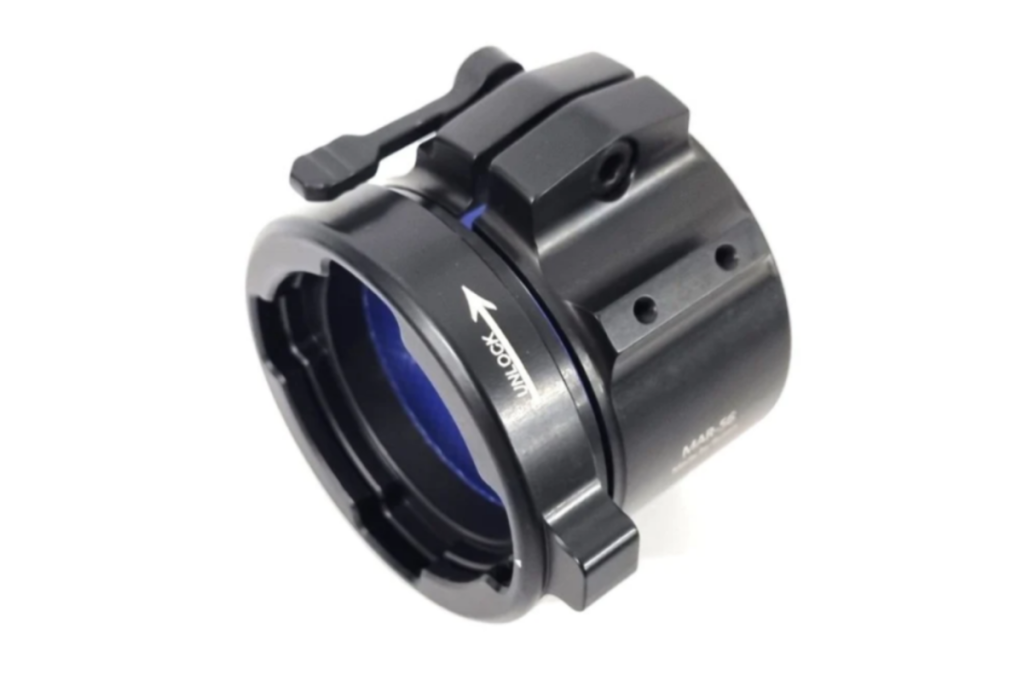
Rusani kinnitusadapteril on keere M 52x0,75 (Dedal, Yahnke, Lahoux ja paljud teised seadmed). Seda saab kombineerida sobiva reduktorrõngaga ja kasutada paljude muude seadmetega.
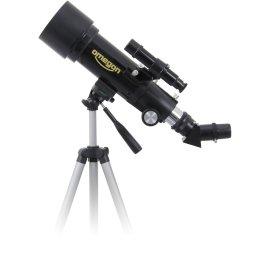
Mõeldud raskemad algaja vaatleja, skyhawk-114, mille kasulik 114mm valguse kogumise ava, on väga hea kõik ringi esineja tähtede, Bright planeedid, täheparvede, galaktikad ja Nebulae. Komplektis EQ1 Ekvatoriaal-mount, mis siis, kui polaarne joondatud, mis võimaldab teil kergesti jälgida objekte, kui nad liiguvad öösel taevas kaudu oma aegluubis kontrolli kaablid.
The combination of large aperture and short focal length predestine the BRESSER Messier AR-152S for the observation of large celestial objects. Experience the famous globular cluster M 13 in the constellation Hercules: Thousands of pinpoint stars stand before a black sky like so many diamonds spilt onto black velvet. Equipped with nebular filters you can watch the Gulf of Mexico in the North America Nebula and all the other celestial objects that Charles Messier listed in 1781. The compact size of the Messier AR-152S combines outstanding transportability, high light gathering power and low weight for a telescope of this aperture. The special four lens construction delivers a better performance than a classical two-lens achromat of this focal length. This telescope is only an optical tube without mount and tripod.FEATURES Excellent focuser with 2,5" (65mm) open diameter; Four lens construction; 8x50 straight through viewfinder reticle; Optimized finder socket for comfortable use; Cradle rings with handle and integrated piggyback camera holder (1/4 thread); Universal 44mm Dovetail plate with stainless steel rail (fits LXD75/Great Polaris/EQ5); 50,8mm (2") to 31,7mm (1,25") adapter with integrated T2 thread (T2-adapter ring for your camera is needed); Backfocus: 150mm behind Hexafoc with attached 2" eyepiece adapter.
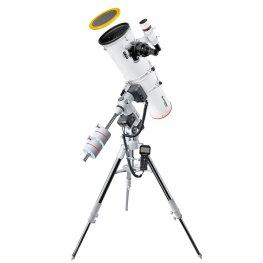
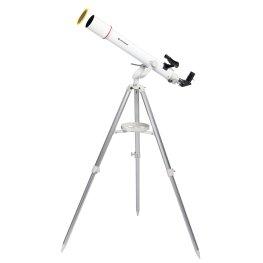
NEW - now including a high-quality aperture Solar-filter for safe observation of sunspots, eclipses and planet transits. Due to its aperture of 130mm and short focal length the new BRESSER Spica telescope is the perfect tool for wide field observations of large, faint objects like the Andromeda galaxy, large open star clusters and vast emission nebulae in our own milky way. Equipped with an parabolic primary mirror this telescope shows much more details on all astronomical objects. It is equipped with an equatorial mount (also known as parallactic mount). This allows for compensation of earth rotation and exact following of the celestial object observed. Please note: Reflector telescopes with optical design “Newton” are very good for astronomical observing at the starry night sky. But these telescopes are not well usable for observing landscape and nature during daylight. Therefore we suggest BRESSER refractor (lens) telescopes for landscape and nature observing. NOTE: If you require automatic star tracking, the telescope mount can also be retrofitted with the optional motor set part No. 4951400.FEATURES telescope for night and solar observation optical system: parabolic Newton reflector ideal for wide field observations equatorial mount for exact following extensive range of accessories SCOPE OF DELIVERY reflector telescope equatorial mount tripod aperture solar-filter eyepieces (31,7 mm): 4 mm, 20mm Barlow lens 3x LED viewfinder smartphone camera adapter
Lihtsalt kaasaskantav SKY-WATCHER STARTRAVEL-102 (AZ-Go2) 102 mm (4 tolli) F/4,9 Wi-Fi refraktorteleskoop telefonikaamera adapteriga. Juhitav juhtmevabalt nutitelefoni või tahvelarvuti kaudu, kasutades iOS-iga
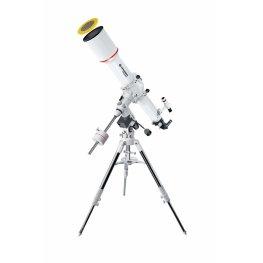
Teleskoop Bresser Messier AR-152S/760 EXOS-2 - Suure ava ja lühikese fookuskauguse kombinatsioon tähendab, et BRESSER Messier AR-152S on mõeldud suurte taevaobjektide vaatlemiseks.
Avasta optikaseadmete maailma BRESSER Juniori komplektiga! Selles kerges ja kompaktses komplektis on 40-640x suurendusega LED-mikroskoop ja 20-32x suurendusega teleskoop. Seda on suurepärane kasutada liikvel olles, sest komplektis on lauastatiiv, integreeritud kompass, nutitelefoni hoidik, AA-patareid ja kõik vajalikud tarvikud. Ideaalne noortele avastajatele, et uurida valmis või iseenda loodud preparaate ja jäädvustada oma avastusi.
The Vixen VII Series 6-24×58 Side Focus Riflescope is a side focus zoom riflescope that features a BDC10 reticle. allows you to adjust your magnification, anywhere from 6-24x magnification; that opens up possibilities. The Vixen VII Series Rifle Scope has fully multi-coated lenses, ensuring that they’re long-lasting and won’t succumb to being scratched easily. With a two body construction, you don’t need to worry about sitting around trying to figure out how to put it together. The Vixen VII Series 6-24×58 Side Focus Riflescope with MD-10 Reticle is super easy to use and install.
The Vixen 6-24x58 rifle scope is a pretty nondescript long-range scope, and at first glance, seems to be lacking a lot of the tactical features you’d expect from one. Of course, before getting into a review, the obligatory Vixen background: Vixen has been making high quality astronomy optics for quite some time, and their rifle scope oferings are brand new for 2013. The company has a long history of manufacturing some very high quality stuff at a very affordable price. All Vixen rifle scopes are 100% Made in Japan and carry an unconditional, transferrable lifetime warranty. The Vixen 6-24x58 is, in most respects, a typical high end (over $1,000) rifle scope. To get the basics out of the way, let’s clarify that this scope features the expected qualities: One piece body, 30mm main tube diameter, full waterproofing, fogproofing, nitrogen purging, anodized aluminum finish, and so on. At the price, this is all expected. There would be more to say if it didn’t include some of these things, and we could say right off the bat that the price wouldn’t be justifiable. But all is good. The first thing that stood out when we removed our first Vixen 6-24x58 scope from the box was the size of the objective. Most rifle scopes manufacturers don’t go above 56mm, with a few exceptions - US Optics, for one. There are two advantages to an objective this large, the first being low light performance. Once you get into this area of price and performance, most glass is going to perform on a similar level, with discrepancies that will be caused by differences in lens manufacturers and lens coating types. But the factor that will most affect light transmission will usually be objective size. Along with the increased size of the objective comes a slightly larger exit pupil, and depending on your eyesight, this may make for a better experience. But all this is subjective, and will depend heavily on what type of shooting you’ll be doing. One thing worth mentioning, and something that saves a lot of headache for guys who use them, is that the Vixen 6-24x58 includes an anodized aluminum 58mm sunshade. The threading on the sunshade and objectve end of the body match up very well, perhaps even better than the threading on the turret caps. The sunshade measures 2.75 inches in length and gives the scope a mean look. The finish on the Vixen 6-24x58 is the same found on the other high end Vixen scopes, and seems to be very durable. We’ve seen a lot of scopes advertised as ”anodized” that were anodized only in the loosest sense of the word, and we’d describe those scopes more like ”painted with a rough finish.” That is not the case with the 6-24x58, this finish is exactly what you’d expect. The scope we used for this review had obviously been handled before, and we were able to simply wipe away some light abrasions on the anodizing. The 6-24x58 has a quick focus ring in addition to side focus parallax adjustment. The quick focus ring performs as you’d expect and is good for quick adjustment. The focusing ring is tight, which speaks to the manufacturing tolerances present in the higher end Vixen scopes. Most of them feel identical, with no roughness or dead spots in the range. The side focus parallax adjustment is marked at 30, 40, 50, 60, 75, 100, 150, 200, 500, and infinity. The effort required to adjust parallax is slightly less than that of the magnification adjustment ring, while still being precise. The stock turrets on the 6-24x58 are more of a hunting type turret, but there are a pair of tactical turrets included that can be swapped out with the included allen key. The turrets themselves have some excellent tactile and audible feedback, which is exactly what we’ve come to expect from every Vixen scope, even the more affordable versions. The Vixen 6-24x58 turrets adjust in 1/8 MOA increments, with maximum adjustment range of 15 MOA. The optional tactical turrets feature much larger numbering and hash marks for easy visibility. This model also features an illuminated dot at the center of the reticle. The dot itself is about half the size of the mil-dots on the vertical and horizontal posts of the reticle. The illumination dial is marked from 1 to 11, but like the Vixen 1-6x24 and other models, these are not actually 11 seperate settings. Instead, the brightness adjustment is constant from 0 to 11. We think this is an advantage because you aren’t limited to a pre-set brightness, and you’re free to turn until you get your preferred brightness just right. How does the Vixen 6-24x58 perform in the optics department? As far as clarity and sharpness, this is up there. Color is vivid, which is due in no small part to the massive objective. At low magnification, there is minimal chromatic aberration, but we did notice some light rolling ball effect. Some people call it globe effect, or pincushion, but they area all the same. It’s not extremely noticable, and the severity of the effect will vary with the eye of the person looking through the scope. On higher magnification, the rolling ball effect goes away, but chromatic aberration incraeses, which is expected.