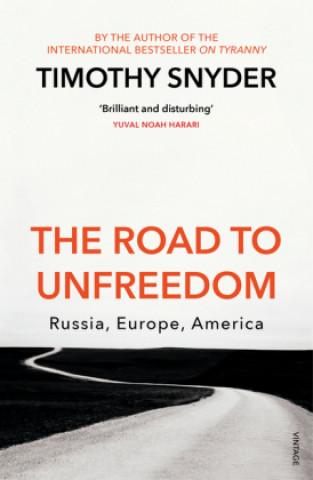
From the author of international bestseller On Tyranny, this prescient analysis of Russia's ongoing interference in the West is now more relevant than ever.'One of the best...brisk, conceptually convincing account of democracy's retreat in the early years of 21st century' GuardianThe past is another country, the old saying goes. The same might be said of the future. But which country? For Europeans and Americans today, the answer is Russia.In this visionary work of contemporary history, Timothy Snyder shows how Russia works within the West to destroy the West; by supporting the far right in Europe, invading Ukraine in 2014, and waging a cyberwar during the 2016 presidential campaign and the EU referendum. Nowhere is this more obvious than in the creation of Donald Trump, an American failure deployed as a Russian weapon. But this threat presents an opportunity to better understand the pillars of our freedoms and face the choices that will determine the future: equality or oligarchy, individualism or totalitarianism, truth or lies.'A brilliant and disturbing analysis, which should be read by anyone wishing to understand the political crisis currently engulfing the world' Yuval Noah Harari, bestselling author of Sapiens
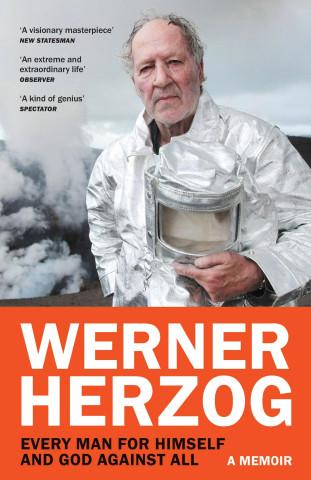
Werner Herzog is the undisputed master of extreme cinema: building an opera house in the middle of the jungle; walking from Munich to Paris in the dead of winter; descending into an active volcano; living in the wilderness among grizzly bears - he has always been intrigued by the extremes of human experience. From his early movies to his later documentaries, he has made a career out of exploring the boundaries of human endurance: what we are capable of in exceptional circumstances and what these situations reveal about who we really are. But these are not just great cinematic themes.During the making of his films, Herzog pushed himself and others to the limits, often putting himself in life-threatening situations. As a child in rural Bavaria, a single loaf of bread had to last his family all week. The hunger and deprivation he experienced during his early years perhaps explain his fascination with the limits of physical endurance.All his life, Herzog would embrace risk and danger, constantly looking for challenges and adventures.Filled to the brim with memorable stories and poignant observations, Every Man for Himself and God against All unveils the influences and ideas that drive his creativity and have shaped his unique view of the world. This book tells, for the first time, the story of his extraordinary and fascinating life.
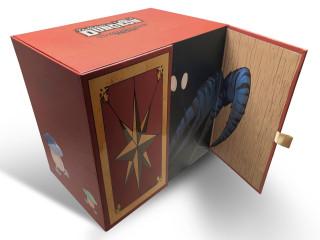
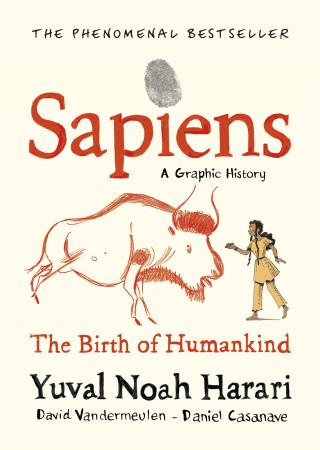
The first volume of the graphic adaptation of Yuval Noah Harari's global phenomenon and smash Sunday Times #1 bestseller, with gorgeous full-colour illustrations and a beautiful package - the perfect gift for the curious beings in your life. One hun
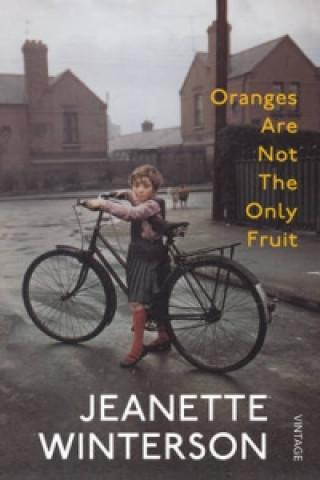
This is the story of Jeanette, adopted and brought up by her mother as one of God's elect. Zealous and passionate, she seems destined for life as a missionary, but then she falls for one of her converts. At sixteen, Jeanette decides to leave the church, her home and her family, for the young woman she loves. Innovative, punchy and tender, Oranges Are Not the Only Fruit is a few days ride into the bizarre outposts of religious excess and human obsession.
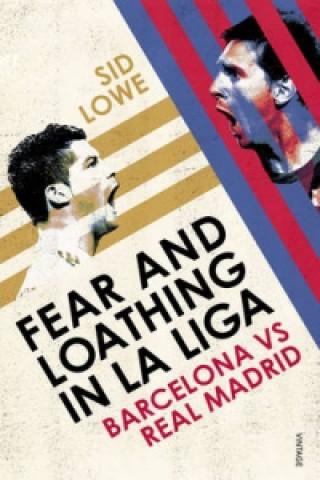
It's Messi vs Ronaldo, it's Catalonia vs Castilla. It's the nation against the state, freedom fighters vs Franco's fascists. It's majestic goals and mesmerising skills, red cards and bench brawls. It's the best two teams on the planet going face to face and toe to toe. It's more than a game. It's a war. It's Barcelona vs Real Madrid...Only, it's not that simple. From the wounds left by the civil war to the teams' recent global domination, historian and expert on Spanish football, Sid Lowe lifts the lid on sport's greatest rivalry. Lowe has spoken to the biggest names and the forgotten heroes who defined their clubs. Men like Alfredo Di Stefano and Johan Cruyff as well as the only survivor of the most politically charged game in history, the Barcelona striker who knocked Madrid out of the European Cup for the first time ever, and the president who celebrated his club's defining moment by taking a midnight dip in the Thames. By exploring the history, politics, culture, economics and language, while never forgetting the drama on the pitch, Lowe demonstrates the symbiotic nature of the relationship between these two football giants.In doing so he reveals the human story behind this explosive rivalry.
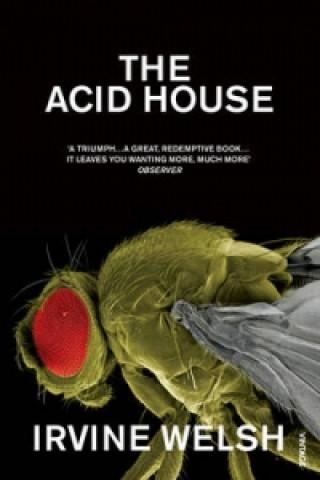
The characters in this extraordinary book are often - on the surface - depraved, vicious, cowardly and manipulative, but their essential humanity is never undermined. Two professors of philosophy turn pugilists; Leith removal men become the objects of desire for Hollywood goddesses; God turns Boab Coyle into a house-fly; and in the novella,
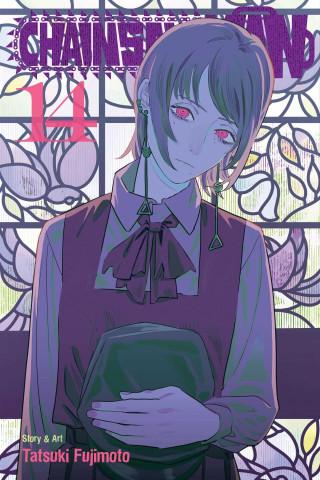
Broke young man + chainsaw demon = Chainsaw Man!Denji was a small-time devil hunter just trying to survive in a harsh world. After being killed on a job, he is revived by his pet devil Pochita and becomes something new and dangerous-Chainsaw Man!Asa and Denji are going on a date to the aquarium! Asa just wants to seduce Denji to turn him into a weapon, but Denji might have other ideas. Will they ruin the date with their extreme social awkwardness, or will a surprise attack by a devil be the culprit?
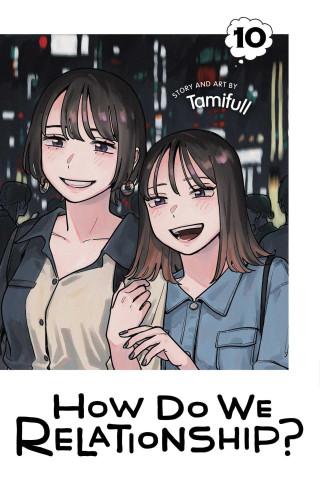
A romance of convenience between two college women soon becomes the real thing.Shy Miwa has always dreamed of finding love, but living in small-town Japan made finding the right match difficult-especially since she likes girls! Even going away to college didn't seem to help, until one day her outgoing classmate Saeko suggests they might as well start dating each other since it's not like either of them has other options.Miwa and Saeko broke up in part because they couldn't meet halfway on their differing needs, so when their new relationships begin to show signs of turning rocky, they're both determined to find a way to compromise. But discovering a happy medium is harder than they thought, especially when no one seems to be happy at all with how things are turning out.
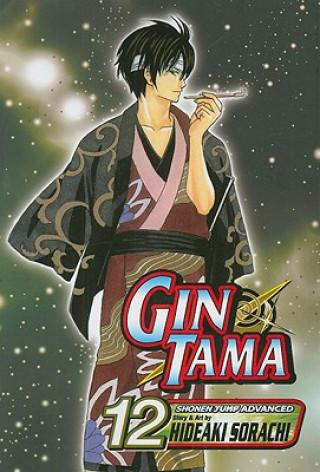
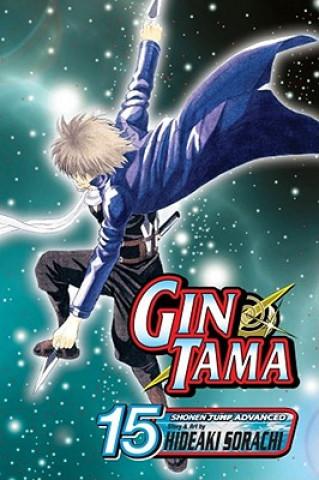
R to L (Japanese Style)The samurai didn't stand a chance. First, the aliens invaded Japan. Next, they took all the jobs. And then they confiscated everyone's swords. So what does a hotheaded former samurai like Sakata "Gin" Gintoki do to make ends meet? Take any odd job that comes his way, even if it means losing his dignity...The Longest Way Around Is the Shortest WayThings I've Learned While Living With Gin (by Kagura)1. Buildings get destroyed because they are in the way.2. If you're going to stalk someone, watch out for pit-traps!3. People who say Santa doesn't really exist actually want to believe in him.4. Some people (Shinpachi) are always the butt of the joke.5. No matter what Gin says ice cream is a great prize for winning a snowball fight, uh-huh!
R to L (Japanese Style). Oh, Baby You Make It Hurt So GoodA Song for Gin (by Sachan)When you smash the dish that's strapped to my headYou're doing it for honor so it's all okaySandpaper makes lousy toilet tissue (someone said)You can use my picture (but you're gonna pay)Don't fight for Otae (Shinpachi should)Oh, baby you make it hurt so gooood!
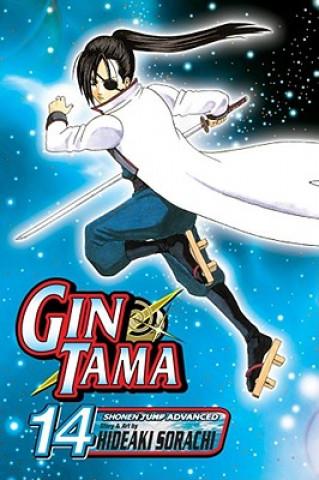
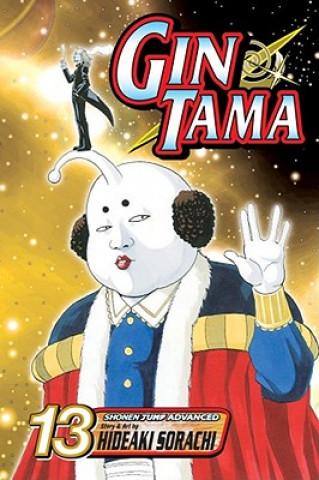
It's samurai vs. aliens ; He's too busy fighting aliens, the yakuza and unemployment R to L (Japanese Style). The Best Makeup for Women Is Their Smiles Otae's List of Burning Questions to Ask Gin 1. If Kondo marries a gorilla, does th
R to L (Japanese Style). After All, Your Enemy Yesterday Is Still Your Enemy TodayGin's Street Fighting Lessons Learned (Top 5)1. Frontal wedgies are extremely effective.2. Girls hit a lot harder the more innocent they look (unless they are alien gorillas).3. Only morons start fights in the Ninja Bar. Yeah, only morons...4. Using a bazooka is cheating (but it sure settles things quickly).5. No one hits harder than Shinpachi's sister Otae when she's riled.
A multigenerational tale of the heroic Joestar family and their never-ending battle against evil!The legendary Shonen Jump series is now available in deluxe hardcover editions featuring color pages! JoJo's Bizarre Adventure is a groundbreaking manga famous for its outlandish characters, wild humor, and frenetic battles.Gyro and Johnny are heading up the front of the pack in the Steel Ball Run race! But just as they're about to reach the finish line, they're attacked yet again. And to make matters worse, when Gyro and Johnny finally uncover the reason behind these constant attacks, they start to realize that the true purpose of the Steel Ball Run is much more sinister than either of them could have ever imagined.
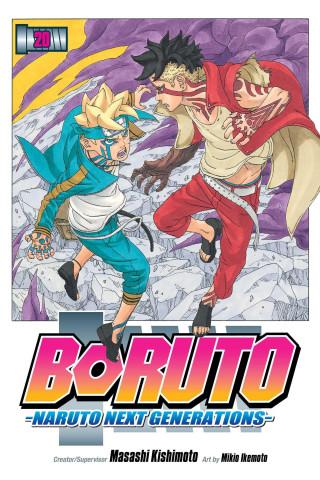
The ninja adventures continue with Naruto's son, Boruto!Naruto was a young shinobi with an incorrigible knack for mischief. He achieved his dream to become the greatest ninja in his village, and now his face sits atop the Hokage monument. But this is not his story... A new generation of ninja is ready to take the stage, led by Naruto's own son, Boruto!The fateful moment has arrived for Boruto and Kawaki. When the event Momoshiki warned him about finally arrives, Boruto finds his life and the entire ninja world flipped upside down!
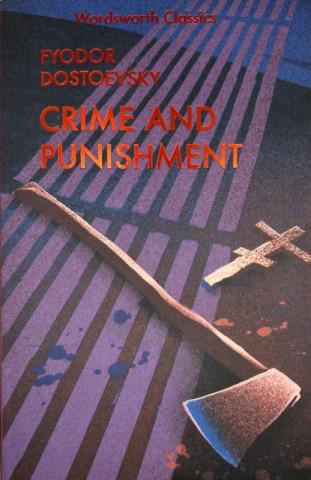
Crime and Punishment is one of the greatest and most readable novels ever written.From the beginning we are locked into the frenzied consciousness of Raskolnikov who, against his better instincts, is inexorably drawn to commit a brutal double murder.From that moment on, we share his conflicting feelings of self-loathing and pride, of contempt for and need of others, and of terrible despair and hope of redemption: and, in a remarkable transformation of the detective novel, we follow his agonised efforts to probe and confront both his own motives for, and the consequences of, his crime.The result is a tragic novel built out of a series of supremely dramatic scenes that illuminate the eternal conflicts at the heart of human existence: most especially our desire for self-expression and self-fulfilment, as against the constraints of morality and human laws; and our agonised awareness of the world's harsh injustices and of our own mortality, as against the mysteries of divine justice and immortality.
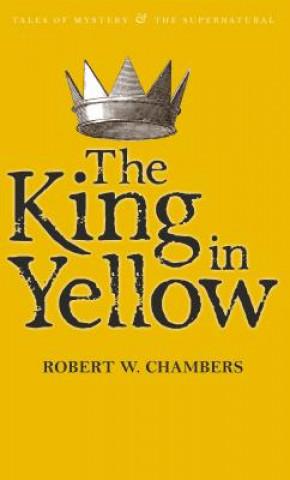
With an Introduction by David Stuart Davies: 'I read it and reread it, and wept and laughed and trembled with horror which at all times assails me yet'. With its strange, imaginative blend of horror, science fiction, romance and lyrical prose, Robert W. Chambers' The King in Yellow is a classic masterpiece of weird fiction. This series of vaguely connected stories is linked by the presence of a monstrous and suppressed book which brings fright, madness and spectral tragedy to all those who read it. An air of futility and doom pervade these pages like a sweet insidious poison. Dare you read it? This collection has been called the most important book in American supernatural fiction between Poe and the moderns. H. P. Lovecraft, creator of the famed Cthulu mythos, whose own fiction was greatly influenced by this book stated that The King in Yellow 'achieves notable heights of cosmic fear'.
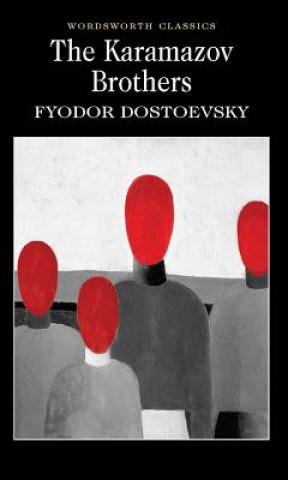
As Fyodor Karamazov awaits an amorous encounter, he is violently done to death. The three sons of the old debauchee are forced to confront their own guilt or complicity. Who will own to parricide? The reckless and passionate Dmitri? The corrosive intellectual Ivan? Surely not the chaste novice monk Alyosha?The search reveals the divisions which rack the brothers, yet paradoxically unite them. Around the writhings of this one dysfunctional family Dostoevsky weaves a dense network of social, psychological and philosophical relationships. At the same time he shows - from the opening 'scandal' scene in the monastery to a personal appearance by an eccentric Devil - that his dramatic skills have lost nothing of their edge.The Karamazov Brothers, completed a few months before Dostoevsky's death in 1881, remains for many the high point of his genius as novelist and chronicler of the modern malaise. It cast a long shadow over D. H. Lawrence, Thomas Mann, Albert Camus, and other giants of twentieth-century European literature.
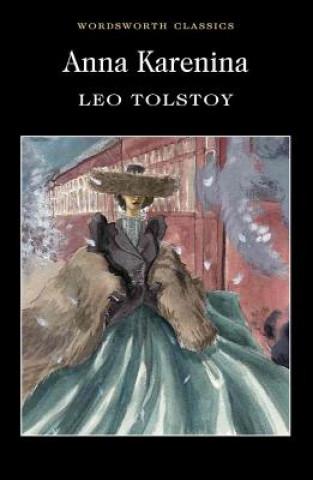
Anna Karenina is one of the most loved and memorable heroines of literature. Her overwhelming charm dominates a novel of unparalleled richness and density. Tolstoy considered this book to be his first real attempt at a novel form, and it addresses the very nature of society at all levels,- of destiny, death, human relationships and the irreconcilable contradictions of existence. It ends tragically, and there is much that evokes despair, yet set beside this is an abounding joy in life's many ephemeral pleasures, and a profusion of comic relief.
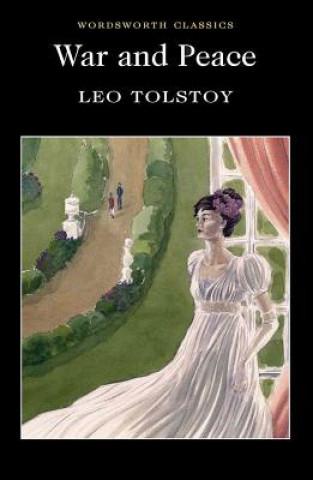
War and Peace is a vast epic centred on Napoleon's war with Russia. While it expresses Tolstoy's view that history is an inexorable process which man cannot influence, he peoples his great novel with a cast of over five hundred characters. Three of these, the artless and delightful Natasha Rostov, the world-weary Prince Andrew Bolkonsky and the idealistic Pierre Bezukhov illustrate Tolstoy's philosophy in this novel of unquestioned mastery. This translation is one which received Tolstoy's approval.
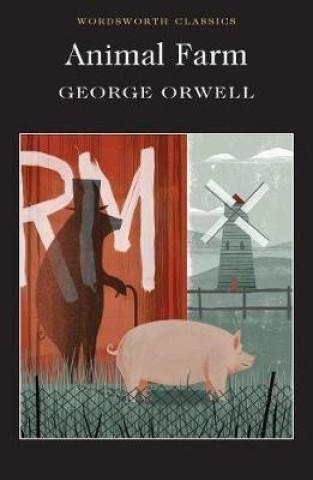
In 1943, there was an urgent need for Animal Farm. The Soviet Union had become Britain's ally in the war against Nazi Germany, and criticism of Stalin's brutal regime was either censored or discouraged. In any case, many intellectuals on the left still celebrated the Soviet Union, claiming that the terrors of its show trials, summary executions and secret police were either exaggerated or necessary. But, to Orwell, Stalin was always a "disgusting murderer" and he wanted to remind people of this fact in a powerful and memorable way.But how to do it? A political essay would never reach a wide enough audience; a traditional novel would take too long to write. Orwell hit on the inspired idea of combining the moralism of the traditional 'beast fable' with the satire of Gulliver's Travels. A group of farmyard animals, led by the pigs, overthrow their human masters. Their revolution is inspired by high ideals: the farm will be run in the interests of its animals with no more slaughtering, plenty of food for all and comfort in retirement. But when Napoleon the pig takes command, he quickly corrupts their principles, creating a new tyranny worse than the old.Orwell wrote Animal Farm in the middle of the Second World War, but at first no publishers wanted to touch it. It was finally published in August 1945, once the war was over. This little book quickly became a seminal text in the emerging 'cold war' (a phrase that Orwell himself coined). It also became a site of that conflict itself, suffering various attempts to subvert or change its meaning.Today, Animal Farm remains a powerful fable about the nature of tyranny and corruption which applies for all ages. Our edition also includes the following essays: Shooting an Elephant; Charles Dickens; Inside the Whale; The Frontiers of Art and Propaganda; Literature and Totalitarianism; Fascism and Democracy; Patriots and Revolutionaries; Catastrophic Gradualism; Some Thoughts on the Common Toad; Why I Write; Writers and Leviathan
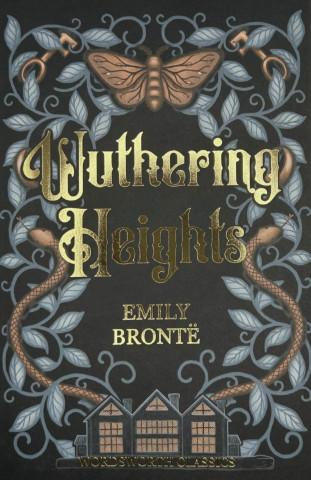
Introduction and Notes by John S. Whitley, University of Sussex. Wuthering Heights is a wild, passionate story of the intense and almost demonic love between Catherine Earnshaw and Heathcliff, a foundling adopted by Catherine's father. After Mr Earnshaw's death, Heathcliff is bullied and humiliated by Catherine's brother Hindley and wrongly believing that his love for Catherine is not reciprocated, leaves Wuthering Heights, only to return years later as a wealthy and polished man. He proceeds to exact a terrible revenge for his former miseries.The action of the story is chaotic and unremittingly violent, but the accomplished handling of a complex structure, the evocative descriptions of the lonely moorland setting and the poetic grandeur of vision combine to make this unique novel a masterpiece of English literature.
Dante Alighieri (1265-1321) is one of the most important and innovative figures of the European Middle Ages. Writing his Comedy (the epithet Divine was added by later admirers) in exile from his native Florence, he aimed to address a world gone astray both morally and politically. At the same time, he sought to push back the restrictive rules which traditionally governed writing in the Italian vernacular, to produce a radically new and all-encompassing work. The Comedy tells of the journey of a character who is at one and the same time both Dante himself and Everyman through the three realms of the Christian afterlife: Hell, Purgatory and Heaven. He presents a vision of the afterlife which is strikingly original in its conception, with a complex architecture and a coherent structure. On this journey Dante's protagonist - and his reader - meet characters who are variously noble, grotesque, beguiling, fearful, ridiculous, admirable, horrific and tender, and through them he is shown the consequences of sin, repentance and virtue, as he learns to avoid Hell and, through cleansing in Purgatory, to taste the joys of Heaven.
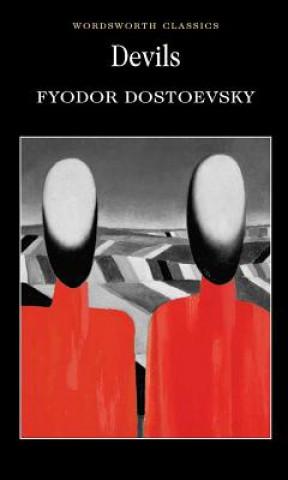
In 1869 a young Russian was strangled, shot through the head and thrown into a pond. His crime? A wish to leave small group of violent revolutionaries, from which he had become alienated. Dostoevsky takes this real-life catastrophe as the subject and culmination of Devils, a title that refers the young radicals themselves and also to the materialistic ideas that possessed the minds of many thinking people Russian society at the time. The satirical portraits of the revolutionaries, with their naivety, ludicrous single-mindedness and readiness for murder and destruction, might seem exaggerated - until we consider their all-too-recognisable descendants in the real world ever since.The key figure in the novel, however, is beyond politics. Nikolay Stavrogin, another product of rationalism run wild, exercises his charisma with ruthless authority and total amorality. His unhappiness is accounted for when he confesses to a ghastly sexual crime - in a chapter long suppressed by the censor.This prophetic account of modern morals and politics, with its fifty-odd characters, amazing events and challenging ideas, is seen by some critics as Dostoevsky's masterpiece.
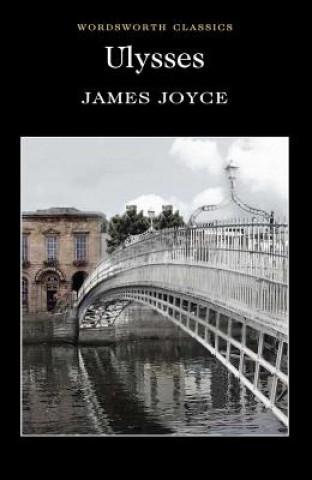
James Joyce's astonishing masterpiece, Ulysses, tells of the diverse events which befall Leopold Bloom and Stephen Dedalus in Dublin on 16 June 1904, during which Bloom's voluptuous wife, Molly, commits adultery. Initially deemed obscene in England and the USA, this richly-allusive novel, revolutionary in its Modernistic experimentalism, was hailed as a work of genius by W. B. Yeats, T. S. Eliot and Ernest Hemingway.Scandalously frank, wittily erudite, mercurially eloquent, resourcefully comic and generously humane, Ulysses offers the reader a life-changing experience.
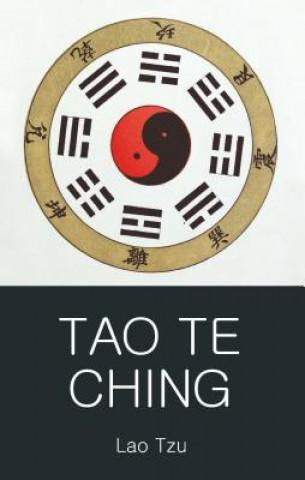
Dating from around 300BC, Tao Te Ching is the first great classic of the Chinese school of philosophy called Taoism. Within its pages is summed up a complete view of the cosmos and how human beings should respond to it.A profound mystical insight into the nature of things forms the basis for a humane morality and vision of political utopia. The ideas in this work constitute one of the main shaping forces behind Chinese spirituality, art and science, so much so that no understanding of Chinese civilisation is possible without a grasp of Taoism.This edition presents the authoritative translation by Arthur Waley, with a new Introduction reflecting recent developments in the interpretation of the work.
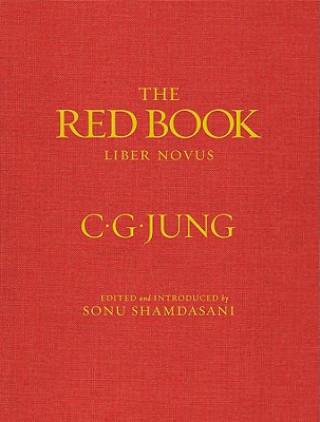
When Carl Jung embarked on the extended self-exploration he called his 'confrontation with the unconscious', the heart of it was "The Red Book", a large, illuminated volume he created between 1914 and 1930. Here he developed his principal theories - of the archetypes, the collective unconscious and the process of individuation - that transformed psychotherapy from a practice concerned with treatment of the sick into a means for higher development of the personality. While Jung considered "The Red Book" to be his most important work, only a handful of people have ever seen it. Now, in a complete facsimile and translation, it is available to scholars and the general public. It is an astonishing example of calligraphy and art on a par with "The Book of Kells" and the illuminated manuscripts of William Blake. The publication of "The Red Book" is a watershed that will cast new light on the making of modern psychology.
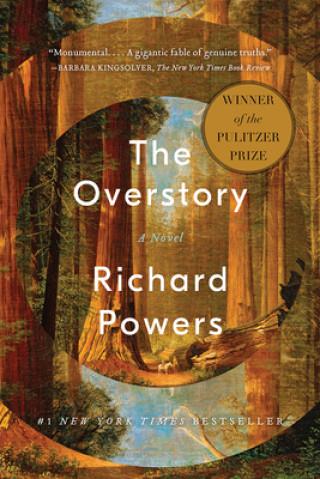
#1 New York Times Bestseller Shortlisted for the Man Booker PrizeA New York Times Notable Book and a Washington Post, Time, Oprah Magazine, Newsweek, Chicago Tribune, and Kirkus
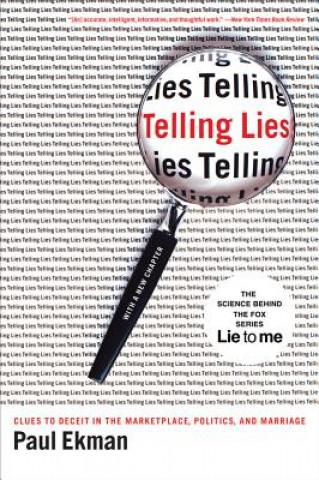
In this revised edition, Paul Ekman, a renowned expert in emotions research and nonverbal communication, adds a new chapter to present his latest research on his groundbreaking inquiry into lying and the methods for uncovering lies. Ekman has figured out the most important behavioral clues to deceit; he has developed a one-hour self-instructional program that trains people to observe and understand "micro expressions"; and he has done research that identifies the facial expressions that show whether someone is likely to become violent. ?Telling Lies?describes how lies vary in form and how they can differ from other types of misinformation that can reveal untruths. It discusses how a person's body language, voice, and facial expressions can give away a lie but still fool professional lie hunters even judges, police officers, drug enforcement agents, and Secret Service agents."
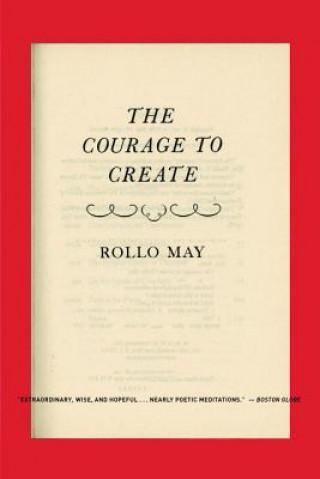
What if imagination and art are not, as many of us might think, the frosting on life but the fountainhead of human experience? What if our logic and science derive from art forms, rather than the other way around? In this trenchant volume, Rollo May helps all of us find those creative impulses that, once liberated, offer new possibilities for achievement. A renowned therapist and inspiring guide, Dr. May draws on his experience to show how we can break out of old patterns in our lives. His insightful book offers us a way through our fears into a fully realized self.