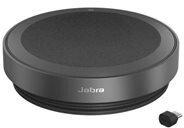
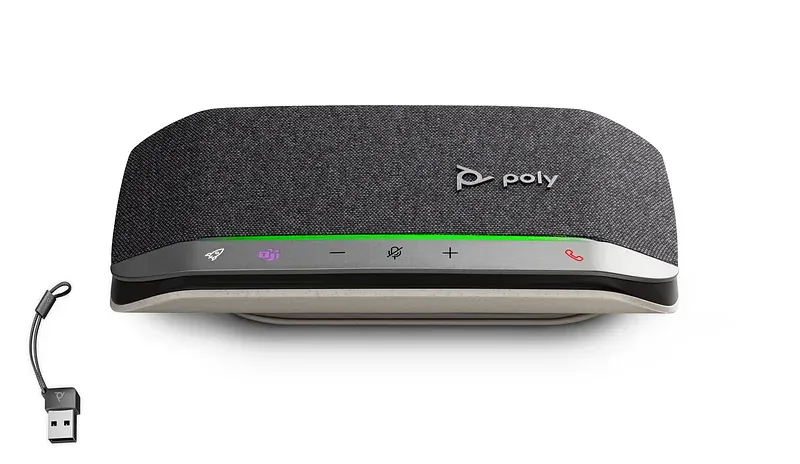
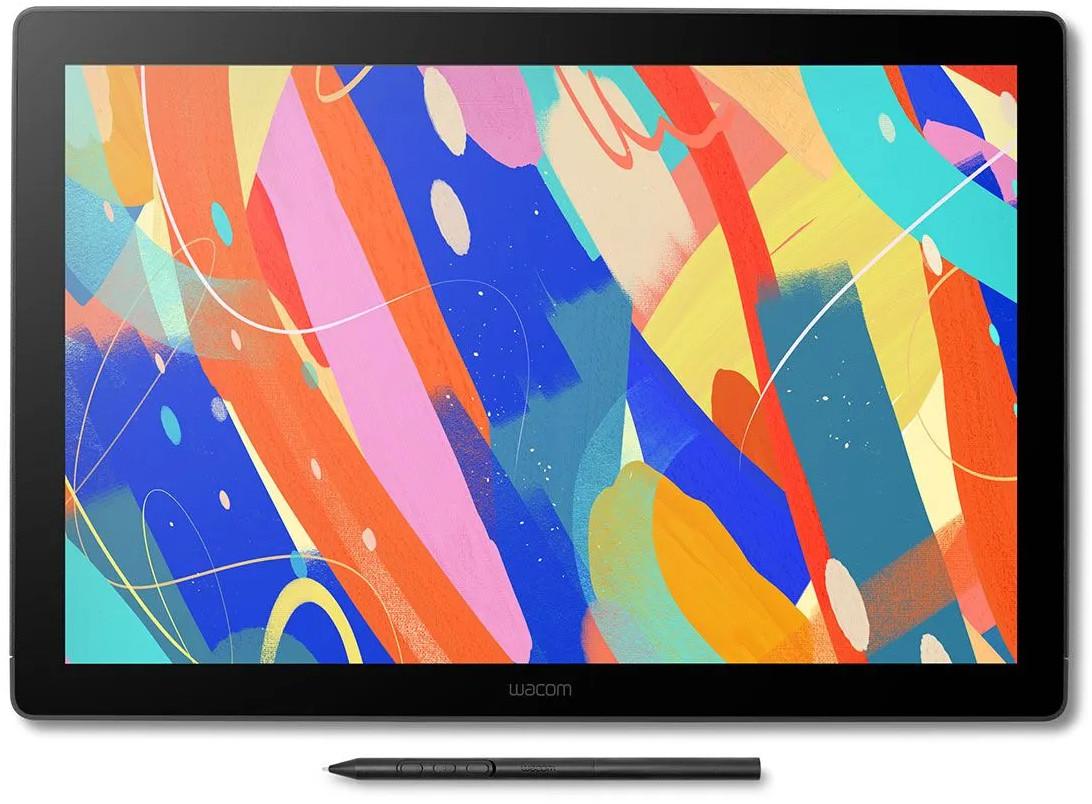
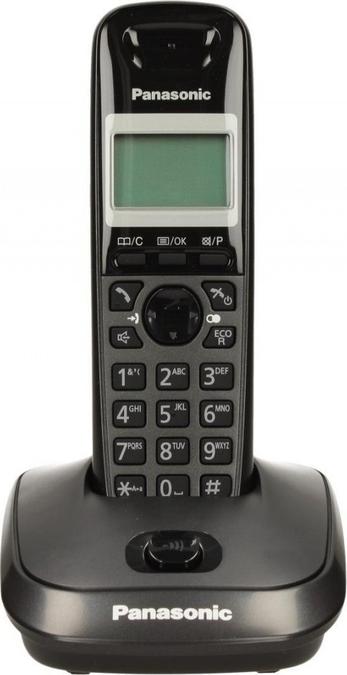
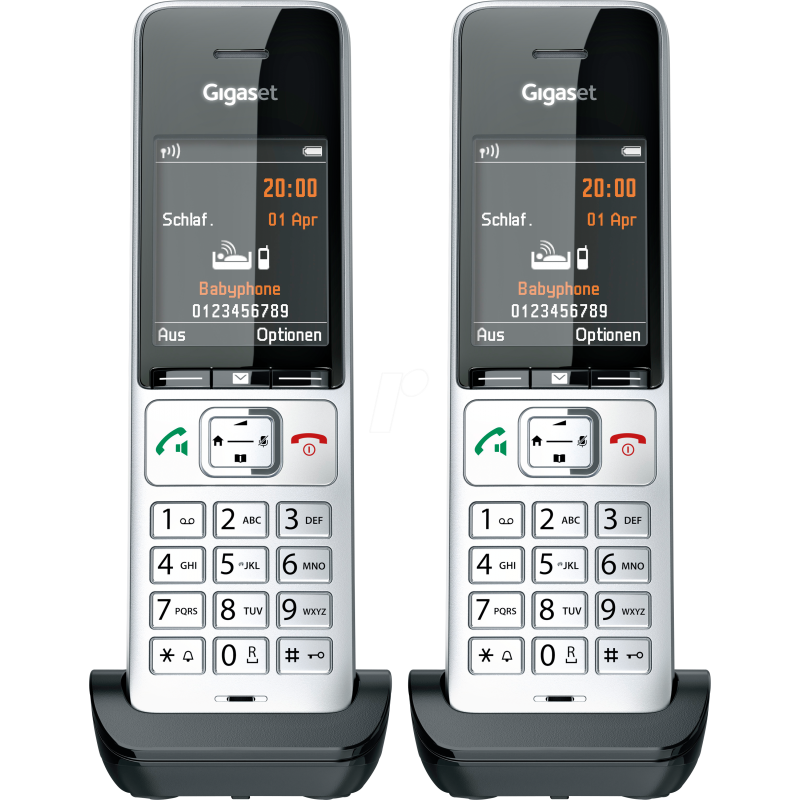
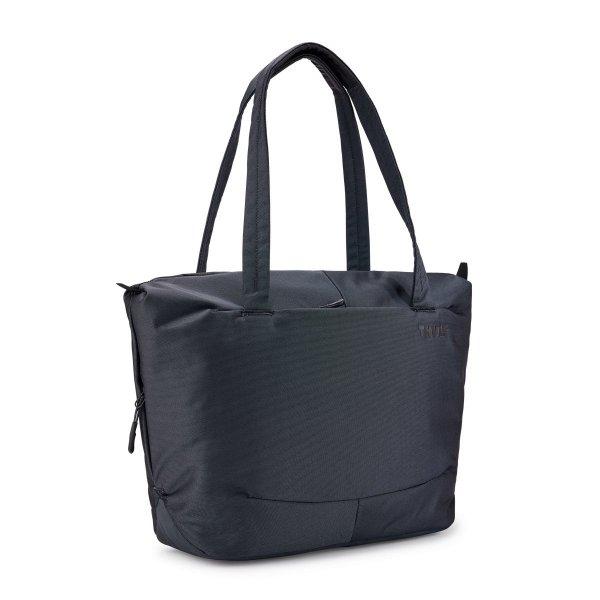
This is Speak2 75, your personal pocketable device for the coffee-table-conferencing, dining-room-dialing, hotel-hot-desking meeting rooms of a hybrid world.It's the next generation of professional, portable speakerphone, packed with the advanced technology.With Jabra's advanced super-wideband audio, precision microphone performance and technology that refines the subtle tones in your voice, today's meeting room could be a huddle room, the couch or a campervan on the beach.
Kolme mikrofoniga süsteem taustamüra summutamiseks • 20-tunnine kasutusaeg ühe laadimisega • Microsoft Teamsi sertifikaat • Nutitelefoni laadimise võimalus • Sisaldab kandekotti ja tarvikuid
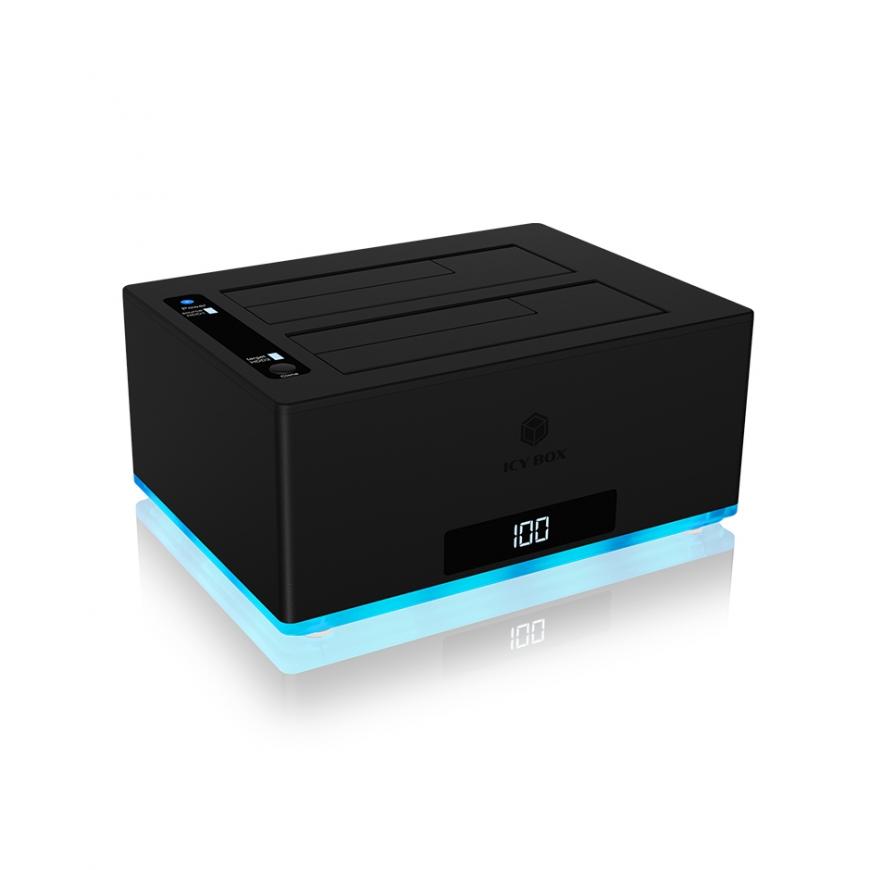
The RaidSonic ICY BOX IB-127CL-U3 is designed to enhance storage capabilities with its dual-bay setup for both 2.5" and 3.5" drives. Featuring a robust aluminum and plastic enclosure, this storage solution ensures durability while offering efficient heat dissipation to keep your drives functioning optimally. With support for Serial ATA-600, data transfers can reach speeds of 600 MBps, making it suitable for transferring large files quickly and efficiently. The UASP transfer protocol further optimizes performance when using compatible USB 3.2 Gen 1 devices, allowing for smoother data transfers with lower CPU usage.Equipped with RGB lighting and a clone progress display, the IB-127CL-U3 adds a stylish yet functional touch to your workspace. The LED indicator helps monitor the status of your drives effectively. Installation is simple thanks to the Plug-and-Play standard, allowing users to start utilizing the storage array without complicated setups. With its hot-swap capability, users can replace drives effortlessly while the device remains powered on, adding to the convenience this product offers.
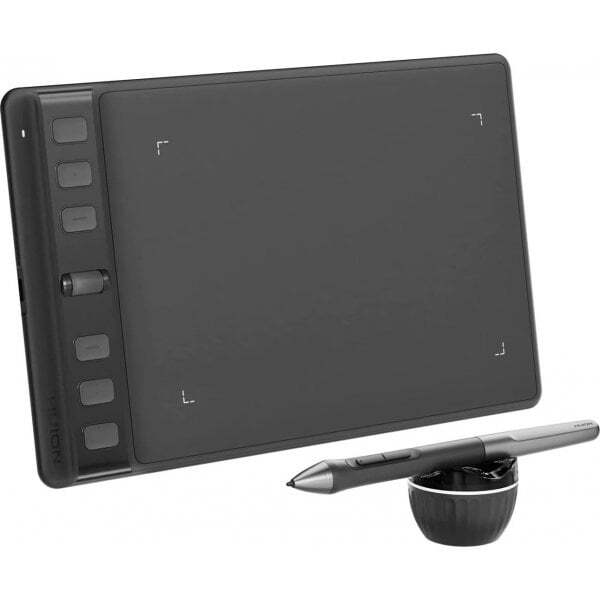
Tootekood: INSPIROY 2 S (H641P)GTIN: 6930444802622Digitaallauad
Huion Inspiroy 2 S graphics tabletThe HUION Inspiroy 2S is a graphics tablet designed with the user's comfort in mind - whether a beginner or a more advanced user. It has gained new, better-feeling buttons, which, thanks to their clear separation from the work surface (they are 2 mm higher) and special tabs, allow easier operation without looking. In addition, it is equipped with a practical Scroller slider - it works similarly to the roller in a mouse, and its sensitivity can be adjusted in the software. It is simply a convenient and intuitive tool for working and drawing.New stylus, more comfortA new, thinner PW110 stylus is included - battery-free, with EMR technology. It has an extended silicone grip, and the clever positioning of the buttons prevents accidental pressing while drawing. This makes longer work more comfortable and the hand less tired. The stylus offers up to 8192 levels of pressure sensitivity and great precision, and there's also an ergonomic stylus holder included - everything you need for stable drawing.Drawing like on real paperThe tablet's working surface has been noticeably improved over previous models - the panel's friction has been increased by 20%, so drawing resembles working on paper. The matte texture and eye-pleasing colors make it easier to focus on your work, even during long creative sessions.Draw wherever you want - including on a smartphoneInspiroy 2S works not only with computers - it also works seamlessly with Android and HarmonyOS phones and tablets. This means you can connect your tablet directly to your mobile device and draw anywhere. In addition, the compact size and low weight make it easy to store and transport.Tailored for right- and left-handed usersHUION has made sure that the tablet is convenient for everyone. The USB-C port is placed on the left side, and the layout of the buttons and slider is symmetrical. So you can easily rotate the device 180° and adjust it to your dominant hand in the settings. It also supports 90° rotation, which will be appreciated by those who use monitors in portrait orientation.IncludedtabletstylusUSB-C cableUSB-C adapterPH04 stylus holderstandard stylus tip x10user manual TabletManufacturerHUIONModelInspiroy 2 SDimensions246 x 152 x 7.5~9.5 mmWork surface160 x 100 mmWeight275 gTouch screen-InterfaceUSB-C StylusModelPW110Technologybatteryless, EMRResolution5080 LPIPressure sensitivity8192 levelsDetection height>10 mmTilt support-Reading speed>260PPSAccuracy+0.3 mmButtons6 programmable buttons + sliderCompatibilityWindows 7 or later; macOS 10.12 or later; ChromeOS 88 or later; Android 6.0 or later; Linux (Ubuntu 20.04 LTS)
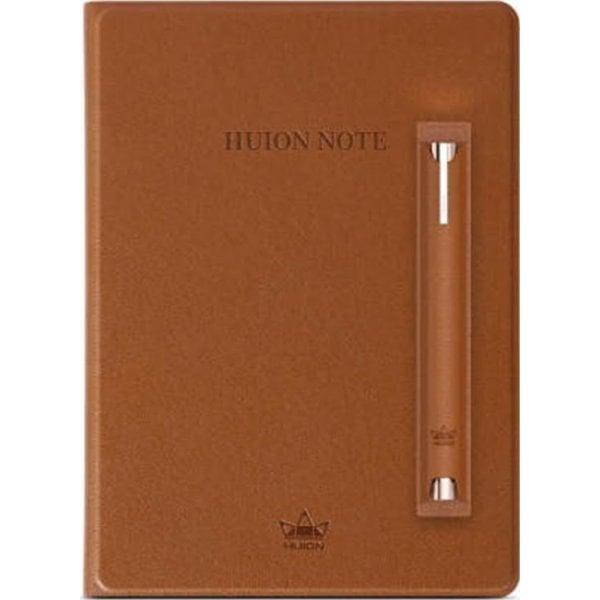
Huion Note X10 digital notebookThe Huion Note X10 is a versatile A5-format digital notebook that redefines the way you take notes and sketches. The device combines traditional paper writing with advanced digital synchronization, offering features such as offline writing, in-app editing, one-click PDF sharing and a graphic tablet mode for artists. With long battery life, Bluetooth 5.0 technology, and the included PW320 stylus, the Huion Note X10 is the perfect tool for both everyday work and creative projects.Paper and technology in one elegant packageThe Huion Note X10 comes in the form of a classic A5 notebook with a durable, elegant leather cover and removable paper (50 pages), providing the comfort of writing like regular paper. It comes with a PW320 stylus, supporting up to 4096 levels of pressure for smoother and more precise lines. The stylus is battery-free and supports both plastic tips and standard ballpoint nibs - ideal for writing, sketching or note-taking.Expand your capabilities with the appWith the Huion Note app, you can edit, highlight, delete and organize all your handwritten notes. In addition, the device allows you to record your voice while writing - a feature that will come in handy especially during meetings or lectures. You can play back your notes along with the audio recording at any time to go back to key information more easily. You can easily share your finished notes with others in PDF format.Constant connectivity and long-lasting performance with Bluetooth 5.0The Notebook automatically pairs with your smartphone when you open the app and disconnects when you close it - all thanks to advanced Bluetooth 5.0 technology. The tablet runs for up to 18 hours on a single charge, and standby time reaches 30 days. A built-in LED indicator lets you know the charge level. With its compact A5 format and magnetic stylus holder, you can take the Huion Note X10 anywhere.Offline recording and scalable vector recordingYou don't need a connection to your device to create - the Huion Note X10 saves up to 50 pages offline and converts them into scalable vectors when synced with your smartphone. You can edit them freely, enlarge them without losing quality, export them to PDF and make corrections, all without pixelation.Graphics tablet mode for artistsIt's not just a notepad - when you remove the sheets of paper and insert a special panel, the Huion Note X10 turns into a full-fledged graphics tablet. It supports 4096 levels of pressure and precise tilt of the stylus, which allows you to draw digitally with high precision. It's a feature that will appeal to any creator who values tool versatility.Includedtabletstylusmetal pen tips x6tip clipType-C cableuser manual ManufacturerHuionModelNote X10ColorBrownMaterialHigh quality PU leatherPen technologyBattery-free electromagnetic resonance technologyDimensions239 x 180.4 x 11.3 mmWorking area186.9 x 140.9 mmWeight446.5 gPressure levels4096Pen resolution5080 LPIReporting frequencyWired connectivity >233 PPS, Bluetooth connectivity >133 PPSAccuracy±0.3 mmPen detection height10-12 mmStandby modeAfter 15 minutes of restInterfaceType-CWireless connectivityBluetooth 5.0Dedicated appHuion NoteCapacity50 pagesBattery capacity1300 mAhBattery life18 hoursCharging time4 hours (5V 500 mA)System compatibilityIOS, Android, Mac, WindowsDigital penPW320Pen dimensions152.8 x 10.1 mm
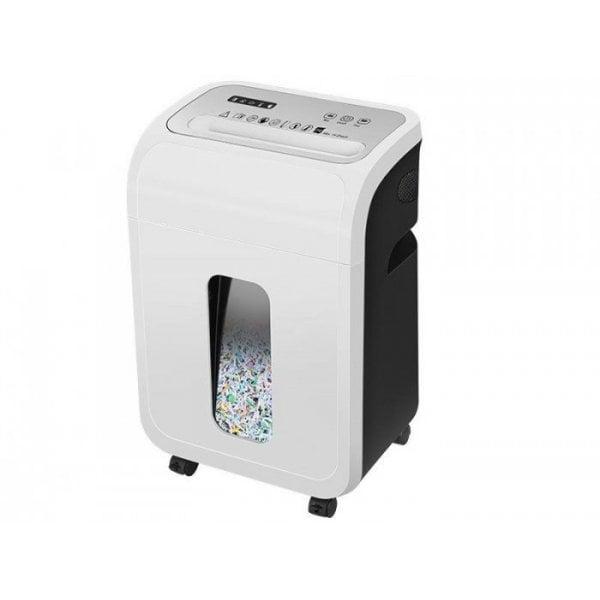
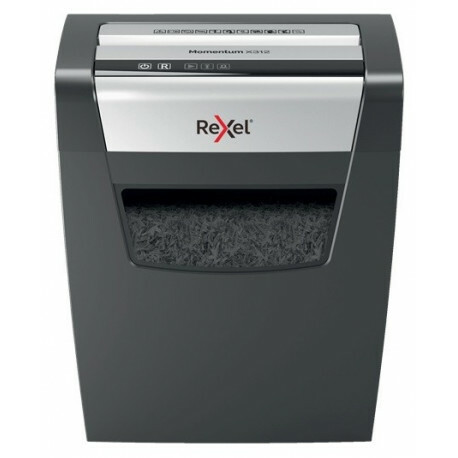
Tootja: Rexel Tootegrupp: Shredders Shredder type: Cross Cut Compact disc shred: Ei Credit card shred: Ei 3,5" diskette shred: Ei Feeder maht: 12 sheets Dustbin maht: 23 l Shredder speed: andmed puuduvad maksimaalne laius: 220 mm Safety level: P-3 Size of pieces - paper: 5 x 42 mm Reverse function: Jah Autostart: Ei LCD ekraan: Ei Power: andmed puuduvad laius: 356 mm kõrgus: 423 mm sügavus: 238 mm Netokaal: 6.5 kg Features (additional): Shreds Kuni 12 sheets in one pass (80gsm), Shreds paber staples ja paber clips, kestvus/Cool Down Time (min) Lisainfo: REXEL EN
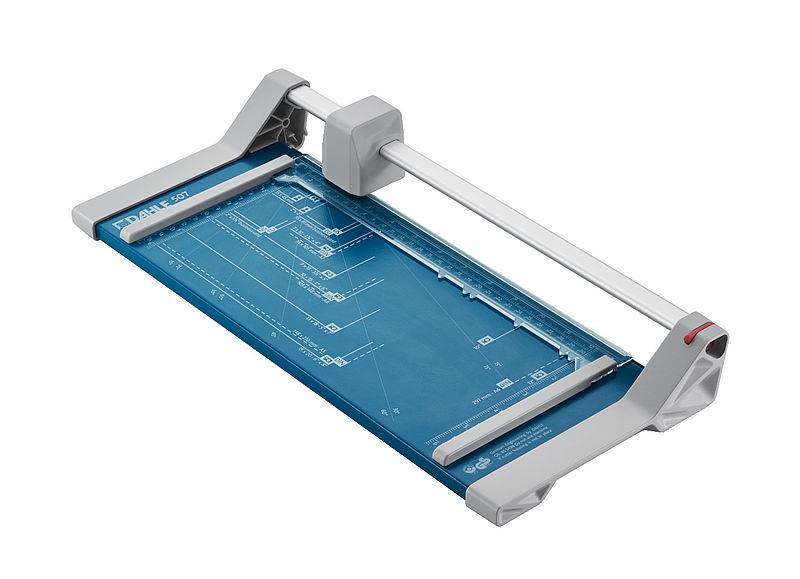
Kompaktne, lihtne trimmer kodukasutajale • Lõikepikkus: 320 mm • Lõike paksus: 0,8 mm • Lõike maht: 8 lehte • Laua mõõdud: 449 x 209 mm • Kaal: 1 kg • Formaadijooned mm jaotusega muudavad lõigatava materjali joondamise lihtsaks • Kaks skaalariba mm skaalaga täpseks 90° lõike jaoks • Stabiilne metallist alus libisemiskindlate kummijalgadega, et hoida trimmer kindlalt paigas • Pöördtera kinnises plastikust pesas • Lõikeliini automaatne kinnitus, et lõikatav materjal kiiresti oma kohale kinnitada • Lihtsasti vahetatavad lõikepead • Varuosadena võimalik tellida juurde kolme lõikepeaga komplekti erinevate lõikestiilide jaoks (THGIL62034)
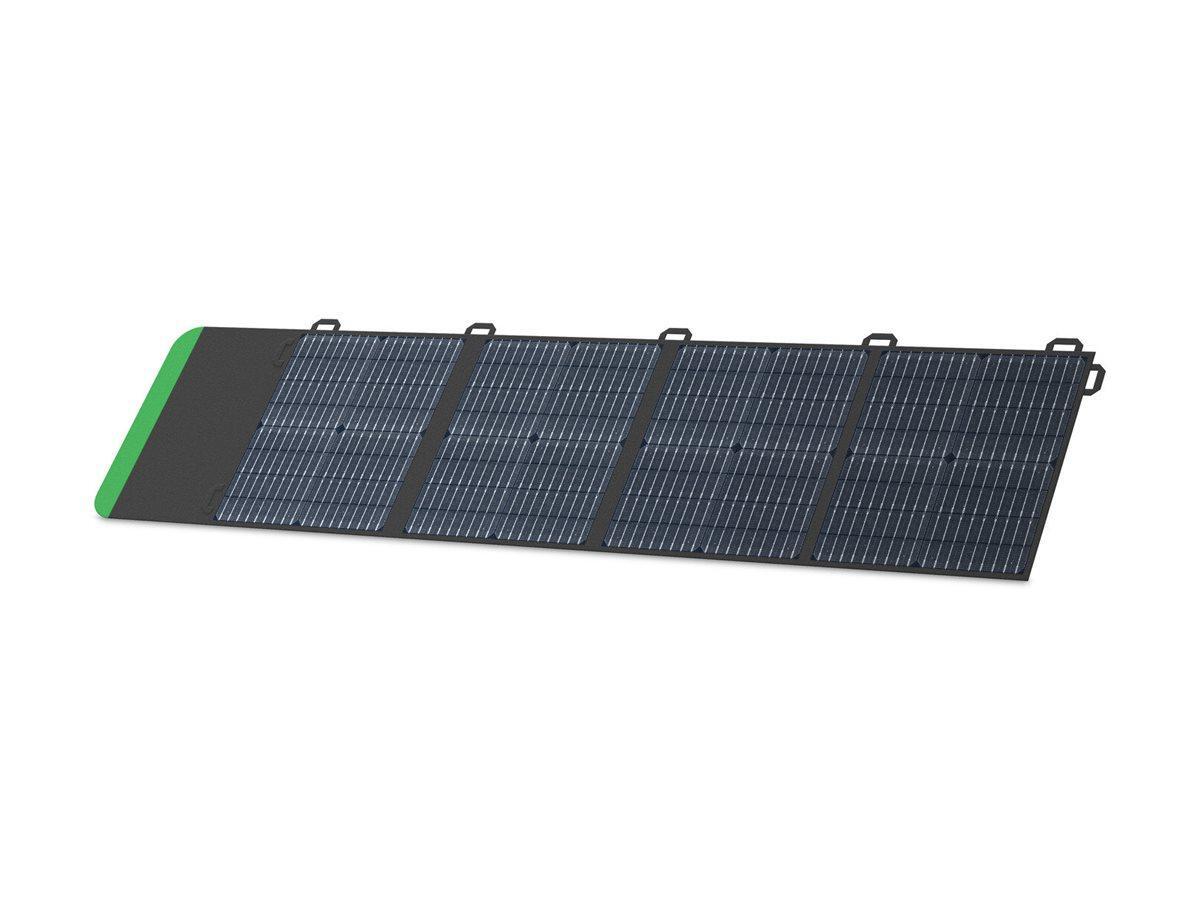
Solar energy is a reliable and versatile way of recharging your power station, both at home or in off-grid situations. Our OffGrid Solar Panels feature a high solar conversion efficiency of 23%, are compact and come in their own travel bag. Compatible with PPS330, PPS500, PPS730 Foldable and comes in sleek carrying case for easy portability Connect via DC cable (included)
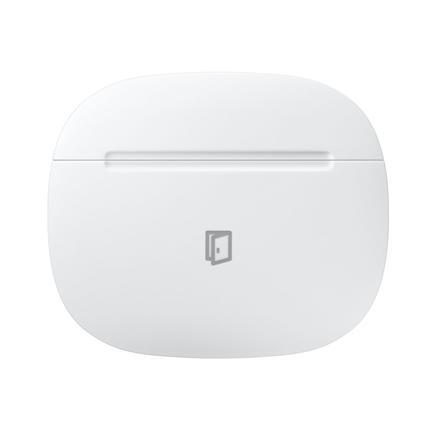
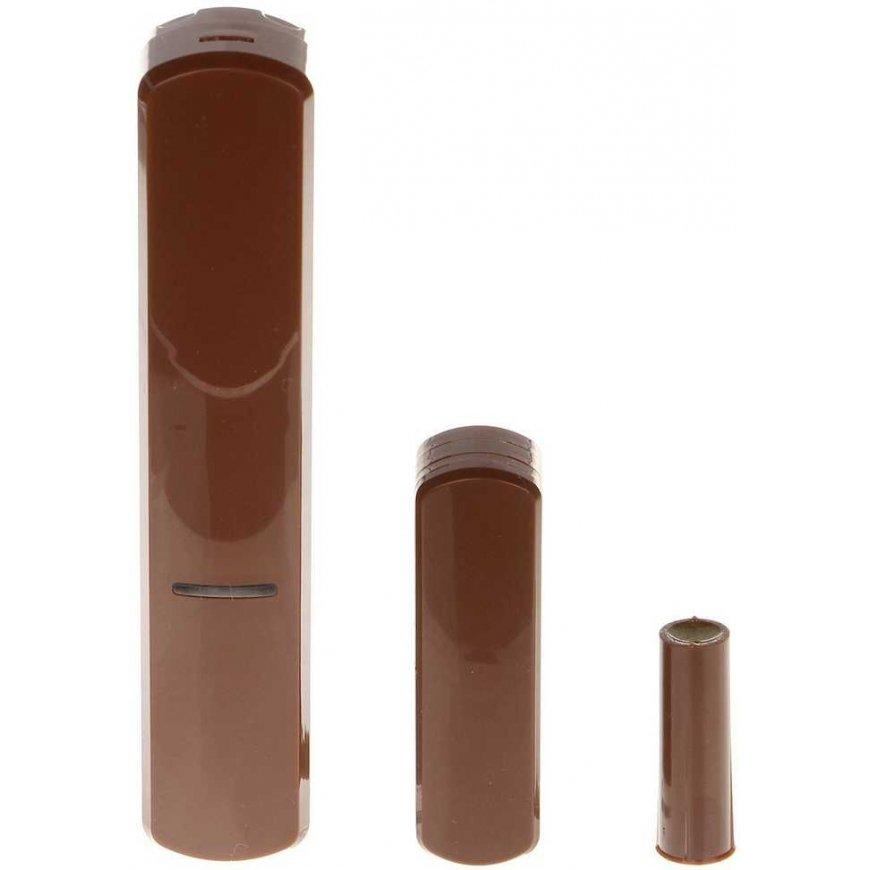
Monitor doors with magnetic reed sensor and gyro sensor. With the SmartThings App you receive alerts when doors and windows are open unexpectedly. Magnet distance: max. 40mm
Wireless Universal Detector The AXD-200 is a multifunctional device operating within the ABAX 2/ABAX two-way wireless system. It meets the EN 50131 Grade 2 requirements. The device can operate in one of 7 modes: as a magnetic contact, two-channel magnetic, magnetic with roller shutter input, shock and magnetic, tilt, temperature, or flood detector. To change modes, you must knock on the detector enclosure in a specific manner. This procedure should be performed before enrolling the device into the controller.
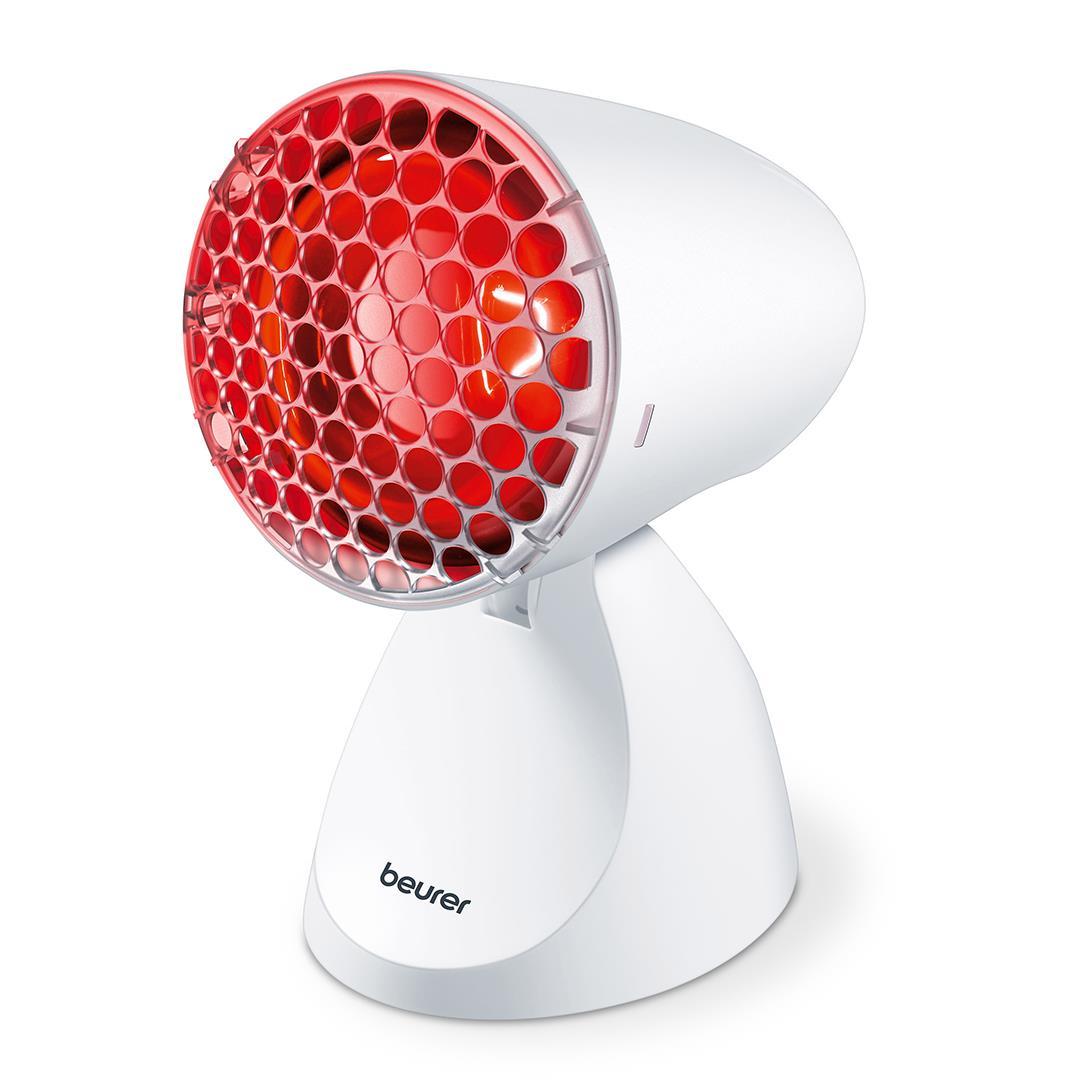
See infrapunalamp pakub rahustavat soojust külmetushaiguste ja lihaspingete korral. Kõige sobivama nurga leiad 5 reguleeritava nurga abil. • Rahustav soojus • Külmetushaiguste ja lihaspingete vastu • Meditsiiniseade
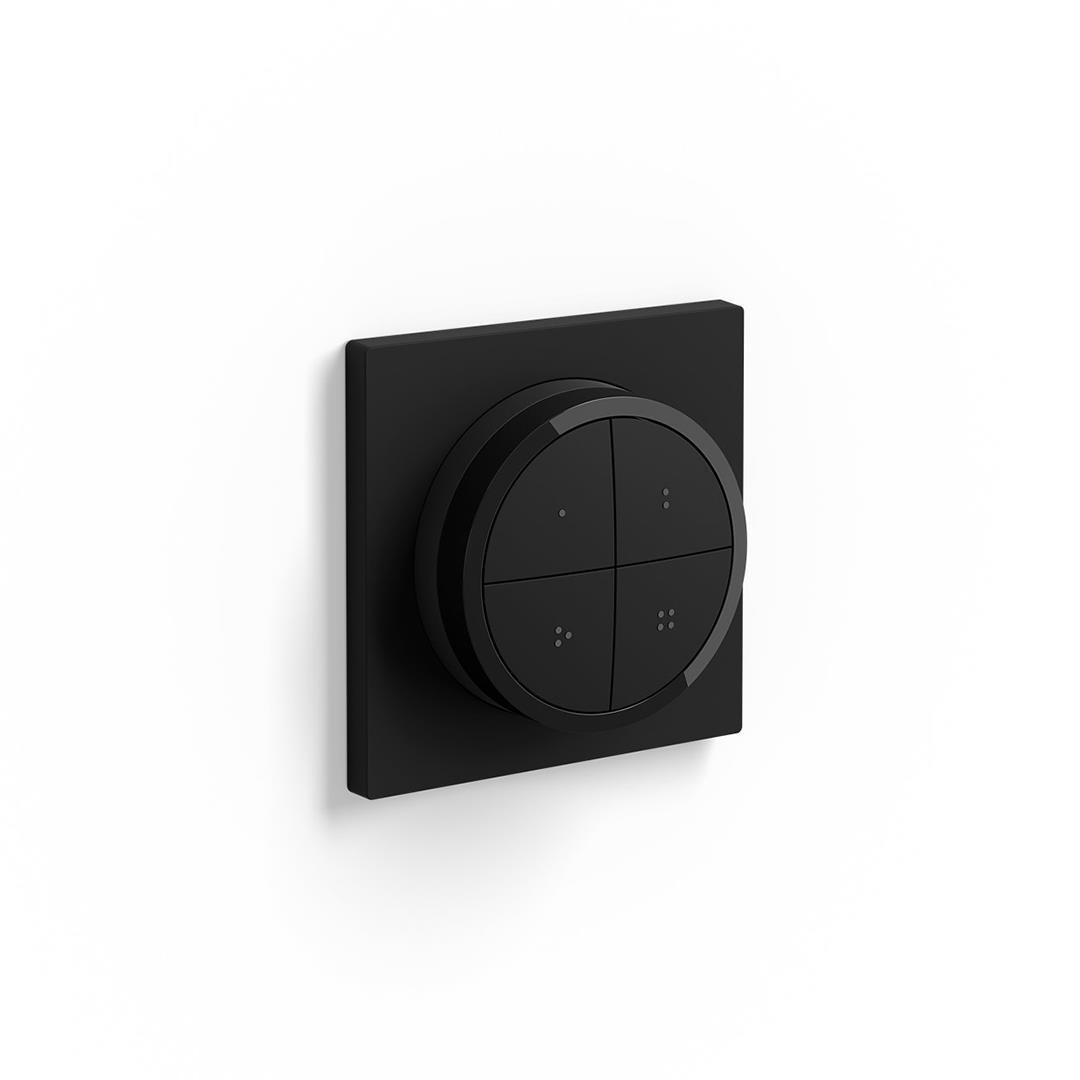
Saate juhtida kuni kolme ruumi või tsooni valimislüliti Tap eraldi nuppudega. Valimislüliti Tap on saadaval musta või valgena. Tulede hämardamiseks ja heledamaks muutmiseks keerake lülitinuppu. Kinnitage see seinale, asetage magnetpinnale või kasutage seda kaugjuhtimispuldina.
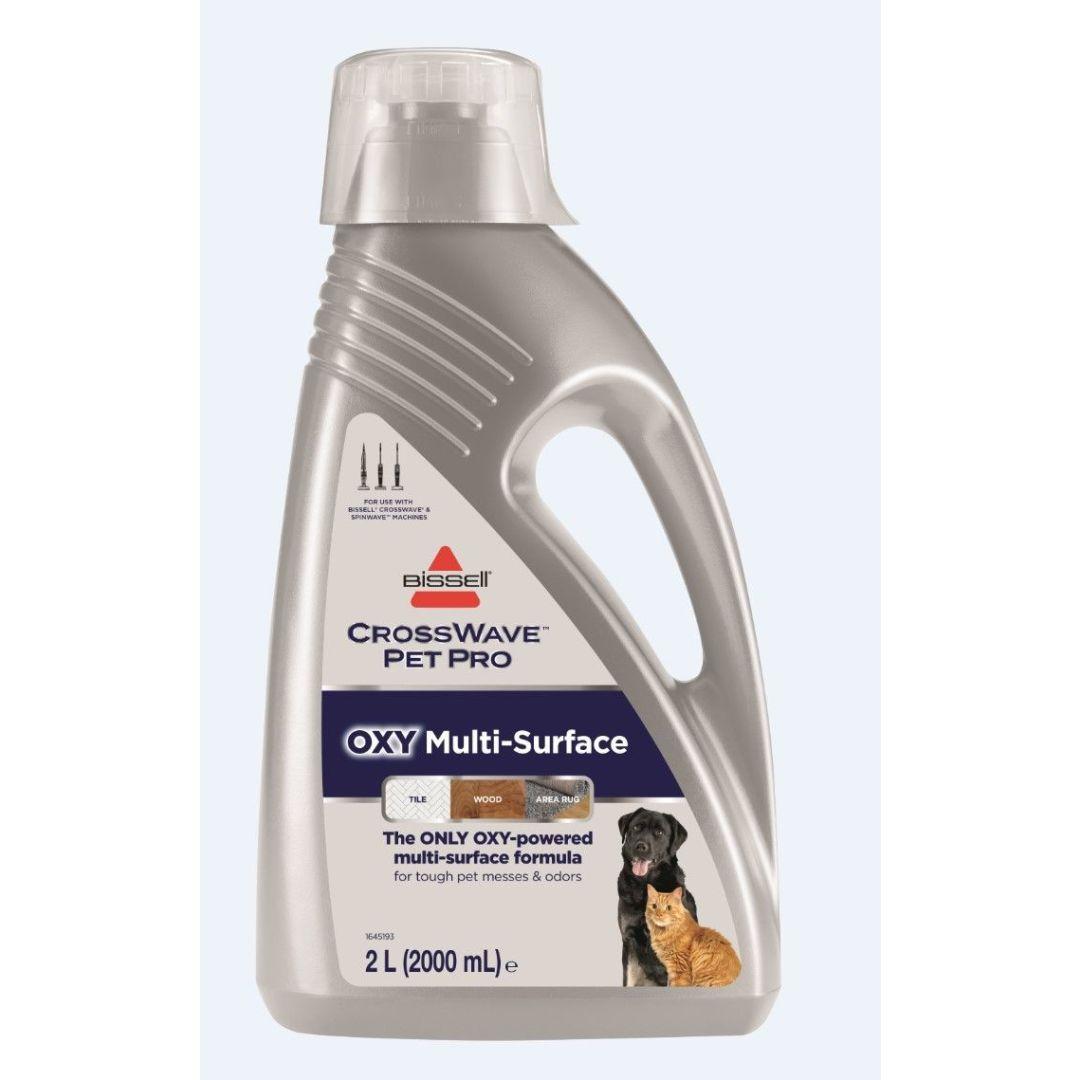
Bissell CrossWave Pet Pro Oxy on 2 L mitme pinna puhastuslahus, mis eemaldab mustuse ja lõhnad efektiivselt. Sobib erinevatele põrandapindadele ja lemmikloomadega peredele. Hoia kodu puhtana ja värskena.
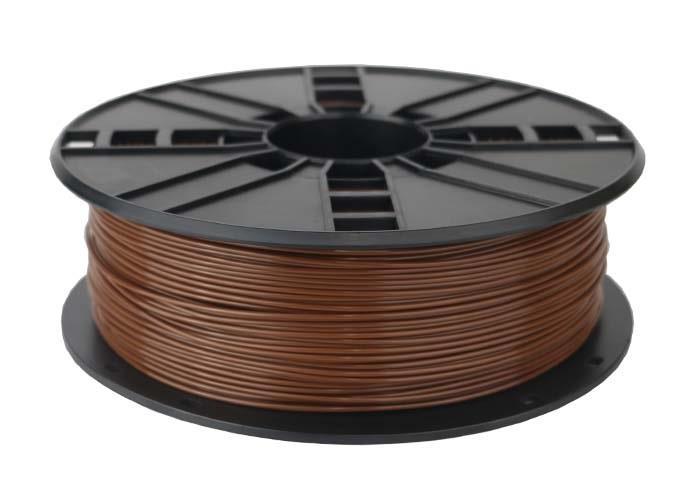
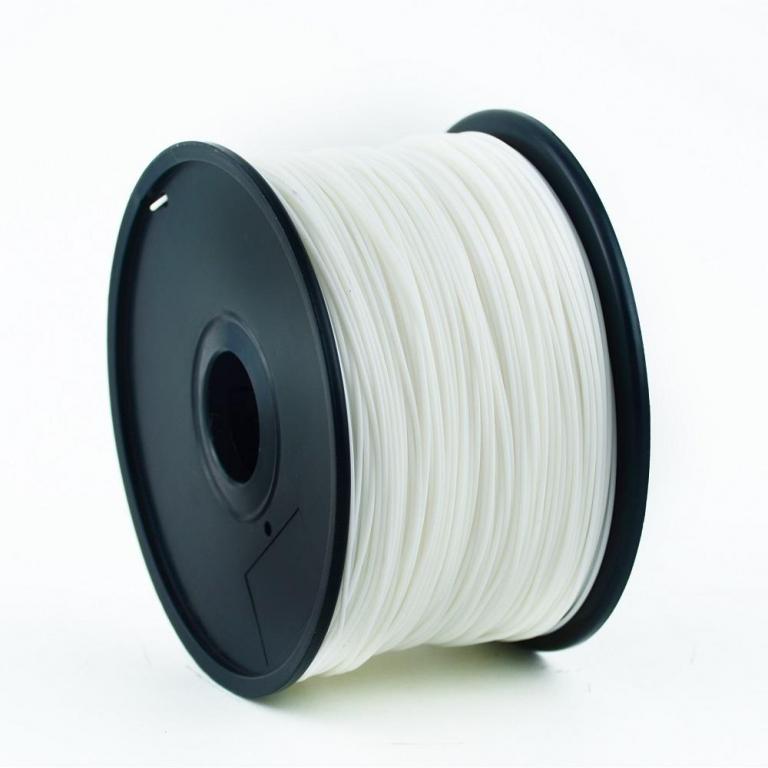
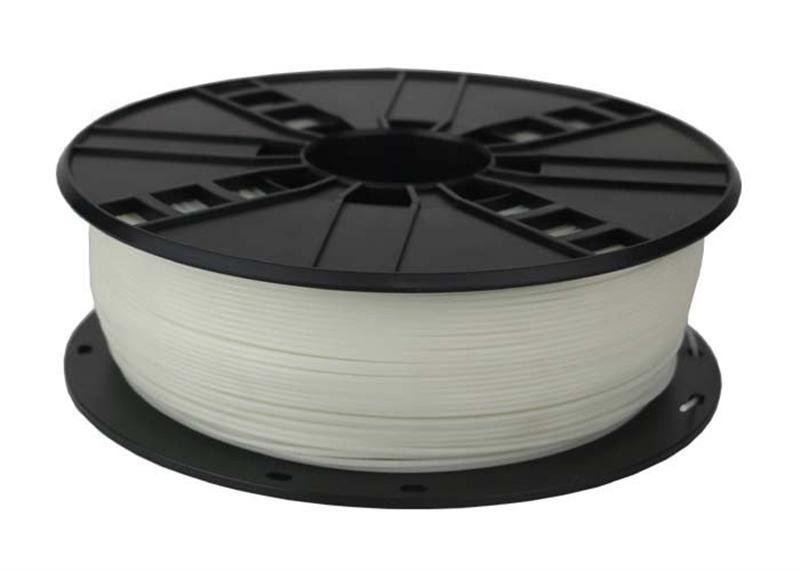
Creality Hyper PLA Filament (White) Creality's Hyper PLA Filament stands out for its fast cooling and durability, while providing excellent precision. It's made from high-quality materials and is fantastic for a variety of applications - from creating figurines to appliance parts to prototypes. It allows fast, accurate printing and doesn't get tangled. It is ideal for use in conjunction with Creality printers. Users can also take advantage of the Creality Cloud service, which offers, among other things, plenty of free models for printing. Even faster printing Thanks to its high fluidity and fast cooling, the filament enables printing speeds of up to 600 mm/s. In addition, the excellent stability ensures greater precision and produces better results. However, it doesn't stop there. Reliable control of the filament diameter and automatic winding system guarantee smoother printing and minimize the risk of tangling. Durability The filament is distinguished by its high tensile strength (52.99 MPa) and bending strength (92.38 MPa), making the printed models more durable. Top-quality materials were used in its manufacture, and it underwent rigorous quality control. All this allows you to enjoy fantastic printing performance and excellent results. Included Spool with filamentDrying agentVacuum packaging ManufacturerCrealityNameHyper Series PLAModel3301010335ColorWhiteDiameter1.75 mm ± 0.3 mmWeight1 kgPrinting temperatureFrom 190°C to 230°CTable temperatureFrom 25°C to 60°CPrinting speed30-600 mm/secFan100%Density1.25 g/cm3Tensile strength (X-Y)52.88 MpaModulus of elasticity (X-Y)1146,064Elongation at break6,304%Flexural strength (X-Y)92.38 MpaFlexural modulus (X-Y)2490.178 MpaCharpy impact strength (X-Y)8.8344 kJ/m2Printing platformCarbon silicon, PEI board, textured paper, PVP adhesive
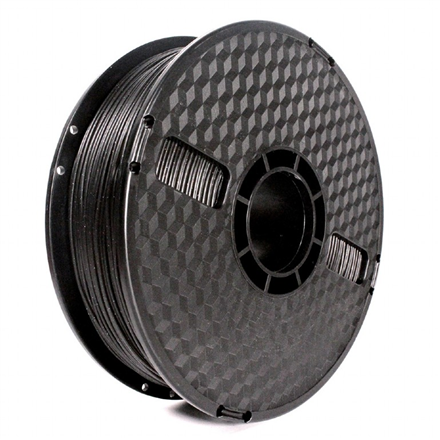
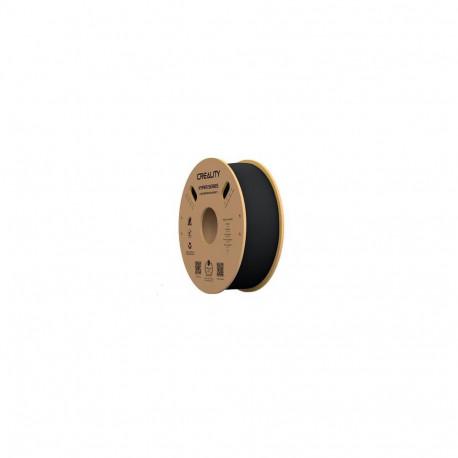
Creality Hyper PLA Filament (Black) Creality's Hyper PLA Filament stands out for its fast cooling and durability, while providing excellent precision. It's made from high-quality materials and is fantastic for a variety of applications - from creating figurines to appliance parts to prototypes. It allows fast, accurate printing and doesn't get tangled. It is ideal for use in conjunction with Creality printers. Users can also take advantage of the Creality Cloud service, which offers, among other things, plenty of free models for printing. Even faster printing Thanks to its high fluidity and fast cooling, the filament enables printing speeds of up to 600 mm/s. In addition, the excellent stability ensures greater precision and produces better results. However, it doesn't stop there. Reliable control of the filament diameter and automatic winding system guarantee smoother printing and minimize the risk of tangling. Durability The filament is distinguished by its high tensile strength (52.99 MPa) and bending strength (92.38 MPa), making the printed models more durable. Top-quality materials were used in its manufacture, and it underwent rigorous quality control. All this allows you to enjoy fantastic printing performance and excellent results. Included Spool with filamentDrying agentVacuum packaging ManufacturerCrealityNameHyper Series PLAModel3301010343ColorBlackDiameter1.75 mm ± 0.3 mmWeight1 kgPrinting temperatureFrom 190°C to 230°CTable temperatureFrom 25°C to 60°CPrinting speed30-600 mm/secFan100%Density1.25 g/cm3Tensile strength (X-Y)52.88 MpaModulus of elasticity (X-Y)1146,064Elongation at break6,304%Flexural strength (X-Y)92.38 MpaFlexural modulus (X-Y)2490.178 MpaCharpy impact strength (X-Y)8.8344 kJ/m2Printing platformCarbon silicon, PEI board, textured paper, PVP adhesive