"In this tongue-in-cheek guide, a kid expert explains to young readers how to teach their grown-ups about the basics of robotics"-- The best-selling author of the Baby Loves Science series levels up with this playful STEM picture book introducing kidsand grown-upsto the robotics world.Do you want to know a secret? Sometimes grown-ups need YOU to explain things to THEM. Like robotics!In this tongue-in-cheek guide, an in-the-know narrator instructs kid readers in the fine art of explaining robotics to a grown-up. Both children and their adults learn:what makes a robot a robot, who designs and builds robots, and how robots work on their own to get a job done. Fun and fact-filled, the How to Explain Science series will empower kid experts to explore complex scientific concepts with any grown-up who will listen. <br><br> Autorid: Ruth Spiro, Teresa Martinez <br>
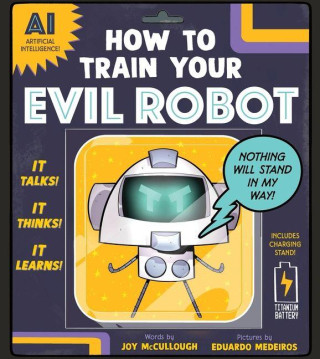
He's three inches tall. He has enormous plans. And he's about to learn a very important lesson. How to Train Your Evil Robot is the wildly funny picture book that helps kids make sense of the AI world they're already living in — without any of the anxiety, and with all of the laughs. One kid, one skeptical dog, and one very overconfident robot walk readers through what AI can do, what it can't, and why being human is still pretty great. Perfect for curious kids, savvy parents, and anyone who wants to stay one step ahead of the robots. The funniest AI book your kid will ever read — a tiny robot with massive ambitions meets his match in one clever kid and their very unimpressed dogFinally — a way to talk to your kids about AI that's actually fun, age-appropriate, and doesn't require a computer science degreeSmart, funny, and wildly timely — covers what AI can do (and what it definitely cannot) in a way that sticks with kids ages 4–8Comics-style art and laugh-out-loud storytelling make every page an adventure — even the big ideas feel like playThe must-have gift for the AI age — because every kid is growing up with technology, and this book makes that hilarious instead of scary
Advanced technologies such as robotics, 5G mobile communications, IoT, cloud computing and wireless sensor networks have had a huge impact and influence on manufacturing, with an increased collaboration between humans and smart systems. As the manufacturing process becomes more automated using real-time data, communication systems, Artificial Intelligence (AI) techniques and robotics feed data back into the manufacturing process. This enables the design of products that are more customized and personal, and leads to a more competitive, efficient and value-added production process by reacting quicker to technical or human errors to avoid product and system damage while increasing workplace safety, and reducing waste, pollution, and associated costs. This edited book covers challenges, concepts, systems, architectures, technologies, and design characteristics of human-machine cooperation and interaction systems in smart manufacturing environments using state of the art technologies including AI, 5G, IoTs, Blockchains, CPS, sensing, automation and robotics. The book is aimed at researchers and engineers working on the applications of robotics and automation, HMI, HCI, CPS, sensing, information and communications technology, data science, ML/DL/AI, AR/VR, cybersecurity and electronics. It is also a useful reference for advanced students and lecturers in these fields, and will appeal to manufacturers and automation system developers. This edited book covers challenges, concepts, systems, architectures, technologies, and design characteristics of human-machine cooperation and interaction systems in smart manufacturing environments using state of the art technologies including artificial intelligence, 5G, IoTs, Blockchains, CPS, sensing, automation and robotics. <br><br> Autorid: Wai Yie Leong <br>
Tootekood: A47893088GTIN: 9781805461296Ühiskond ja sotsiaalteadused
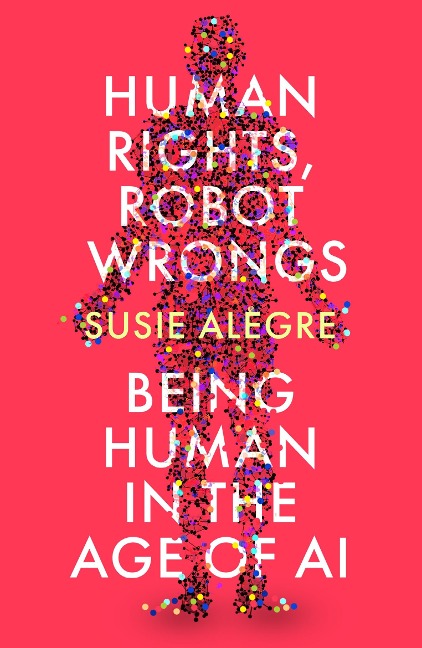
Despite 75 years of the Universal Declaration on Human Rights, many people around the world still do not enjoy their basic rights to life, liberty and fundamental freedoms of thought and expression. Yet we are already seeing a turn towards the possibility of rights for robots. Before we get distracted by corporate hype about the sentience of AI, we need to look at the multitudinous ways AI affects our rights and will continue to do so in the age of AI.From sex robots, to the algorithms that determine prison parole and custody issues, to the chilling ways in which ChatBots can influence our day to day decision-making, Human Rights, Robot Wrongs is a perceptive and vital exploration of the many ways in which artificial intelligence is coming into conflict with human rights - and most importantly how we protect them.
The role of robots in society keeps expanding and diversifying, bringing with it a host of issues surrounding the relationship between robots and humans. This introduction to human–robot interaction (HRI) by leading researchers in this developing field is the first to provide a broad overview of the multidisciplinary topics central to modern HRI research. Written for students and researchers from robotics, artificial intelligence, psychology, sociology, and design, it presents the basics of how robots work, how to design them, and how to evaluate their performance. Self-contained chapters discuss a wide range of topics, including speech and language, nonverbal communication, and processing emotions, plus an array of applications and the ethical issues surrounding them. This revised and expanded second edition includes a new chapter on how people perceive robots, coverage of recent developments in robotic hardware, software, and artificial intelligence, and exercises for readers to test their knowledge.
Tootekood: A66105634GTIN: 9789819209637Arvutid ja infotehnoloogia
Humanoid robots represent the pinnacle of biomimetic machines, possessing a human¿like form and motion that enable them to emulate human actions and behaviors. This book is a comprehensive textbook on humanoid¿robot technology, covering a broad spectrum of knowledge from fundamental theory to cutting¿edge advances. The book systematically explains kinematic and dynamic modelling of humanoid robots, basic walking control, learning¿based motion control, navigation control, perception technologies, mechanical design, and practical motion¿control applications.Its content is rich and well¿structured, emphasizing the systematization, applicability, and frontier nature of the material, and highlighting the novelty of the selected topics. By studying it thoroughly, readers will acquire a solid grasp of the core principles and practical skills of humanoid¿robot technology, laying a firm foundation for future research and practice in the field.This textbook can serve as a guidebook for undergraduate students in robotics engineering, automation, artificial intelligence, mechatronics, electronic information, and related graduate programs, and it is also a valuable reference for engineers and researchers engaged in the development and research of humanoid¿robot technology.
Michail Antonio wants you to know what it actually feels like to earn a living from playing professional football. 'Humans Not Robots is fantastic brilliant eye-opening enjoyable' The Sunday Times 'Not since Tony Cascarino's seminal Full Time, which is now 26 years old, have I read a player's memoir that so successfully shows that footballers are just people too.' Jonathan Northcroft, The Sunday Times 'Far from the usual player autobiography. A book to give food for thought for every football fan.' Jeff Stelling 'Raw and entertaining', Jacob Steinberg, The Guardian Michail Antonio has been around the block and done the hard yards, breaking through the tough way, via grassroots non-league football not through an Academy a testament to his resilience and commitment. He wants you to know the truth of existing in a world where professional football and real life collide. What happens when life inevitably gets in the way and has a negative impact on performance? What is it like to feel the full dehumanising force of his harshest online critics and yet still be expected to perform as if he doesnt have a care in the world? With intelligence and thoughtfulness, his book uncovers this unique way of earning a living, peeling back its layers and charting the daily realities. He wants to show you the very human aspects of life as an elite sportsperson, good and bad the parts of the job that the fans dont see or even consider. More than anything, though, Michail Antonio would like you to see professional footballers as humans, not robots. <br><br> Autorid: Michail Antonio <br>
AN INSTANT NEW YORK TIMES BESTSELLER What happens when intelligent machines arent just in our pockets but are also driving our cars, making our decisions, folding our laundry, and educating our kids? Youve heard the hype: AI will make us healthier, give every child a personalized tutor, run our businesses more efficiently, return hours of free time to our overworked brains, and make discoveries previously unimagined by humankind. The AI future is going to be unlike any other technological revolution. But what does that really mean? And will AI truly make life better? To find out, award-winning journalist Joanna Stern surrendered her life to artificial intelligence for one year. The results are both hilarious and unsettling. I Am Not a Robot is like a time machine trip to the very near future, where AI promises to be your doctor, chauffeur, teacher, masseuse, coworker, therapist, financial planner, chef, housekeeper, and even . . . romantic partner. Your colleague might be using ChatGPT to write emails at work, but Joanna used AI tools and robots to do household chores, to manage her health, and to transport her family on vacation. If there was a decision to make or a task to do, she let AI go first. Along the way, she conducted exclusive interviews with the tech leaders building this future, then reported back from the front lines as your funny, no-nonsense tour guide. Of course, techs sunny promises never tell the whole story, and thats what Joanna is here to share. Filled with illustrations and photographs, this book offers less hype, more clarity, and as little jargon as humanly (or robotically) possible. Its an AI guide for ordinary peoplenot the tech bros who tried to sell you a cruise to the metaverse or an NFT of a cartoon monkey. This book is not the definitive story, because were only a few years into the AI revolution. But after a year of living as a human lab rat, Joanna delivers one of the clearestand funniestpictures yet of whats really happening and what it means for you. <br><br> Autorid: Joanna Stern <br>
Tootekood: A5465100GTIN: 9780553382563Ilukirjandus ja sellega seotud esemed
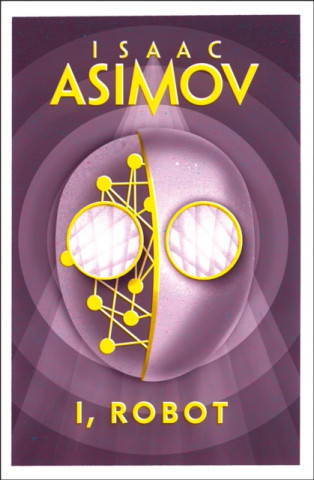
This classic science fiction masterwork by Isaac Asimov weaves stories about robots, humanity, and the deep questions of existence into a novel of shocking intelligence and heart.<BR><BR>“A must-read for science-fiction buffs and literature enjoyers alike.”—The Guardian<BR><BR>I, Robot, the first and most widely read book in Asimov’s Robot series, forever changed the world’s perception of artificial intelligence. Here are stories of robots gone mad, of mind-reading robots, and robots with a sense of humor. Of robot politicians, and robots who secretly run the world—all told with the dramatic blend of science fact and science fiction that has become Asimov’s trademark. <BR><BR>The Three Laws of Robotics:<BR>1) A robot may not injure a human being or, through inaction, allow a human being to come to harm.<BR>2) A robot must obey orders given to it by human beings except where such orders would conflict with the First Law.<BR>3) A robot must protect its own existence as long as such protection does not conflict with the First or Second Law.<BR><BR>With these three, simple directives, Isaac Asimov formulated the laws governing robots’ behavior. In I, Robot, Asimov chronicles the development of the robot from its primitive origins in the present to its ultimate perfection in the not-so-distant future—a future in which humanity itself may be rendered obsolete.<BR><BR>“Tremendously exciting and entertaining . . . Asimov dramatizes an interesting question: How can we live with machines that, generation by generation, grow more intelligent than their creators and not eventually clash with our own invention?”—The Chicago Tribune
Tootekood: A20612551GTIN: 9780007491513Ilukirjandus ja sellega seotud esemed
A classic collection of robot stories from the master of the genre, Isaac Asimov. When Earth is ruled by machines and when robots often seem more human than mankind, The Three Laws ensure that humans remain superior and that the robots are kept in their rightful place. But chaos ensues when a production error incurs, resulting in an insane telepathic robot with the will to change the world...
Isaac Asimov's ROBOT series - from the iconic collection I, ROBOT to four classic novels - contains some of the most influential works in the history of science fiction. Establishing and testing the THREE LAWS OF ROBOTICS, they continue to shape the understanding and design of artificial intelligence to this day.
Voyager Classics timeless masterworks of science fiction and fantasy. The classic collection of robot stories from the master of the genre. In these stories Isaac Asimov creates the Three Laws of Robotics and ushers in the Robot Age. Earth is ruled by master-machines but the Three Laws of Robotics have been designed to ensure humans maintain the upper hand: 1) A robot may not injure a human being or allow a human being to come to harm 2) A robot must obey orders given to it by human beings except where such orders would conflict with the First Law. 3) A robot must protect its own existence as long as such protection does not conflict with the First or Second Law. But what happens when a rogue robots idea of what is good for society contravenes the Three Laws? <br><br> Autorid: Isaac Asimov <br>
Tootekood: A22998360GTIN: 9780007532278Ilukirjandus ja sellega seotud esemed
Earth is ruled by master-machines but the Three Laws of Robotics have been designed to ensure humans maintain the upper hand:1) A robot may not injure a human being or allow a human being to come to harm2) A robot must obey orders given to it by human beings except where such orders would conflict with the First Law.3) A robot must protect its own existence as long as such protection does not conflict with the First or Second Law.But what happens when a rogue robot's idea of what is good for society contravenes the Three Laws?
Voyager Classics timeless masterworks of science fiction and fantasy. A beautiful clothbound edition of I, Robot, the classic collection of robot stories from the master of the genre. In these stories Isaac Asimov creates the Three Laws of Robotics and ushers in the Robot Age. Earth is ruled by master-machines but the Three Laws of Robotics have been designed to ensure humans maintain the upper hand: 1) A robot may not injure a human being or allow a human being to come to harm 2) A robot must obey orders given to it by human beings except where such orders would conflict with the First Law. 3) A robot must protect its own existence as long as such protection does not conflict with the First or Second Law. But what happens when a rogue robots idea of what is good for society contravenes the Three Laws? <br><br> Autorid: Isaac Asimov <br>
Tootekood: 4130101-0186GTIN: 6973676040486Kogutavad LEGO ja konstruktorid
<p>iM.Master 3-ühes programmeeritav robot on loominguline konstruktor, mis võimaldab kokku panna ja juhtida erinevaid mudeleid ning arendada programmeerimis- ja probleemide lahendamise oskusi.</p><p><span style="font-weight:bold;">Peamised omadused:</span></p><ul><li>398-osaline konstruktor 3 erineva mudelivalikuga.</li><li>Saate kokku panna humanoidroboti, mehaanilise sõiduki või futuristliku mudeli.</li><li>Juhtimine puldi ja rakenduse abil.</li><li>Edendab loovust, loogilist mõtlemist ja STEM-oskuste arendamist.</li><li>Moodne disain.</li><li>Robot kasutab laetavat akut</li></ul>
GTIN: 6973676040486Kogutavad LEGO ja konstruktorid
<p>iM.Master 3-ühes programmeeritav robot on loominguline konstruktor, mis võimaldab kokku panna ja juhtida erinevaid mudeleid ning arendada programmeerimis- ja probleemide lahendamise oskusi.</p><p><span style="font-weight:bold;">Peamised omadused:</span></p><ul><li>398-osaline konstruktor 3 erineva mudelivalikuga.</li><li>Saate kokku panna humanoidroboti, mehaanilise sõiduki või futuristliku mudeli.</li><li>Juhtimine puldi ja rakenduse abil.</li><li>Edendab loovust, loogilist mõtlemist ja STEM-oskuste arendamist.</li><li>Moodne disain.</li><li>Robot kasutab laetavat akut</li></ul>
Tootekood: 4130101-0187GTIN: 6973676040509Kogutavad LEGO ja konstruktorid
<p>iM.Master 3-ühes programmeeritav robot on loominguline konstruktor, mis võimaldab kokku panna ja juhtida erinevaid mudeleid ning arendada programmeerimis- ja probleemide lahendamise oskusi.</p><p><span style="font-weight:bold;">Peamised omadused:</span></p><ul><li>419-osaline konstruktor 3 erineva mudelivalikuga.</li><li>Saate kokku panna humanoidroboti, mehaanilise sõiduki või futuristliku mudeli.</li><li>Juhtimine puldi ja rakenduse abil.</li><li>Edendab loovust, loogilist mõtlemist ja STEM-oskuste arendamist.</li><li>Moodne disain.</li><li>Robot kasutab laetavat akut</li></ul>
GTIN: 6973676040509Kogutavad LEGO ja konstruktorid
<p>iM.Master 3-ühes programmeeritav robot on loominguline konstruktor, mis võimaldab kokku panna ja juhtida erinevaid mudeleid ning arendada programmeerimis- ja probleemide lahendamise oskusi.</p><p><span style="font-weight:bold;">Peamised omadused:</span></p><ul><li>419-osaline konstruktor 3 erineva mudelivalikuga.</li><li>Saate kokku panna humanoidroboti, mehaanilise sõiduki või futuristliku mudeli.</li><li>Juhtimine puldi ja rakenduse abil.</li><li>Edendab loovust, loogilist mõtlemist ja STEM-oskuste arendamist.</li><li>Moodne disain.</li><li>Robot kasutab laetavat akut</li></ul>
Tootekood: 4130101-0190GTIN: 6973676041308Kogutavad LEGO ja konstruktorid
<p>iM.Master 3-ühes programmeeritav robot on loominguline konstruktor, mis võimaldab kokku panna ja juhtida erinevaid mudeleid ning arendada programmeerimis- ja probleemide lahendamise oskusi.</p><p><span style="font-weight:bold;">Peamised omadused:</span></p><ul><li>433-osaline konstruktor 3 erineva mudelivalikuga.</li><li>Saate kokku panna humanoidroboti, mehaanilise sõiduki või futuristliku mudeli.</li><li>Juhtimine puldi ja rakenduse abil.</li><li>Edendab loovust, loogilist mõtlemist ja STEM-oskuste arendamist.</li><li>Moodne disain.</li><li>Robot kasutab laetavat akut</li></ul>
GTIN: 6973676041308Kogutavad LEGO ja konstruktorid
<p>iM.Master 3-ühes programmeeritav robot on loominguline konstruktor, mis võimaldab kokku panna ja juhtida erinevaid mudeleid ning arendada programmeerimis- ja probleemide lahendamise oskusi.</p><p><span style="font-weight:bold;">Peamised omadused:</span></p><ul><li>433-osaline konstruktor 3 erineva mudelivalikuga.</li><li>Saate kokku panna humanoidroboti, mehaanilise sõiduki või futuristliku mudeli.</li><li>Juhtimine puldi ja rakenduse abil.</li><li>Edendab loovust, loogilist mõtlemist ja STEM-oskuste arendamist.</li><li>Moodne disain.</li><li>Robot kasutab laetavat akut</li></ul>
In Robots We Trust explores the evolving relationship between humans and intelligent machines, focusing on the critical issue of trust. As robots become more integrated into our daily lives-from self-driving cars to delivery drones-our society faces two critical questions: can we trust them, and can they trust us?
<p>BABBLE interaktiivne koerarobot R/C.</p><p><span style="font-weight:bold;">Omadused:</span></p><ul><li>Robot kõnnib pikkadel jalgadel ning sellel on valgus- ja heliefektid.</li><li>Suurepärane kingitus robotisõpradele.</li><li>Vajalikud on AAA LR3 ja AA LR6 patareid.</li></ul>
<p>BABBLE interaktiivne koerarobot R/C.</p><p><span style="font-weight:bold;">Omadused:</span></p><ul><li>Robot kõnnib pikkadel jalgadel ning sellel on valgus- ja heliefektid.</li><li>Suurepärane kingitus robotisõpradele.</li><li>Vajalikud on AAA LR3 ja AA LR6 patareid.</li></ul>
Mobile robots range from the Mars Pathfinder mission’s teleoperated Sojourner to the cleaning robots in the Paris Metro. This text offers students and other interested readers an introduction to the fundamentals of mobile robotics, spanning the mechanical, motor, sensory, perceptual, and cognitive layers the field comprises. The text focuses on mobility itself, offering an overview of the mechanisms that allow a mobile robot to move through a real world environment to perform its tasks, including locomotion, sensing, localization, and motion planning. It synthesizes material from such fields as kinematics, control theory, signal analysis, computer vision, information theory, artificial intelligence, and probability theory. The book presents the techniques and technology that enable mobility in a series of interacting modules. Each chapter treats a different aspect of mobility, as the book moves from low-level to high-level details. It covers all aspects of mobile robotics, including software and hardware design considerations, related technologies, and algorithmic techniques.] This second edition has been revised and updated throughout, with 130 pages of new material on such topics as locomotion, perception, localization, and planning and navigation. Problem sets have been added at the end of each chapter. Bringing together all aspects of mobile robotics into one volume, Introduction to Autonomous Mobile Robots can serve as a textbook or a working tool for beginning practitioners. The second edition of a comprehensive introduction to all aspects of mobile robotics, from algorithms to mechanisms. <br><br> Autorid: Roland Siegwart, Illah Reza Nourbakhsh, Davide Scaramuzza <br>
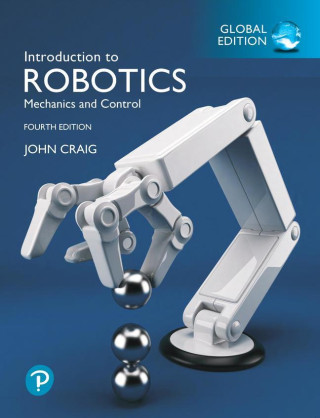
The revised text to the analysis, control, and applications of robotics The revised and updated third edition of Introduction to Robotics: Analysis, Control, Applications, offers a guide to the fundamentals of robotics, robot components and subsystems and applications. The author—a noted expert on the topic—covers the mechanics and kinematics of serial and parallel robots, both with the Denavit-Hartenberg approach as well as screw-based mechanics. In addition, the text contains information on microprocessor applications, control systems, vision systems, sensors, and actuators. Introduction to Robotics gives engineering students and practicing engineers the information needed to design a robot, to integrate a robot in appropriate applications, or to analyze a robot. The updated third edition contains many new subjects and the content has been streamlined throughout the text. The new edition includes two completely new chapters on screw-based mechanics and parallel robots. The book is filled with many new illustrative examples and includes homework problems designed to enhance learning. This important text: Offers a revised and updated guide to the fundamental of robotics Contains information on robot components, robot characteristics, robot languages, and robotic applications Covers the kinematics of serial robots with Denavit-Hartenberg methodology and screw-based mechanics Includes the fundamentals of control engineering, including analysis and design tools Discusses kinematics of parallel robots Written for students of engineering as well as practicing engineers, Introduction to Robotics, Third Edition reviews the basics of robotics, robot components and subsystems, applications, and has been revised to include the most recent developments in the field. <br><br> Autorid: Saeed B. Niku <br>
The Newell IRB5678VX is a replacement battery made with Li-ion technology that you will find in many models of popular iRobot cleaning robots. If you have noticed a noticeable decrease in the runtime of your device, you can ...
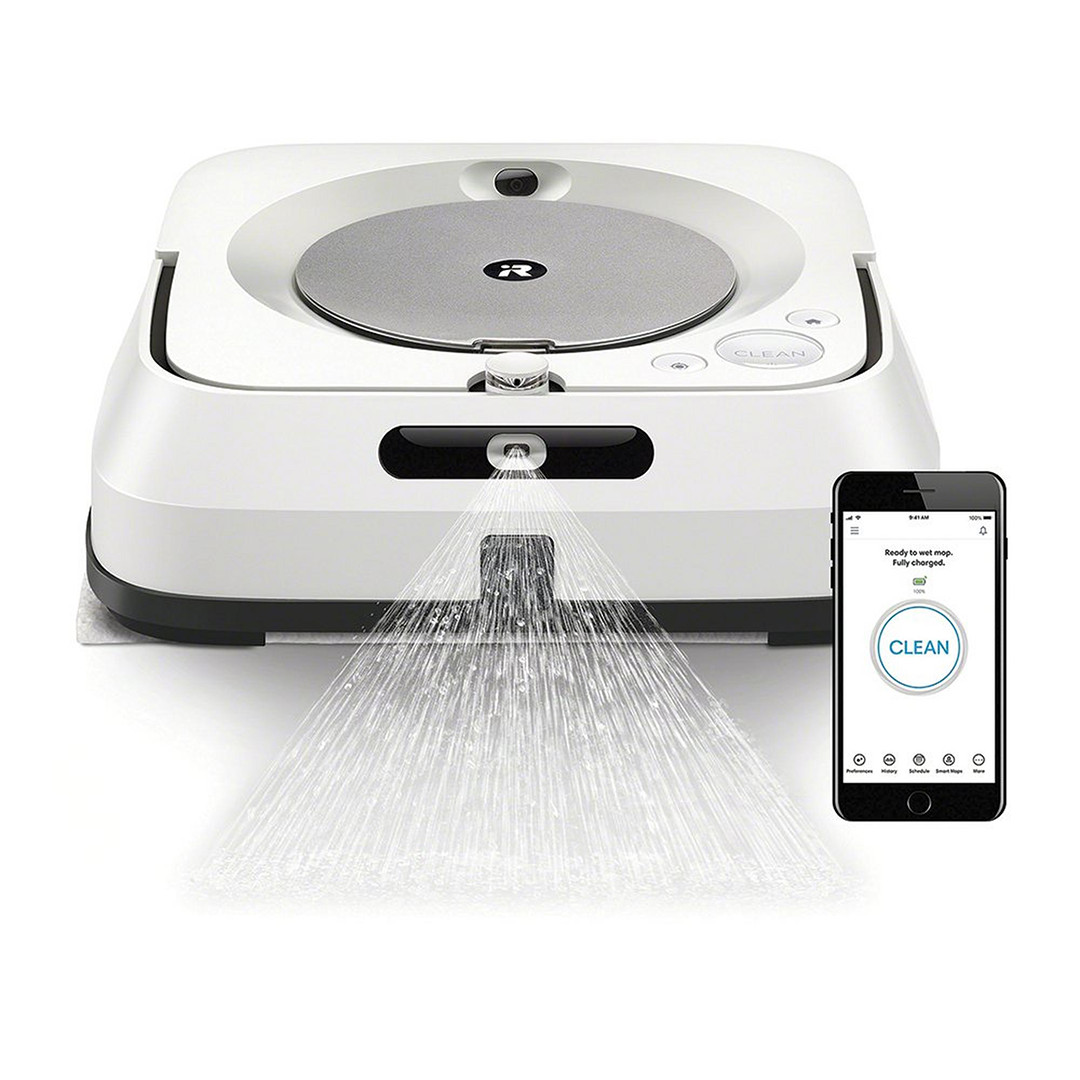
Braava jet® m6 robotmopp koos uuelaadse Jet Spray tehnoloogiaga aitab edukalt võidelda mustusega põrandal. Seadmel on kõige uuemad patenteeritud tehnoloogiad. Robot õpib, kaardistab ja adapteerub Sinu koduga ning annab Sulle mobiilile teada, millised toad on puhastatud ja millal. Robotmopp on ideaalne puhastamaks mitmeid ruume ja suuri pindu, kus on kas kivi või puitpõrand. Lisaks saab see hästi hakkama nurkade puhastamisega.
iRobot robottolmuimeja Roomba Combo j7+ Robot Vacuum and Mop, must
Tootekood: S91103183Robottolmuimejad
2-ühes robottolmuimeja ja mopp; Mopp, mis hoiab vaibad kuivana; Koristusgraafik ja alad; Tuvastab takistused ja väldib neid; Tolmukott, mis ei kogu tolmu
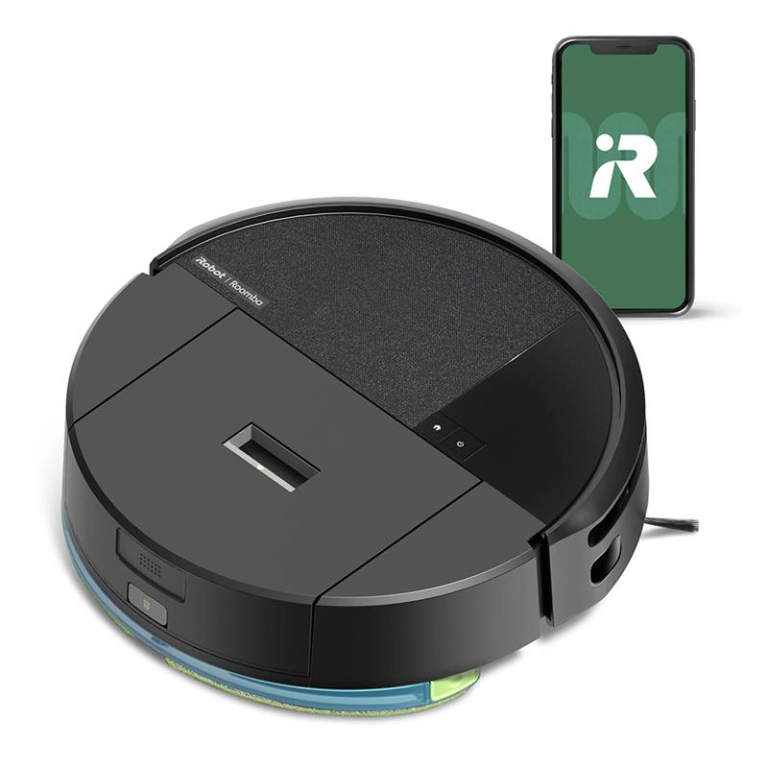
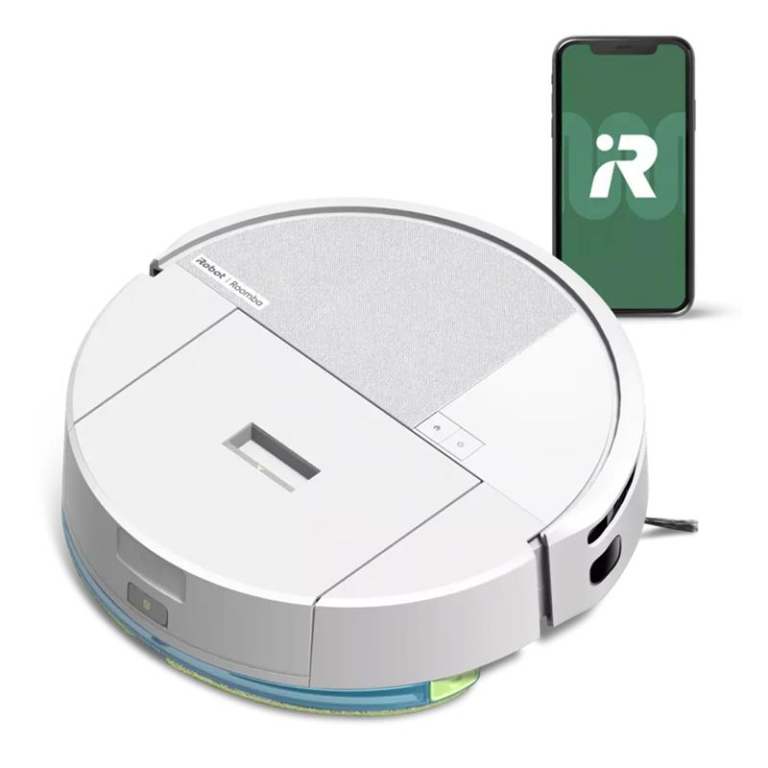
<p><strong>Innovatsioon. Ainult Roomba®-lt</strong><br />Valdkonna esimese robottolmuimejana purustab see seade enda sees pidevalt mustust, kasutades mehaanilist tihendusprotsessi, mistõttu Sina ei pea seda tühjendama kuni 60 päeva.<br /><br /><strong>Elegantne ruumisäästja</strong><br />Kui ruumi on vähe, siis sisseehitatud tihendus- ja prahikäitlussüsteem välistab vajaduse eraldi isetühjendusjaama järele.<br /><br /><strong>Ilma tolmukotita</strong><br />Kuudepikkune käed-vaba puhastus tänu patenteeritud tolmukotita DustCompactor™-ile, mis kogub prahi roboti sisse. Pole vaja kotte vahetada ega mustust hallata.<br /><br /><strong>Neelab mustuse põrandalt ja vaipadelt</strong><br />4-etapiline puhastamine hõlmab 70× suuremat imemisjõudu*, mitme pinna kummiharja, ja servapühkimisharja mustuse ning tolmu neelamiseks ja mikrokiudmoppi, mis teeb põrandad läikivaks ja puhtaks.<br /><br /><strong>Ülinutikas kaardistamine ja navigeerimine</strong><br />ClearView™ LiDAR, mis on elegantselt robottolmuimejas peidus, kaardistab kiiresti Sinu kodu, väldib takistusi ja koristab korralikult rida rea haaval isegi pimedas.<br /><br /><strong>Sinu puhastus, Sinu moodi</strong><br />Seadista puhastus vastavalt oma päevakavale – vali puhastatavad ruumid, määra puhastuskordade arv, imemisvõimsus ja vee kogus, mida pumbatakse mikrokiudse mopipadja peale.<br /><br /><strong>Lihtsasti kasutatav Roomba® Home rakendus</strong><br />Määratle isiklikud puhastusrežiimid vaid ühe puudutusega, saa prognoositavat koristusaega, jälgi filtri seisukorda või märgi alad, kuhu robot ei tohiks minna.<br /><br /><strong>Mugav põrandapesu</strong><br />Jäta põrandad kaunilt puhtaks tänu sisseehitatud mikropumbaga mopile, mis juhib veevoolu ja hoiab moppi puhastamise ajal ühtlaselt niiskena. Kasuta vett või sobivat puhastuslahust*** ja vali SmartScrub 2× põhjalikumaks küürimiseks**.<br /><br /><strong>3 mugavat juhtimisviisi</strong><br />Juhi oma Roomba® robotit häälkäsklustega, läbi rakenduse või otse roboti nuppude abil – vali just see viis, mis Sulle kõige paremini sobib.<br /><br /><strong>Saavuta õige puhastus</strong><br />Saavuta õige puhastus Vali seadistuste seast, sh ainult tolmuimemine, ainult põrandapesu või tolmuimemise ja põrandapesu kombinatsioon, ja puhka rahulikult, sest robottolmuimeja ei pese vaipu tänu automaatsele vaibatuvastusele.<br /><br /><em>* Võrreldes Roomba® 600 seeria robotitega</em><br /><em>** Võrreldes standardse tolmuimemis- ja põrandapesurežiimiga kohvi puhul<br /><br /></em><strong>Sisu karbis</strong><br />• Roomba 205 DustCompactor Combo Robot<br />• Laadimisdokk<br />• Toitejuhe<br />• Mikrokiudmopp<br />• Servapühkimishari<br />• Aku<em><br /></em></p>
<p><strong>Innovatsioon. Ainult Roomba®-lt</strong><br />Valdkonna esimese robottolmuimejana purustab see seade enda sees pidevalt mustust, kasutades mehaanilist tihendusprotsessi, mistõttu Sina ei pea seda tühjendama kuni 60 päeva.<br /><br /><strong>Elegantne ruumisäästja</strong><br />Kui ruumi on vähe, siis sisseehitatud tihendus- ja prahikäitlussüsteem välistab vajaduse eraldi isetühjendusjaama järele.<br /><br /><strong>Ilma tolmukotita</strong><br />Kuudepikkune käed-vaba puhastus tänu patenteeritud tolmukotita DustCompactor™-ile, mis kogub prahi roboti sisse. Pole vaja kotte vahetada ega mustust hallata.<br /><br /><strong>Neelab mustuse põrandalt ja vaipadelt</strong><br />4-etapiline puhastamine hõlmab 70× suuremat imemisjõudu*, mitme pinna kummiharja, ja servapühkimisharja mustuse ning tolmu neelamiseks ja mikrokiudmoppi, mis teeb põrandad läikivaks ja puhtaks.<br /><br /><strong>Ülinutikas kaardistamine ja navigeerimine</strong><br />ClearView™ LiDAR, mis on elegantselt robottolmuimejas peidus, kaardistab kiiresti Sinu kodu, väldib takistusi ja koristab korralikult rida rea haaval isegi pimedas.<br /><br /><strong>Sinu puhastus, Sinu moodi</strong><br />Seadista puhastus vastavalt oma päevakavale – vali puhastatavad ruumid, määra puhastuskordade arv, imemisvõimsus ja vee kogus, mida pumbatakse mikrokiudse mopipadja peale.<br /><br /><strong>Lihtsasti kasutatav Roomba® Home rakendus</strong><br />Määratle isiklikud puhastusrežiimid vaid ühe puudutusega, saa prognoositavat koristusaega, jälgi filtri seisukorda või märgi alad, kuhu robot ei tohiks minna.<br /><br /><strong>Mugav põrandapesu</strong><br />Jäta põrandad kaunilt puhtaks tänu sisseehitatud mikropumbaga mopile, mis juhib veevoolu ja hoiab moppi puhastamise ajal ühtlaselt niiskena. Kasuta vett või sobivat puhastuslahust*** ja vali SmartScrub 2× põhjalikumaks küürimiseks**.<br /><br /><strong>3 mugavat juhtimisviisi</strong><br />Juhi oma Roomba® robotit häälkäsklustega, läbi rakenduse või otse roboti nuppude abil – vali just see viis, mis Sulle kõige paremini sobib.<br /><br /><strong>Saavuta õige puhastus</strong><br />Saavuta õige puhastus Vali seadistuste seast, sh ainult tolmuimemine, ainult põrandapesu või tolmuimemise ja põrandapesu kombinatsioon, ja puhka rahulikult, sest robottolmuimeja ei pese vaipu tänu automaatsele vaibatuvastusele.<br /><br /><em>* Võrreldes Roomba® 600 seeria robotitega</em><br /><em>** Võrreldes standardse tolmuimemis- ja põrandapesurežiimiga kohvi puhul<br /><br /></em><strong>Sisu karbis</strong><br />• Roomba 205 DustCompactor Combo Robot<br />• Laadimisdokk<br />• Toitejuhe<br />• Mikrokiudmopp<br />• Servapühkimishari<br />• Aku<em><br /></em></p>