 Mälukaardilugeja SMALLRIG 4870 Card Reader SD4.0 Tootekirjeldus (Product Description) SmallRig 4870 SD4.0 mälukaardilugeja on kompaktne ja kiire lahendus andmete edastamiseks ning varundamiseks nii mobiilseadmetes kui ka arvutites. Seade toetab laia valikut mälukaarte, sealhulgas SD, SDHC, SDXC, microSD (TF), microSDHC ja microSDXC, ning võimaldab SD- ja microSD-kaartide samaaegset lugemist ja kirjutamist. Tänu USB 4.0 kõrge kiirusega andmeedastusele kuni 312 MB/s saab 1 GB andmeid edastada ligikaudu 6 sekundiga, mis teeb suuremahuliste fotode ja videofailide kopeerimise kiireks ja sujuvaks. See lihtsustab oluliselt failide sünkroonimist, edastamist ja varundamist nii töö- kui ka reisitingimustes. Mälukaardilugeja kinnitub mugavalt magnetilise kinnituse abil nutitelefonide külge (nt iPhone 15 ja 16 seeria), võimaldades praktilist ühe käega kasutamist. 90° nurga all paiknev pistik tagab kindla ühenduse ja aitab hoida kaabli paigutuse korras. Kompaktne ja kerge disain teeb seadme hõlpsasti kaasaskantavaks ning sobivaks igapäevaseks kasutamiseks. Peamised omadused (Key Features / Bullet Points) Ühilduvus (Compatibility) Operatsioonisüsteemid: Nutitelefonid: Arvutid: Tahvelarvutid: Tehnilised andmed (Product Details) Komplektis (What’s in the box) SmallRig 4870 SD4.0 mälukaardilugeja | 0 | Vaata | |||
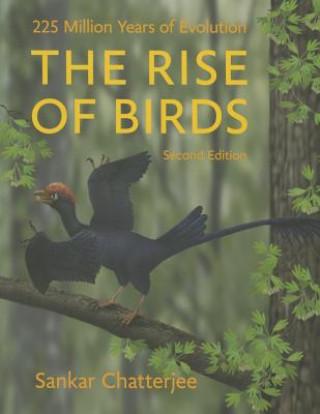 Johns Hopkins University Press Rise of Birds GTIN: 9781421415901 Raamatud A small set of fossilized bones discovered almost thirty years ago led paleontologist Sankar Chatterjee on a lifelong quest to understand their place in our understanding of the history of life. They were clearly the bones of something unusual, a bird-like creature that lived long, long ago in the age of dinosaurs. He called it Protoavis, and the animal that owned these bones quickly became a contender for the title of "oldest known bird." In 1997, Chatterjee published his findings in the first edition of The Rise of Birds. Since then Chatterjee and his colleagues have searched the world for more transitional bird fossils. And they have found them. This second edition of The Rise of Birds brings together a treasure trove of fossils that tell us far more about the evolution of birds than we once dreamed possible. With no blind allegiance to what he once thought he knew, Chatterjee devours the new evidence and lays out the most compelling version of the birth and evolution of the avian form ever attempted. He takes us from Texas to Spain, China, Mongolia, Madagascar, Australia, Antarctica, and Argentina.He shows how, in the "Cretaceous Pompeii" of China, he was able to reconstruct the origin and evolution of flight of early birds from the feathered dinosaurs that lay among thousands of other amazing fossils. Chatterjee takes us to where long-hidden bird fossils dwell. His compelling, occasionally controversial, revelations - accompanied by spectacular illustrations - are a must-read for anyone with a serious interest in the evolution of "the feathered dinosaurs," from vertebrate paleontologists and ornithologists to naturalists and birders. | 0 | Vaata | |||
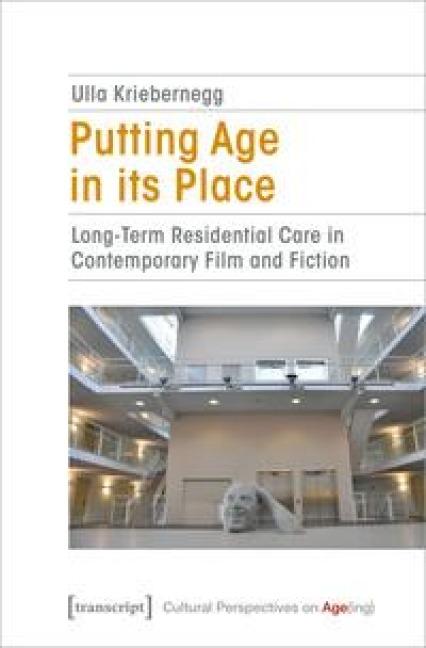 Transcript Verlag Putting Age in its Place: Long-Term Residential Care in Contemporary Film and Fiction How are long-term residential care and the construction of late-life identities connected in North American film and fiction? Through close readings of works by Margaret Atwood, Joan Barfoot, Oscar Casares, John Mighton, and several others, Ulla Kriebernegg explores how the setting at the nexus of home, hospital, hotel, and prison functions in the newly emerging genre of the care home novel. What role does this setting play for the narrative construction of old age, and what hopes and fears are revealed? Kriebernegg argues that the spatiality of aging needs to be included into discussions of late life agency and care in the face of vulnerability. | 0 | Vaata |


Otsing: 41590 (arhiveeritud tooted)
53 toodet