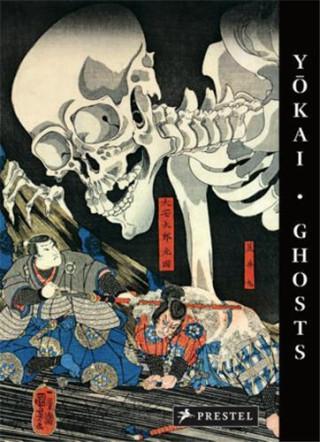
Discover the wonderfully eerie supernatural beings of Japanese lore in this magnificent hardcover edition which features an elegant silk coating as well as coloured edges and closing straps. Yo¯kai ghosts are a significant aspect of Japanese culture. In turns terrifying, playful and mischievous, they can take the form of malevolent spirits, seeking a place in the afterlife, or shapeshifters tricking humans with wisdom and sometimes cruelty.This unique book includes 150 striking images by Hokusai, Hiroshige, Utamaro and others, that capture the essence of yo¯kai folklore with stunning detail and evocative imagery. Filled with colored reproductions, each of the book’s chapters focuses on a specific spirit or type. There’s the specter of Oiwa, her face distorted by poison, as depicted by Hokusai; Toyohara Kunichika’s haunting interpretation of Okiku, a tragic ghost with a tale of betrayal and revenge; and Yoshitoshi’s dramatic image of a samurai bravely confronting a hideous ghost.Throughout the book, readers will discover how the intricate details of woodblock prints allowed artists to exaggerate features and create dramatic effects that enhanced the portrayal of yo¯kai. These prints also reveal aspects of daily life, folklore, and spiritual beliefs of the period, offering a window into Japan’s history and pointing to the origins of manga, horror films, and literature. Fans of Japanese folklore, supernatural art, and anime enthusiasts alike will delight in this beautiful edition that features a special Japanese binding, coloured edges and closing straps.
With unparalleled access to the Bulgari archives, Meylan guides us on an intimate journey through the lives of the clients, both famous and infamous, who have given this pre-eminent Mediterranean jeweller their patronage.
En el año 1844, uno de los más productivos de su carrera, publica Søren Kierkegaard, en el plazo de unos pocos días, los tres escritos aquí reunidos: Migajas filosóficas, El concepto de angustia y Prólogos. Su heterogeneidad estilística y la diversidad de su contenido hacen que aparezcan con la firma de tres pseudónimos diferentes: Johannes Climacus, Vigilius Haufniensis y Nicolaus Notabene, respectivamente. Las Migajas exponen las limitaciones del pensamiento filosófico cuando se trata de la apropiación individual de la verdad. Climacus dirige su mirada al tipo de aprendizaje de la verdad representado por la mayéutica socrática y por el cristianismo. El concepto de angustia emprende una discusión conjunta de la cuestión psicológica de la angustia y de la cuestión dogmática del pecado hereditario. La angustia se caracteriza por su ambigüedad psicológica, por ser una «antipatía simpatética». Como escribe Kierkegaard en su Diario, «la angustia es un poder extraño que se apodera del individuo, pero liberarse de él es algo que el individuo no puede y no quiere, puesto que uno teme, pero lo que uno teme es lo que uno desea». Los Prólogos son reflejo del particular interés prestado por Kierkegaard a esta forma literaria. Se trata de una serie de ocho prólogos a libros inexistentes, precedidos a su vez por un prólogo que reclama la emancipación del texto «prologal» en su ambigua naturaleza: poder «tratar sobre nada».
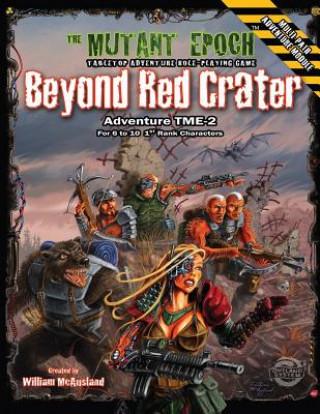
Six years ago your comrades from the town of Rust Watch were attacked on the edge of an ancient blast hole. Your militia patrol arrived back at camp too late and came upon a scene of devastation. You discovered that while a dozen of your people were taken
A Tragic Story that Starts with a Prescription from a Doctor. It was early one spring morning that Britt Doyle received the terrible news that his ex-wife Wynne had been found dead in her bed-and worse, his young son had been the one to find her.
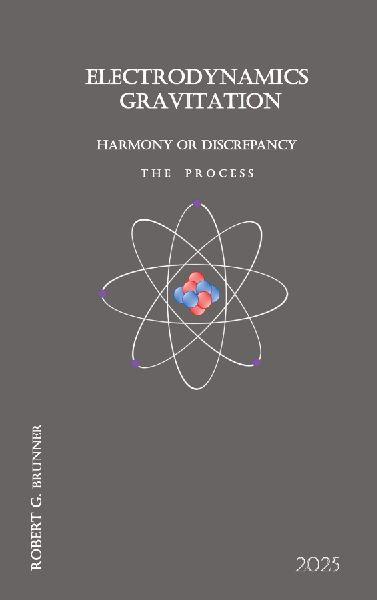
This book addresses a wide range of questions relating to Coulomb's force and Newton's law of gravitation. Field forces, inertia, and gravity are the focus of the discussion. It is shown that such material phenomena have a common atomic origin and that, based on electrodynamics, i.e., the kinetic energy of electrons, a unified interpretation of field force and gravity is therefore possible. An "alternative law of gravitation" therefore enables the calculation of the gravitational constant from known parameters of the hydrogen atom and its process data. The permanence of the speed of light, the mass loss in the International Prototype Kilogram, magnetism, and much more become more understandable. A different, new, classical view of the gravitational and electrical mechanisms is presented.
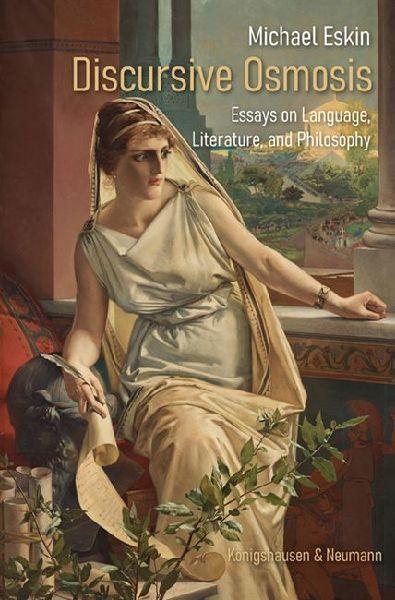
In a series of provocative essays, written over the course of two decades and elegantly assembled under the same roof for the first time, New York-based cultural critic, philosopher, and publisher Michael Eskin - author of, among other books, The Emprise of Poetry: Durs Grünbein, America, Antisemitism, and the Pursuit of Liberty as well as Childhood: An Essay on the Human Condition - probes questions of literary history and cultural criticism, linguistics and literary translation, the ethical and epistemological interface between literature and philosophy, as well as the concrete moral-political force and societal ramifications of words presumably weighed on the scales of professional wordsmithery. Mikhail Bakhtin and Viktor Shklovsky, Alexandre Jollien and Etty Hillesum, L. P. Yakubinsky and Joseph Brodsky, Rainer Maria Rilke and Don Paterson, Durs Grünbein and Virginia Woolf, Theodor Herzl and Marshall B. Rosenberg, Paul Celan and René Descartes, Ludwig Wittgenstein and Kathrin Stengel are among the motley clutch of his challenging, inspiring and exacting interlocutors.
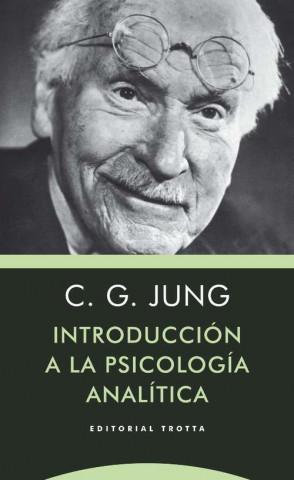
En 1925, mientras trabajaba en transcribir e ilustrar lo que será suLibro Rojo, C. G. Jung imparte un seminario en lengua inglesa en elque por primera vez da a conocer en público las fantasías y los sue?os que constituían el material de dicha obra. Jung habla de su propia«ecuación personal», de la formación de su punto de vista psicológicoy de su inclinación subjetiva, esto es, de su propio tipo psicológico. A partir de la experiencia de lo que llama su «confrontación con loinconsciente», narra la génesis de sus primeras concepciones sobre loinconsciente y la libido y las vicisitudes de su relación conFreud.Aparte de estos elementos autobiográficos, las sesiones del seminarioofrecen una introducción a los fundamentos de la psicología analítica, como los tipos psicológicos o los arquetipos de lo inconscientecolectivo, que Jung presenta a través de la interpretación de casosclínicos y de obras de arte contemporáneo. Finalmente, las nociones de ánima y ánimus son tratadas con los participantes en el seminariomediante la discusión de distintas novelas, como Ella de RiderHaggard. Todo esto hace de estas notas un documento históricoimprescindible para el conocimiento de la psicología junguiana y lapersonalidad de su creador.
An illustrated treasury of Jewish celebrations to introduce young readers to the foundation of the faith in an inclusive, informative, and accessible format. Celebrate and learn about ten Jewish celebrations with this inviting and warmhearted treasury. Perfect for reading together, this collection explains when, why, how, and what Jewish people celebrate during special festivals throughout the year. My Book of Jewish Festivals features clear descriptions of Jewish history and traditions, easy-to-follow pronunciations of important Hebrew words, and vibrant art showcasing the diversity of modern Judaism. This appealing and practical book is perfect for children who are beginning to learn about the Jewish faith as well as for teachers, parents and carers looking for a resource to guide children through every meaningful Jewish celebration! Festivals introduced in the book include Shabbat, Rosh Hashanah, Yom Kippur, Sukkot, Simchat Torah, Hanukkah, Tu BiShvat, Purim, Pesach, and Shavuot. Autorid: Hannah Shafiroff