}A Chinese New Year Story{. Follow a family as they let off firecrackers, watch the amazing dragon dances and light their beautiful lanterns. Readership level: 1-5yrs.
Delicious Recipes Made Fast and Simple with One Convenient ApplianceDiscover just how quick and easy the rice cooker makes it to whip up an impressive range of mouthwatering dishes! In this versatile collection, Shree Mitra, creator of the popular food blog Truffle and Toast, shares 60 globally-inspired recipes that feature tons of flavor, simple prep and no time spent hovering over the oven or stove. With just one appliance, you'll take your weeknight cooking from stressful to stress-free, without compromising on quality.If you thought the rice cooker was just for making bland, boring rice, think again as you savor craveable dishes like the zesty Creole Chorizo and Prawn Jambalaya or the out-of-this-world Truffle Mushroom Mac and Cheese. It's never been easier to impress your guests than with the Moroccan Chicken Tagine that you set, forget and serve when company arrives. You can even use your rice cooker to make dumplings, homemade gnocchi and fluffy pancakes - not to mention showstopping desserts like Chai-Spiced Pears with Mascarpone or Panna Cotta with Raspberry Coulis. Armed with your humble rice cooker and an inspiring arsenal of delicious recipes, you'll soon be mixing up weeknight dinners with maximum flavor and no added effort.
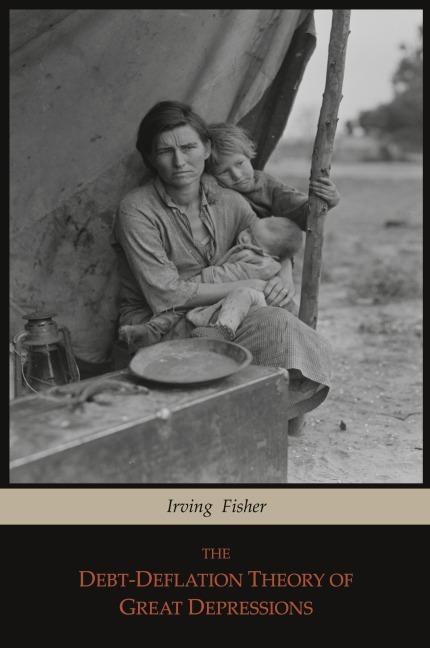
2011 Reprint of the 1933 edition. Following the stock market crash of 1929 and the ensuing Great Depression, Fisher developed a theory of economic crises called "debt-deflation", which rejected general equilibrium theory and attributed crises to the bursting of a credit bubble. According to the debt deflation theory, a sequence of effects of the debt bubble bursting occurs: 1. Debt liquidation and distress selling. 2. Contraction of the money supply as bank loans are paid off. 3. A fall in the level of asset prices. 4. A still greater fall in the net worth of businesses, precipitating bankruptcies. 5. A fall in profits. 6. A reduction in output, in trade and in employment. 7. Pessimism and loss of confidence. 8. Hoarding of money. 9. A fall in nominal interest rates and a rise in deflation adjusted interest rates. This theory was ignored in favor of Keynesian economics, partly due to the damage to Fisher's reputation from his overly optimistic attitude prior to the crash, but has experienced a revival of mainstream interest since the 1980s, particularly since the Late-2000s recession, and is now a main theory with which he is popularly associated.