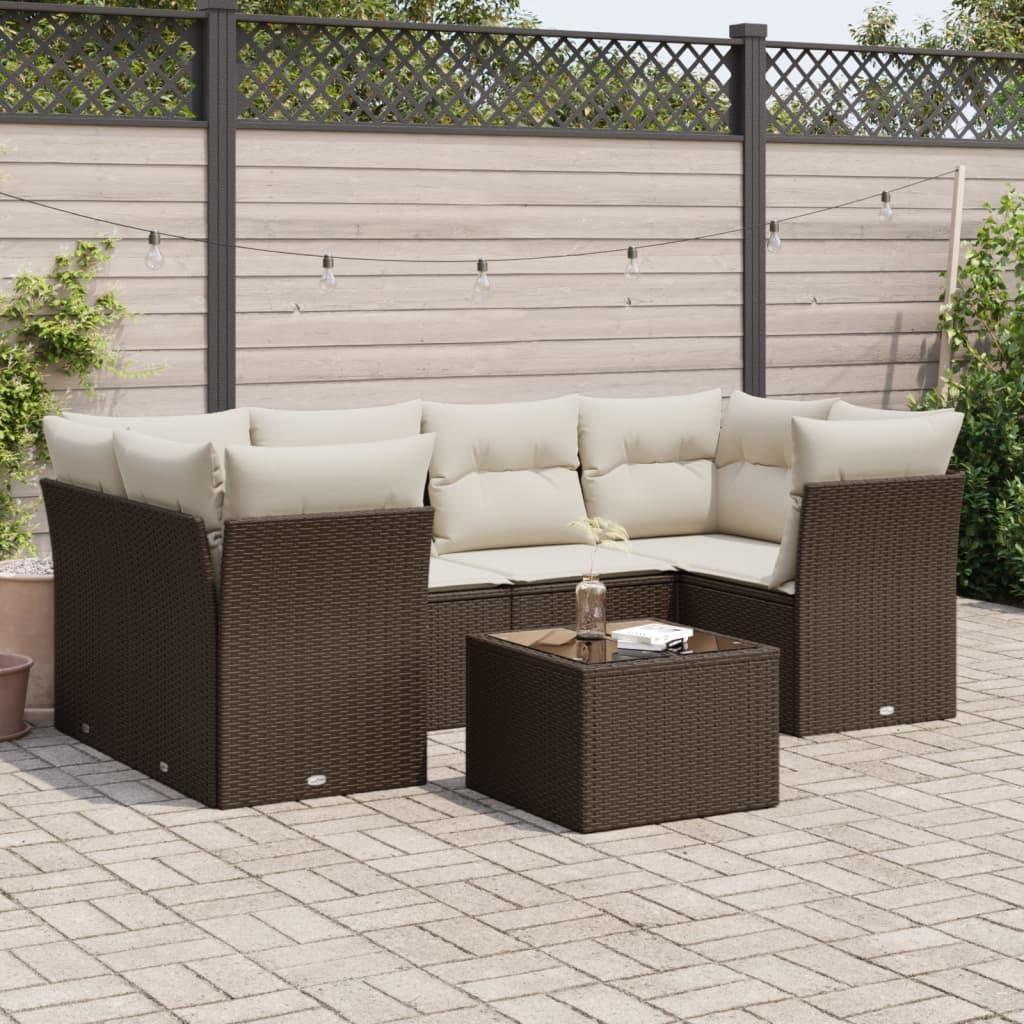
Aiadiivani komplekt on suurepärane täiendus teie hoovile, aiale või terrassile, pakkudes mugavat ja kutsuvat kohta, kus pereliikmete või sõpradega vestelda või lihtsalt lõõgastuda. Vastupidav materjal: PE-rotang, tuntud ka kui polürotang, on tugev, vähest hooldust nõudev sünteetiline materjal, mis näeb välja nagu looduslik rotang. See on kerge kaaluga, lihtsasti puhastatav ning oma vastupidavuse ja ilmastikukindlate omaduste tõttu kasutatakse seda sageli õuemööbli valmistamisel.Hoiustamisfunktsioon koos veekindla kotiga: igal aiaistmel on istme all panipaik koos veekindla kotiga patjade, mänguasjade ja muude esemete hoidmiseks. Sisemistel kottidel on pealiskate ja neid saab stabiilsuse suurendamiseks takjakinnitusega kindlalt istmetele kinnitada.Klaasist lauaplaat: õuelaua plaat on valmistatud tugevast ja vastupidavast karastatud klaasist, mis muudab selle niiske lapiga lihtsasti puhastatavaks ja lisab õuealale elegantsi.Eemaldatav ja pestav kate: istmepatjadel on hõlpsaks pesemiseks ja hooldamiseks eemaldatav kate.Modulaarne disain: õuemööbli komplektil on modulaarne disain, mis muudab selle täiesti paindlikuks ja hõlpsasti liigutatavaks, et saaksite luua kohandatud õuemööbli paigutuse. Hea teada:Selleks, et õuemööbel püsiks ilus, soovitame seda kaitsta veekindla kattega.p>• Turvalised maksemeetodid: Paypal, pangaülekanne, deebet- ja krediitkaardid, Trustly • Uhiuus toode. 2-aastane garantii sularahas kohaletoimetamise.Tasuta tarne
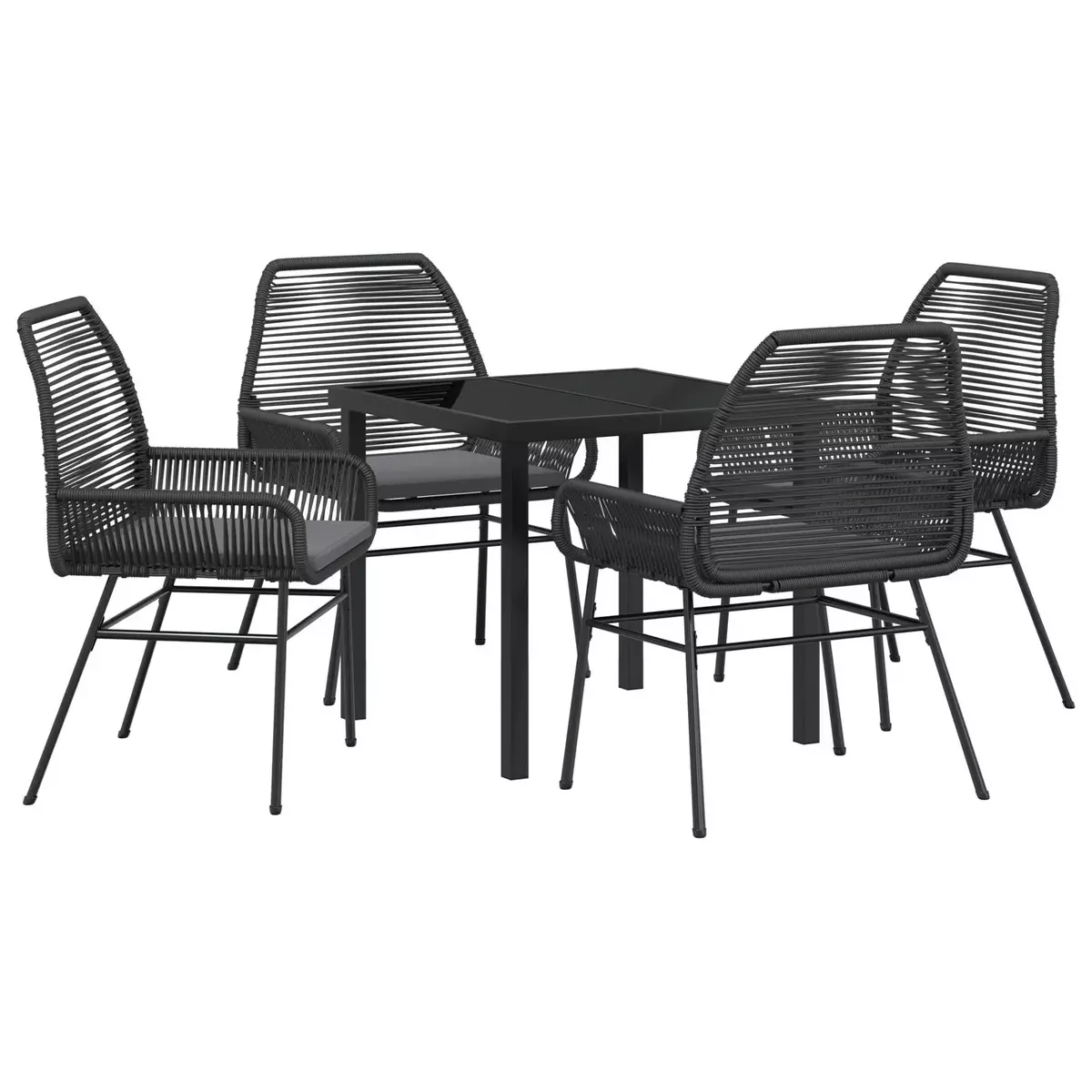
See aedtoolide komplekt ühendab modernse disaini mugavusega, olles ideaalne igale terrassile, rõdule või rõdudele. Trendika musta polü rattan viimistluse ja tumesiniste padjadega loovad need toolid kutsuva väli ruumi lõõgastusmomentide nautimiseks. Naudi Kvaliteetset Materjali: Stiilsest PE rattangist valmistatud toolid on nii ilusad kui ka tugevad. See sünteetiline materjal näeb välja nagu looduslik rattan, kuid peab ilmastikule väga hästi vastu. Koge Ükskõiksust Mugavusest: Iga toolil on paksem polster tus siniste padjadega, mis pakuvad mugavat kohta, olgu sa söömas või lihtsalt lõõgastumas. Usalda Tugevat Ehitus: Pulberkattega terasraam hoiab kõik stabiilsena ja kindlalt igapäevaseks kasutamiseks. Kasuta Ilmastikukindlust: Valmistatud õues kasutamiseks, need toolid taluvad UV kiiri, mistõttu on neid mugav kasutada aastaringselt. Avasta Paindlik Kasutus: Suurepärased igasugustes väliolukordades, need toolid parandavad sinu terrassi, rõdu või aeda, võimaldades sul nautida sotsiaalset aega ja rahulikke välihetki.p>• Turvalised maksemeetodid: Paypal, pangaülekanne, deebet- ja krediitkaardid, Trustly • Uhiuus toode. 2-aastane garantii sularahas kohaletoimetamise.Tasuta tarne
Published to accompany an exhibition at The Museum of Modern Art, this is the first major publication to make full use of the extensive holdings of the Fondation Cartier-Bresson, including thousands of prints and a vast resource of documents relating to the photographer's life and work.
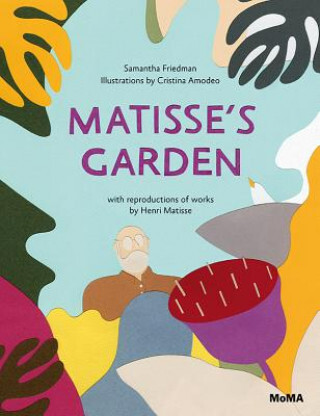
One day, Henri Matisse (1869-1954) cut a small bird out of a piece of white paper. It was a simple shape, but he liked the way it looked and didnt want to throw it away, so he pinned it to the wall of his room.
In this thrilling conclusion to the Skyscraper Throne trilogy, Beth will come face-to-face with the goddess of the streets . . . Perfect for fans of Neil Gaiman's Neverwhere.
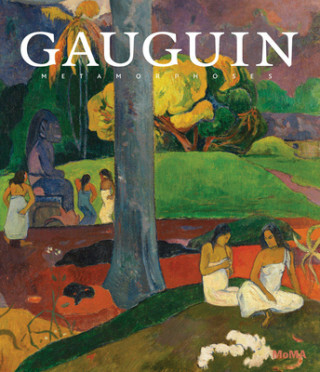
Explores the remarkable relationship between Paul Gauguins rare and prints and transfer drawings, and his better-known paintings and sculptures in wood and ceramic. This title also explores the artists radically experimental approach to techniques and his pivotal place in the history of art.
The gear illustrated and described in this book is made of rawhide. However, leather thongs and plastic string can be worked in the same manner. The illustrations are clear, and detailed drawings show from beginning to end how to make the articles of gear the horseman uses to "work or show" his horse to best advantage. Bridles, hackamores, hobbles, reins, reatas, quirts, and riding crops are just a few of the articles that can be made by following the illustrations and instructions.Included in the volume is a section titled "How to Make a Western Saddle, " by Lee M. Rice. He explains each step in making a western saddle, with text and drawings.
Explores the important artists represented in the collection of The Museum of Modern Art, and guides readers through various artists' memorable achievements.
Perfect for students or travelers, this dictionary has over 10,000 entries in a concise and easy-to-use format. Gender of Icelandic nouns are given and lists of English irregular plurals and verbs are provided.
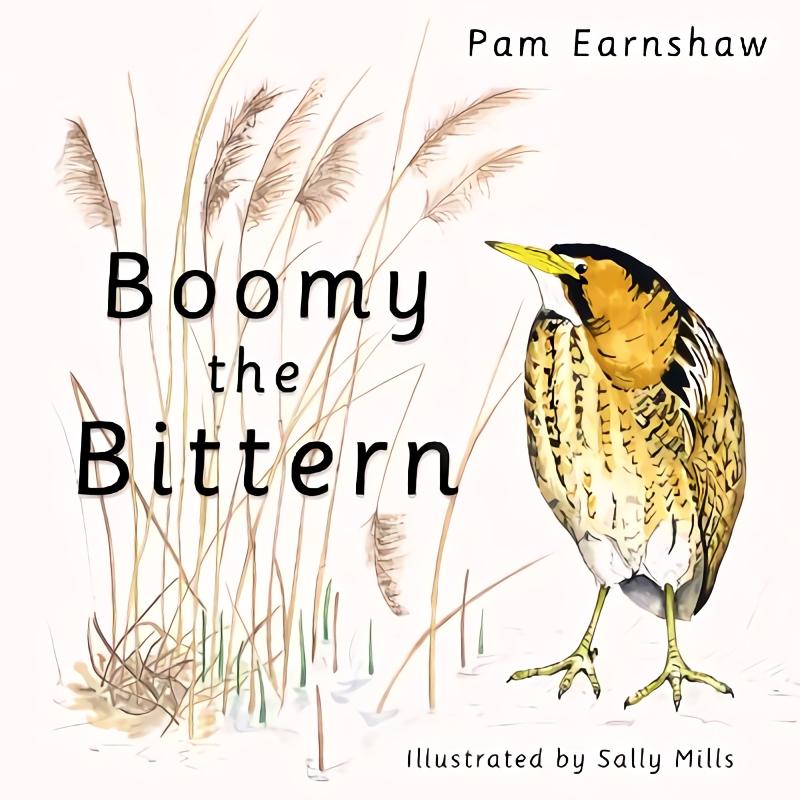
"Boomy the bittern lived in a wetland. A wetland of pools, islands, ditches and dykes..." Boomy the Bittern tells the story of a family of bitterns as they go about life in their wetland home: hiding in the reeds, bringing up their young, squelching through the mud and scooping up fish to eat. But when the wetlands are drained by humans, where will the bitterns go? Complete with beautiful illustrations by wildlife artist Sally Mills and a captivating, informative narrative by Pam Earnshaw, Boomy the Bittern makes a wonderful bedtime story for any nature lover. With text designed to develop children's reading skills, it also provides the perfect teaching tool to positively engage young readers in discussions about wildlife conservation and climate change. Autorid: Pam Earnshaw
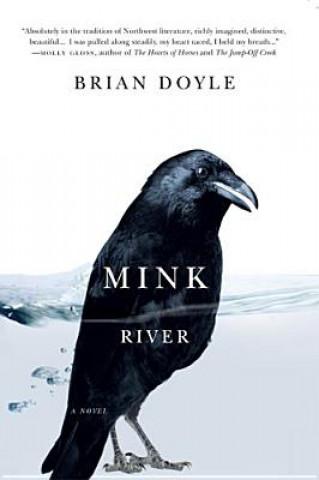
Like Dylan Thomas' Under Milk Wood and Sherwood Anderson's Winesburg, Ohio, Brian Doyle's stunning fiction debut brings a town to life through the jumbled lives and braided stories of its people.
Captivity narratives have been a standard genre of writings about Indians of the East for several centuries. This title presents a collection of vivid and often brutal accounts of what happened to those men and women and children who were captured by marau
The Front Range of Colorado is one of America's most famous and spectacular summer playgrounds. Thousands of people from all over the nation visit our Rocky Mountains each year to enjoy the scenery and the many types of recreational activities which the re
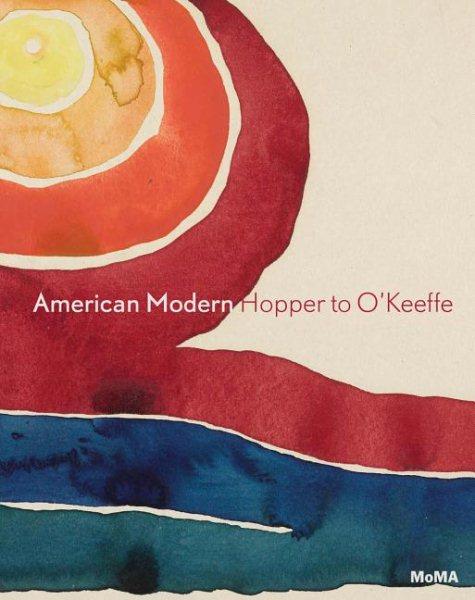
An authoritative overview of American modernismAmerican Modern presents a fresh look at The Museum of Modern Arts holdings of American art made between 1915 and 1950, and considers the cultural preoccupations of a rapidly changing American society in the first half of the twentieth century. Organized thematically and featuring paintings, drawings, prints, photographs and sculpture, the publication brings together some of the Museums most celebrated masterworks, contextualizing them across mediums and amidst lesser-seen but revelatory works. The selection of works by artists such as Edward Hopper, Georgia OKeeffe, Charles Sheeler, Charles Burchfield and Stuart Davis includes urban and rural landscapes, scenes of industry, still-life compositions and portraiture. Although varying in style and specifics, they share certain underlying visual and emotional tendencies. Cityscapes and factories are shown eerily emptied of the crush of residents that flocked to them, becoming both a celebration of clean modern forms and technological advances, as in Sheelers paintings and photographs, and a reflection of anxiety about increasingly urban lifestyles and their consequences for the American individual, as in Hoppers iconic Night Windows. Equally silent rural scenes are no less haunting, but perhaps reflect a nostalgia for seemingly simpler times, and a celebration of early American traditions and values. Featured still lifes are as diverse: Stuart Davis bright, angular compositions marry fractured form with logos and patterns taken from modern advertising, while Charles Demuths rich watercolors of fruits and vegetables celebrate agricultural bounty and his mastery of the medium. Works by Arthur Dove, Alfred Stieglitz and Andrew Wyeth, among others, suggest different possibilities in portraiture, and the diverse ways artists have thought about the figure and its absence as a way to capture their subject. This volume is a focused look at the strengths and surprises of MoMAs collection in an area that has played a rich and major role in the institutions history. Autorid: Kathy Curry, Esther Adler
Published in conjunction with an exhibition at The Museum of Modern Art, Talk to Me thrives on an important late 20th-century cultural development in design: a shift from the centrality of function to that of meaning. From this new perspective, objects contain information that goes well beyond their immediate use or appearance, providing access to complex systems and networks and acting as gateways and interpreters. Whether openly and actively, or in subtle, subliminal ways, things talk to us, and designers write the initial script that lets us develop and improvise the dialogue. Talk to Me focuses on objects that involve direct interaction, such as interfaces, information systems, communication devices, and projects that establish a practical, emotional or even sensual connection between their users and entities such as cities, companies, governmental institutions, as well as other people. The featured objects range in date from the early 1980s beginning with the first Graphic User Interface, developed by Xerox Parc in 1981 with particular attention given to projects from the last five years and to several ones currently in development. Included are a diverse array of examples, from computer and machine interfaces to websites, video games, devices and tools, and installations. Organized thematically, Talk to Me features essays by Paola Antonelli, Jamer Hunt, Alexandra Midel, Kevin Slavin, and Koi Vinh. By introducing design practices that are becoming increasingly crucial to our world, the book presents a highly distilled sample of todays best design production that uses technology in creative and unexpected ways, showing how rich and deep designs influence will be on our future. Autorid: Paola Antonelli
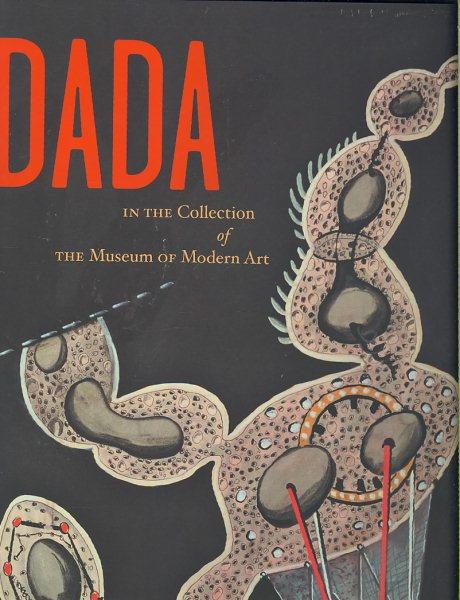
Dada: The Collections of The Museum of Modern Art is the first publication devoted exclusively to MoMAs unrivalled collection of Dada works. Beginning with a core group acquired on the occasion of the landmark Fantastic Art, Dada and Surrealism exhibition of 1936, enriched in 1953 by a bequest selected by Marcel Duchamp, and steadily augmented over the years, the Museums Dada collection presents the movement in its full international and interdisciplinary scope during its defining years, from 1916 through 1924. Catalyzed by the major Dada exhibition that appeared in Paris, Washington, D.C., and at The Museum of Modern Art in 20056, the book benefits from the latest scholarly thinking, not only as found in the exhibitions catalogues but also in the critical responses to them, as well as in an ambitious series of seminars organized around the show. Featuring generously illustrated essays that focus on a selection of the Museums most important Dada works, this publication highlights works in many media, including books, journals, assemblages, collages, drawings, films, paintings, photographs, photomontages, prints, readymades and reliefs. It also includes a comprehensive catalogue of the Museums Dada holdings, including those in the Museums Archives and Library. Edited by Anne Umland and Adrian Sudhalter, members of the Museums Department of Painting and Sculpture, this book inaugurates an ambitious new series of scholarly catalogues on the Museums collection. Autorid: Anne Umland, Adrian Sudhalter
Language: Spanish, Binding: Paperback, Number of pages: 192, Publishers: MOLINO, Author: Montgomery,Lucy Maud, ISBN-13: 9786073808705, Date of issue: 2022
"Distributed by the University of Nebraska Press for Caxton Press"During the decades from 1820 to 1870, the American frontier expanded two thousand miles across the trans-Mississippi West. In Texas the frontier line expanded only about two hundred miles
The result of Elton Woodbury's lifelong interest in butterflies is a first-ever field guide to those that occur naturally on the Delmarva Peninsula. All sixty-one adult butterfly species found in the area are included in the guide, which is beautifully illustrated with 132 photographs by the author. Differences in color or wing patterns between the sexes are also illustrated to aid in identification. The species accounts that form the bulk of the book include a description of the adult butterfly, the larva, and the egg, as well as information on the food sources, habitat, and range of each butterfly. Anatomy, metamorphosis, habitats, enemies, longevity, mimicry, and migration of butterflies in general are investigated in a chapter on the natural history of the butterfly. Hints for attracting butterflies to a garden and suggestions for photographing the species help the reader to increase his or her appreciation of butterflies.