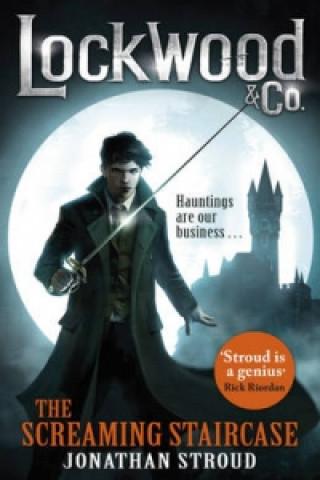
When the dead come back to haunt the living, Lockwood & Co. step in...For more than fifty years, the country has been affected by a horrifying epidemic of ghosts. A number of Psychic Investigations Agencies have sprung up to destroy the dangerous apparitions. Lucy Carlyle, a talented young agent, arrives in London hoping for a notable career. Instead she finds herself joining the smallest most ramshackle agency in the city, run by the charismatic Anthony Lockwood. When one of their cases goes horribly wrong, Lockwood & Co. have one last chance of redemption. Unfortunately this involves spending the night in one of the most haunted houses in England, and trying to escape alive. Set in a city stalked by spectres, The Screaming Staircase is the first in a chilling new series full of suspense, humour and truly terrifying ghosts. Your nights will never be the same again...
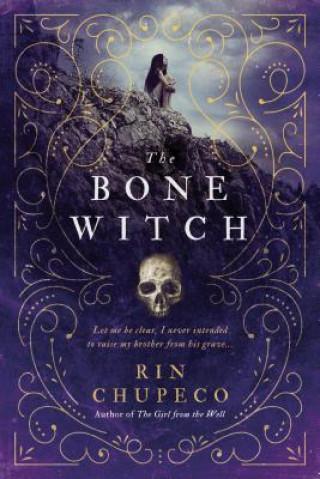
A story of scorned witches, sinister curses, and resurrection, The Bone Witch is the start of a dark fantasy trilogy, perfect for readers of Serpent & Dove and The Cruel Prince.Tea can raise the dead, b
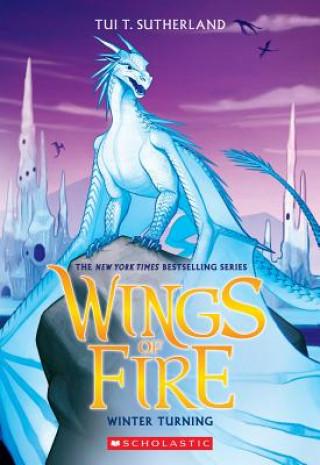
The New York Times and USA Today bestselling series soars to even greater heights with a new prophecy and five new dragonets ready to claim their destiny! Daring mission... or deadly mistake?Winter has been a disappointment to his royal IceWing family his whole life. When his sister, Icicle, runs away from Jade Mountain Academy, fleeing terrible crimes and possibly planning to commit more, Winter knows that they both need a second chance to make things right -- if only he can find her. Winter's new clawmates, Moon, Qibli, and Kinkajou, won't let him make this dangerous journey alone. They don't seem to understand that IceWings, the most superior of all dragon tribes, can fix their own problems. When their search leads the dragonets straight into Queen Scarlet's vicious talons, Winter is grateful to have some help.But even the bravest dragons can't follow him to the Ice Kingdom, where he'll have to face the greatest threat of all: his own family.
It's been over a year since the fall of the Starlight Beacon space station, and both heroes and villains alike must face the consequences of their decisions. When Jedi Knight Reath and Padawan Amadeo Azzazzo are sent on a mission to test their theories about the Nameless, they'll come face-to-face with the terrifying creatures once thought to be myth--and learn the true meaning of fear . . . fear that fallen Jedi Azlin Rell advised them to embrace if they have any hope of defeating the monsters . . .
The pulse-pounding conclusion to the bestselling trilogy. What really happened to Charlie? It's the question that John can't seem to shake. He just wants to forget the whole terrifying saga of Freddy Fazbear's Pizza, but the past isn't so easily buried.
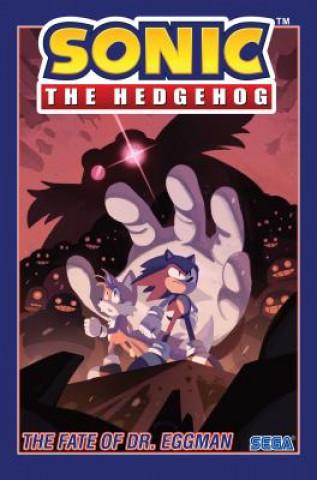
Plus, Sonic isn't the only one looking for Eggman--so's his old frenemy Shadow the Hedgehog! There are twists and turns in the course of this high-speed, action-packed mystery-adventure! But with a little help from his friends--including a new ally--Sonic's fast enough to overcome any obstacle! Collects issues #5-8 of the ongoing series.
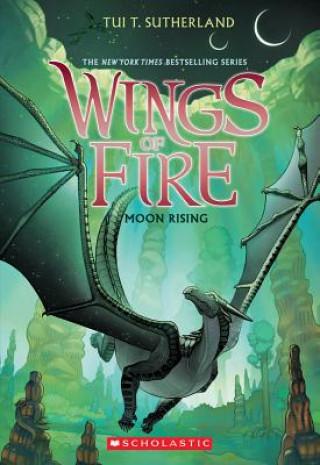
The New York Times-bestselling series soars to even greater heights with a new prophecy and five new dragonets ready to claim their destiny!Peace has come to Pyrrhia... for now.The war between the tribes is finally over, and now the dragonets of the prophecy have a plan for lasting peace: Jade Mountain Academy, a school that will gather dragonets from all the tribes and teach them to live together, perhaps even as friends.Moonwatcher isn't sure how she feels about school, however. Hidden in the rainforest for most of her life, the young NightWing has an awful secret. She can read minds, and even see the future. Living in a cave with dozens of other dragons is noisy, exhausting - and dangerous. In just a few days, Moon finds herself overwhelmed by her secret powers and bombarded by strange thoughts, including those of a mysterious dragon who might be a terrible enemy. And when someone starts attacking dragons within the academy, Moon has a choice to make: Stay hidden and safe? Or risk everything to save her new friends?
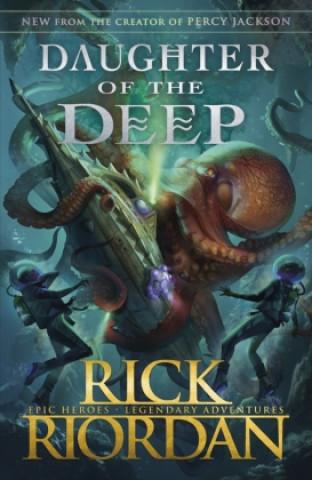
From the creator of PERCY JACKSON, bestselling author Rick Riordan, comes a brand-new adventure, inspired by Jules Verne's Twenty Thousand Leagues Under the Sea. Ana Dakkar is a freshman at Harding-Pencroft Academy, a five-year high school that graduates the best marine scientists, naval warriors, navigators, and underwater explorers in the world. Ana's parents died while on a scientific expedition two years ago, and the only family's she's got left is her older brother, Dev, also a student at HP. Ana's freshman year culminates with the class's weekend trial at sea, the details of which have been kept secret. She only hopes she has what it'll take to succeed. All her worries are blown out of the water when, on the bus ride to the ship, Ana and her schoolmates witness a terrible tragedy that will change the trajectory of their lives. But wait, there's more. The professor accompanying them informs Ana that their rival school, Land Institute, and Harding-Pencroft have been fighting a cold war for a hundred and fifty years. But now the heat is on and the freshman are in danger of becoming fish food. In a race against deadly enemies, Ana will make amazing friends and astounding discoveries about her heritage as she puts her leadership skills to the test for the first time. Rick Riordan's trademark humour, fast-paced action, and wide cast of characters are on full display in this undersea adventure.Rick Riordan has now sold an incredible 180 million copies of his books worldwide.'This is the stuff of legends' - The Guardian on Percy Jackson
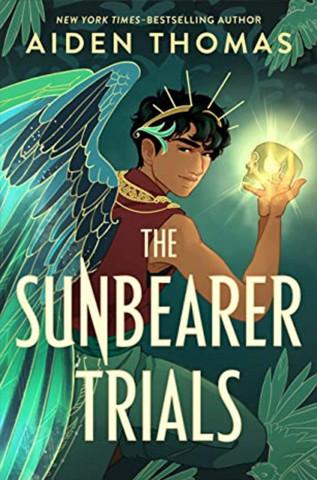
Only the most powerful and honorable will be chosen in this breathtaking, Mexican-inspired fantasy from Aiden Thomas, the author of the New York Times-bestselling Cemetery Boys. As each new decade begins, the Sun's power must be replenished so that Sol can keep traveling along the sky and keep the chaotic Obsidian gods at bay. Sol selects ten of the most worthy semidioses to compete in the Sunbearer Trials.The winner carries light and life to all the temples of Reino del Sol, but the loser has the greatest honor of all--they will be sacrificed to Sol, their body melted down to refuel the Sun Stones, protecting the world for another ten years. Teo, a seventeen-year-old Jade semidios and the trans son of the goddess of birds, isn't worried about the Trials . .. at least, not for himself.His best friend, Niya is a Gold semidios and a shoo-in for the Trials, and while he trusts her abilities, the odds of becoming the sacrifice is one-in-ten.But then, for the first time in over a century, the impossible happens. Sol chooses not one, but two Jade competitors. Teo, and Xio, the thirteen-year-old child of the god of bad luck.Now they must compete in five trials against Gold opponents who are more powerful and better trained. Worst of all, Teo's annoyingly handsome ex-best friend and famous semidios Hero, Aurelio is favored to win. Teo is determined to get himself and his friends through the trials unscathed--for fame, glory, and their own survival.
A New York Times Bestseller! Cruel Prince meets A Court of Thorns and Roses in this sexy, action-packed fantasy about a girl who is caught between two treacherous faerie courts and their dangerously seductive princes.Brie hates the Fae and refuses to have anything to do with them, even if that means starving on the street. But when her sister is sold to the sadistic king of the Unseelie court to pay a debt, she'll do whatever it takes to get her back—including making a deal with the king himself to steal three magical relics from the Seelie court.Gaining unfettered access to the Seelie court is easier said than done. Brie's only choice is to pose as a potential bride for Prince Ronan, and she soon finds herself falling for him. Unwilling to let her heart distract her, she accepts help from a band of Unseelie misfits with their own secret agenda. As Brie spends time with their mysterious leader, Finn, she struggles to resist his seductive charm.Caught between two dangerous courts, Brie must decide who to trust with her loyalty. And with her heart.
The new children's book from No. 1 bestselling author David Walliams - a deliciously daft Tall Story of a child who had everything, but still wanted more. Illustrated by artistic genius, Tony Ross.Meet the Meeks! Myrtle Meek has everything she could possibly want. But everything isn't enough. She wants more, more, MORE! When Myrtle declares she wants a FING, there's only one problem...What is a FING? Mr and Mrs Meek will do anything to keep their darling daughter happy, even visit the spooky library vaults to delve into the dusty pages of the mysterious Monsterpedia. Their desperate quest leads to the depths of the jungliest jungle where the rarest creatures can be found. But will they ever find a FING? An explosively funny, totally surreal Tall Story about two perfectly nice parents and their unbelievably monstrous daughter from the phenomenal bestselling author David Walliams.
Discover the origins of the warrior Clans in the second book of this thrilling Warriors prequel series from #1 nationally bestselling author Erin Hunter—now featuring fierce new art. The Dawn of the Clans series takes readers back to the earliest days of the Clans, when the cats first settled in the forest and began to forge the warrior code.The mountain cats from the Tribe of Rushing Water followed the Sun Trail to a new territory, convinced that in a land with more prey, their lives would be free from strife. But while no cat has gone hungry, tensions are rising. The once firmly united group has split in two—and a young cat named Thunder is caught in the middle.Dawn of the Clans #2: Thunder Rising also contains an exclusive bonus scene and a teaser to the next Warriors adventure.
Ever since MI6 recognized his potential, Alex Rider has constantly been thrust into the line of danger. From a routine visit to the dentist that turns into a chase through the streets of London, to a school trip with a deadly twist, no day has ever been o
Matilda is an exceptional girl, but her parents think she is just a nuisance. When one day she is attacked by her odious headmistress, Miss Trunchbull, Matilda suddenly discovers she has a remarkable power with which to avenge herself!
The New York Times and USA TODAY bestselling collection of short stories chronicling the adventures of Simon Lewis as he trains to become a Shadowhunter is now available in print for the first time with ten brand-new comic illustrations!
There are lots of laughs at every level in The 143-Storey Treehouse, from the number one Treehouse series from Andy Griffiths and Terry Denton. They've added thirteen new levels to their Treehouse, including a word-o-matic (it knows every word in the whole world!); a recycling depot; a wrecking ball; a deep, dark cave with a real live, fire-breathing dragon; a complaining room; a spooky graveyard (where it's always midnight, even in the middle of the day); and a camping ground where you can have a nice, relaxing camping holiday. Andy's been a bit stressed, so Terry has decided the perfect way for them to relax is to head up to their new camping ground level for a much-needed holiday. But it turns out to be not quite as relaxing as Terry originally planned . . . Terry forgets to pack the tent and the food, their attempt at fishing ends in disaster, the spooky campfire stories are a little too spooky and then, to make matters worse, all of Andy's fellow campers start mysteriously disappearing. Can Andy brave the dark, dark woods and rescue them in time to finish writing their next book? Well, what are you waiting for? Come on up!
Laugh-out-loud wacky adventures in the world's most awesome treehouse! The eighth instalment in this hilarious and highly illustrated series will appeal to fans of Captain Underpants and Diary of a Wimpy Kid.
Language: English, Binding: Paperback, Number of pages: 304, Publishers: HarperCollins Publishers, Author: Max Brallier, ISBN-13: 9780008638115, Date of issue: 2023
Lara Jean keeps her love letters in a hatbox her mother gave her. One for every boy she's ever loved. When she writes, she can pour out her heart and soul and say all the things she would never say in real life, because her letters are for her eyes only.Until the day her secret letters are mailed, and suddenly Lara Jean's love life goes from imaginary to out of control.
When the dead return to haunt the living, Lockwood & Co. step in. A series of grisly thefts have been taking place across the capital: powerful supernatural artefacts have been stolen, and their warders murdered. In an atmosphere of mounting panic, a mysterious skull in an iron box is unearthed in Kensal Green Cemetery. Witnesses hear it whispering urgently, but the words cannot be understood. Lockwood & Co. will have to use all their ingenuity and skill to uncover the secret of the whispering skull.
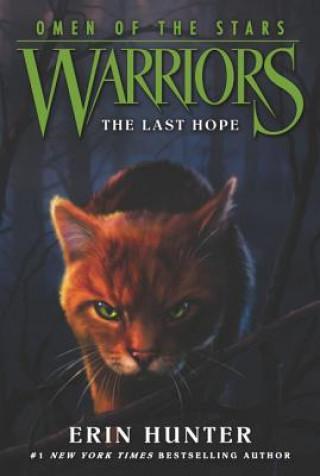
Erin Hunter's #1 nationally bestselling Warriors series continues in Warriors: Omen of the Stars - now featuring fierce new art.The final book in this fourth series, Warriors: Omen of the Stars #6: The Last Hope, brings more adventure, intrigue, and thrilling battles to the epic world of the warrior Clans. The battle between the Dark Forest and the warrior Clans has arrived. Jayfeather, Lionblaze, and Dovewing wait desperately for the fourth cat who is prophesied to help them-and who may be their only hope for survival.
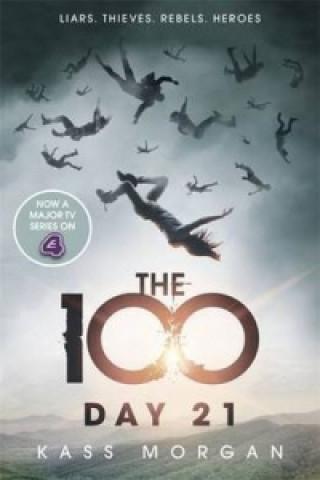
The Hunger Games meets Lost in this spectacular new series: soon to be airing on US TV channel CW, home of The Vampire Diaries and Gossip Girl No one has set foot on Earth in centuries - until now. Ever since a devastating nuclear war, humanity has lived on spaceships far above Earth's radioactive surface. Now, one hundred juvenile delinquents - considered expendable by society - are being sent on a dangerous mission: to re-colonize the planet. It could be their second chance at life...or it could be a suicide mission. CLARKE was arrested for treason, though she's haunted by the memory of what she really did.WELLS, the chancellor's son, came to Earth for the girl he loves - but will she ever forgive him?Reckless BELLAMY fought his way onto the transport pod to protect his sister, the other half of the only siblings in the universe.And GLASS managed to escape back onto the ship, only to find that life there is just as dangerous as she feared it would be on Earth. Confronted with a savage land and haunted by secrets from their pasts, the hundred must fight to survive. They were never meant to be heroes, but they may be mankind's last hope.
In this pulse-pounding sequel to Kass Morgan's The 100, secrets are revealed, beliefs are challenged, and relationships are tested. And the hundred will struggle to survive the only way they can -- together It's been 21 days since The 100 landed on Earth. They're the only humans to set foot on the planet in centuries...or so they thought. Facing an unknown enemy, Wells attempts to keep the group together. Clarke strikes out for Mount Weather, in search of other Colonists, while Bellamy is determined to rescue his sister, no matter the cost. And back on the ship, Glass faces an unthinkable choice between the love of her life and life itself.
Alfie is like any other nearly teenage boy - except he's 1,000 years old and can remember the last Viking invasion of England. Obviously no one believes him. So when everything Alfie knows and loves is destroyed in a fire, and the modern world comes crashing in, Alfie embarks on a mission to find friendship, acceptance, and a different way to live
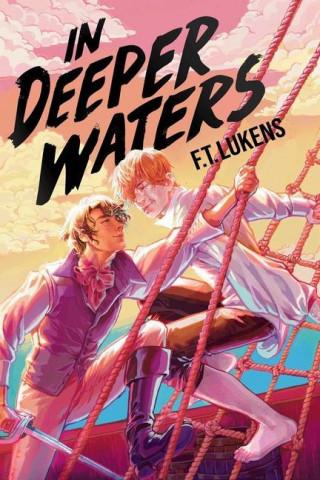
A young prince must rely on a mysterious stranger to save him when he is kidnapped during his coming-of-age tour in this swoony adventure that is The Gentleman's Guide to Vice and Virtue meets Pirates of the Caribbean. Prince Tal has long awaited his coming-of-age tour. After spending most of his life cloistered behind palace walls as he learns to keep his forbidden magic secret, he can finally see his family's kingdom for the first time.His first taste of adventure comes just two days into the journey, when their crew discovers a mysterious prisoner on a burning derelict vessel. Tasked with watching over the prisoner, Tal is surprised to feel an intense connection with the roguish Athlen. So when Athlen leaps overboard and disappears, Tal feels responsible and heartbroken, knowing Athlen could not have survived in the open ocean.That is, until Tal runs into Athlen days later on dry land, very much alive, and as charming-and secretive-as ever. But before they can pursue anything further, Tal is kidnapped by pirates and held ransom in a plot to reveal his rumored powers and instigate a war. Tal must escape if he hopes to save his family and the kingdom.And Athlen might just be his only hope...
From New York Times bestselling author Brigid Kemmerer comes a blockbuster fantasy series about a corrupt kingdom, a star-crossed romance and a girl who will do anything for justice
Percy Jackson meets Tristan Strong in this hilarious, action-packed middle grade contemporary fantasy that follows a young boy as he journeys across China to seal the underworld shut and save the mortal realm.Zachary Ying never had many opportunities to learn about his Chinese heritage. His single mom was busy enough making sure they got by, and his schools never taught anything except Western history and myths. So Zack is woefully unprepared when he discovers he was born to host the spirit of the First Emperor of China for a vital mission: sealing the leaking portal to the Chinese underworld before the upcoming Ghost Month blows it wide open.The mission takes an immediate wrong turn when the First Emperor botches his attempt to possess Zack’s body and binds to Zack’s AR gaming headset instead, leading to a battle where Zack’s mom’s soul gets taken by demons. Now, with one of history’s most infamous tyrants yapping in his headset, Zack must journey across China to heist magical artifacts and defeat figures from history and myth, all while learning to wield the emperor’s incredible water dragon powers.And if Zack can’t finish the mission in time, the spirits of the underworld will flood into the mortal realm, and he could lose his mom forever.
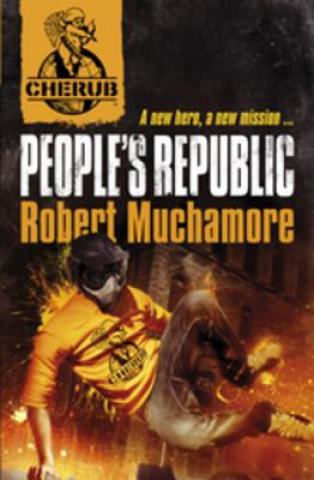
Twelve-year-old Ryan is CHERUB's newest recruit. He's got his first mission: infiltrating the billion-dollar Aramov criminal empire. But he's got got no idea that this routine job will lead him into an explosive adventure involving drug smugglers, illegal immigrants and human trafficking, or that his first mission will turn into one of the biggest in CHERUB's history.
The brutal and sadistic "main game” has finally begun. The unwilling players have no choice but to vote for who will die by majority rule…but there’s a twist.Each player holds a card with a unique, secret role modifying the rules of the game, and Sara’s is "The Key”—if she’s the one voted out, all of them will die!
Father Damien Karras: 'Where is Regan?' Regan MacNeil: 'In here. With us'. The terror begins unobtrusively. Noises in the attic. In the child's room, an odd smell, the displacement of furniture, an icy chill. At first, easy explanations are offered. Then frightening changes begin to appear in eleven-year-old Regan. Medical tests fail to shed any light on her symptoms, but it is as if a different personality has invaded her body. Father Damien Karras, a Jesuit priest, is called in. Is it possible that a demonic presence has possessed the child! Exorcism seems to be the only answer...First published in 1971, "The Exorcist" became a literary phenomenon and inspired one of the most shocking films ever made. Freshly polished and expanded by the author, including new dialogue, a new character and a chilling new extended scene, this unique fortieth anniversary edition provides an unforgettable reading experience that has lost none of its power to shock - and is poised to terrify a new generation of readers.
This collection of mystery and horror stories is regarded as Japan's answer to Edgar Allan Poe.Japanese Tales of Mystery & Imagination, the first volume of its kind translated into English, is written with the quick tempo of the West but rich with the fantasy of the East. These nine bloodcurdling, chilling tales present a genre of literature largely unknown to readers outside Japan, including the strange story of a quadruple amputee and his perverse wife; the record of a man who creates a mysterious chamber of mirrors and discovers hidden pleasures within; the morbid confession of a maniac who envisions a career of foolproof "psychological" murders; and the bizarre tale of a chair-maker who buries himself inside an armchair and enjoys the sordid "loves" of the women who sit on his handiwork.Lucid and packed with suspense, Edogawa Rampo's stories found in Japanese Tales of Mystery & Imagination have enthralled Japanese readers for over half a century.Mystery stories include:The Human ChairThe CaterpillarTwo Crippled MenThe Traveler with the Pasted Rag Picture
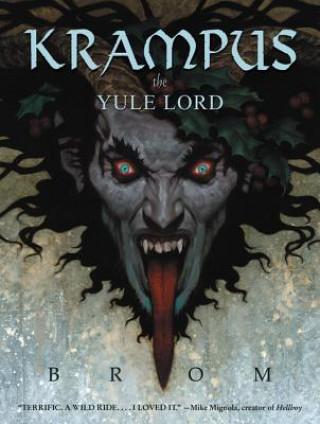
"Terrific. A wild ride....I loved it. It hooked me and I couldn't put it down."--Mike Mignola, creator of HellboyAcclaimed author and artist Brom raised eyebrows and pulse rates with The Child Thief, his grim, brilliantly audacious, gorgeously illustrated reimagining of the Peter Pan legend. So what does this innovative fantasist do for an encore? He tinkers darkly with the beloved mythology of Santa Claus. Set in Appalachia, Krampus the Yule Lord is a twisted fairytale about a failed West Virginia songwriter who gets ensnared on Christmas Eve in an eternal war between a not-so-saintly Saint Nick and his dark enemy Krampus, aka Black Peter, an ancient trickster demon. Krampus the Yule Lord is Gregory Maguire (Wicked) meets Susanna Clarke (Jonathan Strange & Mr. Norrell) in the realm of Guillermo Del Toro's Pan's Labyrinth, as Clive Barker (Mr. B. Gone) works his dark sorcery from the shadows. Once again featuring Brom's chillingly beautiful artwork throughout, Krampus the Yule Lord is a feast of wonder straight from the kitchen of Sweeney Todd.
In the shadows of the night in Caldwell, New York, there's a deadly turf war going on between vampires and their slayers. There exists a secret band of brothers like no other-six vampire warriors, defenders of their race. Yet none of them relishes killing more than Wrath, the leader of The Black Dagger Brotherhood.
In the second novel of King's bestselling fantasy masterpiece, Roland of Gilead, the Last Gunslinger, encounters three doors which open to 1980s America. Here he joins forces with the defiant Eddie Dean and courageous, volatile Odetta Holmes. And confronts deadly serial killer Jack Mort. As the titanic forces gather, a savage struggle between underworld evil and otherworldly enemies conspire to bring an end to Roland's quest for the Dark Tower...Masterfully weaving dark fantasy and icy realism, THE DRAWING OF THE THREE compulsively propels readers toward the next chapter.And the Tower is closer...
Bobby Singer has been a hunter since Sam and Dean Winchester were in diapers, and he's hunted every monster, spirit and demon there is. He's become a surrogate father to Dean and Sam, and their most trusted ally. They count on his knowledge to get them out of jams, but now that knowledge is disappearing-something is stealing Bobby's memories.
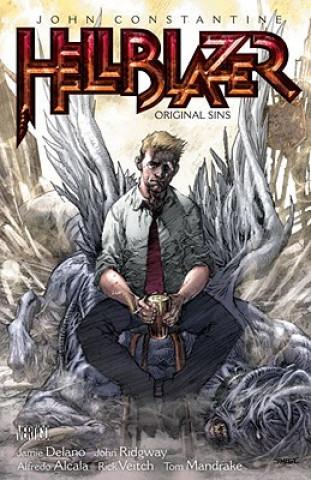
The very first Hellblazer collection Original Sins is available in a new edition that includes John Constantine s appearances in Swamp Thing. This is the first of a series of new Hellblazer editions starring Vertigo s longest running antihero, John Constantine, England s chain-smoking, low-rent magus.This first collection is a loosely connected series of tales of John s early years where Constantine was at his best and at his worst, all at the same time.
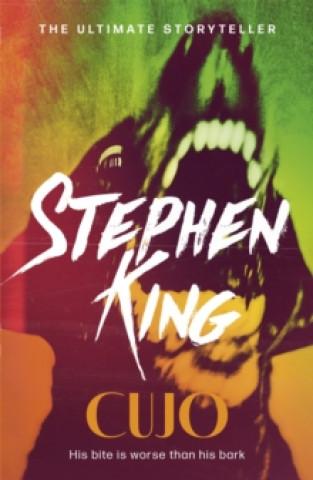
Once upon a time, not so long ago, a monster came to the small town of Castle Rock, Maine ...He was not a werewolf, vampire, ghoul, or unnameable creature from the enchanted forest or snow wastes; he was only a cop ...Cujo is a huge Saint Bernard dog, the best friend Brett Camber has ever had. Then one day Cujo chases a rabbit into a bolt-hole. Except it isn't a rabbit warren any more. It is a cave inhabited by rabid bats. And Cujo falls sick. Very sick. And the gentle giant who once protected the family becomes a vortex of horror inexorably drawing in all the people around him ...
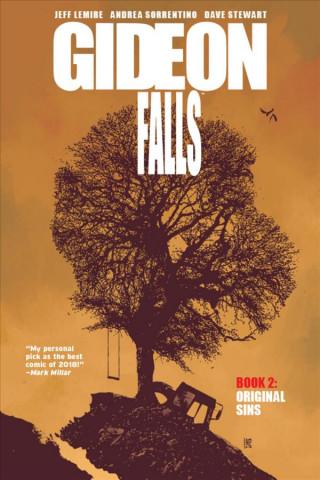
In the series that writer MARK MILLAR (HIT GIRL) called "the best comic of 2018", rural mystery and urban horror collide in the second volume of the runaway best-selling series by JEFF LEMIRE and ANDREA SORRENTINO, the acclaim
The most advanced scientific enterprise ever mounted, Sir John Franklin's 1845 expedition in search of the fabled North-West Passage had every expectation of triumph. And yet the real threat isn't from the constantly shifting, alien landscape, the flesh-numbing temperatures or being crushed by the unyielding, frozen ocean.