ATF õli T-IV (20L) ; BMW 8322 0402 413; BMW 8322 7542 290; FORD 1327936; FORD M2C924 A; FORD XT-8 QAW; GM 19 40 771; GM 1940774; LAND ROVER LR002748; OPEL 19 40 771; OPEL 19 40 774; OPEL 9986195; RENA
ATF õli (5L) (4,43 KG) ; BMW 8322 0402 413; BMW 8322 7542 290; DEXRON III; FIAT TYPO T-IV; FORD M2C924 A; FORD MERCON; HONDA ATF Z1; HYUNDAI SP-II; HYUNDAI SP-III; JASO M315 1A; KIA SP-II; KIA SP-III;
Specifications Main settings Brand Nous Special features 2 sockets, zigbee2mqtt support (works without cloud), power meter Compatibility Alexa and Google Assistant, Home Assistant Specifications Device dimensions 110*52*242mm Maximum load 3680W Operating temperature -20°C - 40°C Operating voltage range 100~240V AC 50HZ Level of moisture protection IP44 Working humidity 10%~90% Rated Current 16A(total) Network Communication standard 802.15.4 Protocol ZigBee 3.0 Control from a smartphone APP: NOUS Smart Home, Tuya smart life Compatibility with voice assistants Alexa and Google Assistant Frequency range: 2405 - 2480 MHz Max.Transmit Power 20dBm
Kaubamärk - Sluban. Artikkel- M38-B1130. Materjal - plastik. Osade arv komplektis- 196. Mänguasja hoiatus- Ei sobi alla 3 aastastele., Enne mänguasja lapsele andmist eemaldage kõik pakendid, kinnitusdetailid. Soovitatav on säilitada teave pakendil. Soovitatav kasutada täiskasvanu järelevalve all. Võib esineda väikseid või teravaid osi, mis võivad põhjustada lapse lämbumist või vigastamist. Soovitatav vanus alates 10. eluaastast.
Kaubamärk - Sluban. Artikkel- M38-B1158. Materjal - plastik. Osade arv komplektis- 264. Mänguasja hoiatus- Ei sobi alla 3 aastastele., Enne mänguasja lapsele andmist eemaldage kõik pakendid, kinnitusdetailid. Soovitatav on säilitada teave pakendil. Soovitatav kasutada täiskasvanu järelevalve all. Võib esineda väikseid või teravaid osi, mis võivad põhjustada lapse lämbumist või vigastamist. Soovitatav vanus alates 6. eluaastast.
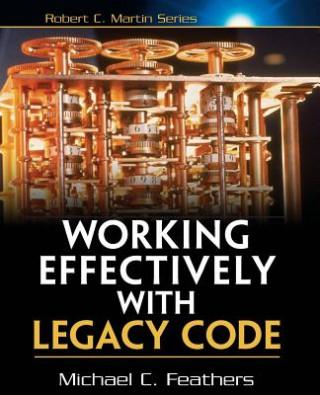
§Proven strategies for maintaining and optimizing legacy code to get the most out of your existing applications.§§Examples in C-sharp, C++, and Java, as well as strategies for better using the industry standard modeling language: UML 2.0 §Addresses the very concrete problems that programmers face working in the context of large untested code bases §Based on successful classes for Object Mentor, the author helps organizations maintain older systems rather than go to the cost of developing new ones This book provides programmers with the ability to cost effectively handle common legacy code problems without having to go through the hugely expensive task of rewriting all existing code. It describes a series of practical strategies that developers can employ to bring their existing software applications under control. The author provides useful guidance about how to use these strategies when refactoring or making functional changes to code bases. One of the book's key points is that it teaches developers to write tests that can be used to make sure they are not unintentionally changing the application as they optimize it. Examples are provided in Java, C++, and Csharp, and the book assumes that the reader has some knowledge of UML notation. Strategies using UML and code in C++ and Java primarily while language independent advice will be delivered in side bars and appendices for language specific users.
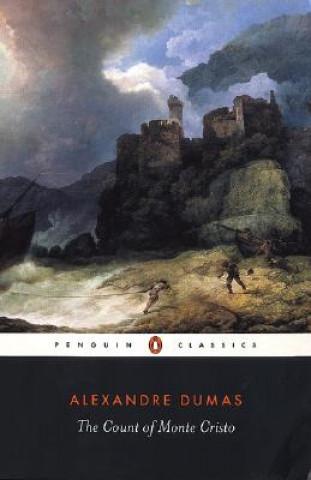
Alexandre Dumas' epic tale of suffering and revenge inspired by a real-life case of wrongful imprisonment, the "Penguin Classics" edition of "The Count of Monte Cristo" is translated with an introduction by Robin Buss. Thrown in prison for a crime he has not committed Edmond Dantes spends fourteen bitter years imprisoned in the grim fortress of If. There he learns of a great hoard of treasure hidden on the Isle of Monte Cristo and becomes determined not only to escape, but also to unearth the treasure and use it to plot the destruction of the three men responsive for his incarceration. No longer the naive sailor who disappeared into the dungeon all those years ago, he reinvents himself as the charming, mysterious and powerful Count of Monte Cristo. A huge popular success when it was first serialized in the 1840s, "The Count of Monte Cristo" has been a fixture of western literature ever since, and the subject of countless film and TV adaptations. Robin Buss' lively translation is complete and unabridged, and remains faithful to the style of Dumas' original. This edition also includes an introduction, explanatory notes, a new chronology and updated suggestions for further reading.Alexandre Dumas (1802-70) was a pioneer of Romantic theatre in France, but in 1839 he turned his attention to writing the novels for which he is best known today, pften using collaborators such as Auguste Maquet to suggest plots or historical background. His most famous works include "The Three Musketeers" (1844), "The Count of Monte Cristo" (1844-5) and "The Man in the Iron Mask" (1847). If you enjoyed "The Count of Monte Cristo" you might enjoy Robert Louis Stevenson's "Kidnapped", also available in "Penguin Classics"."What makes The Count Of Monte Cristo such a superior story is that revenge is not the only emotion driving the plot ...it is an almost perfect story - also in the mix are love, friendship, jealousy, faith, education, snobbery and class". ("Sunday Express")."The greatest of escape stories". ("Guardian").
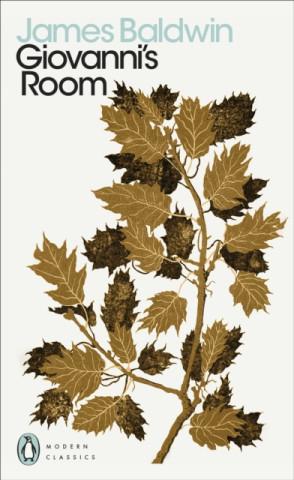
When David meets the sensual Giovanni in a bohemian bar, he is swept into a passionate love affair. But his girlfriend's return to Paris destroys everything. Unable to admit to the truth, David pretends the liaison never happened - while Giovanni's life descends into tragedy.United by the theme of love, the writings in the Great Loves series span over two thousand years and vastly different worlds. Readers will be introduced to love's endlessly fascinating possibilities and extremities: romantic love, platonic love, erotic love, gay love, virginal love, adulterous love, parental love, filial love, nostalgic love, unrequited love, illicit love, not to mention lost love, twisted and obsessional love...
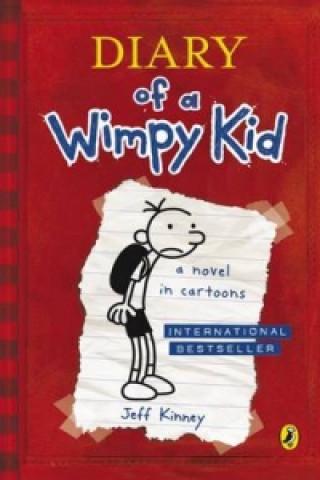
Greg Heffley finds himself thrust into a new year and a new school where undersize weaklings share the corridors with kids who are taller, meaner and already shaving. Desperate to prove his new found maturity, which only going up a grade can bring, Greg is happy to have his not-quite-so-cool sidekick, Rowley, along for the ride. But when Rowley's star starts to rise, Greg tries to use his best friend's popularity to his own advantage.Recorded in his diary with comic pictures and his very own words, this test of Greg and Rowley's friendship unfolds with hilarious results.
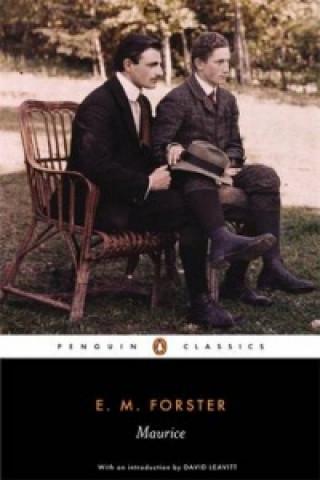
Set in the elegant Edwardian world of Cambridge undergraduate life, this story by a master novelist introduces us to Maurice Hall when he is fourteen. We follow him through public school and Cambridge, and into his father's firm. In a highly structured society, Maurice is a conventional young man in almost every way - except that he is homosexual.Written during 1913 and 1914, immediately after Howards End, and not published until 1971, Maurice was ahead of its time in its theme and in its affirmation that love between men can be happy. "Happiness," Forster wrote, "is its keynote.…In Maurice I tried to create a character who was completely unlike myself or what I supposed myself to be: someone handsome, healthy, bodily attractive, mentally torpid, not a bad businessman and rather a snob. Into this mixture I dropped an ingredient that puzzles him, wakes him up, torments him and finally saves him."
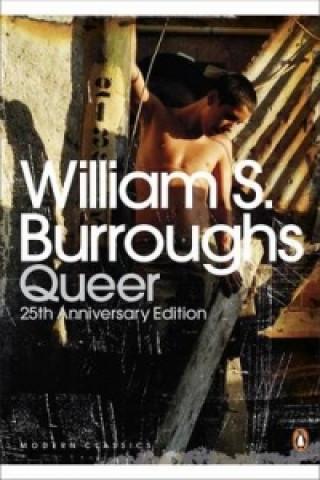
Originally written in 1952 but not published till 1985, "Queer" is an enigma - both an unflinching autobiographical self-portrait and a coruscatingly political novel, Burroughs' only realist love story and a montage of comic-grotesque fantasies that paved the way for his masterpiece, "Naked Lunch". Set in Mexico City during the early fifties, "Queer" follows William Lee's hopeless pursuit of desire from bar to bar in the American expatriate scene. As Lee breaks down, the trademark Burroughsian voice emerges; a maniacal mix of self-lacerating humor and the Ugly American at his ugliest. A haunting tale of possession and exorcism, "Queer" is also a novel with a history of secrets, as this new edition reveals.
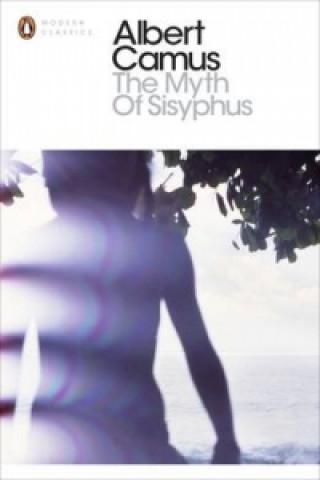
The summation of the existentialist philosophy threaded throughout all his writing, Albert Camus' "The Myth of Sisyphus" is translated by Justin O'Brien with an introduction by James Wood in "Penguin Classics". In this profound and moving philosophical statement, Camus poses the fundamental question: is life worth living? If human existence holds no significance, what can keep us from suicide? As Camus argues, if there is no God to give meaning to our lives, humans must take on that purpose themselves. This is our 'absurd' task, like Sisyphus forever rolling his rock up a hill, as the inevitability of death constantly overshadows us. Written during the bleakest days of the Second World War, "The Myth of Sisyphus" ("Le Mythe de Sisyphe") argues for an acceptance of reality that encompasses revolt, passion and, above all, liberty. This volume contains several other essays, including lyrical evocations of the sunlit cities of Algiers and Oran, the settings of his great novels "The Outsider" and "The Plague". Albert Camus (1913-60) is the author of a number of best-selling and highly influential works, all of which are published by Penguin.They include "The Fall", "The Outsider" and "The First Man". Awarded the Nobel Prize for Literature in 1957, Camus is remembered as one of the few writers to have shaped the intellectual climate of post-war France, but beyond that, his fame has been international. If you enjoyed "The Myth of Sisyphus", you might like Camus' "The Outsider", also available in "Penguin Modern Classics". "Camus could never cease to be one of the principal forces in our domain, nor to represent, in his own way, the history of France and of this century". (Jean-Paul Sartre).
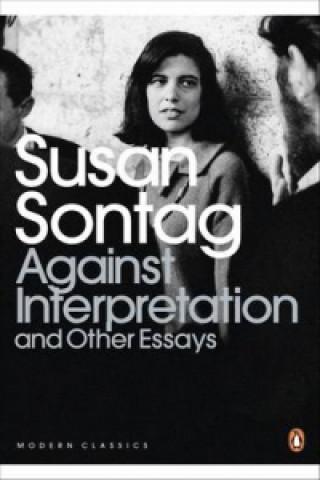
"Against Interpretation" was Susan Sontag's first collection of essays and is a modern classic. Originally published in 1966, it has never gone out of print and has influenced generations of readers all over the world. It includes some of Sontag's best-known works, among them "On Style", "Notes on 'Camp", and the titular essay "Against Interpretation", where Sontag argues that modern cultural conditions have given way to a new critical approach to aesthetics.
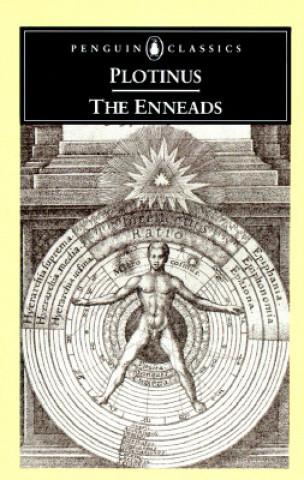
Regarded as the founder of Neo-Platonism, Plotinus (AD 204 70) was the last great philosopher of antiquity, producing 0works that proved in many ways a precursor to Renaissance thought. Plotinus was convinced of the existence of a state of supreme perfection and argued powerfully that it was necessary to guide the human soul towards this state. Here he outlines his compelling belief in three increasingly perfect levels of existence the Soul, the Intellect, and the One and explains his conviction that humanity must strive to draw the soul towards spiritual transcendence. A fusion of Platonism, mystic passion and Aristotelian thought, The Enneads offers a highly original synthesis of early philosophical and religious beliefs, which powerfully influenced later Christian and Islamic theology.
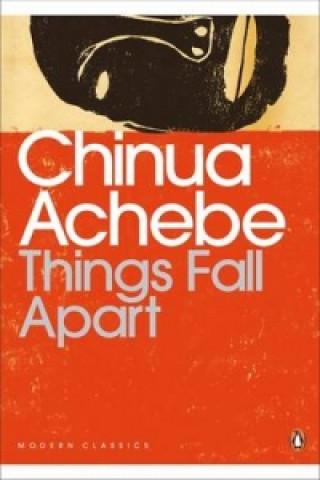
Okonowo is the greatest warrior alive. His fame has spread like a bushfire in West Africa and he is one of the most powerful men of his clan. But he also has a fiery temper. Determined not to be like his father, he refuses to show weakness to anyone - even if the only way he can master his feelings is with his fists. When outsiders threaten the traditions of his clan, Okonowo takes violent action.Will the great man's dangerous pride eventually destroy him?
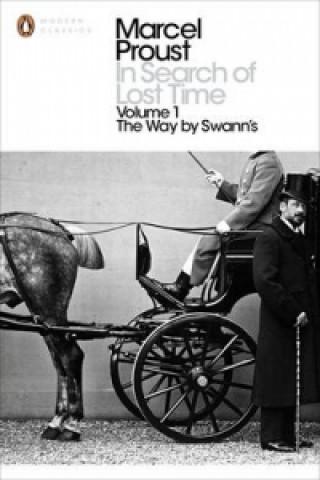
Since the original prewar translation, there has been no completely new rendering of the French original into English. This translation brings to the fore a more sharply engaged, comic and lucid Proust. "In Search of Lost Time" is one of the greatest, most entertaining reading experiences in any language. As the great story unfolds from its magical opening scenes to its devastating end, it is the Penguin Proust that makes Proust accessible to a new generation. Each volume is translated by a different, superb translator working under the general editorship of Professor Christopher Prendergast, University of Cambridge.
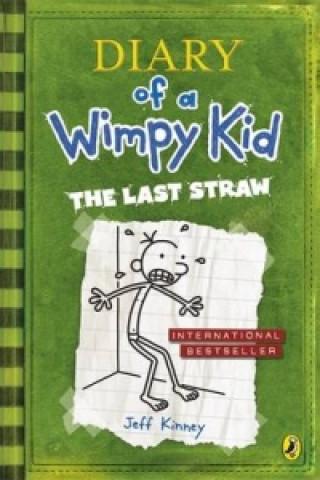
"The Last Straw" is the rib-tickling, belly-aching and laugh-out-loud third title in the bestselling and award-winning "Diary of a Wimpy Kid" series by Jeff Kinney. Perfect for both boys and girls of 8+, reluctant readers and all the millions of devoted Wimpy Kid fans out there. "The Last Straw" was also combined with "Dog Days", the fourth book in the series, to become the major movie hit at the box-office "Diary of a Wimpy Kid: Dog Days". The third hilarious book in the bestselling phenomenon that is the "Diary of a Wimpy Kid" series. You know how you're supposed to come up with a list of "resolutions" at the beginning of the year to try to make yourself a better person? Well, the problem is, it's not easy for me to think of ways to improve myself, because I'm pretty much one of the best people I know. But Greg's dad has other ideas. He wants Greg to change his wimpy ways, toughen up and enlist in other 'manly' endeavours. And when he threatens to send Greg to military academy, Greg realizes he has to shape up...or get shipped out. Praise for Jeff Kinney and the "Diary of a Wimpy Kid" series: "The world has gone crazy for Jeff Kinney's "Diary of a Wimpy Kid" series". ("Sun")."Kinney is right up there with J K Rowling as one of the bestselling children's authors on the planet". ("Independent"). "Hilarious!". ("Sunday Telegraph"). "The most hotly anticipated children's book of the year is here - "Diary of a Wimpy Kid". ("The Big Issue"). As well as being an international bestselling author, Jeff Kinney is also an online developer and designer. He is the creator of the children's virtual world, poptropica where you can also find the Wimpy Kid boardwalk. He was named one of "Time" magazine's 100 Most Influential People in 2009. He lives with his family in Massachusetts, USA.
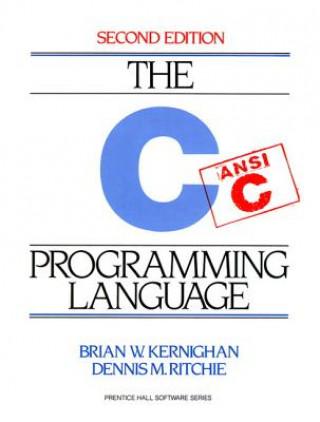
This book is meant to help the reader learn how to program in C. It is the definitive reference guide, now in a second edition. Although the first edition was written in 1978, it continues to be a worldwide best-seller. This second edition brings the classic original up to date to include the ANSI standard. From the Preface: We have tried to retain the brevity of the first edition. C is not a big language, and it is not well served by a big book. We have improved the exposition of critical features, such as pointers, that are central to C programming. We have refined the original examples, and have added new examples in several chapters. For instance, the treatment of complicated declarations is augmented by programs that convert declarations into words and vice versa. As before, all examples have been tested directly from the text, which is in machine-readable form. As we said in the first preface to the first edition, C "wears well as one's experience with it grows." With a decade more experience, we still feel that way. We hope that this book will help you to learn C and use it well.