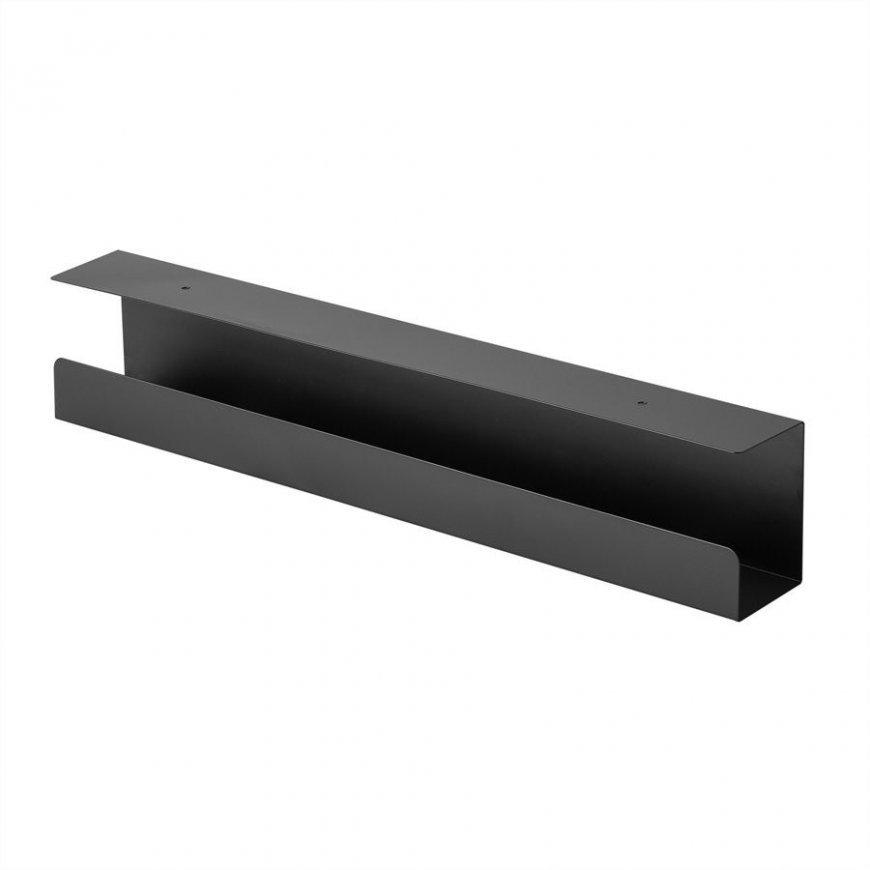
• The ultimate device organizer for monitor arm users — perfect for online meetings and live-streaming • Support front and back installation, as well as the flexibility to choose the installation height • Cameras, microphones, spotlights, webcams, can be fixed on a shelf, saving the trouble of buying multiple brackets! • Forward or Backward Orientation: increased flexibility when mounting devices • Space-Saving Design: free up and gain additional desktop work space • Multiple Slots: for cameras, webcams, microphones, lighting and more • Height Adjustment: satisfies user’s different preference
• 360° Swivel functionality for easy handling • Suitable next to desktops, multimedia systems, etc • For an organized desktop/office • Clamp-On power strip holder • Clamps onto surfaces up to 59 mm thickness • Width adjustment range of the kept devices: min. 40mm - max. 70mm • Silicone pads prevent the mounted device from scratching and accidental dropping (e.g. secure hold of power strip...) • Cable management
Suurepärane haarduvus nii märjal kui ka kuival teel. Kõigeks valmis. Hea haarduvus kuiva ilmaga Suurepärased pidurdamisomadused ja juhitavus märja ilmaga Sobib elektrisõidukitele Suurepärased haardeomadused kuival teel Rehvi kontaktpind kohaneb sõidustiiliga ja teeoludega, et parandada jõudlust kuival teel. 'Wet braking pro' tehnoloogia Uus vaik võimaldab rehvil olla teega rohkem mikrokontaktis, mille tulemuseks on parem pidurdamine märjal teel. Elektrisõiduki valmidus Madalamad müraemissioonid ja vähendatud veeretakistus muudavad rehvi ideaalselt sobivaks elektrisõidukitele.
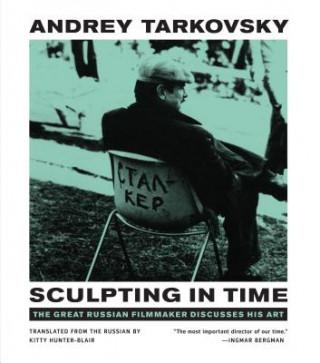
Andrey Tarkovsky, the genius of modern Russian cinema - hailed by Ingmar Bergman as "the most important director of our time" - died an exile in Paris in December 1986. In Sculpting in Time, he has left his artistic testament, a remarkable revelation of both his life and work.Since Ivan's Childhood won the Golden Lion at the Venice Film Festival in 1962, the visionary quality and totally original and haunting imagery of Tarkovsky's films have captivated serious movie audiences all over the world, who see in his work a continuation of the great literary traditions of nineteenth-century Russia.Many critics have tried to interpret his intensely personal vision, but he himself always remained inaccessible. In Sculpting in Time, Tarkovsky sets down his thoughts and his memories, revealing for the first time the original inspirations for his extraordinary films - Ivan's Childhood, Andrey Rublyov, Solaris, The Mirror, Stalker, Nostalgia, and The Sacrifice.He discusses their history and his methods of work, he explores the many problems of visual creativity, and he sets forth the deeply autobiographical content of part of his oeuvre - most fascinatingly in The Mirror and Nostalgia.The closing chapter on The Sacrifice, dictated in the last weeks of Tarkovsky's life, makes the book essential reading for those who already know or who are just discovering his magnificent work.
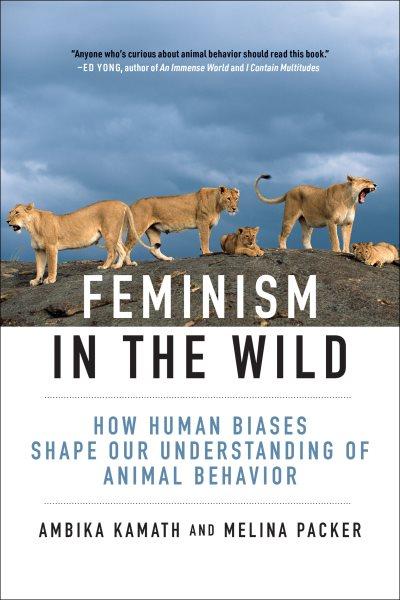
"Reveals how systems of power and oppression are embedded in the science of animal behavior, and explores how we can move towards better scientific understanding"-- How dominant culturefrom sexism and homophobia to racism, capitalism, ableism, and morehas limited the science of animal behavior, and how we can free ourselves from these limited perspectives.In Feminism in the Wild, Ambika Kamath and Melina Packer reveal how scientists studying animal behavior have long projected human norms and values onto animals while seeking to understand them. When scientific studies conclude that these norms and values are natural in animals, it makes it easier to think of them as natural in humans too. And because scientists, historically and to this day, largely belong to elite, powerful segments of society, the norms and values embedded into animal behavior science match those of the already powerful. How can animal behavior science escape this trap of naturalizing dominant culture?Drawing from decades of feminist, antiracist, queer, disability justice, and Marxist contributionsincluding those of biologistsKamath and Packer break down persistent assumptions in the status quo of animal behavior science and offer a multitude of alternative approaches. Core concepts in animal behavior science and evolutionary biologyfrom sex categories and sexual selection to fitness, adaptation, biological determinism and moreare carefully contextualized and critically reexamined. This unique collaboration between an animal behavior scientist and a feminist science studies scholar is an illuminating and hopeful read for anyone who is curious about how animals behave, and anyone who wants to break free from scientific approaches that perpetuate systems of oppression. Autorid: Ambika Kamath, Melina Packer