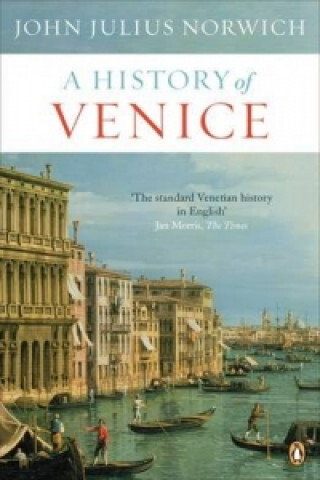
Renowned historian, and author of "A Short History of Byzantium", John Julius Norwich's classic history of Venice "A History of Venice" tells the story of this most remarkable of cities from its founding in the fifth century, through its unrivalled status for over a thousand years as one of the world's busiest and most powerful city states, until its fall at the hands of Napoleon in 1797. Rich in fascinating historical detail, populated by extraordinary characters and packed with a wealth of incident and intrigue, this is a brilliant testament to a great city - and a great and gripping read. "Norwich has loved and understood Venice as well as any other Englishman has ever done." ("Sunday Times"). "Will become the standard English work of Venetian history." ("Financial Times"). "The standard Venetian history in English." ("The Times"). "Norwich has the gift of historical perspective, as well as clarity and wit. Few can tell a good story better than he." ("Spectator" John Julius Norwich was born in 1929).He was educated at Upper Canada College, Toronto, at Eton, at the University of Strasbourg and, after a spell of National Service in the Navy, at New College, Oxford, where he took a degree in French and Russian. In 1952 he joined the Foreign Service, where he remained for twelve years, serving at the embassies in Belgrade and Beirut. In 1964 he resigned from the service to write. He is the author of histories of Norman Sicily, the Republic of Venice and the Byzantine Empire. He has written and presented some thirty historical documentaries on television, and is a regular lecturer on Venice and numerous other subjects.
George Dyson's fascinating account of the early years of computers: "Turing's Cathedral" is the story behind how the PC, ipod, smartphone and almost every aspect of modern life came into being. In 1945 a small group of brilliant engineers and mathematicians gathered at the Institute for Advanced Study in Princeton, determined to build a computer that would make Alan Turing's theory of a 'universal machine' reality. Led by the polymath emigre John von Neumann, they created the numerical framework that underpins almost all modern computing - and ensured that the world would never be the same again. George Dyson is a historian of technology whose interests include the development (and redevelopment) of the Aleut kayak. He is the author of "Baidarka"; "Project Orion"; and "Darwin Among the Machines". "Unusual, wonderful, visionary". (Francis Spufford, "Guardian"). "Fascinating...the story Dyson tells is intensely human...a gripping account of ideas and invention. Fascinating...the story Dyson tells is intensely human...a gripping account of ideas and invention." ("Jenny Uglow"). "Glorious...as much a story of the personalities involved as of the discoveries they made, and you do not need any knowledge of computers or mathematics to enjoy the ride...a ripping yarn". (John Gribbin, "Literary Review").
A record-breaking bestseller and multiple literary prize-winner, The Whisperer came from nowhere to become an astonishing Italian publishing phenomenon
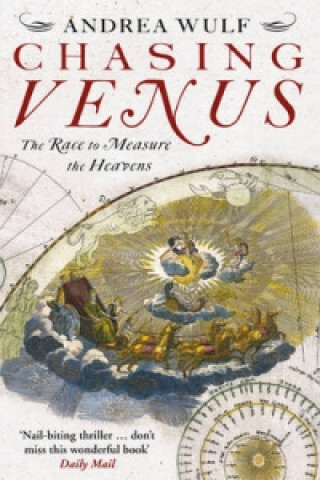
On two days in 1761 and 1769 hundreds of astronomers pointed their telescopes towards the skies to observe a rare astronomical event: the transit of Venus across the face of the sun. United by this momentous occasion, scientists from around the globe came together to answer the essential question: how can the universe be measured? In "Chasing Venus" Andrea Wulf paints a vivid portrait of the rivalries, triumphs and misfortunes that befell these men, along with their passion and determination to succeed. This extraordinary book tells their story and how one single event prompted the first international scientific collaboration.
A virtuoso study of the fragmentary and often contradictory traces that al-Hasan al-Wazzan left behind him. Also known as Leo Africanus, al-Wazzan was captured by Christian pirates, imprisoned by the Pope and released to live a life of European scholarship in the 15th and 16th centuries.
Ein Kalb wird bei lebendigem Leib verbrannt, und sechs brennende Schwäne fliegen über den Marebo-See. Frauen verschwinden, eine Amerikanerin wird in der Kirche erdrosselt, und ein Lastwagen voll Dynamit lässt den Dom von Lund in Flammen aufgehen.§Linda ist Polizeianwärterin in Ystad und darf Kurt Wallander bei seinen Ermittlungen zunächst nur als Tochter begleiten. Dann aber wird sie persönlich in den Fall hineingezogen: Ihre Freundin Anna ist spurlos verschwunden, kurz nach einer rätselhaften Begegnung mit ihrem Vater, der seit Jahren verschollen war. Linda macht sich auf die Suche nach der Freundin und beginnt, auf eigene Faust zu ermitteln. Und sie verliebt sich: in Stefan Lindman, der als Kriminalbeamter von Boras nach Ystad gewechselt ist. Der Konflikt mit dem Vater ist vorprogrammiert. Furchtlos begibt Linda sich in Gefahr, um ihre Freundin zu retten. Wird sie, die gleich bei ihrem ersten Fall alles wagt, mit heiler Haut davonkommen?
A cranky neighbor puts Lyle in the zoo but experiences a change of heart when the crocodile saves him from a fire. "Lyle is as lovable as ever and the story and colored pictures as nonsensical." -- Booklist
Living with people who differ - racially, ethnically, religiously or economically - is one of the most urgent challenges facing civil society today. "Together" argues that co-operation needs more than good will: it is a craft that requires skill. In modern society traditional bonds are waning, and we must develop new forms of secular, civic ritual that make us more skilful in living with others. From Medieval guilds to today's social networks, Richard Sennett's visionary book explores the nature of co-operation, why it has become weak and how it can be strengthened.
In the Deep South of the 1950s, journalist John Howard Griffin decided to cross the color line. Using medication that darkened his skin to deep brown, he exchanged his privileged life as a Southern white man for the disenfranchised world of an unemployed black man. His audacious, still chillingly relevant eyewitness history is a work about race and humanity-that in this new millennium still has something important to say to every American.
Dynamic Yale professor rewrites the rules of persuasion in this breakthrough pop psych book - think Dale Carnegie for do-gooders or Quiet meets Robert Cialdini 's InfluenceGet what you want without compromising who you are- the new rules of persuasion to influence others for goodWe're all nice. In fact, we're told we're too nice and we have to change to succeed- 'Play the game!'; 'Beat them down!'; 'Toughen up!'. Do we have to choose between betraying our own values and being left behind without a voice? Absolutely not.We can naturally be persuasive and successful every day without making enemies of ourselves or other people. Influence is a science and renowned Yale professor Zoe Chance will help you master it in this fascinating book. Drawing on the latest behavioural research, entertaining real-life stories and the skills she teaches on her sell-out Yale University MBA course, Zoe Chance unpacks what influence is and how we are persuaded before setting out a series of powerful skills you can adopt to master the art of persuasion and influence.Her techniques include the Magic Question, Powerful Listening, the What Would It Take Question and Building Support. She also looks at how to use influence for maximum positive impact in the world - and how to defend yourself against the 'dark arts' of persuasion by other less scrupulous individuals or institutions. Bold, entertaining and efficacious, this indispensable book is a call to action for all the nice people in the world wanting to practice influence without resorting to manipulation, bullying or corruption to create a brighter more positive future.
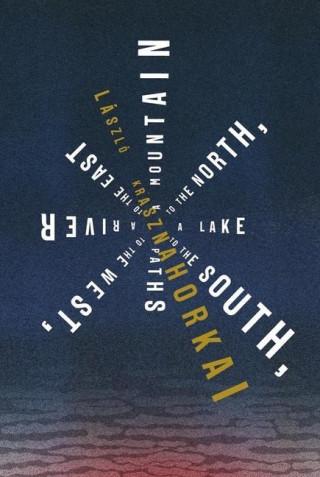
The grandson of Prince Genji lives outside of space and time and wanders the grounds of an old monastery in Kyoto. The monastery, too, is timeless: a place of prayer and deliverance, with barely a trace of any human presence. The wanderer is searching for a garden that has long captivated him: "he continually saw the garden in his mind's eye without being able to touch its existence."This exquisitely beautiful novel by National Book Award-winner Laszlo Krasznahorkai-perhaps his most serene and poetic work-describes a search for the unobtainable and the riches to be discovered along the way. Despite the difficulties in finding the garden, the reader is closely introduced to the construction processes of the monastery (described in poetic detail) as well as the geological and biological processes of the surrounding area (the underground layers revealed beneath a bed of moss, the travels of cypress-tree seeds on the wind, feral foxes and stray dogs meandering outside the monastery's walls), making this an unforgettable meditation on nature, life, history, and being.
A BOOK OF THE YEAR IN DAZED, DEBUTIFUL AND THE INDEPENDENT | LONGLISTED FOR THE 2025 DYLAN THOMAS PRIZE FOR FICTION'A masterpiece' Slavoj Zizek | 'A filthy, elegant book' Raven Leilani | 'Glamorous and sordid' Elif Batuman'Chipping away at Western hegemony one scalped it-bag at a time' New York TimesA bold and unabashed novel about a young Palestinian woman's unraveling as she teaches at a New York City middle school, gets caught up in a scheme reselling Birkin bags, and strives to gain control over her body and mind. The Coin's narrator is a wealthy Palestinian woman with impeccable style and meticulous hygiene. And yet the ideal self, the ideal life, remains just out of reach: her inheritance is inaccessible, her homeland exists only in her memory and her attempt to thrive in America seems doomed from the start.In New York, she strives to put down roots. She teaches at a school for underprivileged boys, where her eccentric methods cross boundaries. She befriends a homeless swindler, and the two participate in a pyramid scheme reselling Birkin bags.But America is stifling her - her wilfulness, her sexuality, her principles. In an attempt to regain control, she becomes preoccupied with purity, cleanliness and self-image, all while drawing her students into her obsessions. In an unforgettable denouement, her childhood memories converge with her material and existential statelessness and the narrator unravels spectacularly.In enthralling, sensory prose, The Coin explores nature and civilisation, beauty and justice, class and belonging - all while resisting easy moralising. Provocative, wry and inviting, The Coin marks the arrival of a major new literary voice.
Written between August and December 1938, "Autumn Journal" is still considered one of the most valuable and moving testaments of living through the thirties by a young writer. It is a record of the author's emotional and intellectual experience during those months, the trivia of everyday living set against the events of the world outside, the settlement in Munich and slow defeat in Spain.
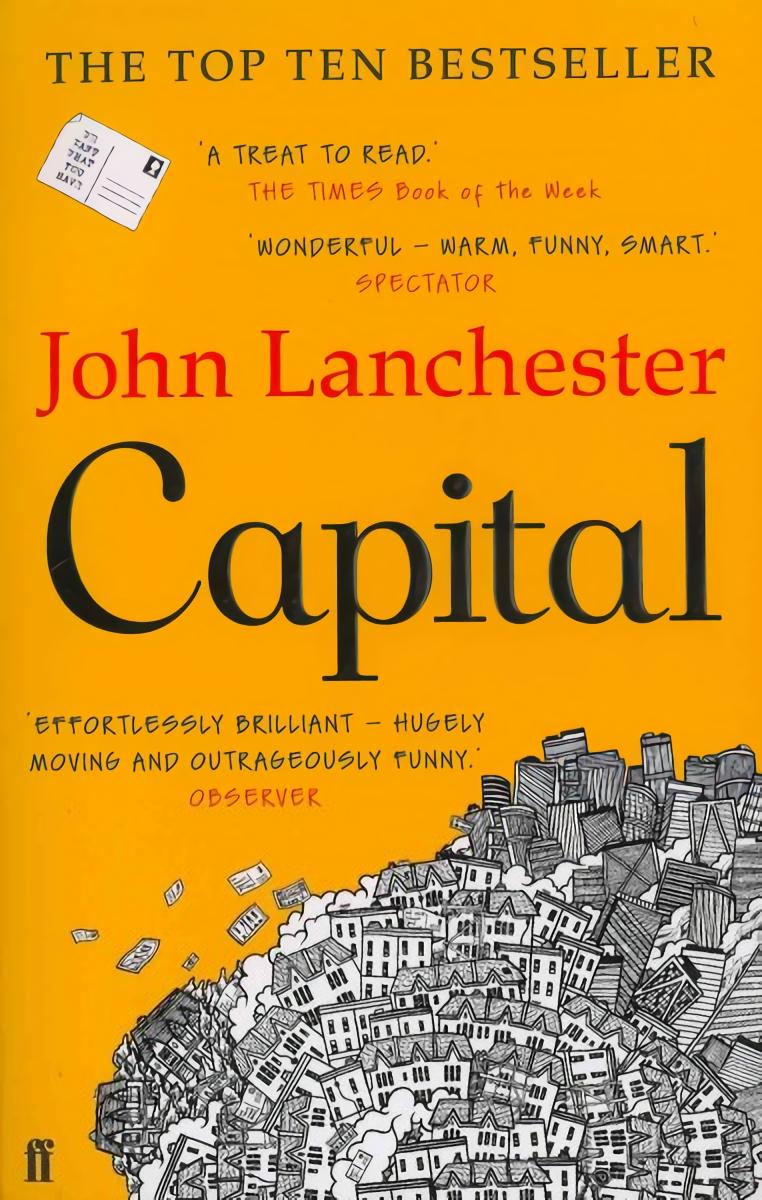
THE TOP TEN BESTSELLER, NOW AN AWARD-WINNING NETFLIX HIT 'Effortlessly brilliant . . . hugely moving and outrageously funny.' Observer 'A treat to read.' The Times 'The great London novel of the twenty-first century.' New Statesman 'Brimming with perception, humane empathy and relish . . . a capital achievement.' Sunday Times The award-winning adaptation of Capital is now available on Netflix: a moving, funny, and keenly insightful story of London on the brink of the financial crisis. The residents of Pepys Road, London - a banker and his shopaholic wife, an elderly woman dying of a brain tumour, the Pakistani family who run the local shop, the young football star from Senegal and his minder - all receive anonymous postcards with a simple message: We Want What You Have. Who is behind it? What do they want? As the mystery of the postcards deepens, the world around them is turned upside down by the financial crash. A state-of-the-nation novel told with compassion, humour and unflinching truth, Capital tracks a year in the life of the Pepys Road residents as their lives are changed beyond recognition. John Lanchester's book Capital was a Sunday TImes bestseller w/c 19-02-2012
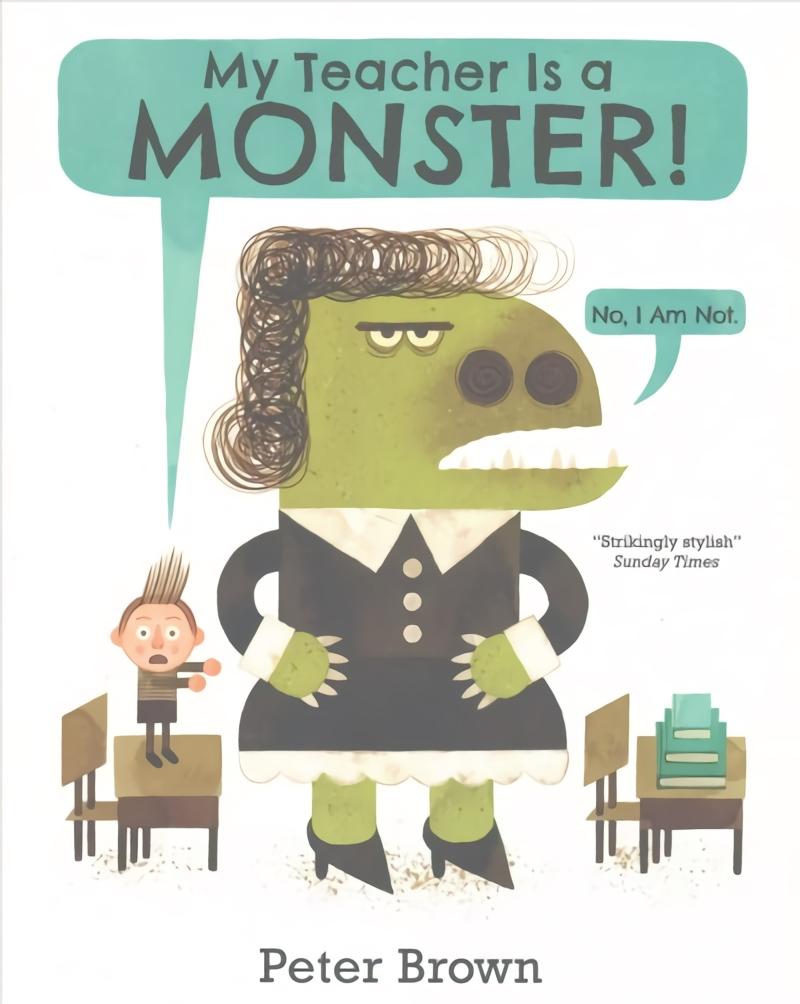
Bobby has a problem at school. It's his teacher, Miss Kirby. She stomps, she roars, and she won't even let him throw paper aeroplanes in class... what a monster! One day the unthinkable happens when Bobby bumps into Miss Kirby outside school. However, he soon finds out there's more to her than meets the eye. This beautifully illustrated and brilliantly funny book from award-winning artist Peter Brown shows that monsters, and teachers, are not always as bad as they seem. Praise for Mr Tiger Goes Wild: "Utterly charming" - Metro "Funky, funny and beautiful... an irresistible addition to every wild child's bookshelf" - Times "Stylish and clever" - Bookseller "an inspired book that is exquisitely illustrated and can easily lead to a discussion about being yourself and acceptance." - Guardian "picture book of the year" - New Statesman "Children and adults alike will be entertained as they read this appealing and heartwarming book" - Scotsman From the creator of Mr Tiger Goes Wild and The Wild Robot, now a Netflix series. Autorid: Peter Brown
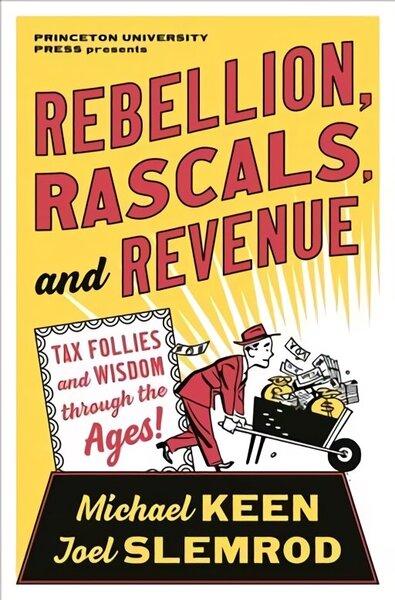
An engaging and enlightening account of taxation told through lively, dramatic, and sometimes ludicrous stories drawn from around the world and across the agesGovernments have always struggled to tax in ways that are effective and tolerably fair. Sometimes they fail grotesquely, as when, in 1898, the British ignited a rebellion in Sierra Leone by imposing a tax on hutsand, in repressing it, ended up burning the very huts they intended to tax. Sometimes they succeed astonishingly, as when, in eighteenth-century Britain, a cut in the tax on tea massively increased revenue. In this entertaining book, two leading authorities on taxation, Michael Keen and Joel Slemrod, provide a fascinating and informative tour through these and many other episodes in tax history, both preposterous and dramaticfrom the plundering described by Herodotus and an Incan tax payable in lice to the (misremembered) Boston Tea Party and the scandals of the Panama Papers. Along the way, readers meet a colorful cast of tax rascals, and even a few tax heroes.While it is hard to fathom the inspiration behind such taxes as one on ships that tended to make them sink, Keen and Slemrod show that yesterdays tax systems have more in common with ours than we may think. Georgian Englands window tax now seems quaint, but was an ingenious way of judging wealth unobtrusively. And Tsar Peter the Greats tax on beards aimed to induce the nobility to shave, much like todays carbon taxes aim to slow global warming.Rebellion, Rascals, and Revenue is a surprising and one-of-a-kind account of how history illuminates the perennial challenges and timeless principles of taxationand how the past holds clues to solving the tax problems of today. Autorid: Michael Keen, Joel Slemrod
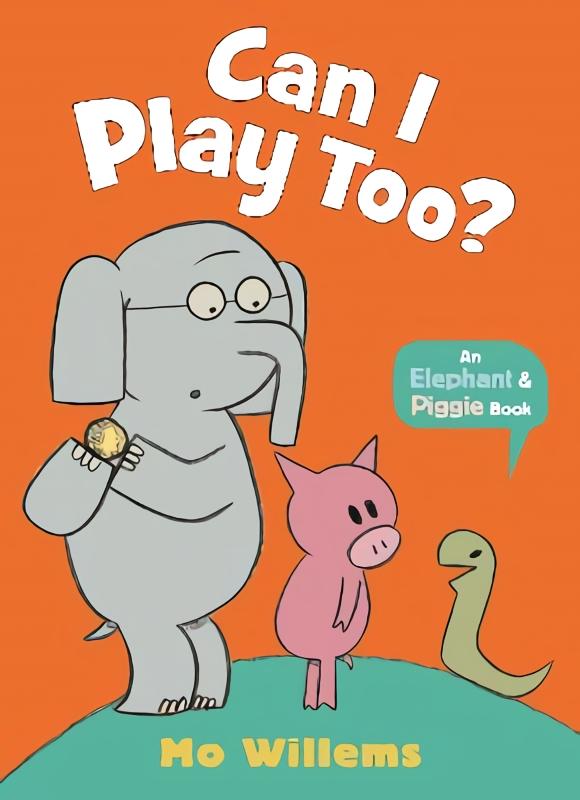
Perfect for children just learning to read, this highly original book is told entirely in speech bubbles with a repetitive use of familiar phrases. From the award-winning author of Don't Let the Pigeon Drive the Bus! Gerald is careful. Piggie is not. Piggie cannot help smiling. Gerald can. Gerald worries so that Piggie does not have to. Gerald and Piggie are best friends. In Can I Play Too? Gerald and Piggie meet a new friend, Snake, who wants to join in a game of catch. But don't you need arms to catch...? Mo Willems creates another hilarious escapade starring the award-winning duo that will have early readers breaking into laughter from the first page. Autorid: Mo Willems, Mo Willems
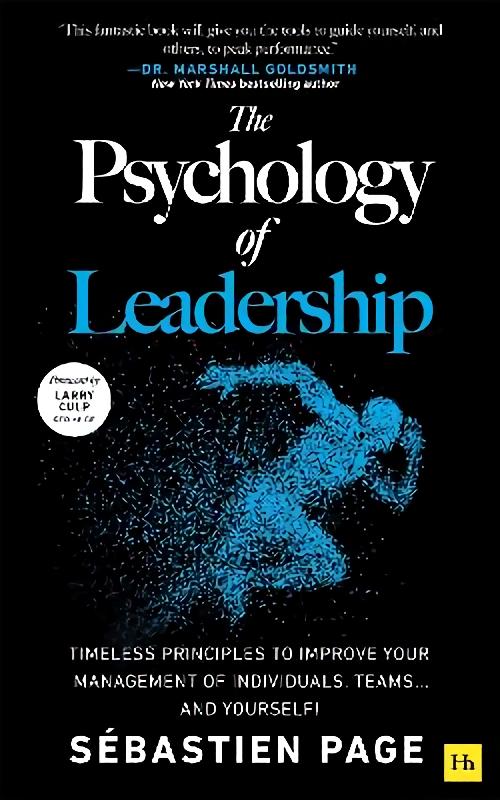
The Psychology of Leadership offers a revelatory fresh take on business leadership through the lens of groundbreaking research in positive, sports, and personality psychology. Witty, conversational, and personal, The Psychology of Leadership blends research, fascinating true stories, humor, and self-improvement advice to deliver simple yet powerful principles to master the mental game of leadership. Leaders will develop what feels like mind-reading abilities for interpreting workplace personalities, hidden motivations, and group dynamics. They will learn how to inspire their organization to move mountains, improve their ability to listen, communicate and, when necessary, persuade. Along the way they will dramatically improve their own mindset and resilience. EditBuild Autorid: Sébastien Page
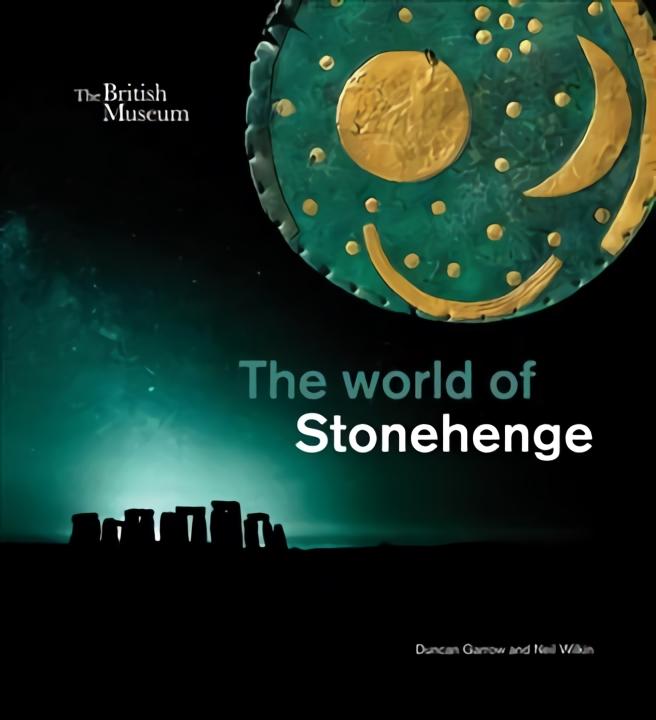
Stonehenge is one of the best known, but most misunderstood, monuments in the world. Contrary to common belief, it was not a static, unchanging structure built by shadowy figures or druids. Rather it represents the cumulative achievement of numerous generations who were woven into a complex and widespread network of cultural interactions, environmental change, and belief systems. This publication, which accompanies the first exhibition about Stonehenge ever staged in London, uses the monument as a gateway to explore the communities and civilizations active at the time of its construction and beyond, between 4,000 and 1,000 BCE.Recent archaeological findings regarding the origin of Stonehenges striking bluestones have re-ignited interest in this ancient wonder, the people who built it, and the beliefs they held. Through the iconic structure, spectacular objects of precious and exotic material and more humble, personal objects, authors Duncan Garrow and Neil Wilkin examine the dramatic cultural and societal shifts that characterized the world of Stonehenge, including the introduction of farming and development of metalworking.Covering a period of thousands of years, the publication traces the appearance of the first monuments in the landscape of Britain around 4,000 BCE, the arrival of the bluestones from the Preseli Hills in Pembrokeshire 1,000 years later, all the way up to a remarkable era of cross-Channel connectivity and trade between 1,500 and 800 BCE.Through a new study of the enigmatic and beautiful objects made and circulated during the age of Stonehenge, connections are charted in the shared religious practices and beliefs of communities from across Britain, Ireland, and continental Europe. The presence of other stone and wooden circles hundreds of miles from Salisbury Plain including Seahenge, discovered on a beach in Norfolk in 1998 is further evidence of these shared ways of thinking.At a critical moment in the narrative of Stonehenge, around 2,500 BCE, the significance of the cosmos and the heavens expressed through the construction of stone circles and megalithic passage tombs began to wane and portable objects gained increasing importance. This key transformation is demonstrated by a highlight object from Germany: the Nebra Sky Disc, a bronze disc inlaid with gold symbols believed to represent the Sun, a crescent moon and the Pleiades constellation. More modest items found in tombs, burials and settlements are no less important in shedding light on the development of ideas relating to identity, religious practices, and relationships between the living and dead.Monuments such as Stonehenge cannot be understood in isolation. Stonehenge was not always a static, monolithic structure: over generations it was adapted and added to by communities that changed and developed the landscape on which it still stands today. Stonehenge, a UNESCO World Heritage site, stands at the center of a rich archaeological landscape. Accompanying a groundbreaking exhibition at the British Museum, this publication charts the rise and fall of one of the worlds best known, but most misunderstood, monuments. Autorid: Duncan Garrow, Neil Wilkin
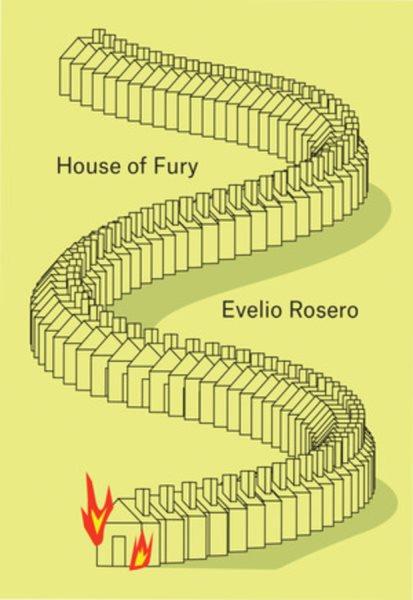
Taking place entirely on a single eveningFriday 10 April 1970in a large Bogotá mansion, House of Fury tells a hair-raising story. Nacho Caiciedo, a magistrate of the Supreme Court of Justice, lives with his wife Alma and their six grown daughters. The Caiciedos have planned an enormous celebration in their home. But before the party has even started, the family is shocked by two pieces of news: their teenage daughter Italia is pregnant, and Almas prodigal brother Jesús is expected at any moment. Guests from all levels of Bogotá society arrive, two earthquakes strike, and the party descends into debauchery; Nacho, out in the city streets, searching for Italia, is kidnapped by a ragtag militia, and its troops eventually invade the party and bring more chaos. House of Fury begins as a black comedy and unravels into a grim portent of the conflict that would rage across Colombia for fifty years. As in Roseros previous novels, House of Fury is an indelible, fantastical work that with its unforgettable characters and unflinching, poetic and humane voice, brings to light Colombias violent history. Autorid: Evelio Rosero, Victor Meadowcroft
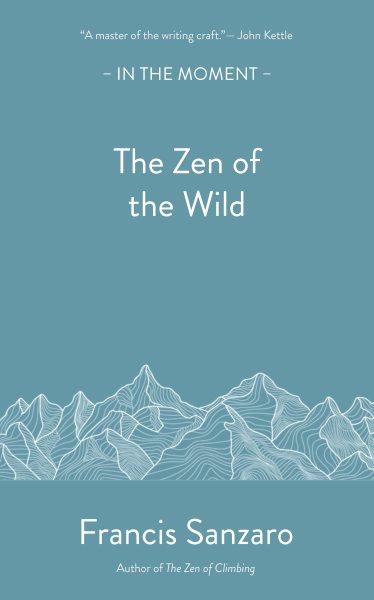
From the author of The Zen of Climbing and The Craft of Bouldering, a manifesto for a new approach to connecting meaningfully with the wildness around and within us.In recent years, we have woken up to the crucial role that nature plays in our well-being. As we live increasingly urbanized lives, we seek out wilderness and green space in times of hardship and turmoil, or simply during our leisure time. In the process of exploring and understanding more about the benefits of being in nature, many of us have taken up swimming, forest bathing, cycling, hiking and running in the open air. But when we spend this time in the wild are we really connected to it?Francis Sanzaro argues that we often obscure opportunities for real connection through our attachment to screens, our anxieties about our "everyday" lives, or simply through our egos. When we observe nature, we rarely do so without subconsciously filtering out the parts that don't fit into the perfect snapshot we crave.To foster a genuine connection with the natural world, and to better protect it, we must embrace its contradictions as well as the surface beauty. Through deeper engagement with our environment, we can discover the wild within ourselves, too. Autorid: Francis Sanzaro