Nobel Prize winner Werner Heisenberg's classic account explains the central ideas of the quantum revolution, and his celebrated Uncertainty Principle. Heisenberg reveals how words and concepts familiar in daily life can lose their meaning in the world of relativity and quantum physics. This in turn has profound philosophical implications for the nature of reality.
Andy Warhol kept these diaries faithfully from November 1976 right up to his final week, in February 1987.Written at the height of his fame and success, Warhol records the fun of an Academy Awards party, nights out at Studio 54, trips between London, Paris and New York, and surprisingly even the money he spent each day, down to the cent. With appearances from and references to everyone who was anyone, from Jim Morrison, Martina Navratilova and Calvin Klein to Shirley Bassey, Estee Lauder and Muhammad Ali, these diaries are the most glamorous, witty and revealing writings of the twentieth century.Edited with an Introduction by Pat Hackett
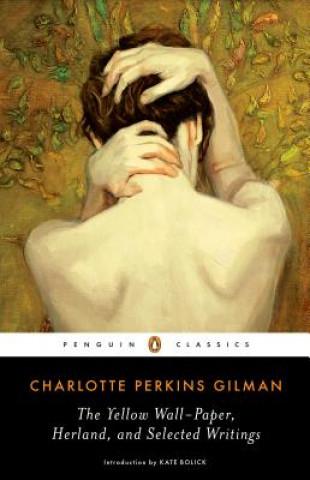
New to Penguin Classics, this is an American feminist masterpiece, with an introduction and notes by Denise D. Knight. Wonderfully sardonic and slyly humorous.
Throughout history, some books have changed the world. They have transformed the way we see ourselves and each other. They have inspired debate, dissent, war and revolution. They have enlightened, outraged, provoked and comforted. They have enriched lives and destroyed them. Now Penguin brings you the works of the great thinkers, pioneers, radicals and visionaries whose ideas shook civilization, and helped make us who we are. The Stoic writings of the philosopher Seneca offer powerful insights into the art of living, the importance of reason and morality, and continue to provide profound guidance to many through their eloquence, lucidity and timeless wisdom.
Nach seinen Bestsellern »Jetzt!« und »Leben im Jetzt« geht Eckhart Tolle mit seinem lange erwarteten neuen Buch einen Schritt weiter. »Eine neue Erde« beschäftigt sich mit dem geistig-seelischen Zustand der Menschheit. Tolle geht davon aus, dass der krankhafte Zustand des menschlichen Geistes zu einer kollektiven Fehlentwicklung geführt hat und wir vor einer gefährlichen Weggabelung stehen. Unsere bisherige Sicht der Welt funktioniert nicht mehr. Wenn wir sie nicht ändern, bewegen wir uns auf zunehmend gefährlichem Terrain mit dem Potenzial zur Selbstzerstörung. Für Tolle existiert jedoch eine Alternative zu diesem düsteren Zukunftsszenario: ein innerer Quantensprung, verbunden mit einem fundamentalen Wandel von unserem alten zu einem gänzlich neuen Bewusstsein. Eckhart Tolle ist davon überzeugt, dass wir am Anfang dieser Bewusstseins-Transformation stehen.
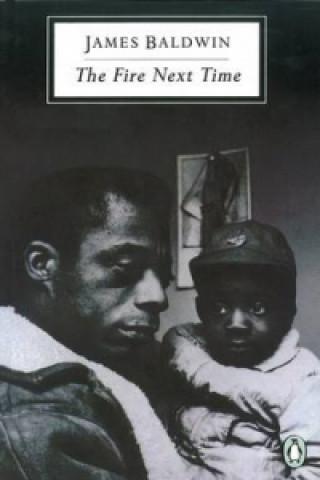
Since it was first published, this famous study of the Black Problem in America has become a classic. Powerful, haunting and prophetic, it sounds a clarion warning to the world.
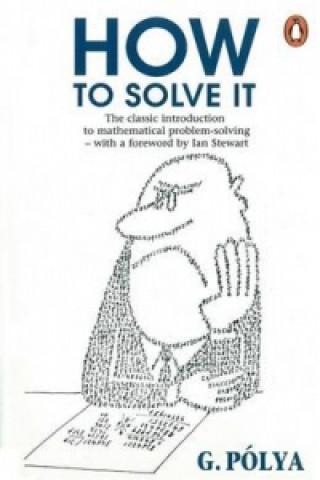
This title presents a demonstration of how the true mathematician learns to draw unexpected analogies, tackle problems from unusual angles and extract a little more information from the data. It is a collection of truly practical lessons.
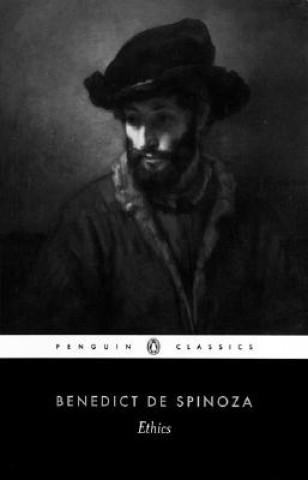
A profoundly beautiful and uniquely insightful description of the universe, Benedict de Spinoza's "Ethics" is one of the masterpieces of Enlightenment-era philosophy. This "Penguin Classics" edition is edited and translated from the Latin by Edwin Curley, with an introduction by Stuart Hampshire. Published shortly after his death, the "Ethics" is undoubtedly Spinoza's greatest work - an elegant, fully cohesive cosmology derived from first principles, providing a coherent picture of reality, and a guide to the meaning of an ethical life. Following a logical step-by-step format, it defines in turn the nature of God, the mind, the emotions, human bondage to the emotions, and the power of understanding - moving from a consideration of the eternal, to speculate upon humanity's place in the natural order, the nature of freedom and the path to attainable happiness. A powerful work of elegant simplicity, the "Ethics" is a brilliantly insightful consideration of the possibility of redemption through intense thought and philosophical reflection. "The Ethics" is presented in the standard translation of the work by Edwin Curley.This edition also includes an introduction by Stuart Hampshire, outlining Spinoza's philosophy and placing it in context. Baruch Spinoza (1632-77), later known as Benedict de Spinoza, was born in Amsterdam, where his orthodox Jewish family had fled from persecution in Portugal. "Ethics" was published in 1677 after his death, and his influence spread to the nineteenth century: inspiring the Romantic poets, winning the respect of Flaubert and Matthew Arnold, and moving George Eliot, who admired him as the enemy of superstition and the hero of scientific rationalism, to begin a translation of his works. If you enjoyed "Ethics", you might like Rene Descartes' "Meditations and Other Metaphysical Writings", also available in "Penguin Classics". "The noblest and most lovable of the great philosophers ...ethically he is supreme". (Bertrand Russell).
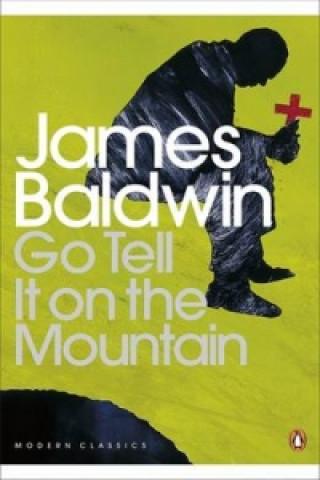
"Nothing but the darkness, and all around them destruction, and before them nothing but the fire - a bastard people, far from God, singing and crying in the wilderness!" First published in 1953, Baldwin's first novel is a short but intense, semi-autobiographical exploration of the troubled life of the Grimes family in Harlem during the Depression.
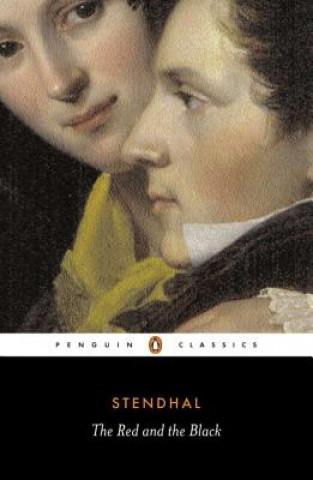
Gustave Flaubert's "Madame Bovary" is one of the most influential - and scandalous - novels of the nineteenth century. This "Penguin Classics" edition is translated with an introduction by Geoffrey Wall, with a preface by Michele Roberts. Emma Bovary is beautiful and bored, trapped in her marriage to a mediocre doctor and stifled by the banality of provincial life. An ardent reader of sentimental novels, she longs for passion and seeks escape in fantasies of high romance, in voracious spending and, eventually, in adultery. But even her affairs bring her disappointment and the consequences are devastating. Flaubert's erotically charged and psychologically acute portrayal of Emma Bovary caused a moral outcry on its publication in 1857. It was deemed so lifelike that many women claimed they were the model for his heroine; but Flaubert insisted: 'Madame Bovary, c'est moi.' Gustave Flaubert (1821-1880) was born in Rouen. After illness interrupted a career in law, he retired to live with his widowed mother and devote himself to writing."Madame Bovary" won instant acclaim upon book publication in 1857, but Flaubert's frank display of adultery in bourgeois France saw him go on trial for immorality, only narrowly escaping conviction. Both "Salammbo" (1862) and "The Sentimental Education" (1869) were poorly received, and Flaubert achieved limited success in his own lifetime - but his fame and reputation grew steadily after his death. If you enjoyed "Madame Bovary" you might also like Stendhal's "The Red and the Black", also available in "Penguin Classics". "Its beauty is enchanting and terrible". (A.S. Byatt, author of "Possession"). "An extraordinarily innovative work: its style was at once ironic and lyrical, detached and passionate, ambiguous and precise". (Kate Summerscale).
"Book of Longing" is Leonard Cohen's astonishing new collection of poems, the first since "Book of Mercy" was published nearly three decades ago. Leonard Cohen made his name as a poet before he came to worldwide attention as a singer and songwriter. "Book of Longing", his new collection of poetry, was twenty years in the making and written in Montreal, Mumbai and during his retirement in Mt Baldy. Enhanced by Cohen's own playful and provocative illustrations, these poems show the full range of one of the most influential and enigmatic writers of his generation. "Awe-inspiring...Cohen emerges as the wry, sensual mystic his champions have always known he was". ("Sunday Telegraph"). "Exceptional. Clear yet steamy, cosmic yet private, both playful and profound...as soulful a credo as he has ever put on paper". ("New York Times"). "Playful, colourful, erotic...brilliant and sharp as flint". ("Big Issue"). "Dazzling". ("Sunday Herald"). "The best bring an ironic, world-weary sensibility to bear on themes of ageing, sex, sensuality and spirituality". ("Financial Times"). "A fine book of poems". ("Time Out"). "Cohen maps this wasteland of the heart with humour, and sometimes anger".("Independent"). Cohen's career began in 1956 with the publication of "Let Us Compare Mythologies", and he has since published nine books of poems, and has made numerous internationally successful recordings. In a career spanning fifty years, Leonard Cohen has become one of the western world's most popular and innovative creative artists.
Anais Nin's second volume of erotic short stories is broader in scope, encompassing the entire breadth of human sensuality. Each of the 13 stories captures a moment of pure desire, in all its complexity and paradoxical simplicity.
Composed during a critical time in the evolution of European intellectual life, the works of Meister Eckhart (c. 1260-1327) are some of the most powerful medieval attempts to achieve a synthesis between ancient Greek thought and the Christian faith. Writing with great rhetorical brilliance, Eckhart combines the neoplatonic concept of oneness - the idea that the ultimate principle of the universe is single and undivided - with his Christian belief in the Trinity, and considers the struggle to describe a perfect God through the imperfect medium of language. Fusing philosophy and religion with vivid originality and metaphysical passion, these works have intrigued and inspired philosophers and theologians from Hegel to Heidegger and beyond.
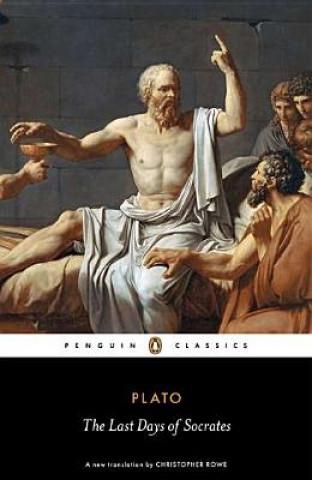
'Consider just this, and give your minds to this alone: whether or not what I say is just'. Plato's account of Socrates' trial and death (399 BC) is a significant moment in Classical literature and the life of Classical Athens. In these four dialogues, Plato develops the Socratic belief in responsibility for one's self and shows Socrates living and dying under his philosophy. In "Euthyphro", Socrates debates goodness outside the courthouse; "Apology" sees him in court, rebutting all charges of impiety; in "Crito", he refuses an entreaty to escape from prison; and in "Phaedo", Socrates faces his impending death with calmness and skillful discussion of immortality. Christopher Rowe's introduction to his powerful new translation examines the book's themes of identity and confrontation, and explores how its content is less historical fact than a promotion of Plato's Socratic philosophy.
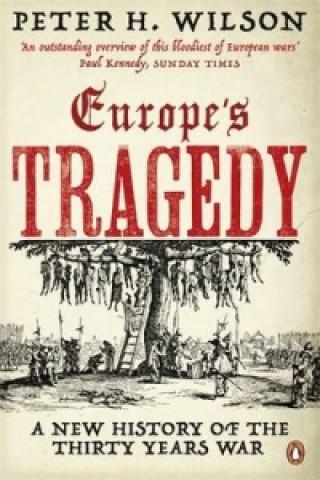
This title is the winner of the Society for Military History Distinguished Book Award 2011. The horrific series of conflicts known as the Thirty Years War (1618-48) tore the heart out of Europe, killing perhaps a quarter of all Germans and laying waste to whole areas of Central Europe to such a degree that many towns and regions never recovered. All the major European powers apart from Russia were heavily involved and, while each country started out with rational war aims, the fighting rapidly spiralled out of control, with great battles giving way to marauding bands of starving soldiers spreading plague and murder. The war was both a religious and a political one and it was this tangle of motives that made it impossible to stop. Whether motivated by idealism or cynicism, everyone drawn into the conflict was destroyed by it. At its end a recognizably modern Europe had been created but at a terrible price. Peter Wilson's book is a major work, the first new history of the war in a generation, and a fascinating, brilliantly written attempt to explain a compelling series of events.Wilson's great strength is in allowing the reader to understand the tragedy of mixed motives that allowed rulers to gamble their countries' future with such horrifying results. The principal actors in the drama (Wallenstein, Ferdinand II, Gustavus Adolphus, Richelieu) are all here, but so is the experience of the ordinary soldiers and civilians, desperately trying to stay alive under impossible circumstances.
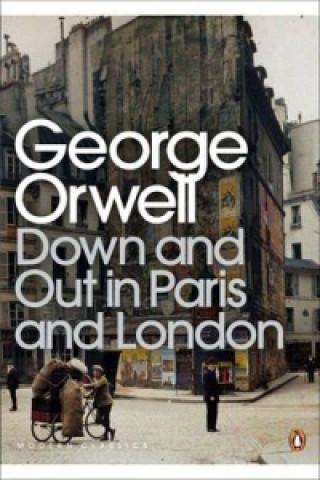
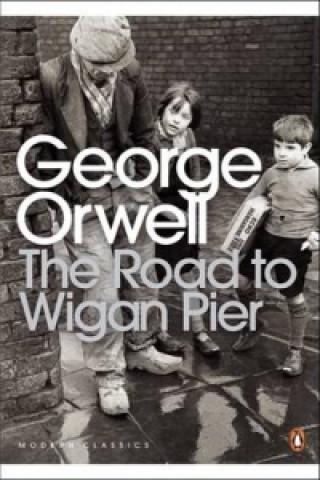
'You have talked so often of going to the dogs - and well, here are the dogs, and you have reached them'. George Orwell's vivid memoir of his time among the desperately poor and destitute in London and Paris is a moving tour of the underworld of society. Here he painstakingly documents a world of unrelenting drudgery and squalor - sleeping in bug-infested hostels and doss houses, working as a dishwasher in the vile 'Hotel X', living alongside tramps, surviving on scraps and cigarette butts - in an unforgettable account of what being down and out is really like.
Auf unheimliche Weise kriecht dem Leser die Spannung in den Nacken, ohne das er weiß, warum. Schließlich ist dies nur eine Stadt voll Menschen, die ihre Zahlen für die jährliche Lotterie abgeben. Was soll daran schon schaurig sein ...? "The Lottery" ist das unvergessliche wie auch makabere Meisterwerk Shirley Jacksons.
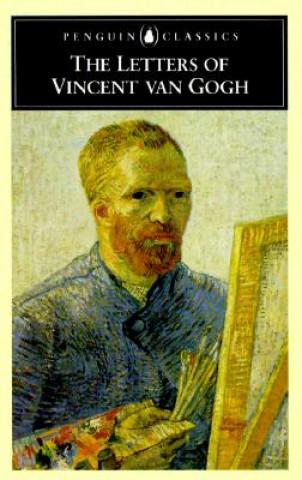
A new selection of Vincent Van Gough's letters, based on an entirely new translation, revealing his religious struggles, his fascination with the French Revolution, his search for love and his involvement in humanitarian causes.
Ramana Maharshi was one of the most significant spiritual teachers to emerge from India during the first half of the century, and remains widely admired. This recent collection of conversations between him and the many seekers who came to his ashram for guidance contains the essence of his teaching. His concern throughout his long life of imparting his experience to others was to convince his listeners that self-realisation - or enlightenment - is not an alien or mysterious state, but the natural condition of man. This state can be easily discovered by undertaking the self-investigation clearly described in these talks. The lucid instructions to each section provide further illumination of this greater seer's message.
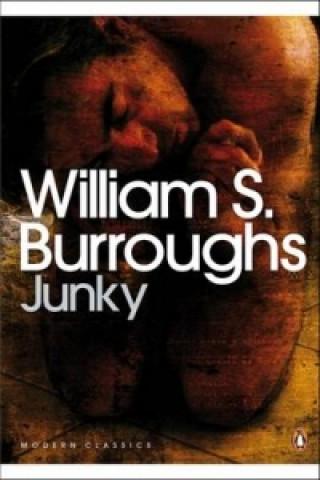
Burroughs’ first novel, a largely autobiographical account of the constant cycle of drug dependency, cures and relapses, remains the most unflinching, unsentimental account of addiction ever written. Through junk neighbourhoods in New York, New Orleans and Mexico City, through time spent kicking, time spent dealing and time rolling drunks for money, through junk sickness and a sanatorium, Junky is a field report (by a writer trained in anthropology at Harvard) from the American post-war drug underground. A cult classic, it has influenced generations of writers with its raw, sparse and unapologetic tone. This definitive edition painstakingly recreates the author’s original text word for word.
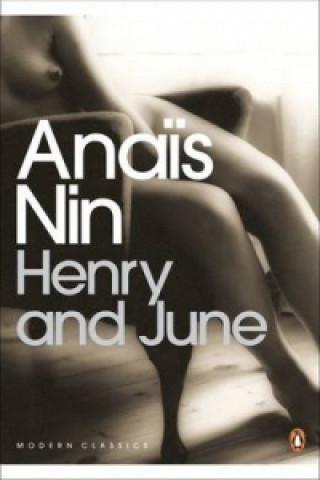
Drawn from journals, this book is an account of a woman's sexual awakening, covering a single momentous year - 1931-32, in Paris, when June fell in love with Henry Miller, undermining her own idealized marriage. The question of the outcome of June Miller's return to Paris dominates her thoughts.
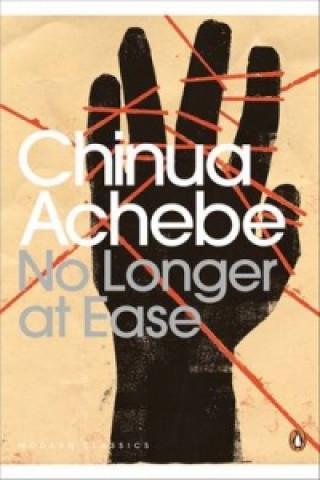
An idealistic young man educated in Britain, Obi returns home to Nigeria for a job in the civil service, but finds himself seduced by backhanders and corruption.
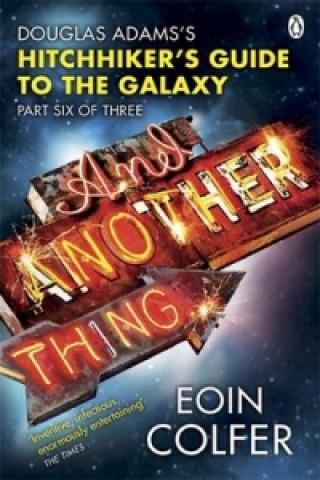
Arthur Dent's accidental association with that wholly remarkable book The Hitchhiker's Guide to the Galaxy has not been entirely without incident. Arthur has travelled the length, breadth and depth of known, and unknown, space. He has stumbled forwards and backwards through time. He has been blown up, reassembled, cruelly imprisoned, horribly released and colourfully insulted more than is strictly necessary. And, of course, he has comprehensively failed to grasp the meaning of life, the universe and everything. Arthur has, though, finally made it home to Earth. But that does not mean he has escaped his fate. For Arthur's chances of getting his hands on a decent cuppa are evaporating along with the world's oceans. Because no sooner has he arrived than he finds out that Earth is about to be blown up ...again.
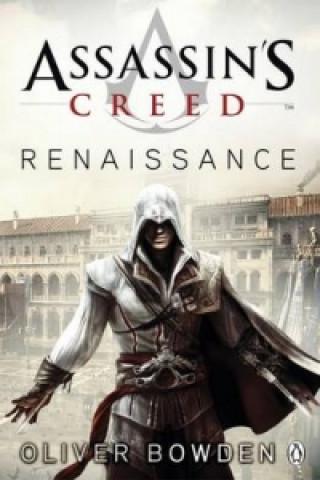
"Assassin's Creed: Renaissance" is the thrilling novelisation by Oliver Bowden based on the game series. 'I will seek Vengeance upon those who betrayed my family. I am Ezio Auditore di Firenze. I am an Assassin...'. The Year of Our Lord 1476 - the Renaissance: culture and art flourish alongside the bloodiest corruption and violence. Bitter blood-feuds rage between the warring political families of Italy. Following the murder of his father and brothers, Ezio Auditore di Firenze is entrusted with an ancient Codex, the key to a conspiracy that goes back to the centuries - old conflict between the shadowy Templar Knights and the elite Order of Assassins. Ezio must avenge the deaths of his kinsmen and in doing so fulfil his destiny, and live by the laws of the Assassin's Creed. Truth is written in blood "Assassin's Creed: Renaissance" is based on the phenomenally successful gaming series. Fans of the game will love these stories. Other titles in the series include "Assassin's Creed: Forsaken', "Assassin's Creed: Brotherhood", "Assassin's Creed: The Secret Crusade", and "Assassin's Creed: Revelations". Oliver Bowden is the pen-name of an acclaimed novelist.
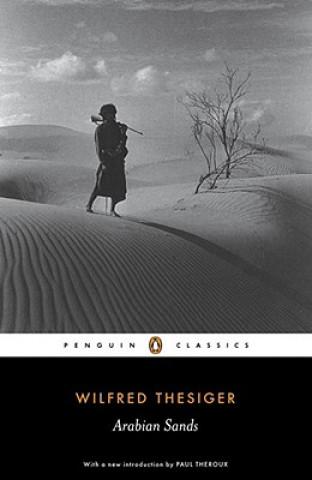
Wilfred Thesiger was born in Addis Ababa in 1910 and educated at Eton and Oxford. Though British, he was repulsed by the softness and rigidity of Western life, "the machines, the calling cards, the meticulously aligned streets, etc." In the spirit of T.E. Lawrence, Thesiger spent five years exploring and wandering the deserts of Arabia. With vivid descriptions and colorful anecdotes he narrates his stories, including two crossings of the Empty Quarter, among peoples who had never seen a European and considered it their duty to kill Christian infidels.
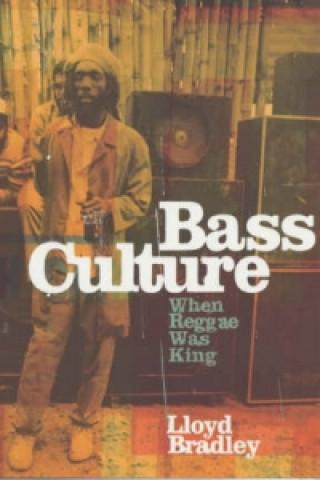
A comprehensive history of reggae and how it is inextricably linked to the island of its birth - Jamaica. Many extraordinary stories about characters like Prince Buster, King Tubby and Bob Marley are included, which make this an entertaining and enlightening read. "As positive as it is lively, and as refreshing as it is definitive" }Time Out{.
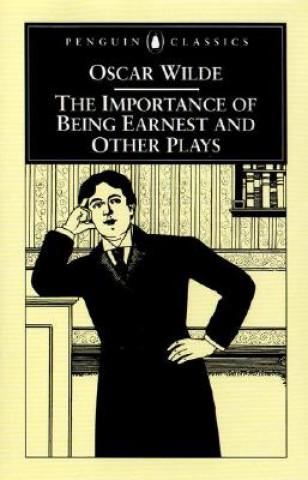
Wilde was both a glittering wordsmith and a social outsider. His drama emerges out of these two perhaps contradictory identities, combining epigrammatic brilliance and shrewd social observation. Includes "Lady Windermere's Fan", "Salome", "A Woman of No Importance", "An Ideal Husband", "A Florentine Tragedy" and "The Importance of Being Earnest", which appears in full with the "Grigsby" scene which originally made up the fourth act.
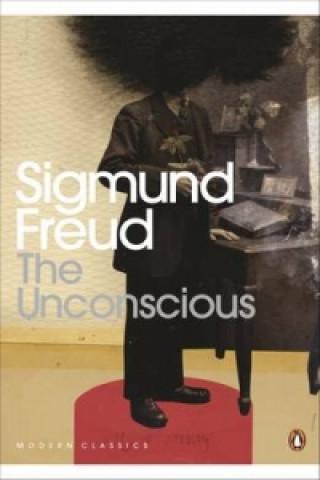
One of Freud's central achievements was to demonstrate how unacceptable thoughts and feelings are repressed into the unconscious, from where they continue to exert a decisive influence over our lives. This volume contains a key statement about evidence for the unconscious, and how it works, as well as major essays on all the fundamentals of mental functioning. Freud explores how we are torn between the pleasure principle and the reality principle, how we often find ways both to express and to deny what we most fear, and why certain men need fetishes for their sexual satisfaction. His study of our most basic drives, and how they are transformed, brilliantly illuminates the nature of sadism, masochism, exhibitionism and voyeurism.
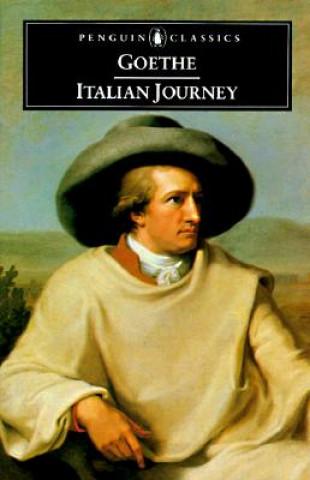
In 1786, when he was already the acknowledged leader of the Sturm und Drang literary movement, Goethe set out on a journey to Italy to fulfil a personal and artistic quest and to find relief from his responsibilities and the agonies of unrequited love. As he travelled to Venice, Rome, Naples and Sicily he wrote many letters, which he later used as the basis for the Italian Journey. A journal full of fascinating observations on art and history, and the plants, landscape and the character of the local people he encountered, this is also a moving account of the psychological crisis from which Goethe emerged newly inspired to write the great works of his mature years.
Throughout history, some books have changed the world. They have transformed the way we see ourselves and each other. They have inspired debate, dissent, war and revolution. They have enlightened, outraged, provoked and comforted. They have enriched lives and destroyed them. Now Penguin brings you the works of the great thinkers, pioneers, radicals and visionaries whose ideas shook civilization, and helped make us who we are.
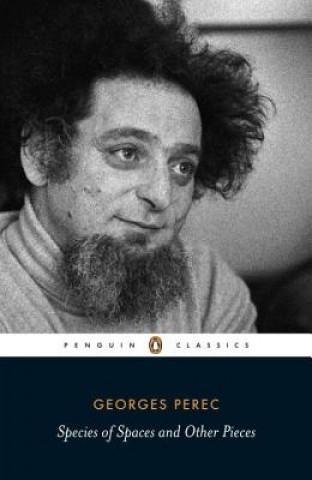
Georges Perec produced some of the most entertaining and spirited essays of his age. His literary output was amazingly varied in form and style and this generous selection of Perec's non-fictional work also demonstrates his characteristic lightness of touch, wry humour and accessibility.
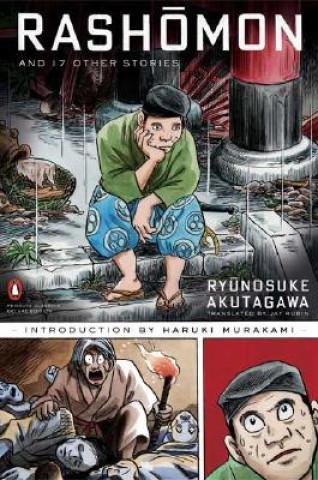
Ryunosuke Akutagawa (1892-1927) is one of Japan's foremost stylists - a modernist master whose short stories are marked by highly original imagery, cynicism, beauty and wild humour. "Rashomon" and "In a Bamboo Grove" inspired Kurosawa's magnificent film and depict a past in which morality is turned upside down, while tales such as "The Nose", "O-Gin" and "Loyalty" paint a rich and imaginative picture of a medieval Japan peopled by Shoguns and priests, vagrants and peasants. And in later works such as "Death Register", "The Life of a Stupid Man" and "Spinning Gears", Akutagawa drew from his own life to devastating effect, revealing his intense melancholy and terror of madness in exquisitely moving impressionistic stories.
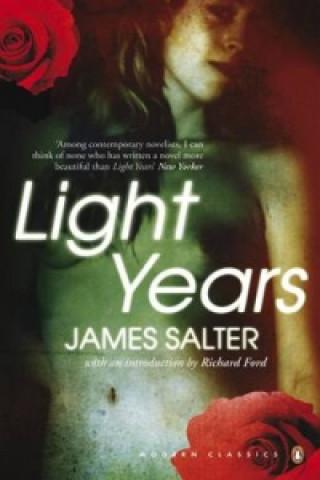
An exquisite novel of lost lives and the elusiveness of happiness, this seductive, witty and tender book follows married couple Negra and Viri as fine cracks begin to show in the shimmering surface of their life. With an introduction by the eminent novelist Richard Ford.
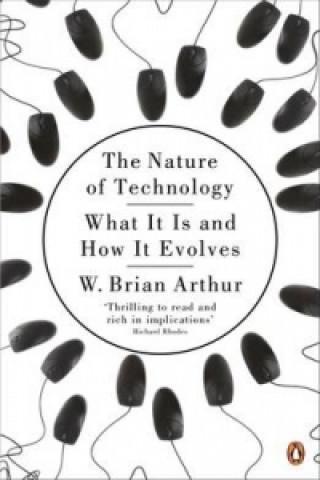
Explores the way in which the technology that surrounds us and allows us to live our modern lives has actually been developed. Rather than coming from a one-off inventions, almost all the technology used today come from previous incarnations: these technologies are not being created, but are instead evolving.
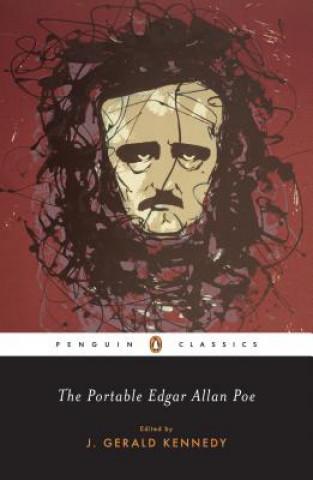
"The Portable Poe" compiles Poe's greatest writings: tales of fantasy, terror, death, revenge, murder, and mystery, including "The Pit and the Pendulum," "The Fall of the House of Usher," "The Cask of Amontillado," and "The Murders in the Rue Morgue," the world's first detective story. In addition, this volume offers letters, articles, criticism, visionary poetry, and a selection of random "opinions" on fancy and the imagination, music and poetry, intuition and sundry other topics.
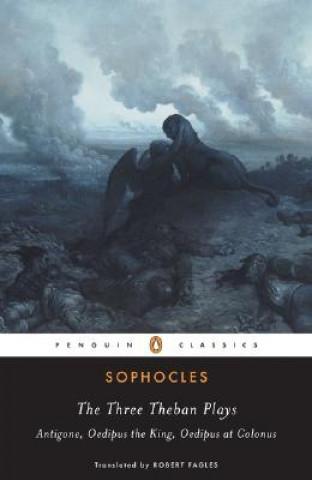
Antigone defending her integrity and ideals to the death, Oedipus questing for his identity and achieving immortality - these heroic figures have moved playgoers and readers since the fifth century BC. Towering over the rest of Greek tragedy, these plays are among the most enduring and timeless dramas ever written. Robert Fagles' translation conveys all of Sophocles' lucidity and power: the cut and thrust of his dialogue, his ironic edge, the surge and majesty of his choruses and, above all, the agonies and triumphs of his characters.
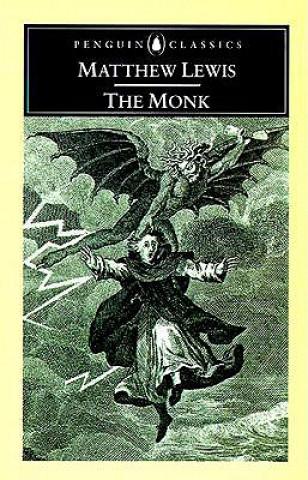
Matthew Lewis' Gothic masterpiece, depicting a holy man slowly becoming entangled in a web of sin, "The Monk" is edited with an introduction by Christopher MacLachlan in "Penguin Classics". Savaged by critics for its blasphemy and obscenity, particularly since the author was a Member of Parliament, "The Monk" soon attracted thousands of readers keen to see if this "Gothic" novel lived up to its lurid reputation. With acute psychological insight, Lewis shows the diabolical decline of Ambrosio, a worthy superior of the Capuchins of Madrid who is tempted by Matilda, a young girl who has entered his monastery disguised as a boy. Descending into a hell of his own creation, Ambrosio is driven to magic and murder in an attempt to conceal his crimes from the Inquisition. "The Monk" was greatly admired by the Marquis de Sade, who saw it as a response to the upheavals of the French Revolution, yet it also reveals something more universal: the way violent and erotic impulses lurking within us all can break through every barrier of social restraint. Matthew Gregory Lewis (1775-1818) was educated at Oxford after which he held a position in the British Embassy at The Hague.It was there in 1794, that he wrote the racy novel "The Monk", under the influence of the early German romantics. Its controversial publication in 1796, due to Lewis' new status as MP, earned him fame and the book a great deal of popularity. If you enjoyed "The Monk", you might like Horace Walpole's "The Castle of Otranto", also available in "Penguin Classics".
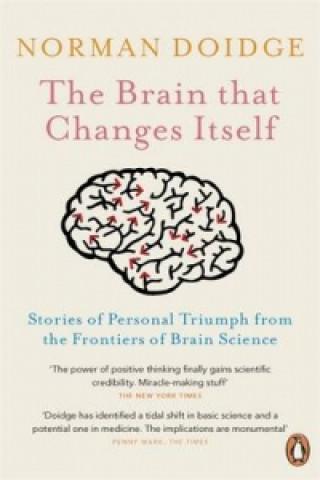
An introduction to the science of neuroplasticity recounts the case stories of patients with mental limitations or brain damage whose seemingly inalterable conditions were successfully treated or even cured through treatments that involved the thought re-alteration of brain structure.
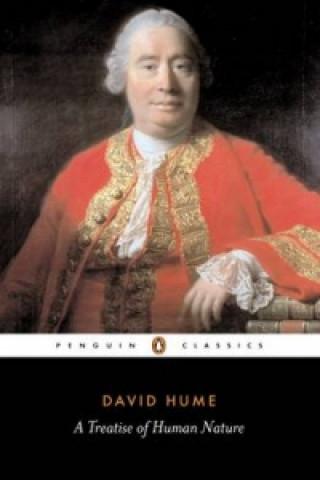
One of the most significant works of Western philosophy, Hume's Treatise was published in 1739-40, before he was thirty years old. A pinnacle of English empiricism, it is a comprehensive attempt to apply scientific methods of observation to a study of human nature, and a vigorous attack upon the principles of traditional metaphysical thought. With masterly eloquence, Hume denies the immortality of the soul and the reality of space; considers the manner in which we form concepts of identity, cause and effect; and speculates upon the nature of freedom, virtue and emotion. Opposed both to metaphysics and to rationalism, Hume's philosophy of informed scepticism sees man not as a religious creation, nor as a machine, but as a creature dominated by sentiment, passion and appetite.
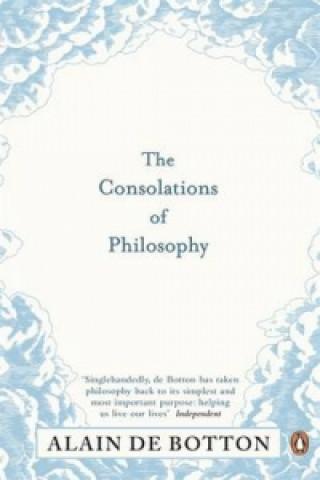
B format edition of this book, intented to apply the wisdom of some of the greatest philosophers in history to problems of modern life. The hardback reached the No.1 spot in both Britain and Ireland, selling over 60,000 copies in total. There will be a number of author events and interviews to support publication.
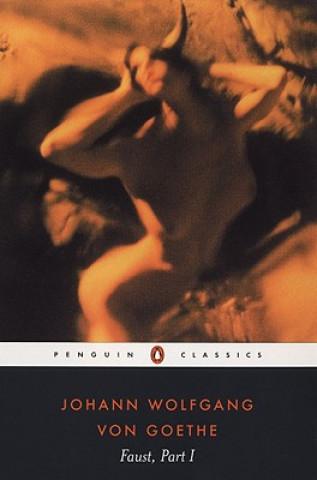
Goethe's Faust reworks the late-medieval myth of Dr Faust, a brilliant scholar so disillusioned he resolves to make a contract or wager with the devil, Mephistopheles. The devil will do all he asks on Earth and seek to grant him a moment in life so glorious that he will wish it to last for ever. But if Faust does bid the moment stay, he falls to Mephisto and must serve him after death. In this first part of Goethe's great work the embittered thinker and Mephistopheles enter into their agreement, and soon Faust is living a life beyond his study and in rejuvenated form winning the love of the charming and beautiful Gretchen. But in this compelling tragedy of arrogance, unfulfilled desire and self-delusion, Faust, served by the devil, heads inexorably towards destruction.
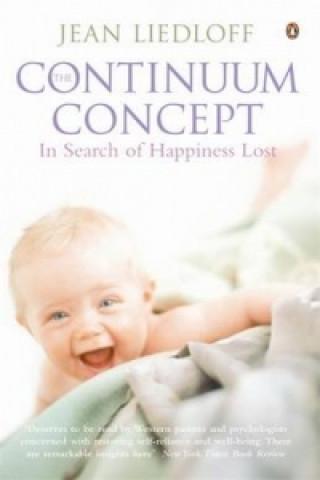
Im Dschungel Venezuelas trifft eine junge Amerikanerin auf die Yequana-Indianer. Fasziniert vom offenkundigen Glück dieser "Wilden", bleibt sie insgesamt zweieinhalb Jahre bei dem Stamm und versucht, die Ursachen dieses glücklichen und harmonischen Zusammenlebens herauszufinden. Sie entdeckt dessen Wurzeln im Umgang dieser Menschen mit ihren Kindern und zeigt, wie dort noch ein bei uns längst verschüttetes Wissen um die ursprünglichen Bedürfnisse von Kleinkindern existiert, das wir erst neu zu entdecken haben.Im Dschungel Venezuelas trifft eine junge Amerikanerin auf die Yequana-Indianer. Fasziniert vom offenkundigen Glück dieser "Wilden", bleibt sie insgesamt zweieinhalb Jahre bei dem Stamm und versucht, die Ursachen dieses glücklichen und harmonischen Zusammenlebens herauszufinden. Sie entdeckt dessen Wurzeln im Umgang dieser Menschen mit ihren Kindern und zeigt, wie dort noch ein bei uns längst verschüttetes Wissen um die ursprünglichen Bedürfnisse von Kleinkindern existiert, das wir erst neu zu entdecken haben.