Language: English, Binding: Hardback, Number of pages: 240, Publishers: Princeton University Press, Author: Vishaan Chakrabarti, ISBN-13: 9780691208435, Date of issue: 2024
Language: English, Binding: Paperback, Number of pages: 224, Publishers: Princeton University Press, Author: Jennifer L. Roberts, ISBN-13: 9780691255859, Date of issue: 2024
Language: English, Binding: Paperback, Number of pages: 272, Publishers: Princeton University Press, Author: Philip Ording, ISBN-13: 9780691218977, Date of issue: 2021
One of the Financial Times' Best Economics Books of 2023Visionary Oxford professor Ian Goldin and The Economist's Tom Lee-Devlin show why the city is where the battles of inequality, social division, pandemics and climate change must be faced.From centres of antiquity like Athens or Rome to modern metropolises like New York or Shanghai, cities throughout history have been the engines of human progress and the epicentres of our greatest achievements. Now, for the first time, more than half of humanity lives in cities, a share that continues to rise. In the developing world, cities are growing at a rate never seen before.In this book, Professor Goldin and Tom Lee-Devlin show why making our societies fairer, more cohesive and sustainable must start with our cities. Globalization and technological change have concentrated wealth into a small number of booming metropolises, leaving many smaller cities and towns behind and feeding populist resentment. Yet even within seemingly thriving cities like London or San Francisco, the gap between the haves and have-nots continues to widen and our retreat into online worlds tears away at our social fabric. Meanwhile, pandemics and climate change pose existential threats to our increasingly urban world.Professor Goldin and Tom Lee-Devlin combine the lessons of history with a deep understanding of the challenges confronting our world today to show why cities are at a crossroads - and hold our destinies in the balance.
This revised edition of West's revolutionary reinterpretation of the civilization of Egypt challenges all that has been accpeted as dogma concerning this ancient and enigmatic land.It features a new introduction linking Egyptian science with the perennial wisdom tradition and an appendix updating the author's work in redating the Sphinx.Illustrations.
Language: English, Binding: Hardback, Number of pages: 384, Publishers: Princeton University Press, Author: Renée Bergland, ISBN-13: 9780691235288, Date of issue: 2024
Language: English, Binding: Hardback, Number of pages: 256, Publishers: Princeton University Press, Author: David Mindell, ISBN-13: 9780691228778, Date of issue: 2024
Language: English, Binding: Paperback, Number of pages: 240, Publishers: Princeton University Press, Author: Zena Hitz, ISBN-13: 9780691229195, Date of issue: 2021
Language: English, Binding: Paperback, Number of pages: 400, Publishers: Princeton University Press, Author: Adrienne Mayor, ISBN-13: 9780691245607, Date of issue: 2023
Language: English, Binding: Hardback, Number of pages: 176, Publishers: Princeton University Press, Author: Tom Jackson, ISBN-13: 9780691275239, Date of issue: 2025
Language: English, Binding: Hardback, Number of pages: 296, Publishers: Princeton University Press, Author: Alexandre Lefebvre, ISBN-13: 9780691203744, Date of issue: 2024
Language: English, Binding: Paperback, Number of pages: 160, Publishers: Princeton University Press, Author: Barbara H. Berrie,Karin Leonhard,Caroline Fowler,Ittai Weinryb,Anne Lafont, ISBN-13: 9780691223711, Date of issue: 2024
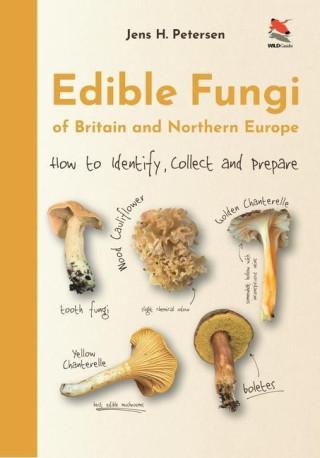
Language: English, Binding: Hardback, Number of pages: 160, Publishers: Princeton University Press, Author: Jens H. Petersen, ISBN-13: 9780691245195, Date of issue: 2023
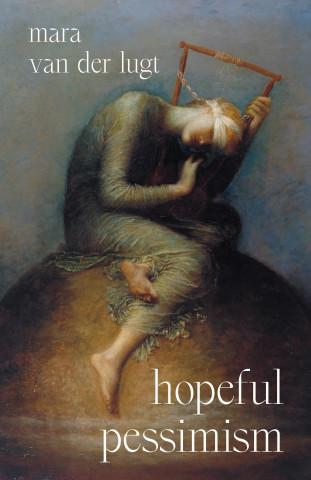
Language: English, Binding: Hardback, Number of pages: 248, Publishers: Princeton University Press, Author: Mara Van Der Lugt,Josh Drake, ISBN-13: 9780691265605, Date of issue: 2025
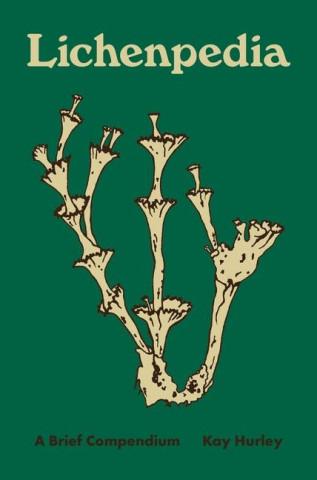
Language: English, Binding: Hardback, Number of pages: 208, Publishers: Princeton University Press, Author: Kay Hurley,Susan Adele Edwards, ISBN-13: 9780691239903, Date of issue: 2024
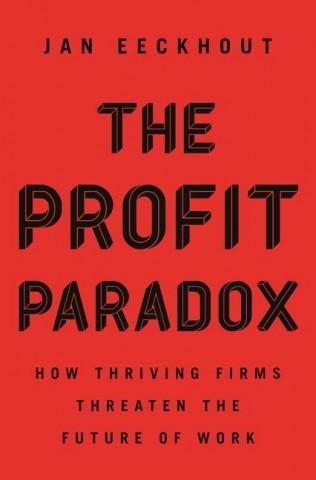
Language: English, Binding: Hardback, Number of pages: 336, Publishers: Princeton University Press, Author: Jan Eeckhout, ISBN-13: 9780691214474, Date of issue: 2021
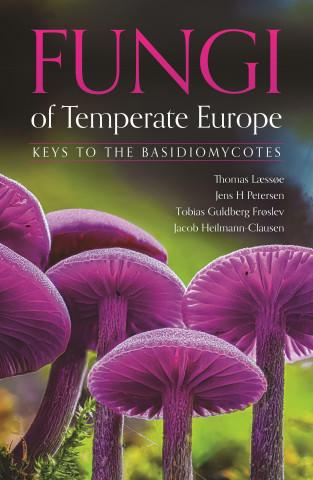
Language: English, Binding: Hardback, Number of pages: 800, Publishers: Princeton University Press, Author: Jens H Petersen,Tobias Guldberg Frøslev,Jacob Heilmann-Clausen, ISBN-13: 9780691267876, Date of issue: 2026
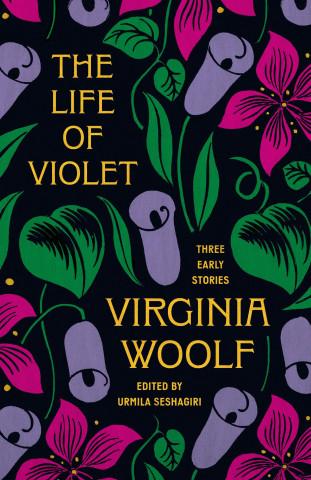
Language: English, Binding: Hardback, Number of pages: 128, Publishers: Princeton University Press, Author: Urmila Seshagiri, ISBN-13: 9780691263137, Date of issue: 2025
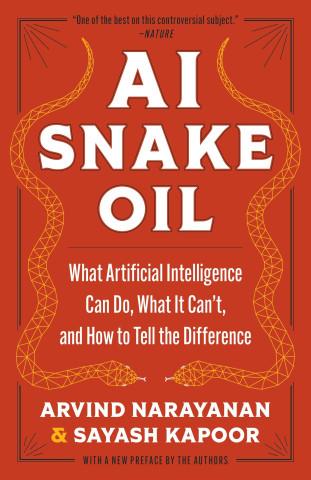
Language: English, Binding: Paperback, Number of pages: 360, Publishers: Princeton University Press, Author: Sayash Kapoor, ISBN-13: 9780691249148, Date of issue: 2025
Language: English, Binding: Paperback, Number of pages: 136, Publishers: Princeton University Press, Author: Ricardo Reis, ISBN-13: 9780691223186, Date of issue: 2025
A comprehensively updated edition of an identification guide that was named a Guardian Best Nature Book of the YearNow in a comprehensively revised and updated new edition, Britain's Spiders is a guide to all 38 of the Britis
Language: English, Binding: Hardback, Number of pages: 232, Publishers: Princeton University Press, Author: Anthony King, ISBN-13: 9780691265148, Date of issue: 2025
Language: English, Binding: Paperback, Number of pages: 400, Publishers: Princeton University Press, Author: Charley Hesse,Phil Gregory, ISBN-13: 9780691260570, Date of issue: 2026
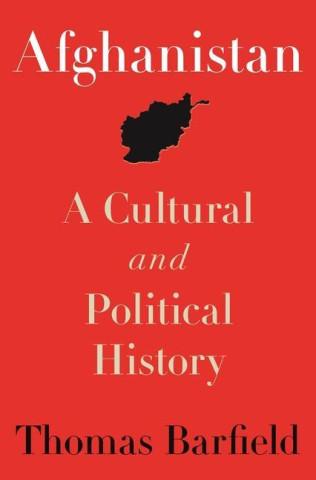
Afghanistan traces the historic struggles and the changing nature of political authority in this volatile region of the world, from the Mughal Empire in the sixteenth century to the Taliban resurgence today. Thomas Barfield introduces readers to the bewildering diversity of tribal and ethnic groups in Afghanistan, explaining what unites them as Afghans despite the regional, cultural, and political differences that divide them. He shows how governing these peoples was relatively easy when power was concentrated in a small dynastic elite, but how this delicate political order broke down in the nineteenth and twentieth centuries when Afghanistan’s rulers mobilized rural militias to expel first the British and later the Soviets. Armed insurgency proved remarkably successful against the foreign occupiers, but it also undermined the Afghan government’s authority and rendered the country ever more difficult to govern as time passed. Barfield vividly describes how Afghanistan’s armed factions plunged the country into a civil war, giving rise to clerical rule by the Taliban and Afghanistan’s isolation from the world. He examines why the American invasion in the wake of September 11 toppled the Taliban so quickly, and how this easy victory lulled the United States into falsely believing that a viable state could be built just as easily.Afghanistan is essential reading for anyone who wants to understand how a land conquered and ruled by foreign dynasties for more than a thousand years became the "graveyard of empires” for the British and Soviets, and why the United States failed to avoid the same fate.
Language: English, Binding: Hardback, Number of pages: 304, Publishers: Princeton University Press, Author: Pete Dunne,Kevin T. Karlson, ISBN-13: 9780691220956, Date of issue: 2024
Collins Explore English is a 6-level course which provides full coverage of the Cambridge Primary English as a Second Language curriculum framework (0057) from 2020. With a magazine-style Students Resource Book, comprehensive Students Coursebook, and supportive Teachers Guide, it offers clear progression within and across levels. Written with a range of international contexts in mind, this innovative course has been designed to encourage maximum enjoyment and engagement by young learners, providing them with a fun and colourful Resource Book packed full of texts and illustrations to stimulate language learning. The corresponding Students Coursebook contains the activities relating to this input material. The Students Resource Book and Students Coursebook are used together to provide the full learning package for the student. The Students Resource Books are visually appealing, with a magazine look and feel, and include a range of carefully selected fiction and non-fiction reading texts covering interesting topics for the age group. Designed to provide the stimulus materials for the course, they therefore dont include any write-in activities, and instruction rubrics are kept short and simple allowing more space on the page for the visuals and text. The write-in exercises are all contained in the accompanying Students Coursebook, which leaves the Resource Books with a clean and engaging look. The course takes an integrated skills approach to developing language skills with an emphasis on practical communication. It is designed with interactive learning at its heart and has been created to offer flexibility where this is beneficial while following a consistent approach so the course is easy to deliver. It is fully supported by a comprehensive Teachers Guide with detailed lesson plans that provide step-by-step guidance Audio files are available as a free download. This series is endorsed by Cambridge Assessment International Education to support the new curriculum framework 0057 from 2020.
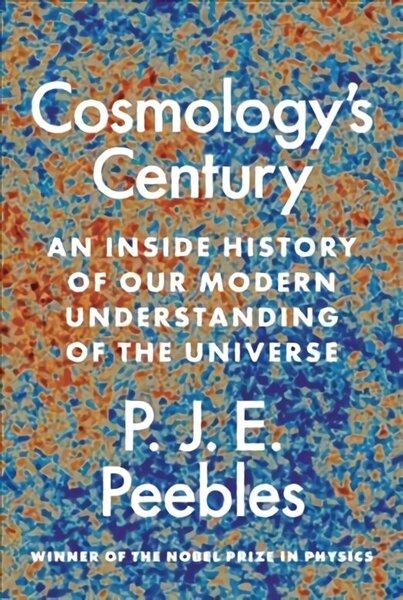
From Nobel Prizewinning physicist P. J. E. Peebles, the story of cosmology from Einstein to todayModern cosmology began a century ago with Albert Einstein's general theory of relativity and his notion of a homogenous, philosophically satisfying cosmos. Cosmology's Century is the story of how generations of scientists built on these thoughts and many new measurements to arrive at a well-tested physical theory of the structure and evolution of our expanding universe.In this landmark book, one of the world's most esteemed theoretical cosmologists offers an unparalleled personal perspective on how the field developed. P. J. E. Peebles was at the forefront of many of the greatest discoveries of the past century, making fundamental contributions to our understanding of the presence of helium and microwave radiation from the hot big bang, the measures of the distribution and motion of ordinary matter, and the new kind of dark matter that allows us to make sense of these results. Taking readers from the field's beginnings, Peebles describes how scientists working in independent directions found themselves converging on a theory of cosmic evolution interesting enough to warrant the rigorous testing it passes so well. He explores the major advancessome inspired by remarkable insights or perhaps just lucky guessesas well as the wrong turns taken and the roads not explored. He shares recollections from major players in this story and provides a rare, inside look at how science is really done.A monumental work, Cosmology's Century also emphasizes where the present theory is incomplete, suggesting exciting directions for continuing research. Autorid: P. James E. Peebles
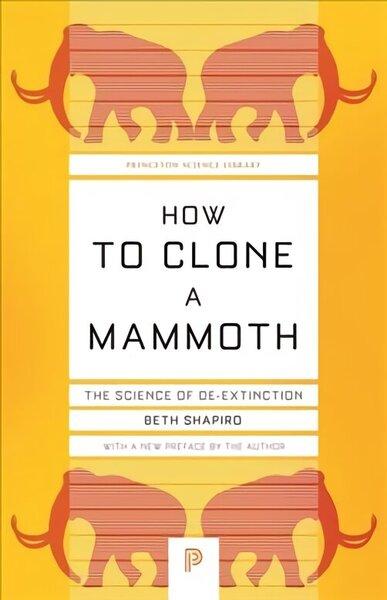
An insider's view on bringing extinct species back to lifeCould extinct species, like mammoths and passenger pigeons, be brought back to life? In How to Clone a Mammoth, Beth Shapiro, an evolutionary biologist and pioneer in ancient DNA research, addresses this intriguing question by walking readers through the astonishing and controversial process of de-extinction. From deciding which species should be restored to anticipating how revived populations might be overseen in the wild, Shapiro vividly explores the extraordinary cutting-edge science that is being used to resurrect the past. Considering de-extinction's practical benefits and ethical challenges, Shapiro argues that the overarching goal should be the revitalization and stabilization of contemporary ecosystems. Looking at the very real and compelling science behind an idea once seen as science fiction, How to Clone a Mammoth demonstrates how de-extinction will redefine conservation's future. Autorid: Beth Shapiro
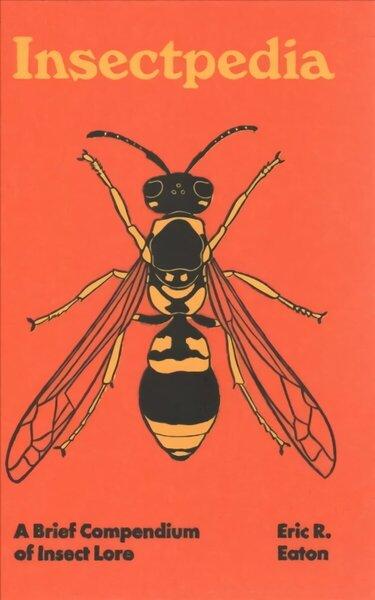
"A fun and fact-filled A-Z treasury for the insect lover in all of usInsectpedia introduces you to the wonders of the insect world while inviting you to make discoveries of your own. Featuring dozens of entries on topics ranging from murder hornets and the "insect apocalypse" to pioneering entomologists such as Margaret James Strickland Collins and Douglas Tallamy, this beautifully illustrated, pocket-friendly encyclopedia dispels many common myths about insects while offering new perspectives on the vital relationships we share with these incredible creatures.This entertaining collection celebrates the long and storied history of entomology, highlights our dependence on insects for food and ecosystem services, and explains the meaning behind various entomological terms. With Eric Eaton as your guide, you will circle the globe in search of African Toktokkies and Australian beer bottle beetles, and witness the peculiar spectacle of cricket fighting in Asia. Profiles of influential figures in entomology provide insights into the curious minds that animate this extraordinarily broad field of scientific inquiry, while the book's portable size makes it the perfect travel companion no matter where your own entomological adventures may lead you.With captivatingillustrations by Amy Jean Porter, Insectpedia is an engaging blend of insect facts and folklore that will inspire anyone who delights in the marvels of nature"-- A fun and fact-filled AZ treasury for the insect lover in all of usInsectpedia introduces you to the wonders of the insect world while inviting you to make discoveries of your own. Featuring dozens of entries on topics ranging from murder hornets and the insect apocalypse to pioneering entomologists such as Margaret James Strickland Collins and Douglas Tallamy, this beautifully illustrated, pocket-friendly encyclopedia dispels many common myths about insects while offering new perspectives on the vital relationships we share with these incredible creatures.This entertaining collection celebrates the long and storied history of entomology, highlights our dependence on insects for food and ecosystem services, and explains the meaning behind various entomological terms. With Eric Eaton as your guide, you will circle the globe in search of African Toktokkies and Australian beer bottle beetles, and witness the peculiar spectacle of cricket fighting in Asia. Profiles of influential figures in entomology provide insights into the curious minds that animate this extraordinarily broad field of scientific inquiry, while the books portable size makes it the perfect travel companion no matter where your own entomological adventures may lead you.With captivating illustrations by Amy Jean Porter, Insectpedia is an engaging blend of insect facts and folklore that will inspire anyone who delights in the marvels of nature.Features a real cloth cover with an elaborate foil-stamped design Autorid: Eric R. Eaton, Amy Jean Porter
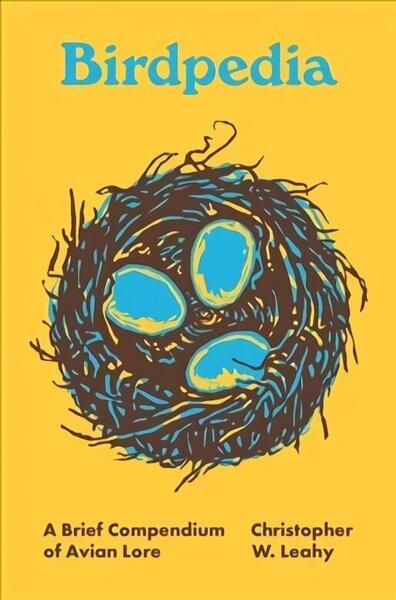
A captivating AZ treasury about birds and birding Birdpedia is an engaging illustrated compendium of bird facts and birding lore. Featuring nearly 200 entrieson topics ranging from plumage and migration to birds in art, literature, and folklorethis enticing collection is brimming with wisdom and wit about all things avian. Christopher Leahy sheds light on "hawk-watching," "twitching," and other rituals from the sometimes mystifying world of birding that entail a good deal more than their names imply. He explains what kind of bird's nests you can eat, why mocking birds mock, and many other curiosities that have induced otherwise sane people to peer into treetops using outrageously expensive optical equipment. Leahy shares illuminating insights about pioneering ornithologists such as John James Audubon and Florence Bailey, and describes unique bird behaviors such as anting, caching, duetting, and mobbing. He discusses avian fossils, the colloquial naming of birds, the science and history of ornithology, and more. The book's convenient size makes it the perfect traveling companion to take along on your own avian adventures. With charming illustrations by Abby McBride, Birdpedia is a marvelous mix of fact and fancy that is certain to delight seasoned birders and armchair naturalists alike. Features a cloth cover with an elaborate foil-stamped design Autorid: Christopher W. Leahy, Abby McBride
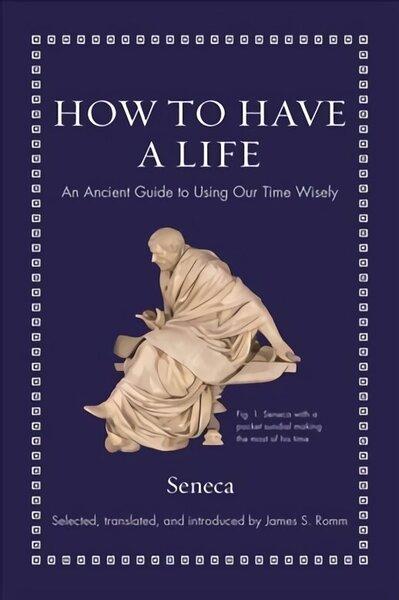
"A vibrant new translation of Seneca's "On the Shortness of Life," a pointed reminder to make the most of a precious asset: our timeWho doesn't worry sometimes that smart phones, the internet, and TV are robbing us of time and preventing us from having alife? How can we make the most of our time on earth? In the first century AD, the Stoic philosopher Seneca the Younger offered one of the most famous answers to that question in his essay, "On the Shortness of Life"-a work that has more to teach us todaythan ever before. In How to Have a Life, James Romm presents a vibrant new translation of Seneca's brilliant essay, plus two Senecan letters on the same theme, complete with the original Latin on facing pages and an inviting introduction.With devastatingsatiric wit, skillfully captured in this translation, Seneca lampoons the ways we squander our time and fail to realize how precious it is. We don't allow people to steal our money, yet we allow them to plunder our time, or else we give it away ourselvesin useless, idle pursuits. Seneca also describes how we can make better use of our brief days and years. In the process, he argues, we can make our lives longer, or even everlasting, because to live a real life is to attain a kind of immortality.A counterweight to the time-sucking distractions of the modern world, How to Have a Life offers priceless wisdom about making our time-and our lives-count"-- "In his moral treatise, De Brevitate Vitae("On the Shortness of Life"), the Stoic philosopher Seneca explored ways to change our experience of time so as to get more enrichment from the present, to diminish regret for the past and anxiety about the future, and to make our lives feel long even though death might cut them short at any moment. As he famously said, "it is not that we have a short time to live, but that we waste a lot of it. ... Life is long if you know how to use it." The problem of how to make the most of our time is a universal one and especially pressing in a society like ours, which puts a high value on the maximizing fulfillment. The fear of missing out, or FOMO as it is known in popular culture, attests to our deep need for the kind ofteaching Seneca offers: A guide to living in the moment and making time count. "Live headlong," "Consider each day a life" - In these ways Seneca expressed something like what we mean by "Be here now." In this volume for our Ancient Wisdom for Modern Readers series, his fourth, James Romm proposes a new translation of Seneca's De Brevitate Vitae along with selections from other moral essays, especially "On the Happy Life" and "On Tranquillity of Mind," that similarly deal with the need to use time well. Several of the "Moral Epistles" will be drawn on as well, including the very first letter in his immense collection, where Seneca tells his addressee, Lucilius, that "all other things are foreign to us; time alone is ours.""-- A vibrant new translation of Senecas On the Shortness of Life, a pointed reminder to make the most of our timeWho doesnt worry sometimes that smart phones, the Internet, and TV are robbing us of time and preventing us from having a life? How can we make the most of our time on earth? In the first century AD, the Stoic philosopher Seneca the Younger offered one of the most famous answers to that question in his essay On the Shortness of Lifea work that has more to teach us today than ever before. In How to Have a Life, James Romm presents a vibrant new translation of Senecas brilliant essay, plus two Senecan letters on the same theme, complete with the original Latin on facing pages and an inviting introduction.With devastating satiric wit, skillfully captured in this translation, Seneca lampoons the ways we squander our time and fail to realize how precious it is. We dont allow people to steal our money, yet we allow them to plunder our time, or else we give it away ourselves in useless, idle pursuits. Seneca also describes how we can make better use of our brief days and years. In the process, he argues, we can make our lives longer, or even everlasting, because to live a real life is to attain a kind of immortality.A counterweight to the time-sucking distractions of the modern world, How to Have a Life offers priceless wisdom about making our timeand our livescount. Autorid: Seneca, James S. Romm