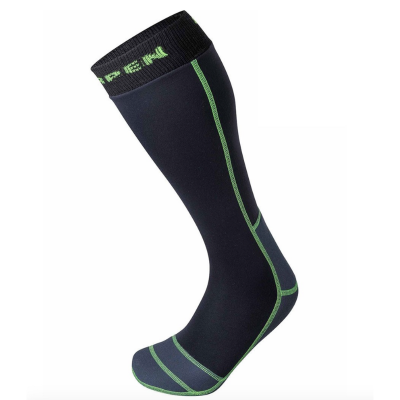
"Lorpen Inferno Biowarmer" - esimesed maailmas orgaanilist mõõga kudumisega sokid, valmistatud "Sensil BioCare" ja "PrimaloftBio" täidisega. "Lorpen T3+ Inferno Biowarmer" sokid on uskumatult soojad ning mõeldud kasutamiseks kõrgetel mägedel ja arktilistes tingimustes. Sensil BioCare'i kasutatakse ka niitides, kuid niidi kujul. Käeselg on valmistatud kloorivabast villast. Nende sokkide kasutamise ajal aitab meeskonnasokkide versioon oluliselt vähendada kandja ebamugavustunnet ekstreemsetes külmades tingimustes nii aktiivse tegevuse ajal kui ka puhkehetkedel. Ja kuna sokk on biolagunev, siis pärast selle kasutamise aega ei jää sellest kunagi prügi. Omadused: Uskumatult soojad sokid. „PrimaloftBio“ isolatsiooniga õmmeldud paneelid. Eriti hea pehmendus. Orgaaniliselt lagunevad. Materjal: 78% Sensil Biocare, 10% Primaloft BIO, 10% Meriinovill, 2% elastaanne nailon lycraga. Värv: Must/roheline.
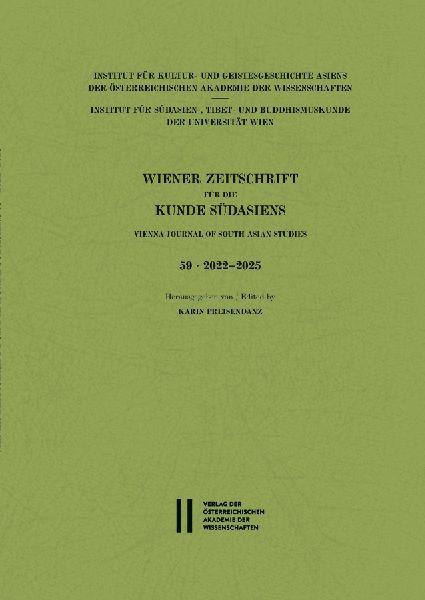
In the general part of this issue, R. H. Koch studies the representation of K¿rttikeya in Sri Lankan Buddhist monasteries and his supplantation by the iconography of Skandakum¿ra.In the Archiv für indische Philosophie, V. Eltschinger treats the "kautukamägalav¿da" presented and criticized in the "Yog¿c¿rabh¿mi", with a critical edition of the Sanskrit text, accompanied by the Tibetan and Chinese texts, a translation and a discussion of the arguments against astral determinism. E. Steinkellner unites the text of all fragments of V¿¿agäa/V¿r¿agäya's "¿ä¿itantra" on inference and offers a translation of this part of the lost work. In a further contribution, Steinkellner argues that the two formulations of Dharmak¿rti's definition of a valid cognition in the "Pram¿¿av¿rttika" have been misinterpreted so far and clarifies that Dharmak¿rti provided only a single definition. Based on two manuscripts, J. Chu presents a first critical edition and synopsis of Jitâri's "Vijñaptim¿trat¿siddhi".The third part features twenty-nine reviews of books on a wide range of topics relating to the cultural and intellectual history of South Asia and on the history of the study of pre-modern South Asia.
In this radiant new collection, Franz Wright shares his regard for life in all its forms and his belief in the promise of blessing and renewal. As he watches the "Resurrection of the little apple tree outside / my window," he shakes off his fear of mortality, concluding "what death . . . There is only / mine / or yours, - / but the world / will be filled with the living." In prayerlike poems he invokes the one "who spoke the world / into being" and celebrates a dazzling universe-snowflakes descending at nightfall, the intense yellow petals of the September sunflower, the planet adrift in a blizzard of stars, the simple mystery of loving other people. As Wright overcomes a natural tendency toward loneliness and isolation, he gives voice to his hope for "the only animal that commits suicide," and, to our deep pleasure, he arrives at a place of gratitude that is grounded in the earth and its moods. "From the Hardcover edition."
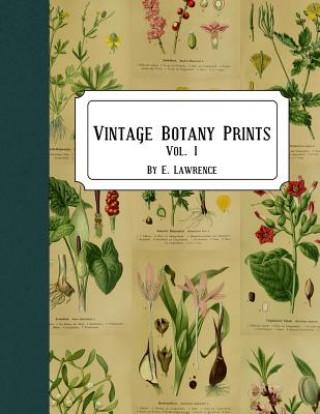
This book features twenty beautiful vintage botanical prints. Images have been retouched, while keeping their vintage feel. Single-sided printing so images can be taken out and used for framing and decor.
Dermoscent Essential 6 Spot-On on multifunktsionaalne dermokosmeetiline vahend koertele kuni 10 kg ja väikestele imetajatele. See taastab naha tasakaalu, niisutab, parandab karvkatte läiget ja vähendab karvade väljalangemist.
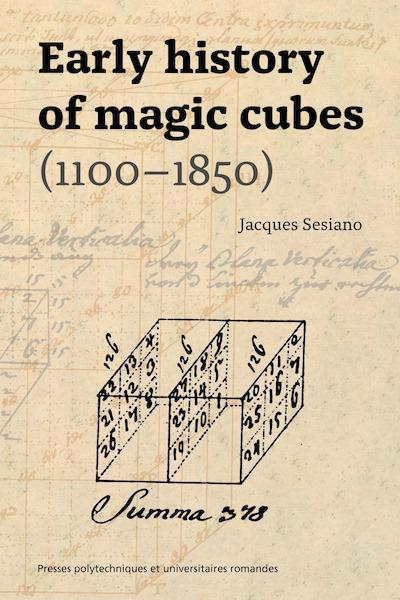
An investigation into the predecessors of the magic cube. Magic cubes are generally considered to have been invented in the second half of the nineteenth century, when the conditions for a cube to be called magic were established: it must display the same sum in each horizontal, vertical, and front-to-back row, as well as in the four internal diagonals of the cube. However, during the preceding seven centuries, constructions of magic cubes had already begun, but obeying other definitions. The first study is found in twelfth-century Persia. Then, Pierre de Fermat (1601-1665) dealt with them in the seventeenth century. Unaware of the existence of predecessors and with a different design, the Frenchman Joseph Sauveur (1653-1716) taught a construction method that was adopted in Gottfried Wilhelm Leibnizs (1646-1716) circle. This method was expanded in the 1830s but fell into oblivion with the modern definition of the magic cube. Autorid: Jacques Sesiano