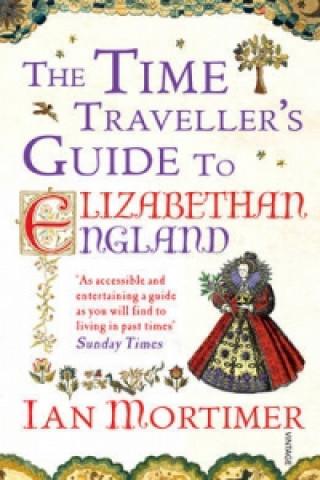
The past is a foreign country - this is your guide. We think of Queen Elizabeth I's reign (1558-1603) as a golden age. But what was it actually like to live in Elizabethan England? If you could travel to the past and walk the streets of London in the 1590s, where would you stay? What would you eat? What would you wear? Would you really have a sense of it being a glorious age? And if so, how would that glory sit alongside the vagrants, diseases, violence, sexism and famine of the time? In this book Ian Mortimer reveals a country in which life expectancy is in the early thirties, people still starve to death and Catholics are persecuted for their faith. Yet it produces some of the finest writing in the English language, some of the most magnificent architecture, and sees Elizabeth's subjects settle in America and circumnavigate the globe. Welcome to a country that is, in all its contradictions, the very crucible of the modern world.
Les formes les plus précoces de créativité humaine – entailles, marques et peintures rupestres – témoignent de la relation ancestrale entre l’Humanité et la couleur. Le désir de donner structure, ordre et sens à ce concept aussi universel qu’insaisissable est tout aussi ancien et c’est cette fascination qui lie les œuvres réunies dans cet ouvrage d’envergure.The Book of Colour Concepts puise dans plus de 40 livres rares et manuscrits conservés par une multitude d’institutions, notamment dans les collections de couleurs les plus réputées au monde, et embarque le lecteur pour une odyssée chromatique de quatre siècles, à travers plus de 350 images – roues et sphères sensuelles, tableaux laborieusement remplis et diagrammes méticuleux dont beaucoup ont été photographiés en exclusivité pour cette édition.Les œuvres qui ont marqué la théorie de la couleur, comme l’Optique d’Isaac Newton et le fameux Traité des couleurs de Johann Wolfgang von Goethe, y figurent au côté de contributions plus rares et méconnues, notamment les systèmes théosophiques de Charles Webster Leadbeater et Annie Besant, le « dictionnaire » exhaustif des couleurs d’Aloys John Maerz et Morris Rea Paul, et les combinaisons de couleurs de l’artiste et créateur de costumes japonais Sanzō Wada.Le tome met aussi en lumière le travail intrigant et souvent mésestimé de femmes, parmi lesquelles les «taches» de couleur radicalement novatrices de l’aquarelliste anglaise éprise de botanique Mary Gartside.Les systèmes chromatiques qui composent cette éditon sont mises en contexte par d'essai introductif de l’éditrice Alexandra Loske, et des textes érudits consacrés aux œuvres reproduites dissèquent chaque concept. The Book of Colour Concepts met en lumière l’histoire de la couleur sous toutes ses formes et propose une chronologie chromatique sans équivalent par son ampleur.
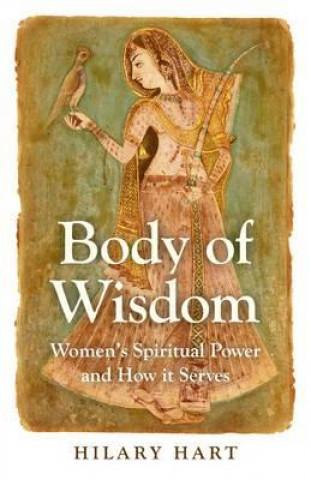
A chakra in our breasts that emits spiritual nourishment into life...a secret substance in our bodies to heal the earth...a direct connection from our wombs to the creative center of the universe...In Body of Wisdom, Hilary Hart identifies nine hidden powers alive in women's bodies and instincts, waiting to be used in contemporary challenges such as the creation of community, healing of the earth, and the restoration of life's spiritual nature. Based on interviews with the world's most visionary spiritual teachers and women's dreams and experiences, Body of Wisdom ushers in a new spirituality in which the body and the shared body of the earth are known as a seat of mystical power and women take responsibility for spiritual work that only they can do.
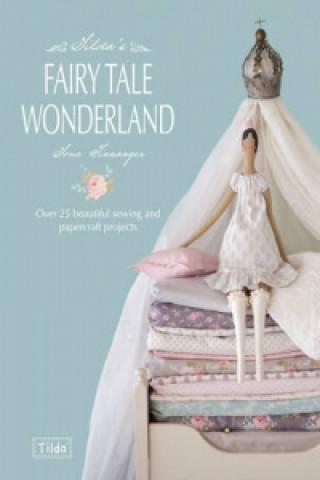
A beautiful collection of brand new Tilda projects, featuring seasonal designs in Tone Finnanger’s quirky style. Each chapter is themed on a classic children’s story, such as Pinocchio, Bambi, The Nutcracker and The Princess and the Pea. Projects include new doll designs (ballerinas, princesses, soldiers and various animals), as well as gifts and decorations using the latest range of Tilda fabrics and products.
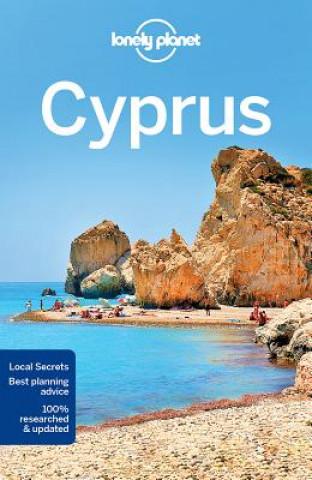
Lonely Planet: The world's leading travel guide publisherLonely Planet Cyprus is your passport to the most relevant, up-to-date advice on what to see and skip, and what hidden discoveries await you. While away an evening in Kyrenia's idyllic Old Harbour, explore the ruins of ancient cities, and get out, on or under, the waters surrounding the island's beautiful beaches, all with your trusted travel companion. Get to the heart of Cyprus and begin your journey now!Inside Lonely Planet Cyprus Travel Guide:Colour maps and images throughoutHighlights and itineraries help you tailor your trip to your personal needs and interestsInsider tips to save time and money and get around like a local, avoiding crowds and trouble spotsEssential info at your fingertips - hours of operation, phone numbers, websites, transit tips, pricesHonest reviews for all budgets - eating, sleeping, sight-seeing, going out, shopping, hidden gems that most guidebooks missCultural insights give you a richer, more rewarding travel experience - landscapes, food, history, local customsOver 35 mapsCovers Larnaka, Troodos Mountains, Pafos, Nicosia and moreThe Perfect Choice: Lonely Planet Cyprus, our most comprehensive guide to Cyprus, is perfect for both exploring top sights and taking roads less travelled.Looking for more extensive coverage? Check out Lonely Planet Greece, Lonely Planet Greek Islands, and Lonely Planet Turkey.About Lonely Planet: Lonely Planet is a leading travel media company and the world's number one travel guidebook brand, providing both inspiring and trustworthy information for every kind of traveller since 1973. Over the past four decades, we've printed over 145 million guidebooks and phrasebooks for 120 languages, and grown a dedicated, passionate global community of travellers. You'll also find our content online, and in mobile apps, video, 14 languages, 12 international magazines, armchair and lifestyle books, ebooks, and more, enabling you to explore every day. Lonely Planet enables the curious to experience the world fully and to truly get to the heart of the places they find themselves, near or far from home. Follow us on Facebook (facebook.com/lonelyplanet), Twitter (@lonelyplanet), Instagram (Instagram.com/lonelyplanet) and Snapchat (@lonelyplanet).TripAdvisor Travelers' Choice Awards 2012, 2013, 2014, 2015 and 2016 winner in Favorite Travel Guide category'Lonely Planet guides are, quite simply, like no other.' - New York Times'Lonely Planet. It's on everyone's bookshelves; it's in every traveller's hands. It's on mobile phones. It's on the Internet. It's everywhere, and it's telling entire generations of people how to travel the world.' - Fairfax Media (Australia)
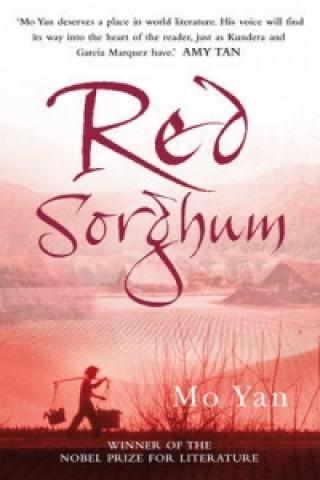
Spanning three generations, this novel of family and myth is told through a series of flashbacks that depict events of staggering horror set against a landscape of gemlike beauty as the Chinese battle both the Japanese invaders and each other in the turbulent 1930s.
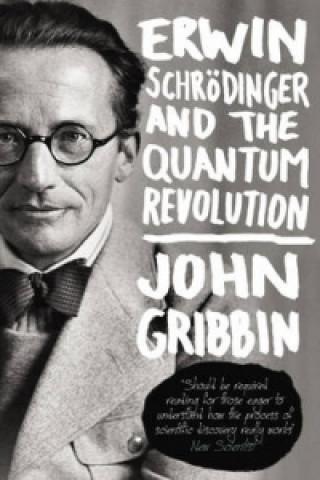
In this riveting biography, John Gribbin takes us into the heart of the quantum revolution. He tells the story of Erwin Schrödingers surprisingly colourful life (he arrived for a position at Oxford University with both his wife and mistress). And with his accessible style and popular touch, he explains the fascinating world of quantum mechanics, which underpins all of modern science.
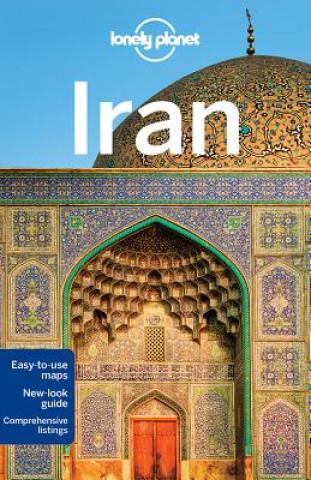
Welcome to what could be the friendliest country on earth. Iran is the jewel in Islam's crown, combining glorious architecture with a warm-hearted welcome. Lonely Planet will get you to the heart of Iran, with amazing travel experiences and the best planning advice.Lonely Planet Iran is your passport to the most relevant, up-to-date advice on what to see and skip, and what hidden discoveries await you. Hike among the Castles of the Assassins in Alamut Valley, Lose yourself in Esfahan's historic bazaar, or ski in the Alborz Mountains; all with your trusted travel companion. Get to the heart of Iran and begin your journey now!Inside Lonely Planet Iran Travel Guide:- Full-colour maps and images throughout- Highlights and itineraries help you tailor your trip to your personal needs and interests- Insider tips to save time and money and get around like a local, avoiding crowds and trouble spots- Essential info at your fingertips - hours of operation, phone numbers, websites, transit tips, prices- Honest reviews for all budgets - eating, sleeping, sight-seeing, going out, shopping, hidden gems that most guidebooks miss- Cultural insights give you a richer, more rewarding travel experience - festivals, cuisine, religion, history, architecture, literature, music, crafts, Environment- Over 50 mapsCoverage Includes: Tehran, Esfahan, Yazd, Shiraz, Persepolis, Kashan, Choqa Zanbil, Takht-e Soleiman, Tabriz, Masuleh, Mashhad, Garmeh, Alamut Valley, Alborz Mountains, Kaluts, Qeshm Island and more
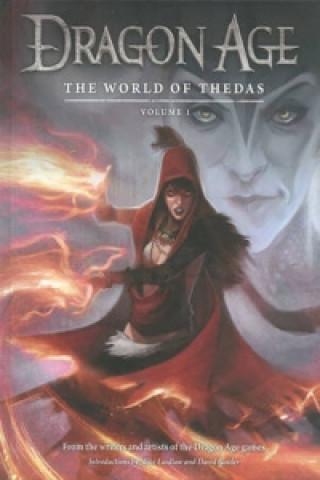
For Dragon Age newcomers, this comprehensive volume brings you up to speed on everything you need to know about the regions, religions, monsters, magic, and more! For dedicated fans, never before have the secrets of BioWare's epic fantasy been revealed so completely and so compellingly!* Filled with never-before-seen art by the creators of the games!* New Dragon Age game coming in 2013!* From the writers and artists of the Dragon Age games.The definitive guide!
NEW from the bestselling HBR's 10 Must Reads series. The best leaders know how to communicate clearly and persuasively. How do you stack up? If you read nothing else on communicating effectively, read these 10 articles. We've combed through hundreds of articles in the Harvard Business Review archive and selected the most important ones to help you express your ideas with clarity and impact--no matter what the situation. Leading experts such as Deborah Tannen, Jay Conger, and Nick Morgan provide the insights and advice you need to: * Pitch your brilliant idea--successfully * Connect with your audience * Establish credibility * Inspire others to carry out your vision * Adapt to stakeholders' decision-making styles * Frame goals around common interests * Build consensus and win support Looking for more Must Read articles from Harvard Business Review?Check out these titles in the popular series: HBR's 10 Must Reads: The Essentials HBR's 10 Must Reads on Collaboration HBR's 10 Must Reads on Innovation HBR's 10 Must Reads on Leadership HBR's 10 Must Reads on Making Smart Decisions HBR's 10 Must Reads on Managing Yourself HBR's 10 Must Reads on Strategic Marketing HBR's 10 Must Reads on Teams
Voyager Classics - timeless masterworks of science fiction and fantasy. A beautiful clothbound edition of I, Robot, the classic collection of robot stories from the master of the genre. In these stories Isaac Asimov creates the Three Laws of Robotics and ushers in the Robot Age. Earth is ruled by master-machines but the Three Laws of Robotics have been designed to ensure humans maintain the upper hand: 1) A robot may not injure a human being or allow a human being to come to harm 2) A robot must obey orders given to it by human beings except where such orders would conflict with the First Law. 3) A robot must protect its own existence as long as such protection does not conflict with the First or Second Law. But what happens when a rogue robot's idea of what is good for society contravenes the Three Laws?
Renowned cardiologist William Davis explains how eliminating wheat from our diets can prevent fat storage, shrink unsightly bulges and reverse myriad health problems. Every day we eat food products made of wheat. As a result millions of people experience some form of adverse health effect, ranging from minor rashes and high blood sugar to the unattractive stomach bulges that preventative cardiologist William Davis calls 'wheat bellies'. According to Davis, that fat has nothing to do with gluttony, sloth or too much butter: it's down to the whole grain food products so many people eat for breakfast, lunch and dinner. After witnessing over 2,000 patients regain their health after giving up wheat, Davis reached the disturbing conclusion that wheat is the single largest contributor to the nationwide obesity epidemic - and its elimination is key to dramatic weight loss and optimal health. In Wheat Belly Davis exposes the harmful effects of what is actually a product of genetic tinkering being sold to the public as 'wheat' and provides readers with a user-friendly, step-by-step plan to navigate a new, wheat-free lifestyle.Benefits include: substantial weight loss, correction of cholesterol abnormalities, relief from arthritis, mood benefits and prevention of heart disease. Informed by cutting-edge science and nutrition, and numerous case studies, Wheat Belly is an illuminating look at what is truly making us sick.
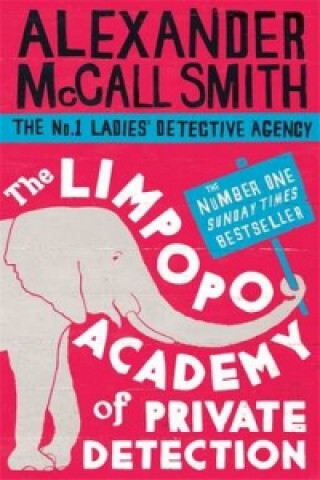
Mma Ramotswe and Mma Makutsi have always relied on the advice of the classic guide to their trade, The Principles of Private Detection. But who is the eminent author, Mr Clovis Andersen, and what if he were to come to Botswana? That seems a very unlikely possibility, and yet ...When Mr Andersen visits Botswana on holiday, he is delighted and intrigued to stumble across a roadside sign that reveals the existence of the No.1 Ladies' Detective Agency. Professional courtesy suggests that he call and announce himself. Meanwhile, Mma Makutsi and Phuti Radiphuti are embarking on married life and building a new house - a tricky business under any circumstances but especially hazardous when the name of the contractor is the Joy and Light Building Company.
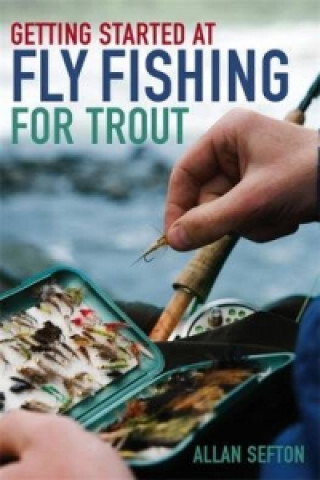
In this practical, easy-to-understand guide, Allan Sefton explains everything a new fly fisher needs to know. He covers modern fishing tackle, up-to-the-minute methods, how to develop the correct technical skills, right through to preparing and cooking the catch. He'll help you to understand why techniques work and how to avoid the pitfalls. Gain insight into the world of the trout and understand why they behave as they do.
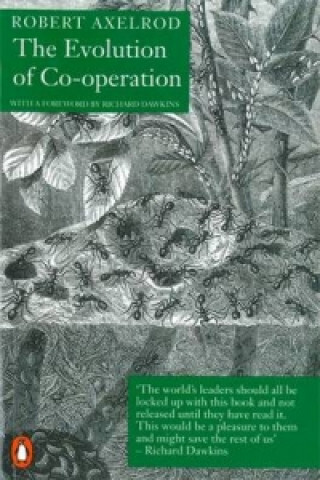
How can co-operation emerge in a world of self-seeking egoists - whether superpowers, businesses, or individuals - when there is no central authority to police their actions? The author explores this central question, and its implications in this age of nuclear weapons and arms talks.
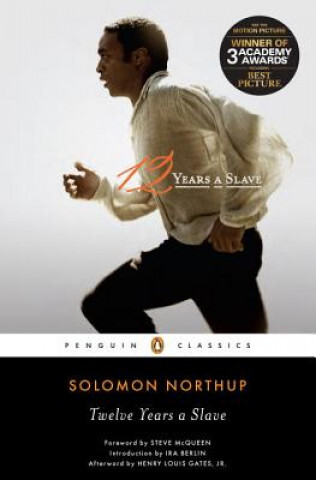
Born a free man in New York State in 1808, Solomon Northup was kidnapped in Washington, D.C., in 1841. He spent the next twelve years as a slave on a Louisiana cotton plantation. During this time he was frequently abused and often afraid for his life. After regaining his freedom in 1853, Northup published this gripping account of his captivity. As an educated man, Northup was able to present an exceptionally detailed description of slave life and plantation society. Indeed, this book is probably the fullest, most realistic picture of the 'peculiar institution' during the three decades before the Civil War. Northup tells his story both from the viewpoint of an outsider, who had experienced thirty years of freedom and dignity in the United States before his capture, and as a slave, reduced to total bondage and submission. Very few personal accounts of American slavery were written by slaves with a similar history. This extraordinary slave narrative, new to Penguin Classics, has a new introduction by prize-winning historian and author Ira Berlin, an essay by Henry Louis Gates Jr.
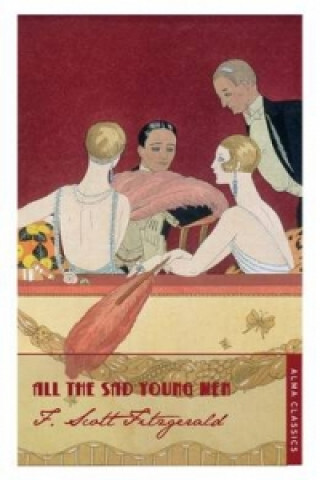
Published a year after The Great Gatsby, this short-story collection showcases many of the celebrated novel's themes, as well as its unique writing style. Two of the most famous tales, the beautifully elegiac 'The Rich Boy' and 'Winter Dreams', deal with wealthy protagonists - the old-money Anson Hunter and the self-made man Dexter Green - as they come to terms with lost love; while 'Absolution', in which a boy confesses to a priest, was initially written as a background piece to The Great Gatsby.
When Catherine Sloper falls for Maurice Townsend, her father, a wealthy New York doctor, believes that Townsend is a fortune hunter after his daughter's inheritance. He forbids the marriage but Catherine persists in her affection, encouraged by her foolish aunt Lavinia who has a weakness for Maurice herself. Dr Sloper takes Catherine abroad to distract her from the infatuation, but she proves to be as stubborn as her father. The book is a vivid study of the four central characters drawn in what are, for this author, unusually strong primary colours. Six novels by Henry James and two volumes of his shorter fiction are already published in "Everyman's Library".
The Fourth William Wisting Mystery Only three houses away from the policeman's home, a man has been sitting dead in front of his television set for four months. There are no indications that anything criminal has taken place. Viggo Hansen was a man nobody ever noticed, even though he lived in the midst of a close-knit community. His death doesn't hit the headlines, but there is something about the case that catches the attention of William Wisting's journalist daughter, Line, and she decides to write a newspaper article with a different twist for the festive season: the portrait of a completely anonymous and obscure person whose death goes unremarked and unmourned.
First UK publication of Forsman's mind-blowing follow up to The End of the F***ing WorldNew and expanded edition'Scary, disturbing and expertly executed .
Planetary has been hailed as a timeless story that turned modern superhero conventions on their heads. This book looks at the inter-dimensional peace-keeping force known as Planetary.
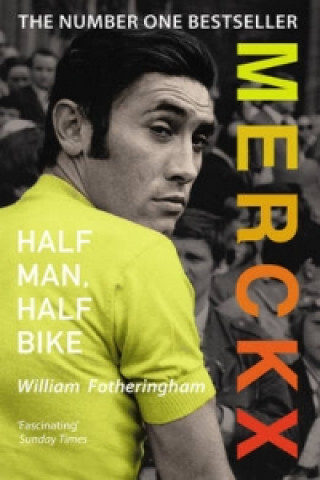
What makes a man the greatest of all time? Eddy Merckx is to cycling what Muhammad Ali is to boxing or Pele to football: quite simply, the best there has ever been. Merckx was a machine. It wasn't just the number of victories (445); it was his remorseless domination that created the legend. He didn't just beat his opponents, he crushed them. But his triumphs only tell half a story that includes horrific injury, a doping controversy and tragedy. He was nicknamed 'The Cannibal' for his insatiable appetite for victory, but the moniker did scant justice to a man who was handsome, sensitive and surprisingly anxious. Britain's leading cycling writer, William Fotheringham, goes back to speak to those who were there at the time and those who knew Merckx best to find out what made Eddy Merckx so invincible.
Revised and updated by Dr. David Dowling, Fluid Mechanics is suitable for both a first or second course in fluid mechanics at the graduate or advanced undergraduate level. This leading advanced general text on fluid mechanics presents content in accessible language without sacrificing rigor, and includes such diverse applications as aerodynamics, geophysical fluid dynamics, and current coverage of computational fluid dynamics. * New to this edition: * Updated Computational Fluid Dynamics (CFD) chapter for up to date terminology, and added new sample codes, examples, and exercises* Updated Geophysical Fluid Dynamics (GFD) chapter has been reorganized so that various simplified forms of the equations of motion are readily determined from a common foundation. Plus, examples, exercises, and new material have been added.* Notations have been revised * Addition of new topics, examples, and exercises throughout the book.* Some of the biofluid mechanics coverage has been integrated into appropriate chapters, and the separate chapter on biofluid mechanics has been moved to the companion website
In asking where we came from, what we are and where we are going, Edward O. Wilson directly addresses three fundamental questions of religion, philosophy and science. Refashioning the story of human evolution, he draws on his remarkable knowledge of biology and social behaviour to show that group selection, not kin selection, is the primary driving force of human evolution. He proves that history makes no sense without prehistory and prehistory makes no sense without biology. Demonstrating that the sources of morality, religion and the creative arts are fundamentally biological in nature, Wilson presents us with the clearest explanation ever produced as to the origin of the human condition and why it resulted in our domination of the Earth's biosphere.
Terrorist groups are no different from other organizations in their use of branding to promote their ideas and to distinguish themselves from groups that share similar aims. The branding they employ may contain complex systems of meaning and emotion; it conveys the group's beliefs and capabilities. Branding Terror is the first comprehensive survey of the visual identity of the world's major terrorist organizations, from al-Qaeda and the Popular Front for the Liberation of Palestine to the Tamil Tigers. Each of the 60-plus entries contains a concise description of the group's ideology, leadership and modus operandi, and a brief timeline of events. The group's branding - the symbolism, colours and typography of its logo and flag - is then analysed in detail. Branding Terror does not seek to make any political statements; rather, it offers insight into an understudied area of counter-intelligence, and provides an original and provocative source of inspiration for graphic designers.
Combining psychology, sociology, management, and case studies, the authors of "Made to Stick" tell stories of people and organizations who have successfully implemented significant changes--even when change is hard.
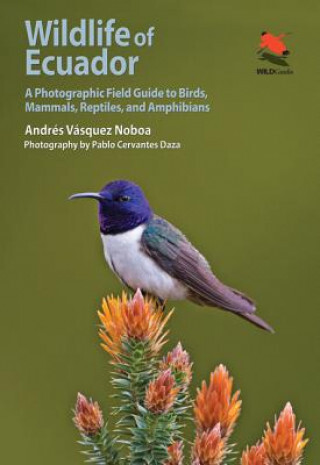
Mainland Ecuador's spectacular wildlife makes it a magnet for nature tourists, but until now there hasn't been a go-to, all-in-one guide geared to the general reader. With this handy and accessible guide, visitors now have everything they need to identi
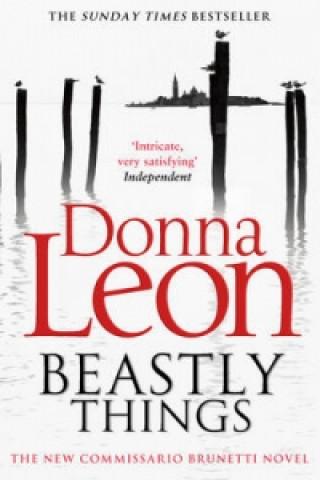
When a body is found floating in a canal, strangely disfigured and with multiple stab wounds, Commissario Brunetti is called to investigate and is convinced he recognises the man from somewhere. However, with no identification except for the distinctive shoes the man was wearing, and no reports of people missing from the Venice area, the case cannot progress. Brunetti soon realises why he remembers the dead man, and asks Signorina Elettra if she can help him find footage of a farmers' protest the previous autumn. But what was his involvement with the protest, and what does it have to do with his murder? Acting on the fragile lead, Brunetti and Ispettore Vianello set out to uncover the man's identity. Their investigation eventually takes them to a slaughterhouse on the mainland, where they discover the origin of the crime, and the world of blackmail and corruption that surrounds it. Both a gripping case and a harrowing exploration of the dark side of Italy's meat industry, Donna Leon's latest novel is a compelling addition to the Brunetti series.