*Vastupidav tagakaamera kaitseklaas *Loodud puhta ja tasase väljanägemise jaoks *Suurepärane sobivus - takistuseta kaamera ja välgu kasutamine *Sõrmejälgi hülgav kaitsekiht *Lihtne paigaldada
You are captains of the Coast Guard. Together you check beacon buoys and lighthouses to ensure the safety of the North Sea coast. You place your tiles next to tiles that are already placed, move your ships, and explore the sea. Your goal is to explore as many tiles as possible. A tile is considered explored when it’s connected to other tiles on all four of its sides. Beacon Patrol is a co-op tile-laying exploration game in which you navigate the coast of the North Sea to secure its beacon buoys, lighthouses and waterways.
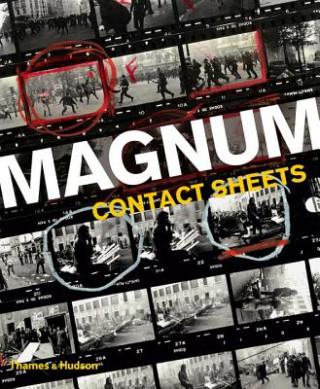
A paperback edition to mark Magnum's 70th anniversary. It features over 3,600 individual frames of great photographs that have been captured, edited and made. 'Exemplary... stunningly beautiful', Geoff Dyer "Observer".
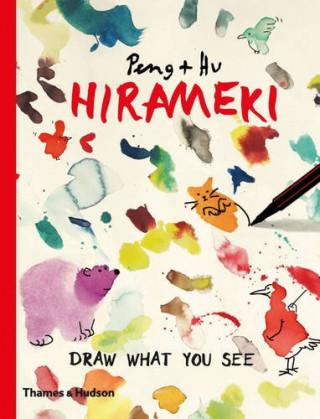
Hirameki - 'brainwave' or 'flash of inspiration' in Japanese - is where doodling and imagination come together. Simply put, it's the art of turning a random blot into something amazing, just by adding a few dots and lines. If it's true that you can find happiness in little things, this book lets you add line and dot to each blot.
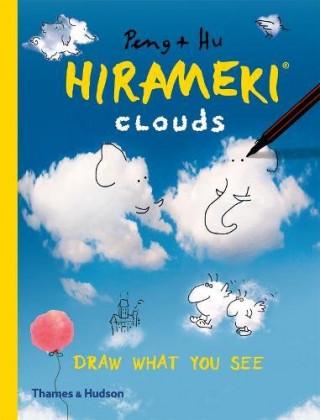
Every sky’s an inspiration, Every cloud floats free, Unlock your imagination, Draw what you see! Hirameki – 'brainwave’ or 'flash of inspiration’ in Japanese – is where doodling and imagination come together. Simply put, it’s the art of turning a random blot into something amazing, just by adding a few dots and lines. If it’s true that you can find happiness in little things, this book should keep your eyes, hand and brain entertained for hours.
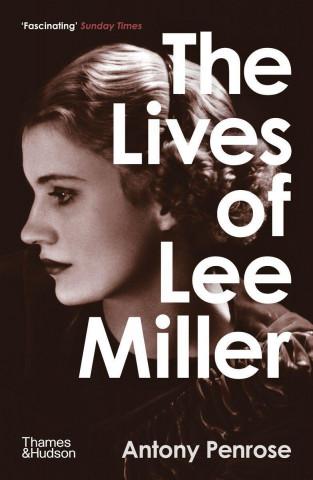
Published to coincide with the release of the film Lee, starring Kate Winslet as Lee Miller, a biography described by the Sunday Times as 'a fascinating revelation of an adventurous and protean spirit.'
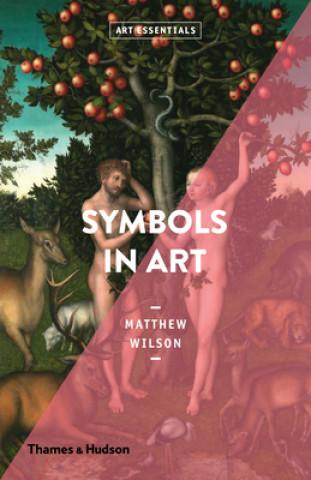
Iconography, or the study of symbols--be they animals, artifacts, plants, geometric shapes, or gestures--is an essential aspect of interpreting art. One of the most consistent features of human society throughout time has been the use of visual symbols,
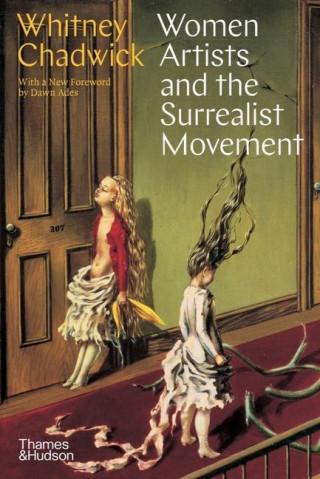
This pioneering book stands as the most comprehensive treatment of the lives, ideas and art works of the remarkable group of women who were an essential part of the Surrealist movement. Frida Kahlo, Meret Oppenheim and Dorothea Tanning, among many others, became an embodiment of their age as they struggled towards artistic maturity and their own 'liberation of the spirit' in the context of the Surrealist revolution. Their stories and their achievements are presented here against the background of the turbulent decades of the 1920s, 30s and 40s, and the war that forced Surrealism into exile in New York and Mexico.
Over the past twenty years, the study of dinosaurs has transformed into a true scientific discipline. New technologies have revealed secrets locked in prehistoric bones that no one could have previously predicted. We can now work out the color of dinosa
This is the story of streetwear. King ADZ and Wilma Stone recount how a long line of subcultural movements have been incorporated into a multi-billion-dollar global industry and taken over both the high street and high-end fashion. Starting from the building blocks of repurposed sportswear, workwear and combat-wear, they explain just how it is that a revolutionary sartorial trend has evolved to encompass a vast range of disparate tribes, offering a powerful sense of belonging and identity to all. The story begins in 1972, in Jersey City, USA, with the birth of the first ever streetwear shop, Trash and Vaudeville. The journey then encompasses punk, Ivy League preppies, the hip-hop kings and queens of Harlem, the dresser/casual movement born out of British football culture, the skater scene of California, the paninari scooter-brats of Milan, and much more. We are shown how streetwear, worn with integrity and swagger, has transcended culture, race, gender and age to become a lasting worldwide phenomenon. Whether focusing on major brands such as Stüssy, Carhartt, Tommy Hilfiger and SHUT or today’s up-and-comers from South African townships or downtown Seoul, this dynamic study surveys the scene. It also takes a look at how the Internet era has changed the ways streetwear is sold and consumed, and how the field may evolve in the future. Packed with profiles of industry pioneers, Q&As with key figures and over 300 illustrations, this is the complete history of fashion’s fastest-growing and most influential movement.Table of ContentsForeword • Introduction • A Definition of Streetwear • Wardrobe Essentials • Year Dot • Punk • Preppy • Dresser/Casual • Hip-Hop • Club/Rave • Paniani • The Places • Stussy • Skate/Surfwear • Internet Era • The Future
Anime has been influencing cinema, literature, comic books, and video games around the world for decades. Part of what makes anime so popular are the memorable and breathtakingly detailed worlds designed by the creators, from futuristic cities of steel
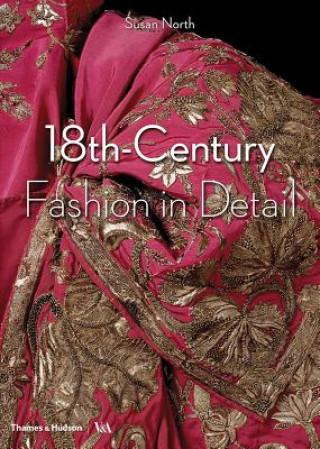
This beautifully illustrated book reveals the sharp pleats, high collars, gleaming pastes, colourful beads, elaborate buttons and intricate lacework that make up some of the garments in the Victoria and Albert Museum’s extensive fashion collection. With an expertly written text by one of the museum’s fashion curators and exquisite colour photography of garment details, complemented by line drawings and photographs, the reader has the unique opportunity to examine up close historical clothing that is often too fragile to be on display. It is an inspirational resource for students, collectors, designers and anyone who is fascinated by fashion and costume. This new edition features an updated design, fresh content and new research, and an introduction that focuses on the makers and processes involved in producing 18th-century fashion.Table of Contents1. Pleats, Gathers and Looped Drapery • 2. Collars, Cuffs and Pockets • 3. Stitchingand Quilting • 4. Lace and Whitework • 5. Embroidery • 6. Pastes, Foils and Beads •7. Chintz and Painting • 8. Pinking and Punching • 9. Fringes, Ribbons, Tassels andButtons • 10. Fur, Feathers and Straw
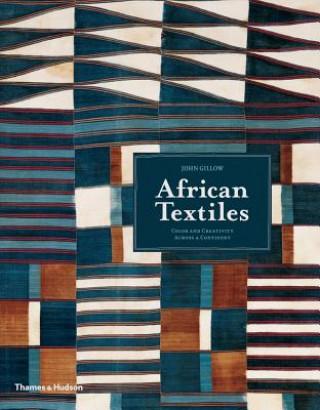
With a survey of African textiles on the market, this book illustrates over 570 spectacular colour photographs the traditional, hand crafted, indigenous textiles of the whole continent. It provides a wealth of information on the rich art of African textiles.
The Sunday Times bestseller: David Hockney reflects upon life and art as he experiences lockdown in rural Normandy On turning eighty, David Hockney sought out rustic tranquillity for the first time: a place to watch the sunset and the change of the seasons; a place to keep the madness of the world at bay. So when Covid-19 and lockdown struck, it made little difference to life at La Grande Cour, the centuries-old Normandy farmhouse where Hockney set up a studio a year before, in time to paint the arrival of spring. In fact, he relished the enforced isolation as an opportunity for even greater devotion to his art. Spring Cannot be Cancelled is an uplifting manifesto that affirms art's capacity to divert and inspire. It is based on a wealth of new conversations and correspondence between Hockney and the art critic Martin Gayford, his long-time friend and collaborator. Their exchanges are illustrated by a selection of Hockney's new, unpublished Normandy iPad drawings and paintings alongside works by van Gogh, Monet, Bruegel, and others. We see how Hockney is propelled ever forward by his infectious enthusiasms and sense of wonder. A lifelong contrarian, he has been in the public eye for sixty years, yet remains entirely unconcerned by the view of critics or even history. He is utterly absorbed by his four acres of northern France and by the themes that have fascinated him for decades: light, colour, space, perception, water, trees. He has much to teach us, not only about how to see... but about how to live.
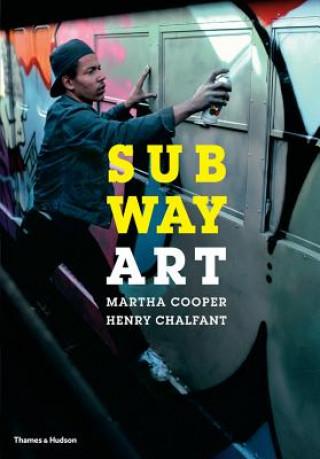
In 1984, photographers Martha Cooper and Henry Chalfant captured the imagination of a generation with Subway Art, a groundbreaking book documenting the work of graffiti writers who illegally painted subway cars in New York City. The 2009 edition of the book is now available in a new, slightly reduced format. Henry Chalfants images of the trains retain their impact, while Martha Coopers narrative pictures tell the story. In the introductions, the authors recall how they gained entry to the New York graffiti community in the 1970s and 1980s and describe the techniques that they used to photograph it. Afterwords report how the lives of the original subway artists have unfolded, and chronicle the end of the subway graffiti scene in the late 1980s and its unexpected rebirth as a global art movement.This is an essential book for all fans of graffiti, stunning photography and 1980s-cool.
Design for the Real World has been translated into over twenty languages since it first appeared in 1971; it has become the world's most widely read book on design and is an essential text in many design and architectural schools. This edition offers a blueprint for survival in the third millennium. Victor Papanek's lively and instructive guide shows how design can reduce pollution, overcrowding, starvation, obsolescence and other modern ills.He leads us away from `fetish objects for a wasteful society' towards a new age of morally and environmentally responsible design.
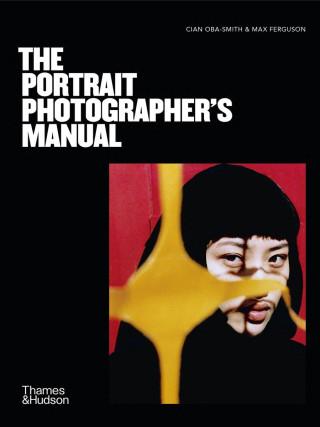
Through simple projects on subjects such as 'Making Self-Portraits' and 'Capturing Personal Moments' as well as captivating profiles of twenty internationally acclaimed photographers, Cian Oba-Smith and Max Ferguson give you a visual tour of the medi
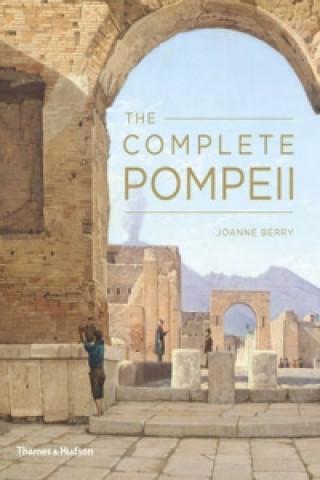
Pompeii is the best known and probably the most important archaeological site in the world. This book, now available in paperback, is the most up-to-date, authoritative and comprehensive account for the general reader of its rise, splendour and fall. The drama of Pompeii's end has been handed down by Roman writers, its paintings and mosaics have astonished visitors since their discovery, and its houses and public buildings still present a vivid picture of life, disaster and death in a Roman town.
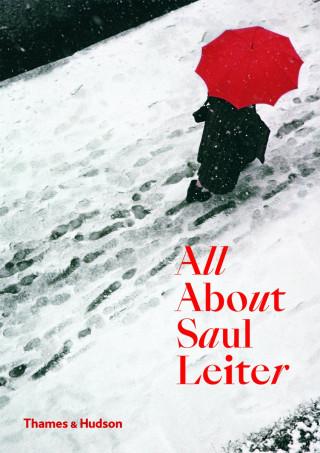
`A photographer's gift to the viewer is sometimes beauty in the overlooked ordinary' Saul Leiter Photography lovers the world over are now embracing Saul Leiter, who has enjoyed a remarkable revival since fading into relative obscurity in the 1980s. This collection reveals the secrets of his appeal, from his life philosophy and lyricism to masterful colours and compositions. Some 200 works - including early street photographs, images for advertising, nudes and paintings - cover Leiter's career from the 1940s onwards, accompanied by quotations from the artist himself that express his singular world view.
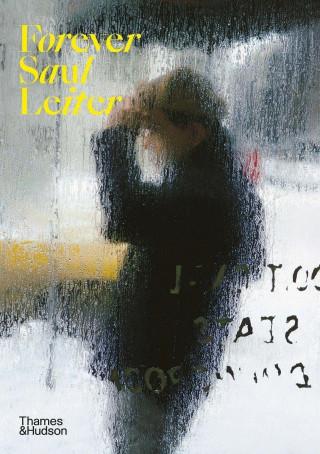
Saul Leiter remained relatively unsung until he was rediscovered by curators and critics in his early 80s, and his work has been drastically re-evaluated over the last two decades. Leiter's painterly images evoked the flow and rhythm of life on the mid-century streets of New York in luminous colour, at a time when his contemporaries were shooting in black and white. His complex and impressionistic photographs are as much about evoking an atmosphere as nailing the decisive moment.In recent years, Leiter has been in the spotlight more and more with a series of exhibitions and publications. His studio in New York's East Village, where he had lived since 1952 until his death in 2013, is now the home of the Saul Leiter Foundation. The foundation has begun a full-scale survey and organization of his more than 80,000 works, with the aim of compiling the 'complete' archive.This volume contains works discovered through this process, valuable documents that reveal the secrets of Saul Leiter's creation, unpublished works, popular colour works and black-and-white works that have not been published so far, as well as works that trace the memories of those closest to him taken in private. As Saul Leiter said, 'Photographs are often treated as capturing important moments, but they are really small fragments and memories of the world that never ends.' This is Forever Saul Leiter.
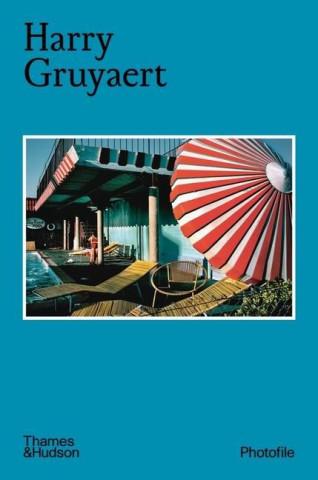
New in the Photofile series, a mini-monograph on Belgian photographer Harry Gruyaert. Born in Antwerp in 1941, Harry Gruyaert was a pioneer of European colour photography in the 1970s and 1980s. In 1972, he created TV Shots, a series of images created by turning the dial on a television set at random and photographing the screen.Later he travelled the world, seeking out different kinds of light and exhibiting a particular fascination with borders, interfaces and incongruous juxtapositions. A member of Magnum Photos since 1982, he describes colour as 'a means of sculpting what I see ... it's the emotion of photography.' Most recently he has begun to explore the experimental freedom offered by digital photography.Autonomous, non-narrative and often witty, Gruyaert's images are complex encounters with colour and light.
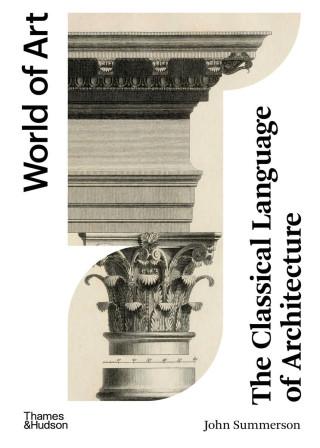
A revised and updated edition of Sir John Summerson's classic book. Derived from the principles of Greek and Roman architecture in antiquity, the classical style has long dominated the history of western architecture from the Renaissance to the present. Sir John Summerson's timeless text, as relevant today as it was when first published, distils the visual language of architecture into its core classical elements, and illustrates that building throughout the ages express an awareness of the 'grammar' of style and its rules even if they vary, break or poetically contradict them.From the original edifices of Greece and Rome to the recapitulations and innovations of the Renaissance; the explosive rhetoric of the Baroque to the grave statements of Neo-classicism; and finally, the exuberant eclecticism of the Victorians and Edwardians to the 'stripped Neo-classicism' of some of the moderns; Summerson explains how every period has employed classical language to make their statement. With a new introduction by academic and architectural historian Alan Powers, this introduction continues to be one of the defining texts on the subject and is essential reading for all students of architecture.
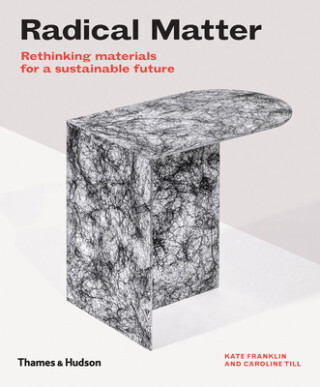
A roadmap for product design professionals and students to the eight `Big Ideas' in material innovation. With more than sixty case studies, Radical Matter showcases the designers and engineers who are disrupting and changing the ways products will be manufactured, distributed and consumed.
Language: English, Binding: Paperback, Number of pages: 272, Publishers: Thames & Hudson Ltd, Author: Anna Yudina, ISBN-13: 9780500297568, Date of issue: 2024
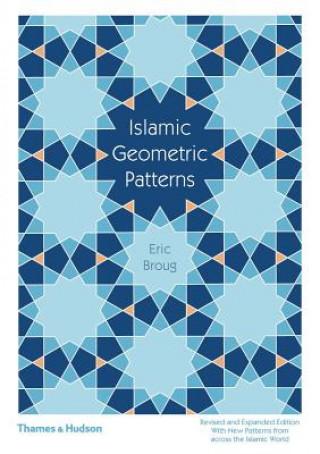
Helps readers to create their own patterns, based on compositions from across the Islamic world. This book opens up the world of intricate Islamic patterns, allowing artists, designers and doodlers alike to learn about these works of art as they produce their own.
A comprehensive design resource that reveals how the iconic chairs of the 20th and 21st centuries have been designed for mass production. Chair Anatomy reveals in photos and illustrations the form and the construction details – the anatomy – of a se
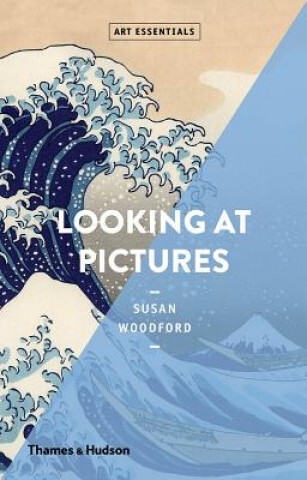
Looking at pictures can be a delightful, exciting or moving experience, but some pictures – and these are often the most rewarding – require some explanation before they can be fully understood. Delving into the origins, designs and themes of over 100 pictures from different periods and places, this book illuminates the art of looking at – and talking about – pictures. Woodford shows how you can read a picture by examining the formal and stylistic devices used by an artist, and explores popular themes and subject matters, and the relationship of pictures to the societies that produced them. The book is supplemented by a glossary of key terms, ranging from art movements and technical terms to religious and classical terminology, to give readers all the information they need at their fingertips.Table of ContentsIntroduction • 1. Ways of Looking at Pictures • 2. Land and Sea • 3. Portraits •4. Everyday Things • 5. History and Mythology • 6. The Christian World • 7. CreatingPatterns on Flat Surfaces • 8. Tradition • 9. Design and Organization • 10. The Depictionof Space • 11. Formal Analysis • 12. Hidden Meanings • 13. Quality
"Why Your 5 Year Old Could Not Have Done That" is Susie Hodges passionate and persuasive argument against the most common disparaging remark levelled at modern art. In this enjoyable and thought-provoking book, she examines 100 works of modern art that have attracted critical and public hostility from Cy Twomblys scribbled "Olympia" (1957), Jean-Michel Basquiats crude but spontaneous "LNAPRK" (1982), to the apparently careless mess of Tracey Emins "My Bed" (1998) and explains how, far from being negligible novelties, they are inspired and logical extensions of the ideas of their time. She explains how such notorious works as Carl Andres Equivalent VIII (1966) the infamous bricks occupy unique niches in the history of ideas, both showing influences of past artists and themselves influencing subsequent artists. With illustrations of works from Hans Arp to Adolf Wolfli, Hodge places each work in its cultural context to present an unforgettable vision of modern art. This book will give you an understanding of the ways in which modern art differs from the realistic works of earlier centuries, transforming as well as informing your gallery visits for years to come.
An updated edition of this essential practical handbook for all those involved in, or studying, the dynamic field of curating. From pitching your ideas and writing loan requests to working with artists, lenders and art handlers, to writing interpretation material, installing and promoting your exhibition; The Curator's Handbook is the most clear and complete guide yet to the art and practice of curating. An introduction maps the history of curating from its origins in the 17th century to the multifarious roles of the curator today: tastemaker, custodian, interpreter, educator, facilitator, organizer.Adrian George then guides the reader, across thirteen chapters, through the process of curating an exhibition. Each step is described in valuable detail and clear, informative language by this experienced curator, whose text pinpoints the keys to success (as well as which pitfalls to avoid). With advice and tips from a renowned cast of international museum directors and curators – including Daniel Birnbaum, Aric Chen, Elizabeth Ann MacGregor, Hans Ulrich Obrist, Jennifer Russell and Nicholas Serota – this new edition, updated to reflect current concerns in the art world and the latest recommended best practices, remains the essential handbook for all students, museum and gallery professionals, as well as established or aspiring curators.
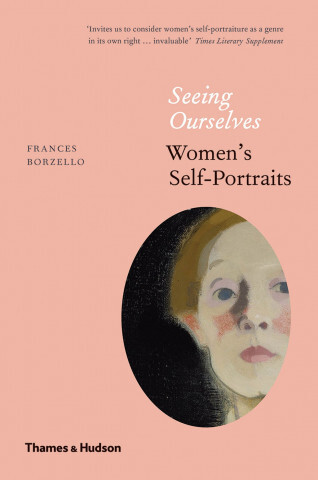
This richly diverse exploration of female artists and self-portraits is a brilliant and poignant demonstration of originality in works of haunting variety. The two earliest self-portraits come from 12th-century illuminated manuscripts in which nuns gaze at us across eight centuries. In 16th-century Italy, Sofonisba Anguissola paints one of the longest series of self-portraits, spanning adolescence to old age. In 17th-century Holland, Judith Leyster shows herself at the easel as a relaxed, self-assured professional. In the 18th century, artists from Elisabeth Vigée-Lebrun to Angelica Kauffman express both passion for their craft and the idea of femininity; and in the 19th the salons and art schools at last open their doors to a host of talented women artists, including Berthe Morisot, ushering in a new and resonant self-confidence. The modern period demolishes taboos: Alice Neel painting herself nude at eighty, Frida Kahlo rendering physical pain, Cindy Sherman exploring identity, Marlene Dumas dispensing with all boundaries. The full verve of Frances Borzello’s enthralling text, and the hypnotic intensity of the accompanying self-portraits, is revealed to the full in this inspiring book.Table of Contents1. In the Beginning: The Sixteenth Century • 2. The New Self-Confidence: The Seventeenth Century • 3. Professionals and Amateurs: The Eighteenth Century • 4. The Opening Door: The Nineteenth Century • 5. Breaking Taboos: The Twentieth Century • 6. Feminism and After: Towards the Contemporary
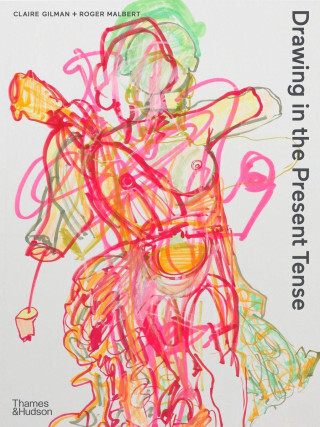
A richly illustrated, up-to-the-minute overview of new approaches in drawing, set in the context of recent developments of other forms of contemporary art. This book explores the variety of ways in which contemporary artists from around the world have come to approach drawing as the primary, sometimes the sole, element of their practice, and one which is autonomous: an end in itself rather than a means to an end in another, more substantial medium. In an era of advanced technologies where image production has accelerated - potentially beyond the capacity of human attention - what values can be attributed to the slow, deliberate process of drawing by hand? The artworks featured in this volume are not confined to traditional tools - one can also draw on a computer, tablet or smartphone, and examples of digital drawing are incorporated into the narrative not as a separate category but as one medium among many. Grouped thematically by specific approaches, including abstraction and figuration, nature and artifice, social observation and critique, with essays and feature spreads for each section, this selection of international artists of diverse backgrounds and experience includes not only recognizable names such as Michael Armitage, Camille Henrot, Robert Longo, Amy Sillman and Kara Walker, but also a host of emerging talents. Beautifully presented in a visually appealing and tactile format with the feel of an artist's portfolio, this is an inspiring overview of the best drawing practice today.