Funko Pop! Vinüülfiguurid on hiiglaslike peadega, suurte silmadega koopiad sinu lemmiknäitlejatest, tegelastest ja teistest pop kultuuris leiduvatest inimestest. Valikus on tuhandeid erinevaid tegelasi, seega leia oma lemmik!
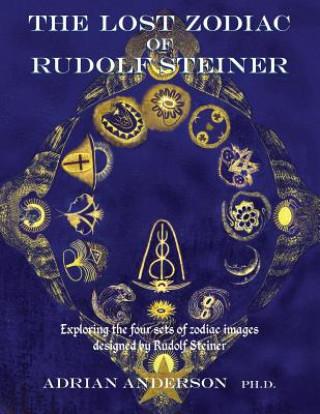
Written by world-leading authority on Steiner's teachings, Dr. Adrian Anderson, author of 'The Horoscope Handbook - a Rudolf Steiner Approach' Depicted and explained is Rudolf Steiner's lost zodiac, originally painted on the ceiling of the Anthroposophical Society Centre in Stuttgart, which was destroyed in 1937. Fortunately, some black and white photos, from 1912 survived, and a description of its original colours. From this the author has brought back to life again this magnificent set of images. - Coloured reproductions of each image, which were intended to help us contemplate the significance of the zodiac energies, are reproduced here in nearly A4 size - An insightful commentary on these images, which reveal how the significance of the zodiac for the soul today, comes from its influence in ancient times or in future Ages - All the images from his three other zodiac designs are also included here, with an explanation - Rudolf Steiner's profound verses, the Twelve Moods, are presented in a new translation with a commentary, revealing they are meditations on what our zodiac sign or 'sun-sign' means to us. Included are several essays on related astrological themes: - What kind of zodiac underlies the Zodiac Ages, each lasting 2,160 years, the basis of the anthroposophical view of history? - Examples of how Rudolf Steiner used and validated the so-called Tropical Zodiac, used in drawing up horoscopes. 148 pages in near A4 size, with 51 pages of graphics.
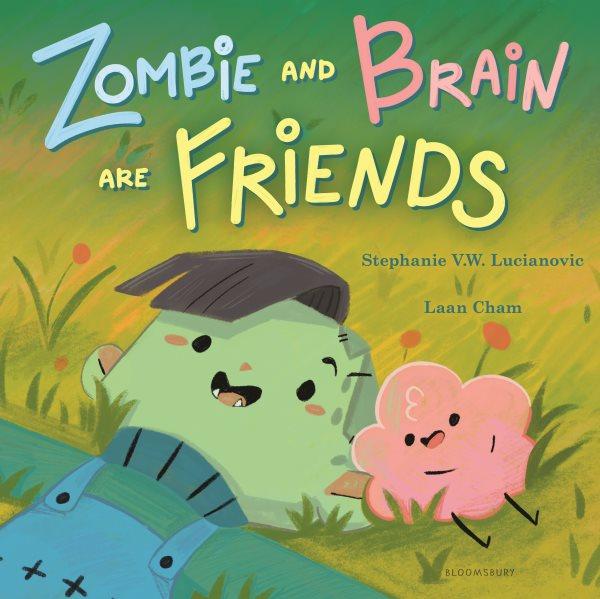
** The New York Times BESTSELLER ** Zombie in Love meets Gustavo, the Shy Ghost in this story about a young zombie who must decide: Are brains friends or food? Zeb comes from a family of farmers zombie farmers. Each week they pickle, bake, fry, and sell their grain-fed, free-range brains to be enjoyed by the masses. Zeb understands that brains are food, not pets until one day he comes across the tiniest, pinkest, squishiest brain he ever did see! Can he convince his parents that his brainy bestie is better off as a member of the family than family dinner?
What was it like to be a kid during the March on Washington?In 1963, the United States was at the peak of the Civil Rights Movement. This was the year when activists from around the country joined forces to organize one of the most important protests in US history: the March on Washington for Jobs and Freedom. Some of the marchers who protested for equal rights were kids!Join Eugene and Lori as they march with thousands of other people for a day of unity and celebration that changed the course of history.ABOUT THIS SERIES:Step back in time to the most relevant historical moments with the best-selling series, If You Were a Kid! In an exciting blend of fiction and nonfiction, a fictionalized narrative teaches history through the eyes of kids, while informational text introduces readers to key factual information. With engaging text, illustrations, and photos on every page, If You Were a Kid will spark readers curiosity and imagination, making learning about our past an accessible and unforgettable experience. Autorid: Aaron Talley, Josh Gregory, Ana Latese
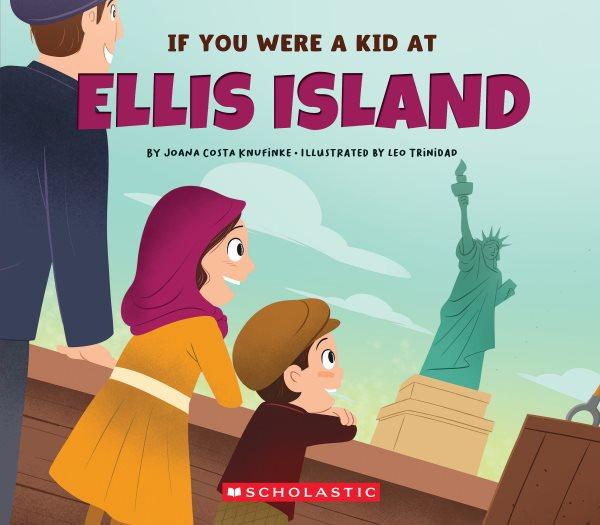
What was it like to be a kid traveling through Ellis Island?Most people in the United States can trace their origins to somewhere else. This means that either they or their ancestors were immigrants. The most important gateway for immigrants during the early 20th century was Ellis Island. This immigration station on a tiny island in New York Harbor welcomed more than 12 million people to America! Many of them were kids!Join Isabella and Alberto as they journey from Italy to the United States through Ellis Island. Share their struggles, fears, and hopes as they go through an experience shared with millions of Americans.ABOUT THIS SERIES:Step back in time to the most relevant historical moments with the best-selling series, If You Were a Kid! In an exciting blend of fiction and nonfiction, a fictionalized narrative teaches history through the eyes of kids, while informational text introduces readers to key factual information. With engaging text, illustrations, and photos on every page, If You Were a Kid will spark readers curiosity and imagination, making learning about our past an accessible and unforgettable experience. Autorid: Joana Costa Knufinke, Leo Trinidad
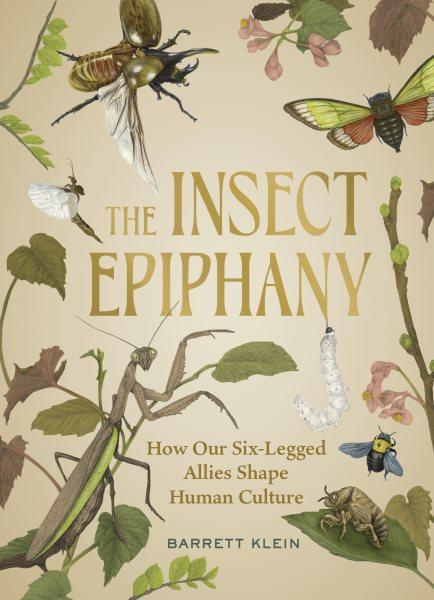
From an entomologist comes a buzz-worthy exploration of the many ways insects have affected human society, history and culture. Illustrations. From entomologist Barrett Klein comes a buzz-worthy exploration of the many ways insects have affected human society, history, and culture Insects surround us. They fuel life on Earth through their roles as pollinators, predators, and prey, but rarely do we consider the outsize influence they have had on our culture and civilization. Their anatomy and habits inform how we live, work, create art, and innovate. Featuring nearly 250 color imagesfrom ancient etchings to avant-garde art, from bug-based meals to haute coutureThe Insect Epiphany proves that our world would look very different without insects, not just because they are crucial to our ecosystems, but because they have shaped and inspired so many aspects of what makes us human. Autorid: Barrett Klein
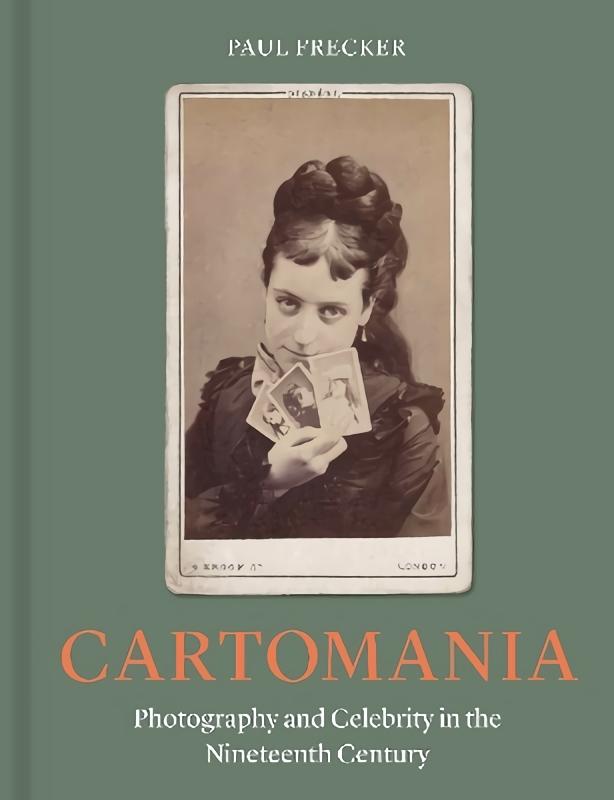
'This eye-opening and frequently jaw-dropping history of the phenomenon opens up a set of fascinating peepholes on to a now vanished world' Spectator Cartomania was a photographic phenomenon that seized the public imagination at the beginning of the 1860s. Small portraits, dubbed cartes de visite, were avidly exchanged with friends and family, quickly earning a reputation as 'the paper currency of social intercourse'. Compiled into albums and prominently displayed in the home to peruse, assess and discuss, this first explosion of commercial portraiture proved a wildly popular craze, particularly once celebrities embraced the new format. Paul Frecker's lavishly illustrated book brings fresh insight into the careers of the enterprising men and women who established studios and into the lives of those who passed before their cameras. With unparalleled depth of research and evocative prose, he vividly brings to life the photographers and many of their subjects. From reigning queens and visiting sultans to grieving mothers and nefarious criminals, all life lies within. Whether dressed in their best or in fancy dress, cartomania's devotees and their often extraordinary stories are laid bare in this fascinating view of mid-Victorian society. Autorid: Paul Frecker