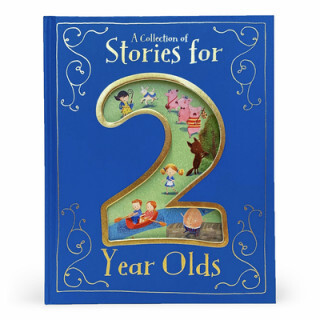
Snuggle up to your favorite nursery rhymes and drift into the magical worlds of all your most beloved fairytale characters with this unique collection of enchanting stories carefully selected to enthrall 2-year-olds.
The gold standard in undergraduate-level evolutionary biology textbooks. This new fifth edition presents the field of evolution as a living, breathing science. Extensively revised for clarity and currency, Evolution, 5th Edition, includes updated coverage in evolutionary genetics and geometrics to illustrate the rapidly moving science of evolution and emphasizes the interplay between theory and empirical test hypotheses, acquainting students with the process of science. Evolution is available in a dynamic interactive enhanced e-book that allows students hone their problem-solving and data analysis skills while seeing the evolution in the context of their life. Autorid: Douglas Futuyma, Mark Kirkpatrick
Choosing a research method can be bewildering. How can you be sure which methodology is appropriate, or whether your chosen combination of methods is consistent with the theoretical perspective you want to take? This book links methodology and theory with great clarity and precision, showing students and researchers how to navigate the maze of conflicting terminology. The major epistemological stances and theoretical perspectives that colour and shape current social research are detailed and the author reveals the philosophical origins of these schools of inquiry and shows how various disciplines contribute to the practice of social research as it is known today. Autorid: Michael J Crotty
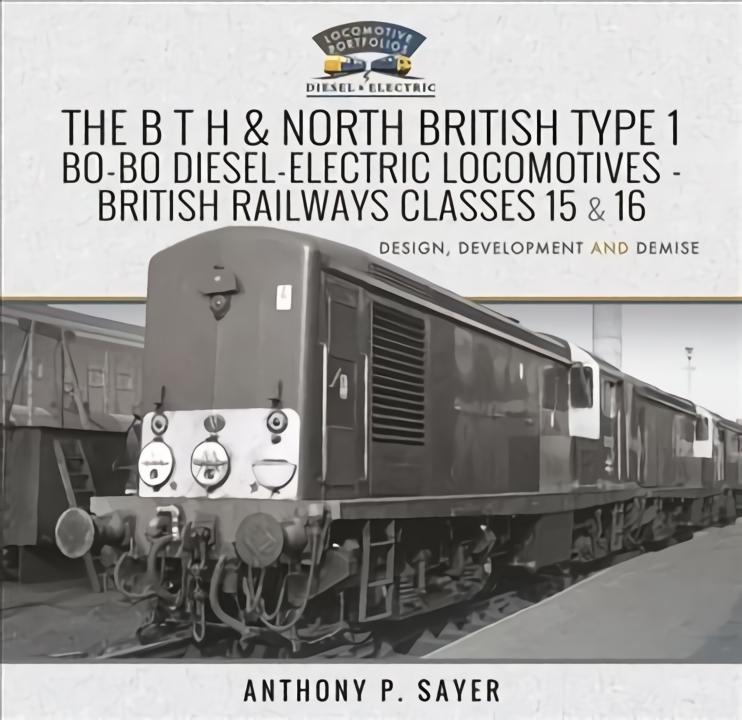
This book looks at the short history of classes 15 and 16, making extensive use of archive sources, combined with the primary observations of numerous enthusiasts. The British Railways Pilot Scheme orders of 1955 included ten BTH and ten NBL Type 1 locomotives, these being introduced during 1957-61 for use in East London, and on the Great Eastern and London, Tilbury & Southend lines. The BTH fleet subsequently expanded to forty-four, as a consequence of their light axle-loading and the availability of spare manufacturing capacity which BR chose to exploit in their quest to eliminate steam traction.Further construction of these two classes ceased after the fifty-four units, with preference being given to the highly reliable English Electric product which by mid-1962 had proliferated to 128 examples.The NBL fleet survived until 1968, being withdrawn after ten years of indifferent performance. The BTH locomotives followed by 1971, although four lingered on as carriage pre-heating units. Dramatic reductions in goods traffic during the 1960s/70s particularly impacted local trip and transfer freight duties, the bread and butter work for the Type 1s, and it was inevitable that the less successful classes were retired from traffic first.This book looks at the short history of these two classes, making extensive use of archive sources, combined with the primary observations of numerous enthusiasts. Previously unpublished information, covering the introduction, appearance design and performance issues of the locomotives, form a central focus, and, allocations, works histories, storage and disposals, liveries and detail differences are covered in the same level of detail as previous volumes in the Locomotive Portfolio series. Autorid: Sayer, Anthony P
Eriti lahe sooritus tänu Saksa tehnoloogiale. Suurepärane sooritus lumel pakub erakordset sõidumõnu. Parim pidurdavus tagab maksimaalse ohutuse talvel. Suurepärane juhitavus kuival teel. Silmapaistvalt madal veeretakistus vähendab kütusekulu.