Tutvuge kergeima ja tugevaima veepudeliga.Omadused:Valmistatud kvaliteetsest roostevabast terasest.Mahutavus: 1000 mlMetallist hoidik on mõeldud mugavaks kandmiseks.Äärmiselt kerge: 243 g, kõrgus 24,5 cmLibisemiskindel põhi.100% lekkekindel.See pudel ei hoia temperatuuri.Kasutamine: pesta regulaarselt seebi ja sooja veega. Põhjalikumaks puhastamiseks kasutada EQUA tablette või segu ja pintslit. Ei soovita pesta nõudepesumasinas. Kui seda ei kasutata, hoida pudelit tagurpidi, et seest kuivada lasta.
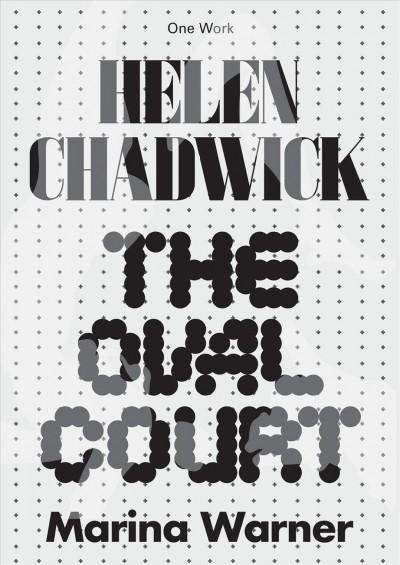
An illustrated exploration of Helen Chadwick’s erotic, playful, and fierce 1986 installation. In 1986 the Institute of Contemporary Arts in London showed a new commission by the artist Helen Chadwick (1954–1996). What Chadwick conceived for the ICA exhibition explored her characteristic themes—the female body (her own), the aesthetics of pleasure, the material variety and wonder of phenomena—but took them in a new, flamboyant direction. In this illustrated volume, Marina Warner examines one part of Chadwick’s installation, The Oval Court. This work was erotic, playful, and fierce; it showed imaginative ambition on an exceptional scale and a unique, piquant sensibility, both raunchy and delicate. Despite the work’s recognition as a feminist monument of rare intensity, it has rarely been shown or discussed since the author’s catalogue essay for the original exhibition. Warner here reconsiders Chadwick’s influence as an artist who helped to shift conventional aesthetics and transvalue despised, even abominated forms. Exploring the work’s richly layered composition in light of intervening years, Warner shows how Chadwick’s imagination has shaped many artists’ ideas and ethics, and emboldened their adventures with materials. Autorid: Marina Warner
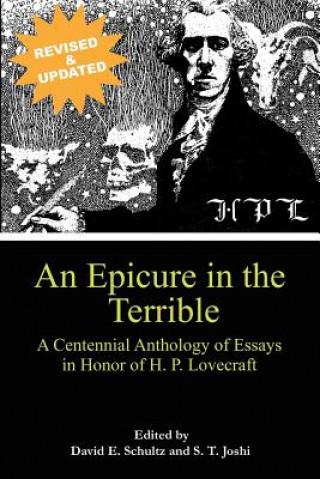
When An Epicure in the Terrible first appeared in 1991, commemorating the centennial of H. P. Lovecraft's birth, it was hailed as a significant contribution to Lovecraft studies. Its thirteen original essays, along with a lengthy biocritical introduction by S. T. Joshi, contained penetrating work by leading authorities in the field. Among them were Kenneth W. Faig, Jr.'s pioneering study of Lovecraft's parents; Jason C. Eckhardt's analysis of Lovecraft's heritage as a New England Yankee; and Donald R. Burleson's treatment of the key theme of "touching the glass," epitomized by "The Outsider."Other essays in the book deal with such topics as the theme of isolation in Lovecraft's fiction (Stefan Dziemianowicz); Lovecraft's cosmic imagery (Steven J. Mariconda); Lovecraft's progression from a macabre writer to a cosmic writer (David E. Schultz); and Lovecraft's "artificial mythology" and its development (Robert M. Price). Essays by Peter Cannon, Robert H. Waugh, R. Boerem, Norman R. Gayford, and Barton L. St. Armand round out the volume.This paperback edition presents these perspicacious essays to a new readership, and shows the richness and complexity of H. P. Lovecraft's writing-writing that is destined to endure for centuries. Citations to Lovecraft's work have been updated to reflect newer and more accurate editions that have appeared since 1991, and some of the essays have been slightly revised in other particulars.