Shipping Container Homes: Steps and tips on How You Can Build a Shipping Container Home Quickly and Save Money A gorgeous, custom-built, eco-friendly home for a fraction of the price-It sounds too good to be true but when it comes to building with shipping
All of our lives are filled with ups and downs, triumphs and tragedy, success and stress. The question is not whether we will experience difficulty, challenge, or trauma; it is what we will do in response to such events and experiences. While the dominant
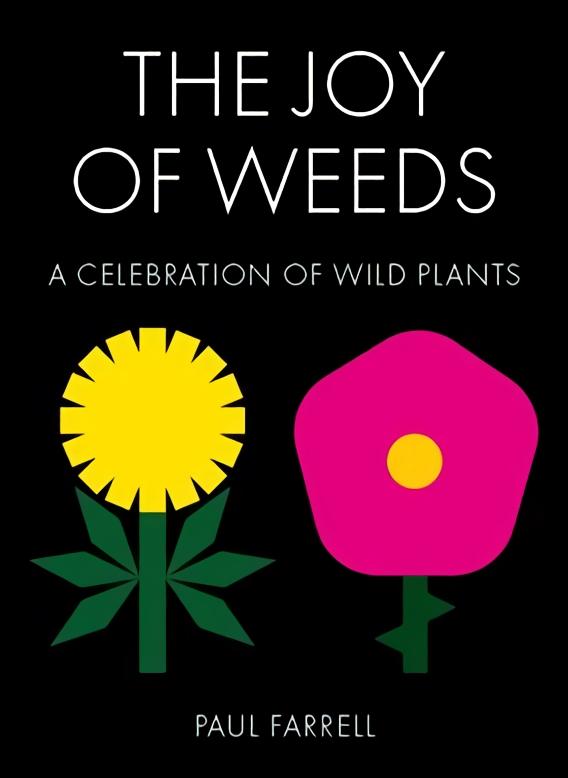
A colourful, illustrated celebration of wild plants around the world, and why we should love them not loathe them, with 50 graphic illustrations by Paul Farrell. To call a plant a weed is doing it a real injustice. Its simply a wild plant that is not deliberately cultivated, growing where it is not wanted. By this definition, virtually any plant outside a carefully tended garden is a weed. The intolerance of weeds is a mark of how we have turned our backs on nature and urbanized our land and lives. In this enlightening survey, illustrator Paul Farrell uncovers the wild beauty in weeds and explains the benefits of rewilding ourselves a little. Weeds can be medicine, food, and an important aid for wildlife. One persons weed is anothers wild beauty. Pauls brilliant modernist illustration style shows us dandelions, thistles and feverfew in a whole new light. Each of the 50 weeds featured is accompanied by a quirky history and its uses in medicine, cooking, arts and even industry. Sample contents: US/Canada weeds: Dandelion; Daisy; Groundsell; Chickweed; Nettle; Wild carrot; Sumac. UK/Europe weeds: Foxglove; Deadly nightshade; Yarrow; Rosebay willowherb; Herb Robert; Scarlet Pimpernel; Violet; Wood Sorrel; Red valerian; Common knapweed
The author of children's series Horrible Histories presents the first book in his new offbeat popular history series for adultsBill Bryson meets Blackadder With his trademark crisp, wry writing style and dark sense of humor, Terry Deary begins with the Roman Empire, in the first in a new series offering concise, informative histories that delve into myths and traditions surrounding its subjects and attempts to extract cohesionand possibly even some truth. The Romans have long been held up as one of the first "civilized" societies, and yet in fact they were capable of immense cruelty. Not only that, but they made the killing of humans into a sport. The spoiled emperors were the perpetrators (and sometimes the victims) of some imaginative murders. This book includes some of the violent ways to visit the Elysian Fields (i.e. death), including by animal attack in the Coliseum; by being thrown from the Tarpeian Rockthe fate of 370 deserters in 214 AD alone (could also occur if the emperor didn't like your poetry); by volcanic eruption from Vesuvius; by kicking (Nero's fatal quarrel with the Empress Poppea); or from poison mushrooms (Claudius). Not to mention great fires, torturous tarring, flogging to death, boiling lead (the invention of "kind" Emperor Constantine), or being skinned alive by invading barbarians. This book looks at the backstory leading up to the victims' deaths, and in doing so gives the general reader a concise history of a frequently misunderstood era. Autorid: Terry Deary
Scope of this work is to determine cycle time formulas for packing in distribution centres. No such formulas exist today, even if it is the second most important process after picking. Based on examining packing, morphological boxes showing time influencing parameters are derived. The most significant parameters are identified using analysis of variance (ANOVA). Cycle times are determined and applied to cases. These prove that the formulas can be used to calculate the time required for packing.
The rapidly growing world population and increasingly dense settlements demand ever-larger and more complex buildings from today's engineers. In comparison to this technological progress, a building's equipment for emergency evacuation has been hardly developed further. This work presents a concept for a building evacuation system based on mobile devices. Furthermore, various algorithms for route planning with mobile devices and for indoor localization of mobile devices are addressed.
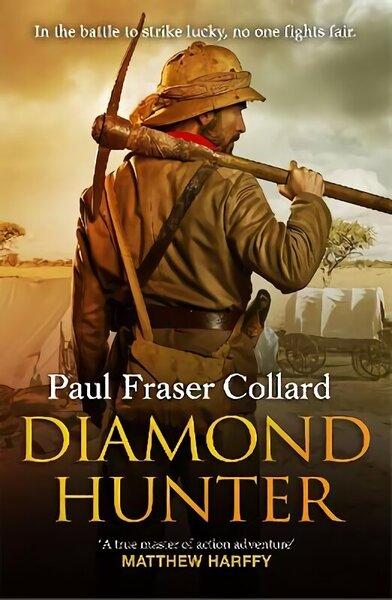
JACK LARK: SOLDIER, LEADER, IMPOSTER. The eleventh book in the gripping military adventure series for fans of Bernard Cornwell, Conn Iggulden and Simon Scarrow. 'Brilliant' Bernard Cornwell 'A gripping adventure from start to finish. Jack Lark might not be the hero anyone wants, but he's most definitely the hero you need!' Richard Cullen/ R. S. Ford 'Paul Collard has become one of the most readable figures in Historical Fiction' Parmenion Books South Africa, 1871. Jack Lark no longer walks alone. With the worldly Anna Baker by his side, he travels to the Cape Colony diamond fields determined to seek their fortune - and an adventurous new life together. The journey north soon turns violent as tensions erupt between other hopeful diggers and a gang of Boer men. Everyone has their eye on the same elusive prize - and some will stop at nothing to get it. For Jack and Anna, unearthing a diamond is only half the battle. Getting out of the mines alive will prove far more difficult - and dangerous. And when the worst happens, Jack finds himself tested as no enemy, no man and no war has ever before. DIAMOND HUNTER: JACK LARK BOOK 11 READERS CAN'T GET ENOUGH OF JACK LARK: 'A totally immersive and absorbing adventure' 'Diamond Hunter is a book you will not want to put down' 'Paul Fraser Collard goes from strength to strength' 'A delicately balanced formula that is mixed to perfection' 'Quite simply do yourself a favour and read these books' Autorid: Paul Fraser Collard
Improvisation rattles some listeners. Maybe theyre even suspicious of it. John Coltranes saxophonic flights of fancy, Jimi Hendrixs feedback drenched guitar solos, Ravi Shankars sitar extrapolationsall these sounds seem like so much noodling or jamming, indulgent self-expression. Just improvising, as is sometimes said. For these music fans, it seems natural that music is meant to be composed. In the first book of its kind, John Corbetts A Listeners Guide to Free Improvisation provides a how-to manual for the most extreme example of spontaneous improvising: music with no pre-planned material at all. Drawing on over three decades of writing about, presenting, playing, teaching, and studying freely improvised music, Corbett offers an enriching set of tools that show any curious listener how to really listen, and he encourages them to enjoy the human impulse found all around the world to make up music on the spot. Corbett equips his reader for a journey into a difficult musical landscape, where there is no steady beat, no pre-ordained format, no overarching melodic or harmonic framework, and where tones can ring with the sharpest of burrs. In Fundamentals, he explores key areas of interest, such as how the musicians interact, the malleability of time, overcoming impatience, and watching out for changes and transitions; he grounds these observations in concrete listening exercises, a veritable training regime for musical attentiveness. Then he takes readers deeper in Advanced Techniques, plumbing the philosophical conundrums at the heart of free improvisation, including topics such as the influence of the audience and the counterintuitive challenge of listening while asleep. Scattered throughout are helpful and accessible lists of essential resourcesrecordings, books, videos and a registry of major practicing free improvisors from Noël Akchoté to John Zorn, particularly essential because this music is best experienced live. The result is a concise, humorous, and inspiring guide, a unique book that will help transform one of the worlds most notoriously unapproachable artforms into a rewarding and enjoyable experience. Autorid: John Corbett
The Reiwa Women's Swim Team is an elite program that has broken numerous records over its prestigious tenure, but on the other hand, the Reiwa men’s team has been lacking achievements for years. It's not their fault, though. They try their best when competitions happen, but as the women burst with energy, the guys are sluggish and slow!There's rumors of a special advanced program and when a few guys team up with their fellow female all stars, these jocks soon realize they'll be graduating from the shallow end to adult swim!
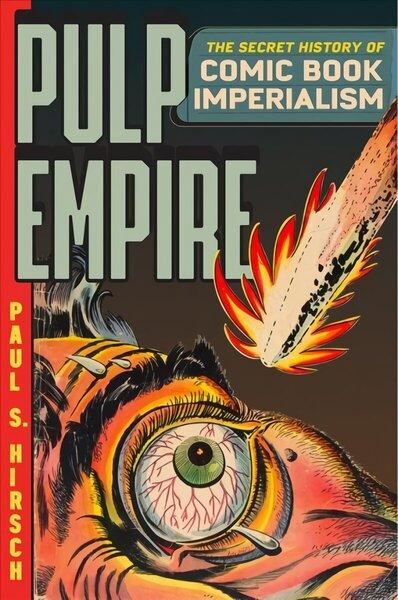
"Paul Hirsch's revelatory book opens the archives to show the complex relationships between comic books and American foreign relations in the mid-twentieth century. Scourged and repressed on the one hand, yet co-opted and deployed as propaganda on the other, violent, sexist comic books were both vital expressions of American freedom and upsetting depictions of the American id. Hirsch draws on previously classified material and newly available personal records to weave together the perspectives of government officials, comic-book publishers and creators, and people in other countries who found themselves on the receiving end of American culture"-- In the 1940s and &;50s, comic books were some of the most popular&;and most unfiltered&;entertainment in the United States. Publishers sold hundreds of millions of copies a year of violent, racist, and luridly sexual comics to Americans of all ages, until a 1954 Senate investigation led to a censorship code that nearly destroyed the industry. But this was far from the first time the US government actively involved itself with comics&;it was simply the most dramatic manifestation of a long, strange relationship between high-level policy makers and a medium that even artists and writers often dismissed as a creative sewer. In Pulp Empire, Paul S. Hirsch uncovers the gripping untold story of how the US government both attacked and appropriated comic books to help wage World War II and the Cold War, promote official&;and clandestine&;foreign policy, and deflect global critiques of American racism. As Hirsch details, during World War II&;and the concurrent golden age of comic books&;government agencies worked directly with comic book publishers to stoke hatred for the Axis powers while simultaneously attempting to dispel racial tensions at home. Later, as the Cold War defense industry ballooned&;and as comic book sales reached historic heights&;the government again turned to the medium, this time trying to win hearts and minds in the decolonizing world through cartoon propaganda. Hirsch&;s groundbreaking research weaves together a wealth of previously classified material, including secret wartime records, official legislative documents, and caches of personal papers. His book explores the uneasy contradiction of how comics were both vital expressions of American freedom and unsettling glimpses into the national id&;scourged and repressed on the one hand and deployed as official propaganda on the other. Pulp Empire is a riveting illumination of underexplored chapters in the histories of comic books, foreign policy, and race. Autorid: Paul S Hirsch
As the extinction of species accelerates and more species become endangered, activists, filmmakers, writers, and artists have responded to bring this global crisis to the attention of the public. Until now, there has been no study of the frameworks that shape these narratives and images, or of the symbolic meanings that the death of species carries in different cultural communities. Ursula Heise makes the case that understanding how and why endangered species come to matter culturally is indispensable for any effective advocacy on their behalf. Heise begins by showing that the tools of conservation science and law need to be viewed as cultural artifacts: biodiversity databases and laws for the protection of threatened species use rhetorical and cultural resources that open up different approaches to the problem of understanding global wildlife. The second half of her book explores ways of envisioning alternative futures for biodiversity. The narrative of natures decline or even imminent disappearance has been a successful rallying trope for those skeptical of modernization and ideologies of progress. But environmentalists nostalgia for the past and pessimistic outlook on the future have also alienated parts of the public. Heise tells the story of environmental activists, writers, and scientists who are creating new stories to guide the environmental imagination. We are currently facing the sixth mass extinction of species in the history of life on Earth, biologists claimthe first one caused by humans. Activists, filmmakers, writers, and artists are seeking to bring the crisis to the publics attention through stories and images that use the strategies of elegy, tragedy, epic, and even comedy.Imagining Extinction is the first book to examine the cultural frameworks shaping these narratives and images.Ursula K. Heise argues that understanding these stories and symbols is indispensable for any effective advocacy on behalf of endangered species. More than that, she shows how biodiversity conservation, even and especially in its scientific and legal dimensions, is shaped by cultural assumptions about what is valuable in nature and what is not. These assumptions are hardwired into even seemingly neutral tools such as biodiversity databases and laws for the protection of endangered species. Heise shows that the conflicts and convergences of biodiversity conservation with animal welfare advocacy, environmental justice, and discussions about the Anthropocene open up a new vision of multispecies justice. Ultimately, Imagining Extinction demonstrates that biodiversity, endangered species, and extinction are not so much scientific questions as issues of histories, cultures, and values. Autorid: Ursula K. Heise
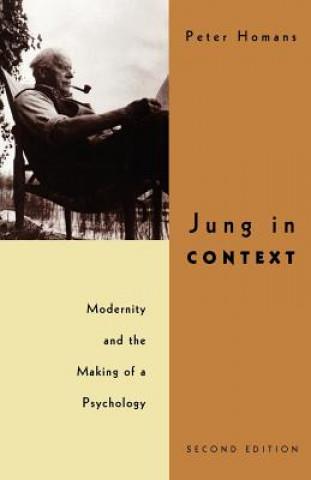
This ia an account of the origins, influences and legacy of Jungian psychology. By delineating the social, personal, religious and cultural contexts of Jung's system of psychology, the author identifies the central role of depth psychology in the culture of modernity. The foreword links the core of Jungian psychology to contemporary works it has shaped - such as those of M. Scott Peck and Clarissa Pinkola Estes - that proclaim the power of Jungian concepts and theories to heal the alienated and isolated self.
From a leading researcher on dolphin communication, a deep dive into the many ways animal species communicate with their kin, their neighboring species, and us. If you could pose one question to a dolphin, what would it be? And what might a dolphin ask you? For forty years, researcher and author Denise L. Herzing has investigated these and related questions of marine mammal communication. With the assistance of a friendly community of Atlantic spotted dolphins in the Bahamas, Herzing studies two-way communication between different dolphin species and between humans and dolphins using a variety of cutting-edge experiments. But the dolphins are not the only ones talking, and in this wide-ranging and accessible book, Herzing explores the astonishing realities of interspecies communication, a skill that humans currently lack. Is Anyone Listening? connects research on dolphin communication to findings from Jane Goodall on chimpanzees, Dian Fossey on mountain gorillas, Cynthia Moss on African elephants, and others driving todays exploration of possible animal languages. Although humans have long attempted to crack animal communication codes, only now do we have the advanced machine-learning tools to help. As Herzing reveals, researchers are finding fascinating hints of language in nonhuman species, including linguistic structures, vowel equivalents, and complex repeated sequences. By looking at the many ways animals use and manipulate signals, we see that weve only just begun to appreciate the diversity of animal intelligence and the complicated and subtle aspects of animal communication. Considering dolphins and other nonhuman animals as colleagues instead of research subjects, Herzing asks us to meet animals as both speakers and listeners, as mutually curious beings, and to listen to what they are saying. Autorid: Denise L. Herzing
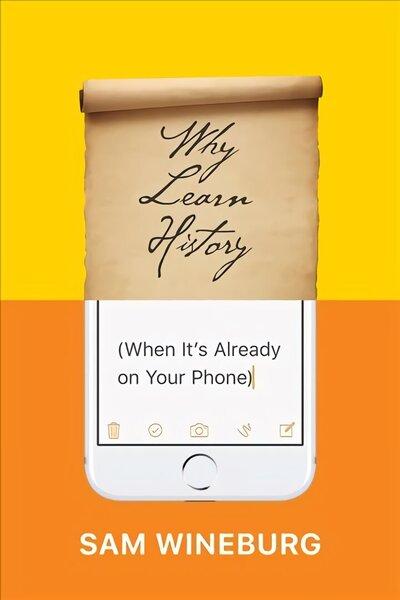
Let’s start with two truths about our era that are so inescapable as to have become clichés: We are surrounded by more readily available information than ever before. And a huge percentage of it is inaccurate. Some of the bad info is well-meaning but ignorant. Some of it is deliberately deceptive. All of it is pernicious. With the internet always at our fingertips, what’s a teacher of history to do? Sam Wineburg has answers, beginning with this: We definitely can’t stick to the same old read-the-chapter-answer-the-questions-at-the-back snoozefest we’ve subjected students to for decades. If we want to educate citizens who can sift through the mass of information around them and separate fact from fake, we have to explicitly work to give them the necessary critical thinking tools. Historical thinking, Wineburg shows us in Why Learn History (When it’s Already on Your Phone), has nothing to do with test prep–style ability to memorize facts. Instead, it’s an orientation to the world that we can cultivate, one that encourages reasoned skepticism, discourages haste, and counters our tendency to confirm our biases. Wineburg draws on surprising discoveries from an array of research and experiments—including surveys of students, recent attempts to update history curricula, and analyses of how historians, students, and even fact checkers approach online sources—to paint a picture of a dangerously mine-filled landscape, but one that, with care, attention, and awareness, we can all learn to navigate. It’s easy to look around at the public consequences of historical ignorance and despair. Wineburg is here to tell us it doesn’t have to be that way. The future of the past may rest on our screens. But its fate rests in our hands. Autorid: Sam Wineburg
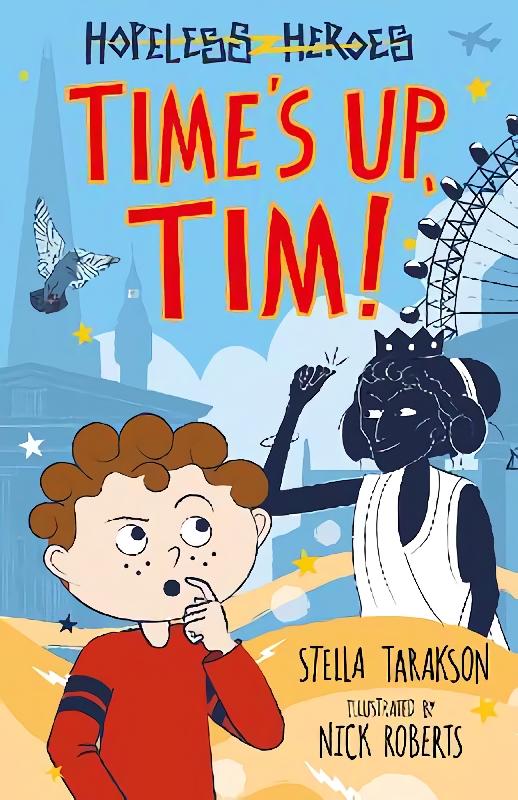
Book 10 in the Hopeless Heroes series that takes readers on fun adventures back to Ancient Greece! Breaking news: Hera is loose in the modern day and giving London an Ancient Greek makeover. That is until her son arrives to steal her thunder. "Did someone say thunder?" Tims final adventure is an A to Z of Olympic family drama, and all he has to help is a box he cantopen. Where curiosity was Pandoras weakness, can hope bring our hero strength? About the Hopeless Heroes series: Hopeless Heroes is a fun-filled series about Greek mythology, adventure and what it means to be a hero. Readers aged 7+ will love diving into the world of Tim Baker and his (sort of) friend Hercules. A great series to bridge the gap before the Percy Jackson series. All titles are also leveled for classroom use, including GRLs. Autorid: Stella Tarakson, Nick Roberts
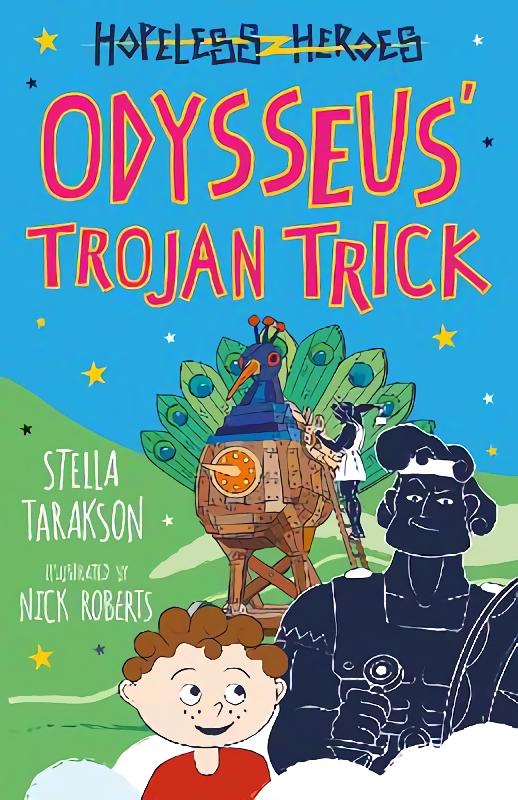
Book 8 in the Hopeless Heroes series that takes readers on fun adventures back to Ancient Greece! Agatha has been taken prisoner and its up to Tim and friends to save her. But how? Theyd have to trick Hera, sneak into her fortress, past her army it seems impossible! "Impossible? Did I say it was impossible when" Okay, Odysseus, but Heras soldiers are armed to the teeth, tempers are hot, and whoever heard of a Trojan Peacock? About the Hopeless Heroes series: Hopeless Heroes is a fun-filled series about Greek mythology, adventure and what it means to be a hero. Readers aged 7+ will love diving into the world of Tim Baker and his (sort of) friend Hercules. Illustrations throughout. Autorid: Stella Tarakson, Nick Roberts
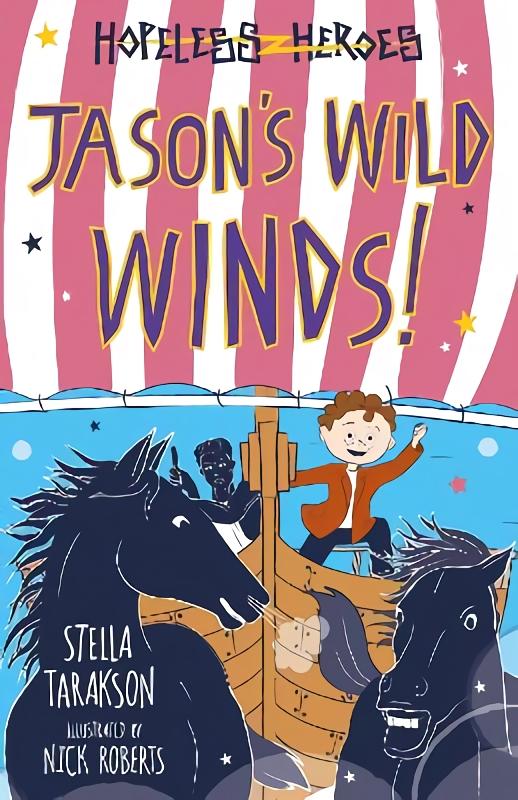
Book 6 in the Hopeless Heroes series that takes readers on fun adventures back to Ancient Greece! All Tim wanted was advice on keeping his model boat afloat, but when Zoe is injured, only Jason and the Argonut can help him to save her. "Lose the sail, little bro!" Theres no joyriding allowed, but with bronze men and Grey Women not to mention an old windbag to deal with, Tims still got that sinking feeling About the Hopeless Heroes series: Hopeless Heroes is a fun-filled series about Greek mythology, adventure and what it means to be a hero. Readers aged 7+ will love diving into the world of Tim Baker and his (sort of) friend Hercules. Illustrations throughout. Autorid: Stella Tarakson, Nick Roberts
Book 9 in the Hopeless Heroes series that takes readers on fun adventures back to Ancient Greece! What the Hades? Tims used to solo time-travel but now theres a friend along for the ride. "Ill get you for this, Cinderella!" When things go south after some bird spotting, Tim has to avoid being burnt alive, eaten alive or dead alive. But the Underworld is full of dangers, and the local music isnt exactly lifting his spirits. About the Hopeless Heroes series: Hopeless Heroes is a fun-filled series about Greek mythology, adventure and what it means to be a hero. Readers aged 7+ will love diving into the world of Tim Baker and his (sort of) friend Hercules. A great series to bridge the gap before the Percy Jackson series. Autorid: Stella Tarakson, Nick Roberts
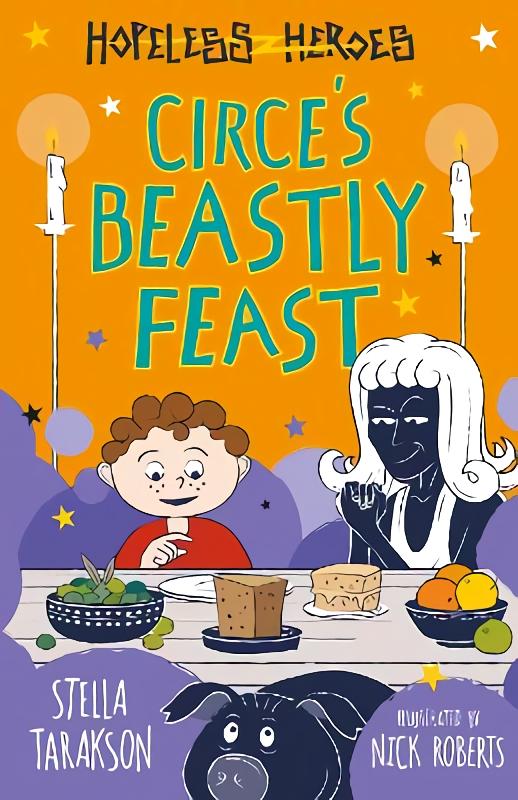
Book 7 in the Hopeless Heroes series that takes readers on fun adventures back to Ancient Greece! It could be Tims last time in Ancient Greece, but instead of saying goodbye, hes busy trading song titles with Apollo, delivering a package to Narcissus, escaping from Hera and "Holy moly!" making a pig of himself at Circes table. Meanwhile, his friends have forgotten who he is, so who will save him when it all goes wrong? About the Hopeless Heroes series: Hopeless Heroes is a fun-filled series about Greek mythology, adventure and what it means to be a hero. Readers aged 7+ will love diving into the world of Tim Baker and his (sort of) friend Hercules. Illustrations throughout. Autorid: Stella Tarakson, Nick Roberts
Shortlisted for the 2021 Stirling Prize, Cambridge Central Mosque is a truly innovative building, and one that is sustainable and socially and architecturally integrated into and respectful of its neighbourhood. As well as discussing its design and construction, this book focuses on the creation of a unique place of worship for a community. Setting out historic precedents and influences, it highlights how the mosque breaks new ground in terms of Islamic and English religious architectural traditions and how it reflects the ongoing debates on Islam and Britishness, as well as Islam and tradition. The book first sets out how the site and the architects, Marks Barfield Architects, were selected, then goes on to discuss the development of the mosques concept, structure and key design aspects, including the significance of geometry to Islam and the defining feature of the building: its timber structure evoking the English fan vaulting used nearby at Kings College. There is also a useful technical section on the many sustainable features of the building and its low carbon design and the book concludes with a discussion of the day-to-day life of the mosque, including interviews with the imam and members of the local community who come from all over the world, highlighting the impact the mosque has had for the wider Cambridge community and beyond. Autorid: Michael Glover
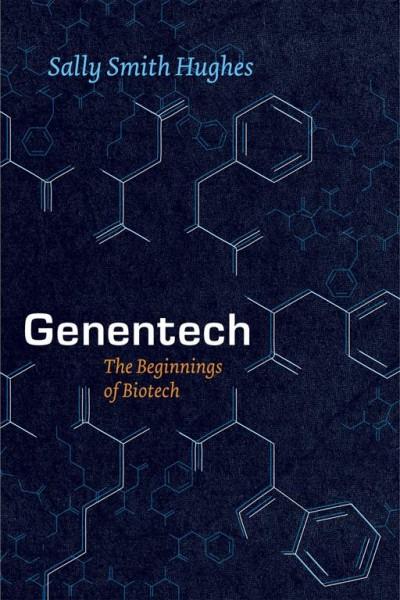
In the fall of 1980, Genentech, Inc., a little-known California genetic engineering company, became the overnight darling of Wall Street, raising over $38 million in its initial public stock offering. Lacking marketed products or substantial profit, the firm nonetheless saw its share price escalate from $35 to $89 in the first few minutes of trading, at that point the largest gain in stock market history. Coming at a time of economic recession and declining technological competitiveness in the United States, the event provoked banner headlines and ignited a period of speculative frenzy over biotechnology as a revolutionary means for creating new and better kinds of pharmaceuticals, untold profit, and a possible solution to national economic malaise. Drawing from an unparalleled collection of interviews with early biotech players, Sally Smith Hughes offers the first book-length history of this pioneering company, depicting Genentech’s improbable creation, precarious youth, and ascent to immense prosperity. Hughes provides intimate portraits of the people significant to Genentech’s science and business, including cofounders Herbert Boyer and Robert Swanson, and in doing so sheds new light on how personality affects the growth of science. By placing Genentech’s founders, followers, opponents, victims, and beneficiaries in context, Hughes also demonstrates how science interacts with commercial and legal interests and university research, and with government regulation, venture capital, and commercial profits. Integrating the scientific, the corporate, the contextual, and the personal, Genentech tells the story of biotechnology as it is not often told, as a risky and improbable entrepreneurial venture that had to overcome a number of powerful forces working against it. Autorid: Sally Smith Hughes
By excerpting from letters she exchanged with five irreverent writers and artists, Margaret Randall constructs conversations that open windows on four pivotal moments in her life and on world events. This correspondence touches on important themes, such as social change, identity, art, and creative integrityissues that were relevant then and remain so today. The letters are sometimes philosophical, sometimes intimate, and deal with family life as well as major creative projects, including literary political publishing, often taken on against daunting odds. Society continuously tries to subsume or shape influential rebel minds to its interests. Every generation has those who will not allow themselves to be silenced or controlled. This book is exciting evidence of this. Chapters: I.Walter Lowenfels: A Poet Who Laughed at Time II.Laurette Séjourné: A Woman with Pick and Shovel and Arnaldo Orfila: A Man Who Filled a Century III.Susan Sherman: A Woman Before Her Time IV.Greg Smith: A Painter Who Listens to Silence Autorid: Margaret Randall
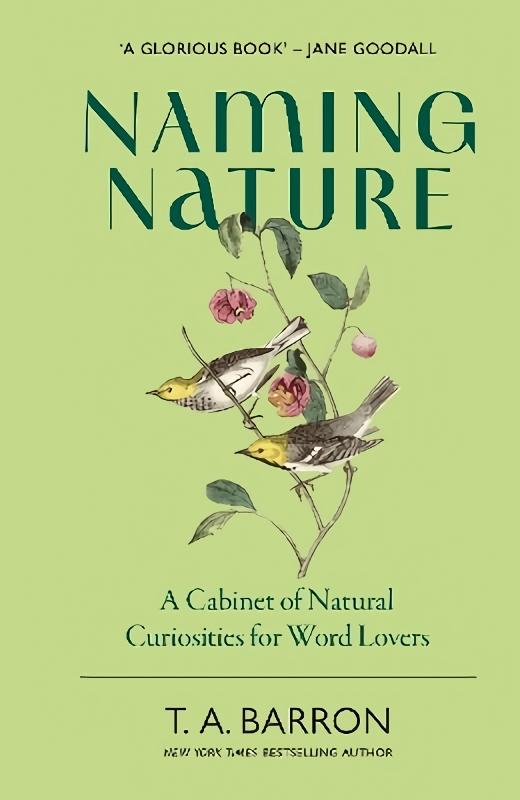
From butterflies and hummingbirds to narwhal and leopards, Naming Nature celebrates our wondrous natural world by exploring the language we use to describe it. Take elephants, for instance. African languages often focus on the power of the animal; Tswana and Tsonga refer to the unstoppable one and Zulu one crashing through. In ancient European languages however, elephants were seen as commodities. When Homer and Hesiod wrote about elephas in the seventh century BCE, they simply used the word for ivory. Bestselling author T.A. Barron brings together his love of the natural world and his joy in language, creating an inspiring and often surprising collection. Autorid: T.A. Barron
Königs Erläuterungen - Textanalyse und Interpretation mit ausführlicher Inhaltsangabe und AbituraufgabenIn einem Band bieten dir die neuen Königs Erläuterungen alles, was du zur Vorbereitung auf Referat, Klausur, Abitur oder Matura benötigst.Das spart Zeit bei der Vorbereitung! Alle wichtigen Infos zur Interpretation...- von der ausführlichen Inhaltsangabe über Aufbau, Personenkonstellation, Stil und Sprache bis zu Interpretationsansätzen- plus 4 Abituraufgaben mit Musterlösungen und 2 weitere zum kostenlosen Download... sowohl kurz als auch ausführlich ...- Die Schnellübersicht fasst alle wesentlichen Infos zu Werk und Autor und Analyse zusammen.- Die Kapitelzusammenfassungen zeigen dir das Wichtigste eines Kapitels im Überblick - ideal auch zum Wiederholen.- Das Stichwortregister ermöglicht dir schnelles Finden wichtiger Textstellen.... und klar strukturiert ...- Ein zweifarbiges Layout hilft dir Wesentliches einfacher und schneller zu erfassen.- Die Randspalte mit Schlüsselbegriffen ermöglichen dir eine bessere Orientierung.- Klar strukturierte Schaubilder verdeutlichen dir wichtige Sachverhalte auf einen Blick. ... mit vielen zusätzlichen Infos zum kostenlosen Download.
This book is a detailed and elaborated writing of the "Six days of Creation" that is taught in Ethiopian Orthodox Tewahdo church and Alexandrian rite Oriental churches. This book explains in details, how the creation sequence was accomplished and it gives a further insight in to the Genesis story of the 6 day of creation from the time of God's first creations, (the rebellion of the angels) to the time of Adam and Eve. The cosmological process or the order of creation in Ethiopian Orthodox church is quite different from the Western and other Oriental church denominations, and this book gives a detailed theological and cosmological explanation for the genesis chronology.
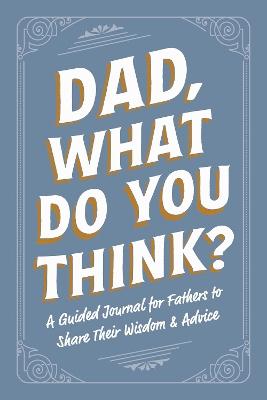
From thoughts on parenting to the best way to mow the lawn, Dad, What Do You Think? is a memory book and guided journal that captures advice and insight on things great and small direct from the man himself. The perfect Fathers Day, holiday, or birthday gift, its filled out by dad and lets him share his wisdom with generations to come.From the best way to make friends to thoughts on parenthood, Dad, What Do You Think? is a memory journal that gives Dad space to share his advice, stories, and life with his children. Packed with hundreds of thought-provoking and meaningful prompts that span topics big and small, this prompted journal covers everything from careers and marriage to forgiveness and the meaning of life. Pass down Dads wisdom with this keepsake gift the whole family will cherish for years to come with Dad, What Do You Think? Autorid: Adams Media
Are you tired of strict diets, exhausting workouts, and weight loss plans that don't last?What if slow, gentle movement could help you reshape your body, calm your mind, and restore your energy-naturally?Tai Chi for Weight Loss: A Complete 28-Day ReShape Program offers a refreshing, low-pressure approach to weight balance and whole-body wellness. This book guides you through a gentle daily Tai Chi practice designed to reduce stress-related weight gain, improve metabolism, and build strength without strain. No experience is needed, and every movement is adaptable for all ages and fitness levels.Inside, you'll discover how to:Release tension and lower stress that contributes to stubborn weightBurn fat gently through slow, continuous movementImprove balance, posture, and deep muscle toneBuild sustainable habits without dieting or overexertionTrack progress beyond the scale and celebrate real body changesWith clear guidance, daily practice checklists, breathwork for emotional balance, and encouragement for challenging days, this program helps you reconnect with your body and trust its natural ability to reshape itself.This isn't about pushing harder-it's about moving smarter, breathing deeper, and creating lasting change from the inside out.Begin your ReShape journey today and experience weight loss that feels calm, kind, and sustainable. Grab Your Copy Now