Der Mensch: Krone der Schöpfung oder Schrecken des Ökosystems?§§Wie haben wir, Homo Sapiens, es geschafft, den Kampf der sechs menschlichen Spezies ums Überleben für uns zu entscheiden? Warum ließen unsere Vorfahren, die einst Jäger und Sammler waren, sich nieder, betrieben Ackerbau und gründeten Städte und Königreiche? Warum begannen wir, an Götter zu glauben, an Nationen, an Menschenrechte? Warum setzen wir Vertrauen in Geld, Bücher und Gesetze und unterwerfen uns der Bürokratie, Zeitplänen und dem Konsum? Und hat uns all dies im Lauf der Jahrtausende glücklicher gemacht?§§Vor 100 000 Jahren war Homo sapiens noch ein unbedeutendes Tier, das unauffällig in einem abgelegenen Winkel des afrikanischen Kontinents lebte. Unsere Vorfahren teilten sich den Planeten mit mindestens fünf weiteren menschlichen Spezies, und die Rolle, die sie im Ökosystem spielten, war nicht größer als die von Gorillas, Libellen oder Quallen. Vor 70 000 Jahren dann vollzog sich ein mysteriöser und rascher Wandel mit dem Homo sapiens, und es war vor allem die Beschaffenheit seines Gehirns, die ihn zum Herren des Planeten und zum Schrecken des Ökosystems werden ließ. Bis heute hat sich diese Vorherrschaft stetig zugespitzt: Der Mensch hat die Fähigkeit zu schöpferischem und zu zerstörerischem Handeln wie kein anderes Lebewesen. Und die Menschheit steht jetzt an einem Punkt, an dem sie entscheiden muss, welchen Weg sie von hier aus gehen will.§§
Ein einzigartiges Zeitzeugnis§Als Kind und junger Mann erlebte Sebastian Haffner den Ersten Weltkrieg, die galoppierende Inflation 1923, die Radikalisierung der politischen Parteien, den unaufhaltsamen Aufstieg der Nationalsozialisten. Ohne politisch oder rassisch verfolgt zu sein, emigrierte er 1938. Aus dem Nachlass wurden diese Erinnerungen seiner ersten drei Lebensjahrzehnte veröffentlicht, die Haffner 1939 in England zu Papier gebracht hatte. Um zwei neu aufgefundene Manuskriptteile erweiterte Ausgabe.§
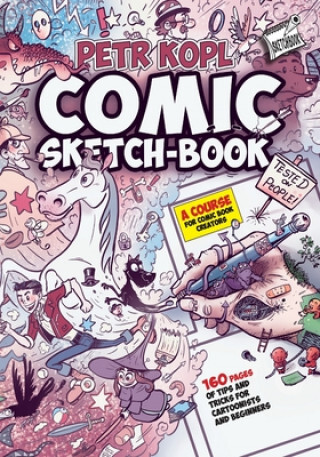
Petr Kopl is one of the most prolific and most experienced commercial comic creators in Europe. Petr's "Scandal In Bohemia" Sherlock Holmes won the Comic Book of the Year Award in his native Czech Republic, and Peter's comics have been translated into s
Since publication over twenty years ago, The Translator's Invisibility has provoked debate and controversy within the field of translation and become a classic text. Providing a fascinating account of the history of translation from the seventeen
Ein epochales Werk§§Der frühere Harvard-Professor, US-Außenminister und Friedensnobelpreisträger beschäftigt sich mit der zentralen Herausforderung des 21. Jahrhunderts: Wie lässt sich eine international anerkannte Ordnung etablieren in einer Welt mit unterschiedlichen historischen Voraussetzungen, in der gewalttätige Konflikte und ideologischer Extremismus den Ton angeben?§§Die Menschheit steht an einem historischen Wendepunkt. Wurden noch zu Zeiten des Kalten Krieges ihre Geschicke von zwei konträren Systemen bestimmt, so konkurrieren heute zahlreiche rivalisierende Mächte miteinander und stellen unsere oft seit Jahrhunderten bestehenden Wertvorstellungen zunehmend auf den Prüfstand. Ein Konsens über Konzepte wie Demokratie, Menschenrechte und ein global anerkanntes Recht scheint unerreichbarer denn je. Henry Kissinger widmet sich deshalb der Frage, wie eine neue Weltordnung aussehen könnte, die auch für zukünftige Generationen Bestand haben und die Frieden und Freiheit für den Großteil der Menschheit gewährleisten wird.§§
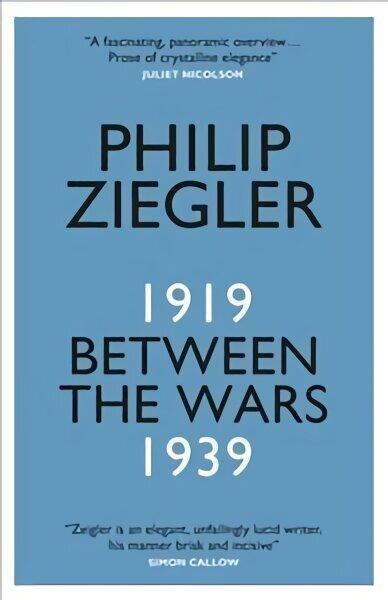
At the end of 1918 one prescient American historian began to write a history of the Great War. "What will you call it?" he was asked. "The First World War," was his bleak response. In Between the Wars Philip Ziegler examines the major international turning points - cultural and social as well as political and military - that led the world from one war to another. His approach is panoramic, touching on all parts of the world where history was being made, examining Gandhi's March to the Sea and the Chaco War in South America alongside Hitler's rise to power. It is the tragic story of a world determined that the horrors of the First World War would never be repeated, yet committed to a path which in hindsight was inevitably destined to end in a second, even more devastating conflict. Each chapter bears the unmistakable stamp of Ziegler's scholarship: a keen eye for the telling anecdote, elegant and fluid prose, and calm and fair judgments. In a world that grows ever more uncertain, its perspective on how hopes of peace can dissolve into the promise of war becomes more relevant with each passing day. Autorid: Philip Ziegler
Kaski puidust välisuks välispoolse mustriga. Komplekti kuulub ASSA 8765 lukk ja kolm Abloy hinge. Ukseava mõõt on 9 x 21 dm. Välisukse käelisus on parem.
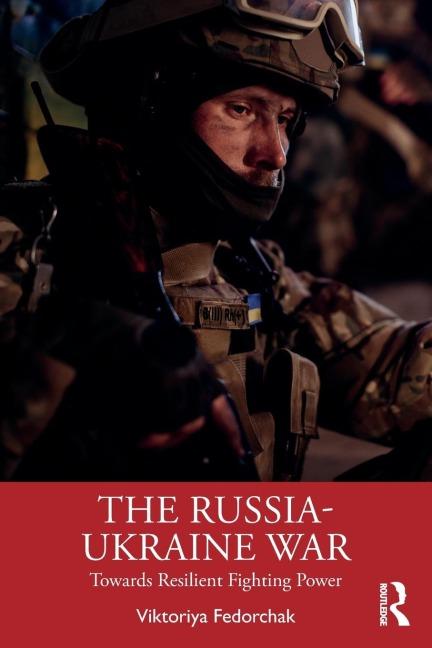
This book provides a systematic analysis of the Russian-Ukraine war, using the concept of resilient fighting power to assess the operational performance of both sides during the first year of the full-scale invasion.The Russian war in Ukraine began in 2014 and continued for eight years, before the full-scale invasion of 24 February 2022. It is not a new war, but the intensity of the warfighting revived many discussions about the conduct of inter-state warfare, which has not been seen in Europe for decades. This book does not aim to offer an exhaustive operational analysis of the war, but rather provides a preliminary systematic analysis across various domains of warfare using the concept of fighting power to assess the operational performance of both sides. First, the book discusses the conceptual component and the post-Cold War adaptations of the Soviet strategic tradition by both the Ukrainian and the Russian Armed Forces. Following that, it gives an evaluation of the various aspects of warfighting in the land, air, maritime and cyber domains. Then, the book examines the role of international allied assistance, sanctions and weapons delivery in strengthening the resilience of the Ukrainian Armed Forces. The book concludes with some comments on the role of inter-state warfare in the current strategic environment and future warfare.This book will be of much interest to students of military and strategic studies, defence studies, foreign policy, Russian studies and international relations.The Open Access version of this book, available at http://www.taylorfrancis.com, has been made available under a Creative Commons Attribution-Non Commercial-No Derivatives (CC-BY-NC-ND) 4.0 license.
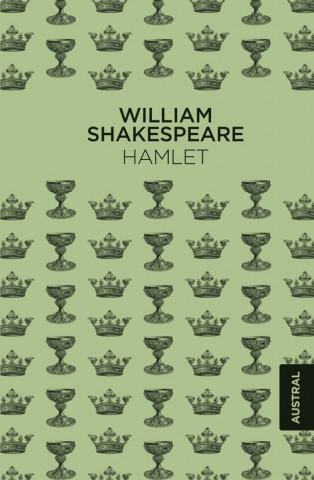
HAMLET, la obra más conocida de Shakespeare, es en realidad una piezallena de lagunas e indefiniciones. Una obra enigmática y misteriosa,en la que cada personaje es un artista de la simulación. El propioHamlet es un ser en continua transformación. En él caben laceremoniosidad, la cortesía y la reflexión, junto a la pasión, laburla, el enigma o la posibilidad de la locura. En el castillo deElsenor, en un ambiente que emana corrupción y desconfianza,claustrofóbico y hostil, se alternan escenas solemnes y revesesirónicos, al tiempo que se agita una corte de personajes cuyo sentidoúltimo será llevar a Hamlet a vencer su tensión interna y cumplir lavenganza por la muerte de su padre. El magnífico estudio de Ángel-Luis Pujante que precede su traducción analiza el carácter incoherente eincierto de la tragedia y sitúa el atractivo de una obra tan complejay rica en ese halo de misterio que suscita la duda, requiere lameditación y que la ha convertido en uno de los grandes mitos deOccidente.
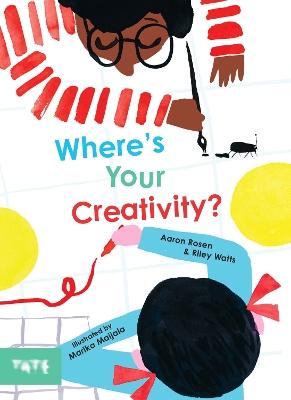
Where's your creativity? It's all around you! It's the tingle in your toes, or the hop in your step when you have a brand new idea. It makes you want to do something that hasn't been done before. Where's Your Creativity? is an inspirational picture book for young creatives. The fun and rhythmic text looks at ways children can express themselves creatively each day and sets imaginations alight with ideas.With bold and colourful illustrations this book explores all areas in which we can express our individual creativity, including dance, music, food and literature. Autorid: Aaron Rosen, Riley Watts, Marika Maijala
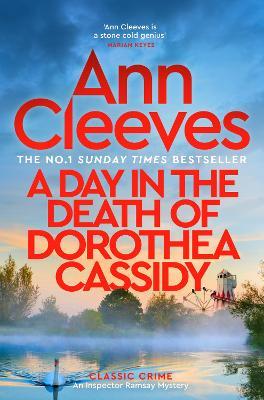
A Day in the Death of Dorothea Cassidy is the third novel in the Inspector Ramsay series by Ann Cleeves, author of the Shetland and Vera Stanhope crime series. For Dorothea Cassidy, Thursdays are special a welcome respite from her duties as a vicars wife. Then she is strangled, and Thursdays are never the same again. With the summer carnival underway in the small town of Otterbridge, Inspector Ramsay begins a painstaking investigation. He discovers that Dorothea had taken on a number of deserving cases, including a sick and lonely old woman, a disturbed adolescent and a compulsive gambler. Now these people are haunted, in one way or another, by Dorotheas goodness. And even her immediate family have secrets to hide. But which of them could possibly have wanted her dead? Its not until a second body is discovered that Ramsay starts to understand how Dorothea lived and why she died. With the carnival festivities in full swing and dusk falling, Ramsays murder investigation reaches its chilling climax . . . Ann Cleeves Classic Crime - engaging mysteries to savour, beloved characters to meet again. Praise for Ann Cleeves: 'Ann Cleeves is a stone cold genius' Marian Keyes, author of My Favorite Mistake 'Everything Ann Cleeves writes is incredible' Richard Osman, author of The Thursday Murder Club 'Ann Cleevess elegance as a wordsmith, the ingenuity of her plots, and the depth of her characters can be matched by few writers' David Baldacci, author of The 6:20 Man Autorid: Ann Cleeves