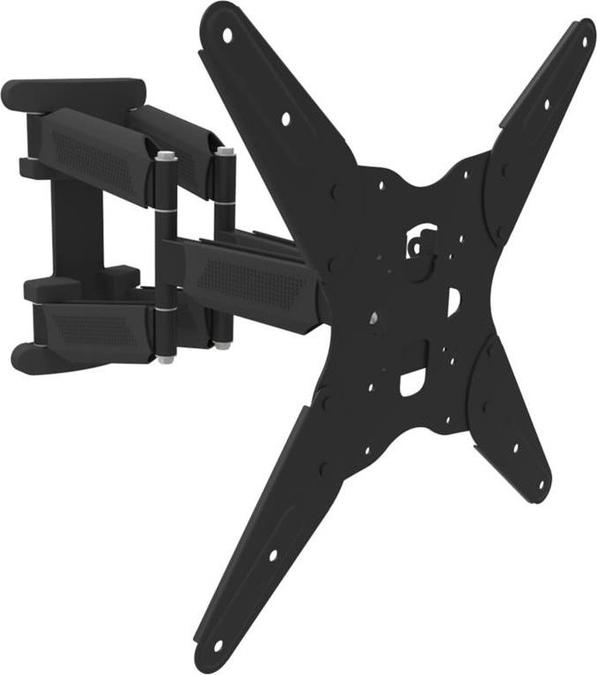
 ART teleri kinnitus Holder AR-73 for LCD/LED 19-55" 35kg reg. vertical/level double arm (RAMT AR-73) Tootja: ART Tootegrupp: televisiooni tarvikud (brackets, stands, shelves) Television tarviku tüüp: Wall bracket Compatible TVs (diagonal screen): 19-55 tolli maksimaalne load: 35 kg kirjeldus: Designed for monitors koos max. spacing of holes for the handle 75x75, 100x100, 200x100, 200x200, 300x200, 300x300, 400x300, 400x400 VESA Standard, Solid, metal construction, Handlebar mõõtmed värv: must laius: 436 mm kõrgus: 436 mm sügavus: 450 mm Lisainfo: ART Multimedia | 4 | 32,99 € | Vaata | ||
 Multibrackets monitori kinnitus MB DESKSTAND BASIC SINGLE BLACK MAX 10KG (7350073733323) Product kirjeldus: Multibrackets M Deskstand Basic Single - mounting kit Product Type: Mounting kit - desktop stand Mounting Components: Desk mount mõõtmed (WxDxH): 11.6 cm x 12 cm x 55 cm Adjustable kõrgus: 10-45 cm Tilt: 45° Pan: 45° Rotation: 360° Adjustments: Height, tilt, swivel, rotation kaal: 2.58 kg Recommended Use: LCD display Recommended Display Size: 15"-27" VESA kinnitusing liides: 100 x 100 mm, 75 x 75 mm Max Load kaal: 10 kg Material: Steel, high-grade aluminium värv: must Manufacturer Warranty: 5-year garantii | 1-3 tp | 4 | 57,19 € | Vaata | |
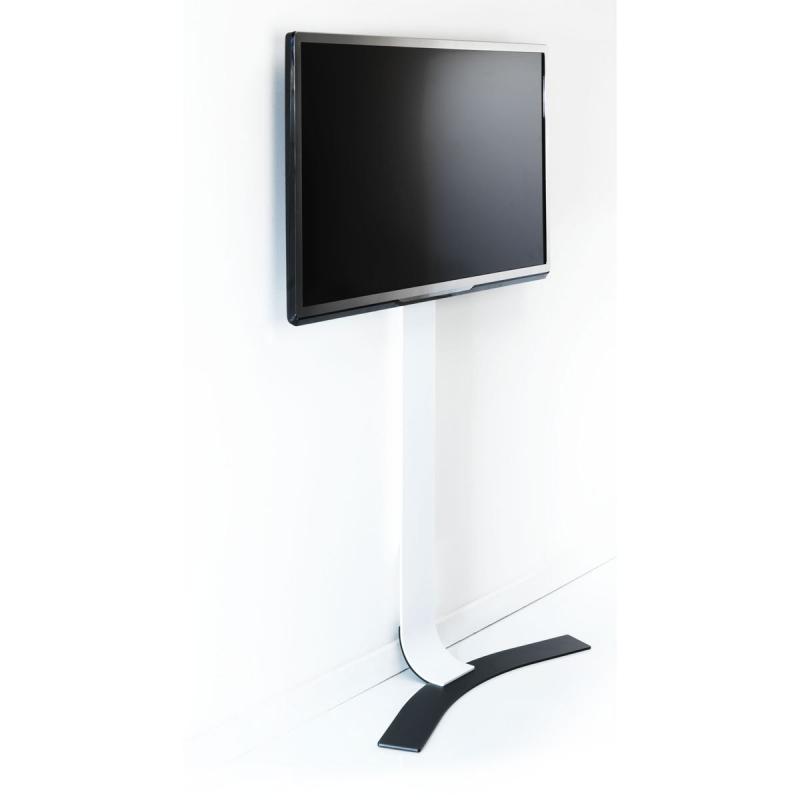 Erard Erard STANDiT 400 põrandaalus 30-55 "teleri jaoks Lihtne paigaldada • 5 paigalduskõrgust • VESA 200 - 400 • Teleri maksimaalne kaalupiirang 30 kg • 30-65" teleritele | 4 | 248,80 € | Vaata | ||
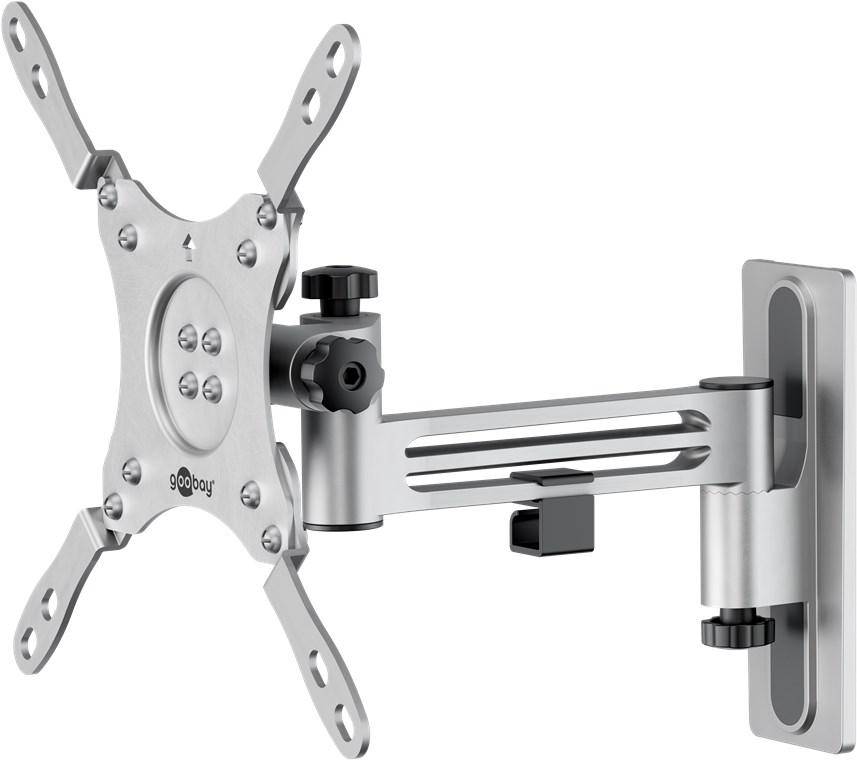 Goobay Kinnitus TV seinakinnitus matkaautole, väljaulatuv 236mm, 13-43" kuni 15 kg, hõbe Uus! Seinakinnitus teleritele suurusega 13–43 tolli (33–109 cm), maksimaalne kandevõime 15 kg, täielikult liikuv: pööratav, kallutatav, pikendatav kuni 23,6 cmMugav seinakinnitus muudab matkaauto mobiilseks kodukinoks: Teler, filmid ja striimimine kuni 43-tollisel ekraanil pakuvad meelelahutust teel ja puhkusel. Ohutuks transportimiseks saab kinnitus lihtsalt lukustada lukustuskruviga, mis tagab kindla paigalduse ning väldib ebameeldivaid vibratsioonimüra sõidu ajal.Mõeldud spetsiaalselt kasutamiseks matkaautodes ja haagissuvilates – varustatud lukustusmehhanismi ja vibratsioonivastase liigendi abil, mis tagavad turvalise fikseerimise reisides.Ideaalne keskmise suurusega teleri kindlaks seinakinnitamiseks (kuni 15 kg), kallutamisvõime +55°/-45° ja pööramisvõime ±90° iga liigendi juures, et saavutada täiuslik vaatamisnurk.Pikendatav kuni 23,6 cm – pakub lisapaindlikkust ja võimaldab optimaalset asukoha reguleerimist.Lihtne paigaldus:Kinnita teler kruvidega kinnitusplaadile.Aseta kinnitusplaat seinale kinnitatud hoidiku tihvti peale.Seinapaigaldus on kiire ja lihtne tänu kaasasolevale kinnitustarvikute komplektile, mis sisaldab ka loodi täpseks joondamiseks.Sobib enamikele lameekraanteleritele populaarsetelt brändidelt nagu Samsung (QLED ja LED), Sony, Philips ja LG, ning suurustele 32", 40", 43".Ühildub VESA® standarditega: 75x75 mm, 100x100 mm, 200x100 mm, 200x200 mm.Tehnilised andmedJõudlusKinnituse tüüp: TV FullmotionEkraani suurus: S (33–109 cm / 13–43")Maksimaalne kandevõime: 15 kgMinimaalne kaugus seinast: 86 mmMaksimaalne kaugus seinast: 236 mmPöördenurk: +90° ~ -90°Kallutusvahemik: +55° ~ -45°Maksimaalne kinnitusava (VESA): 200x200 mmVESA (FDMI) ühilduvus: 75 x 75 mm, 100 x 100 mm, 200 x 100 mm, 200 x 200 mmÜldine teaveVärvus: hõbedaneMaterjal: alumiinium, teras (pulbervärvitud)Pakenditüüp: jaemüügipakend (Retail Box)Mõõtmed / KaalPakendiühik: 1 tk kartongkarbisLaius: 236 mmKõrgus: 221 mmSügavus: 259 mm | 4 | 33,10 € | Vaata | ||
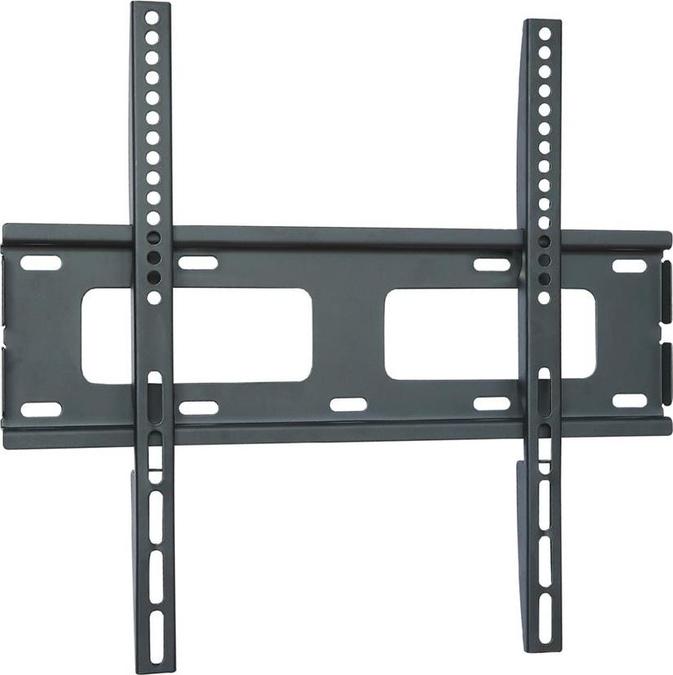 ART teleri kinnitus Holder AR-33 23-55" for LCD/LED/PLAZMA black 60KG AR-32 (RAMT AR-33) Tootja: ART Tootegrupp: televisiooni tarvikud (brackets, stands, shelves) Television tarviku tüüp: Wall bracket Compatible TVs (diagonal screen): 23-55 tolli maksimaalne load: 80 kg kirjeldus: Standard VESA, The Maksimum hole under the handle laius: 450 mm kõrgus: 420 mm sügavus: 22 mm Lisainfo: ART Multimedia | 3 | 10,99 € −2,10 € | Vaata | ||
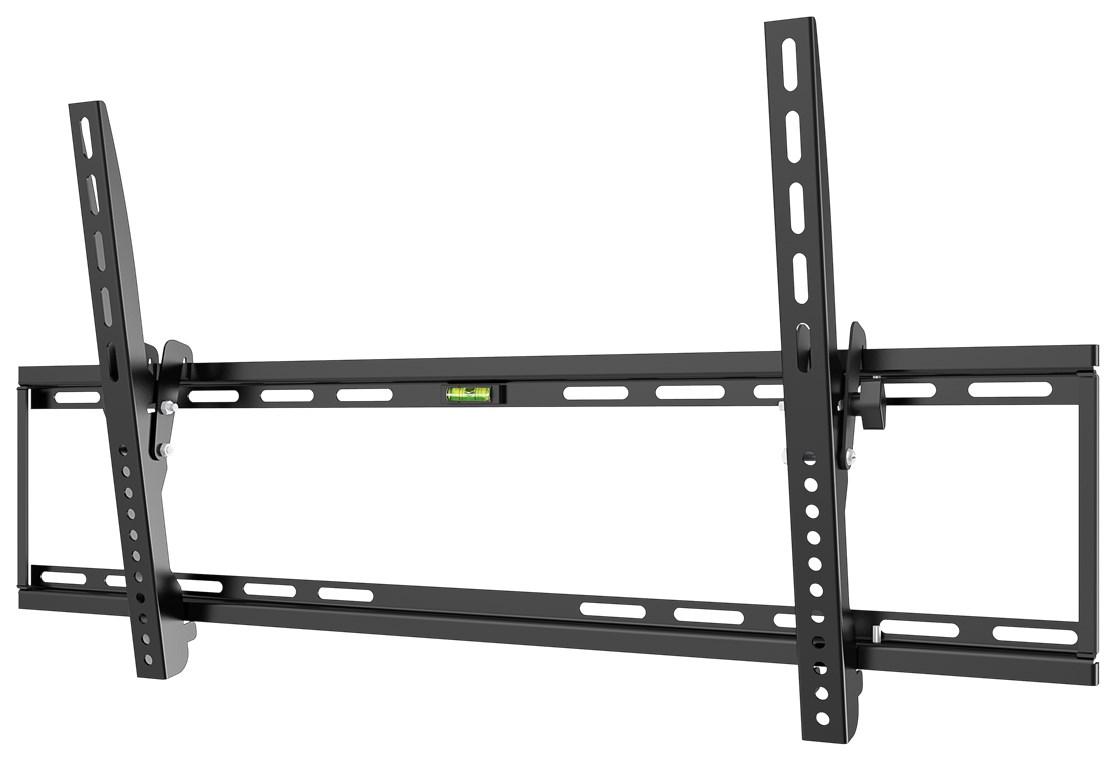 Goobay TV seinakinnitus Basic TILT (XL), kallutatav kuni 8°, 43\"-100\" kuni 75kg must TV seinakinnitus Basic TILT (XL) TV-le alates 43" kuni 100" (109-254 cm), kallutatav, kandevõime kuni 75kg The tilting TV wall mount for every 43 to 100 inches (109-254 cm) TV with up to 75 kg. It can be tilted from 0 ° to 10 °. The super slim design is only 45 mm away from the wall and complements the sleek look of ultra-thin TVs. It is characterized by an open design that maximizes airflow to the devices and provides easy access to the rear of the components. The TV can be moved to the left and right on the wall plate to position it precisely. The flat wall mount keeps the TV elegantly flat and space-saving on the wall with only 45mm and can also be tilted up to 10°. The open frame structure supports ventilation of the TV and allows access to the rear connections. The integrated spirit level ensures easy alignment of the installation. suitable for most flat and curved televisions of all popular brands (e.g. Samsung (also QLED and LED), Sony, Philips, LG) and sizes (e.g. 50", 55", 58", 65", 75", 85") Easy mounting and compatible with VESA standards 200x200, 300x300, 400x200, 400x400, 600x400, 800x400. | Laos | 3 | 48,60 € | Vaata | |
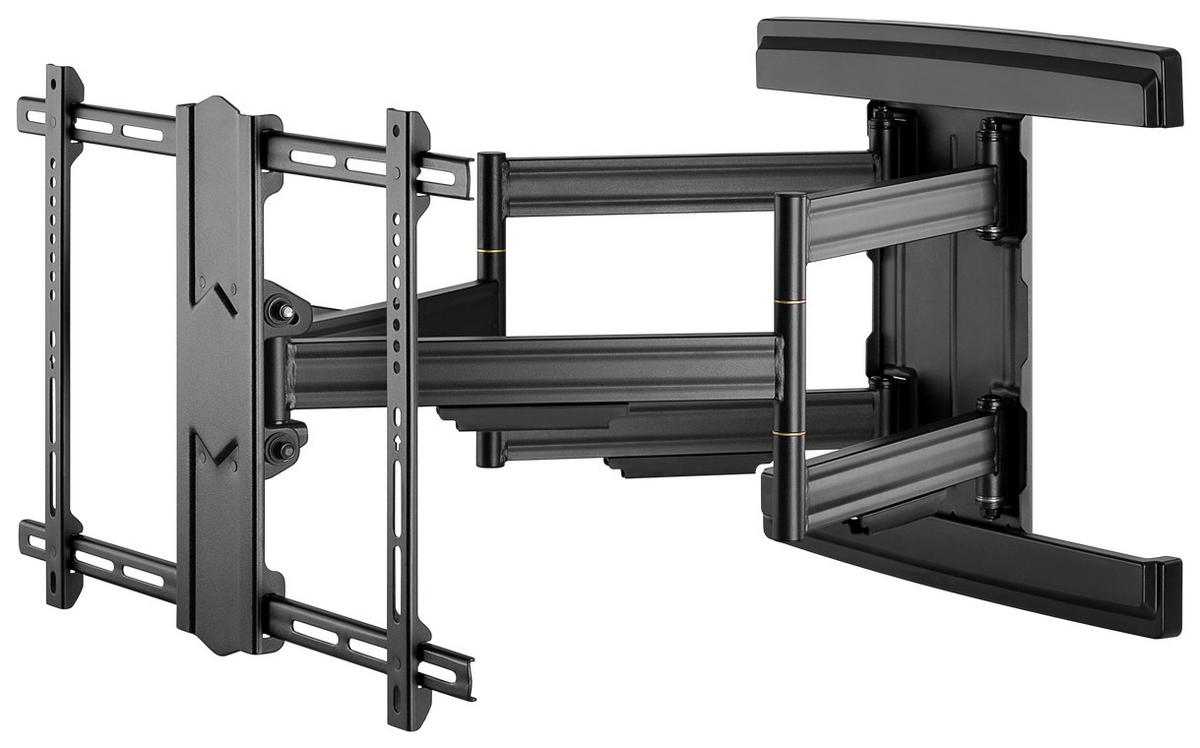 Goobay TV seinakinnitus Pro FULLMOTION (L), väljaulatuv kuni 800mm, 37\"-70\", kuni 70kg, must TV seinakinnitus Pro FULLMOTION (L) lai TV-le alates37" kuni 70" (94-178 cm), pööratav ja kallutatav, kandevõime kuni 70kg The Full Motion mount for most 37 to 70 inches (94-178 cm) TV up to 70 kg. The "Wide Range" feature provides up to 800 mm wall distance. This allows a pivot angle of up to ± 90 °, even with large screen sizes. Full Motion allows maximum flexibility. You can tilt, pan, spread out and leveled to look at your TV from any seat in the room. All this without tools. The leveling after installation ensures that the TV is perfectly positioned on the wall. The integrated cable management system organizes and protects the cable. The "Wide Range" function offers up to 800 mm wall distance in the extended state and allows a tilt angle of up to ±90° due to the extended arm, even with large screen sizes. Optimum viewing angle and maximum flexibility through full mobility in tilt (up/down from +3° to -15°) and swivel (left/right by ±90°) L'articulation réglable du bras en ciseaux soutient l'extension et stabilise le mouvement. The integrated cable management system ensures order and protection of the connection cables. suitable for most flat and curved TVs of all popular brands (e.g. Samsung (also QLED and LED), Sony, Philips, LG) and sizes (e.g. 40", 43", 49", 50", 55", 58", 65") Easy mounting and compatible with VESA standards 200x100, 200x200, 300x200, 300x300, 400x200, 400x300, 400x400, 600x400 . | 3 | 96,00 € | Vaata | ||
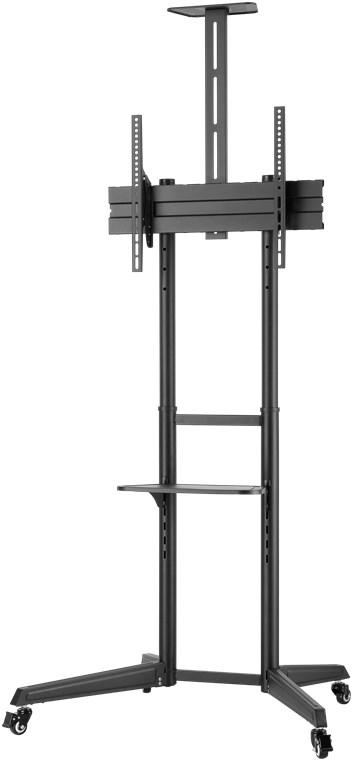 Goobay Teisaldatav stend ratastel Basic Pro L, 37-70\", kuni 50kg TV teisaldatav alus ratastel Pro (suurus L) telerite ja monitoride jaoks vahemikus 37-70 tolli (94-178 cm) kuni 50 kg, kallutatav 4 rattaga seade on liikuv ja sobib ideaalselt telerite kasutamiseks kodus, kontoris või konverentsidel. Kaks lukustatavat ratast tagavad turvalise statiivi. Kinnitusplaadi 4 kõrgustasandit ja tööriistavaba kallutamine võimaldavad statiivi optimaalselt reguleerida. Reguleeritava kõrgusega kaamerariiul pakub ideaalset lahendust telefonikonverentside jaoks. sobib ideaalselt erinevatesse kasutusvaldkondadesse, nt kodus, kontorites, konverentsidel, restoranides ja haiglates. kaamerariiul ja riiulilaud reguleeritava kõrgusega (kuulub tarnimise juurde) integreeritud kaablijuhtimissüsteem ühenduskaablite korrastamiseks ja kaitsmiseks sobib kõigi levinud suuruste (nt 37", 40", 43", 49", 50", 55", 58", 65") ja kaubamärkidega (Samsung, Sony, Philips, LG jne) lamedate või kumerate telerite jaoks. lihtne paigaldus, ühildub VESA standarditega 100x100, 200x100, 200x200, 300x200, 300x300, 400x200, 400x300, 400x400, 600x400 | 3 | 96,00 € | Vaata | ||
 | |||||
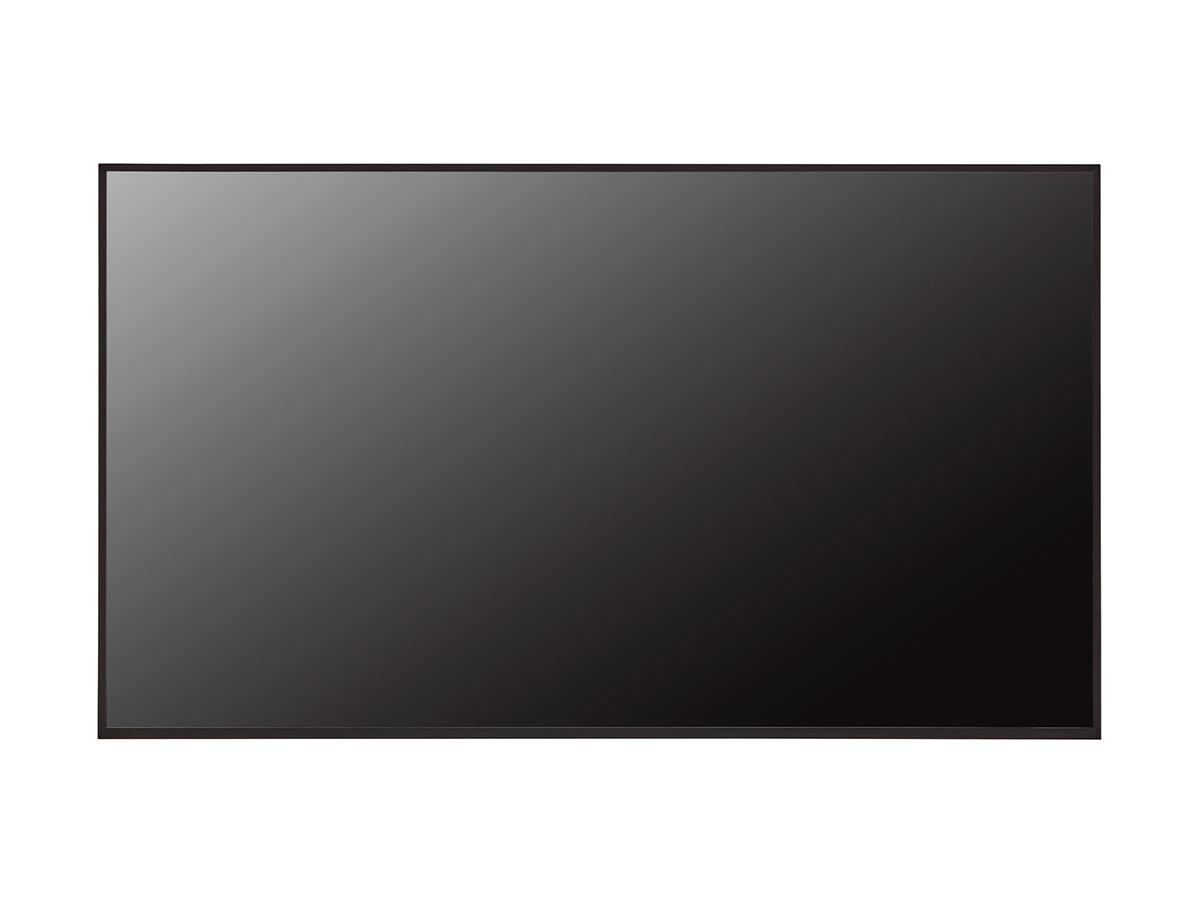 Monitor LG 55" LCD 55UH7N-E Elevate your commercial space with the LG 55UH7N-E, a 55-inch LED-backlit LCD flat panel display designed for digital signage. This display not only offers a 4K UHD (2160p) resolution for clarity and detail but also features IPS technology for consistent, vibrant colors from any viewing angle. With both LAN and Wi-Fi connectivity, it provides flexible networking options to meet your needs. The energy-efficient design, featuring a low standby power consumption of just 0.5 W, ensures that your display is both powerful and economical. Additionally, VESA compatibility allows for versatile installation options, while the built-in USB port makes media playback a breeze. Whether for retail, hospitality, or corporate environments, the LG 55UH7N-E is the perfect solution for your digital signage requirements. | 3 | 1247,81 € | Vaata | ||
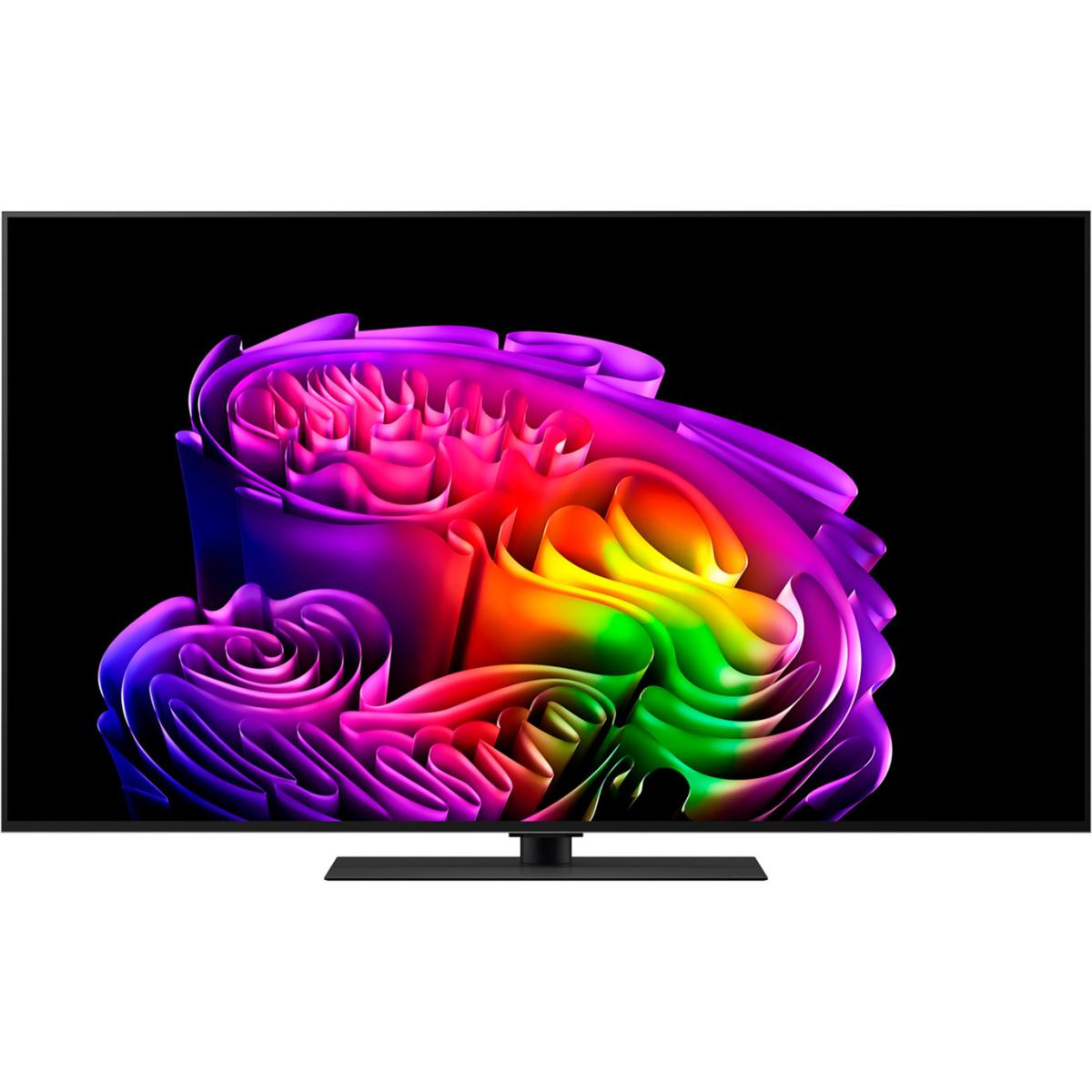 Teler LG 55" OLED55G67LW The LG OLED55G67LW brings the latest OLED evo technology to the home cinema in an impressive 55-inch size and combines an extremely slim gallery design with an almost frameless front and wall-mounting to create a high-quality premium look. The powerful ?11 Gen3 4K AI processor with Dual AI Engine optimizes image and sound processing in real time and ensures exceptionally precise contrasts, intense colors and an impressive depth effect. Thanks to Brightness Booster Ultra and Hyper Radiant Color Tech, the OLED evo panel achieves further increased peak brightness with detailed HDR highlights and convincing display even in bright rooms. The Reflection Free Premium Display significantly reduces annoying reflections and at the same time maintains the typical OLED strengths such as perfect black, exact color reproduction and enormous contrast values. For gaming, the model offers support for 4K at up to 165 Hz including NVIDIA G-SYNC, AMD FreeSync Premium, VRR and particularly low input lag, which optimally supports current consoles and powerful gaming PCs. With Dolby Vision, Dolby Atmos and the current webOS system, the television also delivers a first-class streaming and home cinema experience including intelligent AI functions, individually adapted picture and sound settings as well as modern voice control. Energy efficiency class (SDR) E (A - G) Energy consumption per 1000 hours (SDR) 64 kWh Energy efficiency class (HDR) G (A - G) Energy consumption per 1000 hours (HDR) 182 kWh Power consumption in on state with standard dynamic range (SDR) 63.9 watts Power consumption in on state with high dynamic range (HDR) 182 watts Power consumption in standby and off states 0.5 watts Power consumption in networked standby mode 2 watts Screen diagonal 138.8 cm (55 inches) Screen resolution 3840 x 2160 pixels Type OLED TV Color black/silver EAN 8806096829011 Manufacturer no. OLED55G67LW.AEUD Smart home Apple Home, Google Home, Matter webOS 26 operating system Image glare type anti-reflective Image format 16:9 Image technology OLED Image panel technology OLED Image functions Ultra HD/4K, HDR Ready, HDR10, DolbyVision, HLG Image refresh rate 120 Hz Tuner type 1x DVB-S2 tuner, 1x DVB-C (HD) tuner/ 1x DVB-T2 (HD) tuner Connections 1x antenna-in, 1x LNB-in, 4x HDMI input, (HDMI version: 2.1), 3x USB-A-2.0, 1x RJ 45, 1x CI+, 1x optical out Communication WiFi, Bluetooth Speakers number 6 with subwoofer Speaker total power 60 watts Loudspeaker Note 4.2 Loudspeaker system Standards Audio Dolby Atmos Wall mount VESA compatible (300 x 200 mm) Features Alpha 11 Gen3 4K AI Processor with Dual AI Engine, AI Genre Selection, AI HDR Remastering, AI Picture Pro, Alpha 11 AI Super Upscaling 4K, Auto Calibration, Automatic Brightness Control, Brightness Booster Ultra, Pixel Dimming, Dynamic Tone Mapping Ultra, FILMMAKER MODE, OLED Motion, Reflection Free Premium, HGIG, Game Dashboard, AI Chatbot, AI Picture/Sound Wizard, AI Voice ID, Google Cast, Google Cast, LG Gallery+, Airplay, AI Object Remastering Ultra, Alpha 11 AI Sound Pro, Clear Voice Pro, WOW Orchestra, NVIDIA GeForce NOW, Copilot ALLM, AMD FreeSync, EPG, HbbTV, PVR/DVR, Smart TV, Voice Control, TimeShift, VRR, Web Browser Further information Gallery design with integrated wall bracket for flat and gap-free wall mounting (stand not included!) Note Smooth gaming with up to 4K @ 165 Hz and Nvidia G-Sync and AMD FreeSync Accessories Available AI Magic Remote MR26GA, wall mount (stand not included!) Dimensions Width: 1,222 mm x Height: 703 mm x Depth/Length: 27.2 mm Weight 16.8kg | 3 | 1842,30 € | Vaata | ||
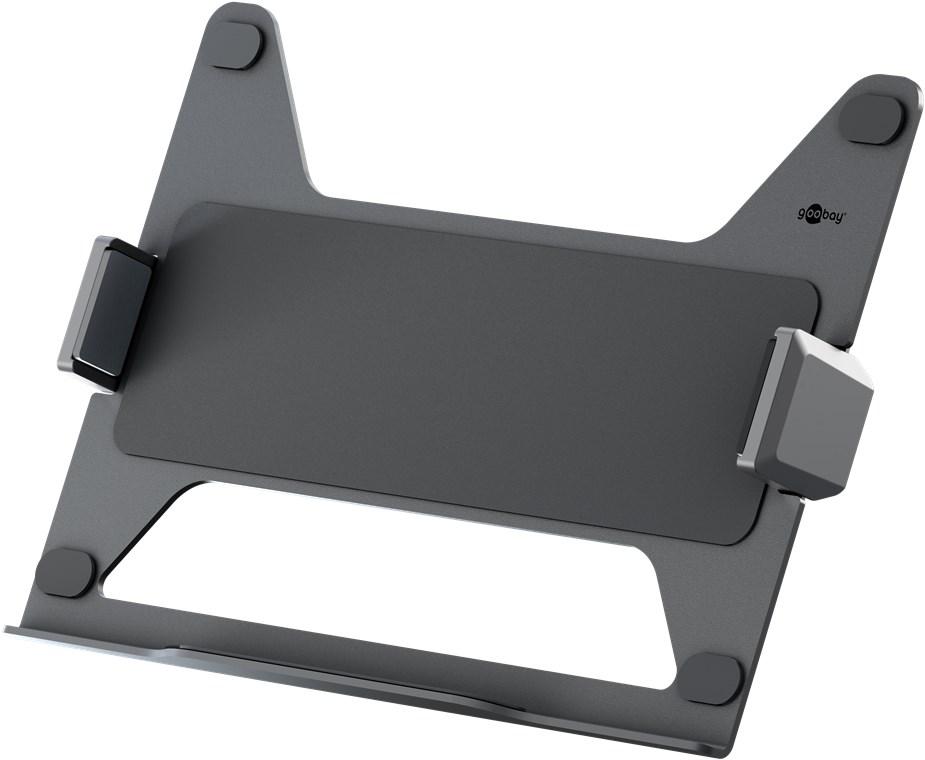 Goobay Sülearvuti alus monitori jalale, klambriga, 11.6" to 17.3" (29 - 44cm) Uus! Kampaania kehtib 19. oktoobrini 2025 ja annab -30% soodustust koodiga: MOUNT30 (lisa ka kommentaari).Sülearvuti alus on ideaalne kaasaegse töökeskkonna ühe- ja kahekordsete monitoride seadistuste jaoks: kinnitatuna monitorihoova kinnitusplaadile muutub alus turvaliseks toeks ergonoomilisele ja mobiilsele töösülearvutile. Sõltuvalt kasutatava monitorihoova kaldenurgast saab aluse asetada ka horisontaalselt ning kasutada seda projektori alusena.Praktiline ja vastupidav metallist sülearvutihoidik monitorihoovadele, millel on VESA®-ühilduvad kinnitusplaadidTäiuslik lahendus mobiilse sülearvuti hoidmiseks, mida saab kasutada põhiekraanina või teise monitorina ning alati koosolekutele kaasa võttaPolsterdatud kinnitusklambritega, mis hoiavad sülearvuti kindlalt ja turvaliselt paigal, kahjustamata seadme pindaVentilatsiooniavadega, mis tagavad tõhusa õhuringluse ja aitavad vältida seadme ülekuumenemistSaab kasutada paindlikult nii sülearvuti- kui ka projektorialusenaÜhilduv VESA® standarditega 75×75 mm ja 100×100 mmSobib asendusena või täienduseks tootele 74417Kasutusala / omadusedTüüp: Sülearvutialus (monitorihoovale)Sobiv ekraanisuurus: M (29–44 cm / 11,6–17,3")Maksimaalne kandevõime: 9 kgMaks. kinnitusava (VESA): 75 × 75 mmVESA (FDMI) ühilduvus: 75 × 75 mmÜldandmedVärvus: mustMaterjal: teras (pulbervärvitud)Pakenditüüp: jaepakend (karp)Mõõdud ja kaalÜhik: 1 tk karbisLaius: 310 mmKõrgus: 218 mmSügavus: 39 mm | 3 | 19,99 € | Vaata | ||
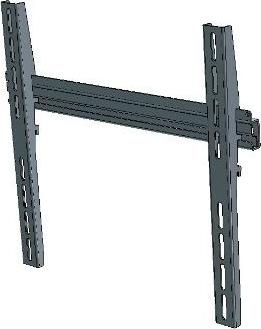 NEC teleri kinnitus WALLMOUNT SLIM Wall mount for all NEC Public Displays up to 55 inch for either landscape or portrait orientation- Super-slim design - only 3.5 cm- Easy-to-use- Tilt function -2 to 5°- Supported VESA standards: 300 x 300; 400 x 200; 400 x 400Maksimaalne kaal (mahutavus)50 kgMinimaalne ekraanisuuruse sobivus81,3 cm (32")Maksimaalne ekraanisuuruse sobivus139,7 cm (55")Paigaldussüsteemi ühilduvus (min)300 x 300 mmPaigaldussüsteemi ühilduvus (max)400 x 400 mmVESA-paigaldusliidesed300 x 300,400 x 400,400 x 200 mmToetatud ekraanide arv1Kaldenurk-2 - 5°Kaugus seinast (minimaalne)3,5 cmToote värvMustÜhilduvusMultiSync 32"-55"Kaal1,5 kgPakendi laius510 mmPakendi sügavus63 mmPakendi kõrgus43 mm | 2 | 83,00 € | Vaata | ||
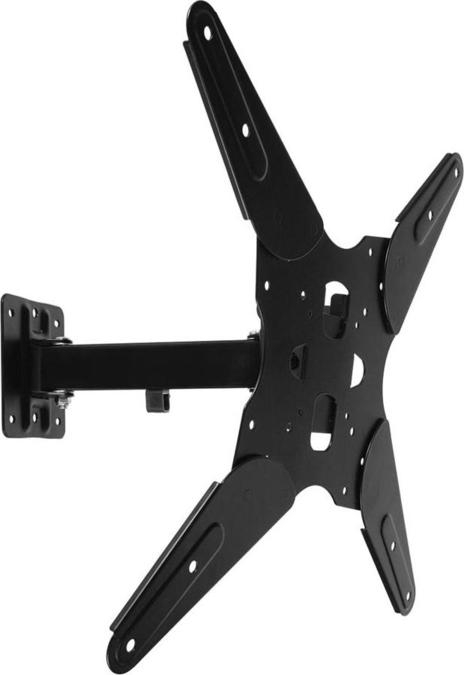 ART teleri kinnitus Holder AR-68 for LCD/LED / Plasma 23-55" 30kg vertical/horizontal (RAMT AR-68) Tootja: ART Tootegrupp: televisiooni tarvikud (brackets, stands, shelves) Television tarviku tüüp: Wall bracket Compatible TVs (diagonal screen): 23-55 tolli maksimaalne load: 30 kg kirjeldus: Designed for monitors koos max. spacing of holes for the handle:400x400, 400x300, 300x300, 300x200, 200x200, 200x100, 100x100. VESA Standard, Solid, metal construction, The patented system of vertikaalne adjustment värv: must laius: 420 mm kõrgus: 720 mm sügavus: 420 mm Netokaal: 2.47 kg Lisainfo: ART Multimedia | 2 | 64,40 € −0,10 € | Vaata | ||
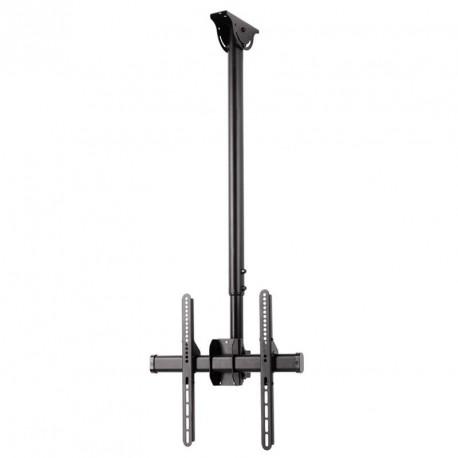 Hama teleri kinnitus LCD laekinnitus 32-65" 50kg (00118655) • Sobib kasutamiseks lameekraan teleritega suuruses 32" - 65"• Ideaalne ruumi säästev lahendus elutuppa• Toetab VESA standardeid kuni 400x400 mm suuruseni (200x200; 200x300; 300x300; 300x400; 400x400)• Võimalik paigutada kuni -25° nurga alla võrreldes tasapinnaga• Pööratav kuni 360°• Lukustussüsteem tagab maksimaalse kindlustunde• Kinnitust saab liigutada seinale kinnitatava osa suhtes ülesse ja alla | 2 | 91,99 € | Vaata | ||
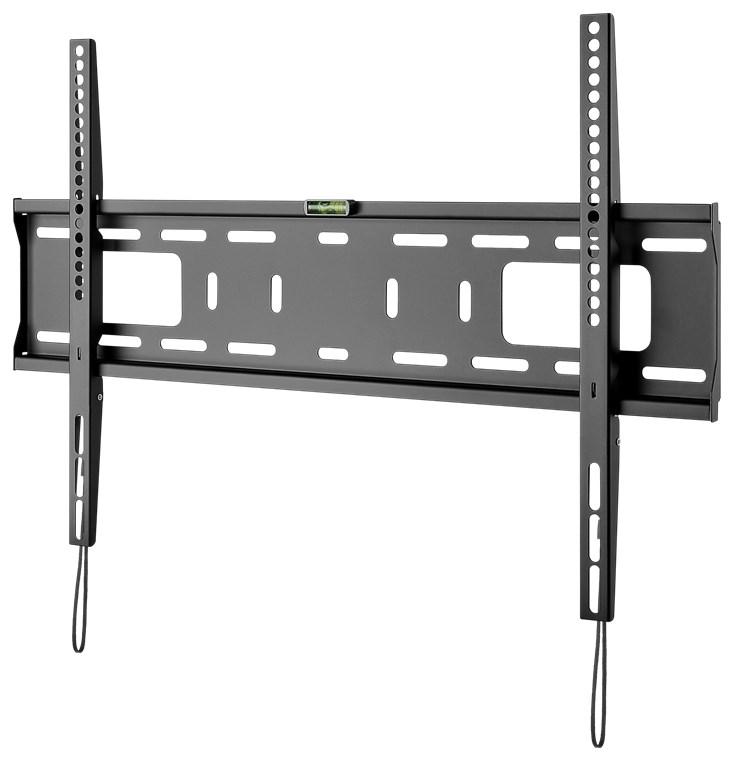 Goobay TV seinakinnitus liikumatu Pro FIXED (L), 37\"-70\" kuni 50kg must TV seinakinnitus Pro FIXED (L) teleritele alates 37" kuni 70" (94-178 cm) kuni 50 kg Teleri seinakinnitus enamikule 37–70 tolli (94–178 cm) teleritele, mille maksimaalne kaal on 50 kg. Üliõhuke disain on seinast vaid 25 mm kaugusel, et täiendada üliõhukeste telerite elegantset välimust. Kergesti lahendatava nööriga vedrusulgur lukustub automaatselt ja tagab teie teleri lihtsa ja turvalise paigaldamise seinale. Telerit saab seinaplaadil vasakule ja paremale liigutada, et seda täpselt paigutada. Äärmiselt lame seinakinnitus hoiab teleri seinal elegantselt ja ruumisäästlikult vaid 25 mm laiusega. Automaatne sisseklõpsamine ja lihtne vabastamine – vedrulukuga kinnitusabi, mis tagab teleri ülesriputamisel kindla sisseklõpsamise ja vabastamise (pole lukustuskruvisid, mida tuleb käsitsi kinnitada), muudab paigaldamise üli lihtsaks ja mugavaks. Integreeritud vesiloodi tagab paigalduse lihtsa joondamise. sobiv seinakonsool enamiku kõigi populaarsete kaubamärkide (nt Samsung (ka QLED ja LED), Sony, Philips, LG) ja suuruste (nt 40", 43", 49", 50", 55", 58" lame- ja kumerteleritele. , 65") Lihtne paigaldada ja ühildub VESA standarditega 200x200, 300x300, 400x200, 400x400, 600x400. | 1-3 tp | 2 | 27,21 € | Vaata | |
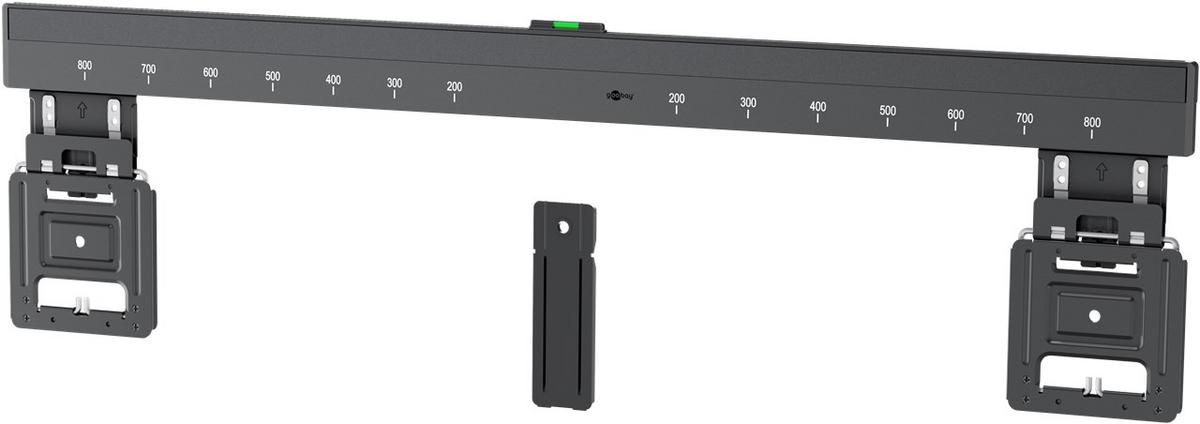 Goobay Kinnitus TV seinakinnitus ultraslim, kaugus seinast 9.5 mm, 43"-100", kuni 75kg, must Kinnitustarvik teleritele suurusega 43 kuni 100 tolli (109–254 cm), maksimaalne kandevõime 75 kg, üliõhuke disain 9,5 mm seinakaugusegaTõeline jõumees suurte väljakutsete jaoks: Tänu kuni 75 kg kandevõimele tõstab see seinakinnitus hõlpsalt ka kõige raskemad telerid. Äärmiselt väikese seinakauguse tõttu on kinnitus külgvaates peaaegu nähtamatu. Ükskõik kui suur teler on, see sulandub harmooniliselt modernsesse sisekujundusse.Äärmiselt õhuke TV-kinnitus vaid 9,5 mm kaugusega seinast, muutes teleri peaaegu seinaga tasa olevaks ja vältides ruumi hõivamistIdeaalne eriti suurtele ja rasketele teleritele kuni 100 tolli (254 cm) ja 75 kg, mida saab hõlpsalt ja kiiresti paigaldada snap-on kinnituse abilTäpne paigaldus ja joondamine – risttalal on mugavad VESA®-ühilduvad kaugusmärgised ja sisseehitatud loodReguleeritavad riputuskronsteinid lihtsaks joondamiseks VESA®-ühilduvate märkide järgiLihtne kaabliühendus – komplektis olev tugi saab vajadusel paigutada teleri ja seina vahele, et lihtsustada kaablite ühendamistSobib enamiku kaardus ja lameekraaniga teleritega, sealhulgas Samsung (QLED ja LED), Sony, Philips ja LG ning erinevate ekraanisuurustega, nt 50", 55", 58", 65", 75", 85"Ühilduvus VESA® standarditega: 200x200 mm, 300x200 mm, 400x200 mm, 300x300 mm, 400x300 mm, 400x400 mm, 600x400 mm, 800x400 mm, 800x600 mm | 2 | 49,99 € | Vaata | ||
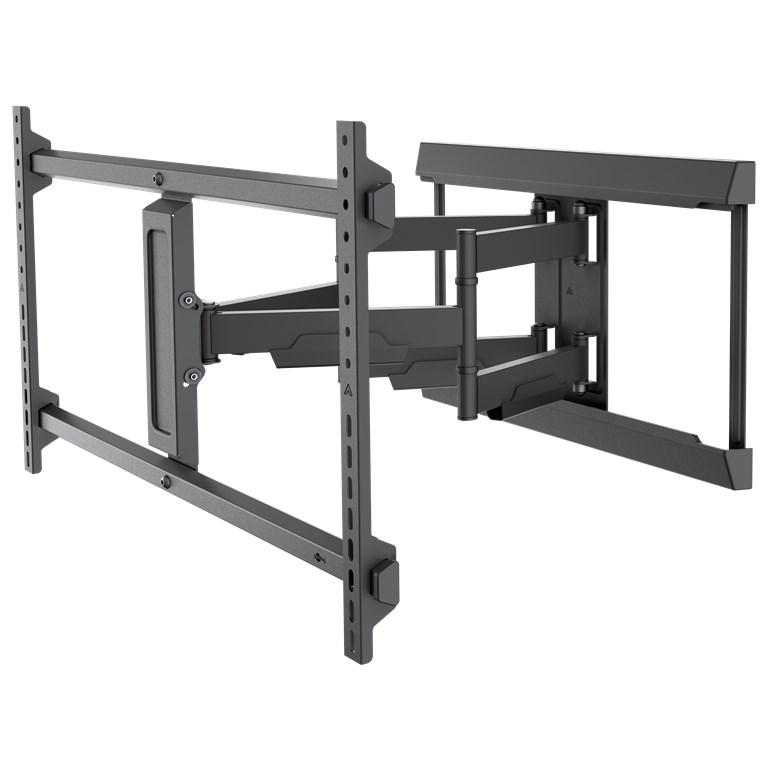 Goobay TV seinakinnitus Pro FULLMOTION (XL), 43"-90", kuni 60kg, must Seinakinnitus teleritele suurusega 43–90 tolli (109–229 cm), maksimaalne kandevõime 60 kg, täielikult paindlik: pööratav, kallutatav ja külgsuunas reguleeritavRaskekaalu meister keerulisteks väljakutseteks: Kuni 60 kg kandevõimega seinakinnitus tõstab vaevata raskeid teleriekraane ja monitore. Täielikult paindlik ja turvaline konstruktsioon võimaldab kinnitust sujuvalt reguleerida, et saavutada parim vaatamisnurk igal ajal ja igas toanurgas.Maksimaalselt paindlik telerikinnitus, mis tagab optimaalse vaatenurga: +5°/-10° kallutatav (üles/alla), +60°/-60° pööratav (vasakule/paremale), pikendatav kuni 53,6 cm.Lihtne paigaldus:Kinnita kinnitusliist esmalt monitori või teleri külge.Seejärel haagi liist telerikinnituse külge.Käärmehhanismi saab liigutada külgsuunas mööda seina kinnitusalust, mis võimaldab paindlikumat teleri joondamist võrreldes tavaliste seinakinnitustega.Lõpmatult reguleeritav topeltkäärmehhanism tagab stabiilse liikumise ja kindla fikseerimise.Integreeritud kaablite haldussüsteem kaitseb ühenduskaableid ja tagab korras ja segadusevaba ilme.Sobib enamikele kumeratele ja lameekraaniga teleritele populaarsetelt brändidelt nagu Samsung (QLED ja LED), Sony, Philips ja LG, ning suurustele 50", 55", 58", 65", 75", 85".Ühildub VESA® standarditega: 200x100 mm, 200x200 mm, 300x200 mm, 400x200 mm, 300x300 mm, 400x300 mm, 400x400 mm, 600x400 mm, 800x400 mm. | 2 | 89,99 € | Vaata | ||
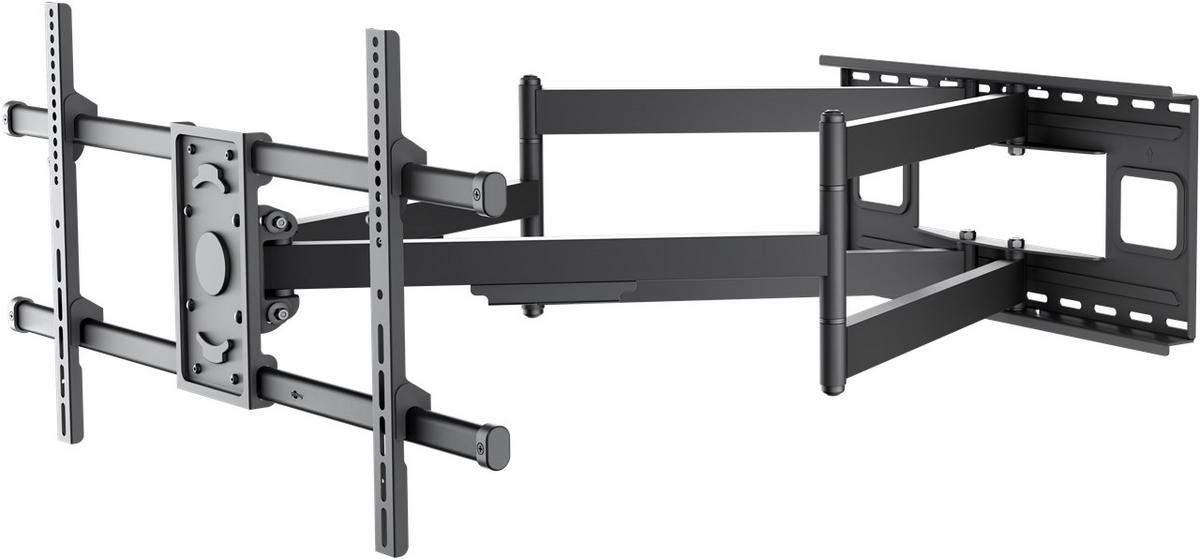 Goobay TV seinakinnitus Pro FULLMOTION (XL), 43"-90", kuni 80kg, must Seinakinnitus teleritele suurusega 43–90 tolli (109–229 cm), maksimaalne kandevõime 80 kg, pikendatav kuni 104,5 cm, täielikult paindlik: pööratav ja kallutatavRaskekaalu meister tõsisteks väljakutseteks: loodud kuni 80 kg kandevõimega, tõstab see seinakinnitus vaevata rasked telerid ja monitorid. Täieliku paindlikkuse ja turvalise paigaldusega saab kinnitust hõlpsalt reguleerida, tagades parima vaatenurga igal ajal ja igast toa nurgast.Maksimaalselt paindlik telerihoidik optimeeritud vaatamisnurgaga: +5°/-15° kallutatav (üles/alla), +60°/-60° pööratav (vasakule/paremale), pikendatav kuni 104,5 cm.Kinnituse pikendamisega kuni 104,5 cm on teler nähtav isegi keerulistest nurkadest, näiteks kõrvalolevast toast.Kiirkinnituse funktsioon võimaldab teleri kiiresti ja lihtsalt kinnituse küljest eemaldada.Lõpmatult reguleeritav topeltkäärmehhanism tagab stabiilse juhitavuse ja usaldusväärse kinnituse.Integreeritud kaablite haldussüsteem kaitseb ühenduskaableid ja tagab puhta ilme ilma kaablipuntrata.Seinakinnitus sobib enamike kumerate ja lameekraaniga teleritega tuntud brändidelt, nagu Samsung (QLED ja LED), Sony, Philips ja LG, ning eri suurustele, näiteks 50", 55", 58", 65", 75", 85".Ühildub VESA® standarditega: 200x200 mm, 300x200 mm, 400x200 mm, 300x300 mm, 400x300 mm, 400x400 mm, 600x400 mm, 800x400 mm. | 2 | 149,99 € | Vaata | ||
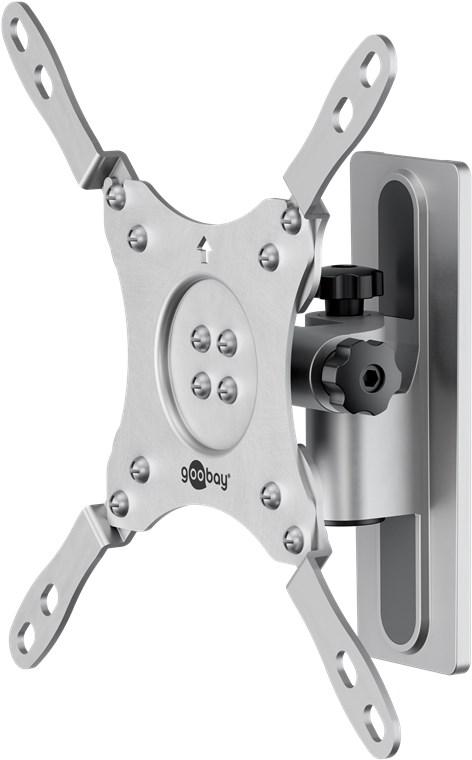 Goobay Kinnitus TV seinakinnitus matkaautole, väljaulatuv 86mm, 13-43" kuni 15 kg, hõbe Seinakinnitus teleritele suurusega 13–43 tolli (33–109 cm), maksimaalne kandevõime 15 kg, täielikult liigutatav: pööratav ja kallutatavMugav seinakinnitus muudab matkaauto mobiilseks kodukinoks: Teler, filmid ja striimimine kuni 43-tollisel ekraanil pakuvad meelelahutust teel ja puhkusel. Ohutuks transportimiseks saab kinnitus lihtsalt lukustada lukustuskruviga, mis tagab kindla paigalduse ning väldib ebameeldivaid vibratsioonimüra sõidu ajal.Mõeldud spetsiaalselt kasutamiseks matkaautodes ja haagissuvilates – varustatud lukustusmehhanismi ja vibratsioonivastase liigendi abil, mis tagavad turvalise fikseerimise reisides.Ideaalne keskmise suurusega teleri kindlaks seinakinnitamiseks (kuni 15 kg), kallutamisvõime +45°/-42° ja pööramisvõime ±45°, et saavutada täiuslik vaatamisnurk.Lihtne paigaldus:Kinnita teler kruvidega kinnitusplaadile.Aseta kinnitusplaat seinale kinnitatud hoidiku tihvti peale.Seinapaigaldus on kiire ja lihtne tänu kaasasolevale kinnitustarvikute komplektile, mis sisaldab ka loodi täpseks joondamiseks.Sobib enamikele lameekraanteleritele populaarsetelt brändidelt nagu Samsung (QLED ja LED), Sony, Philips ja LG, ning suurustele 32", 40", 43".Ühildub VESA® standarditega: 75x75 mm, 100x100 mm, 200x100 mm, 200x200 mm. | 2 | 19,99 € | Vaata | ||
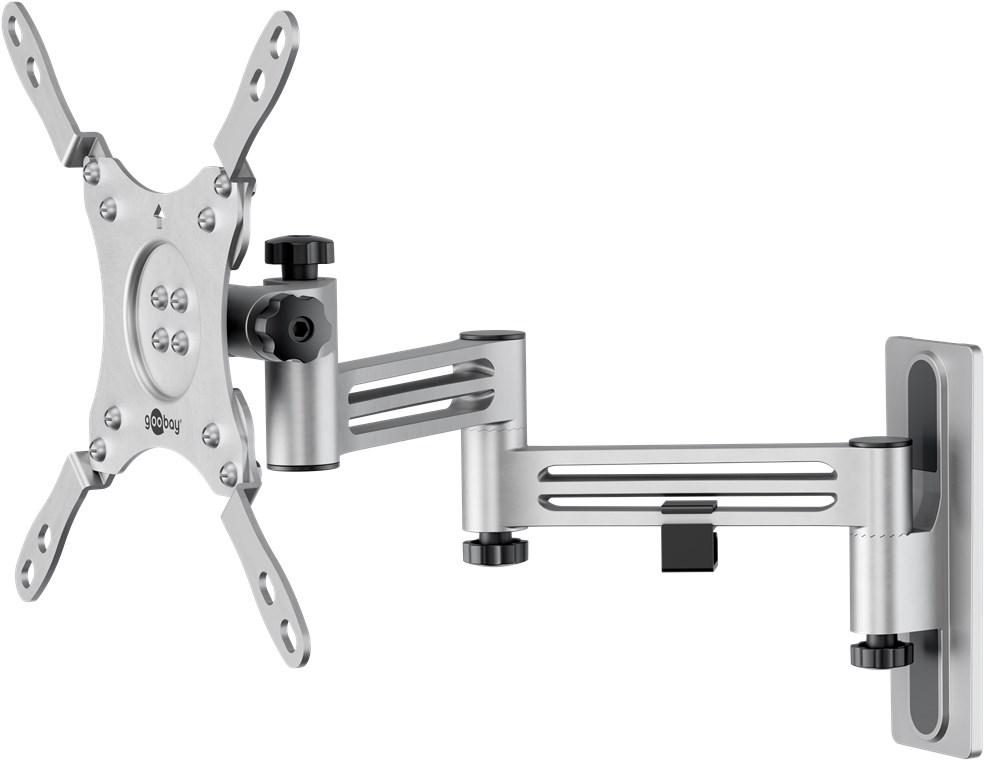 Goobay Kinnitus TV seinakinnitus matkaautole, väljaulatuv 386mm, 13-43" kuni 15 kg, hõbe Seinakinnitus teleritele suurusega 13–43 tolli (33–109 cm), maksimaalne kandevõime 15 kg, täielikult liikuv: pööratav, kallutatav, pikendatav kuni 38,6 cmMugav seinakinnitus muudab matkaauto mobiilseks kodukinoks: Teler, filmid ja striimimine kuni 43-tollisel ekraanil pakuvad meelelahutust teel ja puhkusel. Ohutuks transportimiseks saab kinnitus lihtsalt lukustada lukustuskruviga, mis tagab kindla paigalduse ning väldib ebameeldivaid vibratsioonimüra sõidu ajal.Mõeldud spetsiaalselt kasutamiseks matkaautodes ja haagissuvilates – varustatud lukustusmehhanismi ja vibratsioonivastase liigendi abil, mis tagavad turvalise fikseerimise reisides.Ideaalne keskmise suurusega teleri kindlaks seinakinnitamiseks (kuni 15 kg), kallutamisvõime +55°/-45° ja pööramisvõime ±90° iga liigendi juures, et saavutada täiuslik vaatamisnurk.Pikendatav kuni 38,6 cm – pakub lisapaindlikkust ja võimaldab optimaalset asukoha reguleerimist.Lihtne paigaldus:Kinnita teler kruvidega kinnitusplaadile.Aseta kinnitusplaat seinale kinnitatud hoidiku tihvti peale.Seinapaigaldus on kiire ja lihtne tänu kaasasolevale kinnitustarvikute komplektile, mis sisaldab ka loodi täpseks joondamiseks.Sobib enamikele lameekraanteleritele populaarsetelt brändidelt nagu Samsung (QLED ja LED), Sony, Philips ja LG, ning suurustele 32", 40", 43".Ühildub VESA® standarditega: 75x75 mm, 100x100 mm, 200x100 mm, 200x200 mm. | 2 | 39,99 € | Vaata | ||
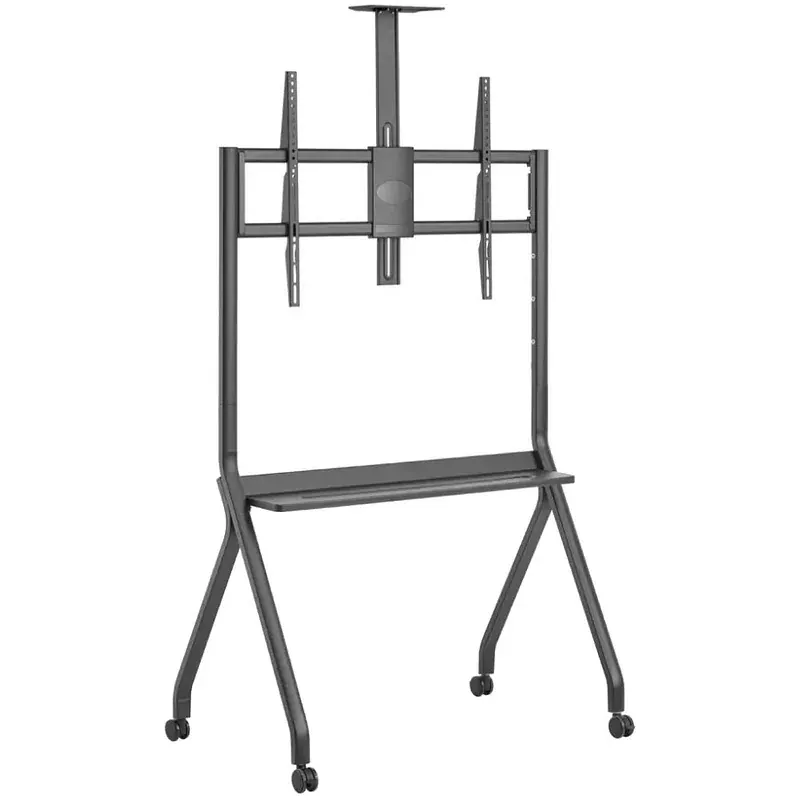 ART STO S-14 - mobile stand with VESA mount for 55-100" TVs weighing up to 120 kg The S-14ART Mobile TV Stand + Mount for 55-100" TVs (120kg) is a versatile solution, ideal for large office spaces such as conference rooms, trade shows, etc. The locking casters allow for quick and easy relocation or to another room. Other features include a cable management system, which helps maintain order and aesthetics. Additionally, the stand is equipped with a shelf, perfect for storing other small devices, such as remote controls, etc. The stand also has an adjustable shelf for a teleconferencing camera, which is located above the TV. | 2 | 141,11 € −0,52 € | Vaata | ||
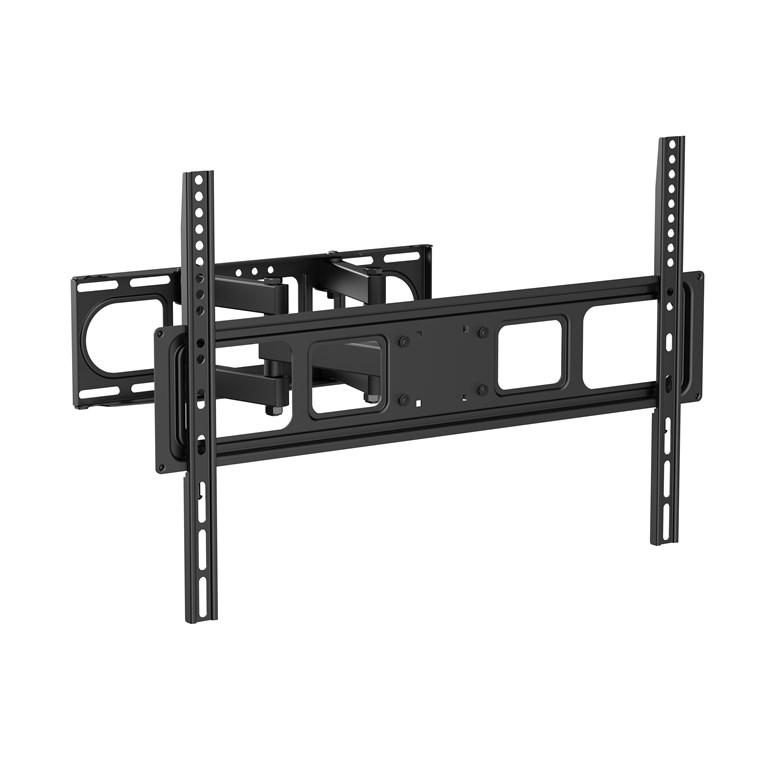 Goobay 55" TV seinakinnitus FULLMOTION (L), väljaulatuv 94-203mm, 37"-80", keeratav ja pööratav, kuni 40kg, must Uus! Teleri Seinakinnitus Basic FULLMOTION (L)Sobib teleritele: 37–80 tolli (94–203 cm)Täielik liikumisvabadus uueks vaatamiskogemuseks – see paindlik seinakinnitus kohandub kõigi vaatamisharjumustega ja pakub ideaalse vaatenurga igas ruumi osas. Tänu dünaamilisele käärtüüpi varrele ja sujuvatele liigenditele saab kinnitusasendit hõlpsalt ja vaevata reguleerida – olgu selleks kallutamine, pööramine või ettepoole tõmbamine: see universaalne lahendus saab hakkama igas olukorras.TooteomadusedMaksimaalselt paindlik telerikinnitus optimeeritud vaatenurgaga: kallutatav +2°/-16° (üles/alla), pööratav +60°/-60° (vasakule/paremale), ulatub kuni 34,8 cmDiskreetne disain: minimaalne kaugus seinast vaid 6,1 cm, teler ei ulatu nähtavalt ruumiAstmeteta reguleeritav topelt-käärligend tagab stabiilse ja sujuva liikumise ning kindla hoidvuseLihtne paigaldus:Kinnita kinnitusliistud teleri tahaAseta teler koos liistudega seinakinnitusele – valikus kõrguspositsioon 1 või 2Takjakinnitusega kaabliklambrid aitavad juhtmed korralikult käärligendite külge kinnitada – puhtam ja korrapärasem välimusÜhildub enamiku kaarjate ja lameekraanidega teleritega, sealhulgas tuntud kaubamärgid nagu Samsung (QLED, LED), Sony, Philips, LG jptSobib populaarsetele ekraanisuurustele: 50", 55", 58", 65", 75"Ühilduvus – VESA® standardid100×100 mm, 100×150 mm, 150×100 mm, 100×200 mm, 200×100 mm, 150×150 mm, 200×200 mm, 300×200 mm, 400×200 mm, 300×300 mm, 400×300 mm, 600×200 mm, 400×400 mm, 600×300 mm, 600×400 mmToimivusKinnituse tüüp: Täisliikuv teleri seinakinnitusEkraani suurus: L (94–203 cm / 37–80")Maksimaalne kandevõime: 40 kgMinimaalne kaugus seinast: 61 mmMaksimaalne kaugus seinast: 348 mmPöördenurk: +60° ~ -60°Kallutusvahemik: +2° ~ -16°Pöörlev kalle (rotatsioon): +3° ~ -3°Maksimaalne paigaldusava (VESA)Toetatud VESA (FDMI) standardid:100 × 100 mm100 × 150 mm150 × 100 mm100 × 200 mm200 × 100 mm150 × 150 mm200 × 200 mm200 × 300 mm300 × 200 mm200 × 400 mm300 × 300 mm300 × 400 mm400 × 200 mm400 × 300 mm400 × 400 mm600 × 200 mm600 × 300 mm600 × 400 mmÜldine teaveVärv: mustMaterjal: teras (pulbervärvitud)Pakendi tüüp: jaemüügi karp (Retail Box)Mõõtmed / KaalLaius: 655 mmKõrgus: 420 mmSügavus: 61 mmKaal: 3660 g | 2 | 34,99 € | Vaata | ||
 Vogels teleri kinnitus PFW 6855 Display Wall mount PFW 6855 is an articulating wall mount for displays up to 227 kg / 500 lb. PFW 6855 holds displays with a vertical VESA mounting pattern of 200-300-400-500-600 mm and horizontal max. 907 mm.Key features:Perfect for recessed installationsRotating function, 90 degrees, for easy landscape-portrait position changeTurn, tilt and reach functionsVESA fitment horizontal max. 907 mm, vertical 200 / 300 / 400 / 500 or 600 mmThe positive and negative tilt adjustment allows the mount to be installed level and plumb. The dual articulating arms allow even the heaviest display to be pulled away from the wall for service or alignment. The mount features a 90 degree rotation which allows the display to be installed in landscape, portrait or any other position in between. Type Wall Mount Max Mounting Standard VESA (mm) 907x600 Min Mounting Standard VESA (mm) 200x300 Max. Distance to the Wall (mm) 213,9 Min. Distance to the Wall (mm) 622,9 Max. Screen Diagonal (inch) 98 Min. Screen Diagonal (inch) 65 Max. Screen Diagonal (cm) 248,9 Min. Screen Diagonal (cm) 165,1 Max. Weight Capacity (kg) 227 Tiltable (front & back) Yes Tilt Angle (°) 4 Rotatable (Left/Right) Yes Rotating Angle (°) 90 Colour Black | 1 | 1243,40 € | Vaata | ||
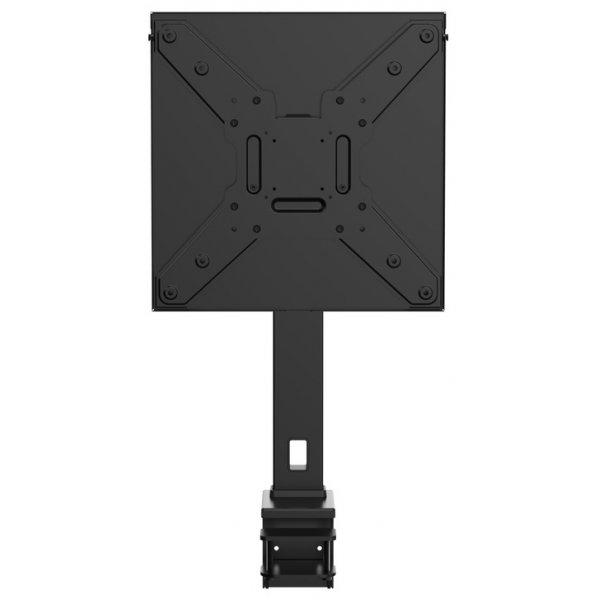 Multibrackets M Deskmount XL Black The M Deskmount XL Black is also a perfect partner for a user of larger monitors up to 55" when in a need of a powerful, stable and well balanced installation in a tiny space. One can also install this product side by side to create a simple but efficient monitor wall on the desk or workspace. If you are in need of a strong stand for large size single monitors, the M Deskmount XL Black could be your choice. Handles large size displays 32"-55" Ultra slim and space saving Three stage height adjustment Built in cable management Detachable VESA plate Elegantly designed back coverplate | 1 | 70,49 € | Vaata | ||
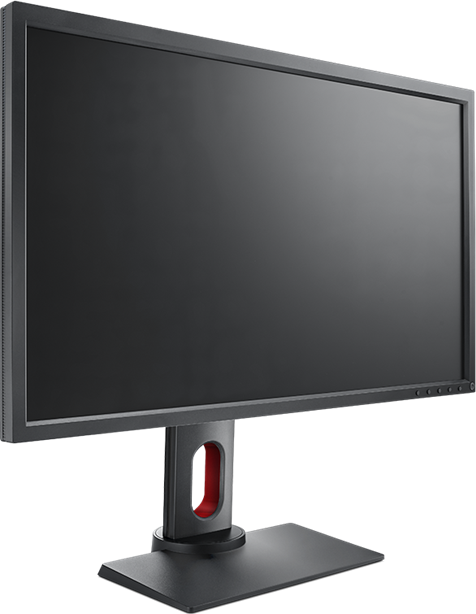 Monitor BenQ 27" LCD XL2731 27"/ 68.6cm, Resolution 1920x1080, 16: 9, 82dpi, Brightness 320cd / m², Contrast 1.000: 1 (static), 12.000.000: 1 (dynamic), 1ms response time, Viewing Angle 170 ° / 160 °, panel TN, form straight, Coating matt (non-glare), Backlight White-LED, flicker-free, blue light filter, Color depth 8bit (8bit without FRC), Color space not specified (sRGB), not specified (Adobe RGB), not specified (DCI-P3), not specified (REC 709), 144Hz refresh rate, Variable synchronization Adaptive Sync / AMD FreeSync, 40-144Hz, Blur Reduction BenQ Motion Blur Reduction, Signal frequency not specified (horizontal), 24-144Hz (vertical), Connections 1x DVI, 2x HDMI 2.0, 1x DisplayPort 1.2, USB Hub Out 2x USB-A 3.0, USB Hub In 1x USB-B 3.0, Audio 1x line-out, Ergonomics 140mm (height), 90 ° (pivot), ± 45 ° (turn), + 20 ° / -5 ° (tilt), Color anthracite (frame), anthracite (strip), anthracite (base), VESA 100x100 (occupied), Power consumption not specified (maximum), 40W (typical), not specified (energy label), 0.5W (standby), Annual consumption 58.40kWh, Energy efficiency class B, Power Supply AC-in, Dimensions (WxHxD) 632x420x237mm (with stand), 632x374x63mm (without stand), Weight 7.70kg (with stand), no details (without stand), Special features mechanical keys, security lock (Kensington), headphone holder, 9H.LHRLB.QBE | Laos | 1 | 189,00 € | Vaata | |
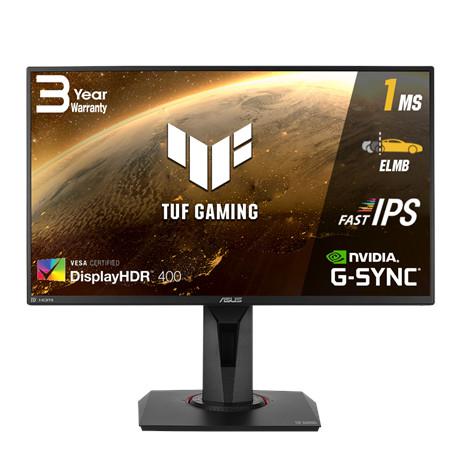 Monitor Asus 25" LCD VG259QM 24.5"/ 62.2cm, Resolution 1920x1080, 16: 9, 90dpi, Brightness 400cd / m², Contrast 1, 000: 1 (static), 100, 000, 000: 1 (dynamic), Response time not specified (GtG), 1ms (MPRT), Viewing angle 178 ° / 178 °, Panel IPS, DisplayHDR 400, Straight shape, Matt coating (non-glare), Backlight white LED, flicker-free, blue light filter, Color depth 8bit (16.8 million colors), FRC Yes (6bit + 2bit), Color space not specified (sRGB), not specified (Adobe RGB), not specified (DCI-P3), not specified (REC 709), Refresh rate 280Hz, Variable synchronization Adaptive Sync, NVIDIA G-Sync Compatible (48-280Hz via DisplayPort), Blurring reduction function ASUS Extreme Low Motion Blur (ELMB, max. 120Hz), Signal frequency 255-255kHz (horizontal), 48-280Hz (vertical) Connections 2x HDMI 2.0, 1x DisplayPort 1.2, Audio speakers (2x 2W), 1x line-out, Ergonomics 130mm (height), 90 ° (pivot), ± 90 ° (rotation), + 33 ° / -5 ° (inclination), Color black (frame), black (bar), black (base), VESA 100x100 (occupied), Power consumption not specified (maximum), 20W (typical), not specified (energy label), 0.5W (standby), Annual consumption 29.20 kWh, Energy efficiency class A, Power supply DC-In, Screen-to-body ratio 89.3% (calculated), Dimensions (WxHxD) 563x356x221mm (with pedestal), 563x329x52mm (without pedestal), Weight 5.10kg (with pedestal), 2.90kg (without pedestal), Special features slim bezel, mechanical keys with directional pad, security lock (Kensington) | Laos | 1 | 349,00 € | Vaata | |
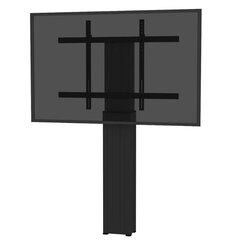 Neomounts by Newstar TV seinakinnitus 42-100"/PLASMA-W2250BLACK With the Neomounts by Newstar PLASMA-W2250BLACK automatic height adjustable floor stand you place a large format flat screen on the floor and anchor it to the wall with the included wall mounts (7 cm distance). Get optimal positioning for both standing and seated audiences, in any application, in any part of your location. Perfect to use in a class room, boardroom, presentation room or public entrance. The PLASMA-W2250BLACK is suited for screens between 42"-100" and has a load capacity of 130 kg. The mount is suitable for screens with a VESA hole pattern of 200x200 to 800x600 mm. The mobile electric floor lift is automatically height adjustable over a height of 50 cm with a remote control. From the floor to the center the distance of the screen is variable from 105-155 cm. The position can be perfectly leveled with four adjustable feet under the central column. Cables can be guided at the back of the mount. The Neomounts by Newstar PLASMA-W2250BLACK column comes in a black color and all installation material is included with the product. Warranty: 5 year. - Min. screen size: 42 inch - Max. screen size: 100 inch - Type: Fixed - Height adjustment: Motorised - Height: 105 - 155 cm | 1 | 1088,10 € | Vaata | ||
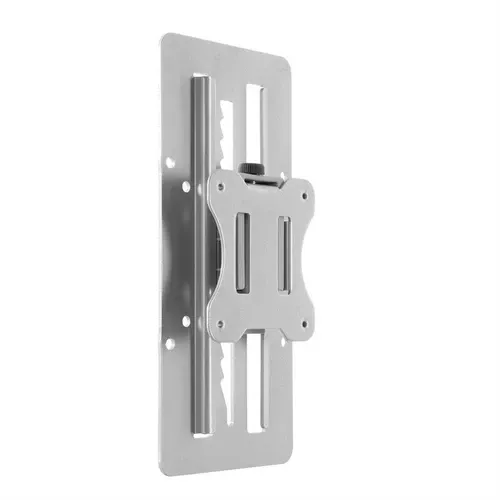 ROLINE 17031101 Hõbe • Perfect option to add more VERTICAL adjustability (15 cm mobility to go up and down) to an existing monitor mount • Track-mounted monitor holder • perfect to e.g. adjust two different monitors to the same height on an LCD bridge • Easy installation on most monitor mounts with standard VESA plates (75mm x 75mm/100mm x 100mm) • The toothed track keeps the adjustment smooth and stable • Maximum load up to 8 kg | 1 | 57,40 € | Vaata | ||
Advantech Tööstuslik arvuti: Intel Dual Core Celeron 2980U 1.6 GHz, 1xVGA,1x HDMI, DDR3 kuni 8GB, 2xUSB 2.0, 2xUSB 3.0, 1xRS-232/422/485, 1xRS-232, 2xGB LAN, Win 7/8/10 32 bit Uus! Tootekood: EE-100-168-731 Tööstuslikud arvutid Processor CPU Core Number Frequency L3 Cache BIOS Intel Celeron 2980U Dual Core Intel 4th Gen Core i5-4300U Dual Core 2 2 1.6 GHz 1.9 GHz (Up to 2.9 GHz w/ Turbo Boost 2.0 enabled) 2 MB 3 MB AMI EFI 128Mbit AMI EFI 128Mbit Memory Technology Max. Capacity Socket DDR3L 1333 MHz DDR3L 1600 MHz 8 GB 8 GB 1 x 204-pin SO-DIMM 1 x 204-pin SO-DIMM Graphics Chipset Graphic Engine VGA HDMI LVDS (Option) Intel HD Graphics Intel GT2-4400 Graphics DirectX11.1, OpenGL 4.0, and OpenCL 1.2,Full AVC/VC1/MPEG2 HW Decode DirectX11.1, OpenGL 4.0, and OpenCL 1.2,Full AVC/VC1/MPEG2 HW Decode Up to 1920 x 1200 at 60 Hz Up to 1920 x 1200 at 60 Hz Lockable HDMI connector, up to 4096 x 2304 at 24 Hz (Lockable HDMI cable optional) Lockable HDMI connector, up to 4096 x 2304 at 24 Hz (Lockable HDMI cable optional) Dual channel 24-bit LVDS, max resolution up to 1920 x 1200 with 60Hz (Support by T-Part or CTOS) Dual channel 24-bit LVDS, max resolution up to 1920 x 1200 with 60Hz (Support by T-Part or CTOS) Audio Main System Realtek ALC888S, High Definition Audio (HD), Line-in, Line out, Mic-in Realtek ALC888S, High Definition Audio (HD), Line-in, Line out, Mic-in Ethernet LAN1 LAN2 10/100/1000 Mbps Intel I218 GbE, support Wake on LAN 10/100/1000 Mbps Intel I218 GbE, support Wake on LAN 10/100/1000 Mbps Intel I210 GbE, support Wake on LAN 10/100/1000 Mbps Intel I210 GbE, support Wake on LAN I/O Interface Serial Port USB Interface GPIO 1 x RS-232 & 2 x RS-232/422/485 (BIOS selectable) 1 x RS-232 & 2 x RS-232/422/485 (BIOS selectable) 2 x USB 2.0 & 2 x USB3.0 2 x USB 2.0 & 2 x USB3.0 8 bit GPIO 8 bit GPIO Other Watchdog Timer 255 levels timer interval, setup by software 255 levels timer interval, setup by software Expansion Mini PCIe PCIe 1 x Full-size Mini PCIe, support mSATA storage or WWAN module 1 x Full-size Mini PCIe, support mSATA storage or WWAN module 1 x PCIe with half-size mini card interface, w/o USB signal 1 x PCIe with half-size mini card interface, w/o USB signal Storage 2.5" Drive Bay mSATA 1 x Hot Swappable 2.5" SATA drive bay (Max Height 9.5 mm) 1 x Hot Swappable 2.5" SATA drive bay (Max Height 9.5 mm) Laverage MiniPCIe #1 slot Laverage MiniPCIe #1 slot Software Support Microsoft Windows Linux WES8, WES7, Windows 8, Windows 7 WES8, WES7, Windows 8, Windows 7 Support (by Project) Support (by Project) Power Power Type Input Voltage AT/ATX AT/ATX 12 VDC 12 VDC Mechanical Construction Mounting Dimensions Aluminum housing Aluminum housing Desk/Wall Mounting (Standard), VESA & DIN-Rail Mounting Kit (Optional) Desk/Wall Mounting (Standard), VESA & DIN-Rail Mounting Kit (Optional) 223 x 46.6 x 133.0 mm (8.69" x 1.81" x 5.18") 223 x 46.6 x 133.0 mm (8.69" x 1.81" x 5.18") Environment Operating Temperature Storage Temperature Relative Humidity Vibration during Operation Shock During Operation With extended temperature SSD/mSATA/RAM :-20 ~ 55° C with 0.7m/s air flow With standard temperature HDD/SSD/mSATA/RAM peripherals:0 ~ 40° C with 0.7m/s air flow With extended temperature SSD/mSATA/RAM :-20 ~ 55° C with 0.7m/s air flow With standard temperature HDD/SSD/mSATA/RAM peripherals:0 ~ 40° C with 0.7m/s air flow -40 ~ 85° C (-40 ~ 185° F) -40 ~ 85° C (-40 ~ 185° F) 95% @ 40° C (non-condensing) 95% @ 40° C (non-condensing) With mSATA/SSD: 3 Grms, IEC 60068-2-64, random, 5 ~ 500 Hz, 1 hr/axis With mSATA/SSD: 3 Grms, IEC 60068-2-64, random, 5 ~ 500 Hz, 1 hr/axis With mSATA/SSD: 30G, IEC 60068-2-27, half sine, 11 ms duration With mSATA/SSD: 30G, IEC 60068-2-27, half sine, 11 ms duration Regulation EMC Safety CE/FCC Class A, CCC, BSMI CE/FCC Class A, CCC, BSMI UL, CCC, BSMI, CB UL, CCC, BSMI, CB | 1 | 841,54 € | Vaata | ||
Advantech Tööstuslik arvuti: Intel Core i5 4300U 1.9 GHz SoC, 1xVGA,1x HDMI, DDR3 kuni 8GB, 2xUSB 2.0, 2xUSB 3.0, 1xRS-232/422/485, 1xRS-232, 2xGB LAN, Win 7/8/10 32 bit Uus! Tootekood: EE-100-168-732 Tööstuslikud arvutid Processor CPU Core Number Frequency L3 Cache BIOS Intel Celeron 2980U Dual Core Intel 4th Gen Core i5-4300U Dual Core 2 2 1.6 GHz 1.9 GHz (Up to 2.9 GHz w/ Turbo Boost 2.0 enabled) 2 MB 3 MB AMI EFI 128Mbit AMI EFI 128Mbit Memory Technology Max. Capacity Socket DDR3L 1333 MHz DDR3L 1600 MHz 8 GB 8 GB 1 x 204-pin SO-DIMM 1 x 204-pin SO-DIMM Graphics Chipset Graphic Engine VGA HDMI LVDS (Option) Intel HD Graphics Intel GT2-4400 Graphics DirectX11.1, OpenGL 4.0, and OpenCL 1.2,Full AVC/VC1/MPEG2 HW Decode DirectX11.1, OpenGL 4.0, and OpenCL 1.2,Full AVC/VC1/MPEG2 HW Decode Up to 1920 x 1200 at 60 Hz Up to 1920 x 1200 at 60 Hz Lockable HDMI connector, up to 4096 x 2304 at 24 Hz (Lockable HDMI cable optional) Lockable HDMI connector, up to 4096 x 2304 at 24 Hz (Lockable HDMI cable optional) Dual channel 24-bit LVDS, max resolution up to 1920 x 1200 with 60Hz (Support by T-Part or CTOS) Dual channel 24-bit LVDS, max resolution up to 1920 x 1200 with 60Hz (Support by T-Part or CTOS) Audio Main System Realtek ALC888S, High Definition Audio (HD), Line-in, Line out, Mic-in Realtek ALC888S, High Definition Audio (HD), Line-in, Line out, Mic-in Ethernet LAN1 LAN2 10/100/1000 Mbps Intel I218 GbE, support Wake on LAN 10/100/1000 Mbps Intel I218 GbE, support Wake on LAN 10/100/1000 Mbps Intel I210 GbE, support Wake on LAN 10/100/1000 Mbps Intel I210 GbE, support Wake on LAN I/O Interface Serial Port USB Interface GPIO 1 x RS-232 & 2 x RS-232/422/485 (BIOS selectable) 1 x RS-232 & 2 x RS-232/422/485 (BIOS selectable) 2 x USB 2.0 & 2 x USB3.0 2 x USB 2.0 & 2 x USB3.0 8 bit GPIO 8 bit GPIO Other Watchdog Timer 255 levels timer interval, setup by software 255 levels timer interval, setup by software Expansion Mini PCIe PCIe 1 x Full-size Mini PCIe, support mSATA storage or WWAN module 1 x Full-size Mini PCIe, support mSATA storage or WWAN module 1 x PCIe with half-size mini card interface, w/o USB signal 1 x PCIe with half-size mini card interface, w/o USB signal Storage 2.5" Drive Bay mSATA 1 x Hot Swappable 2.5" SATA drive bay (Max Height 9.5 mm) 1 x Hot Swappable 2.5" SATA drive bay (Max Height 9.5 mm) Laverage MiniPCIe #1 slot Laverage MiniPCIe #1 slot Software Support Microsoft Windows Linux WES8, WES7, Windows 8, Windows 7 WES8, WES7, Windows 8, Windows 7 Support (by Project) Support (by Project) Power Power Type Input Voltage AT/ATX AT/ATX 12 VDC 12 VDC Mechanical Construction Mounting Dimensions Aluminum housing Aluminum housing Desk/Wall Mounting (Standard), VESA & DIN-Rail Mounting Kit (Optional) Desk/Wall Mounting (Standard), VESA & DIN-Rail Mounting Kit (Optional) 223 x 46.6 x 133.0 mm (8.69" x 1.81" x 5.18") 223 x 46.6 x 133.0 mm (8.69" x 1.81" x 5.18") Environment Operating Temperature Storage Temperature Relative Humidity Vibration during Operation Shock During Operation With extended temperature SSD/mSATA/RAM :-20 ~ 55° C with 0.7m/s air flow With standard temperature HDD/SSD/mSATA/RAM peripherals:0 ~ 40° C with 0.7m/s air flow With extended temperature SSD/mSATA/RAM :-20 ~ 55° C with 0.7m/s air flow With standard temperature HDD/SSD/mSATA/RAM peripherals:0 ~ 40° C with 0.7m/s air flow -40 ~ 85° C (-40 ~ 185° F) -40 ~ 85° C (-40 ~ 185° F) 95% @ 40° C (non-condensing) 95% @ 40° C (non-condensing) With mSATA/SSD: 3 Grms, IEC 60068-2-64, random, 5 ~ 500 Hz, 1 hr/axis With mSATA/SSD: 3 Grms, IEC 60068-2-64, random, 5 ~ 500 Hz, 1 hr/axis With mSATA/SSD: 30G, IEC 60068-2-27, half sine, 11 ms duration With mSATA/SSD: 30G, IEC 60068-2-27, half sine, 11 ms duration Regulation EMC Safety CE/FCC Class A, CCC, BSMI CE/FCC Class A, CCC, BSMI UL, CCC, BSMI, CB UL, CCC, BSMI, CB | 1 | 1437,40 € | Vaata | ||
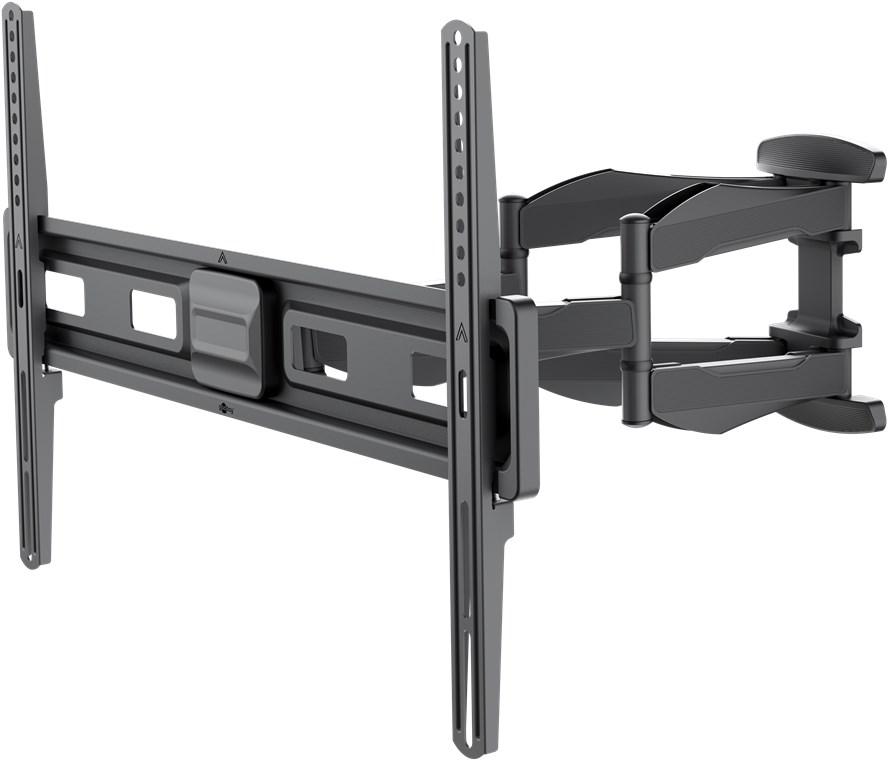 Goobay Kinnitus TV seinakinnitus Basic FULLMOTION (L), 37"-80", kuni 45kg, must Seinakinnitus teleritele suurusega 37–80 tolli (94–203 cm), maksimaalne kandevõime 45 kg, täielikult paindlik: pööratav ja kallutatavTäielik liikumisvabadus uute vaatenurkade jaoks: paindlik seinakinnitus kohandub kõigi vaatamisharjumustega ja pakub igas toanurgas ideaalset asendit. Dünaamilise käärmehhanismi ja sujuvate liigenditega saab kinnitus hõlpsalt reguleerida, olgu selleks kallutamine, pööramine või väljapoole tõmbamine – see mitmekülgne lahendus saab hakkama iga väljakutsega.Maksimaalselt paindlik telerikinnitus, mis tagab optimaalse vaatenurga: +3°/-12° kallutatav (üles/alla), +60°/-60° pööratav (vasakule/paremale), pikendatav kuni 47,5 cm.Tark kaablite haldussüsteem koos läbimõeldud katetega käärmehhanismil kaitseb ühenduskaableid ja tagab puhta ilme ilma kaablipuntrata.Diskreetne ja ruumisäästlik disain: minimaalne kaugus seinast vaid 5,5 cm, et teler ei ulatuks liiga palju ruumi sisse.Lõpmatult reguleeritav topeltkäärmehhanism tagab stabiilse liikumise ja kindla fikseerimise.Sobib enamikele kumeratele ja lameekraaniga teleritele populaarsetelt kaubamärkidelt nagu Samsung (QLED ja LED), Sony, Philips ja LG, ning suurustele 50", 55", 58", 65", 75".Ühildub VESA® standarditega: 200x200 mm, 200x300 mm, 300x200 mm, 200x400 mm, 400x200 mm, 300x300 mm, 300x400 mm, 400x300 mm, 600x200 mm, 400x400 mm, 600x300 mm, 600x400 mm. | 1 | 101,70 € | Vaata | ||
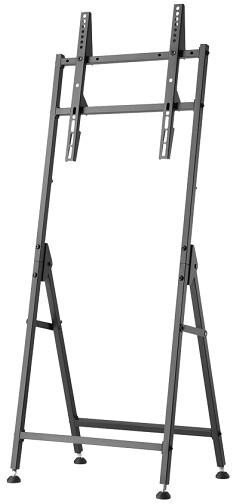 Newstar TV SET ACC FLOOR STAND BLACK/32-55" PLASMA-M1000 NEOMOUNTS The Neomounts by Newstar floor stand, model PLASMA-M1000 is a floor stand for flat screens up to 55?. This stand is a great choice for space saving placement or when wall-, ceiling mounting or desk placement is not an option. Neomounts by Newstars' floor stand, PLASMA-M1000 holds your TV in either horizontal or vertical position to fully benefit from the capabilities of the flat screen. An innovative cable management conceals and routes cables from mount to flat screen. Hide your cables to keep the stand nice and tidy. Neomounts by Newstar PLASMA-M1000 is suitable for screens up to 55" (140 cm). The weight capacity of this product is 35 kg. The stand is suitable for screens that meet VESA hole pattern 200x200 to 400x400mm. All installation material is included with the product | 1 | 182,19 € | Vaata | ||
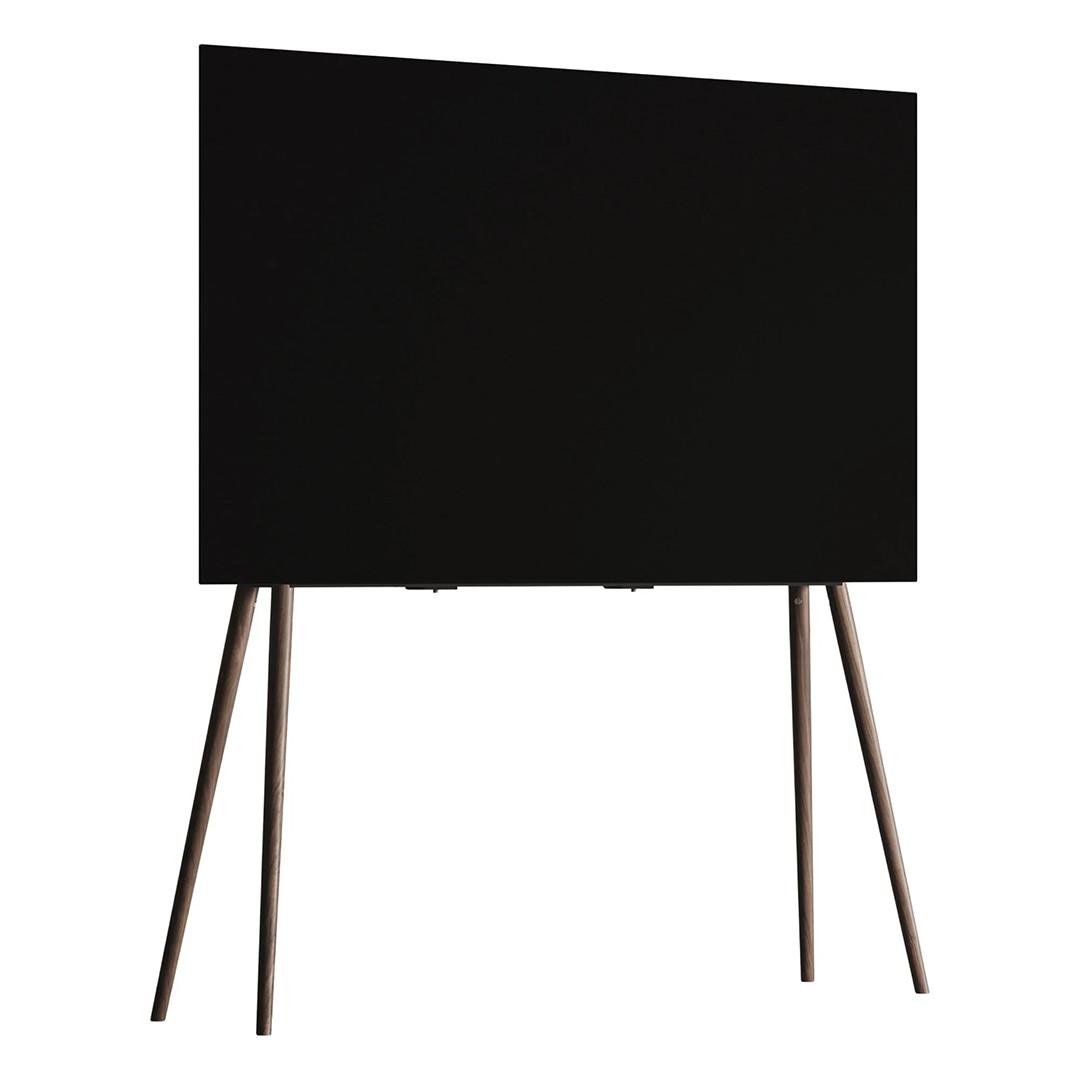 Jalg alus WALNUT, 42"-55", pruun - Teleri statiiv JALG telerialus ühendab kvaliteetse käsitöö, elegantse Skandinaavia disaini ja kestlikud materjalid, pakkudes stiilset lahendust kaasaegsesse eluruumi. Käsitööna valmistatud kvaliteetsest pähklipuidust alus on vastupidav ning sobitub loomulikult erinevate sisustusstiilidega. • Valmistatud kvaliteetsest pähklipuidust ja viimistletud vastupidava lakikihiga, mis annab elegantse välimuse ning aitab säilitada aluse ilu aastaid • Ühildub enamiku teleritega tänu VESA-standardite toele vahemikus 100 × 100 mm kuni 400 × 400 mm, olenevalt mudelist • Praktiline konstruktsioon võimaldab peita meediaseadmed ja kaablid teleri taha, luues puhtama ning korrastatuma teleriala • Mõeldud kiireks ja lihtsaks kokkupanekuks kahe inimese poolt | 1 | 399,99 € | Vaata | ||
Advantech Tööstuslik monitor: 15.6" , with PCT touch Uus! Tootekood: EE-100-168-840 Tööstuslikud arvutid FPM-7151W on tööstusliku tasemega laiekraanmonitor, millel on elegantsed, lihtsad jooned ja täiesti lame puutetundlik ekraan. FPM-7151W on varustatud PCAP 10-punktilise multitouch-juhtimise ja IP66-klassiga esipaneeliga ning on mõeldud intuitiivseks kasutamiseks rasketes tööstuslikes keskkondades. Lisaks toetab FPM-7151W mitmesuguseid paigaldusvõimalusi, et tagada lihtne paigaldamine ühe inimese poolt.Environment Ingress ProtectionFront Panel IP66Operating Temperature0~55 °C (32~131 °F)Storage Humidity10~90% RH (non-condensing)Storage Temperature-20~60 °C (-4~140 °F)Vibration Protection1 Grms, randomHardware CertificationCB, UL, CE, FCC Class A, CCC, BSMIOS SupportMicrosoft® Windows Vista, Microsoft® Windows 7, Microsoft® Windows 8,Microsoft® Windows XP, Microsoft® Windows XPe, Microsoft® Windows CE, Linux,Microsoft® Windows 10 LTSBPower Input24 VDCVideo PortHDMI, VGA, DVI-DI/O Interface Power Connector1 x Phoenix JackLCD Display Backlight Life (hrs)50,000Display Size15.6"Luminance (cd/m2)300Max. Resolution1366 x 768Viewing Angle (H/V°)170/160Mechanical Dimensions (L x H)419.7 x 269 mmEnclosureDie cast magnesium alloy, SECCMountingStand, Wall, VESA, PanelWeight (Net)5 kg (11 lb)Touchscreen Touch TypePCAP | 1 | 1239,01 € | Vaata | ||
Advantech Tööstuslik monitor: 18.5" , with PCT touch Uus! Tootekood: EE-100-168-844 Tööstuslikud arvutid FPM-7181W on tööstusliku tasemega laiekraanmonitor, millel on elegantsed, lihtsad jooned ja täiesti lame puutetundlik ekraan. FPM-7181W on varustatud PCAP 10-punktilise multitouch-juhtimise ja IP66-klassiga esipaneeliga ning on mõeldud intuitiivseks kasutamiseks rasketes tööstuslikes keskkondades. Lisaks toetab FPM-7181W mitmesuguseid paigaldusvõimalusi, et tagada lihtne paigaldamine ühe inimese poolt.Environment Ingress ProtectionFront Panel IP66Operating Temperature0~55 °C (32~131 °F)Storage Humidity10~90% RH (non-condensing)Storage Temperature-20~60 °C (-4~140 °F)Vibration Protection1 Grms, randomHardware CertificationCB, UL, CE, FCC Class A, CCC, BSMIOS SupportMicrosoft® Windows Vista, Microsoft® Windows 7, Microsoft® Windows 8,Microsoft® Windows XP, Microsoft® Windows XPe, Microsoft® Windows CE, Linux,Microsoft® Windows 10 LTSBPower Input24 VDCVideo PortVGA, DVI-DI/O Interface Power Connector1 x Phoenix JackLCD Display Backlight Life (hrs)50,000Display Size18.5"Luminance (cd/m2)300Max. Resolution1366 x 768Viewing Angle (H/V°)170/160Mechanical Dimensions (L x H)488 x 309 mmEnclosureDie cast magnesium alloy, SECCMountingStand, Wall, VESA, PanelWeight (Net)6 kg (13.22 lb)Touchscreen Touch TypePCAP | 1 | 1498,55 € | Vaata | ||
Advantech Tööstuslik arvuti: Intel Atom Dual Core N2600, 1.6 GHz, VGA/HDMI, DDR3 4GB, 4xUSB 2.0, 1xRS-232, 1xGB LAN, Windows 7 Pro 32bit Uus! Tootekood: EE-100-168-728 Tööstuslikud arvutid Processor CPU Core Number L2 Cache System Chipset BIOS Intel Atom Dual Core N2600 1.6 GHz 2 1 MB Intel NM10 AMI EFI 16Mbit Memory Technology Socket DDR3 800 MHz up to 4 GB 1 x 204-pin SO-DIMM Graphics Chipset Interface Intel Atom N2600 VGA (1920 x 1200); HDMI (1920 x 1200) with lockable design (please choose the lockable HDMI cable) Ethernet LAN 1 x 10/100/1000 Mbps Intel 82583V GbE, supports wake on LAN Audio Chipset Interface Realtek ALC892, High Definition Audio (HD) Line in, Line out I/O Interface Serial Port USB Interface 1 x RS-232 4 x USB ports, USB2.0 Compliant Others Watchdog timer 255 levels timer interval, setup by software Expansion Mini PCIe 1 x half-size miniPCIe supports WIFI only Storage 2.5" HDD/SSD mSATA 1 x SATA II HDD Bay 1 x full-size Mini PCIe slot, colay with USB signal Software Support Microsoft Windows Windows 7 Pro 32bit, WES7 32bit, XP Embedded (XP Embedded by project support) Power Input Voltage Connector Type Power Adaptor Consumption 12 VDC, ± 10% Lockable DC Jack AC to DC, DC12 V/3 A, 36 W with lockable design Typical 6.89 W, Max. 11.45 W Mechanical Construction Mounting Dimensions Aluminum housing Support VESA/DIN Rail/Wall mounting (Optional) 133.8 x 43.1 x 94.2 mm (5.27" x 1.7" x 3.71") Environment Operational Temperature Storage Temperature Relative Humidity Vibration during Operation Shock During Operation With standard temperature HDD/SSD/mSATA devices: 0 ~ 40° C With extended temperature SSD/mSATA devices: -20 ~ 60° C -40 ~ 85° C 95% @ 40° C (non-condensing) With SSD/mSATA: 3Grms, IEC 60068-2-64, random, 5 ~ 500 Hz, 1hr/axis With SSD/mSATA:30Grms, IEC 60068-2-27, half sine, 11ms duration Certification EMC Safety Certifications CE/FCC Class A, CCC, BSMI CB, UL, CCC, BSMI | 1 | 538,28 € | Vaata | ||
Advantech Tööstuslik arvuti: Intel Atom Dual Core N2800, 1.86 GHz, VGA/HDMI, DDR3 4GB, 3xUSB 2.0, 1xRS-232, 2xGB LAN,PCIe slot SIMi jaoks, Windows 7 Pro 32bit Uus! Tootekood: EE-100-168-729 Tööstuslikud arvutid Processor CPU Core Number L2 Cache System Chipset BIOS Intel Atom Dual Core N2800 1.86 GHz 2 1 MB Intel NM10 AMI EFI 16Mbit Memory Technology Socket DDR3 1066 MHz up to 4 GB 1 x 204-pin SO-DIMM Graphics Chipset Interface Intel Atom N2800 VGA (1920 x 1200); HDMI (1920 x 1200) with lockable design (please choose the lockable HDMI cable) Ethernet LAN 2 x 10/100/1000 Mbps Intel 82583V GbE Audio Chipset Interface Realtek ALC892, High Definition Audio (HD) Line in, Line out I/O Interface Serial Port USB Interface 1 x RS-232 3 x USB ports, USB2.0 Compliant Others Watchdog timer 255 levels timer interval, setup by software Expansion Mini PCIe 1 x half-size Mini PCIe supports WIFI only; 1 x full-size Mini PCIe w/SIM Holder Storage mSATA 1 x full-size Mini PCIe slot (Suggest to assembly by CTOS or T-Part due to complex installation) Software Support Microsoft Windows Windows 7 Pro 32bit, WES7 32bit, XP Embedded (XP Embedded by project support) Power Input Voltage Connector Type Power Adaptor Consumption 12 VDC, ± 10% Lockable DC Jack AC to DC, DC12 V/3 A, 36 W with lockable design Typical 7.84 W, Max. 13.15 W Mechanical Construction Mounting Dimensions Aluminum housing Support VESA/DIN Rail/Wall mounting (Optional) 133.8 x 43.1 x 94.2 mm (5.27" x 1.7" x 3.71") Environment Operational Temperature Storage Temperature Relative Humidity Vibration during Operation Shock During Operation With standard temperature mSATA devices: 0 ~ 40° C With extended temperature mSATA devices: -20 ~ 60° C -40 ~ 85° C 95% @ 40° C (non-condensing) With mSATA: 3Grms, IEC 60068-2-64, random, 5 ~ 500 Hz, 1hr/axis With mSATA:30Grms, IEC 60068-2-27, half sine, 11ms duration Certification EMC Safety Certifications CE/FCC Class A, CCC, BSMI CB, UL, CCC, BSMI | 1 | 581,73 € | Vaata | ||
Advantech Tööstuslik arvuti: Intel Atom Dual Core N2600, 1.6 GHz, VGA,4xCOM, DDR3 4GB, 4xUSB 2.0, 4xRS-232, 1xGB LAN, Windows 7 Pro 32bit Uus! Tootekood: EE-100-168-730 Tööstuslikud arvutid Processor CPU Core Number L2 Cache System Chipset BIOS Intel Atom Dual Core N2600 1.6 GHz 2 1 MB Intel NM10 AMI EFI 16Mbit Memory Technology Socket DDR3 800 MHz up to 4 GB 1 x 204-pin SO-DIMM Graphics Chipset Interface Intel Atom N2600 VGA (1920 x 1200) Ethernet LAN 1 x 10/100/1000 Mbps Intel 82583V GbE I/O Interface Serial Port USB Interface 2 x RS-232, 2 x RS-232/422/485, selected by BIOS 4 x USB ports, USB2.0 Compliant (Standard); or 2 x USB ports (Option 2.5" drive bay version) Others Watchdog timer 255 levels timer interval, setup by software Expansion Mini PCIe 1 x half-size miniPCIe supports WIFI only Storage 2.5" HDD/SSD mSATA 1 x SATA II HDD bay (Optional by T-Part) 1 x full-size Mini PCIe slot, colay with USB signal Software Support Microsoft Windows Windows 7 Pro 32bit, WES7 32bit, XP Embedded (XP Embedded by project support) Power Input Voltage Connector Type Power Adaptor Consumption 12 VDC, ± 10% Lockable DC Jack AC to DC, DC12 V/3 A, 36 W with lockable design Typical 5.4 W, Max. 9.47 W Mechanical Construction Mounting Dimensions Aluminum housing Support VESA/DIN Rail/Wall mounting (Optional) 133.8 x 43.1 x 94.2 mm (5.27" x 1.7" x 3.71") Environment Operational Temperature Storage Temperature Relative Humidity Vibration during Operation Shock During Operation With standard temperature HDD/SSD/mSATA devices: 0 ~ 40° C With extended temperature SSD/mSATA devices: -20 ~ 60° C -40 ~ 85° C 95% @ 40° C (non-condensing) With SSD/mSATA: 3Grms, IEC 60068-2-27, half sine, 11ms duration With SSD/mSATA:30Grms, IEC 60068-2-27, half sine, 11ms duration Certification EMC Safety Certifications CE/FCC Class A, CCC, BSMI CB, UL, CCC, BSMI | 1 | 568,70 € | Vaata | ||
Advantech Tööstuslik monitor: 21.5" , with PCT touch Uus! Tootekood: EE-100-168-846 Tööstuslikud arvutid FPM-7211W on tööstusliku tasemega laiekraanmonitor, millel on elegantsed, lihtsad jooned ja täiesti lame puutetundlik ekraan. FPM-7211W on varustatud PCAP 10-punktilise multitouch-juhtimise ja IP66-klassiga esipaneeliga ning on mõeldud intuitiivseks kasutamiseks rasketes tööstuslikes keskkondades. Lisaks toetab FPM-7211W mitmesuguseid paigaldusvõimalusi, et tagada lihtne paigaldamine ühe inimese poolt.Environment Ingress ProtectionFront Panel IP66Operating Temperature0~55 °C (32~131 °F)Storage Humidity10~90% RH (non-condensing)Storage Temperature-20~60 °C (-4~140 °F)Vibration Protection1 Grms, randomHardware CertificationCB, UL, CE, FCC Class A, CCC, BSMIOS SupportMicrosoft® Windows Vista, Microsoft® Windows 7, Microsoft® Windows 8,Microsoft® Windows XP, Microsoft® Windows XPe, Microsoft® Windows CE, Linux,Microsoft® Windows 10 LTSBPower Input24 VDCVideo PortVGA, DVI-DI/O Interface Power Connector1 x Phoenix JackLCD Display Backlight Life (hrs)50,000Display Size21.5"Luminance (cd/m2)300Max. Resolution1920 x 1080Viewing Angle (H/V°)178/178Mechanical Dimensions (L x H)558.4 x 349.8 mmEnclosureDie cast magnesium alloy, SECCMountingStand, Wall, VESA, PanelWeight (Net)8 kg (17.64 lb)Touchscreen Touch TypePCAP | 1 | 1542,83 € | Vaata | ||
Advantech Modulaarne ekraan: 12.1" , PCAP, 1024x768, 1000 nits Uus! Tootekood: EE-100-168-855 Tööstuslikud arvutid Advantechi modulaarne ekraaniseeria pakub erinevaid ekraanimooduleid suurusega 12,1–23,8 tolli, mis sobivad kokku arvutikastidega (TPC-B300/TPC-B510/ TPC-B520/TPC-B520L/TPC-B610) mitmesuguste konfiguratsioonide jaoks, mida saab paindlikult kohandada erinevate stsenaariumidega. Modulaarne ekraaniseeria on varustatud tööstusliku klassi LCD- ja projitseeritud kapasitiivse puuteekraaniga, mis tagab parima kasutuskogemuse ja töökindluse. Modulaarne disain tagab paindliku konfiguratsiooni ja lihtsa hoolduse/uuendamise. Tugev korpus on varustatud survevalatud alumiiniumisulamist esipaneeliga ja IP66-klassiga, mis kaitseb tolmu ja vee sissetungimise eest.Environment Ingress ProtectionIP66Operating Temperature-20~60 °C (-4~140 °F)Storage Temperature-30~70 °C (-22~158 °F)Hardware CertificationCB, UL, CE, FCC Class ALCD Display Backlight Life (hrs)50,000Display Size12.1"Luminance (cd/m2)1000Max. Resolution1024 x 768Viewing Angle (H/V°)178/174Mechanical Dimension (W x H x D)312 x 238 x 28 mmMountingPanel, Wall, Stand, VESAWeight (Net)2.4 kg (5.3 lb)Touchscreen Touch Type10-point multi-touch projected capacitive | 1 | 705,46 € | Vaata | ||
Advantech Modulaarne ekraan: 21.5" , PCAP, 1920x1080, 250 nits Uus! Tootekood: EE-100-168-870 Tööstuslikud arvutid Advantechi modulaarne ekraaniseeria pakub erinevaid ekraanimooduleid suurusega 12,1–23,8 tolli, mis sobivad kokku arvutikastidega (TPC-B300/TPC-B510/ TPC-B520/TPC-B520L/TPC-B610) mitmesuguste konfiguratsioonide jaoks, mida saab paindlikult kohandada erinevate stsenaariumidega. Modulaarne ekraaniseeria on varustatud tööstusliku klassi LCD- ja projitseeritud kapasitiivse puuteekraaniga, mis tagab parima kasutuskogemuse ja töökindluse. Modulaarne disain tagab paindliku konfiguratsiooni ja lihtsa hoolduse/uuendamise. Tugev korpus on varustatud survevalatud alumiiniumisulamist esipaneeliga ja IP66-klassiga, mis kaitseb tolmu ja vee sissetungimise eest.Environment Ingress ProtectionIP66Operating Temperature0~55 °C (32~131 °F)Storage Temperature-20~60 °C (-4~140 °F)Hardware CertificationCB, UL, CE, FCC Class ALCD Display Backlight Life (hrs)50,000Display Size21.5"Luminance (cd/m2)250Max. Resolution1920 x 1080Viewing Angle (H/V°)178/178Mechanical Dimension (W x H x D)558.4 x 349.8 x 30.3 mmMountingPanel, Wall, Stand, VESAWeight (Net)5.9 kgTouchscreen Touch Type10-point multi-touch projected capacitive | 1 | 807,18 € | Vaata | ||
Advantech Modulaarne ekraan: 23.8" , PCAP, 1920x1080, 350 nits Uus! Tootekood: EE-100-168-872 Tööstuslikud arvutid Advantechi modulaarne ekraaniseeria pakub erinevaid ekraanimooduleid suurusega 12,1–23,8 tolli, mis sobivad kokku arvutikastidega (TPC-B300/TPC-B510/ TPC-B520/TPC-B520L/TPC-B610) mitmesuguste konfiguratsioonide jaoks, mida saab paindlikult kohandada erinevate stsenaariumidega. Modulaarne ekraaniseeria on varustatud tööstusliku klassi LCD- ja projitseeritud kapasitiivse puuteekraaniga, mis tagab parima kasutuskogemuse ja töökindluse. Modulaarne disain tagab paindliku konfiguratsiooni ja lihtsa hoolduse/uuendamise. Tugev korpus on varustatud survevalatud alumiiniumisulamist esipaneeliga ja IP66-klassiga, mis kaitseb tolmu ja vee sissetungimise eest.Environment Ingress ProtectionIP66Operating Temperature0~55 °C (32~131 °F)Storage Temperature-20~60 °C (-4~140 °F)Hardware CertificationCB, UL, CE, FCC Class ALCD Display Backlight Life (hrs)30,000Display Size23.8"Luminance (cd/m2)350Max. Resolution1920 x 1080Viewing Angle (H/V°)178/178Mechanical Dimension (W x H x D)595.9 x 374.1 x 30.3 mmMountingPanel, Wall, Stand, VESAWeight (Net)7.8 kgTouchscreen Touch Type10-point multi-touch projected capacitive | 1 | 872,81 € | Vaata | ||

Otsing: vesa 55" stand
142 toodet
4 | 32,99 € | Vaata | |||
4 | 57,19 € | Vaata | |||
4 | 248,80 € | Vaata | |||
4 | 33,10 € | Vaata | |||
3 | 10,99 € −2,10 € | Vaata | |||
3 | 48,60 € | Vaata | |||
3 | 96,00 € | Vaata | |||
3 | 96,00 € | Vaata | |||
| |||||
| 3 | 1247,81 € | Vaata | ||
| 3 | 1842,30 € | Vaata | ||
3 | 19,99 € | Vaata | |||
| 2 | 83,00 € | Vaata | ||
2 | 64,40 € −0,10 € | Vaata | |||
2 | 91,99 € | Vaata | |||
2 | 27,21 € | Vaata | |||
2 | 49,99 € | Vaata | |||
2 | 89,99 € | Vaata | |||
2 | 149,99 € | Vaata | |||
2 | 19,99 € | Vaata | |||
2 | 39,99 € | Vaata | |||
2 | 141,11 € −0,52 € | Vaata | |||
2 | 34,99 € | Vaata | |||
1 | 1243,40 € | Vaata | |||
| 1 | 70,49 € | Vaata | ||
| 1 | 189,00 € | Vaata | ||
| 1 | 349,00 € | Vaata | ||
1 | 1088,10 € | Vaata | |||
| 1 | 57,40 € | Vaata | ||
1 | 841,54 € | Vaata | |||
1 | 1437,40 € | Vaata | |||
1 | 101,70 € | Vaata | |||
1 | 182,19 € | Vaata | |||
1 | 399,99 € | Vaata | |||
1 | 1239,01 € | Vaata | |||
1 | 1498,55 € | Vaata | |||
1 | 538,28 € | Vaata | |||
1 | 581,73 € | Vaata | |||
1 | 568,70 € | Vaata | |||
1 | 1542,83 € | Vaata | |||
Advantech Modulaarne ekraan: 12.1" , PCAP, 1024x768, 1000 nits Tootekood: EE-100-168-855 Tööstuslikud arvutid | 1 | 705,46 € | Vaata | ||
Advantech Modulaarne ekraan: 21.5" , PCAP, 1920x1080, 250 nits Tootekood: EE-100-168-870 Tööstuslikud arvutid | 1 | 807,18 € | Vaata | ||
Advantech Modulaarne ekraan: 23.8" , PCAP, 1920x1080, 350 nits Tootekood: EE-100-168-872 Tööstuslikud arvutid | 1 | 872,81 € | Vaata | ||