This series is Edexcel's course for the GCE 2008 specification, and is designed to provide students with preparation for their examinations and coursework. Packed full of tips and guidance, students will develop all the historical skills and understanding they need to be prepared. Autorid: Rosemary Rees, Martin Collier
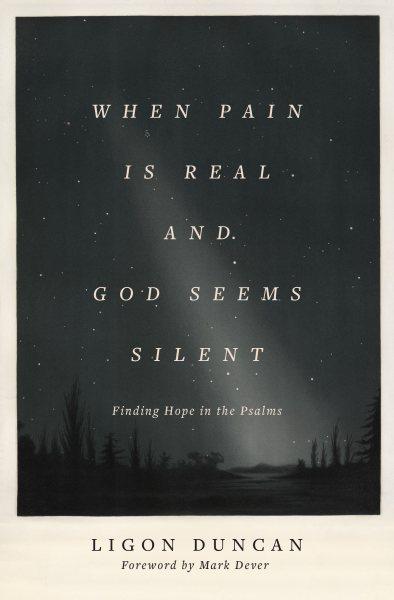
"In the midst of our suffering we need a wake-up call to the truth that Gods steadfast love never ceases. Dave Furman, Senior Pastor, Redeemer Church of Dubai; author, Being There and Kiss the Wave Are you feeling despondent, depressed, or discouraged? When we encounter severe trials and suffering, we are often tempted to think that our situation is somehow out of Gods hands. In these dark times, God seems silent, and we feel isolated, confused, and alone. Everyone experiences suffering; even the biblical writers expressed anguish at times. This emotion is clearly captured in the Psalms. Through these brief meditations on Psalms 88 and 89, Ligon Duncan shows us how to respond to our own suffering with the assurance of our heavenly Fathers mercy, which sustains us even in the darkest circumstances. Includes a foreword by Mark Dever, president of 9Marks and pastor at Capitol Hill Baptist Church Meditates on Psalms 88 and 89, pointing to Gods promises to sustain Christians in the midst of suffering Points to examples of lament in Scripture in the midst of lonely and confusing circumstances Written by the chancellor and CEO of Reformed Theological Seminary Autorid: Ligon Duncan, Mark Dever
Inspired by timeless poems from around the world, Hassan Massoudy's calligraphy takes us on a visual journey through love in its many forms. Through his signature broad strokes and vibrant colours, this master calligrapher brings to life the words and wisdom of some of our greatest poets, from Ibn Zaydoun and Rumi to Kahlil Gibran, John Keats and Paul Eluard. Beautifully designed and illustrated throughout, Calligraphies of Love is the perfect gift for lovers, poets and dreamers. Autorid: Hassan Massoudy
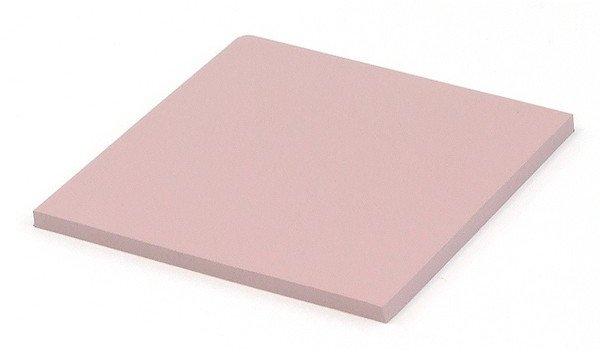
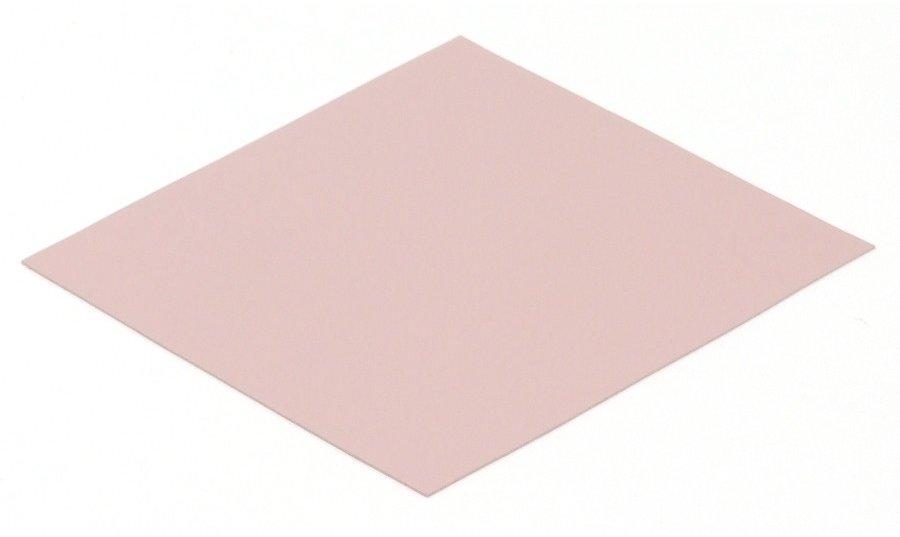
These thermal pads are very useful to compensate height differences and other irregularities on coolers and surfaces that are to be cooled. Due to the very elastic adaptability and the low hardness of this pad only little contact pressure is needed to allow perfect adaptation to the surfaces to ensure the best possible heat transfer. With these pads almost any unevenness can be compensated, from microscopically small grooves to visible irregularities. The self-adhesive surface of these pads allow easy installation and prevents the pad from shifting during installation of the cooler. These pads can be cut to any desired size and are therefore suitable for just about any application: From VRAM coolers on graphics cards to VRM blocks on the motherboard. Even large components such as the North- or Southbridge can be equipped with these pads, as they have excellent heat conductivity. With their many uses, these thermal pads should be amongst any PC-builder's equipment. Technical data: Dimensions: 15x15x5mm Heat conductivity: 1,5 W/mK Maximum bridgeable gap: 5mm Electrically non-conductive Extent of delivery: 1x thermal pad 15x15x5mm (1 piece) Note: The thermal pads can be compressed to up to half of their height.>
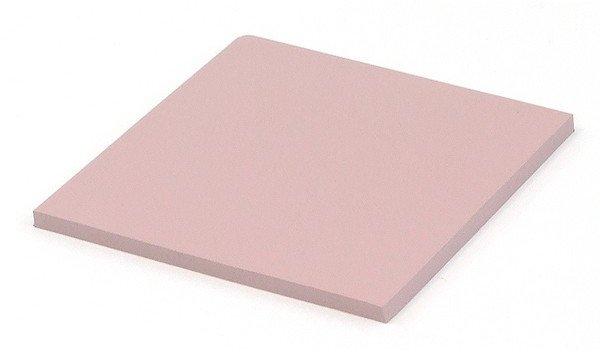
These thermal pads are very useful to compensate height differences and other irregularities on coolers and surfaces that are to be cooled. Due to the very elastic adaptability and the low hardness of this pad only little contact pressure is needed to allow perfect adaptation to the surfaces to ensure the best possible heat transfer. With these pads almost any unevenness can be compensated, from microscopically small grooves to visible irregularities. The self-adhesive surface of these pads allow easy installation and prevents the pad from shifting during installation of the cooler. These pads can be cut to any desired size and are therefore suitable for just about any application: From VRAM coolers on graphics cards to VRM blocks on the motherboard. Even large components such as the North- or Southbridge can be equipped with these pads, as they have excellent heat conductivity. With their many uses, these thermal pads should be amongst any PC-builder's equipment. Technical data: Dimensions: 30x30x5mm Heat conductivity: 1,5 W/mK Maximum bridgeable gap: 1mm Electrically non-conductive Extent of delivery: 1x thermal pad 30x30x5mm (1 piece) Note: The thermal pads can be compressed to up to half of their height.>
These thermal pads are perfect for compensating height differences and irregularities on coolers and surfaces to be cooled. Their highly elastic and low-hardness design requires minimal contact pressure, ensuring optimal surface adaptation and effective heat transfer. The self-adhesive backing allows for easy installation and prevents shifting during cooler placement, while the pads can be cut to any desired size for versatile use on VRAM coolers, VRM blocks, or even larger components like Northbridge and Southbridge chips. With dimensions of 30x30x0.5mm and a thermal conductivity of 1.5 W/mK, these pads bridge up to 0.5mm gaps and are electrically non-conductive. Scope of delivery: 1x thermal pad 30x30x0.5mm (1 piece) Note: These pads can be compressed to up to half of their height.
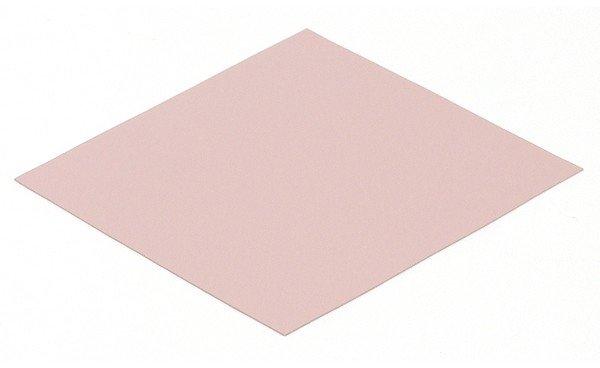
These thermal pads are very useful to compensate height differences and other irregularities on coolers and surfaces that are to be cooled. Due to the very elastic adaptability and the low hardness of this pad only little contact pressure is needed to allow perfect adaptation to the surfaces to ensure the best possible heat transfer. With these pads almost any unevenness can be compensated, from microscopically small grooves to visible irregularities. The self-adhesive surface of these pads allow easy installation and prevents the pad from shifting during installation of the cooler. These pads can be cut to any desired size and are therefore suitable for just about any application: From VRAM coolers on graphics cards to VRM blocks on the motherboard. Even large components such as the North- or Southbridge can be equipped with these pads, as they have excellent heat conductivity. With their many uses, these thermal pads should be amongst any PC-builder's equipment. Technical data: Dimensions: 100x100x0,5mm Heat conductivity: 1,5 W/mK Maximum bridgeable gap: 0,5mm Electrically non-conductive Extent of delivery: 1x thermal pad 100x100x0,5mm (1 piece) Note: The thermal pads can be compressed to up to half of their height.>
Diplomikaaned/dokumendikaaned 10tk sinine / kuldne Esinduslikud kõvad kaaned pidulike dokumentide üleandmiseks A4 dokumentide jaoks Värvus: Sinine + kuldne raam Pakendis 10tk
Diplomi põhi, A4 formaadis - Umbria Sobilikud kutsete, tänukirjade, aukirjade, menüüde jms tegemiseks. Samuti saab kasutada ka lihtsalt disainpaberina. Diplomipõhjadele saab trükkida kõigi tindi- ja laserprinteritega ning saab kasutada ka koopiamasinas. Lehe grammkaal on 170 Valikus on kokku ligi 50 erinevat diplomit, lisaks on saadaval diplomikaaned.
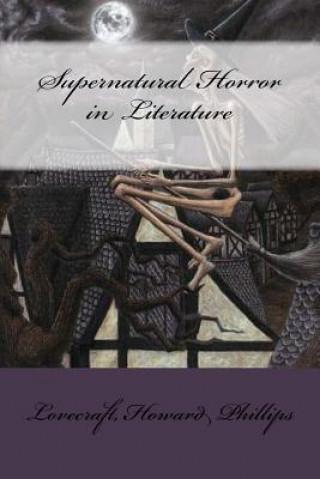
"Supernatural Horror in Literature" is a long essay by the horror writer H. P. Lovecraft surveying the topic of horror fiction. It was written between November 1925 and May 1927 and revised during 1933
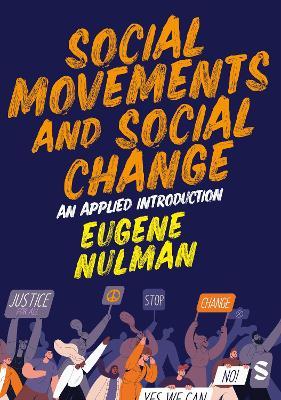
How do you make social movements matter in your teaching? This book puts students at the centre - combining global case studies, activist-led activities, and cutting-edge theory to bring movements to life in the seminar room. How do you make social movements matter in the classroom? This book moves beyond a purely theoretical approach, responding to the need to put students in the centre of the action. The 10 chapters follow the lifecycle of a social movement, and are enriched by bullet points, case studies, critical thinking questions, and interactive activities ready for use in seminars and workshops.Readers will encounter: Foundational and cutting-edge social movement theories such as resource mobilization, repertoires of contention, and direct social action; Global case studies including Arab Spring, the South African anti-apartheid movement, and the Palestinian March of Return; Unique movement-building and 'movement-exploring' activities which prompt students to think like activists; A focus on traditionally overlooked areas of social movement studies, like burnout, gendered division of labour, and prefiguration.This book is perfect for undergraduate and postgraduate students across a range of disciplines including sociology, politics, organizational studies, and social psychology. The book is also a valuable resource for academics and activists interested in the subjects of social and political movements and protest. Autorid: Eugene Nulman
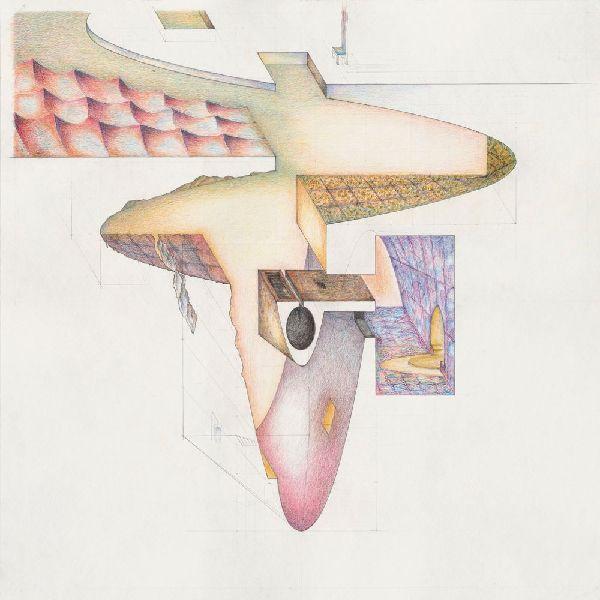
Das Buch präsentiert erstmals umfassend die bislang nur verstreut publizierten, seit 2021 entstandenen Architekturphhantasien von Holger Kleine. Die Handzeichnungen stehen in der jahrhundertealten Tradition der autonomen Architekturzeichnung und verstehen sich als Beiträge zu einer gezeichneten Phänomenologie der Architektur. Sie widmen sich den jeder Raumschöpfung inhärenten Themen Körper und Raum, Licht, Geometrie und Antinomie. Gemeinsam ist den in vier Zyklen gruppierten Zeichnungen die Auseinandersetzung mit den Möglichkeiten der Sequenzierung in einem Feld von neuen Quadraten und dem Verfahren der Parallelprojektion. Weitere Sinnschichten bilden sich in den atmosphärisch dichten Farbstiftzeichnungen durch literarische Bezüge. Die Zyklen haben ihre Ausgangspunkte in der eigensinnigen Lektüre literarischer Werke wie der biblischen Genesis, Ovids Metamorphosen, Marcel Prousts Auf der Suche nach der verlorenen Zeit und Robert Musils Der Mann ohne Eigenschaften. Die Zeichnungen sind jedoch keine Buchillustrationen, sondern das, was der Autor als 'Archi-Metamorphosen' bezeichnet: Sie transformieren Themen, Methoden und Motive der Literatur in solche der Architektur. Durch dieses kritisch-poetische Verfahren loten die Zeichnungen die unterschiedlichen Sprachmöglichkeiten von Text und Bild, von verbaler und gezeichneter Fiktion aus, ohne sich in kurz-schlüssigen Entsprechungen zu verfangen. Die begleitenden Essays interpretieren die Zeichnungen aus ihrem je eigenen Blickwinkel - der Architekturtheorie, der praktizierten Architektur, der Kunstgeschichte sowie der Philosophie.
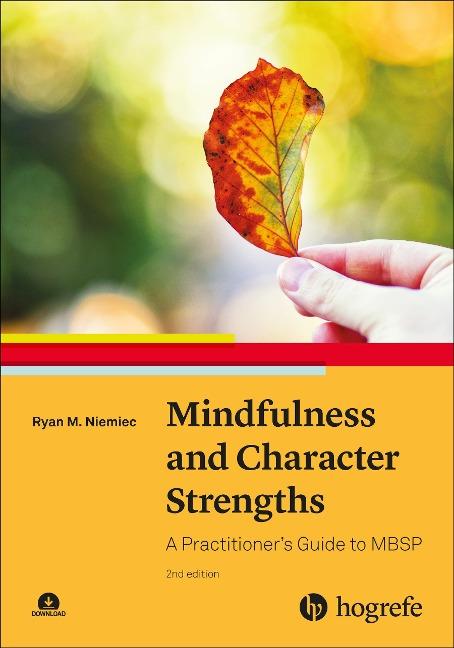
This new, fully revised, and expanded second edition of the handbook for the groundbreaking, evidence-based Mindfulness-Based Strengths Practice (MBSP) program is the guide you need in your professional practice. Developed by author Dr. Ryan M. Niemiec, scientist, educator, practitioner, and a global leader in mindfulness and character strengths, the MBSP approach is about the discovery, deepening awareness, exploration, and application of character strengths. It is about understanding and improving how we pay attention in life - the quality by which we eat, walk, work, listen, and experience joy and peace. And it is about seeing our potential - which sits underneath our strengths of perseverance, bravery, curiosity, hope, kindness, fairness, and leadership - and which, unleashed, could benefit the world. MBSP is not only about our clients' own happiness, it is about the happiness of others too. And it is an evolving, evidence-based program that can help people to relieve their suffering by using mindfulness and character strengths to cope with, overcome, or transcend problems, stressors, and conflicts. Counselors, coaches, psychologists, researchers, educators, and managers will discover the "how-to" delivery of mindfulness and character strengths. Following primers on the two strands of MBSP and deeper discussions about their integration, practitioners are then led step-by-step through the 8 sessions of the popular MBSP program. The session structure, scripts, tips, lecture material, processes, examples, and audio files are all there ready for use. This time-tested manual can bring beginners up-to-date on these topics while also serving to stimulate, inform, and provide valuable tools to the intermediate and most advanced students of mindfulness and character strengths. A companion workbook is also available for clients.
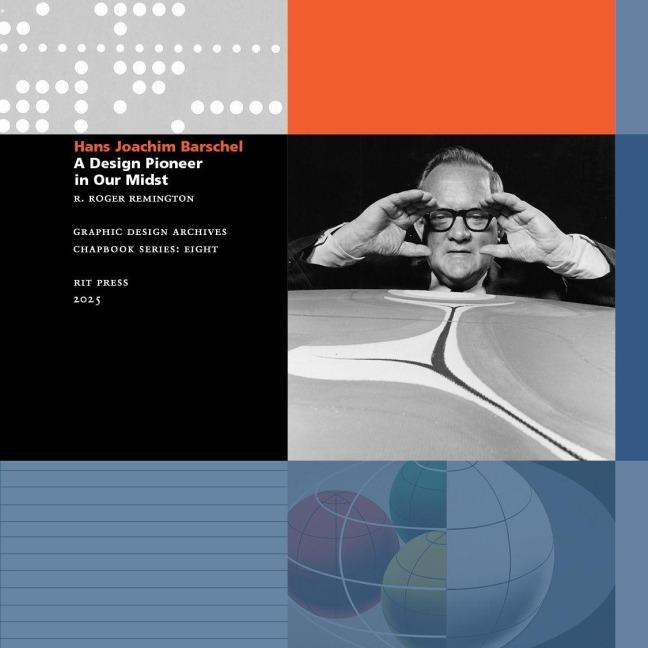
Both native-born and immigrant men and women shaped the history of graphic design in America, particularly in the Modernist era. One individual who deserves more attention is German designer Hans Joachim Barschel (1912-1998). His singular design accomplishments furthered the Modernist impact on American graphic design. Earlier, in Berlin, he had begun a flourishing professional career, which expanded on his arrival in New York in 1938. Eventually, new design opportunities arose that led him to practice design in a different setting, then move on to share his extensive experience with students as a professor at Rochester Institute of Technology. In Hans Joachim Barschel: A Design Pioneer in Our Midst, R. Roger Remington charts Barschel's life and design work.
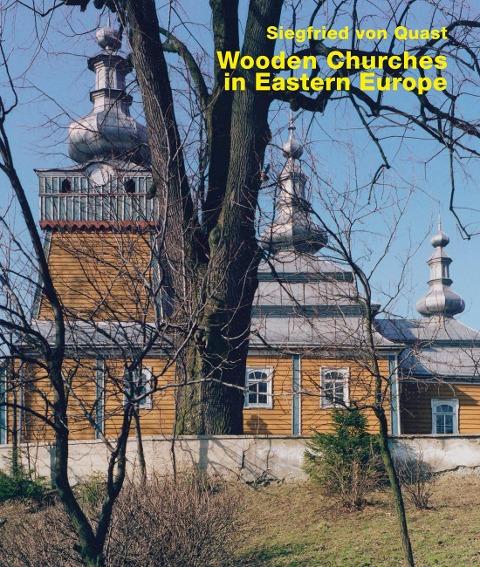
What all these buildings have in common is that with the available material, wood, and the most modest means, places of worship, centres in the villages, were built with much feeling and love. The constructions in wood were derived in an old tradition from the dwellings and farm buildings of the peasant population. Their architecture with their typological forms probably penetrated into this seclusion as an idea. »The idea of a church as a building«, brought with them by clergymen and wandering master craftsmen from the more fertile plains and the rich, large mining and trading towns. The oldest churches were built as early as in the 15th century, most of those still standing were built in the 18th and 19th centuries, and quite a few are still being built today. Many were destroyed in the two world wars, many fell victim to ethnic cleansing after 1945. Many were destroyed in the two world wars, many fell victim to ethnic cleansing after 1945, some fell into disrepair during the Soviet era, others were burnt down by lightning or short circuits, and quite a few simply gave way to the more »represen- tative« stone churches as early as the 19th century. But a large number are still standing, consecrated, and believers gather in them. In fact almost of them in the various Carpathian countries are protected monuments, and many have been lovingly restored in recent times. More than the architectural-historical value, the question arises here of the aesthetic assessment of these small buildings. It is not a refined canon of forms of great architecture that can be derived and proven from the history of architecture that inspires us so much. Basically, they are not overly sophisticated constructions in terms of craftsmanship, they are safe and beautiful in their simplicity. Their aesthetic appeal, however, also includes the surface-weathered material, deformed structures, colour improvisations, recently ornamented sheet metal, inside wall paintings, altar and iconostasis furnishings derived from Renaissance and Baroque periods, but above all their location in the village, mostly isolated, often elevated, surrounded by old trees, enclosures and graves without cemetery order. Siegfried von Quast came from an old Prussian noble family. His great-grandfather, Allexander Ferdinand von Quast (1807-1877), was a pupil of Karl Friedrich Schinkel and from 1843 the first Prussian state conservator. In addition to his work in Prussia, he also took part in Schinkel's considerations for a royal residence for Otto I on the Acropolis in Athens. Siegfried von Quast (1931-2017) first studied philosophy, German literature and art history, and then architecture (among others with Egon Eiermann in Karlsruhe). As an architectural photographer, he was a sought-after partner for renowned architectural firms. His freelance artistic activity was primarily the photographic recording of the wooden churches in Eastern Europe. He devoted himself almost exclusively to this task for many years.
Snug and warm, curled and furry, Old Bear sleeps.Red, orange, and brown leaves fly through the air, and it is snowing hard. Old Bear doesn't notice.Old Bear is dreaming about being a cub again. He is dreaming about the beauty of the world. He is dreaming of everything he loves about the forest that is his home.Turn the page and you will see!
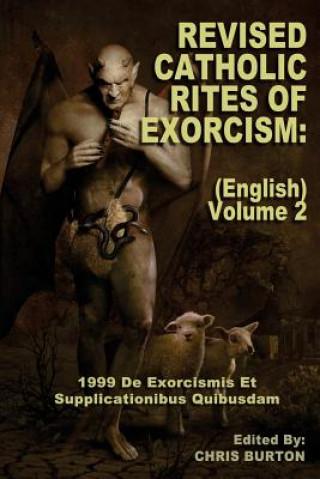
If you believe in God, then you must believe in Satan. If you believe in angels, then you must believe in demons. If you believe in good, by balance there must also be bad... Since the beginning of history, humans have suffered demonic possession. The Cath
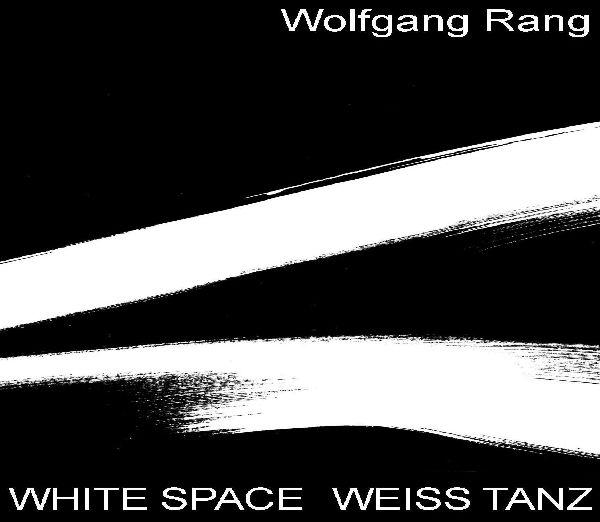
'... at some point it began ... intensified into a universe of condensedlines, raged wildly, grew calmer, almost dried up ...'Wolfgang RangIn his artwork, Wolfgang Rang unfolds the invisible in a dance of black ink on white paper. Capturing the invisible in calligraphies as movements between everything and everyone, in still lifes exploring the essence of nature, and in dance to nuances of being.In this process, habits of perception are called into question. One is confronted with a perception that relates either to the flow of the black ink or to the white space between all the black. A dual perception transcending two-dimensional into three-dimensional space.The publication pays tribute to the tradition of ink painting by Japanese and Chinese masters, featuring Japan's sumi-e artists(9th-16th centuries), including Hasegawa Tohaku (1539-1610), and Shitao (1641-1707), as well as the fathers of contemporary dance - Vincenzo Danti (1530-1576), Rudolf von Laban (1879-1958), and Tadashi Endo (1947-2025) - and relates their works to the 'Weiss. Tanz' works by Wolfgang Rang. Inks of fleeting sensuality that depict the transience of movement, as well as the invisible flow of motion within the immobile, in painted time - 'even the immobile dances'. (Tadashi Endo) - as a reclaiming of sight. 'White Space - Weiss Tanz' is part of Wolfgang Rang's series of art works on light. Here, light shines through the ink-black, a dance in which 'a thousand directions are concealed' (Jacques Rivière). Several of his books on light in architecture and art have already been published by Edition Axel Menges: Licht Raum/Light Space (2014), Stadt Licht/City Light (2017), Wandern-des Licht /Wandering Light (2022), Regenbogen-Blitze /Rainbow Lightnings (2022), and Lichttanz/Light Dance (2025). His films, which accompany these publications, have won awards at international film festivals.