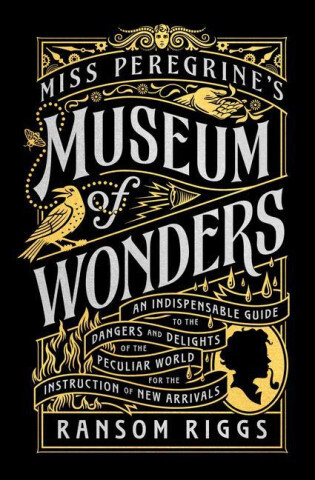
A deluxe companion guide to the #1 bestselling Miss Peregrine s Peculiar Children series. Everything you need to know about the peculiar world, written by Miss Peregrine herself.Gloriously rich and utterly delightful, Miss Peregrine s Museum of Wonders is an indispensable guide to the peculiar world, perfect for longtime fans and new readers alike. Covering everything from how to blend in with suspicious normals to the most popular time loops to visit as a temporal tourist, this essential volume is ideal for anyone curious about the world of Miss Peregrine: its strange history, curious practices, fascinating places, most famous (and infamous) names, and much more. Written in Miss Peregrine s inimitable style, it s also a dramatic expansion of the universe fans have already come to love, introducing countless new peculiars, enemies, time loops, stories, and secrets, in addition to hundreds of never-before-seen vintage found photographs and select illustrations.
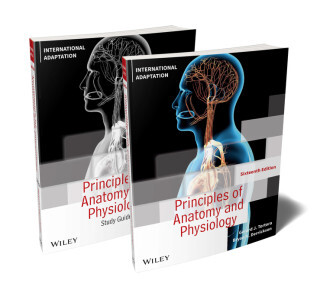
Anatomy and Physiology is a complex subject spanning many health science disciplines. Principles of Anatomy and Physiology has always been recognized for its pioneering homeostatic approach to learning the subject. This International Adaptation of the 16th edition combines exceptional content and outstanding visuals for a rich and comprehensive classroom experience and continues to set the standard for the discipline. It has been paired with a comprehensive Study Guide, offering a thoughtfully designed course in Anatomy and Physiology. Highly regarded authors, Jerry Tortora and Bryan Derrickson motivate and support learners at every level, from novice to expert, and equip them with the skills they need to succeed in this class and beyond.
A fresh start in a place you hate. Even tougher with a killer watching...Jane Osborne left Cambridge and vowed she'd never return. An unexpected twist of fortune results in DC Goodhew bringing her back to the remnants of her old life and a confrontation with the man who killed her sister. Meanwhile a burning car on the outskirts of Cambridge leads to the discovery of the body of its owner, Paul Marshall. There seems nothing to connect it to either a recent assault, or to Jane Osborne, until a shocking discovery rips Goodhew's investigation apart.
This book makes the case for why cooperation is the key to security within and between states, and for dealing with complex threats and challenges to international peace and security. It argues that cooperation is not altruism or liberal internationalism, rather it is in the self-interest of states. Drawing on both theory and practice, it looks at how cooperation can be promoted within and between states as well as in the global community. It explains the concept of cooperative security and its potential contribution to promoting integration against the current of fragmentation. Furthermore, the book explores the potential impact of technology on cooperation. It makes an urgent call for new ideas and approaches to encourage people and states to work together to deal with complex threats and challenges. This book will be of particular interest to students of diplomacy studies, foreign policy and international relations, and to practitioners dealing with security issues.
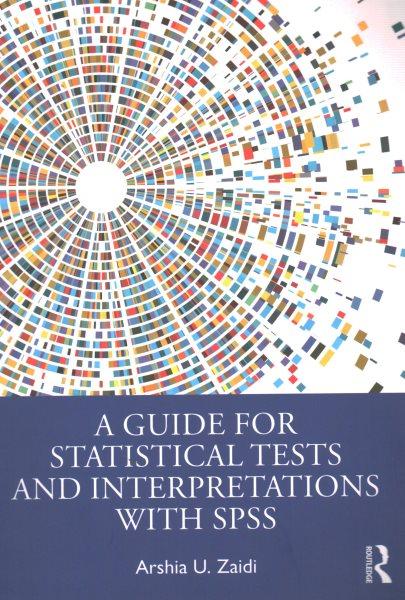
A Guide for Statistical Tests and Interpretations with SPSS is designed for students taking basic and advanced courses in statistics, taking an integrative and practical approach to learning statistics. It guides students through navigating SPSS outputs and writing quantitatively, dealing with technical and substantive interpretations without resorting to complex mathematical formulae. Starting from the basics of quantitative research methods and discussing descriptive and inferential statistical tests, this book provides a unique perspective of data analysis with SPSS. It makes a conscious effort to explore the various statistical methods one can use to dissect a data set using basic or advanced statistical techniques to achieve the best outcome. It covers the practical questions that arise while doing an assignment, final paper, or thesis showing students how to proceed to the next step in their interpretation and analysis. It will provide quantitative methodology or data analysis students with core interpretations of SPSS outputs for key statistical tests. It will also demonstrate how to select and report the key trends and patterns of the data using descriptive and inferential statistics, the requirements and/or assumptions of each test, as well as the precise language to use for reporting on each test. With SPSS screenshots and step-by-step advice, this book will be useful for all undergraduate and graduate students in the social sciences and humanities, as a supplemental textbook to provide practical guidance on moving through all steps of statistical testing and analysis. This book is designed for students taking basic and advanced courses in statistics, taking an integrative and practical approach to learning statistics. It guides students through navigating SPSS outputs and writing quantitatively, dealing with technical and substantive interpretations without resorting to complex mathematical formulae.
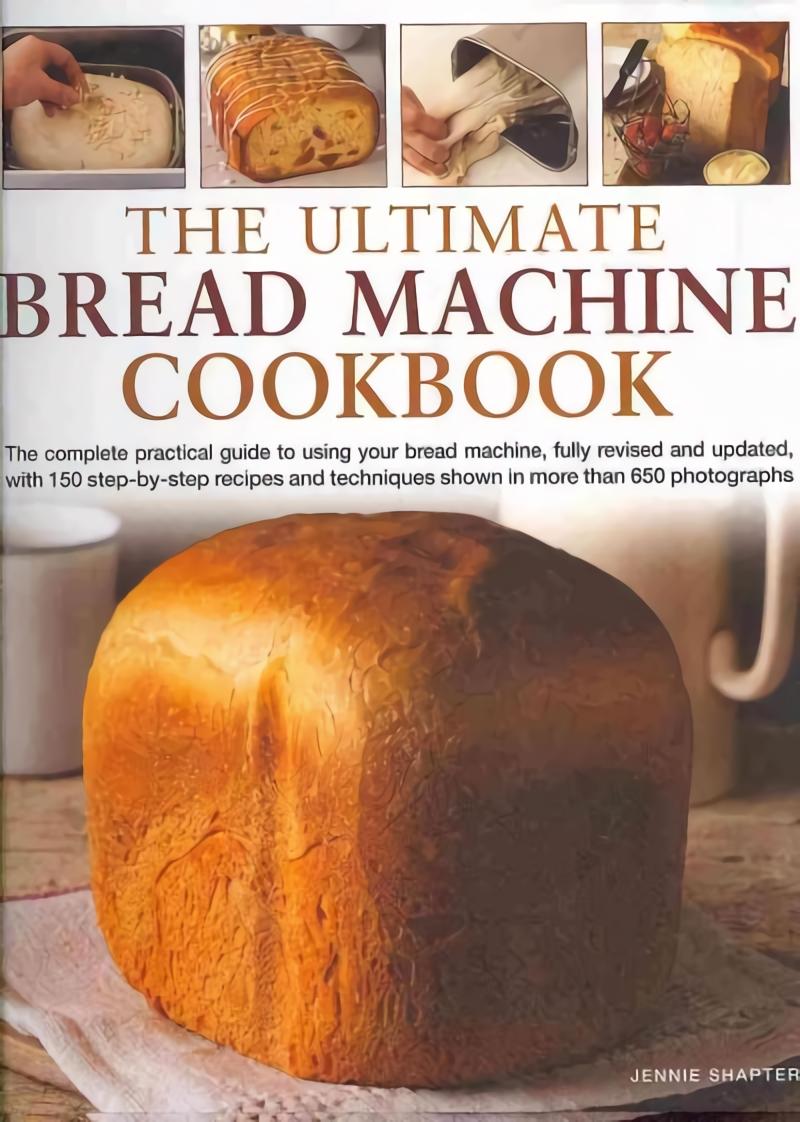
Bread machines provide the pleasure of creating sensational baked goods with the minimum of effort. This comprehensive guide shows you how and provides 150 heart-warming classic recipes. The book begins with an introduction to the types of breads and doughs. The techniques section explains the basics about machines, how different ingredients can be added and how traditional techniques like kneading and shaping can be used with your machine to make more specialized breads. The recipes are organized into chapters by styles of bread, and include different types from all around the world. Each has been tested and adapted for baking at home with your bread machine so that you can prepare all of your favourite breads with ease. Autorid: Jennie Shapter
Amazing discoveries under your feet: The eye-catching design of gully coversThey lie under your feet as a functional part of the paving, heavy and shiny. The Romans had them first, made of limestone at the time. When, from the 19th century onwards, sewer systems were installed in the cities that had grown rapidly in the course of industrialization, the cast-iron manhole cover also known as gully cover was born as an access opening into the urban underworld as we know it today.This volume provides an insight into the fascinating graphic design language of these objects from all over the world. They offer an infinite variety of design, sometimes sober and standardized, sometimes playful or illustrative, and often reflecting the spirit of the country from which they originate and/or revealing interesting aspects of the respective location. The selected manhole covers are uniformly graphically stylized in black and white to maximize contrast and impact and to allow a focus on the essential. Autorid: Björn Altmann
Word count 9,295 Read at a comfortable level with word count and CEFR level on every cover Illustrations, photos, and diagrams support comprehension Activities build language skills and check understanding Audio improves reading and listening skills Glossaries teach difficult vocabulary Free editable tests for every book Download audio as an MP3
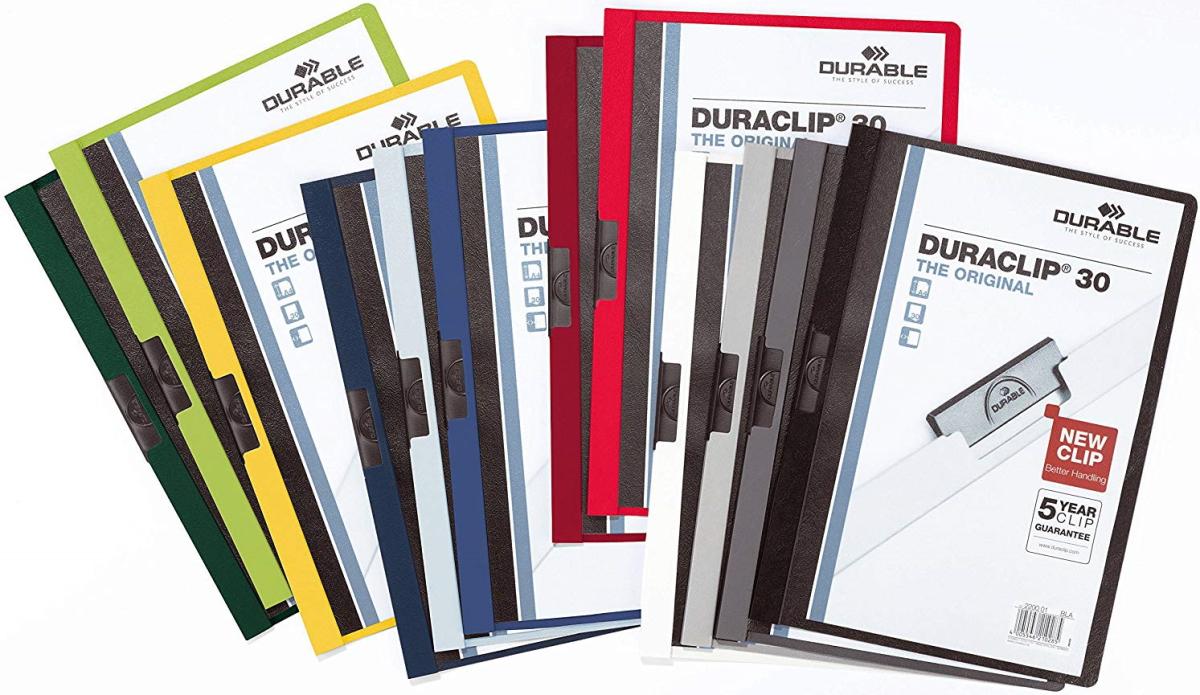
Diplomi põhi, A4 formaadis - Kuld (Zloto) Sobilikud ka kutsete, tänukirjade, aukirjade, menüüde ja muu sellise tegemiseks. Samuti saab kasutada ka lihtsalt disainpaberina. Diplomipõhjadele saab trükkida kõigi tindi- ja laserprinteritega ning saab kasutada ka koopiamasinas. Lehe grammkaal 170 grammi ruutmeetri kohta. Võimalik osta paki kaupa, pakis 25 lehte. Paki ostmisel hind soodsam. Valikus on kokku ligi 50 erinevat diplomit, lisaks on saadaval diplomikaaned.
Svalbard Life takes readers on a unique journey to Svalbard, an archipelago in the Arctic Ocean, constituting the northernmost part of Norway and one of the last regions of genuine wilderness in Europe. Arctic and marine biologist Paul Wassmann and Arctic photographer Rudi Caeyers exemplify and illustrate life, change, and resilience in the archipelago by unifying informative text with lavish imagery in a way that is comprehensible and stimulating. For many readers, this book will change their perception of life in the High North. Nature, communities, people, and art in Svalbard, past and present, are made accessible through short, condensed, informative texts interspersed with photographs, which both fuel the intellect and appeal to the imaginative mind. Designed to be dipped into at random, the book does not follow a straight line, but meanders, and constantly looks for diversity, ideas, and enjoyment. Towards the end of the book, the focus shifts towards the overarching issue of climate change in the Arctic Ocean. Finally, and from an Arctic perspective, a set of short essays dealing with generic aspects of living in the Arctic are presented, dealing with communicating evidence, resilience management, and the challenge of a changing climate. Applying a multidisciplinary approach and based upon participating observations, the Arctic is seen, experienced, and communicated by two insiders that not only lived and worked for decades in the High North, but also applied the perspective of their central European upbringing. Svalbard Life provides understanding of and an intuition for life and change in the Arctic. Autorid: Paul Wassmann