Language: English, Binding: Paperback, Number of pages: 80, Publishers: Bloomsbury Publishing, Author: Adam Hook,Alan Gilliland, ISBN-13: 9781472850768, Date of issue: 2022
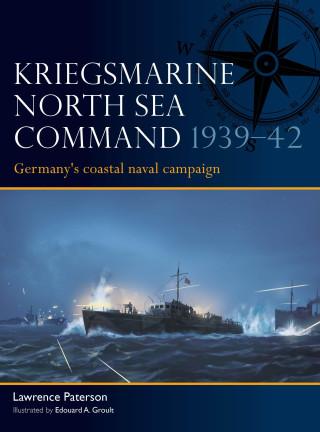
Language: English, Binding: Paperback, Number of pages: 80, Publishers: Bloomsbury Publishing, Author: Edouard A. Groult, ISBN-13: 9781472845696, Date of issue: 2022
Fully illustrated story of the army of the Greek king who fought both Rome and Carthage in the 280s--270s BC, and gave the world the phrase "a Pyrrhic victory" for a success so costly that it counts as a defeat.Fully illustrated with detai
Language: English, Binding: Paperback, Number of pages: 48, Publishers: Bloomsbury USA, Author: Catalin Draghici, ISBN-13: 9781472865755, Date of issue: 2025
Language: English, Binding: Paperback, Number of pages: 96, Publishers: Bloomsbury USA, Author: Graham Turner, ISBN-13: 9781472868824, Date of issue: 2025
Language: English, Binding: Paperback, Number of pages: 96, Publishers: Bloomsbury USA, Author: Gareth Hector, ISBN-13: 9781472864871, Date of issue: 2025
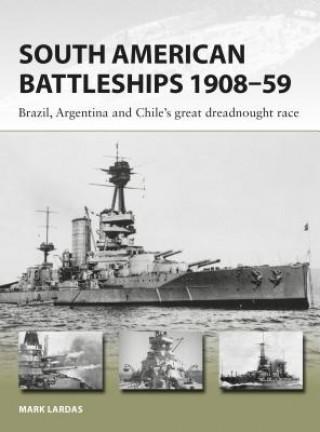
In 1908 the most incredible naval arms race in history began. Flush with cash from rubber and coffee, Brazil decided to order three of the latest, greatest category of warship available--the dreadnought battleship. One Brazilian dreadnought by itself co
Language: English, Binding: Paperback, Number of pages: 48, Publishers: Bloomsbury USA, Author: Angel García Pinto, ISBN-13: 9781472867681, Date of issue: 2025
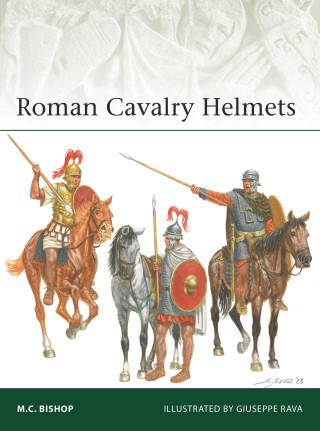
Language: English, Binding: Paperback, Number of pages: 64, Publishers: Bloomsbury USA, Author: Giuseppe Rava, ISBN-13: 9781472871169, Date of issue: 2026
Language: English, Binding: Paperback, Number of pages: 80, Publishers: Bloomsbury USA, Author: Edouard A Groult, ISBN-13: 9781472867438, Date of issue: 2025
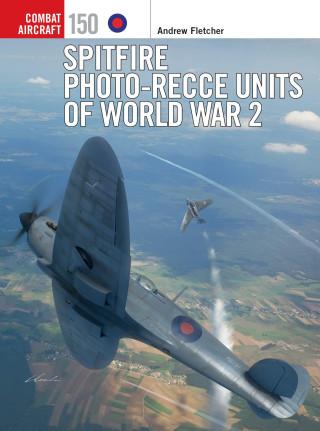
A fascinating exploration of the feats of the RAF's photographic reconnaissance aircraft. The photographic reconnaissance (PR) versions of the Supermarine Spitfire saw service against the Axis Tripartite throughout World War 2. Its superior performan
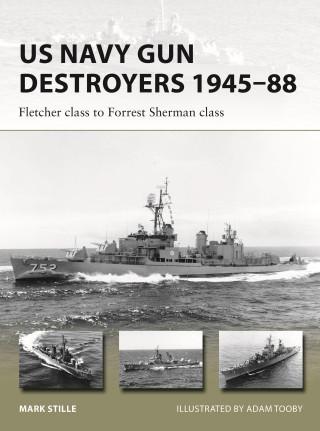
An illustrated history of the long Cold War careers of the US Navy's last gun destroyers, from the modernized World War II-era Fletcher-class to the Forrest Sherman-class. The finest American destroyers of World War II had surprisingly long careers
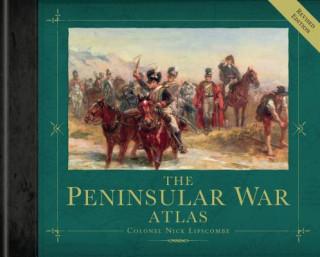
The Peninsular War saw some of the bloodiest fighting of the Napoleonic Wars. Despite the exposure given to this theatre the soldiers who fought there have received little public recognition. As the bicentennial commemorations of this war draw to a climax in 2014, this magnificent book has been re-released in a revised edition including five new maps giving a comprehensive view of all the combatant's battles. The mapping by the author is of very high standard, and he has re-evaluated several battles in collaboration with Spanish authorities, and academics, and presents new interpretations of the sources.
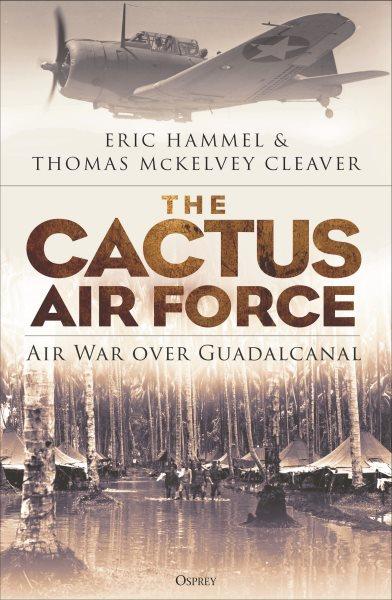
Using diary entries, interviews and first-hand accounts, this vivid narrative brings to life the struggle in the air over the island of Guadalcanal between August 20 and November 15, 1942. Using diary entries, interviews and first-hand accounts, this vivid narrative brings to life the struggle in the air over the island of Guadalcanal between August 20 and November 15, 1942.The battle of Guadalcanal was the first offensive operation undertaken by the US and its allies in the Pacific War. The three months of air battles between August 20, 1942, when the first Marine air unit arrived on the island, and November 15, when the last enemy attempt to retake the island was defeated, were perhaps the most important of the Pacific War. Cactus, the code name for the island, became a sinkhole for Japanese air and naval power, as they experienced losses that could never be made good. For 40 years, the late Eric Hammel interviewed more than 150 American participants in the air campaign at Guadalcanal, none of whom are still alive. These interviews are the most comprehensive first-person accounts of the battle assembled by any historian. More importantly, they involved the junior officers and enlisted men whose stories and memories were not part of the official history, and thus provide a unique insight. In The Cactus Air Force, Pacific War expert Thomas McKelvey Cleaver worked closely with Eric to build on his collection of diary entries, interviews and first-hand accounts to create a vivid narrative of the struggle in the air over the island of Guadalcanal between August 20 and November 15, 1942.
This fascinating title offers a new study of the loss of six British ships during the Falklands War of 1982. Based on new evidence released following freedom of information requests, it will tell the full story of these dramatic events for the first time.The Falklands War was a pivotal event in 20th century British history, and is within living memory of many. The war came as a surprise to most and was to test the British forces who were mainly trained for a war with the USSR to their limits, in very different circumstances to those envisaged during the Cold War era. The emphatic British victory was not without costs or mistakes, but the courageous exploits of the men and ships of the Royal Navy were instrumental in facilitating the amphibious landings which recaptured the islands from the Argentine invaders. The drama of events and the heroism of those involved makes for compelling reading.Taking advantage of the latest available British and Argentinian sources, including documents recently released following freedom of information requests by the author himself, Dr Paul Brown describes the dramatic events leading up to the loss of six British ships; HMS Antelope, Ardent, Coventry and Sheffield, RFA Sir Galahad and SS Atlantic Conveyor, as well as the controversial sinking of the Argentinian cruiser ARA General Belgrano by HMS Conqueror. This fascinating title offers a new study of the loss of six British ships during the Falklands War of 1982. Based on new evidence released following freedom of information requests, it will tell the full story of these dramatic events for the first time.
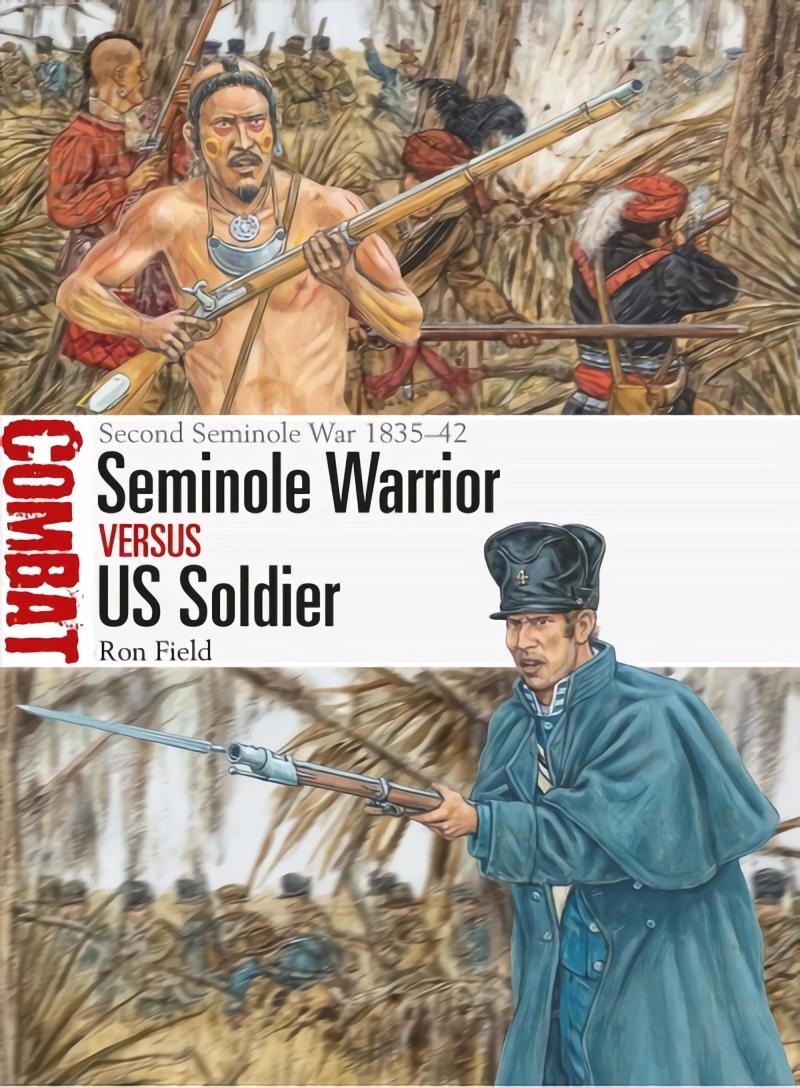
This engrossing study investigates the tactics, weapons, and combat record of the Seminole warriors and US soldiers who fought three key battles during the epic struggle for control of Florida. This engrossing study investigates the tactics, weapons, and combat record of the Seminole warriors and US soldiers who fought three key battles during the epic struggle for control of Florida.During the 19th century, US forces confronted the Seminole people in a series of bitter wars over the fate of Florida. After the refusal of the Seminoles to move west to the Creek Reservation in Mississippi, the US government sent troops to bring Florida under federal control, marking the beginning of the Second Seminole War. On December 28, 1835, troops led by Major Francis Langhorne Dade were ambushed and massacred en route to Fort King. Two years of guerrilla warfare ensued, as the Seminoles evaded the US forces sent to defeat them. Ordered to hunt down the Seminoles, a US force led by Colonel Zachary Taylor incurred heavy losses at the battle of Lake Okeechobee (December 25, 1837), but the Seminoles were forced to withdraw. At the battle of the Loxahatchee River (January 24, 1838), forces led by Major General Thomas S. Jesup encountered a large group of Seminoles and met them with overwhelming numbers and greater firepower. Despite their stubborn efforts to resist the US military, the Seminoles were defeated and Florida became a state of the Union in 1845. This fully illustrated study assesses the forces fighting on both sides, casting light on the tactics, weaponry, and combat record of the Seminole warriors and their US opponents during the Second Seminole War.
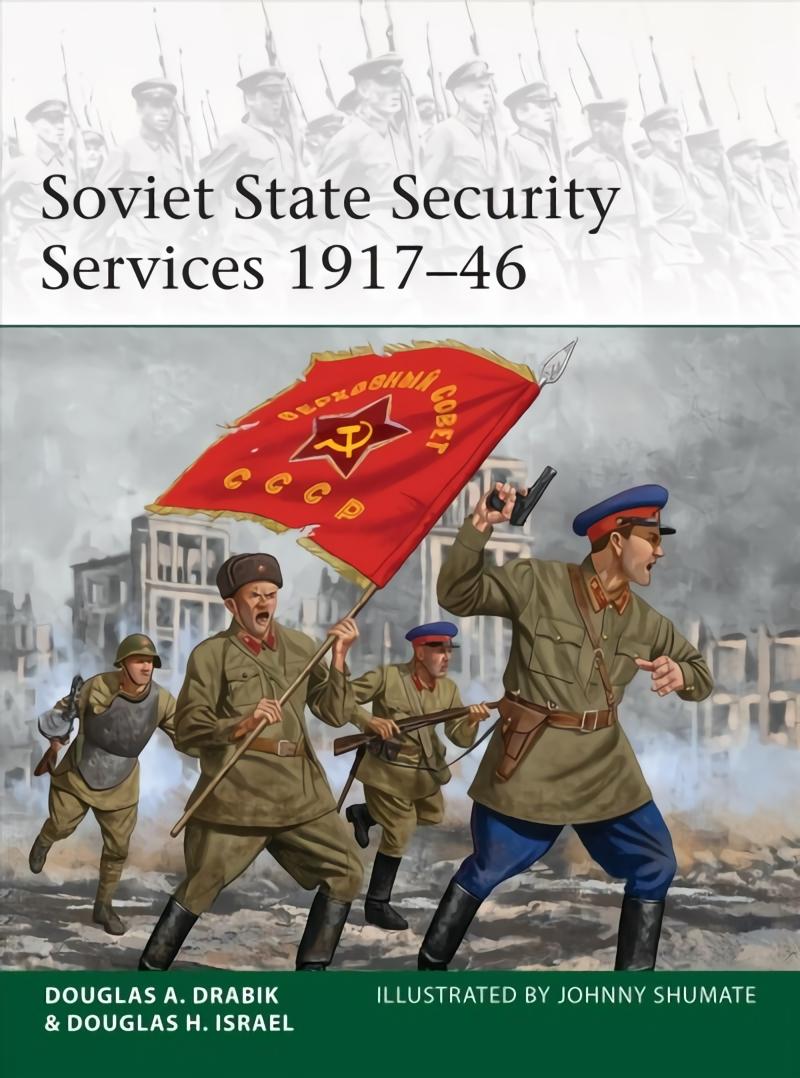
Featuring specially commissioned artwork, this study breaks new ground in covering all the uniformed Soviet security organizations from the Russian Revolution through to World War II.The Bolsheviks' seizure of power in Russia in late 1917 was swiftly followed by the establishment of the Cheka, the secret police of the new Soviet state. The Cheka was central to the Bolsheviks' elimination of political dissent during the Russian Civil War (191722). In 1922 the Soviet state-security organs became the GPU and then the OGPU (192334) before coalescing into the NKVD. After it played a central role in the Great Terror (193638), which saw the widespread repression of many different groups and the imprisonment and execution of prominent figures, the NKVD had its heyday during the Great Patriotic War (194145). During the conflict the organization deployed full military divisions, frontier troop units and internal security forces and ran the hated Gulag forced-labor camp system. By 1946, the power of the NKVD was so great that even Stalin saw it as a threat and it was broken up into multiple organizations, notably the MVD and the MGB the forerunners of the KGB. In this book, the history and organization of these feared organizations are assessed, accompanied by photographs and color artwork depicting their evolving appearance. Featuring specially commissioned artwork, this study breaks new ground in covering all the uniformed Soviet security organizations from the Russian Revolution through to World War II.
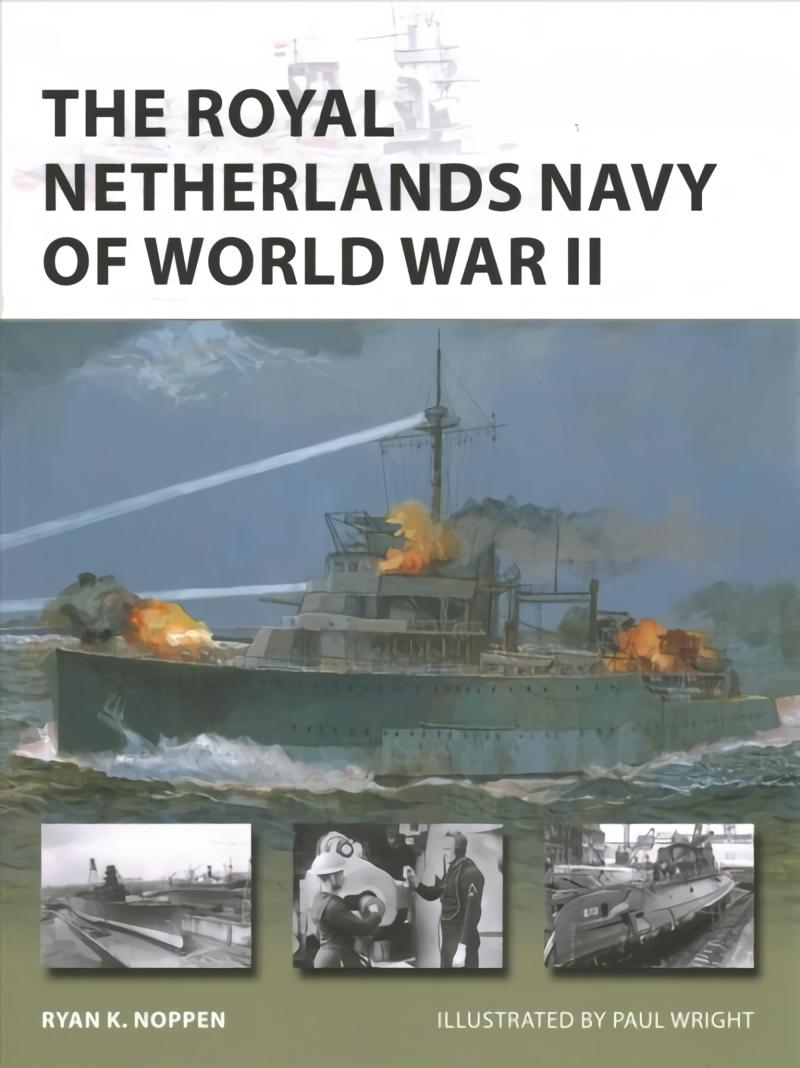
A new history of the development of the Dutch fleet in the early 20th century, and the role these warships played in World War II, from the defense of Rotterdam to the Battle of the Java Sea and beyond. A new history of the development of the Dutch fleet in the early 20th century, and the role these warships played in World War II, from the defense of Rotterdam to the Battle of the Java Sea and beyond. In the late 19th and early 20th century, a combination of coastal defense for the homeland and fleet defense for the East Indies became the established naval strategy for the Royal Dutch Navy and set the template for the world wars. Battleships were too expensive to build and maintain, so after World War I, there was significant investment in submarine development and construction. A handful of modern light cruisers and a new class of destroyers were also constructed during the interwar years to serve as a small Fleet-in-Being in the East Indies, as well as to support the actions of the navy's submarines. The light cruiser HNLMS De Ruyter and the Java-class light cruisers were the most powerful units of the new fleet whilst the backbone of the destroyer fleet was the Admiralen-class and the Tromp-class of destroyer leaders. Beginning in December 1941, the Dutch Navy played a very active role in the defense of the East Indies against the Japanese during World War II. The Battle of the Java Sea at the end of February 1942 crushed Dutch naval power in the East Indies, sinking the cruisers Java and De Ruyter and killing Admiral Karel Doorman. However, several Dutch surface warships and submarines continued the fight against the Axis powers alongside the Allies until the end of World War II, including a pair of British-built destroyers, Van Galen and Tjerk Hiddes. This beautifully illustrated book from a leading scholar on Dutch military history provides a comprehensive guide to the Royal Netherlands Navy of the World War II period, complete with detailed cutaways and battleplates of the fleet in action.
A superbly illustrated narrative of how Napoleon skilfully extracted his Grande Armee from the clutches of the pursuing Russian armies. Much has been written about the Battle of the Berezina and the 1812 Russian campaign in general, during which the cold winter devastated the Grande Armée. Historians often praise Napoleon for his actions at the Berezina and attribute his success to a brilliant strategic mind, laying a trap that deceived the Russians and resulted in a remarkable feat in the history of warfare. Drawing on contemporary sources (letters, diaries, memoirs), and featuring an extensive order of battle, this book recreates in hourly detail one of the great escapes in military history, a story often told with embellishments that require a more critical examination. Although the core of Napoleons army escaped, tens of thousands were killed in the battle, trampled in the rush for the bridge, drowned in the icy waters of the Berezina, or captured. Written by an acknowledged expert on the period, and using a broad range of sources from all sides, this title brings to life in stunning visual detail, using maps, battlescene artworks and period illustrations, the events of late November 1812, as Napoleons retreating, desperate Grand Armée extricated itself from the clutches of the Russian armies under Kutuzov, Wittgenstein and Chichagov in an epic feat of heroism and masterful tactics.
This is the four-week formula used by the elite Parachute Regiment to forge mental and physical resilience, equipping you to thrive in the most challenging situations.Fitness wins, from the battlefield to the boardroom. Unlock your full potential with this powerful and inspiring new program from Major Sam McGrath, formerly of the legendary British Parachute Regiment, which empowers the Paratrooper in you to achieve optimal fitness. Inspired by Paratrooper selection, Be Para Fit offers you the means to achieve transformational results with a four-week formula of training tailored for both beginners and more experienced athletes which is as fun as it is demanding. The formula shows you not only how to become fighting fit, but also how to maintain elite levels of fitness by integrating the essential foundations of good sleep, healthy nutrition, and purposeful activity into your daily routine. Throughout this holistic program, Major McGrath deploys his unique mix of experiences, from fighting in combat zones and training the elite Parachute Regiment to balancing the demands of his roles as Managing Director in an FTSE 100 company, father of four, and sponsored ultra-marathon athlete. Let him show you not only how to incorporate military-grade fitness routines into a busy life, but also how to embed that training long-term, motivating you to achieve the best possible results and reap real, life-changing gains. This is the four-week formula used by the elite Parachute Regiment to forge mental and physical resilience, equipping you to thrive in the most challenging situations.
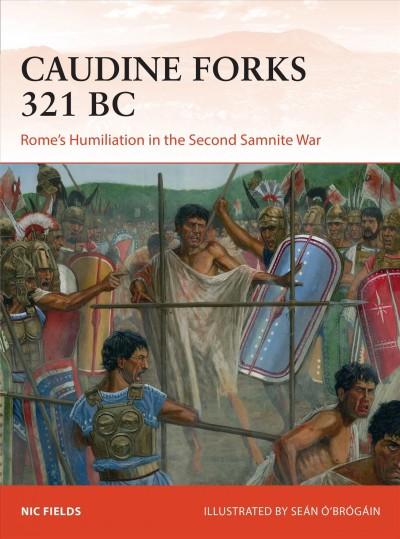
A highly illustrated account of one of Ancient Rome's most humiliating defeats, the battle of the Caudine Forks in 321 BC, and how the embarrassment spurred the Roman Army on to eventual triumph. In its long history, the Roman Republic suffered many defeats, but none as humiliating as the Caudine Forks in the summer of 321 BC. Rome had been at war with the Samnites one of early Romes most formidable foes since 326 BC in what would turn out to be a long and bitter conflict now known as the Second Samnite War. The rising, rival Italic powers vied for supremacy in central and southern Italy, and their leaders were contemplating the conquest of the entire Italian peninsula. Driven by the ambitions of Titus Veturius Calvinus and Spurius Postumius Albinus, Roman forces were determined to inflict a crippling blow on the Samnites, but their combined armies were instead surprised, surrounded, and forced to surrender by the Samnites led by Gavius Pontius. The Roman soldiers, citizens of Rome to a man, were required to quit the field by passing under the yoke of spears in a humiliating ritual worse than death itself. This study, using specially commissioned artwork and maps, analyses why the Romans were so comprehensively defeated at the Caudine Forks, and explains why the protracted aftermath of their dismal defeat was so humiliating and how it spurred them on to their eventual triumph over the Samnites. With this in mind, this study will widen its focus to take account of other major events in the Second Samnite War.
A lavishly presented atlas of the English Civil Wars, the conflicts that ravaged the countryside of England, Scotland, Wales, and Ireland from 1639 to 1651.The English Civil Wars (163851) comprised the deadliest conflict in history fought on British soil, in which brother took up arms against brother, father fought against son, and towns, cities, and villages fortified themselves in the cause of Royalists or Parliamentarians. Although much historical attention has focused on the events in England and the key battles of Edgehill, Marston Moor, and Naseby, this was a conflict that engulfed the entirety of the Three Kingdoms and led to a trial and execution that profoundly shaped the British monarchy and Parliament.This beautifully presented atlas tells the whole story of Britain's revolutionary civil war, from the earliest skirmishes of the Bishops Wars in 163940 through to 1651, when Charles II's defeat at Worcester crushed the Royalist cause, leading to two decades of Stuart exile. Each map is supported by a detailed text, providing a complete explanation of the complex and fluctuating conflict that ultimately meant that the Crown would always be answerable to Parliament. A lavishly presented atlas of the English Civil Wars, the conflicts that ravaged the countryside of England, Scotland, Wales, and Ireland from 1639 to 1651.
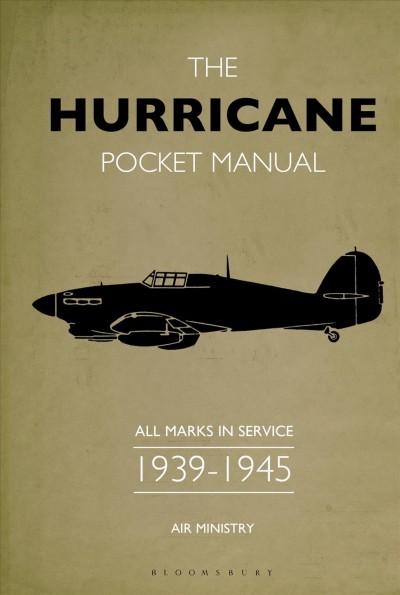
The Hurricane Pocket Manual collates authentic period sources including pilot's notes and other Air Ministry publications to provide a unique guide to this iconic aircraft. The Hawker Hurricane was a British single-seat fighter aircraft that was designed and predominantly built by Hawker Aircraft Ltd for the RAF. Although overshadowed by the Spitfire, during the Battle of Britain the Hurricane accounted for 60% of the RAF's air victories in the battle, and served in all the major theatres of the Second World War. The 1930s design evolved through several versions and adaptations, resulting in a series of aircraft that acted as interceptor-fighters, fighter-bombers (also called 'Hurribombers'), and ground support aircraft. Further versions known as the Sea Hurricane had modifications that enabled operation from ships. Some were converted as catapult-launched convoy escorts, known as 'Hurricats'. More than 14,583 Hurricanes were built by the end of 1944 (including at least 800 converted to Sea Hurricanes and some 1,400 built in Canada. The book collates a variety of pamphlets and manuals on the plane that were produced throughout the war for the benefit of pilots and others associated with the aircraft.
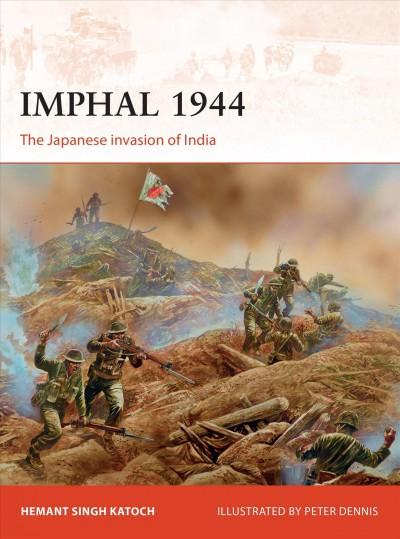
A highly illustrated account of the decisive battle of Imphal during World War II, where the attempted Japanese invasion of India was turned back in its largest land defeat of the war so far. In March 1944, the Japanese Fifteenth Army launched an offensive into India from Burma. Named U Go, its main objective was the capture of the town of Imphal, which provided the easiest route between India and Burma. Whoever controlled it, controlled access between the two countries. Facing off against the Japanese was the British Fourteenth Army and its Imphal-based 4 Corps. For the next four months, over 200,000 men clashed in the hills and valley of Manipur in what has since been described as one of the greatest battles of World War II. Although numbers vary, it is estimated that some 30,000 Japanese soldiers died and 23,000 were injured at ImphalKohima in 1944 due to fighting, disease and in the retreat back to Burma. It remains the largest defeat on land ever for the Japanese Army. With fully commissioned artwork and maps, this is the complete story of the turning point in the Burma campaign in World War II.
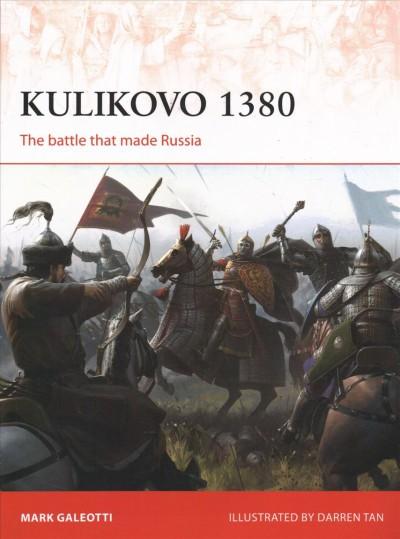
Using specially commissioned artwork, this is the engrossing story of the victory at Kulikovo in 1380 that heralded the birth of Russian statehood.The 13th-century Mongol conquest of the Rus'--the principalities of Russia--was devastating and decisive. Cities were lain waste, new dynasties rose, and for a hundred years the Russians were under unquestioned foreign rule. However, the Mongols were conquerors rather than administrators and they chose to rule through subject princes. This allowed the Rurikid dynastic princes of Moscow to rise with unprecedented speed. With the famed 'Mongol Yoke' loosening, Grand Prince Dmitri of Moscow saw in this an unparalleled opportunity and rebelled. On September 7 1380, his 60,000 troops crossed the Don to take the battle to Mamai's 125,000, which included Armenian and Cherkessk auxiliaries and Genoese mercenaries. The colorful, enthralling story of the Russo-Mongol battle of Kulikovo, involving: the killing of a Muscovite prince only for it to turn out to be a body double, Lithuanian invaders, Russian turncoats, Genoese mercenaries, and an unexpected ambush to turn looming defeat into glorious victory.
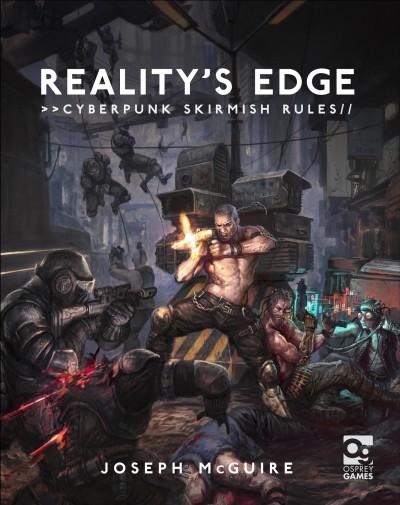
Reality's Edge is a gritty, action-packed skirmish wargame set in a dystopian cyberpunk world. Hyper-reality. The area between the thriving mass of humanity known as the Sprawl and the digital refuge of Cyberspace. This is your playground. As a data-jack, you can see and manipulate the flow of digital data through the real world -- for you, reality is limitless. Welcome to Reality's Edge, a wargame so shiny you are going to need mirror shades. Set in a dystopian cyberpunk future, players take on the role of a data-jack, a mercenary hacker who leads a small team of trusted operatives and disposable freelancers. Funded by shadow backers, the data-jacks accept jobs from faceless clients for profit, glory, and better chrome . . . always better chrome.Battles take place in the concrete jungle known as the Sprawl, but data-jacks must remain wary of the threat posed by Cyberspace. Hacking rules are pivotal to the game, with data nodes, robots, machines, and even enemy chrome presenting potential targets for a cunning data-jack. No-one plugged into Cyberspace is entirely safe from intrusion, and the electronic sprites and digital djinn you can deploy alongside your team can be just as dangerous as any mercenary or assassin.Gameplay focuses on individual characters, with each skirmish offering you the opportunity to earn experience and equipment for your data-jack and operatives. A wide range of items and upgrades are available, from advanced weaponry and synthetics through to cyber-implants, biological enhancements, clones, and much more. This is a world obsessed with whether something can be done, not whether it should.
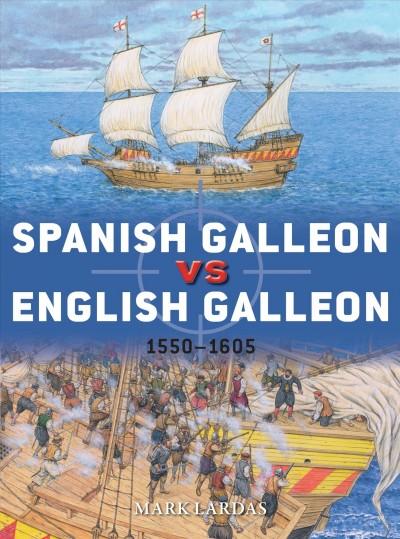
Between 15501600, Europe witnessed a rapid evolution in the art of ship design which enabled safer and more efficient transatlantic travel. This was the pinnacle of the Age of Discovery and Exploration for the European powers, in which the galleon played a crucial role. Galleons were both the main vessels in maritime commerce and the principal warships used by the opposing fleets throughout the Age of Exploration. This period also saw a large amount of naval combat, much of it between individual ships belonging to the competing powers of England and Spain as they sought to control and exploit the rich mineral, material, agricultural and human resources of the New World. The conflict between the English Sea Dogs and the Spanish Adventurers has been a source of fascination for over four centuries. This exciting addition to the Duel series explores how the galleons used by Spain and England were built and armed, and examines the effectiveness of the cannon they used. It also compares how they were sailed and manoeuvred, showing the strengths and weaknesses of each design, and explaining how these played out in several of their most prominent battles, including the Battle of San Juan de Ulúa, the fight between the Golden Hind and the Nuestra Señora de la Concepción, an action from the Spanish Armada, and the last fight of the Revenge.
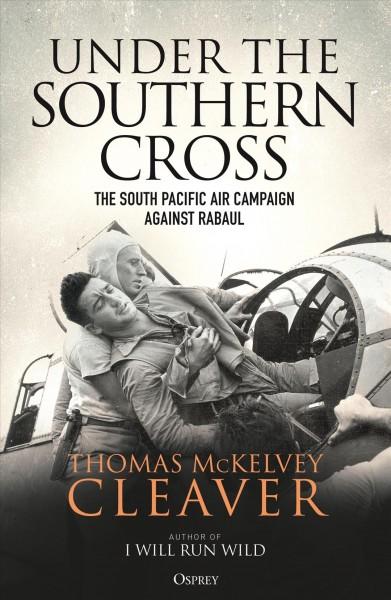
A vivid narrative history of the Solomons campaign of World War II, one of the key turning points in the U.S. Navy's campaign against the Japanese in the Pacific.If the Battle of Midway, fought in June 1942, stopped further Japanese expansion in the Pacific, it was the Battle of Guadalcanal and the following Solomons Campaign that broke the back of the Imperial Japanese Navy. Between August 7, 1942 and February 24, 1944 when the Imperial Japanese Navy withdrew its surviving surface and air units from Rabaul, the main Japanese base in the South Pacific, the US Navy fought the most difficult campaign in its history, suffering such high personnel losses during the campaign that for years it refused to publicly release total casualty figures.Unlike the Central Pacific Campaign, which was fought by 'the new Navy,' the Solomons campaign saw the US Navy at its lowest point, using those ships that had survived the Japanese attack on Pearl Harbor and other units of the pre-war navy hastily transferred to the Pacific. After the Battle of Santa Cruz in late October, USS Enterprise was the only pre-war carrier left in the South Pacific and the Navy would not have been able to resist the Imperial Japanese Navy had they sought a third major fleet action in the region. For most of the campaign, the issue of which side would ultimately prevail was in doubt until toward the end when the surge of American industrial production began to make itself felt.Under the Southern Cross examines the Solomons campaign from land, sea and air, offering a new account of the military offensive that laid the groundwork for Allied success throughout the rest of the Pacific War. A vivid narrative history of the Solomons campaign of World War II, one of the key turning points in the U.S. Navy's campaign against the Japanese in the Pacific.
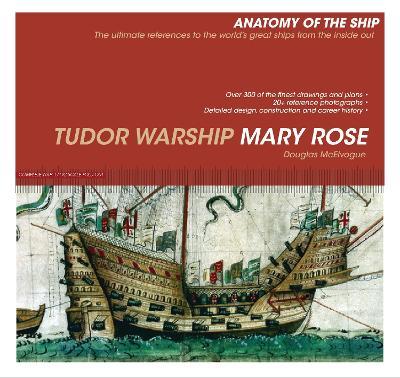
The great warship the Mary Rose was built between 1509 and 1511 and served 34 years in Henry VIIIs navy before catastrophically sinking in the Battle of the Solent on 19 July 1545. A fighting platform and sailing ship, she was the pride of the Tudor fleet. Yet her memory passed into undeserved oblivion until the remains of this magnificent flagship were dramatically raised to the surface in 1982 after 437 years. Part of the bestselling Anatomy of The Ship series, Tudor Warship Mary Rose provides the first full archaeological reconstruction of the Mary Rose, as she would have appeared when built and when she sank. Illustrated with a complete set of scale drawings, this book contains technical plans as well as explanatory views, all with fully descriptive keys. Douglas McElvogue uses archaeological techniques to trace the development and eventful career of Henry VIIIs gunship, as well as discussing the materials used to build her, her sailing characteristics, and ordnance.
This supplement brings a new dimension to games of Frostgrave, allowing players to lead expeditions into the wilderness north of the city, searching for undiscovered ruins and facing the perils of the Wildwoods.For years, spellcasters have flocked to the Frozen City, braving the perils of its ruins in the hunt for relics and forgotten magic. While the city still holds many such secrets, newly arrived wizards must delve deeper and fight harder to make their mark. A few turn from the city, seeking instead the remote settlements that surrounded ancient Felstad. Such expeditions are not without their own dangers, however in the vast forests of the Wildwoods, death lurks in the empty cookpot and torn waterskin, in the cold of night and the looming storm, and in the teeth and claws of the beast behind the next tree This supplement for Frostgrave: Fantasy Wargames in the Frozen City takes players beyond the ruins with rules for running expeditions in search of secret places and forgotten treasures in the dark Wildwoods. New soldiers and magic items may improve wizards' chances of survival, but dwindling supplies, the hostile environment, and terrifying new creatures will push them to their limits in a range of scenarios set in these deep, foreboding forests. This supplement brings a new dimension to games of Frostgrave, allowing players to lead expeditions into the wilderness north of the city, searching for undiscovered ruins and facing the perils of the Wildwoods.
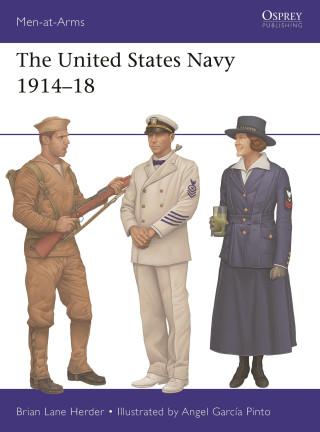
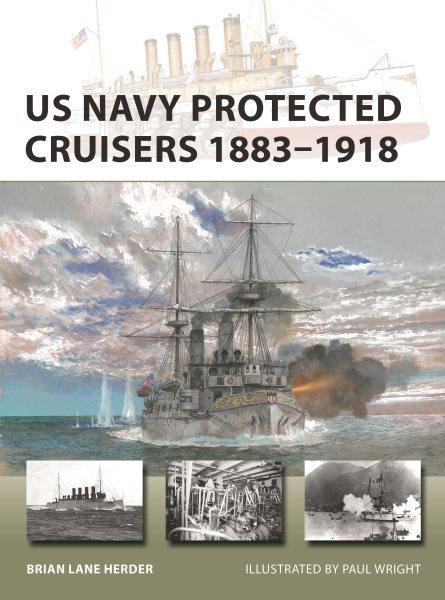
Explores the history of the US Navy's 11 new steel warships, built during the late 19th century to advance American naval supremacy.After the American Civil War, the powerful US Navy was allowed to decay into utter decrepitude, and was becoming a security liability. In 1883, Congress approved four new steel-constructed vessels called the ABCD ships. The three protected cruisers Atlanta, Boston, and Chicago were the first steel warships built for the US Navy, whose 1880s1890s technological and cultural transformation was so total it is now remembered as the New Navy. This small fleet was joined by a succession of new and distinctive protected cruisers, culminating in the famous and powerful Olympia. These 11 protected cruisers formed the backbone of the early US steel navy, and were in the frontline of the US victory in the 1898 Spanish-American War. It was these warships that fought and won the decisive Battle of Manila Bay. These cruisers also served faithfully as escorts and auxiliaries in World War I before the last were retired in the 1920s.Written by experienced US naval researcher Brian Lane Herder, and including rare photographs, this book explores the development, qualities, and service of these important warships, and highlights the almost-forgotten Columbia-class, designed as high-speed commerce raiders, and to mimic specific passenger liners. All 11 protected cruisers are depicted in meticulously researched color illustrations with one depicting the Olympia deploying her full sail rig. Explores the history of the US Navy's 11 new steel warships, built during the late 19th century to advance American naval supremacy.
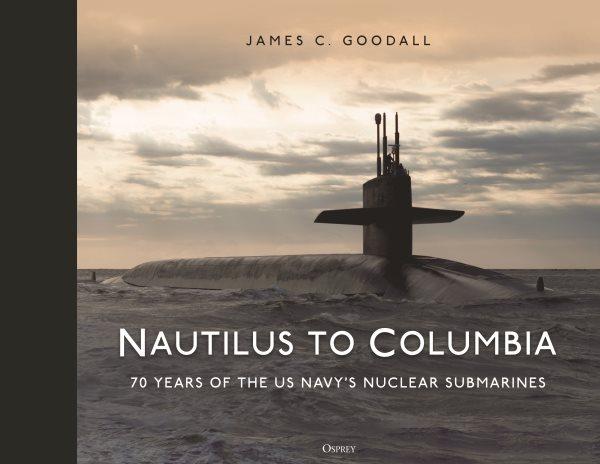
A highly illustrated history of the US Navy's nuclear submarine program, from the postwar years to the 2020 Columbia-class SSBNs.James C. Goodall covers the origins, design and development of the US Navy's fleet of nuclear-powered submarines. This program was developed under the command of Hiram G. Rickover, the Father of the Nuclear Navy who oversaw the commissioning of the very first nuclear-powered attack submarine, the USS Nautilus (SSN 571) in 1952. This was a truly revolutionary design. Until the advent of nuclear power, the world's submarine fleets traveled on the surface at night to charge their batteries, and only dove below the surface when enemy ships or planes were spotted. With the development of the USS Nautilus, the US Navy now had the ability to stay submerged for not just hours or days, but to hide out of harm's way for weeks or months at a timeThis highly illustrated book covers all of the 220+ submarine hulls built and delivered to the US Navy from the USS Nautilus through to the Navy's newest class of submarine, the Columbia class SSBNs. The story of the Nuclear Navy from its origins up to the present day is told through more than 1,300 images from official and archive sources, as well as the author's own personal collection, some of which have never been published before. A highly illustrated history of the US Navy's nuclear submarine program, from the postwar years to the 2020 Columbia-class SSBNs.
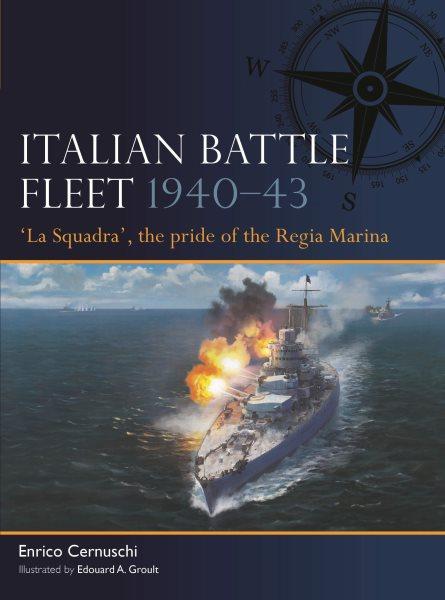
A comprehensive. illustrated account of the wartime Italian battle fleet, from its ships and technology to command structure, logistics, codebreaking and more.In the 1920s, the Italian Navy faced great challenges. Mussolini's ambitious Italy turned away from its alliance with Britain and France, and the Regia Marina faced the prospect of confronting both the French Navy and the Mediterranean Fleet of the Royal Navy. In the years leading up to World War II, the Regia Marina built and deployed a powerful battleship-led fleet known in Italy as 'La Squadra' intended to make the Mediterranean an Italian sea once more. In this book, Italian naval historian Enrico Cernuschi offers a fresh assessment of the wartime Italian battle fleet, based on his lifetime of primary-source research from both Italian and Allied sources. It offers a comprehensive portrait of this proud armada, how it was devised and built, and how it operated and fought. It covers a multitude of factors often overlooked, such as Italy's naval codebreakers, the fleet's logistics, and the qualities and limitations of Italian industry that supported it. The book also provides a concise account and analysis of the battle fleet's activities through the war, from major clashes such as the Battle of Calabria to lesser-known expeditions. The author's research into Italian wartime primary sources overturns some myths still commonplace in Anglo-American accounts. Illustrated with superb new artwork, maps and 3D diagrams, and featuring rare photos, this book is a fascinating account of Italy's great fleet of World War II.
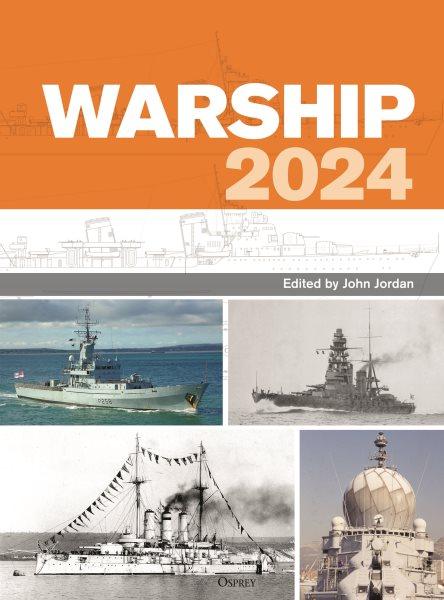
The 2024 edition of Warship, the celebrated annual publication featuring original research on the history, development, and service of the world's warships. For over 45 years, Warship has been the leading annual resource on the design, development, and deployment of the world's combat ships. Featuring a broad range of articles from a select panel of distinguished international contributors, this latest volume combines original research, new book reviews, warship notes, an image gallery, and much more, maintaining the impressive standards of scholarship and research with which Warship has become synonymous. Detailed and accurate information is the hallmark of all the articles, which are fully supported by plans, data tables, and stunning photographs. This year's Warship includes features on Imperial Japan's Matsu and Tachibana destroyer classes, the Italian CRDA midget submarines, France's 1960s missile frigates Suffren and Duquesne, and Germany's sailing raider of World War I, Seeadler. The 2024 edition of Warship, the celebrated annual publication featuring the latest research on the history, development, and service of the world's warships.
At the height of the Second World War this small pocket-book was issued to all ratings on board ships of the Royal Navy. In straight period prose it outlines all the basic expressions and tasks a seaman needed to know to perform his duties efficiently. Chapters are broken down into: Sea Terms; Navigation; Steering the Ship; Rigging; Anchors and Cables; Boatwork; Miscellaneous (which includes details on uniform and folding a hammock, etc); and Ship Safety. Functional black line illustrations are used throughout, as well as a few pages of colour (used sparingly) for flag recognition. Faithfully reproduced, with a short introduction by Brian Lavery, which explains the importance of a book like this to a navy that had to take on vast numbers of civilians or Hostilities Only men to meet the manning needs of the war, this volume provides a real mixture of wartime nostalgia and historical authenticity. It makes a world now lost to us accessible again, explaining as it does the terms, skills and conventions of ship board life, a life that required a common language, and where failure to respond to orders instantly could mean the difference between life and death. The book is sure to appeal to those who served in the war as well as the current generation who are becoming increasingly interested in the role their grandparents, fathers and uncles played during that time.