Tõsta oma söögitoa ilmet Polar söögitoolide 2-pakiga Matt Brass/Blue Velvet. Need toolid on elegantse disainiga, sinise sametpolstriga ja messingust poleeritud metalljalgadega. Naudi pehmet polsterdatud istet ja seljatuge maksimaalse mugavuse nimel. Kokkupanek on kiire ja lihtne. - Värv: Sinine - Materjal: Vaht, Vineer, Polüester Samet, Terass - Mõõtmed: 53cm x 88cm x 46cm - Istme kõrgus: 48cm - Istme laius: 46cm - Istme sügavus: 38cm - Kaal: 10kg - Kaalutaluvus: 110kg Lisa oma koju luksusliku puudutusega nende stiilsete toolidega!
There's nothing that sets our minds and hearts at ease like the promises of God. In the best-selling God's Promises line--over 15 million sold--God's Promises for Your Every Need offers comfort and hope found only in God's Word. No matter what your situation, God has a promise for you!
In 1991, five wannabe Mancunian musicians came together and cracked a spark that was to ignite the explosion which became Oasis. The band went from obscurity to become a global phenomenon in the space of a year, achieving world-wide recognition and selling over 70 million records. Pre Oasis, drummer Tony McCarroll joined a band called The Rain, linking up with guitarist Paul 'Bonehead' Arthurs, bassist Paul McGuigan and singer Chris Hutton. Hutton was later replaced by Liam Gallagher who in turn brought brother Noel along. What started out as five young lads with a common dream of becoming rock stars eventually disintegrated into in-fighting, clashes of egos and finanical disputes. In 1995, following the release of Definitely Maybe - the fastest-selling debut of all time - things came to a head and Tony left the band. In this candid and hilarious book, Tony tells one of the most in-depth rock 'n' roll stories of modern times. He reveals the truth about the early years before the band was even formed; he tells of the drinking and drug consumption. Plus, he talks of his much-publicised rift with Noel Gallagher.Tony's recollections include stories involving David Beckham, Prince, Eric Cantona and John McEnroe.
For such a small book, Grace for the Moment has had a major impact on countless lives. Each daily reading features devotional writings from Max Lucado's numerous bestsellers as well as a Scripture verse selected especially for that day's reading.
For the first time, get all the brand-new handbooks together in one set! With this four-book collection, youll have all the tools to enjoy your very best Minecraft journey. Learn how to stay alive in the Survival Handbook, don your armour and fight battles with the Combat Handbook, ignite your imagination with the Creative Handbook, and become an inventor with the Redstone Handbook. This is the perfect gift for beginners or anyone looking to improve their Minecraft skills.
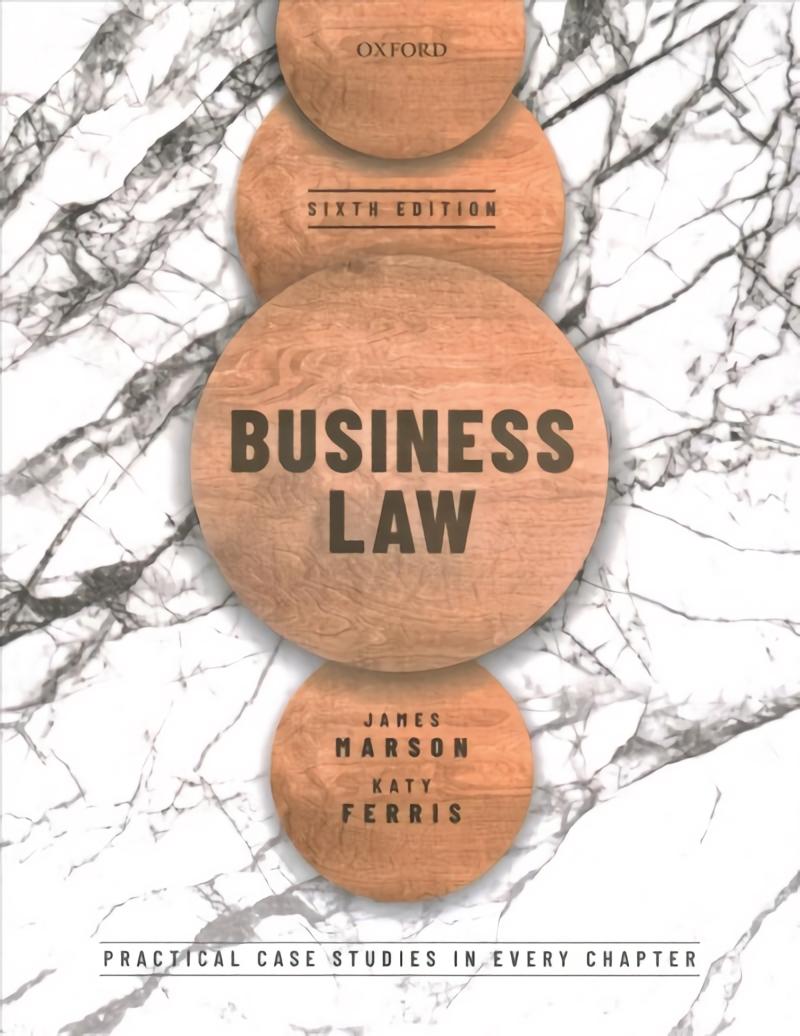
Do your students struggle to engage with legal topics? Look no further than Marson & Ferris' Business Law to help them actively engage with the law, understand it, and approach it with confidence. Written with business, management, and finance and accounting students in mind, the authors put the law into a context that they can easily understand by introducing case studies in every chapter. 'Business Scenarios' help the students contextualize the law by presenting the reader with an example of an everyday problem which demonstrates how the law can affect a company, employer, employee, or other individual. Throughout each chapter the students are asked to pause and consider how the content applies to these routine business problems, enabling them to become active readers and think independently about how the law operates. The first chapter provides a helpful guide to studying the law and advice on how to excel in assessments so that students can fulfil their potential. This chapter includes a sample problem question and model answer. Further sample problem and essay questions can be found at the end of chapters, giving readers an opportunity to test their understanding and practise for assessments. Students will be able to find indicative answers to these questions hosted with the online resources for this book. At the end of each chapter the authors provide further reading suggestions to guide students that want to deepen their knowledge, including well-maintained and trusted websites, Twitter feeds, and YouTube channels in addition to suitable books and articles. Digital formats and resources This edition is available for students and institutions to purchase in a variety of formats, and is supported by online resources. - The e-book offers a mobile experience and convenient access along with functionality tools, navigation features, and links that offer extra learning support: www.oxfordtextbooks.co.uk/ebooks - The online resources include flashcard cases, self-test questions and answers with feedback, and additional material on legislation.
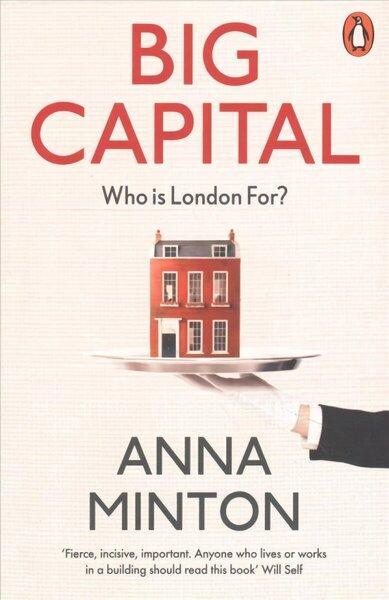
The inside story of London's housing crisis, by the award-winning author of Ground Control London is facing the worst housing crisis in modern times, with knock-on effects for the rest of the UK. Despite the desperate shortage of housing, tens, perhaps hundreds of thousands of affordable homes are being pulled down, replaced by luxury apartments aimed at foreign investors. In this ideological war, housing is no longer considered a public good. Instead, only market solutions are considered - and these respond to the needs of global capital, rather than the needs of ordinary people. In politically uncertain times, the housing crisis has become a key driver creating and fuelling the inequalities of a divided nation. Anna Minton cuts through the complexities, jargon and spin to give a clear-sighted account of how we got into this mess and how we can get out of it. Autorid: Anna Minton
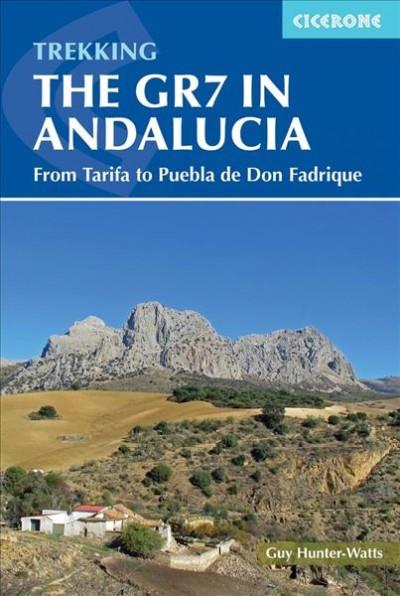
The GR7 is one of Europe's longest GR long-distance routes, stretching from Tarifa, the southernmost town of continental Europe, through Spain, Andorra and France to Alsace. This guide presents the Andalucian section of the route, which offers well over 700km of fantastic walking through the diverse landscapes of one of Spain's most evocative regions. The route splits at the small village of Villanueva de Cauche, and the guide describes both the northern and southern variants. Although walking is on good footpaths, country tracks and, occasionally, minor roads, some of the stages are long and can involve considerable ascent, meaning that a good level of fitness is required. The full Andalucian GR7 takes well over a month to walk; however, the guide also includes suggestions for highlight sections that can be walked in a week or fortnight. In addition to clear route description, mapping and elevation profiles, the guide provides background information on local history, plants and wildlife, and advice for planning your trip, such as when to go, what to take and where to stay. The route showcases Andalucia's rich history and culture and varied landscapes, which include pine forests, semi-arid desert, snow-capped peaks, fertile plains, lush valleys, olive groves, cultivated terraces and hills of cork woodland. Historic towns and traditional whitewashed villages offer overnight accommodation and a chance to sample local cuisine. Autorid: Guy Hunter-Watts
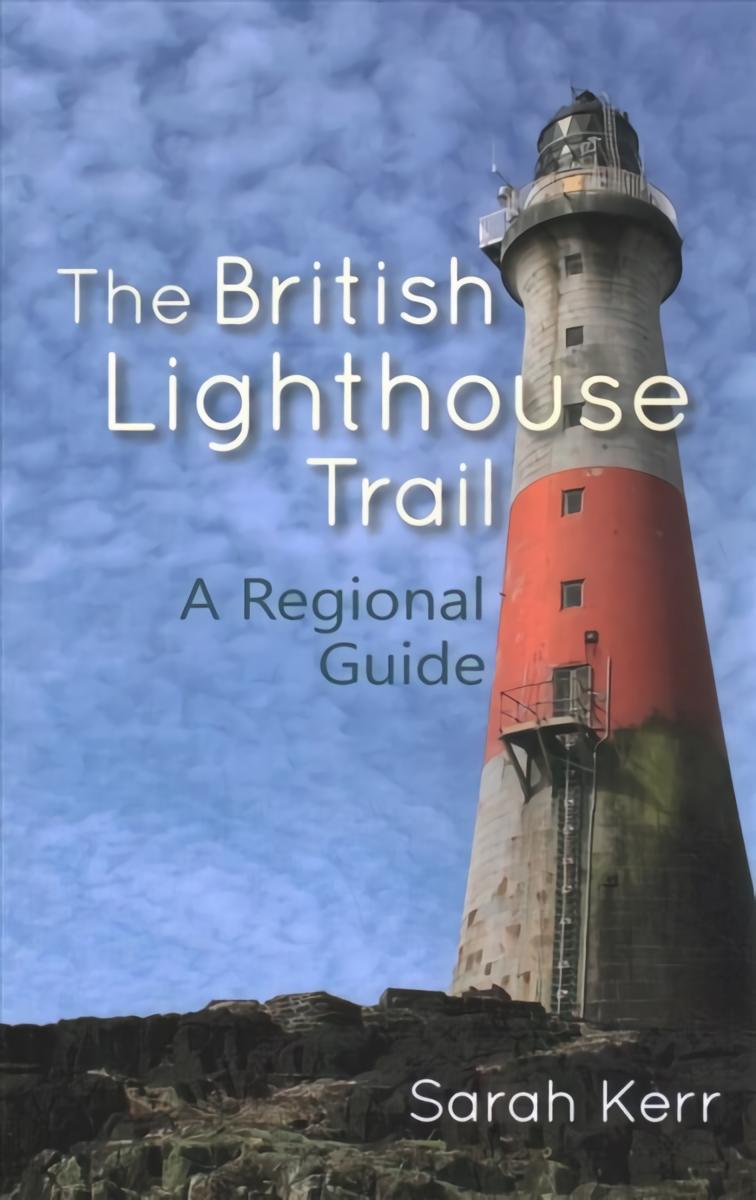
Lighthouses have been used as aids to maritime navigation for centuries. This book provides a comprehensive listing of all lighthouses in Scotland, England, Wales, Northern Ireland, the Isle of Man and Channel Islands accompanied by practical advice on how to reach them. Over 600 are featured from the perilous beauty of Shetlands Muckle Flugga to the elegant serenity of Jerseys Corbière. Autorid: Sarah Kerr
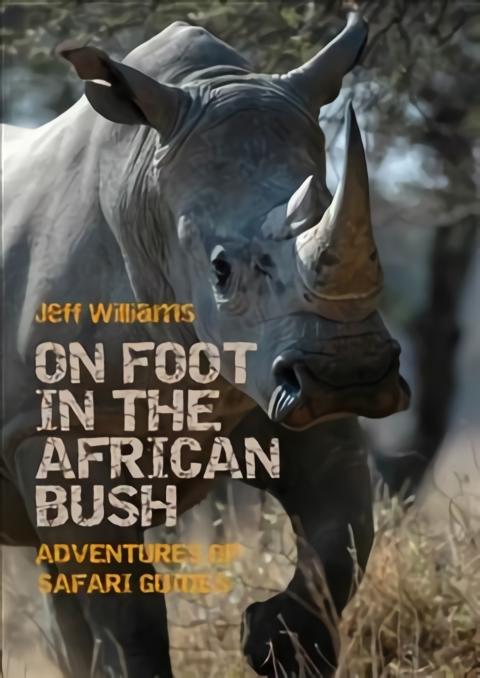
Safari guide Jeff Williams has brought together a treasure-trove of stories of dramatic events that occurred whilst guides were leading parties through the bush on foot. Often these were recounted during evenings sitting around a campfire with friends and guide colleagues, swapping yarns and sharing their experiences. Frequently guests were there listening enthralled, shocked and amused in equal measure and sometimes the telling of the tale evoked vivid images. A walking trail in the bush is the ultimate adventure for a visitor to wild Africa and it is the skill and experience of their guides that allow them to do this safely. These walks highlight the essence of the bush the sights, sounds, and scents that still embody the Africa of the past. Nevertheless, there are occasions when, in spite of the guides best efforts, unplanned confrontations with potentially dangerous animals occur. Usually these end comfortably with only an adrenaline rush for guests to carry home or publish on social media. But occasionally things become much more dramatic. The reader will hear of potentially perilous situations involving encounters with charging lions, angry elephants, cantankerous buffalos, curious rhinos and, worst of all, the animals and humans greatest enemy, poachers. There is the bushman guide who walked over 20km through the night with an inexperienced young girl, successfully handling an attack by a hyena, avoiding elephants and finding shelter and sustenance. Another very young guide used a hugely unorthodox and personally dangerous technique to rescue a guest literally from the jaws of death. Talking to a large elephant to dissuade him from harming a walking party? Yes, thats here too. Sadly, the real African bush is shrinking in size and is under serious threat from the increasingly populated and developing modern world. Some may be able to visit these precious remnants in person but this book provides a window into the specialized field of walking safaris for the armchair reader, the seasoned world traveller and even a stimulating reminder for those who have done it before. Whether you are an armchair explorer or an old Africa Hand there is drama, excitement and even laughter: they are all here. Autorid: Jeff Williams
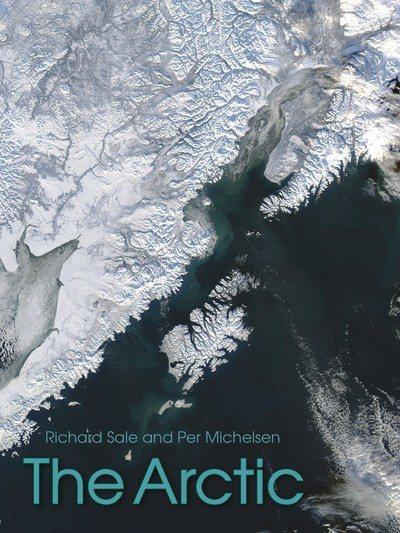
This stunningly beautiful and informative book celebrates the Arctic, one of the last great wildernesses on the planet; a place where animals have survived for thousands of years protected only by fur and feathers. Humans also survive in the Arctic, but only those who have adjusted to the climate over millennia and who clad themselves in the skins of the animals they hunt. The Arctic can be harsh, but it is also stunningly beautiful days during which the sun glints on ice, nights illuminated by the ethereal dancing light of the aurora and with a glimpse of some of the most remarkable animals on the planet. Many travel to the Arctic to see the animals, the land mammals, the whales and seals, and the birds. However, the Arctic also has an absorbing human history. The origins of the Inuit in North America, and the array of Eurasian northern peoples, from the Sami of Scandinavia to the Yuppik hunters from Asias Bering Sea coast, are still debated, while the discovery, just a year or so ago, of the second ship of Franklins doomed expedition to find the North-West Passage has reopened the arguments over exactly what did happen to more than 100 Royal Navy seamen. This fascinating, magnificent area is now under severe threat. Global warming is causing the sea ice to shrink, in both area and volume. This allows easier access to its probable resources and, ironically, this access merely adds to the threats to the area and its wildlife. Due to feedback mechanisms, the Arctic warms about twice as fast as the Earth. The area therefore acts in the way that canaries once acted in coal mines, giving an early warning of danger: melting sea ice not only threatens the local wildlife but indicates the threat to the Earth as a whole. This is a truly remarkable book encompassing the diverse facets of this magnificent area and its vital importance as an indicator of the planets health. Autorid: Richard Sale, Per Michelsen
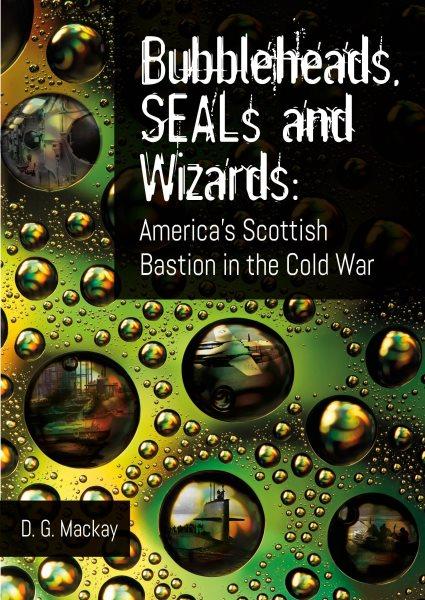
The American military presence in Scotland during the Cold War was greater than in either of the World Wars, bringing with it the largest peace-time number of foreign military personnel in Scotlands history. This military power was delivered by individuals the forgotten heroes. They worked to high standards of professionalism and most had no true concept of the danger they faced from the Soviet threat. This reality was only ever confronted during the Cuban Missile Crisis of 1962. The author, a former Cold War special forces officer, brings his personal expertise into play, examining this intriguing story by reaching out to more than one hundred veterans and expert witnesses. Their contributions cover the nitty-gritty end of history, not high-end diplomacy. This fast-moving account of their endeavours, often in long working conditions, highlights the value of teamwork, training and determination. It is clear that Scotland would have been a Soviet target of necessity once the American bases were established. Scotland was of great importance to the United States during the Cold War and this research shows that, for more than thirty years, Scotland was the capstone in Washingtons early Cold War strategy. Scotland was an active centre of US strategic operations and the vital importance of its geographic position is clearly demonstrated as each location is examined, and its benefits listed. There were six significant bases, the most important being Americas only nuclear-armed submarine squadron in the Holy Loch. He details the operations which were carried out by the large radio spy stations (SIGINT) at Kirknewton, Thurso and Edzell. And he reveals for the first time Americas most bizarre intelligence gathering activity of the early Cold War, which also took place in Scotland. Overall, this book provides an important addition to the conventional US/UK Cold War narrative. The United States desperately needed the assistance Scotland provided and the author presents a convincing narrative that Scotland was at the epicentre of the Cold Wars most terrifying episode the Cuban Missile Crisis. Kennedys success was greatly assisted by these Scottish bases which provided him with the firepower and intelligence to outwit Khrushchev. One section of the book deals with the visit of JFKs top advisor to Holy Loch a story that has never been revealed before. It emphasises the simple fact that Scotlands role was a game changer. An interesting theme throughout the book is the espionage effort mounted by the KGB against these bases. The author has interviewed senior intelligence officers and their input is revealing. These were exciting times for the young Americans who crossed the ocean to serve their country and this is their Cold War story. Autorid: David Mackay
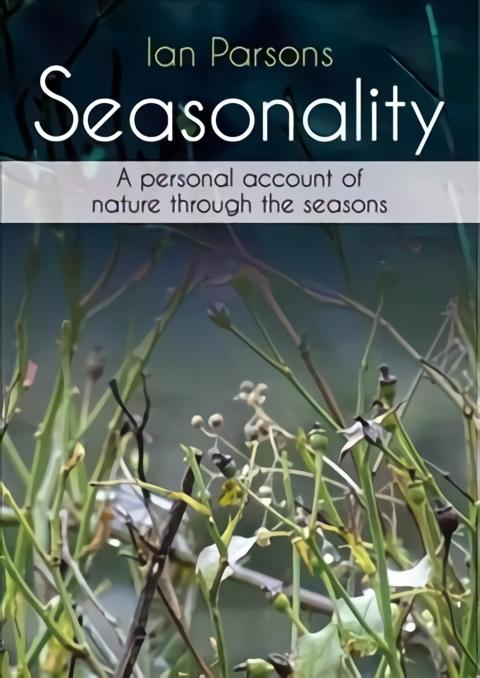
Seasonality is an uplifting look at British wildlife through the seasons of the year, but it is also about our relationship with that wildlife. The author, a keen and passionate naturalist, takes us on a journey through spring, summer, autumn and winter, and on this journey we look at how our wildlife lives throughout the year, how it adapts and changes as necessary. The author shares how wildlife makes him feel, how he derives joy and a sense of well-being from the wildlife he sees and describes. But he also shares his frustration at how some of our actions and land management impact on our increasingly pressurised wildlife. It shares the delight of watching birds in the garden, fox cubs in the countryside and peregrines in the city. It shares the sadness of seeing stuffed examples of extinct birds, the anger at the mismanagement of potentially wildlife rich hedgerows, and the confusion and contradiction of the management of our so-called natural spaces. It is a book of delights and frustrations, but above all hope and celebration. Whether it is the flash of bright yellow butterfly wings signalling that spring has arrived, the slicing of the air by sickleshaped swifts telling us that summer has come, the wonderful show of colour that the leaves of trees display in the autumn, or the deep-throated chuckle of fieldfares gleaning berries in the winter, the seasons are full of life and this book describes them in vivid detail. The role of the seasons in our own lives may have diminished, but for wildlife the seasons are everything, they are the framework within which everything happens. Seasonality is your guide, through a naturalist's eyes and thoughts, to the incredible journey of the four seasons. The seasons of the year roll on regardless, an endless cycle that dictates the rhythm of life. Autorid: Ian Parsons
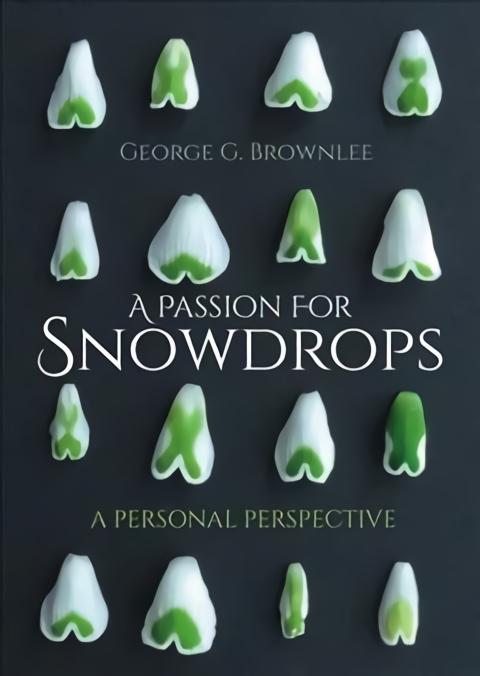
Snowdrops are known as the harbingers of spring at a time when there is little else in flower in the garden to brighten the dull winter months. No-one should be without these dainty white gems which can symbolize innocence, purity and hope. The author describes all known snowdrop species, the cultivation of garden-worthy varieties and their naming as well as their history in early European and English literature. He includes the earliest reference to the English word Snowe Dropps in 1615, preceding the previous earliest reference to Snow drops in 1633. For novice gardeners and those who have never grown snowdrops before he describes how to grow just a few reliable varieties, with advice on buying, planting, dividing, looking after snowdrops, labelling, diseases and companion plants. He also dispels the myth that snowdrops are difficult and dont survive well in gardens, giving advice on all aspects of snowdrop culture. For galanthophiles varieties are recommended to extend their collection. This advice is based on personal experience from growing over 100 different cultivars in his town garden in Oxford. The sequence of flowering of different snowdrop varieties from October to March is described, including the autumn-flowering Queen Olgas snowdrop. This diary format of their emergence will help gardeners learn how there can be snowdrops flowering for six months of the year. The book is illustrated with a stunning selection of close-up images of different varieties of snowdrops to help aid identification of these dainty flowers. Included in the chapter on snowdrop art are many historical images from the earliest-known snowdrop woodcut in Dodoens European Herbal, 1568 to more recent 19th century images. No other author on snowdrops has attempted such an extensive description of snowdrop art over the centuries, including advice from Jacquie Hibbert on how to paint snowdrops, or has described the evolution of this art form for snowdrops. The book concludes with a useful index of all 22 recognized species and over 100 varieties with reference to international collections. Autorid: George G. Brownlee
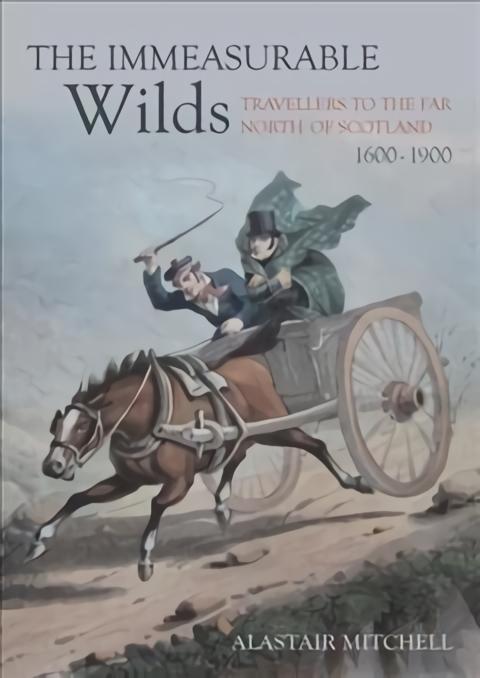
Towards the end of the 18th century the attention of mapmakers, explorers and travellers turned to the north of Scotland. The mountains that rise north of Stirling formed a formidable barrier for anyone wanting to visit the Highlands, and travellers to the Far North were even rarer: there were no roads at all into most of Sutherland, and Ross and Cromarty until the early years of the 19th century. Who did go there, and why? This book follows the early mapmakers who gradually revealed the area, including Timothy Pont and Alexander Bryce who published the first accurate map of the north coast. General Roy covered the whole of Scotland for his remarkable Great Map, and later, the indomitable and energetic General Colby dragged his reluctant Ordnance Survey team across much of the north, as documented by Robert Kearsley Dawson. Meanwhile, Culloden led to increased interest in the area, as is evident not only from the visit of Dr. Johnson, but also those from Thomas Pennant, Bishop Pococke and the Rev. Charles Cordiner, all of whom managed to reach the far north-west and leave fascinating accounts of what they found. The poverty that was apparent to these visitors from the south led to action from the British government, not least an important road-making scheme under Thomas Telford which is documented in this book using not only the official reports, but also an enthusiastic account left by the Poet Laureate of the time, Robert Southey. With the new roads came the tourists, flocking to sites like Loch Katrine, in search of signs of Sir Walter Scotts heroes and heroines. But it was only the bolder few who made it to the far north-west, men like the Rev. James Hall, making love under the table at Caithness, or James Hogg, ever the ladies man at Lochs Duich and Maree. The book follows this story, which has barely been mentioned in popular literature, and delights in choice anecdotes from all these accounts, touching on a number of disciplines: cartography, early geology and botany. But above all, it gives a picture of this unknown region, as it seemed to those exploring it, an area of astonishing beauty, with inhabitants that showed notable warmth and generosity in spite of their poverty. The book ends with an account of the Highlands Controversy, a debate that divided the geological community for much of the 19th century, culminating in discoveries that revealed that the area contained some of the most remarkable geology not just in Britain, but in the whole world. Thus recognition was at last achieved for a region that contains some of the most striking scenery in the United Kingdom. Autorid: Alastair Mitchell
This book offers a fresh, authoritative perspective on lightweight concrete (LWC), bringing together cutting-edge research, industry insights, and real-world applications. Providing a comprehensive overview of modern LWC materials, mix design, structural behaviour, and emerging technologies, it highlights how LWC differs fundamentally from normal-weight concrete and how these differences can be leveraged for superior performance, sustainability, and cost efficiency. Drawing on an in-depth analysis of the U.S. construction market, the authors illuminate the business mechanics behind LWC adoption and demonstrate its often under-recognised advantagesfrom reduced transportation and labour demands to energy savings, enhanced durability, and lower environmental impact. The book also breaks new ground with dedicated chapters on fatigue and dynamic behaviour, self-compacting lightweight concrete, and cellular LWC, complemented by case studies from real projects. Written by leading experts in the field, this resource blends rigorous theory with practical guidance, making it indispensable for engineers, architects, contractors, researchers, and students. Whether you are an experienced practitioner or new to the subject, this book will equip you with the knowledge and confidence to integrate LWC into modern construction and to recognize its transformative potential in both technical and commercial contexts. This is more than a referenceit is a call to rethink current practice and to elevate the role of lightweight concrete in shaping the built environment. Autorid: Ahmed Mousa, John Bull