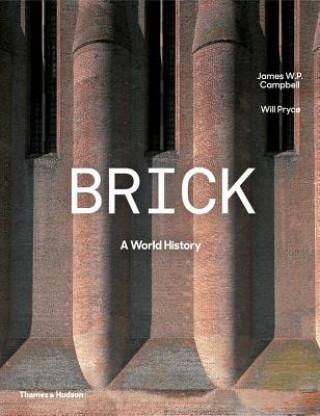
This totally original architecture book - the first ever comprehensive study of brick - follows the story of brick from 5,000 bc to its use in building today, via the vast baths and basilicas of ancient Rome, through the wonders of Gothic brick in Germany, the majestic temples of Pagan and Mughal mosques in Iran, to its modern revival. Marvellously illustrated with spectacular, specially-taken photographs, Brick is at once an historical account of how bricks have been employed by architects of every period, a technical survey of brickmaking and bricklaying, and an essay in architectural and cultural history. The authors have applied their expert visual and technical knowledge to more than one hundred themes, from bricks in ancient Egypt to their distinctive use by such modern masters as Louis Kahn, Alvar Aalto and Renzo Piano. Great works of engineering - viaducts, tunnels and bridges - are given prominence alongside great cathedrals and country houses, temples and mosques, testifying to the incredible versatility and importance of bricks and brickwork.
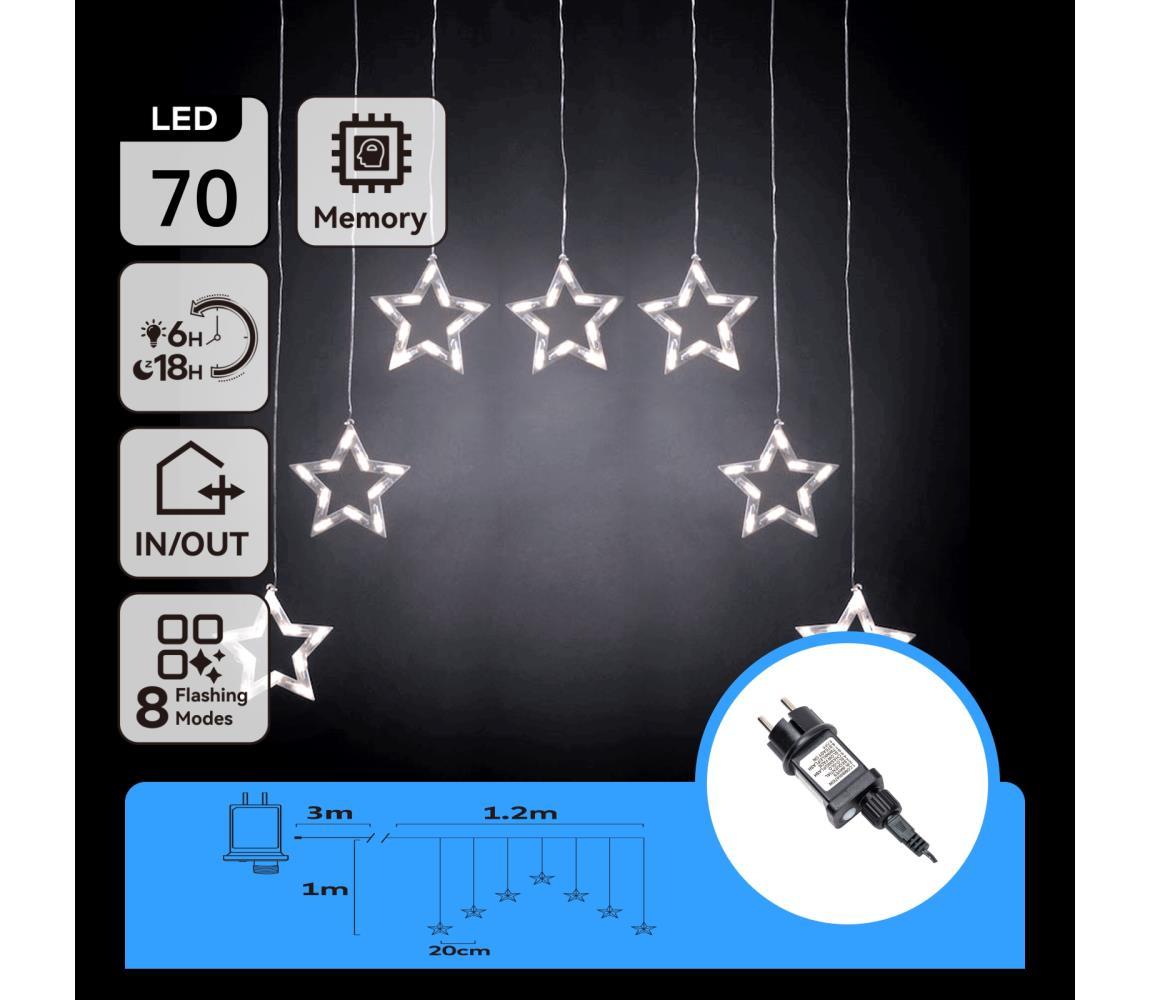
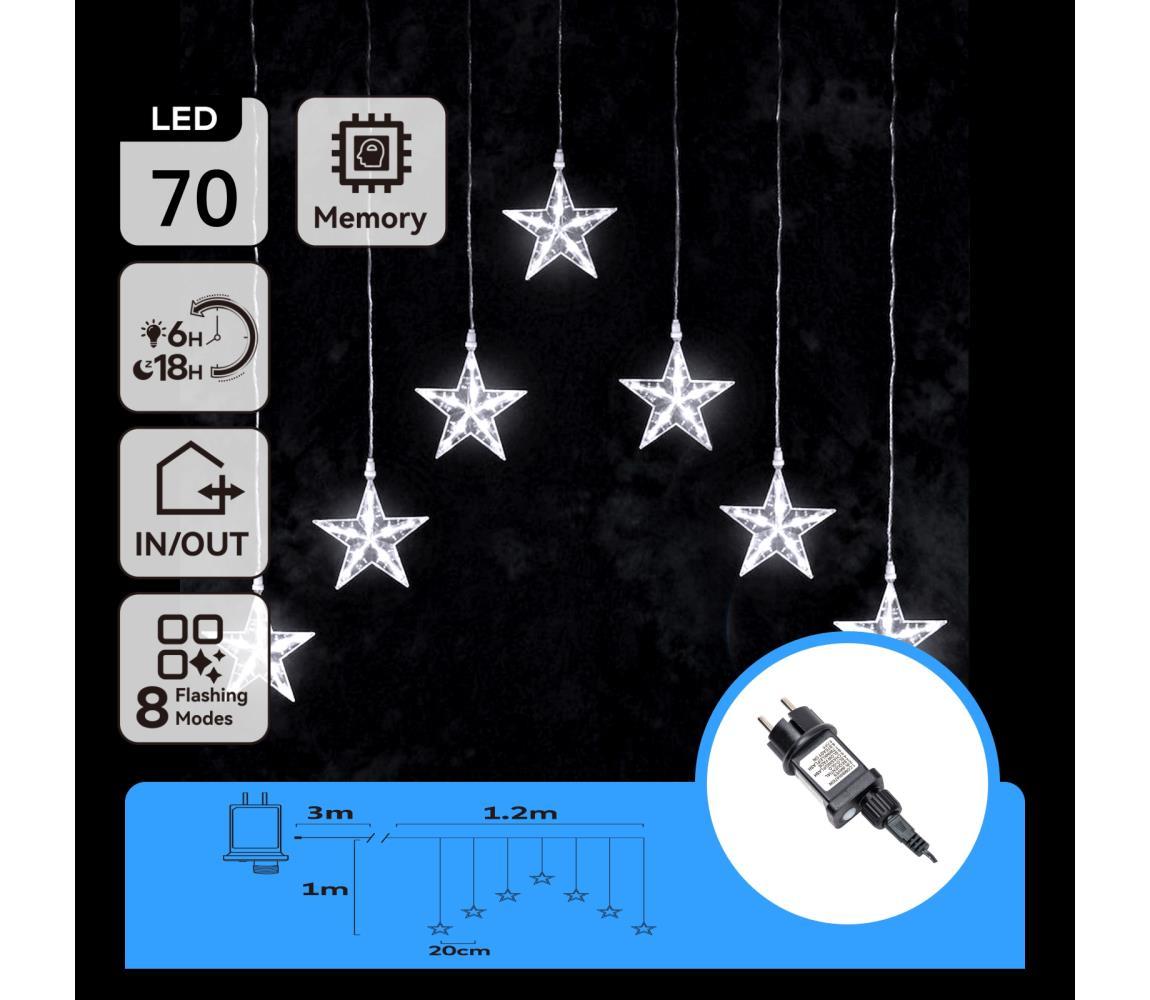
Jõulukett, mis sobib suurepäraselt aedade jõulukaunistamiseks. Sobib kasutamiseks nii sise- kui välistingimustes. Madala valgusintensiivsuse tõttu kasutatakse seda dekoratiivvalgustina. Sisaldab taimerit 6h/18h - pärast sisselülitamist lülitub see automaatselt välja 6 tunni pärast ja 18 tunni pärast uuesti sisse. LED-dioodide arv: 70. Valgustatud kaabli pikkus: 1,2 m. Toitekaabli pikkus: 3 m. Valguse värvus: külmvalge. Keti värvus: läbipaistev.
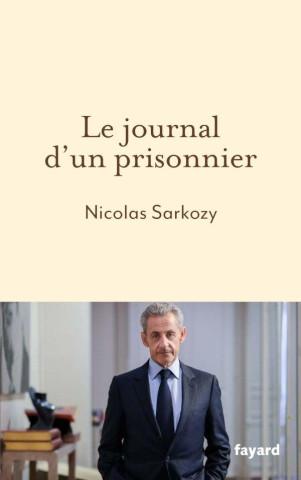
« En prison, il n’y a rien à voir, rien à faire. J’oublie le silence qui n’existe pas à la Santé où il y a beaucoup à entendre. Le bruit y est hélas constant. À l’image du désert, la vie intérieure se fortifie en prison. »
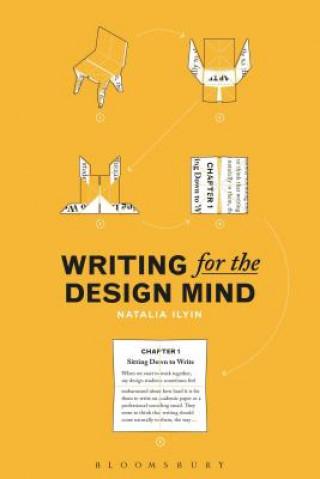
"Becoming a designer takes a huge amount of time and education. With so many skills to learn, many people never get the chance to master the one skill that can give them a real advantage in business or academia: They never learn to write well."
Jõulutuled, mis sobivad suurepäraselt aia jõulukaunistuseks. Sobivad kasutamiseks nii siseruumides kui välitingimustes. Madala valgusintensiivsuse tõttu kasutatakse neid peamiselt dekoratiivvalgustina. Sisaldab taimerit 6h/18h - 6h pärast sisselülitamist lülitub seade automaatselt välja ning 18h pärast uuesti sisse. LED-dioodide arv: 70. Valgustatud kaabli pikkus: 1,5 m. Toitekaabli pikkus: 3 m. Valguse värvus: külmvalge. Juhtme värvus: läbipaistev.
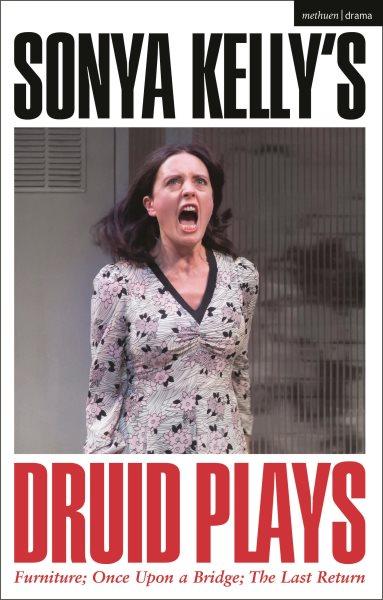
"Sonya Kelly's rapier wit and intelligent awareness of the human condition, allied to consummate stagecraft skills, have made for what will probably be claimed in a few years' time as one of the hits of the decade" (Sunday Independent) Sonya Kelly's Druid Plays is a tour-de-force that transcends the boundaries of traditional storytelling, offering a captivating journey through the rich tapestry of the human experience. This anthology, a remarkable compilation of Kelly's insightful and witty plays, showcases her distinct voice and unparalleled talent as a playwright. Furniture (2018): in an age of rampant consumerism, is it easier to purchase symbols of identity rather than cultivate our own? Furniture is a humorous, insightful, touching and often philosophical look at who we are and how we'd like to be perceived. Once Upon a Bridge (2021): A tale for a modern age. Early one morning on Putney Bridge, three strangers' lives collided for one fleeting second. Inspired by real events, Once Upon a Bridge weaves a tale about human triumph and frailty, about the power of destiny and chance, and why sometimes we choose to hate, and other times we choose to dance. The Last Return (2022): Once upon a dreary night, five desperate strangers wait in line for a last minute ticket to the final performance of Oppenheimer's sold out smash hit. All they have to do is cross their fingers, be patient and wait their turn. But with more people waiting than tickets available, this is no time for patience, this is time for war. Who will triumph? Who will fail? And who will receive The Last Return? All three plays were commissioned by Ireland's Druid Theatre and have premiered on stages and in digital productions around the world winning Fringe First Awards, multiple Irish Times Theatre Awards and a finalist for the Susan Smith Blackburn Prize. Featuring a new introduction, these plays are published together for the first time in one compelling collection.
The Sleeping and The Dead is a tense psychological thriller from Ann Cleeves, author and creator of three astounding TV series: Shetland, Vera and The Long Call. 'Cleeves again excels in her sense of place in this cleverly plotted psychological thriller' The Times Northumberland detective Peter Porteous is called to Cranwell Lake, where a diving instructor has made a gruesome discovery. In the water lies a corpse the body of a teenager who has clearly been dead for many years. After trawling through the missing persons files, Porteous comes to the conclusion that the corpse is Michael Grey, an enigmatic and secretive young man who was reported missing by his foster parents in 1972. The news report leaves prison officer Hannah Morton in shock. Michael had been her boyfriend, and she had been with him the night he disappeared. And now the discovery is bringing back dreaded, long-buried memories from her past . . . Ann Cleeves Classic Crime - engaging mysteries to savour, beloved characters to meet again. Autorid: Ann Cleeves
The second volume in Thames & Hudsons monographic series on global architect Sir David Adjaye, winner of the 2021 RIBA royal gold medal. Following on from Adjaye Works: Houses, Pavilions, Installations, Buildings, 19952007, published by Thames & Hudson in 2020, this book covers the impressive portfolio of work created by the architect between 2007 and 2015. During the years covered in this book, Adjaye became interested in developing an architecture that was more expansive, taking him outside Europe to work on major projects such as the Museum of Contemporary Art in Denver and the Moscow School of Management Skolkovo. Designing buildings around the globe, including two projects connected with the post-Katrina reconstruction programme in New Orleans, Adjaye carefully tailored his approach to each place, sensitive to the important role architecture plays in affirming a sense of community and identity. Autorid: Peter Allison, Ila Berman
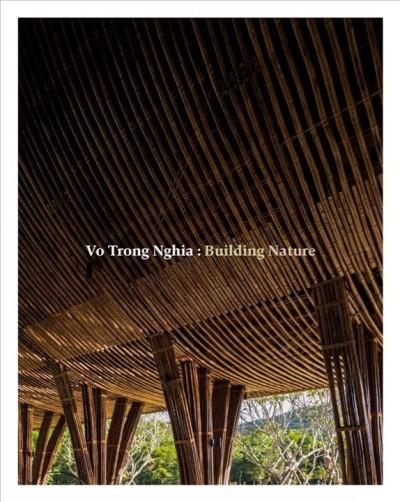
A career-spanning, slipcased monograph in two volumes presenting the work of one of Asia's most thoughtful and innovative architects. With rising populations around the world and the pressures of looming climatic catastrophe, the work of Vo Trong Nghia is a call for architecture to transform itself from a source of pollution to a reason for hope. Nor is this idea anecdotal: the World Green Building Council estimates that 39% of energy-related carbon emissions can be attributed to buildings. An awareness of architectures responsibilities has permeated the profession in the developed world, while new ideas and solutions are coming from places where these issues are most acute. Following a long recovery from decades of war, Vietnam has emerged as one of the most exciting centres of design Asia led largely by the work of Vo Trong Nghia, born one year after the end of the Vietnam War, whose work has gained an international following. As a student in Japan, he studied under the minimalist architect Hiroshi Naito and encountered the work of the Colombian architect Simón Vélez, a proponent of bamboo architecture with its large spans and high, voluminous spaces the ideas and teachings of both were to have a profound influence on his own designs. The buildings of Vo Trong Nghia Architects, established in Ho Chi Minh City in 2006, make clear reference to these sources and influences of the past, and to Vos own adherence to the Five Precepts of Buddhist teaching. The architect's two main themes - green architecture and bamboo as a building material - form the basis of this two-volume celebration of his work. From the Wind and Water Bar, his first foray into bamboo as a building material, to resort complexes, art installations and his game-changing series of residences, House for Trees, Vo Trong Nighia: Building Nature proves that green architecture creates local relevance, beauty and elegance in its own right. Autorid: Vo Trong Nghia, Philip Jodidio
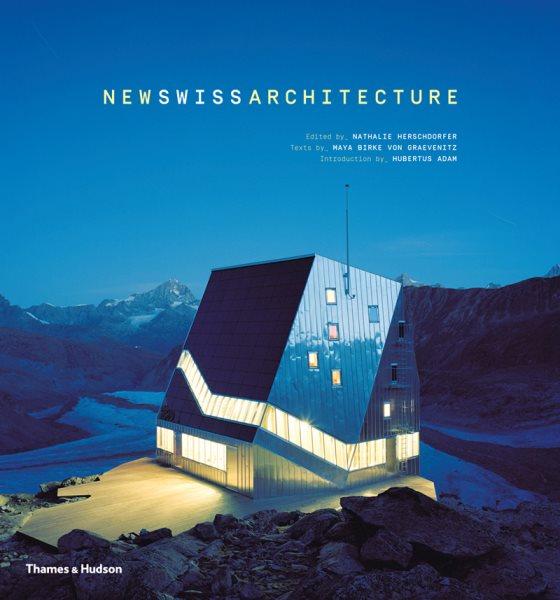
A major survey of contemporary Swiss architecture showcasing the nation's advanced engineering, superlative craftsmanship, and stunning natural scenery With its Alpine peaks, crystalline lakes, and efficient cities, Switzerland has quietly become a center for sophisticated late modern architecture. Architect Peter Zumthor, a former cabinetmaker, and the firm Herzog & de Meuron produced a series of buildings at home and abroad that has paved the way for a younger generation of architects who fuse the countrys traditional materials with high-tech new tools and innovative construction methods.This book goes beyond the standard project-based survey, documenting the most important buildings of the last decade through architectural photographs that highlight the detail, volumetric play, and material experimentation of the buildings and portray them in the unique environments in which they have been designed and built. Because of their isolated locations, many of these buildings have rarely been seen before, despite having been designed by some of architectures leading lights.The first section presents a photographic portfolio of projects. The second section describes each of the featured buildings in concise texts and architectural illustrations. Autorid: Nathalie Herschdorfer
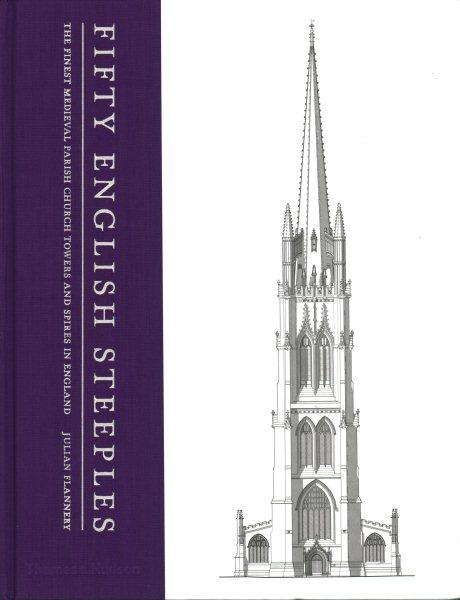
A close look at the quintessential English steeple by way of the fifty most significant of the past five hundred years, complemented by gorgeous photographs and immaculate illustrations The picturesque English town would be nothing without its steeple. Fifty English Steeples tours the fifty most important medieval parish church towers and spires in England, covering a period of some five hundred years. Historically accurate, this elegant volume represents five years of painstaking original research, captured in the informative text, high-quality new photography, and 175 immaculately presented line drawings. The introduction provides an overview of the technological and aesthetic development of steeples, and their medieval origins. The chapters that follow are devoted to a richly illustrated survey of the most beautiful and historically significant towers and spires in England, from renowned Saxon churches such as Earls Barton to those of almost cathedral proportions such as Salle in Norfolk or Chipping Campden in the heart of the Cotswolds.Julian Flannerys outstanding technical drawings of all fifty steeples complement this beautifully illustrated tome and help to shed new light on each tower and spire as a testament to the architectural, artistic, and engineering achievements of England in the Middle Ages. Autorid: Julian Flannery
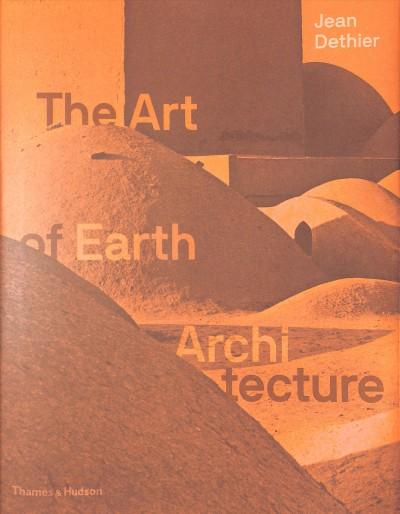
For almost 10,000 years man has built in unbaked earth, not only simple dwellings but also palaces, temples and fortresses of the utmost grandeur and durability. This encyclopedic work shows the extreme diversity of this type of architecture from a technical, cultural and historical point of view. After presenting the various types of raw earth constructions (adobe and rammed earth, walls and roofs, columns, etc.), Jean Dethier reveals some of the raw earth masterpieces scattered across five continents, most of which are listed as UNESCO world heritage sites. From the creations of antiquity to those of today, as well as vernacular heritage and modernist works, the book surveys a multitude of building types: monumental structures the temples and palaces of Mesopotamia, the Great Wall of China, the Great Mosque of Djenné in Mali, Capitagreen in Singapore; large urban developments the city of Tenochtitlan in Mexico, the medinas of Morocco; housing in Marrakech, Bogota and various European cities; the castle-houses of the Somba people in Togo; Martin Rauchs villas in Austria; and public amenities sa high school in Bangladesh, a museum in Australia, a market in Koudougou, Burkina-Faso, and many more... The culmination of fifty years of work, this definitive book is illustrated with 600 photographs and about one hundred drawings and architectural plans. Autorid: Jean Dethier
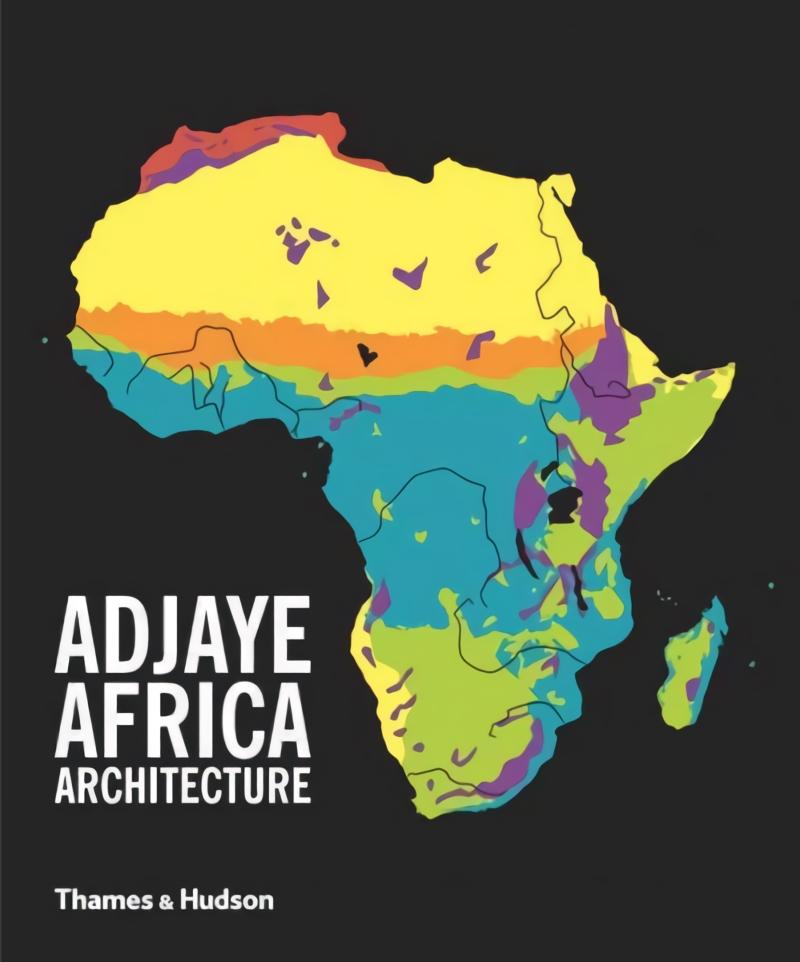
Educated in England, David Adjayes lifelong dream was to return to Africa as an architect to document the continents built environment. Over a decade, he tirelessly documented these dynamic, colorful cities, photographing thousands of buildings, sites, and public spaces, and letting each building speak for itself. The result was a stunning seven-volume work that has become an essential resource for all those interested in the burgeoning continent.The fifty-three cities featured in this remarkable study are grouped according to the terrain in which they are set: the Maghreb (north Africa); Desert; Sahel (the semi-arid transitional region between the Sahara and the south); Forest; Savannah and Grassland; and Mountain and Highveld. Each metropolis is illuminated by a concise urban history, maps, and satellite imagery, along with the dozens of photographs Adjaye has taken with an architects eye. This compact edition selects the highlights from over 4,000 buildings and places captured for the initial seven-volume work. The result is one of the most original, ambitious, and important architectural publications of our time. A complete overview of architecture in fifty-three African cities, seen through the eyes and images of one of the worlds leading young architects Autorid: David Adjaye, Peter Allison
A full-color comic about humans living with adorably monstrous cats, from the author of Yokai Cats and The Evil Secret Society of Cats.Is it a banshee, a yeti, a gorgon, or…a cat? Monster Cats are a purrfect new breed of familiar furry friends crossed with freaky fun! If you think life with regular cats can get complicated, wait till you see what it’s like for people who live with these charming supernatural pets.
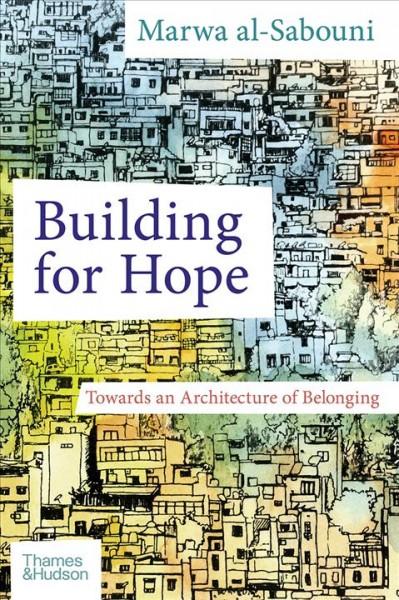
Marwa al Sabouni was a little-known architect, living in battle-ravaged Homs, unable to practice her profession as the buildings and the lives around her and across Syria were reduced to rubble. Rather than flee her country, like so many of her compatriots, she remained, committed to the belief that the multilayered and multifaceted society she grew up in was worth rebuilding. She turned her fierce intelligence to chronicling how her city and country were undone through decades of architectural mismanagement and mistakes. The result was The Battle for Home. Published in 2016, the book and her story attracted the attention of international news media and received critical acclaim around the world. She became a TED fellow; some suggested she be nominated for architectures highest honour, the Pritzker Prize. Until the book was published, al Sabouni had rarely travelled outside of her native country, but The Battle for Home gained her invitations to speak to audiences, institutes and experts across the world. Her travels, combined with her deep understanding of the Middle Eastern heritage and values, provided al Sabouni with insights into a wide range of cities, which informed her views on how cities best work, how they might fail, and what can be done to enrich and harmonize the lives of all their inhabitants. This is a rich journey, drawing together several narratives: her personal observations of some of the worlds most fascinating cities, from Detroit to Helsinki, from Bristol to Amsterdam; the lessons that Western societies might learn from Islamic culture; and philosophical reflections, drawing on a range of thinkers, on how our personal and communal spaces can provide the basic foundations for happiness. Through this rich tapestry of personal experience, unblinking perspective, and unsettling insight, al Sabouni offers the reader real-world solutions and hope for how the conditions for enduring peace might be created in an increasingly polarizing world. With 24 illustrations Autorid: Marwa al-Sabouni
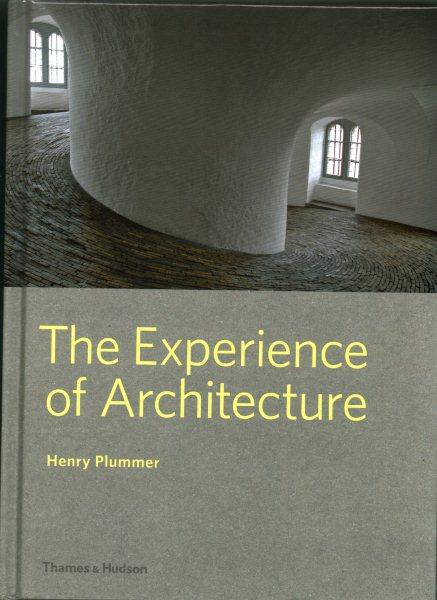
How does the experience of turning a door handle, opening a door from one space to lead into another, affect us? It is no wonder that the door, one of the most elemental architectural forms, has such metaphorical richness. But even on a purely physical human level, the cold touch of a brass handle or the swish of a sliding screen gives rise to an emotional reaction, sometimes modest, occasionally profound. This book aims to understand how these everyday acts in space are influenced by architectural form, a concept that is vital for all architects to grasp if our buildings are to be anything more than a commercial or aesthetic enterprise. It considers how specific built elements and volumes, taken from a wide array of buildings and settings around the world, can sustain or deny our powers of decision. From the hand-carved stairs in Greek villages to free-floating catwalks, from the elegant processional steps of Renaissance Italy to Frank Lloyd Wrights masterly manipulation of form, from the seemingly random placement of Japanese stepping stones to the staircase in Chareaus Glass House, all provide very difference experiences of stepping from one level to the next, and all affect our experience of that space. Each chapter focuses on a different aspect of our daily interactions with architecture, looking at stairs, floors and paths, moving interior spaces, perception and perspective, transparency and the relationship between a building and its setting. This book is not just for architects and designers engaged in the production of space, but for all those who seek a richer understanding of their place in the built world. Autorid: Henry Plummer
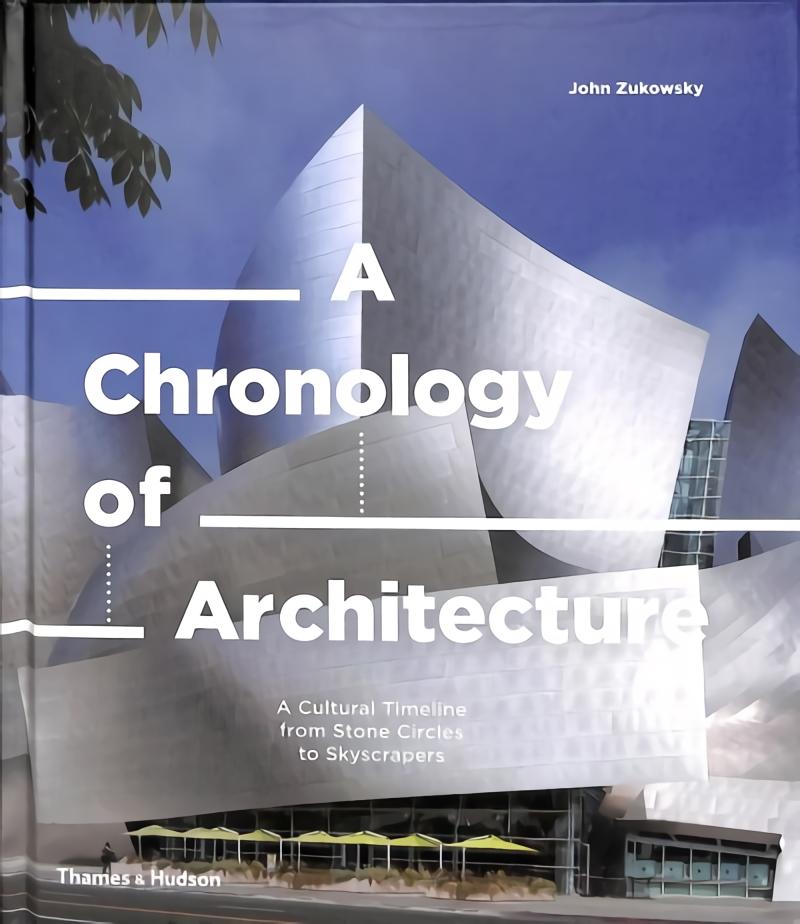
A Chronology of Architecture presents a fresh perspective on the medium by taking a purely chronological approach to its history, tracing the complex links between structural innovations, social changes, and artistic interventions. Organized around a central timeline that charts the development of architecture from the earliest structures to the present-day skyscrapers and global cities, it features key buildings, together with commentaries and contextual information about the social, political and cultural events of the period in which they were built. Special feature spreads highlight important movements, construction methods and key practitioners. Covering a wide selection of genres, styles and architects, it is invaluable as a comprehensive guide to architecture in all its different forms. Autorid: John Zukowsky
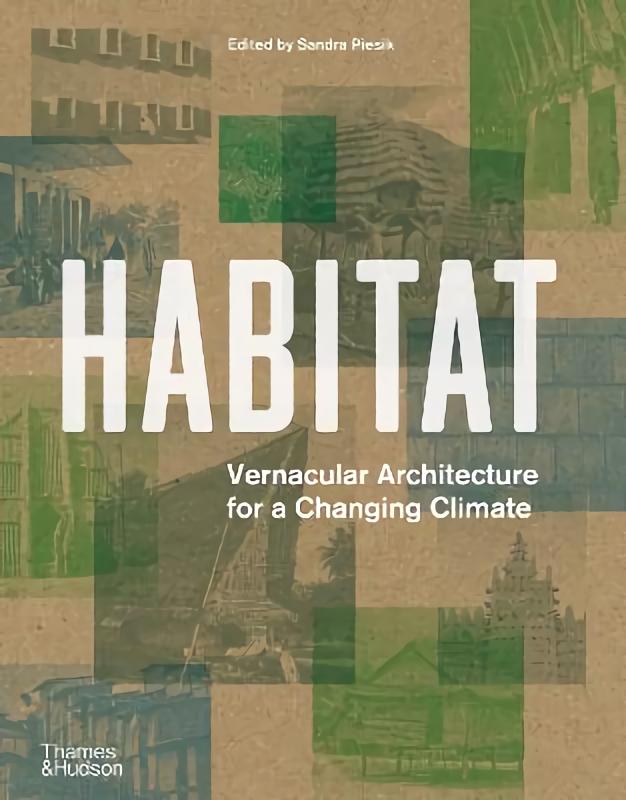
A compact edition of this landmark publication, which celebrates humanitys ability to create buildings that for millennia have responded ingeniously to cultural and environmental conditions. There has never been a more important time to understand how to make the best use of local natural resources and create buildings that do not rely on stripping our planet or transporting materials across the globe. First published in 2017, this major book gathers together the worlds leading experts on vernacular architecture to examine how local buildings have stood the test of time and offer lessons for the future. The core of the book is arranged by climate zone, from desert to tropical, temperate to arctic. Within each section, buildings are presented regionally, showing how climatic conditions and vegetation affect the evolution of building styles. This central part is bookended by a range of essays exploring the economic and anthropological aspects, while the reference section offers information on materials science and engineering, including how buildings have been adapted to contend with natural disasters. The traditions of vernacular architecture have much to teach us. Given our ecosystems increasing frailty, the architecture and building trades new role in a post-digital era, and the desperate need to record fading cultural traditions, the relevance of this book is greater than ever. Autorid: Sandra Piesik
During a career spanning over three decades, award-winning architect Mok Wei Wei has designed numerous large- and small-scale projects in Singapore with his practice W Architects. From apartment complexes and museums to houses and community centres, each project reveals the architects key inspirations and ingenious solutions to the challenges of building in the tropical city-stage. The works are presented in three themed chapters Refract, Respond, Reflect and move through Mok Wei Weis career from the early 1980s to the present. In our increasingly urban world, W Architects illustrates a unique approach to designing buildings for a dense city environment, working in the context of a diverse multicultural society facing up to the challenges of climate, heritage preservation, globalism and national identity. With 594 illustrations, 296 in colour Autorid: Mok Wei Wei, Justin Zhuang