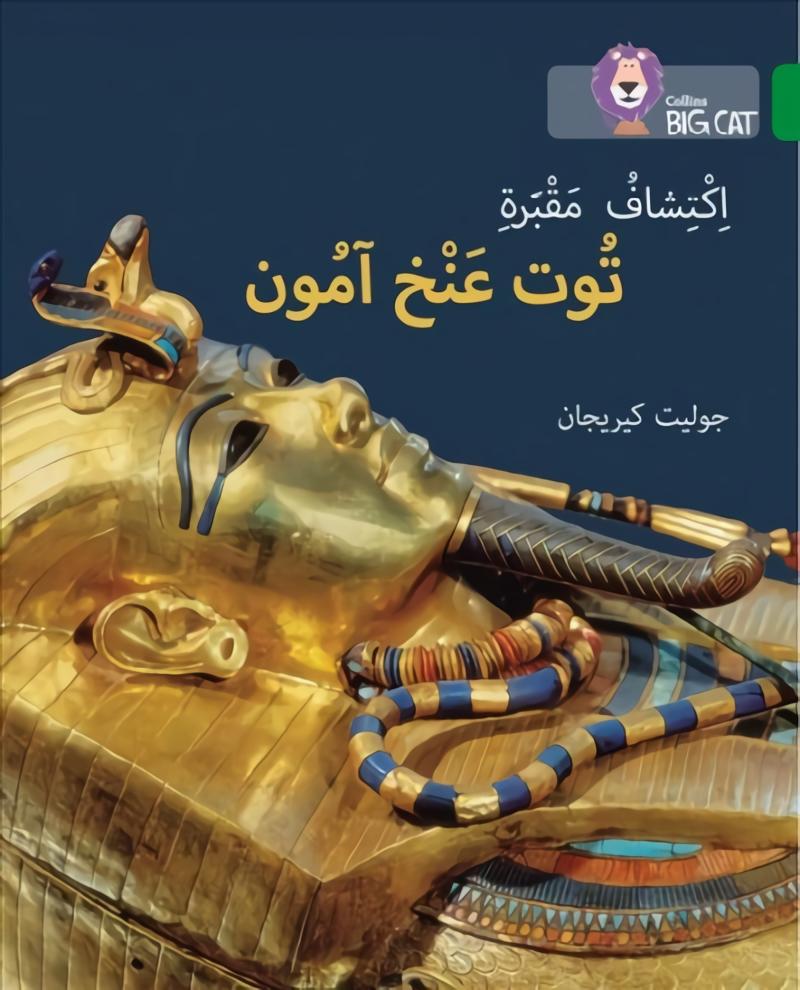
Collins Arabic Big Cat is a guided reading series for ages 3 to 11. The series is structured with reference to the learning progression of Arabic at nursery and primary schools researched especially for Collins. This carefully graded approach allows children to build up their reading knowledge of Arabic step by step. Collins Arabic Big Cat is a guided reading series for ages 3 to 11. The series is structured with reference to the learning progression of Arabic at nursery and primary schools researched especially for Collins. This carefully graded approach allows children to build up their reading knowledge of Arabic step by step. Level 15 books provide more complex plots and longer chapters to help develop reading stamina and to help develop sustained engagement with texts. Level 15 books use a wide range of language structures to reflect progression in the teaching of Arabic grammar. Paragraphs and other text devices become more evident in these longer books. In 1922, Howard Carter and his team discovered an Ancient Egyptian tomb that was to become world famous with the mummified body of the Pharaoh Tutankhamun inside. Find out what was inside the tomb and what we can learn from it about the world ofAncient Egypt in this fascinating information book by Juliet Kerrigan.
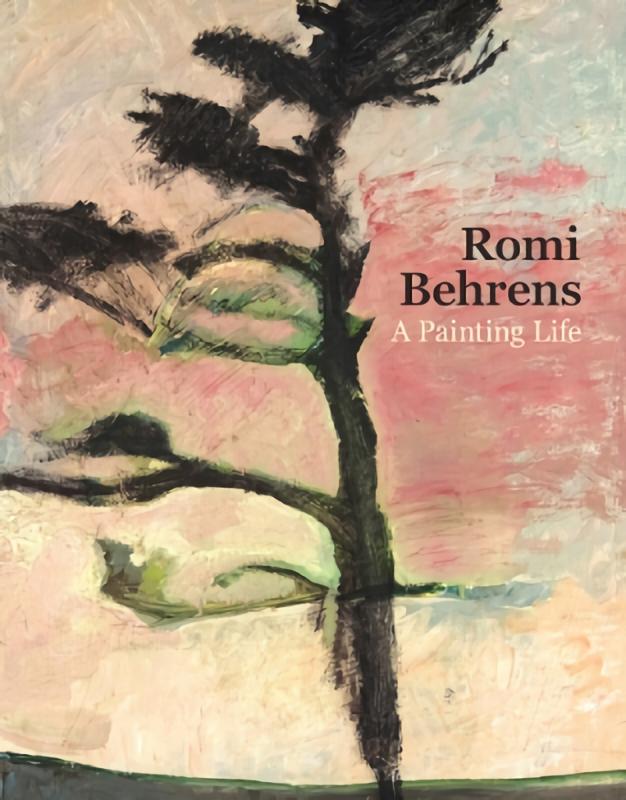
The painter, Romi Behrens, lived in West Cornwall for nearly seventy years, voraciously painting the subjects around her every day. Her artistic career was as long as it was broad and spanned many genres, including still life, portraiture and landscape painting. This is the first monograph to pay homage to the extent of her career, providing a selected but characteristically-diverse range of visual and written material from the artists oeuvre and archives, starting with Romi's earliest paintings of her family, friends and the streets of Penzance and extending to religious themes done later in her life. Rachel Rose Smith gives chronological shape to the span of Romis work, analysing the varying relationships throughout between the person and her work, as it reflected the many identities she held, including painter, woman, wife and mother. The author also explores rich connections embedded within her ways of seeing to formative examples from the history of painting, including Rembrandt, Van Gogh, Matisse, Cezanne and Picasso, with whom she arguably worked in dialogue. Romis works, however, are very much her own throughout, with those forms of expression and attention learnt from precedents mingling with her own humour, flair and surrounding life. Romis Christian faith and the loving focus she gave to her many subjects, whether friends or inanimate objects, are similarly explored, revealing a body of work which is both tender and vibrant, as well as persistent and constantly on the move. Autorid: Rachel Smith
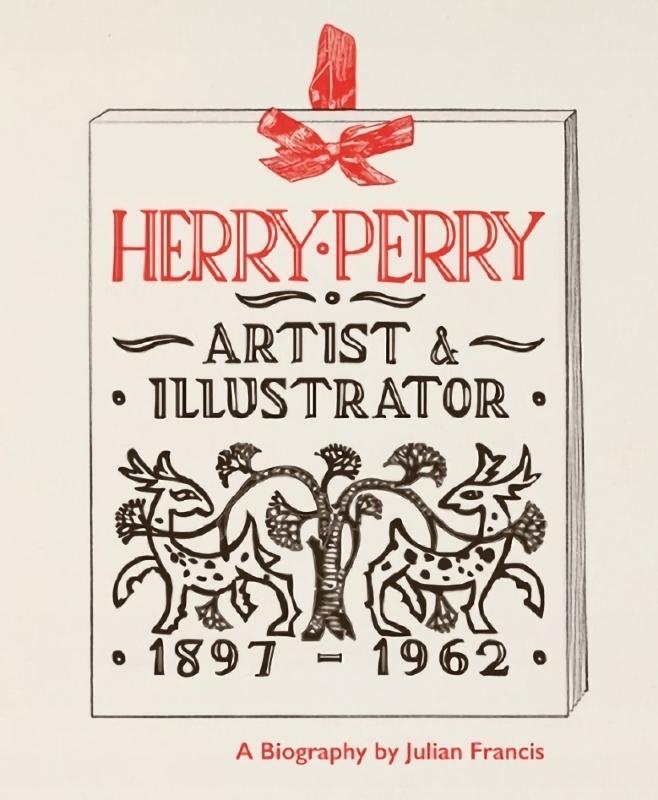
Herry Perry (1897-1962) is an important, but neglected, artist of the 1920s-50s. The book brings together all aspects of her art for the first time. She studied at the Central School of Arts and Crafts (now Central Saint Martins) from 1924-7 and was taught wood engraving there by Noel Rooke. Her first love was wood engraving but she quickly moved on to use the wide range of other skills she acquired at the Central. Her best known work is the posters she designed for Frank Pick at London Transport from 1927-38. She produced some sixty witty and inventive posters during this time. Some of these included birds-eye view maps of areas of London. She was also commissioned to paint murals, most famously two on R.M.S. Queen Mary in 1936, and also a map mural for Rothamsted Research Station in 1932 (which can still be seen there). She also illustrated various books, some of which were written by her. The text and illustrations often show her sense of humour. The Second World War and the death of Frank Pick in 1941 put an end to her poster work. After the War she painted a large number of pub signs for various London and Kent breweries. Autorid: Julian Francis
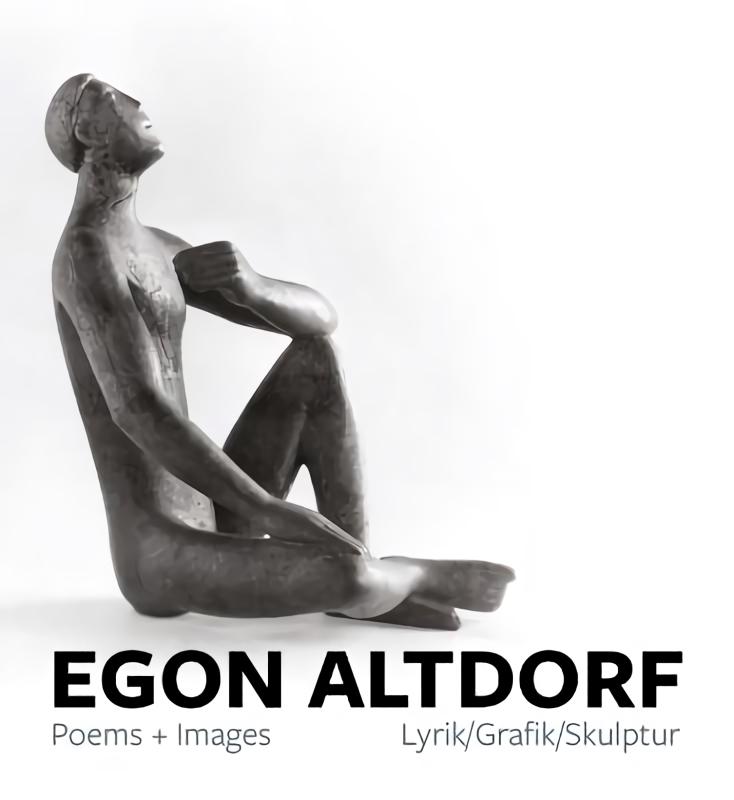
Altdorfs earliest poems, written during military service and as a prisoner of war, reflected on nature, poetry and art. Beginning a new life, post-war, as an artist, Altdorf explored how the human figure might be depicted through increasingly abstract representations. Similarly, he refined his poetry to create a new, free, melodic language with a simple, song-like beauty. Presenting Altdorfs poetry alongside his art reveals a powerfully interconnected vision shaped but not defined by war: a humanitarian outlook informed by a profound spiritual belief. Autorid: Judith LeGrove, Michael Trevor
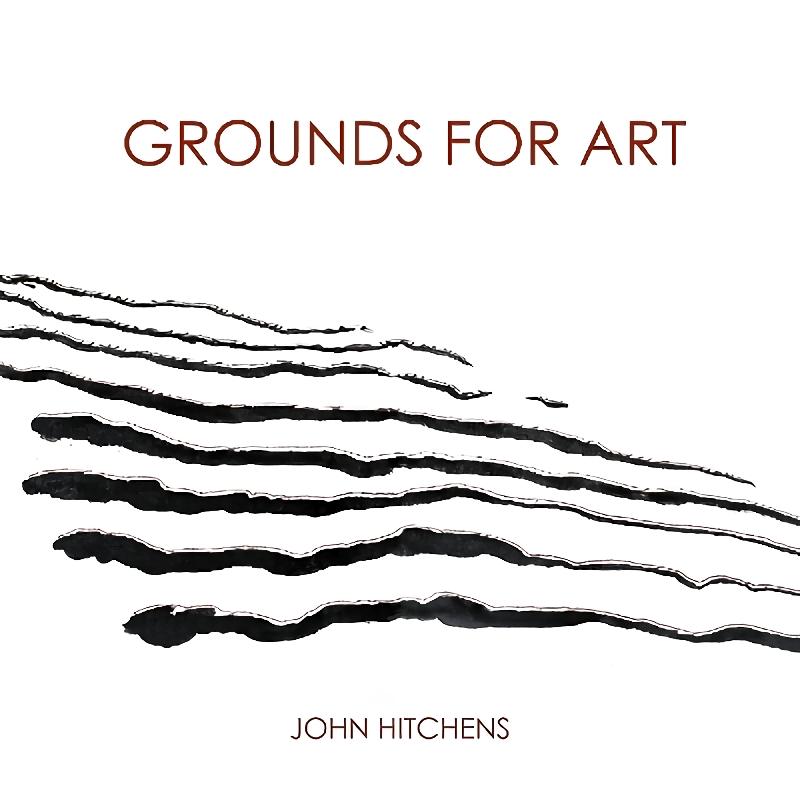
John Hitchens achieved early acclaim in the 1960s and 70s. A series of successful exhibitions led to acquisitions of his work by numerous public and private collections in the UK and overseas. From 1990 onwards he began to explore a new approach to painting, one that involved him working more closely with the land, with natural materials and objects found in the landscape. At the same time he developed a highly personal form of abstraction and imagined landscape forms, setting his work apart from more conventional abstract painting. Grounds for Art provides the first extensive survey of John Hitchens work from 1990 onwards in which he has radically pursued his painting in close relationship with the natural world. These works are deeply rooted in the rural environment of his home and the surrounding Sussex landscape. It fully illustrates the breadth and power of this recent work, featuring his paintings on shaped and mixed-media canvases, as well as the artists land art projects on the Sussex coast. Other chapters examine his work with wood, paintings on stones, and placements of found objects. Sandy Mallets text is based on extensive interviews with John Hitchens, and is supplemented with the artists own comments on his paintings. The book is the second major study of John Hitchens paintings. It follows five years after the publication of Aspects of Landscape, the first overview of the artists work, compiled to mark his 80th birthday in 2020. Autorid: Sandy Mallet, Anne Purkiss