Loo oma t-särk! T-särgid on samad ja pilt võib muutuda iga päev! Loo, värvi, riieta, pese ja korda uuesti!Suurepärane kingitusteks.Viltpliiatsid on mõeldud kangastele joonistamiseks. Mittetoksiline, pestav, ei jäta jälgi muule valgele pesule, seega võib seda pesta koos teiste valgete riietega,Värvimisel on soovitatav asetada seestpoolt joonise alla leht, et viltpliiatsite värv särgi seljaosasse ei imenduks.T-särk on valmistatud 100 protsenti. puuvill. Võib pesta 40°C juures.Suurus: 3-4 aastat, laius 38 cm, pikkus 45 cm
Loo oma t-särk! T-särgid on samad ja pilt võib muutuda iga päev! Loo, värvi, riieta, pese ja korda uuesti!Suurepärane kingitusteks.Viltpliiatsid on mõeldud kangastele joonistamiseks. Mittetoksiline, pestav, ei jäta jälgi muule valgele pesule, seega võib seda pesta koos teiste valgete riietega,Värvimisel on soovitatav asetada seestpoolt joonise alla leht, et viltpliiatsite värv särgi seljaosasse ei imenduks.T-särk on valmistatud 100 protsenti. puuvill. Võib pesta 40°C juures.Suurus: 5-6 aastat, laius 40 cm, pikkus 50 cm
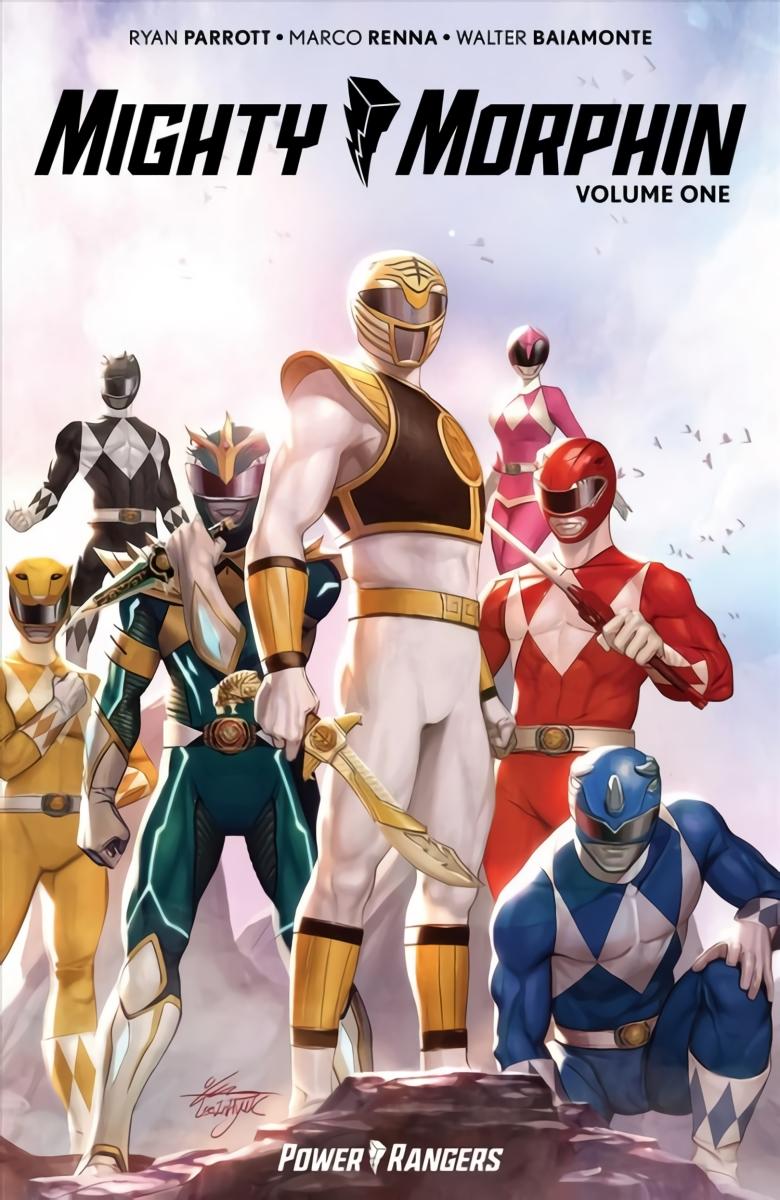
A new Mighty Morphin team has assembled to take on the deadliest threats to Earth - but who is the All New Green Ranger by their side? It&;s a new beginning perfect for longtime fans and new readers alike.A NEW ERA BEGINS HERE WITH A NEW TEAM - BUT WHO IS THE NEW GREEN RANGER? The new Mighty Morphin team is on a collision course with an even deadlier Lord Zedd, who has a new mission and a new motivation - one that will change everything you thought you knew about our heroes! But even if the Mighty Morphin team can find a way to survive Zedd and their mysterious new enemies, they may discover the greatest threat to their future is the shocking secret of Zordon&;s past! Superstar writer Ryan Parrott (Mighty Morphin Power Rangers/Teenage Mutant Ninja Turtles) and rising star artist Marco Renna introduce the UNLIMITED POWER era, perfect for longtime fans and new readers alike - and nothing will ever be the same! Collects Mighty Morphin #1-4. Autorid: Ryan Parrott, Marco Renna
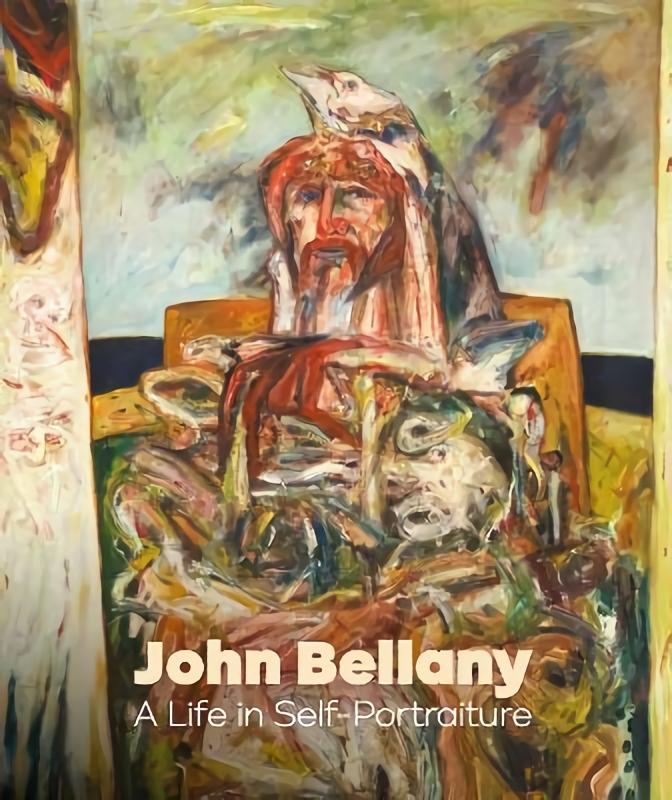
John Bellany was one of the most significant Northern European Expressionists of the modern era. As with all expressionists his art is highly subjective and autobiographical and his self-portraits range from carefully observed student studies to disguising himself in different roles within his epic pictorial narratives. This book concentrates on the role of self-portraiture in Bellanys art to trace and present the complex development of his artistic and personal obsessions and shows how he portrayed himself through a variety of mediums, including his private sketch books and a wide range of printing techniques as well as drawings and paintings. It includes a foreword by Helen Bellany, the artists wife, plus an essay and interview from exhibition curators Bill Hare and Sandy Moffat. Moffats account charts his long-term friendship and collaboration with Bellany, from their time at art school up until the latters death. Autorid: Bill Hare, Alexander Moffat, Helen Bellany
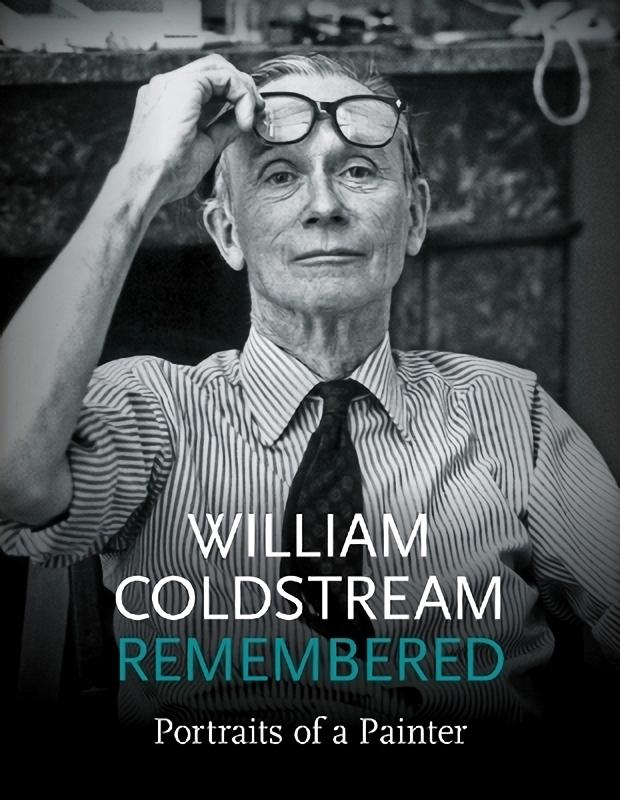
Bill Coldstream Remembered: Portraits of a Painter is a collection of essays and shorter reminiscent pieces reflecting on the life and legacy of William Coldstream (1908-1987) by a wide range of those who knew and learned from him, whether by direct contact or through his work. Coldstream, known as Bill to his friends, and The Prof to generations of students at The Slade where he was Professor of Fine Art from 1949-1975, was a founder member of the Euston Road School, a mover and shaker at the GPO Film Unit, where he worked closely with Britten and Auden in the 1930s, and later a major figure in the London art world as it went through controversial changes from the 1960s onwards. In this collection he is remembered as much for his hilarity, humanity, and gift for friendship as for the lasting mark he made on the cultural landscape of a world in flux. In a delightfully diverse selection of studies and characteristic snapshots Bill emerges as a complex figure, a man of warmth and wit, a painter of obsessive rigour, a raconteur, and a champion of the underdog. Contributors include former students, fellow painters, and historians of modern British Art. Autorid: Catherine Coldstream, Catherine Coldstream
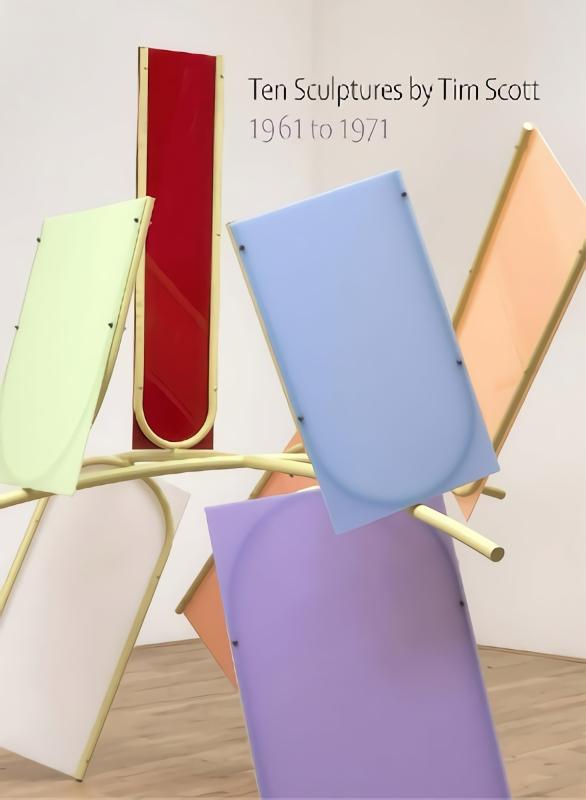
In the 1960s Tim Scott tested the limits of what a sculpture could be. Visionary and audacious, his large-scale constructions radically transformed the inheritance of Constantin Brancusi and Henri Matisse. How spatially expansive could sculpture become whilst retaining its identity as sculpture? Could sculpture incorporate colour and translucency, without abandoning a sense of mass and density? Scott explored these questions in materials new to sculpture including plywood, fibreglass, steel, aluminium, perspex and latex foam. This publication provides succinct commentaries on ten key sculptures by Scott, along with an introduction by his contemporary William Tucker. Autorid: Sam Cornish
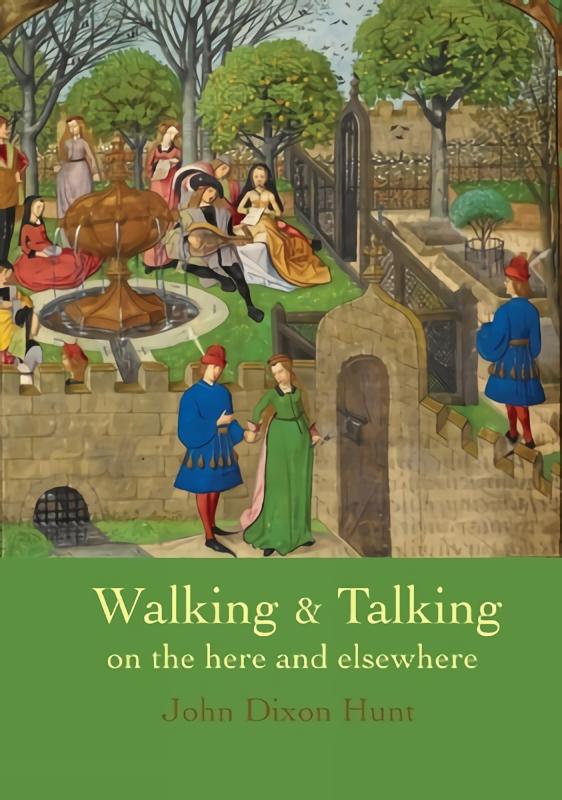
"In Walking & Talking John Dixon Hunt explores the here of the earth beneath our feet and, in a hinterland of thought and conversation, the elsewhere of the mind. He takes us on multiple journeys to both worlds in the company of great writers and artists: John Evelyn on his ascent of a lively Vesuvius in 1645; Daniel Defoe on his disappointing visit to Buxton and the Devil's Arse; John Gay and William Hogarth in London; and Charles Dickens and the 'inexhaustible food for speculation' of Victorian street-life. In pursuit of elsewhere, the author follows mysterious, sometimes hidden paths (of the sort that native Australians call 'dream tracks'), to reveal more malleable landscapes where walking indulges the mind as much as the body. It's a place where landscape, poetry and thought cohere--sometimes literally in the sculpture of Ian Hamilton Finlay--where carefully plotted gardens invite the walker to enter a world of curated make-believe and city streets have as many stories as there are people. On wild Lakeland fells or in urban wandering, from the land of Wordsworth and Wainwright to the great wall of Teardrop Park by the site of New York's twin towers, and from the great Picturesque parklands of England to a modern Devon garden of myth and metaphor, Walking & Talking is a beautifully illustrated companion to our simplest--and most complex--of pleasures"-- Autorid: John Dixon Hunt
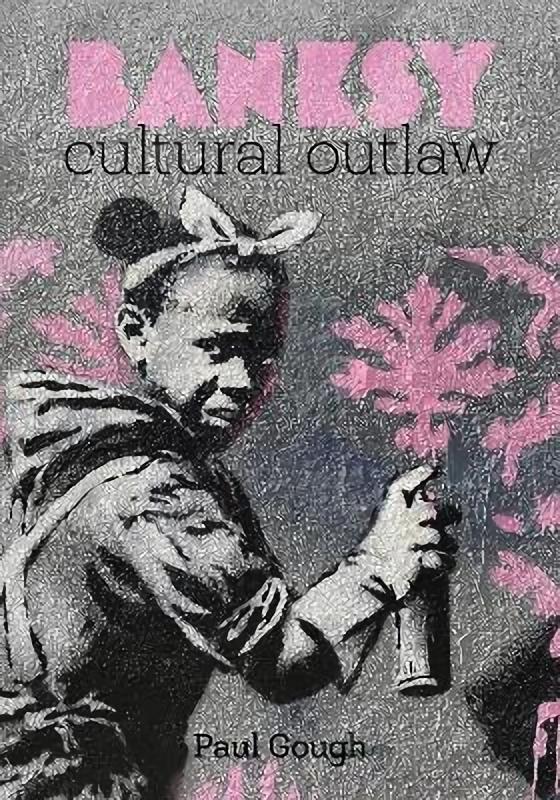
Banksy is always viewed through the lens of the whodunnit, as a disruptive street artist who alternates between being hailed a national treasure and urban folk hero; an imposter who has reneged on his graffiti roots. Despite his legendary status, there are many purists who think he has forsaken his street-cred for credit in the bank. But above all, we all remain obsessed by his anonymity, his high-profile invisibility, his status as the worlds most famous unknown artist. This illustrated book takes a new approach to Banksys work: it looks closely at his creative output as an artist, political commentator, and cultural phenomenon. Taking a thematic approach to Banksys extensive practice as a stenciller, painter, curator and filmmaker, each section explores the craft, context and cultural forebears of his work, setting it within the dominant social and political debates that have determined the artists visual agenda. The book examines in detail individual artworks and also takes a critical view of the major events that have shaped Banksys reputation; his highly ambitious inaugural exhibitions in the USA (Barely Legal, 2003); his invasion of some of the worlds major collections The Louvre, the Met in New York, Londons Tate Gallery and the British Museum during 2004-5 to donate his own artworks; the radical remixing of the collection at Bristol Museum & Art Gallery in 2009; the massive exhibition of different artists works at Dismaland in 2015, and the notorious shredding of his own work during a live auction at Sothebys. Interposed between these set-piece chapters the book tells the unfolding story of Banksys emergence as an artist, with detailed analyses of his craft; the particular power of his stencilling, his comic ability to detourne old canvases, and his innovative use of words, lettering and fonts. Autorid: Paul Gough
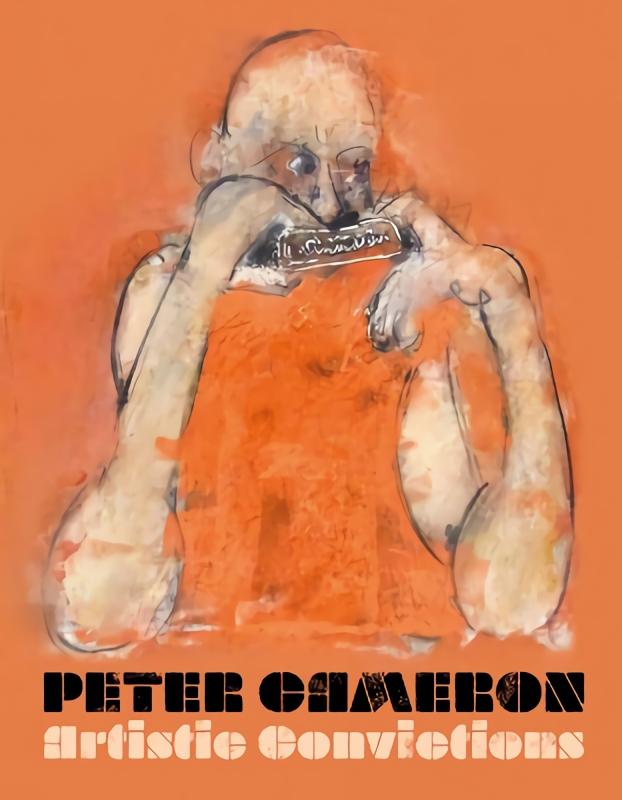
Peter Cameron (b. 1947) took up art while serving a prison sentence, and later described his incarceration as a career move. On his release in 1992, he received the support of the Koestler Trust and was able to evolve from post-prison survivor to celebrated artist with a substantial body of work. In 2003, he was diagnosed with Parkinsons, which took his art in a new direction, emphasising the movement that increasingly eluded him. Peters is an inspiring story of survival and real-life grit, richly illustrated and narrated, and embellished with Peters own lively anecdotes. Autorid: David Wootton
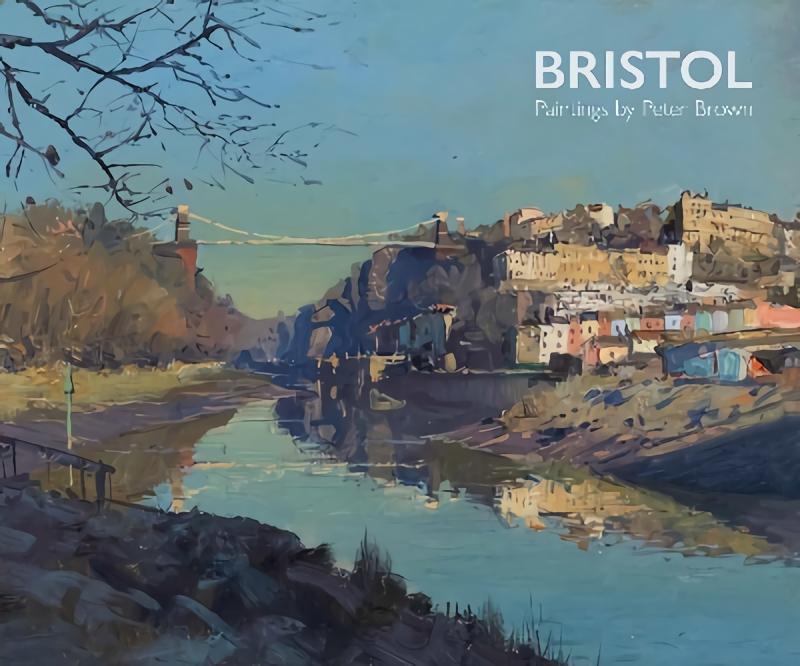
Step into the vibrant streets of Bristol through the eyes and brush of Pete the Street Peter Brown. This 116-page large-format hardback book invites you to explore the citys soul from famous landmarks like the Clifton Suspension Bridge and Floating Harbour to everyday corners, coffee stands and green spaces. Painting entirely on location, Peter works directly from life, embracing the citys shifting light, weather and tides. His brush captures not just buildings and streets, but the stories of the people passing through. The 70+ featured paintings arent just views theyre lived moments, glimpses of a city in constant motion. As you turn the pages, youll wander with Peter through steep terraces, bustling high streets and quiet parks all painted with affection for Bristols rich, colourful, lived-in charm. The book also includes the artists personal commentary, anecdotes, and insights, alongside an illustrated map marking the locations where each piece was created. Whether you know the city well or are discovering it for the first time, this collection offers a heartfelt and intimate portrait that goes far beyond the surface. Autorid: Peter Brown