Pilot Alpin 5 Turvaline kõikides talvistes tingimustes - Paremad pidurdamisnäitajad igat tüüpi talvistel teedel (märg, lumi ja kuiv) ja parem vesiliukindlus Juhitavus ja juhtimistäpsus - Parem juhitavus märjal ja lumisel teel Väiksem kütusekulu - Väiksem veeretakistus (enamasti kategooria C)
Olenemata sellest, kas läbite maanteel kurvi või peate linnas ootamatult pidurdama, vastavad Bridgestone’i uued Turanza 6 rehvid ootustele ja ületavad need ning seda isegi märgades tingimustes. PARIM TÖÖVÕIME MÄRGADES TINGIMUSTES Parim manööverdusvõime kurvides märgades oludes ja silmapaistev sooritusvõime sirgel märjal teel. SUUREPÄRANE LÄBISÕIT 22%+ paremad tulemused kui katsetuste võitjast eelkäijal. TÄIUSTATUD KÜTUSESÄÄSTLIKKUS/ENERGIATÕHUSUS 4% väiksem veeretakistus kui eelkäijal. ELEKTRISÕIDUKIVALMIDUS Rehv, mis on loodud vastama just elektrisõidukite esitatavatele nõuetele *Põhineb ettevõttesisesel võrdlusalusel Turanza 6 vs. Turanza T005 (võrdlusmõõt 205/55 R16).
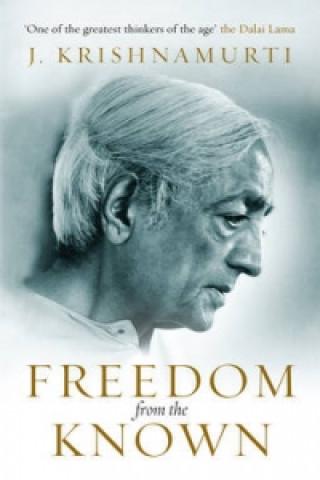
Born in poverty in India, Jiddu Krishnamurti (1895-1986) became a leading spiritual and philosophical thinker whose ideas continue to influence us today. George Bernard Shaw declared that he was the most beautiful human being he had ever seen and Aldous Huxley was one of his close friends. Whether debating politics with Nehru, discussing theories with Rupert Sheldrake and Iris Murdoch, or challenging his students not to take his words at face value, Krishnamurti engaged fully with every aspect of life. He is regarded by many modern religious figures as a great teacher, an extraordinary individual with revolutionary insights; Joseph Campbell, Alan Watts, Eckhart Tolle and Deepak Chopra are all indebted to his writings. "Freedom from the Known" is one of Krishnamurti's most accessible works. Here, he reveals how we can free ourselves radically and immediately from the tyranny of the expected. By changing ourselves, we can alter the structure of society and our relationships. The vital need for change and the recognition of its very possibility form an essential part of this important book's message.
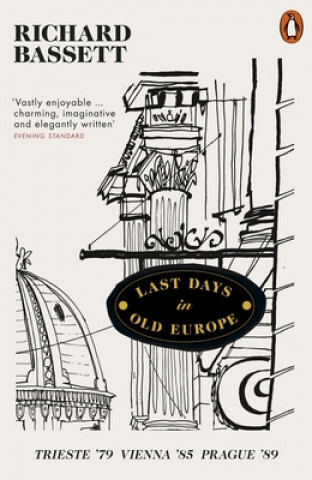
'With these vivid, wistful memoirs, he joins the great chroniclers of Europe - the Prousts, Zweigs, Lampedusas, Leigh-Fermors and Bassanis - and shows how some of the things those writers loved persisted as late as 1989.' (Economist)Sel