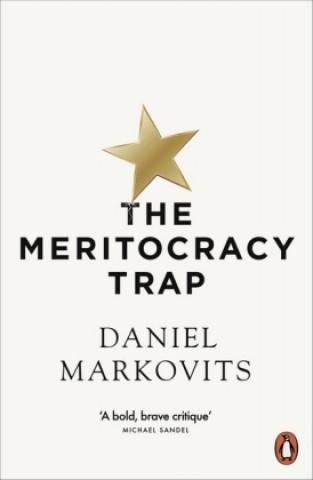
'This book flips your world upside down. Daniel Markovits argues that meritocracy isn't a virtuous, efficient system that rewards the best and brightest. Instead it rewards middle-class families who can afford huge investments in their children's education ... Frightening, eye-opening stuff' The Times, Books of the Year Even in the midst of runaway economic inequality and dangerous social division, it remains an axiom of modern life that meritocracy reigns supreme and promises to open opportunity to all. The idea that reward should follow ability and effort is so entrenched in our psyche that, even as society divides itself at almost every turn, all sides can be heard repeating meritocratic notions. Meritocracy cuts to the heart of who we think we are.But what if, both up and down the social ladder, meritocracy is a sham? Today, meritocracy has become exactly what it was conceived to resist: a mechanism for the concentration and dynastic transmission of wealth and privilege across generations. Upward mobility has become a fantasy, and the embattled middle classes are now more likely to sink into the working poor than to rise into the professional elite. At the same time, meritocracy now ensnares even those who manage to claw their way to the top, requiring rich adults to work with crushing intensity, exploiting their expensive educations in order to extract a return. All this is not the result of deviations or retreats from meritocracy but rather stems directly from meritocracy's successes.This is the radical argument that The Meritocracy Trap prosecutes with rare force, comprehensive research, and devastating persuasion. Daniel Markovits, a law professor trained in philosophy and economics, is better placed than most to puncture one of the dominant ideas of our age. Having spent his life at elite universities, he knows from the inside the corrosive system we are trapped within, as well as how we can take the first steps towards a world that might afford us both prosperity and dignity.
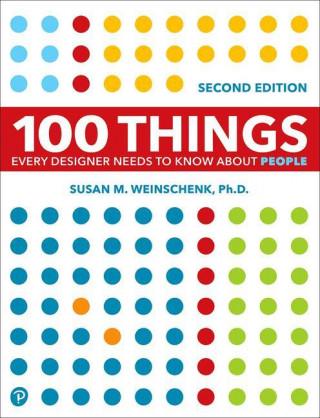
WE DESIGN TO ELICIT RESPONSES from people. We want them to buy something, read more, or take action of some kind. Designing without understanding what makes people act the way they do is like exploring a new city without a map: results will be haphazard, confusing, and inefficient. This book combines real science and research with practical examples to deliver a guide every designer needs. With this book you’ll design more intuitive and engaging apps, software, websites and products that match the way people think, decide and behave. INCREASE THE EFFECTIVENESS OF YOUR PRODUCTS.Apply psychology and behavioral science to your designs.Here are some of the questions this book will answer:• What grabs and holds attention.• What makes memories stick?• What is more important, peripheral or central vision?• Can you predict the types of errors people will make?• What is the limit to someone’s social circle?• What line length for text is best?• Are some fonts better than others?These are just a few of the questions that the book answers in its deep-dive exploration of what makes people tick.
The bestselling French graphic novel about the mind-bending world of quantum physics Take an incredible journey through the quantum universe with explorer Bob and his dog Rick, as they travel through a world of wonders, talk to Einstein about atoms,
Susan Sontag was our last great literary star. Her brilliant mind, political activism and striking image made her an emblem of the seductions - and the dangers - of the twentieth-century world. Her writing on art and politics, feminism and homosexua
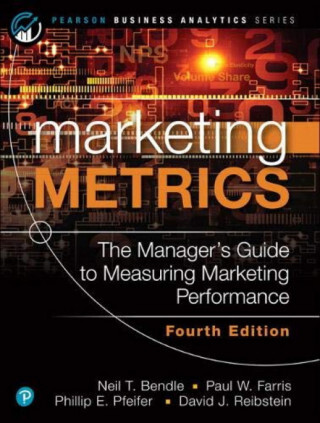
Now updated with new techniques and even more practical insights, this is the definitive guide to today's most valuable marketing metrics. Four leading marketing researchers help you choose the right metrics for every challenge, and use models and dashboar