Netokogus 13,8 g. Tootja: Medpro, Läti, firma Media Pharma (Lokomotives iela 26, LV-1057 Riia, Läti) tellimusel. Esindaja Eestis: KBM Pharma OÜ, Tähtvere 4, 51007 Tartu.
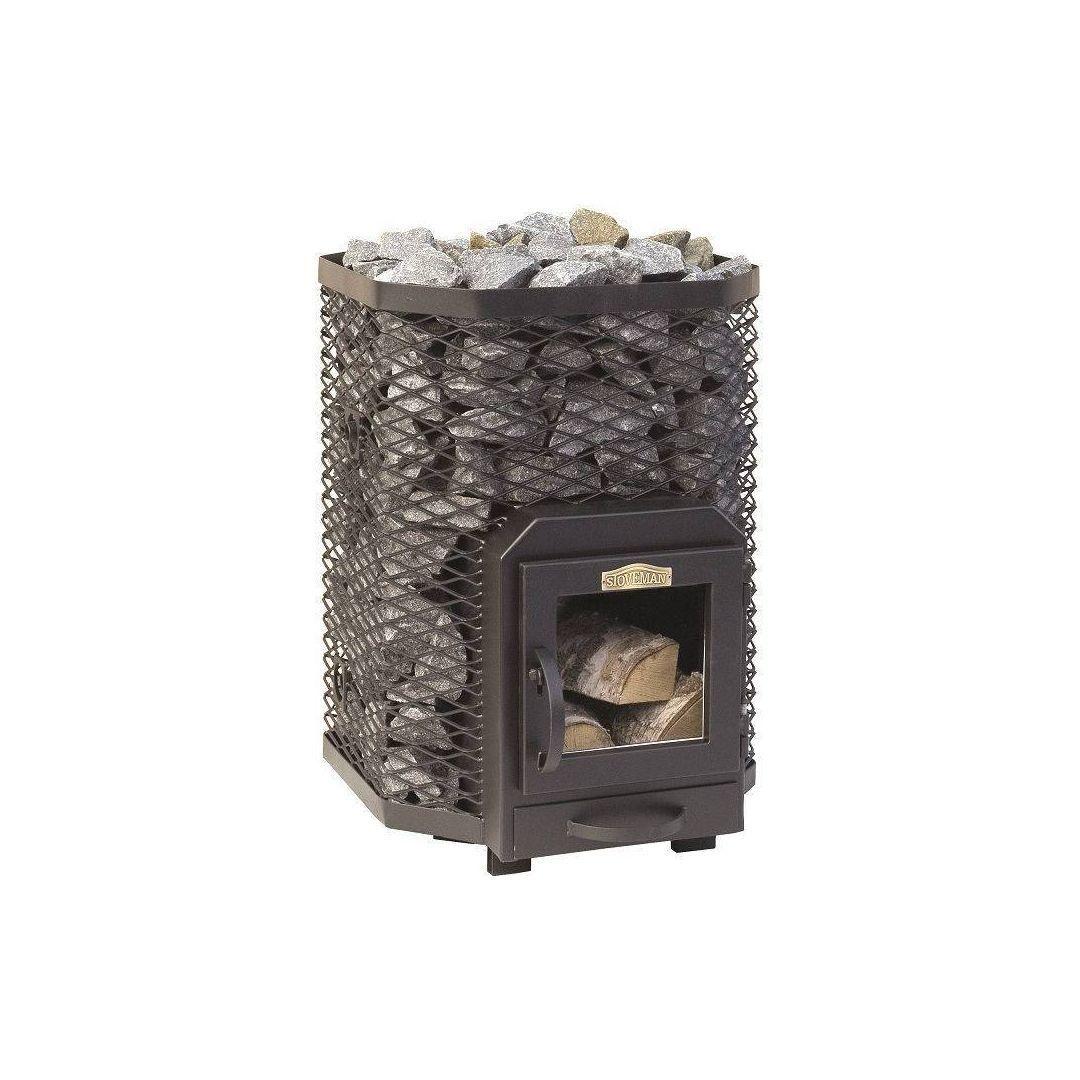
Saunaahi Stoveman HEAVY 16 on ette nähtud kuiva või niiske leili saamiseks koduses majapidamises. Saunaahi/keris annab tänu metallpinna kiirgust varjavale suurele kerisekivide kogusele meeldiva saunakogemuse oma mõnusalt maheda ja pehme ning pikaajalise leiliga. Tootel on tõhustatud õhuvahetust, selleks on kolde välisseinad varustatud õhukanalitega. Õhukanalid saavad tsirkulatsiooniõhu kerise põhja alt, kuumenedes liigub soe õhk mööda kanaleid üles ja väljub kerise pealmiste kivide vahelt. Saunaahjul on klaasiga uks.Materjalid:• Kõik saunaahju detailid, mis puutuvad kokku leegiga, on valmistatud 8 mm lehtterasest• Saunaahju põhi on valmistatud 3 mm lehtterasest• Tuhakast on valmistatud 2 mm lehtterasest• Tuharest valmistatakse käsitööna ja materjaliks on nelikantteras 10 × 20 mmSoovitus:Kasutage Stoveman saunaahju ühendamiseks korstnaga CE märgistusega vähemalt 600°C põlemisgaaside temperatuurile ettenähtud korstnaühendustorusid.Soovi korral on võimalik saunaahjule paigaldada vee soojendamiseks mõeldud soojusvaheti SV1.
Omadused: Ülimalt õrn. Lõhnaaineteta. Võib aidata, kuni ebameeldiv aisting leebub. Lactacyd Pharma Sensitive'i pesuvahendi happesustaset ja valemit on täiendatud bioloogilise piimhappega, sellepärast sobib see ideaalselt tundliku või ärritunud nahaga naistele intiimpiirkonna igapäevaseks hoolduseks. Intiimpesuvahend on soovituslik eriti tundlikule, ärritunud ja lõhnaainete suhtes allergilisele nahale. Üliõrn pesuvahend aitab vähendada ebameeldivaid aistinguid ja kaitseb nahka.
Sennheiser AMBEO Sub pakub muljetavaldavat, ruumilist bassi kuni 27 Hz sageduseni tänu 8" kõlarile ja 350 W võimendile. See toetab juhtmevaba ühendust AMBEO Soundbar Plusiga või kaabliga ühendust AMBEO Soundbar Maxiga, samuti võimalust lisada kuni neli Sub-seadet juhtmevabalt. • Sügav AMBEO bass 3D virtualiseerimisega • Automaatne ruumikalibreerimine kaugmikrofoniga • Ühildub juhtmevabalt AMBEO Plusiga või kaabliga AMBEO Maxiga • Nutijuhtimine rakenduse kaudu ja madala latentsusega Bluetooth
Monge Easy Green on ökoloogiline taimekiududest kassiliiv. See tagab suurepärase imavuse, neutraliseerib tõhusalt lõhnad ja moodustab kergesti eemaldatavaid klompe. Täielikult biolagunev, ohutu tualetipotti visata.
Take children on a grand tour of the marine world in this striking book all about oceans. From the deepest known sea trench on Earth to the underwater forests that make their home in the Pacific Ocean, discover 10 of the worlds most spectacular ocean habitats, and the animals and plants that live in them in this beautiful gift book for children. This fascinating book on oceans offers: The second in a series of 4 books that takes children on a grand tour around the different habitats of the world. Everything you could want to know about habitats; the animals and plants that live there, the geography of the area, and plenty of incredible facts A giftable book with foil on the cover and edges, plus beautiful illustrations and photographs on every page. The chapters in this exciting anthology cover four different types of ocean habitat: open oceans, coral reefs, underwater forests, and the deep sea, with a selection of both famous and lesser-known places explored. Every marine environment is examined in detail, with intriguing information about its geography, and flora and fauna alongside detailed photography and beautiful illustrations. Children can marvel at fire coral in the Red Sea, sea spiders that thrive in the ghostly quiet of the Southern Ocean, and sea anemones that can live forever. As well as the wonders of these places, the threats facing oceans and their species are also investigated. More in the series The Habitats series takes children on a grand tour of the different natural environments of the world, exploring animals, landforms and geography. If you enjoyed Ocean, why not try Mountain and learn about some of the earths most incredible landforms and the science behind them?
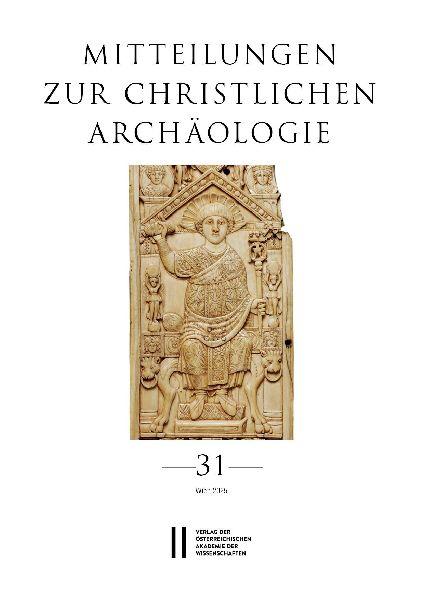
Die Zeitschrift Mitteilungen zur Christlichen Archäologie wurde 1995 begründet und erscheint regelmäßig einmal jährlich. Neben den durchschnittlich vier wissenschaftlichen Artikeln zum Themenbereich der Christlichen Archäologie im weitesten Sinne und im Kontext der Klassischen Archäologie, der Alten Geschichte, der Kunstgeschichte, der Byzantinistik, der Klassischen Philologie und der Religionswissenschaft werden auch Bibliografien zur Spätantike und zur Christlichen Archäologie in Österreich (mit einem Anhang zum spätantik-frühchristlichen Ephesos) geliefert. Seit Band 9 (2003) wird die Zeitschrift außerdem elektronisch veröffentlicht. Ihr Hauptziel ist die internationale Ausrichtung, d. h. neue Forschungsergebnisse aus dem Fachgebiet der Christlichen Archäologie global bekannt zu machen. Ein weiterer Aspekt ist auch die Nachwuchsförderung. Die in Deutsch, Englisch, Französisch und Italienisch abgefassten Artikel kommen von Autoren weltweit, regional steht aufgrund des Forschungsthemas der europäische und mediterrane Raum im Fokus, ohne auf dieses Gebiet beschränkt zu sein.
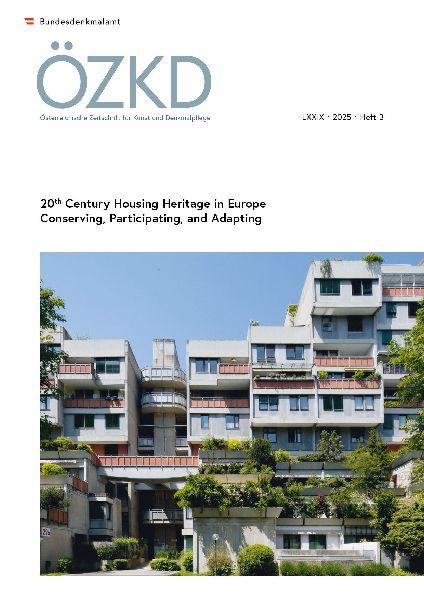
Ausgehend von der gleichnamigen Tagung der Technischen Universität Wien, die im November 2024 in Kooperation mit dem Bundesdenkmalamt stattfand, versammelt dieses Themenheft Beiträge, die das Verhältnis von Wohnen, kulturellem Erbe und gesellschaftlichem Wandel im europäischen Kontext neu beleuchten. Die hier zusammengeführten Fallstudien verbinden Denkmalpflege, Architekturgeschichte und Stadtforschung mit aktuellen Fragen der Nachhaltigkeit, Teilhabe und sozialräumlichen Gerechtigkeit.
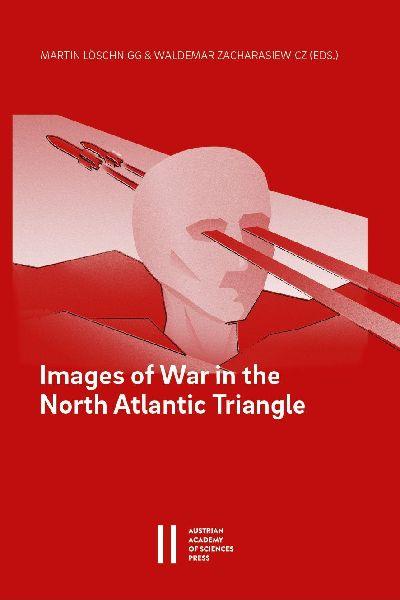
This volume addresses representations of war and peace in various media, ranging from literature to film, photography, the visual arts, and music. Underlining the importance of an inter-disciplinary study of images of war and peace, the essays collected in this volume analyse how the choice of medium has contributed to shaping images of war in different historical contexts. Topographically, the focus is on wars in Europe, the United States, and Canada, yet the essays also address the global dimensions of warfare. A first section discusses general considerations regarding the representation of war, including socially and culturally engendered concepts of war, ideological attitudes and issues of language. The following sections concentrate on the American Civil War, with a comparative outlook on the 1930s Civil War in Austria, on representations of war by Canadian artists, and on the two World Wars. Here, a section on the First World War emphasises the iconographic significance of that war as the first industrialized inter-state war in history. Other essays deal with the inter-war period, and with the Cold War and after, when asymmetrical forms of war like the "war on terror" or the militant suppression of groups of the population began to blur conventional boundaries between war and peace.
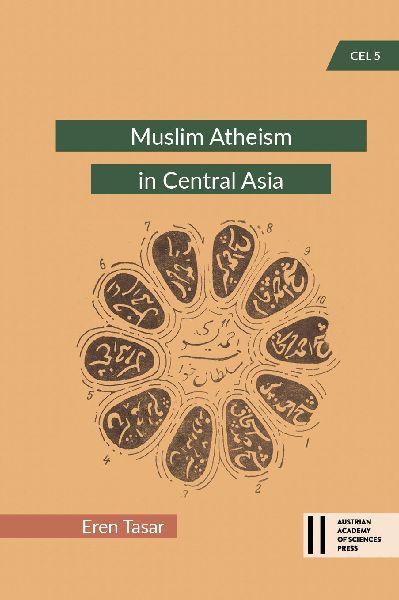
In the languages spoken by the Muslims in Central Asia, atheistic writing developed into a setting not for attacking religion, but for documenting it. "Muslim Atheism in Central Asia" argues that scientific atheism, an ideology hostile to Islam, was itself Islamized during the decades following World War II. Drawing on a substantial and neglected body of literature in these languages, this study shows how atheist writers described and catalogued prayer, pilgrimage, ritual, and sacred geography with breathtaking detail. Ranging from anticlerical satire, to travelogues, to explications of Muslim dogma, to encyclopedic catalogues of rites, and more, these texts reveal an imperative to record and document Muslim life. Rather than simply seeking to eliminate Islam, Muslim atheism absorbed and redefined the anti-religious imperative, transmitting Islamic knowledge in the process. The book highlights atheist authors' engagement with the Central Asian muftiate (SADUM), whose dogmatic pronouncements they often applauded, in spite of themselves. Thanks to the vast body of data and information embedded within atheistic texts, it also provides an account of Muslim practices in Soviet society. By recovering this forgotten literature, the book reshapes our understanding of both Central Asian history and the world of Muslim life under late socialism.
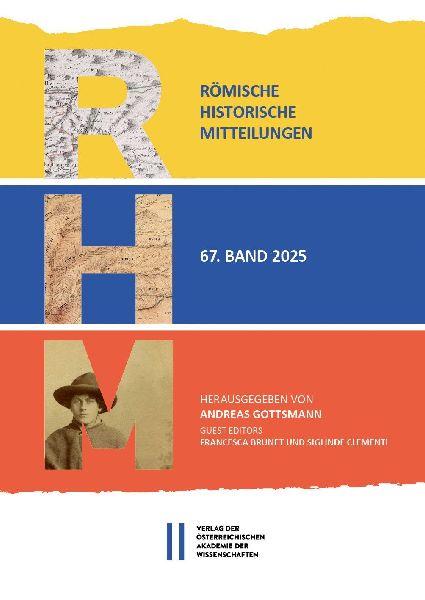
Je mehr Grenzen fallen, umso größer wird das akademische Interesse - nicht nur der historischen Wissenschaften - an Grenzen aller Art; unter Grenzen sind hier nicht nur jene zwischen Territorien, sondern auch solche zwischen Sprachen, Konfessionen, Geschlechtern, politischen und wirtschaftlichen Systemen zu verstehen. Diesem scheinbar paradoxen Phänomen trägt auch der vorliegende Band 67 der RHM mit dem Titel "Crossing the Border. Illicit crossings, controls, strategies (16th-19th centuries)" Rechnung. Er konzentriert sich auf territoriale Grenzen, die als hauptsächlich politische Konstruktionen verstanden werden, sowie deren illegale Überschreitung, wobei der aus Sicht der Herausgeber problematische Begriff der Illegalität kritisch hinterfragt wird.Insgesamt dreizehn Fallstudien kreisen um diese Themen, sie behandeln verschiedene europäische Regionen von der Frühen Neuzeit bis ins beginnende 20. Jahrhundert. In den einzelnen Beiträgen geht es einerseits um eine bestimmte Gruppe von Menschen, die häufig Grenzen überschritten, andererseits um Sachgüter, Tiere oder epidemische Krankheiten. Die Überwachung der Grenzen befand sich stets im Spannungsfeld zwischen theoretisch umfassenden legislativen Bestimmungen und praktischen Beschränkungen bei deren Umsetzung. Personen, welche Grenzen verletzten, andere, deren Aufgabe die Kontrolle der Grenzen war, und wieder andere, die in der einen oder anderen Richtung kollaborierten, sind - in oft krassem Gegensatz zu den Intentionen der Gesetzgebung - nicht immer klar voneinander zu trennen, wie die Herausgeberinnen Francesca Brunet und Siglinde Clementi pointiert festhalten.