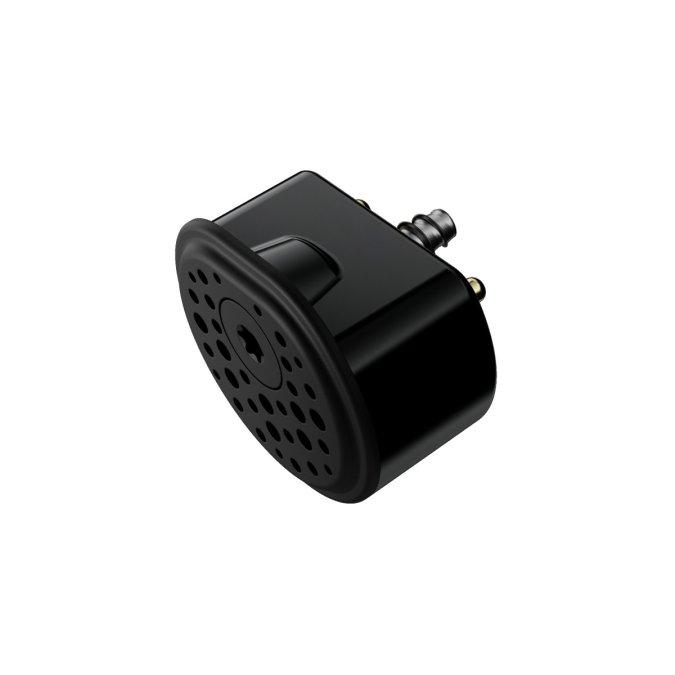
Vespera hügromeeter tagab uduvaba läätsed ja selged astrofotod igas kliimas. See nutiseade jälgib automaatselt temperatuuri ja niiskust, tuvastades udu tekkimise võimaluse ja aktiveerides sisseehitatud aurueemaldaja. Ideaalne niiskes või külmas kliimas, Vespera hügromeeter hoiab läätse selgena ja pildid teravad, muutes Sinu astrofotograafia kogemuse sujuvamaks ja kvaliteetsemaks. Naudi täpseid ja uduvabasid vaateid, isegi keerulistes ilmastikutingimustes.
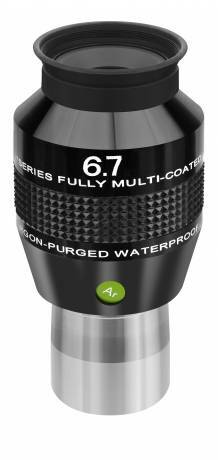
Explore Scientific 82° Series™ extreme wide field eyepieces are optimized to produce high contrast, high resolution, and superior flat field characteristics. The visual effect of these eyepieces with their long eye-relief and their 82° apparent field is truly a full-immersion experience. Your eye is relaxed, allowing you to easily use the "averted vision" technique to study faint details across a huge field-of-view. The 82° Series eyepieces come with a twist-up rubber eye-guard that raise to the desired height for the comfort of the observer, and as experienced astronomers know, eye comfort is critical when trying to observe at the visual limits of the telescope. To keep internal reflections to a minimum, all internal surfaces of the eyepiece barrel are flat black, as well as the edges of the lenses themselves to minimize the scattering of light within the lenses themselves. All 82° Series eyepieces are fully multi-coated and edge-blackened to produce maximum contrast.
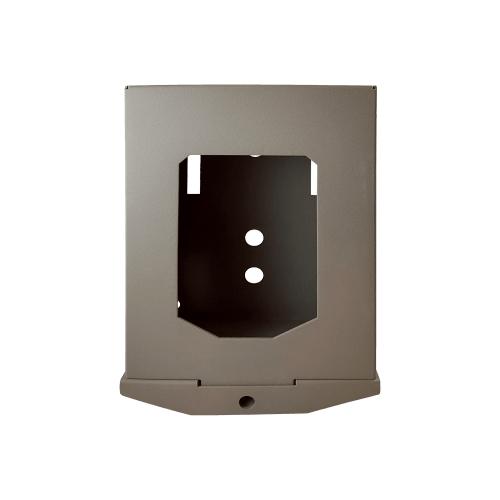
Tērauda korpuss, kas piemērots S12 meža kamerām aizsargā jūsu kameru no dzīvniekiem un ekstremāliem laikapstākļiem. Korpusam ir plašas bloķēšanas un montāžas iespējas, kā arī to var aizslēgt ar atsevišķu stiepļu slēdzeni vai piekaramo atslēgu. Meža kameru var izmantot arī ar ārēju barošanas avotu, kad tā ir ievietota korpusā. PIEZĪME! Šis drošības futrālis ir saderīgs ar Burrel S12 taku kamerām.
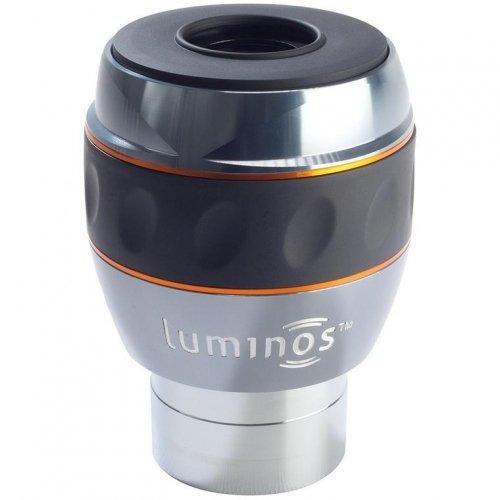
Okulaari Celestron Luminos 23 mm (2") - 810263 - 2" okulaarid - Sarja Luminos okulaarid pakuvad laia, 82º vaatevälja nii suure kui ka väikese suurendusega mudelites, tänu millele saad oma teleskoobi potentsiaali täielikult ära kasutada, olenemata sellest, kas Sul on lühike ja kiire refraktor või Celestroni EdgeHD teleskoop.
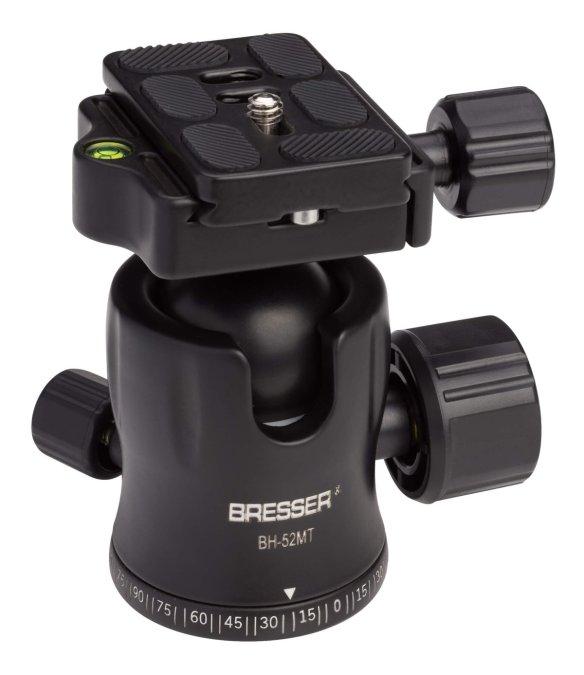
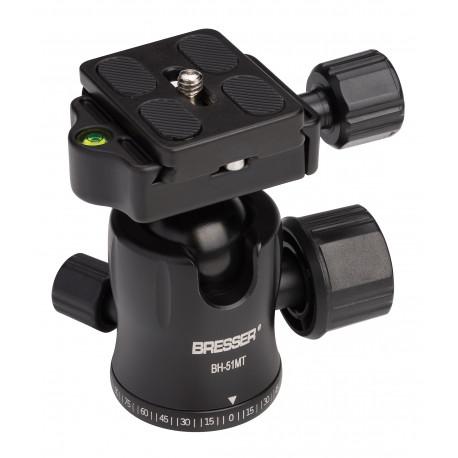
Flexibility and precision, that's what BRESSER ball heads stand for.By means of the 360 degree rotatable and additionally 90 degree tiltable ball joint the camera can easily be brought into any desired position. For panoramic photos the ball head is also equipped with a 360 degree rotatable base plate. Both, the ball joint as well as the panoramic base plate can be moved smoothly and jerk-free and locked in place securely with the corresponding knobs. The integrated circular bubble level and the angle scale help with the exact positioning.The quick release plate allows for a quick and uncomplicated exchange of cameras. The BH-51MT ball head is suitable for all heavy DSLR and medium format cameras up to a total weight of 10 kg. With 1/4 inch tripod connection thread. FEATURES sturdy metal ball head for cameras up to 10 kg rubber coated quick release plate for shock absorption 1/4 inch photo screw integrated circular bubble level 360° rotatable base plate with angle scale 1/4 inch tripod thread SCOPE OF SUPPLY Ball head Quick release plate Manual
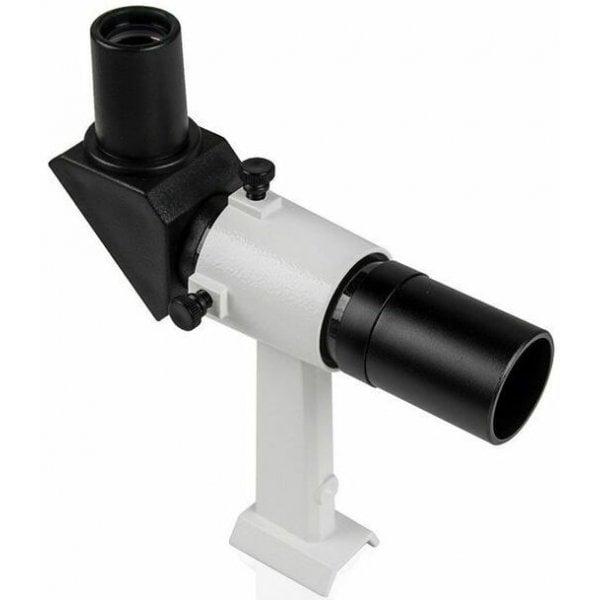
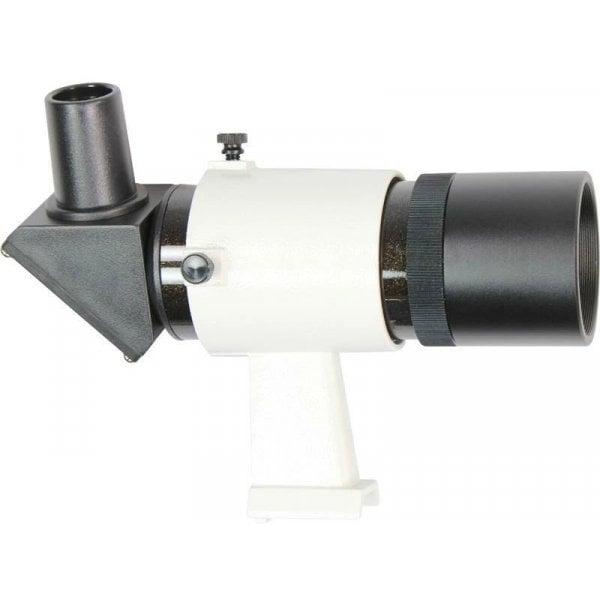
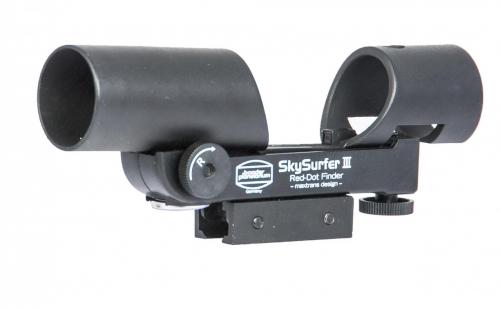
SkySurfer III has a wide range of connectors for binocular and tripod mounting - and a new housing body (for use as a daytime shadow finder) SkySurfer III rear sight - adjustable LED illuminated point finder.Much more complex in-house development than the common Celestron and Sky-Watcher ”red dot direction finders”. The free aperture is 30mm instead of 20mmLong dew caps are mounted in front of and behind the lens to prevent fogging. The 1:1 objective lens is anti-reflective and darkens the sky much less than competing viewfindersFits directly on the Weaver & Picatinny standart rail.
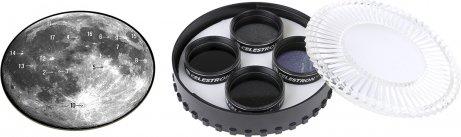
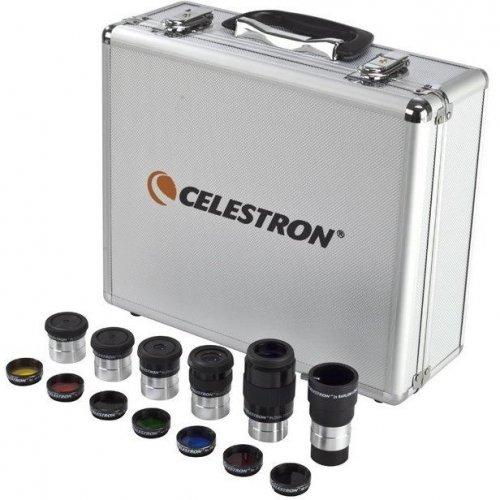
Celestroni 1,25" okulaaride ja filtrite komplekt - 820695 - Muud - Celestroni 1,25" okulaaride ja filtrite komplekt on suurepärane viis teleskoobi funktsionaalsuse parandamiseks ja selle paremaks nautimiseks. Metallist vahtvoodriga kandekoti seest leiad hulga tarvikuid.
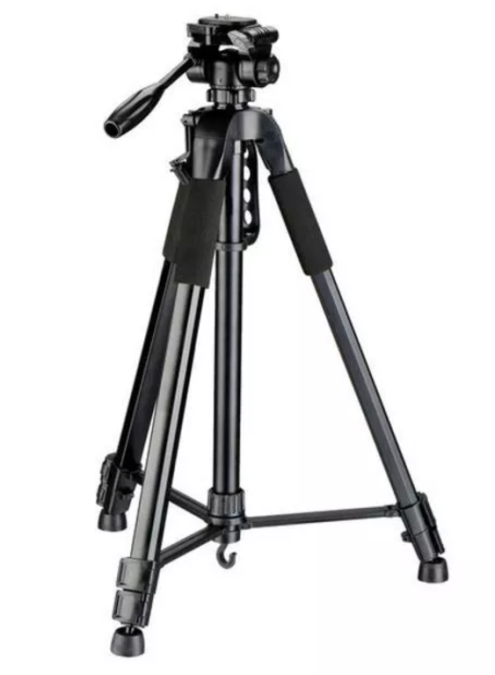
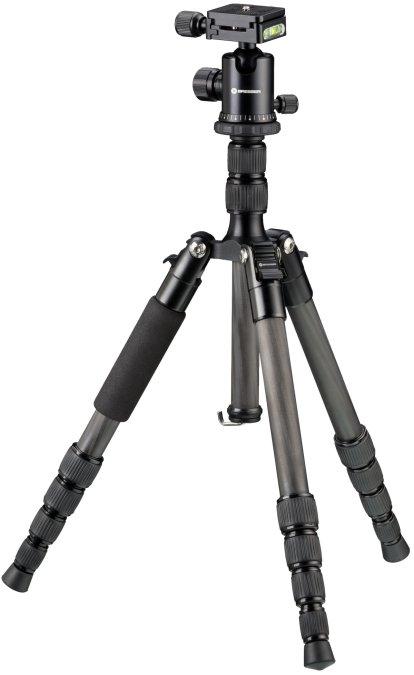
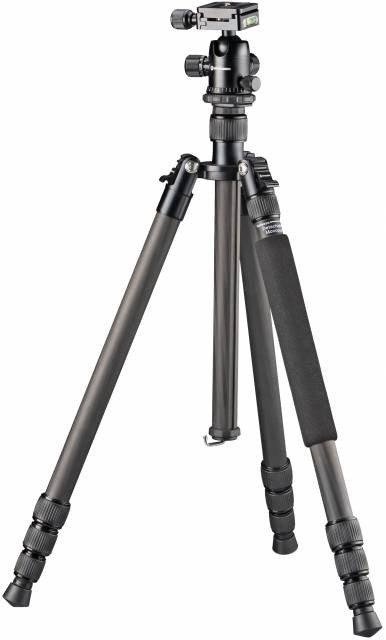
Avasta enda jaoks, kui kerged ja mugavad on BRESSERi Travelleri sarja statiivid. Nendel mitmekülgsetel statiividel, mis sobivad ideaalselt pikkadeks matkadeks ja väljasõitudeks, on 3-suunaline panoraampea, kiirkinnitusplaat ja reguleeritav kõrgus kuni 180 cm. Ideaalne foto-, videokaamerate ja kerge spektroskoopia jaoks.
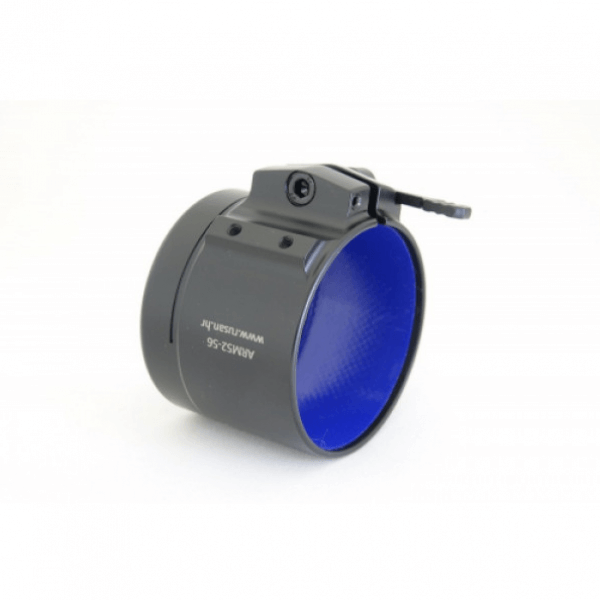
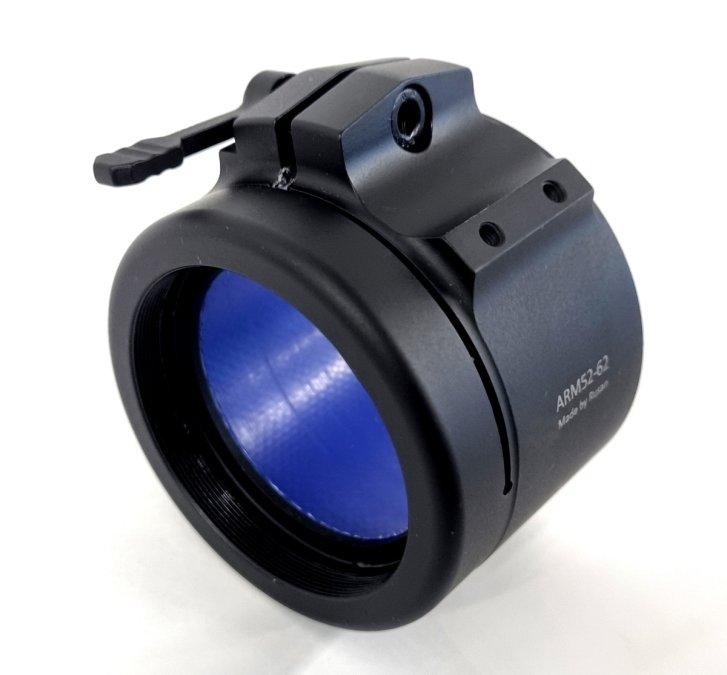
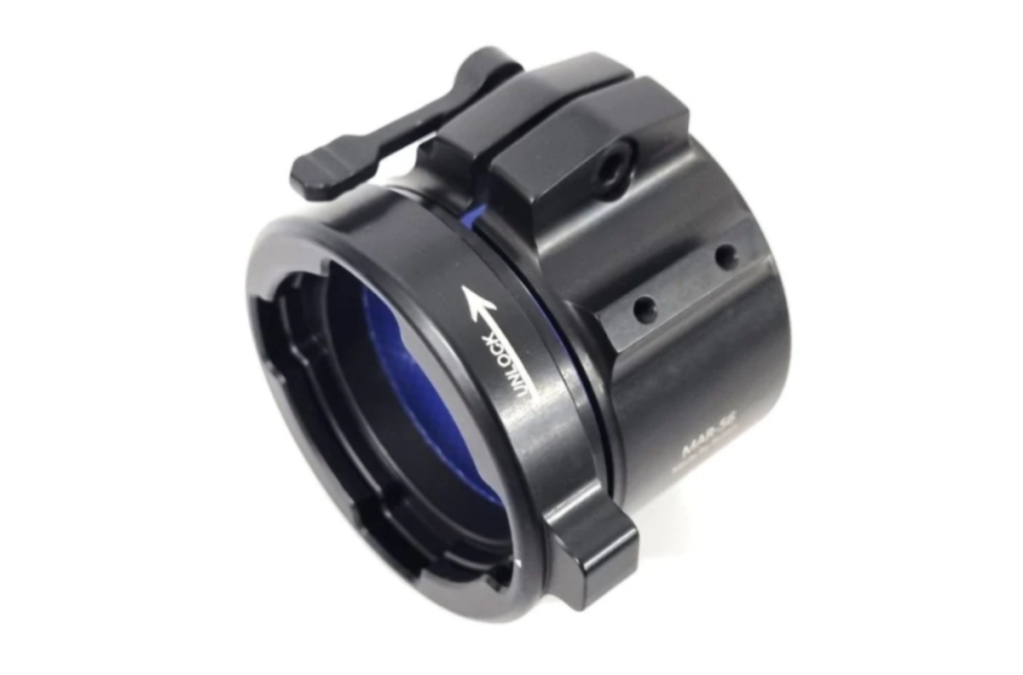
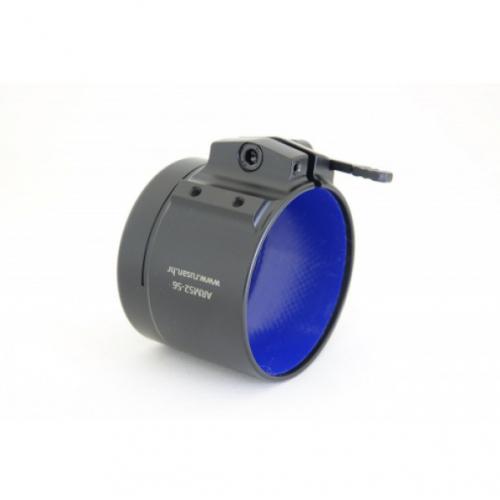
The Rusan adapter has a thread M52x0.75 (for use with Pulsar, Dedal, Yahnke, Lahoux and other devices). The adapter can be combined with a matching reduction ring and used on many other devices.
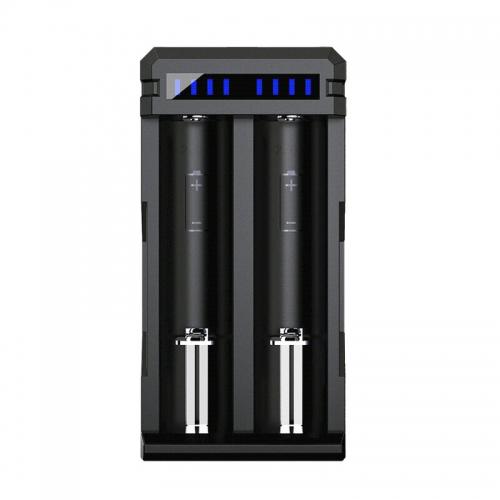
2 independent charging channels Processor-controlled three-stage charging process TC/CC/CV High charging current- 2X 2a/3X 1a Powered by any micro USB Charger (recommended WITH QC 3.0) Compact size-Easy to carry Reactivation function of deeply discharged cells Protection: Short-circuit, thermal, reverse polarity In a small enclosure, a fully professional processor loader with a three-stage charging process TC/CC/CVis concealed. It loads 3.6/3, 7V Li-ion cells with any capacity in sizes 18650, 18700, 20700, 21700, 22650, 25500, 26650.What Is THE TC/CC/CV charging method? It is a three-step process of loading Li-ion cells to keep the cell in good condition by charging the right current at each stage and completing the charging process at the right moment.The various stages of the TC/CC/CV process are:• TC phase: Cells discharged below 2, 9V are ’ awake ’ to lower currents.• CC phase: When 2, 9V is reached, the cell is loaded with a constant current of 2x2A/1x3A.• CV phase: When the cell is already nearly charged, the charger switches to a decreasing current charge until it reaches a voltage of 4, 2V on the cell. After reaching 4, 2V the charging process is complete-the battery is fully charged.Batteries with a voltage of 4, 1V or higher are treated by the charger as charged. To recharge such a full battery, please insert it into the charger before powering it in. When left in the charger, the charged batteries will be subjected to a natural self-discharge process. Charging will resume when the battery voltage drops below 4, 1V.The Xtar SC2 Charger has a function of reactivating deeply discharged cells and cells with a Voltage Of 0v. Many chargers on the market are not able to charge such batteries. Here with the help comes the charger Xtar SC2, which in many cases allows you to ’ resave ’ such cells. Just insert a deeply discharged battery into the SC2 charger, as with normal charging, the charger detects the unloaded link and attempts to reactivate it. Attention! Cells unloaded below a certain level are irreversible and reactivated may not be possible. Avoid too deep discharge of Li-ion batteries-this can lead to a significant reduction in their durability and capacity or to their total malfunction.Chargers from other manufacturers can significantly increase the temperature of the cells being charged during charging. Excessive heating of the cells can cause them to wear more quickly. When designing a SC2 charger, Xtar went one step further from the competition, solving this problem easily: the power from an external power supply was applied. This allows the temperature of the SC2 rechargeable battery to increase by up to 15 degrees.Supplied with Xtar SC2 charger, we get a micro USB cable. The power supply is not Included In the set. Any charger with a micro USB cable, for example, is enough to power the charger. Phone, or USB port or a computer with a free USB socket. The recommended minimum charger power is 2A).
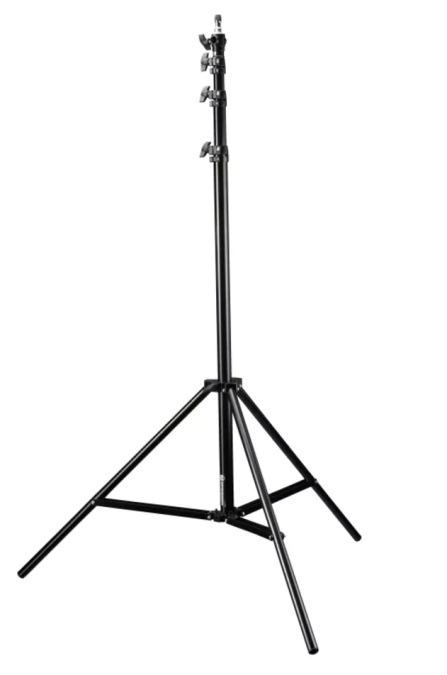
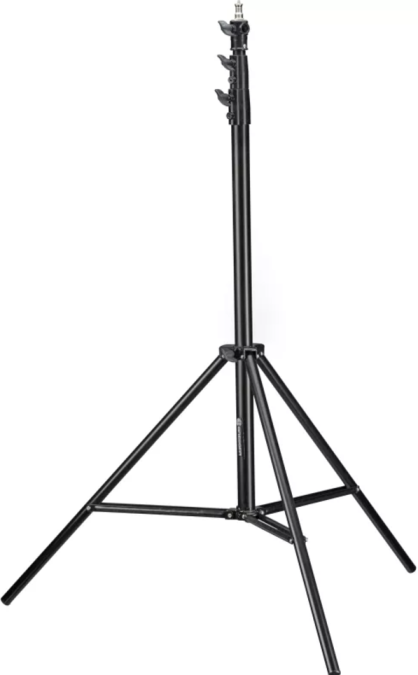
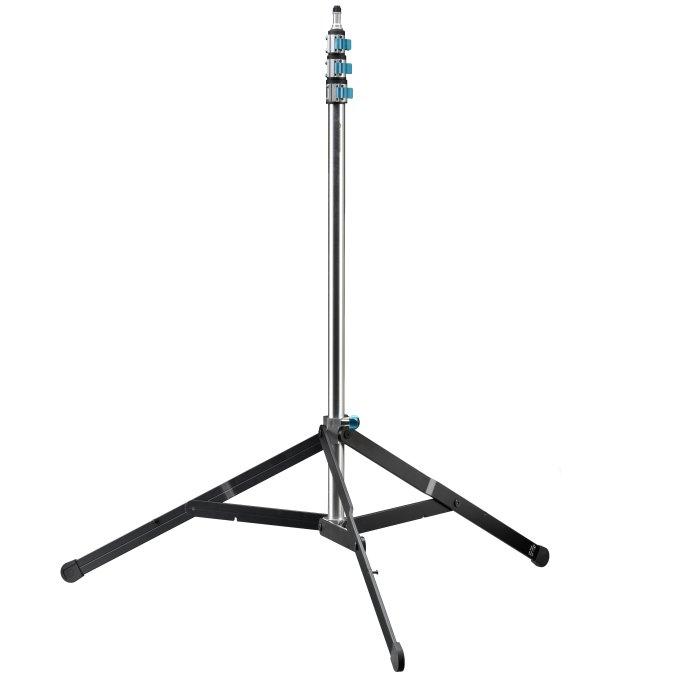
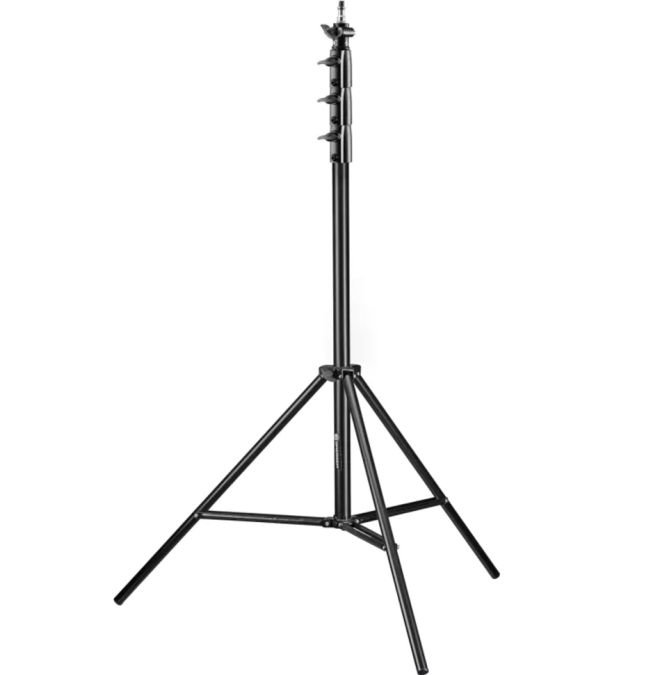
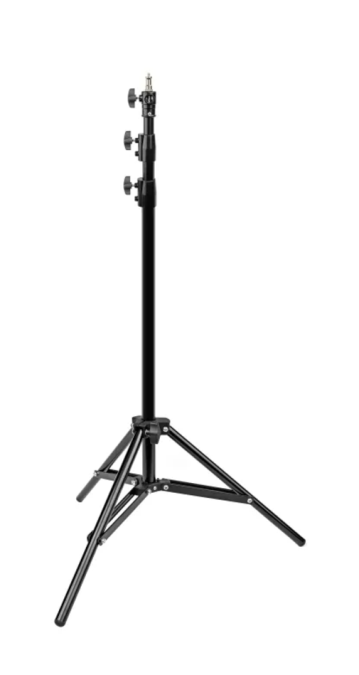
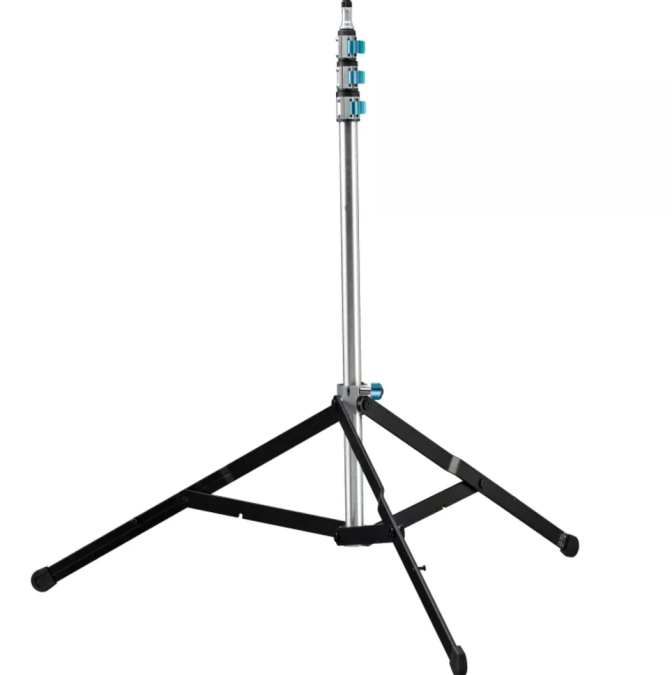
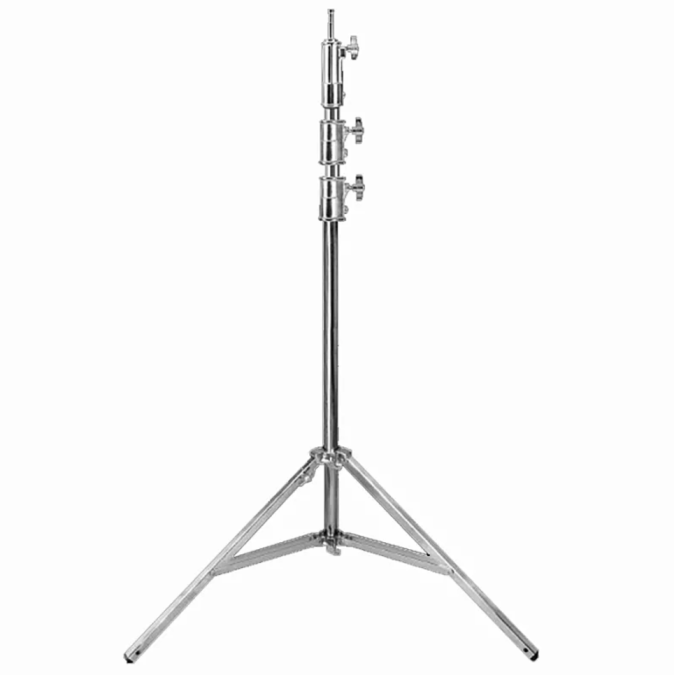
Valgustistatiiv Bresser BR-LS240 PRO - F004344 - Muud - Paindlik ja äärmiselt tugev. Professionaalne Bresseri valgustistatiiv BR-LS240 pakub silmapaistvat kvaliteeti ja stabiilsust.
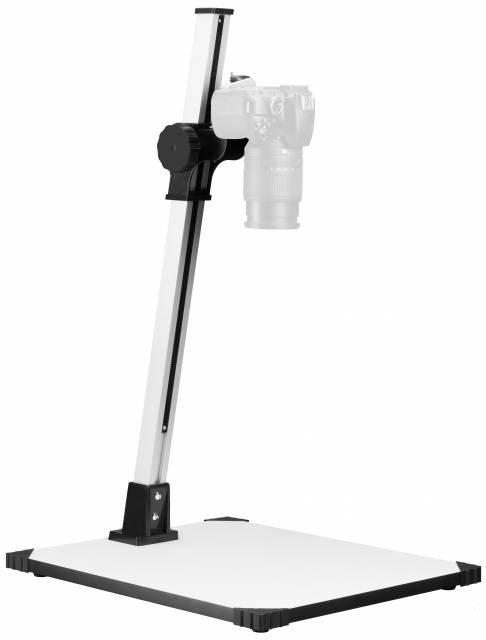
Jäädvusta kunstiteostest ja fotodest täpseid reprofotosid, kasutades koopiaalust BRESSER BR-CST. Sellel on 73 cm reguleeritav statiivi sammas, kaamera kiirkinnitus ja 40x48 cm alusplaat, mis tagavad lihtsa seadistamise ja täiusliku positsioneerimise. Ideaalne varjudeta fotode tegemiseks koos lisavarustusse kuuluvate BRESSERi valgustuslahendustega.
Tutvu BRESSER BR-2504X8C-B1-ga – see on mitmekülgne ja ülikerge süsinikkiust kaamerastatiiv, mis on mõeldud fotograafidele ja videograafidele. Tänu 10 kg maksimaalsele kandevõimele, reguleeritavatele jalgadele ja vahetatavatele kesksammastele saad selle kohandada mis tahes olukorra jaoks. Funktsioonide hulka kuuluvad 360° pööratav alumiiniumist kuulpea, Arca Swissiga ühilduv kiirkinnitusplaat ja kraadide märgistused panoraamvõtete jaoks, et saaksid teha võimalikult täpseid võtteid. Paindlikkuse suurendamiseks muuda kolmjalg ühe jalaga statiiviks. See statiiv sobib ideaalselt reisimiseks, on kokkupanduna 47 cm pikk ja kaasas on ka hoiukott, mis hõlbustab transportimist.
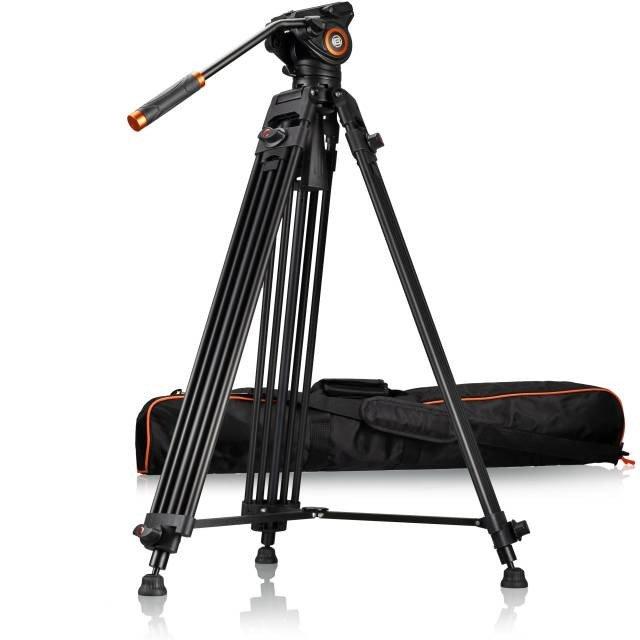
Avasta enda jaoks statiiv BRESSER VT-01 – vastupidav, professionaalne videokaamera ja fotoaparaadi statiiv sujuvalt reguleeritava kallutuspeaga, mis sobib ideaalselt Sinu foto- või videostuudiosse. Võid sellele 360° pööratava, sujuvalt kallutatava ja kiire kõrguse reguleerimisega alumiiniumstatiivile asetada kuni 12 kg raskuse, mistõttu on see ideaalne professionaalsete videokaamerate, DSLR-kaamerate ja vaatetorude jaoks. Statiivil on eriti suur kiirkinnitusplaat, sisseehitatud vesilood ja polsterdatud kandekott, tänu millele on seda lihtsam kaasas kanda. Tee parema kvaliteediga võtteid, kasutades stabiilsest ja mitmekülgset statiivi BRESSER VT-01.
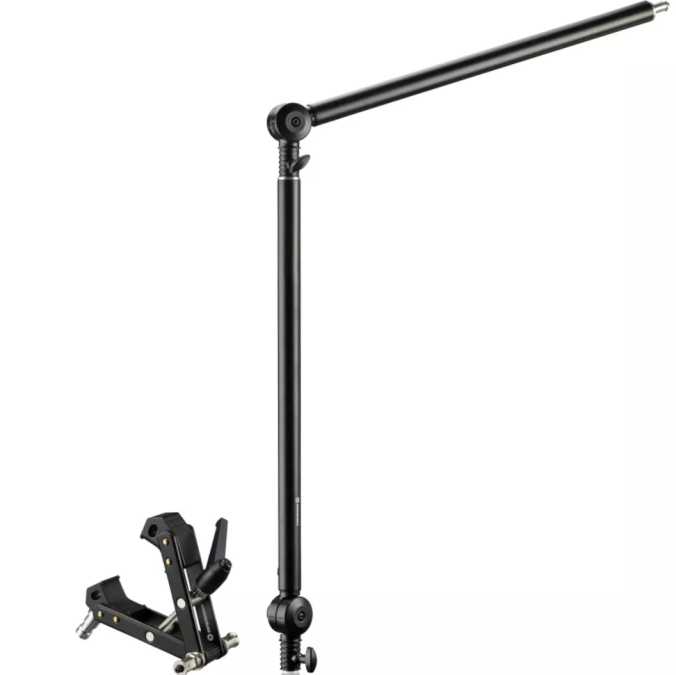
Muuda oma stuudio optimaalsemaks, kasutades statiivivart BRESSER BR-05B Space Arm. Sellel 121 cm pöördvarrel on kaks tugevat metallosa, reguleeritavad hinged ja 1/4-tolline tihvtiadapter. Koos tugeva Multiclampi kinnitusega kannab see kuni 12 kg raskust ja käib valgustistatiivide, lauaplaatide või torude külge, et tagada Sulle mitmekülgne valgustus ja tarvikute paigutus.
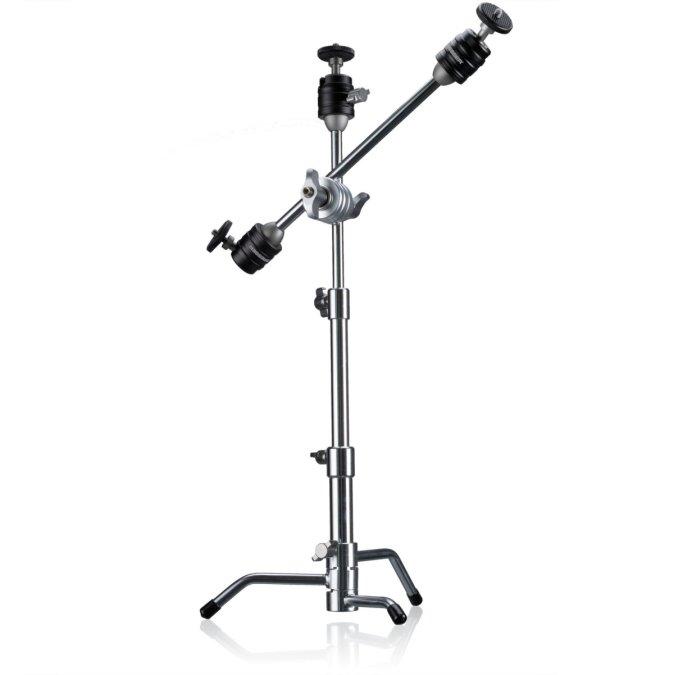
Statiiv BRESSER Pocket C-Stand on ülikompaktne statiiv, mis sobib ideaalselt nutitelefonide, kaamerate, mikrofonide ning väikese foto- ja videostuudio valgustuse jaoks. Selle pikendatav vars ja kolm 360° kuulpead tagavad mitmekülgsuse ja stabiilsuse, mistõttu sobib statiiv ideaalselt sisuloojatele. Stiilse disaini ning tugeva roostevabast terasest ja alumiiniumisulamist konstruktsiooniga statiiv sobib suurepäraselt kodustuudiotesse, väikestesse fotostuudiotesse ja mobiilsetesse seadistustesse. Ideaalne vlogimiseks, otseülekanneteks ja pildistamiseks. Maksimaalne kandevõime: 2 kg, kõrgusvahemik: 28-53 cm.
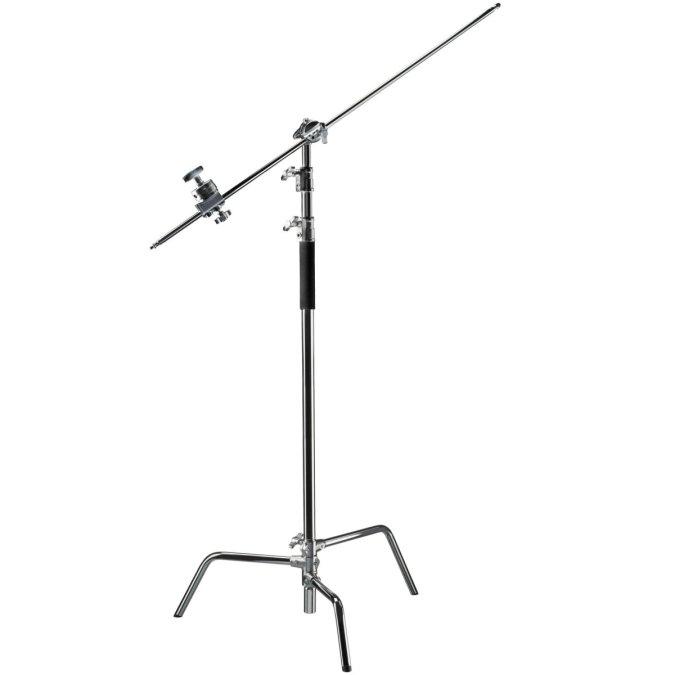
Poomstatiiv BR-C24 BRESSER C-Stand on tugev alumiiniumstatiiv, mis on mõeldud fotostuudiotele, suudab kanda raskeid Fresneli lampe ja muud stuudiovarustust. Reguleeritava pikendusvarrega seadet saab liigutada igas suunas ning selle metallkonstruktsioon tagab vastupidavuse. Statiiviga on kaasas tihvtühendus valgustite või välklampide kinnitamiseks ja klamber eri läbimõõduga torude jaoks. Sellel statiivil on õhkvedrustus sujuvaks kõrguse reguleerimiseks, maksimaalne kõrgus on 300 cm ja kandevõime 8 kg. Ideaalne professionaalsete stuudiote jaoks.
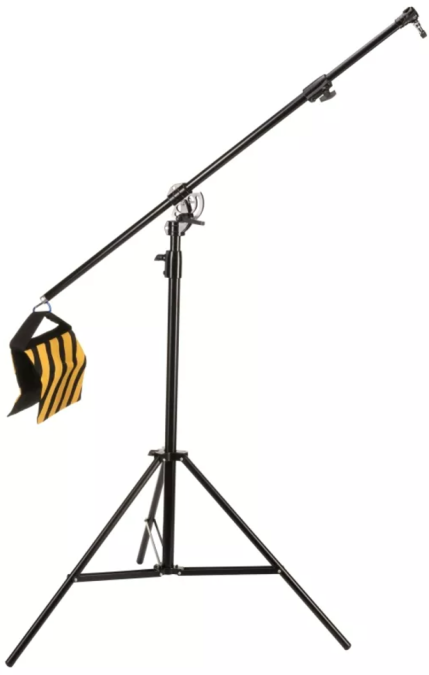
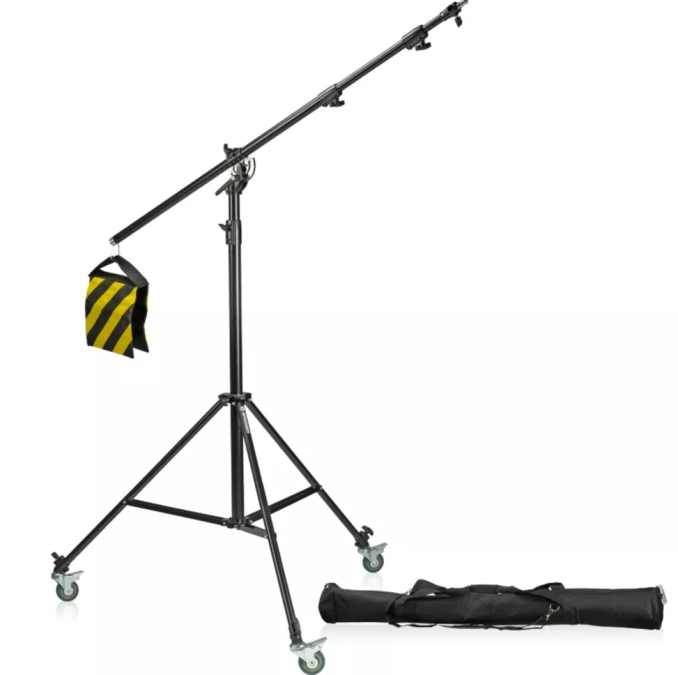
Muuda oma stuudio optimaalsemaks, kasutades poomstatiivi BRESSER BR-BLS210. Komplektis on teleskoopvars ja õhkvedrustusega alumiiniumstatiiv, mis pakub võimalust lampe, välke või kaameraid täpselt sobival moel paigutada. Reguleeritav vahemikus 138–210 cm, kandevõime kuni 4 kg, sobib suurepäraselt professionaalseks fotograafiaks ja videote tegemiseks.
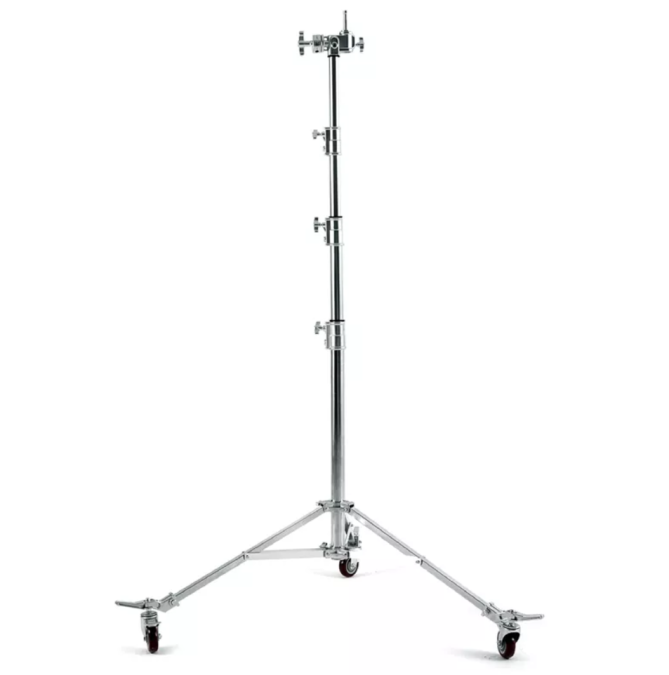
Saavuta selle professionaalse alumiiniumist valgustistatiiviga ülim stabiilsus. Tänu sujuvalt liikuvatele 7,5 cm piduritega ratastele, reguleeritavale varrele ja 505 cm maksimaalsele kõrgusele on see ideaalne raskete softbox'ide ja stuudioseadete jaoks. Kaasas vastukaalu kott, millega lisada tasakaalu ja täpsust.
Avasta enda jaoks valgustistatiiv BRESSER BR-TP440R PRO-1 – vastupidav ja stabiilne valgustistatiiv fotograafiaks ja videote tegemiseks. Selle kandevõime on kuni 5 kg ja kõrgust saab reguleerida 135-440 cm-ni. Ideaalne LED-paneelide, ringtulede ja muu jaoks.
Valgustistatiiv BRESSER BR-TP220 on vastupidav ja stabiilne alumiiniumstatiiv, mille kõrgus ulatub kuni 220 cm-ni. Sel on õhkvedrustussüsteem, metall kaetud musta pulbervärviga ja seda saab tänu mitmekülgsele tihvtiadapterile eri moel seadistada.
Valgustistatiivil BRESSER BR-TP400R on vastupidav alumiiniumkonstruktsioon ja õhkvedrustussüsteem põrutuste summutamiseks. Reguleeritav kõrgus kuni 400 cm ja must pulbervärvimine, mis minimeerib peegeldusi, pakkudes võimalust luua professionaalseid valgustusseadistusi.
Valgustistatiivil BRESSER BR-TP280 on vastupidav alumiiniumkonstruktsioon ja õhkvedrustussüsteem põrutuste summutamiseks. Reguleeritav kõrgus 120-280 cm-ni ja must pulbervärvimine, mis minimeerib peegeldusi. Ideaalne stuudiovalgustus.
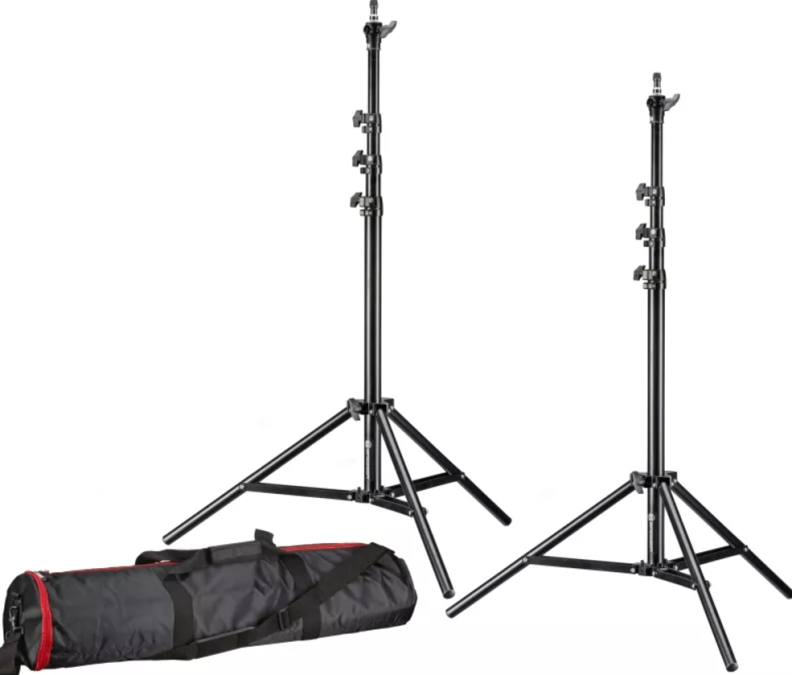
Hangi valgustitele töökindlad alused, ostes valgustistatiivide komplekti BRESSER BR-TP240-1. Sisaldab 2 alumiiniumist ja õhkvedrustusega statiivi, mille kõrgust saab reguleerida kuni 240 cm-ni ja millel on kaasas kandekott lihtsaks transportimiseks. Ideaalne komplekt valgustite ja reflektorite jaoks.
Tõsta oma stuudio valgustuse taset, kasutades valgustistatiivi BRESSER BR-LS310 PRO. 98,5–310 cm-ni reguleeritava kõrgusega statiivil on vastupidav alumiiniumkonstruktsioon, õhkvedrustus ja universaalne tihvtiadapter. Kompaktne ja professionaalne.
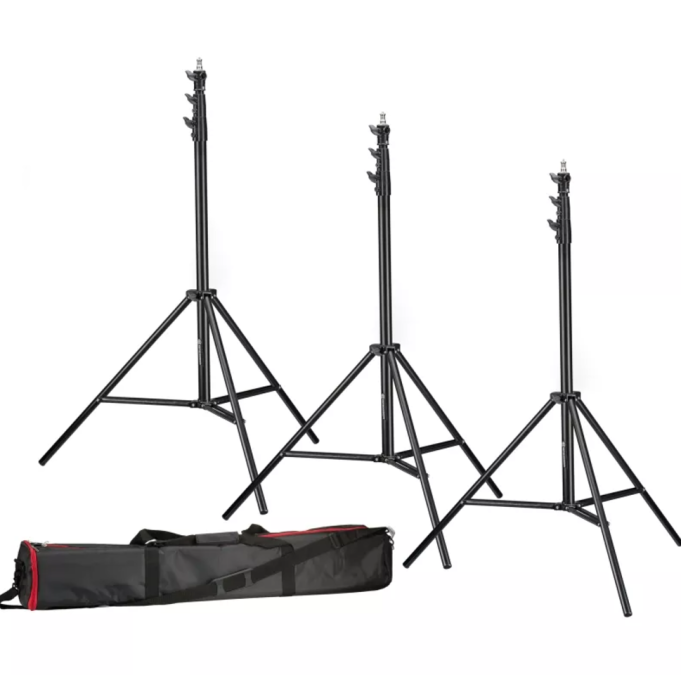
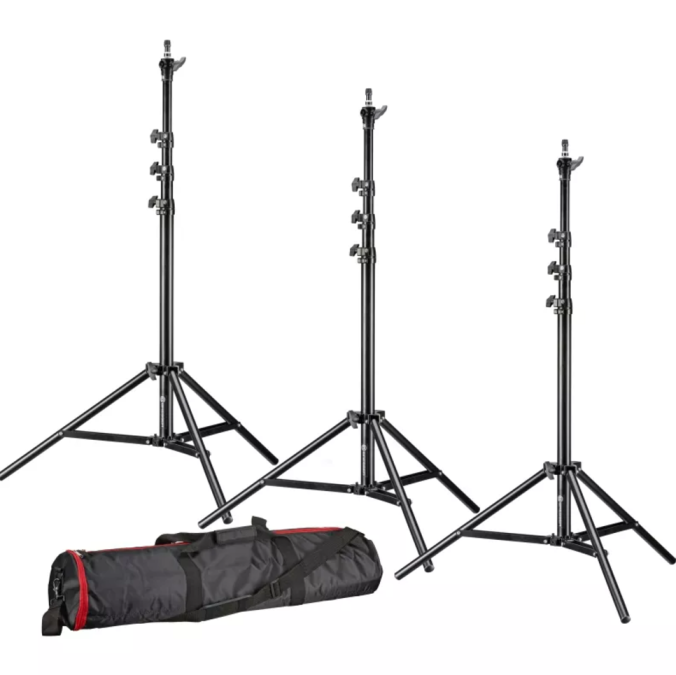
Hangi valgustitele professionaalsed stabiilsed alused, ostes kolmese statiivikomplekti BRESSER BR-TP280 PRO-1. Komplekti kuuluvad kolm 280 cm alumiiniumstatiiivi, mis on peegelduste vähendamiseks kaetud musta pulbervärviga, ja kandekott lihtsaks transportimiseks.
Tõsta oma stuudio taset, kasutades vastupidavat kombineeritud statiivi BRESSER BR-C6M. 6 m maksimaalne kõrgus, 30 kg kandevõime ja tugevad rattad sobivad suurepäraselt professionaalseks fotograafiaks ja videote salvestamiseks.
Tõsta oma stuudio valgustuse taset, kasutades valgustistatiivi komplekti BRESSER BR-TP240 PRO-1. Komplekti kuuluvad kolm vastupidavat 240 cm alumiiniumstatiiivi, mis on peegelduste vähendamiseks kaetud musta pulbervärviga, ja kandekott lihtsaks transportimiseks.
Valgustistatiivil BRESSER BR-TP180 on vastupidav alumiiniumkonstruktsioon ja õhkvedrustussüsteem ning statiivi kõrgus ulatub kuni 180 cm-ni. Ideaalne stuudiovälkudele ja -valgustitele, peegelduste vähendamiseks kaetud musta pulbervärviga.
Tõsta oma fotostuudio taset, kasutades vastupidavat kombineeritud statiivi BRESSER Profi BR-C30. 300 cm maksimaalne kõrgus, 20 kg kandevõime ja tugev alumiiniumkonstruktsioon sobivad suurepäraselt stuudiosse ja ka võttepaigal toimuvatele fotosessioonidele.