Müüja | Saadavus | ||||
|---|---|---|---|---|---|
| Krisostomus | Robotic Cell Manipulation GTIN: 9780323852593 Raamatud Robotic Cell Manipulation introduces up-to-date research to realize this new theme of medical robotics. The book is organized in three levels: operation tools (e.g., optical tweezers, microneedles, dielectrophoresis, electromagnetic devices, and microfluidic chips), manipulation types (e.g., microinjection, transportation, rotation fusion, adhesion, separation, etc.), and potential medical applications (e.g., micro-surgery, biopsy, gene editing, cancer treatment, cell-cell interactions, etc.). The technology involves different fields such as robotics, automation, imaging, microfluidics, mechanics, materials, biology and medical sciences. The book provides systematic knowledge on the subject, covering a wide range of basic concepts, theories, methodology, experiments, case studies and potential medical applications. It will enable readers to promptly conduct a systematic review of research and become an essential reference for many new and experienced researchers entering this unique field. Introduces the applications of robot-assisted manipulation tools in various cell manipulation tasks Defines many essential concepts in association with the robotic cell manipulation field, including manipulation strategy and manipulation types Introduces basic concepts and knowledge on various manipulation devices and tasks Describes some cutting-edge cell manipulation technologies and case studies <br><br> Autorid: Dong Sun <br> |  | Tellimisel (tarne 10-14 tp) | 179,85 € | Poodi |
| Arvutitark OÜ | Robotic Cleaner Roborock Q7 TF+ Tootekood: Q7TFP52-00 GTIN: 6936905902047 Vacuum cleaners Auto dock | Suction power 10000 Pa | Battery capacity 3200 mAh | Work time 2.5 hours | Dust bin capacity 2.7 l | Dimensions Robot Dimensions: 325*325*99mm; Dock Dimensions: 212*178*259mm | Weight 3 kg |  | 199,00 € | Poodi | |
| Krisostomus | Robotic Landscapes: Designing the Unfinished GTIN: 9783038602545 Raamatud The first book on the use of robotic technology in landscape design that introduces new, dynamic methods and previously inconceivable scenarios for implementation. The Department of Architecture at ETH Zurich has been researching the integration of robots into the architectural practice, both in design and the fabrication process, for some time. This bookcreated in collaboration with the chair of Christophe Girot, Gramazio Kohler Research, and Marco Hutter at ETH Zurichs Robotic Systems Labis the first to investigate the use of robot-based construction equipment for large-scale soil grading in landscape architecture. As landscapes evolve due to ever-changing environmental conditions, the application of autonomous systems that respond to the environment rather than perform predefined and static earthwork is of particular interest in this field.Robotic Landscapes sheds light on a series of groundbreaking experiments in an interdisciplinary collaboration of landscape design, environmental engineering, and robotics that aims to make landscape architecture sustainable and ecological in the long term. <br><br> Autorid: Ilmar Hurkxkens, Fujan Fahmi, Ammar Mirjan <br> |  | Tellimisel (tarne 10-14 tp) | 44,22 € | Poodi |
| Arvutitark OÜ | Robotic lawn mower MOVA LIDAX/ULTRA 1200 MXXM4100 DREAME Tootekood: MXXM4100 GTIN: 6977973410782 Lawn Mowers Type Robotic lawn mower | Maximum lawn area 1200 m2 | Minimum cutting height 30 mm | Maximum cutting height 100 mm | Edge cutting function Yes | Suitable for slope up to 45 % | Drive type Rear wheel drive | Noise level 57 dB | Theft protection Yes | Power source Battery | Battery capacity 5 Ah | Weight 13 kg |  | 1047,90 € | Poodi | |
| Olibro | Robotic Urologic Surgery Tootekood: A47839679 GTIN: 9783031006487 Meditsiin ja õendusabi This heavily revised third edition gives an essential textbook which provides a comprehensive guide to robotic surgical techniques in urology. Extensively updated chapters cover general aspects of surgery such as aspects of operating room preparation and anesthesia. Instructions on how to use a variety of the latest techniques for procedures associated with the kidney, prostate, bladder and testicle are covered. Detailed information on how to improve outcomes, avoid potential complications and pitfalls is also provided. Instructive video clips assist the reader in being able to visualize how to enhance their methodologies further. Robotic Urologic Surgery is a detailed up-to-date resource that includes contributions from leading robotic urologic surgeons from around the world. It assists readers in refining their surgical technique and improving their patient care. Therefore, it is a critical resource for all practicing and trainee physicians involvedin the care of these patients. |  | 107,99 € | Poodi | |
| Libristo | Robotic Urologic Surgery GTIN: 9783031006487 Urology & urogenital medicine This heavily revised third edition gives an essential textbook which provides a comprehensive guide to robotic surgical techniques in urology. Extensively updated chapters cover general aspects of surgery such as aspects of operating room preparation and anesthesia. Instructions on how to use a variety of the latest techniques for procedures associated with the kidney, prostate, bladder and testicle are covered. Detailed information on how to improve outcomes, avoid potential complications and pitfalls is also provided. Instructive video clips assist the reader in being able to visualize how to enhance their methodologies further.Robotic Urologic Surgery is a detailed up-to-date resource that includes contributions from leading robotic urologic surgeons from around the world. It assists readers in refining their surgical technique and improving their patient care. Therefore, it is a critical resource for all practicing and trainee physicians involved in the care of these patients. |  | 14 | 99,69 € +0,10 € | Poodi |
| Kaup24 |  | 19,10 € | Poodi | ||
| Krisostomus | Robotics GTIN: 9781644876305 Raamatud "Amazing photography accompanies engaging information about military robotics. The combination of high-interest subject matter and light text is intended for students in grades 3 through 7"--Provided by publisher. <br><br> Autorid: Matt Chandler <br> |  | Tellimisel (tarne 10-14 tp) | 20,54 € | Poodi |
| Krisostomus | Robotics Activity Book: Robots and the Programming That Makes Them Go! GTIN: 9781912909070 Raamatud Future robotics engineers will love the mix of non-fiction and activities in this educational book full of BIG ideas. Fun games and puzzles teach boys and girls about robotics, automation, programming and engineering. Start a lifelong passion for STEM subjects. <br><br> Autorid: Jenny Jacoby, Vicky Barker <br> |  | Tellimisel (tarne 10-14 tp) | 12,44 € | Poodi |
| Libristo | Robotics Algorithms GTIN: 9798189861321 Robotics The Robot Does Not Care How Elegant Your Equation Looks.If it cannot perceive uncertainty, locate itself, avoid collisions, control its motion, manipulate objects, and recover when reality refuses to match the model, it fails.Most robotics books make one of two mistakes.They bury the reader under mathematics without showing how the equations become working autonomous systems. Or they offer disconnected code recipes without explaining the algorithms deeply enough to modify, debug, or improve them.Robotics Algorithms closes that gap.This is a rigorous, systems-level guide to the computational methods that make robots perceive, plan, decide, and act. It connects mathematical foundations directly to real-world implementation-from coordinate transformations and Bayesian estimation to SLAM, trajectory optimization, adaptive control, swarm intelligence, robotic manipulation, and autonomous deployment.Inside, You Will Learn How To:Build the mathematical foundations required for modern robotics, including linear algebra, probability, optimization, kinematics, dynamics, Jacobians, and configuration spaces.Select and implement motion-planning methods such as A*, Dijkstra's algorithm, RRT, PRM, CHOMP, and model predictive control.Fuse noisy sensor data, estimate robotic state, and construct reliable maps using modern localization and SLAM techniques.Design stable controllers for mobile robots, manipulators, legged systems, and aerial platforms.Apply machine learning and reinforcement learning without losing sight of physical constraints, safety, stability, or real-time performance.Coordinate multi-robot teams and swarms through distributed planning, task allocation, communication, and collective decision-making.Connect perception to grasping, manipulation, haptics, and human-robot interaction.Move from algorithm design to practical implementation using Python, C++, ROS, simulation, testing, and deployment workflows.Unlike a collection of isolated techniques, Robotics Algorithms shows how the complete robotics stack fits together. You will see how perception affects planning, how planning constrains control, how uncertainty propagates through the system, and why algorithms that succeed in simulation can collapse when placed on real hardware.The Second Edition expands and strengthens this systems perspective, providing a clearer route from mathematical understanding to reliable autonomous performance.This book is for engineering students, robotics researchers, software developers, and technical professionals who want more than superficial explanations or copy-and-paste code. It is for readers who want to understand why an algorithm works, when it fails, and how to turn it into part of a capable robotic system.If you are ready to move beyond demonstrations and start understanding the algorithms that make autonomous machines work, get Robotics Algorithms today. |  | 14 | 28,00 € +0,01 € | Poodi |
| Krisostomus | Robotics for Architectural Restoration GTIN: 9781032968247 Raamatud In the current age of automation, there is a growing opportunity to connect design and manufacturing into a single workflow that harnesses industrial tools such as robots and brings their efficiencies to vulnerable building sites within the conservation of cultural heritage.Robot-heritage integration is key to accomplishing high-profile conservation efforts that can combine technology with site-specific cultural instances and also address the synthesis of design, time, labor, and material. This book brings together years of original research and provides practical applications, case studies with in-depth analysis, and technical guidance, including drawings and diagrams. Codarin proposes a methodology that can be developed and scaled up to maximize impact on the future of the ever-important fields of cultural heritage and historic preservation.The first book to comprehensively research the intersection of robotics, digital fabrication, restoration theory, and digital technologies in data collection, this will be of great interest to all students and professionals supporting architectural restoration and conservation, as well as those working in robotics and AI for the architectural and construction industries. In the current age of automation, there is a growing opportunity to connect design and manufacturing into a single workflow that harnesses industrial tools such as robots and brings their efficiencies to vulnerable building sites within the conservation of cultural heritage. <br><br> Autorid: Sara Codarin <br> |  | Tellimisel (tarne 10-14 tp) | 56,99 € | Poodi |
| Libristo | Robotics for Babies GTIN: 9781492671190 Children’s picture books Help your future genius become the smartest baby in the room by introducing them to robotics with the next installment of the Baby University board book series! Enjoy these simple explanations of complex ideas for your future genius. The perfect robot baby toy or baby engineering book for parents looking to kick start their baby's learning!Robotics for Babies is a colorful, simple introduction to the technology behind robots. This engineering board book is full of scientific and mathematical information from experts Dr. Sarah Kaiser and Chris Ferrie. Robotics for Babies is the perfect book to teach complex robotics concepts in a simple, engaging way. It's never too early to become a scientist!Set the children in your life on a lifelong path to learning with the next incredible installment of the Baby University board book series. |  | 14 | 8,29 € | Poodi |
| Krisostomus | Robotics for Babies GTIN: 9781492671190 Raamatud Open the door to a lifetime of curiosity! A joyful, brain-boosting first step into robotics for babies and toddlers. Unleash your toddlers natural curiosity with a board book that goes beyond ABCs and 123s. Robotics for Babies gently introduces foundational robotics and engineering ideas simplified for the tiniest thinkers. Written by physicist Chris Ferrie and research engineer Dr. Sarah Kaiser, this board book introduces your little one to the world of machines, movement, and imagination in a way thats playful, visual, and developmentally spot-on. Designed for babies ages 03, its a standout tool for parents who want to combine early bonding with future-focused learning. Why parents and educators recommend Robotics for Babies: Scientifically sound, baby-friendly Authored by experts, built for developing brains Ideal screen-free gift for smart starts A thoughtful pick for baby showers, birthdays, or early education libraries. STEM starter Introduces automation, coding basics, and problem-solving through relatable imagery Grows with your child Engaging now, meaningful later as understanding deepens <br><br> Autorid: Chris Ferrie, Sarah Kaiser <br> |  | Tellimisel (tarne 10-14 tp) | 13,29 € | Poodi |
| Libristo | ROBOTICS FOR KIDS AGES 8-12 GTIN: 9798253738450 Educational: IT & computing, ICT Every great engineer, coder, and inventor started exactly where your child is right now - curious, creative, and ready to build something real. This hands-on beginner's guide transforms that spark into genuine skill, taking young learners on an exciting journey through electronics, construction, and programming using affordable, easy-to-find components and clear, jargon-free explanations. From understanding how electricity flows through a circuit to wiring up their very first microcontroller, kids will discover that robotics isn't a subject reserved for laboratories - it's something they can start building on the kitchen table today.What sets this guide apart is its uncompromising commitment to understanding, not just imitation. Concepts like voltage, current, and resistance are brought to life through relatable analogies - electricity as flowing water, coding logic as giving instructions to a pet. Each chapter builds purposefully on the last, progressing from a simple LED circuit to a light-activated switch, then to a fully functional motor-driven Buggy Bot, an Obstacle Detector, and even a Drawing Robot. Safety, troubleshooting, and the engineering mindset are woven throughout, ensuring young makers don't just follow steps - they learn to think like designers who can diagnose problems and iterate confidently.For parents, this book is as much an investment as it is an adventure. The skills built here - patience, logical reasoning, creative problem-solving, and the resilience to debug and try again - are the very foundations of tomorrow's most in-demand careers in technology, automation, and engineering. Designed for shared discovery, this guide invites families to learn side by side, turning every successfully blinking light and moving wheel into a moment of shared pride. The future belongs to those who can build it - and this is where that journey begins. |  | 14 | 14,70 € +0,01 € | Poodi |
| Libristo | ROBOTICS KINEMATICS & DYNAMICS Problems, Solutions & Numerical Methods GTIN: 9798258994417 Robotics This book presents a comprehensive collection of solved problems in robotics kinematics and dynamics, designed for students, researchers, and practicing engineers. It bridges the gap between theoretical concepts and practical applications through clear, step-by-step numerical solutions.Covering essential topics such as forward and inverse kinematics, Jacobians, trajectory planning, and Lagrangian dynamics, the book provides a structured approach from fundamental principles to advanced problem-solving techniques.Each problem is accompanied by detailed explanations, verified results, and physical interpretations to strengthen conceptual understanding. In addition, MATLAB and Python implementations are included to support computational learning and real-world applications.With a strong emphasis on clarity, accuracy, and practical relevance, this book serves as a valuable resource for mastering robotics analysis and design. | 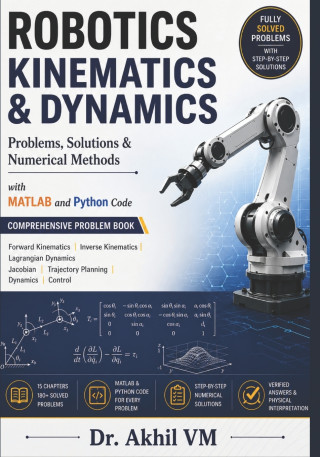 | 14 | 12,00 € +0,01 € | Poodi |
| Libristo | ROBOTICS NOTES V01 GTIN: 9781772942606 Science fiction The year is 2019, Steins;Gate world line "1.048596%". On the island of Tanegashima, augmented reality has exploded in popularity and robots are becoming last year’s fad. In danger of being closed, the Chuo Tanegashima High School Robotics Research Club decide on one final project… to build their own GIANT ROBOT! |  | 90 | 21,49 € | Poodi |
| Libristo | Robotics, Vision and Control GTIN: 9783031072611 Automatic control engineering This textbook provides a comprehensive, but tutorial, introduction to robotics, computer vision, and control. It is written in a light but informative conversational style, weaving text, figures, mathematics, and lines of code into a cohesive narrative. Over 1600 code examples show how complex problems can be decomposed and solved using just a few simple lines of code. This edition is based on MATLAB® and a number of MathWorks® toolboxes. These provide a set of supported software tools for addressing a broad range of applications in robotics and computer vision. These toolboxes enable the reader to easily bring the algorithmic concepts into practice and work with real, non-trivial, problems. For the beginning student, the book makes the algorithms accessible, the toolbox code can be read to gain understanding, and the examples illustrate how it can be used. The code can also be the starting point for new work, for practitioners, students, or researchers, by writing programs based on toolbox functions. Two co-authors from MathWorks have joined the writing team and bring deep knowledge of these MATLAB toolboxes and workflows. | 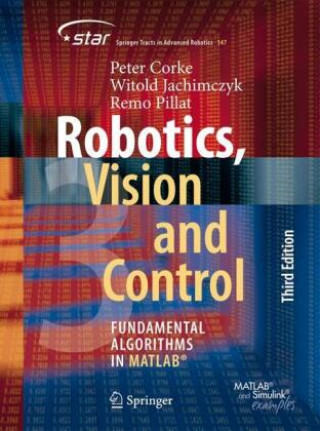 | 14 | 68,19 € | Poodi |
| Krisostomus | Robotics: A Very Short Introduction GTIN: 9780199695980 Raamatud Robotics is a key technology in the modern world. Robots are a well-established part of manufacturing and warehouse automation, assembling cars or washing machines, and, for example, moving goods to and from storage racks for Internet mail order. More recently robots have taken their first steps into homes and hospitals, and seen spectacular success in planetary exploration. Yet, despite these successes, robots have failed to live up to the predictions of the 1950s and 60s, when it was widely thought - by scientists and engineers as well as the public - that by turn of the 21st century we would have intelligent robots as butlers, companions, or co-workers. This Very Short Introduction explains how it is that robotics can be both a success story and a disappointment, how robots can be both ordinary and remarkable, and looks at their important developments in science and their applications to everyday life. ABOUT THE SERIES: The Very Short Introductions series from Oxford University Press contains hundreds of titles in almost every subject area. These pocket-sized books are the perfect way to get ahead in a new subject quickly. Our expert authors combine facts, analysis, perspective, new ideas, and enthusiasm to make interesting and challenging topics highly readable. <br><br> Autorid: Alan Winfield <br> |  | Tellimisel (tarne 10-14 tp) | 13,19 € | Poodi |
| Libristo | Robotics: Everything You Need to Know About Robotics from Beginner to Expert GTIN: 9781523731510 Robotics Explore the Fascinating World of Robotics Do you love robots? Are you fascinated with modern advances in technology? Do you want to know how robots work? If so, you'll be delighted with Robotics: Everything You Need to Know About Robotics from Begi |  | 14 | 21,80 € +0,01 € | Poodi |
| Krisostomus | Robotics: Meet the Robots and Find Out the Amazing Ways They're Changing Our World GTIN: 9780241759806 Raamatud Discover how robots are revolutionising everything from medicine to space exploration in this stunning robotics book for kids ages 7-9. Robots are no longer just science fiction they're real, and they're changing the world! From healthcare to manufacturing, and even space exploration, robots are everywhere. Robotics introduces curious minds to the amazing world of robotics, where cutting-edge technology meets human innovation. Learn how robots are designed, how they think, and how they are used in various fields to make life better for everyone. This robotics book for kids offers: A refreshing new, curriculum-friendly perspective that explains both everyday tech and more advanced innovations. Inspiring insights on the positive impact of technology for our planet and its people. Engaging, practical information perfect for students and tech enthusiasts interested in STEM. This book shows how robotics will shape future industries and our personal lives, with insights into AI, machine learning, and automation, showcasing the latest advances in robotics in healthcare, manufacturing, space exploration, and more! More in the series Robotics is the second STEM book in our Adventures in Tech series, perfect for young tech enthusiasts. Interested in the technology connecting and protecting our planet? Continue learning with Satellites. <br><br> Autorid: Kate Peridot <br> |  | Tellimisel (tarne 10-14 tp) | 20,75 € | Poodi |
| Kaup24 | Robotid Silverlit Kombat Tootekood: 88052 GTIN: 4891813880523 Poiste mänguasjad Robotid Silverlit Kombat |  | 45,36 € | Poodi | |
| Krisostomus | Robotid: superajud ja tugevad abilised GTIN: 9789949580224 Raamatud Tehastes või haiglates, sportimisel või mänguasjadena " robotid on kütkestavad masinad ja meie igapäevaelu ei oska enam ilma nendeta ettegi kujutada. Marsikulgurid uurivad punast planeeti, droonid lendavad nagu võluväel ja robot Beetle aitab tubade koristamisel. Kuidas robot toimib? Milliseid ülesandeid suudab ta täita ja kus on tema piirid? Käesolevas "MIS ON MIS" raamatus saavad noored lugejad teada kõik nende superajude kohta, mis vallutavad järk-järgult üha enam eluvaldkondi. Ülimalt ajakohane ja eriti populaarne on poiste seas! <br><br> Autorid: Bernd Flessner <br> |  | Laos (tarne 4-5 tp) | 14,19 € | Poodi |
| Kaup24 | Robotime Dora’s Loft 3D pusle GTIN: 6946785164343 Klotsid ja konstruktorid Robotime Dora’s Loft 3D pusle |  | 49,00 € | Poodi | |
| Kaup24 | Robotime Kiikuv karussell GTIN: 1959135963867 Pusled Robotime Kiikuv karussell |  | 88,18 € | Poodi | |
| Kaup24 | Robotime Kokkupandav puidust 3d mudel - gloobus pusle GTIN: 7938106047342 Pusled Robotime Kokkupandav puidust 3d mudel - gloobus pusle |  | 49,70 € | Poodi | |
| Kaup24 | Robotime Kokkupandav puidust 3d mudel - Šokolaadivabrik GTIN: 2324962546788 Pusled Robotime Kokkupandav puidust 3d mudel - Šokolaadivabrik |  | 149,05 € | Poodi | |
| Kaup24 | Robotime mc401 vintage grand prix puidust autod, 22.8 x 15.3 x 1.2 cm, tükke: 220 tk GTIN: 9829010356119 Pusled Robotime mc401 vintage grand prix puidust autod, 22.8 x 15.3 x 1.2 cm, tükke: 220 tk |  | 44,02 € | Poodi | |
| Kaup24 | Robotime Miller’s Garden 3D pusle GTIN: 6946785164008 Klotsid ja konstruktorid Robotime Miller’s Garden 3D pusle |  | 1-2tp | 39,00 € | Poodi |
| Kaup24 | Robotime Nanci Bear Blind Box Pliuškaru, kollektsionäärne kingitus lastele ja täiskasvanutele, 1 tk. GTIN: 6123456799930 Pehmed mänguasjad Robotime Nanci Bear Blind Box Pliuškaru, kollektsionäärne kingitus lastele ja täiskasvanutele, 1 tk. |  | 1-2tp | 21,99 € | Poodi |
| Kaup24 | Robotime Nanci Bunny Blind Box Plush Jänku, kollektsionäärne kingitus lastele ja täiskasvanutele, 1 tk. GTIN: 6946785125122 Pehmed mänguasjad Robotime Nanci Bunny Blind Box Plush Jänku, kollektsionäärne kingitus lastele ja täiskasvanutele, 1 tk. |  | 1-2tp | 21,99 € | Poodi |
| Kaup24 | Robotime pärna vineerpaneelid, 30 tk, 420 x 305 x 3 mm, töötlemata puidust paneel isetegemise jaoks, lasertöötluseks, värvimiseks, pürograafiaks, kodukaunistuseks, isetegemiseks ja mudelite valmistamiseks GTIN: 1606379419413 Liimitavad mudelid Robotime pärna vineerpaneelid, 30 tk, 420 x 305 x 3 mm, töötlemata puidust paneel isetegemise jaoks, lasertöötluseks, värvimiseks, pürograafiaks, kodukaunistuseks, isetegemiseks ja mudelite valmistamiseks |  | 103,22 € | Poodi | |
| Kaup24 | Robotime Puidust 3d pusle - Pendliga seinakell kingitus GTIN: 6613628905172 Pusled Robotime Puidust 3d pusle - Pendliga seinakell kingitus |  | 103,07 € | Poodi | |
| Kaup24 | Robotime puidust 3d pusle Muinasjutu tõld GTIN: 7128227994636 Pusled Robotime puidust 3d pusle Muinasjutu tõld |  | 30,68 € | Poodi | |
| Kaup24 | Robotime Vitascope 3D pusle GTIN: 6946785165098 Klotsid ja konstruktorid Robotime Vitascope 3D pusle |  | 45,00 € | Poodi | |
| Bauhof | ROBOTMURUNIIDUK GARDENA SILENO LIFE 700M² Tootekood: 728649 GTIN: 4078500062657 Robotniidukid Gardena robotmuruniiduk Sileno Life sobib ideaalselt väiksemate muruplatside jaoks, pakkudes kõrget jõudlust ja mugavat niitmist. Rakenduse GARDENA Bluetooth® abil saab sisestada muru suurust, soovitud niitmispäevad ja eelistatud algusaeg. Robotniiduk koostab ajakava, niidukit on võimalik juhtida Bluetooth®-i kaudu kuni 10 m kauguselt. Vaikne mootor, mille madalaim müratase on ainult 57 dB (A). SensorControli juhendamisel otsustab robot ise, kui sageli muru vajab niitmist, lähtudes muru kasvust. Rakenduste Auto Weather ja Terrain abil alustab tööd ja niidab muru iseseisvalt, olenemata ilmast, vihmast või muudest teguridest. Robotniiduk märkab, kui maa on külmunud või liiga härmas ja peatab oma programmi, kuni maa on sulanud. Saab probleemideta hakkama kitsastes koridorides ja vahekäikudes. Laadimisjaama saab samuti peaaegu piiranguteta seadistada. Piirdekaabel paneb paindlikult, kuid usaldusväärselt paika niitmisala, tagades et robotniiduk niidab ainult määratletud alasid. Äärmiselt tundlikud kokkupõrkeandurid ei lase robotniidukil aias olevate takistuste taha pidama jääda. Kui seade on osaliselt tõstetud, peatavad teised andurid kohe lõiketerade töö, et ennetada vigastusi. Sobilik kuni 700 m² suurusele muruplatsile. Lõikekõrgus on 20 - 50 mm, töölaius 22 cm. | 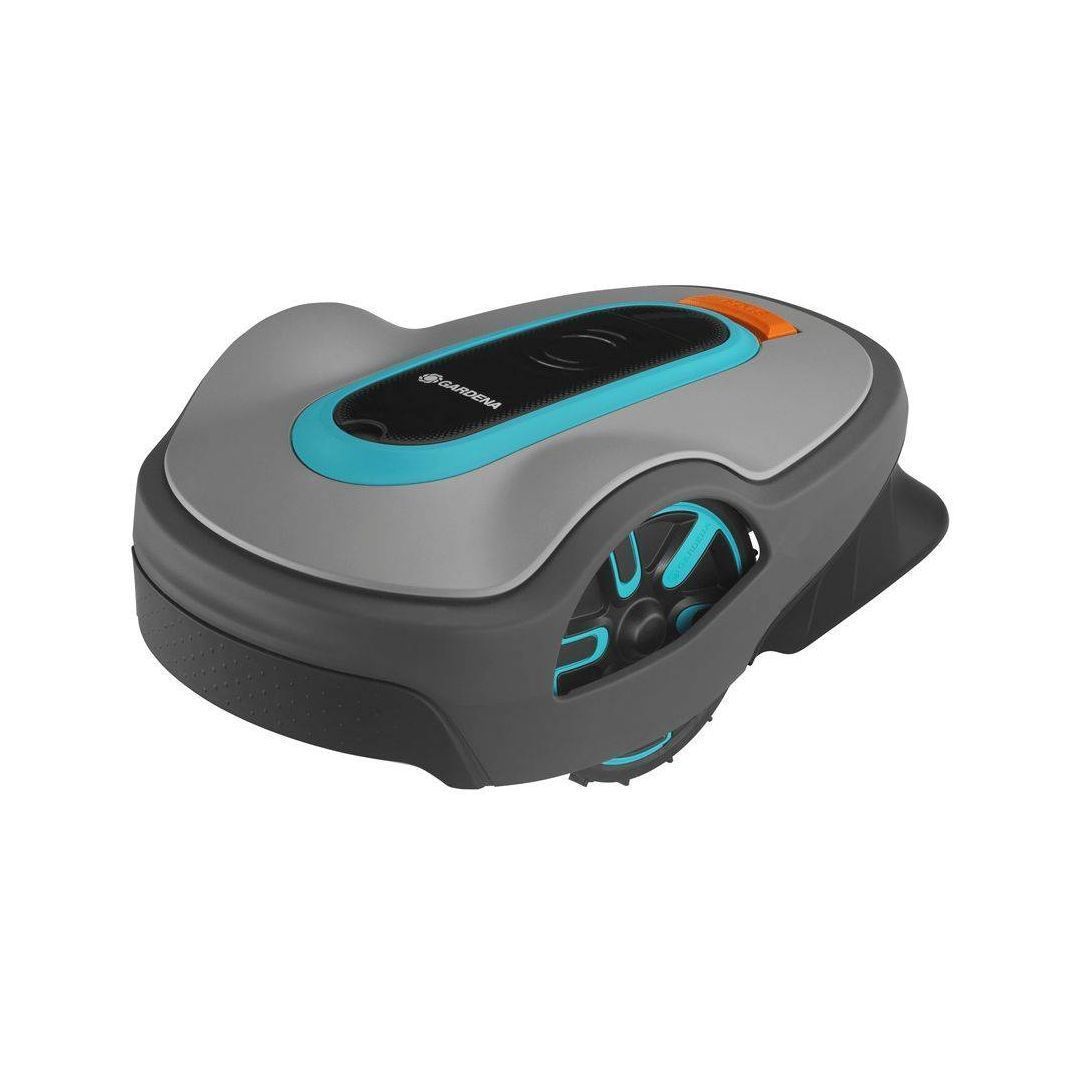 | Kohal | 899,00 € | Poodi |
| Bauhof | ROBOTNIIDUK AIRSEEKERS TRON SE 300W 1500M2 MULTŠIMISSÜSTEEMIGA Tootekood: 782482 GTIN: 717690720070 Robotniidukid Airseekers TRON SE on nutikas ja juhtmevaba robotniiduk, mis on loodud keskmise suurusega aedade muruniiduki täielikuks automatiseerimiseks. See ühendab endas täiustatud tehisintellektiga navigeerimise, professionaalse niitmisjõudluse ja vaevatu juhtmevaba seadistamise, pakkudes järjepidevalt puhast ja tervet muru minimaalse kasutaja pingutusega.<br /><br><br /><br>Juhtmevaba täpsus tehisintellektiga navigeerimisega<br /><br>Unustage piirdekaablid ja keeruline paigaldus. TRON SE kasutab võimsat VSLAM-i ja võrgu RTK (nRTK) positsioneerimise kombinatsiooni, et saavutada tollide täpsus ja täisautomaatne muru kaardistamine.<br /><br>Selle integreeritud 140° tehisintellektiga nägemissüsteem tuvastab takistusi reaalajas ja navigeerib ohutult lemmikloomade, objektide ja aiaelementide ümber.<br /><br>Nutika automaatse kaardistamise ja rakenduse juhtimisega võtab seadistamine vaid minuteid ning niitmistsooneid saab vaevata kohandada.<br /><br><br /><br>FlowCut™ multšimissüsteem – niida, sööda ja täiusta<br /><br>TRON SE tuumaks on revolutsiooniline FlowCut™ multšimissüsteem, mis on loodud lihtsast niitmisest kaugemale minemiseks:<br /><br>Lift & Cut: Aerodünaamiline õhuvool tõstab lamedaks jäänud või märja muru ühtlaseks niitmiseks.<br /><br>Tsükloniline multšimine: Kahekihilised terad loovad kiire keerise, mis purustab niidetud rohu.<br /><br>Looduslik väetamine: Ülipeen multš jaotub murule ühtlaselt.<br /><br>Selle protsessi tulemusel saadakse kuni 30% peenem niidetud muru kui tavalise multšimise korral, mis aitab parandada mulla niiskuse säilimist ja muru tihedust.<br /><br><br /><br>Nutikas sooritusvõime igal maastikul<br /><br>Reaalsete muruplatside jaoks loodud TRON SE saab keeruliste tingimustega hõlpsalt hakkama:<br /><br><br /><br>Kuni 65% (33°) kallakuga maastikul<br /><br>Topeltvedu taga ja mitmerattaline esivedu stabiilse liikumise tagamiseks<br /><br>Tõhus niitmisjõudlus umbes 200 m² tunnis<br /><br>Ideaalne muruplatsidele suurusega kuni 1500–1800 m²<br /><br><br /><br>Selle vastupidav disain tagab usaldusväärse töö ebatasasel pinnal, igasuguse muruliigiga ja ilmastikutingimuste korral.<br /><br><br /><br>Täisautomaatne, rakendusega juhitav töö<br /><br>TRON SE on loodud tõeliseks „seadista ja unusta“ mugavuseks:<br /><br><br /><br>Automaatne muru kaardistamine ja nutikas marsruudi planeerimine<br /><br>Kohandatud ajastamine ja tsoonide juhtimine mobiilirakenduse kaudu<br /><br>Ühenduvus WiFi, Bluetoothi ja 4G kaudu<br /><br>Toetab mitme tsooni haldust ja nutikaid niitmismustreid [amazon.de]<br /><br><br /><br>Niiduk tegeleb kõigega alates navigeerimisest kuni laadimiseni autonoomselt, vabastades teid käsitsi niitmisest.<br /><br><br /><br>Loodud kestma – usaldusväärne iga ilmaga<br /><br>TRON SE on loodud vastupidavaks ja sobib aastaringseks kasutamiseks:<br /><br><br /><br>IPX6 veekindluse klass sobib kasutamiseks märgades tingimustes<br /><br>Suure jõudlusega liitiumioonaku (10 Ah)<br /><br>Vaikne töö (≤65 dB) nii päeval kui ka öösel niitmiseks<br /><br>Vastupidav konstruktsioon, mis on loodud pikaajaliseks töökindluseks<br /><br><br /><br>Peamised omadused:<br /><br>Juhtmevaba niitmine VSLAM-i ja nRTK täppisnavigatsiooniga<br /><br>Täiustatud FlowCut™ multšimissüsteem tervemate murude jaoks<br /><br>Tehisintellektil põhinev takistuste tuvastamine ja vältimine (140° vaateväli)<br /><br>Saab hakkama kuni 65% (33°) nõlvadega<br /><br>Rakendusega juhitav automaatse kaardistamise ja ajastamisega<br /><br>Katvus kuni ~1500–1800 m²<br /><br>Vastupidav IPX6 ilmastikukindel disain | 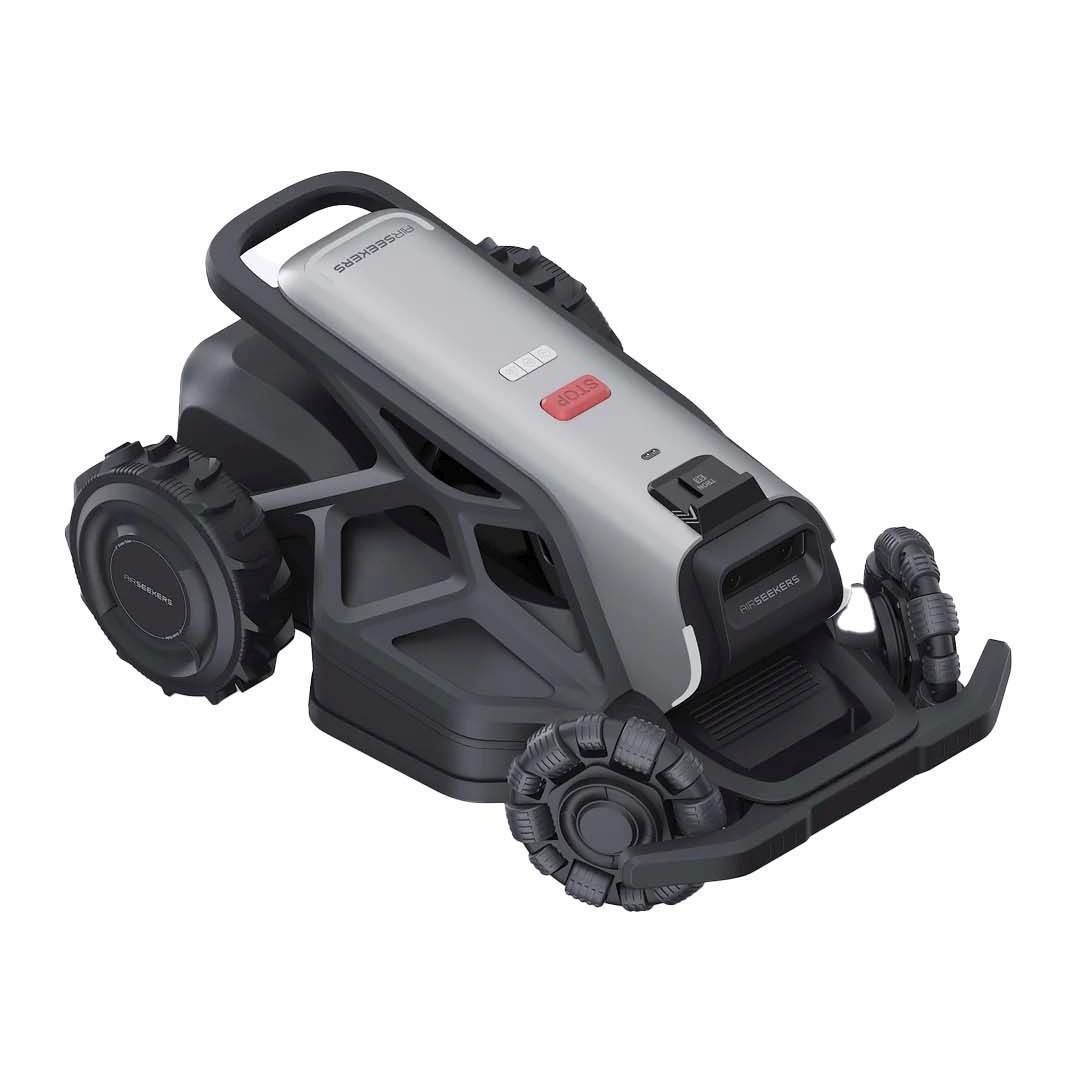 | Kohal | 1049,00 € | Poodi |
| Bauhof | ROBOTNIIDUK ANTHBOT GENIE 1000 2000M² Tootekood: 784601 GTIN: 8885022190043 Robotniidukid ANTHBOT Genie 1000 on kaasaegne robotniiduk, mis muudab muru hooldamise lihtsaks, automaatseks ja mugavaks. See on loodud kuni 2000 m² suuruste murualade jaoks ning sobib hästi nii väiksematesse koduaedadesse kui ka keerukama kujuga murupindadele. Genie 1000 hoolitseb muru korrapärase niitmise eest iseseisvalt, võimaldades sul säästa aega ja nautida alati hoolitsetud välimusega muru.<br /><br><br /><br>Virtuaalne piiritlemine – paigaldustööd jäävad ära<br /><br>Üks Genie 1000 olulisemaid eeliseid on virtuaalne piiritlemine, mille puhul ei ole vaja kogu aia ümber paigaldada füüsilist piirdetraati. Tööala saab määrata nutikalt ning vajadusel muuta, ilma et peaks maapinda kaevama või paigaldama täiendavaid juhtmeid. See teeb roboti kasutuselevõtu kiireks ja mugavaks ning annab suurema paindlikkuse aia planeeringu muutmisel.<br /><br><br /><br>Täpselt planeeritud niitmine<br /><br>Genie 1000 on loodud süstemaatiliseks ja efektiivseks niitmiseks. Robot liigub tööalal nutikalt ning hoolitseb selle eest, et muru saaks regulaarse hoolduse. Sage niitmine aitab hoida muru ühtlase ja hoolitsetud välimusega ning peeneks lõigatud murupuru saab jääda murupinnale looduslikuks väetiseks.<br /><br><br /><br>Sobib erineva kujuga aedadesse<br /><br>Tänu nutikale navigeerimisele suudab Genie 1000 töötada ka keerukama planeeringuga murualadel. Robot aitab hooldada nii avatud murupindu kui ka aedu, kus esineb kitsamaid alasid ja erinevaid tsoone. Vajadusel saab tööala seadistada vastavalt konkreetse aia vajadustele.<br /><br><br /><br>Takistuste tuvastamine<br /><br>Genie 1000 kasutab takistuste tuvastamiseks intelligentset süsteemi, mis aitab robotil märgata tema teele jäävaid objekte ja nendega arvestada. See võimaldab robotil aias iseseisvalt liikuda ning vähendab kokkupõrgete ohtu. Enne roboti tööle jätmist on siiski soovitatav murupinnalt eemaldada väiksemad esemed, mänguasjad ja muud objektid, mis võivad niitmist häirida.<br /><br><br /><br>Mugav juhtimine mobiilirakenduse kaudu<br /><br>Robotniiduki kasutamine on mugav nutitelefoni rakenduse abil. Rakenduses saab hallata roboti tööd, seadistada niitmisgraafikut ning jälgida roboti tööprotsessi. Nii ei pea roboti käivitamiseks või seadistamiseks iga kord selle juurde minema – vajalikud toimingud saab teha mugavalt telefonist.<br /><br><br /><br>Automaatne laadimine<br /><br>Kui aku vajab laadimist või niitmistöö on lõpetatud, naaseb Genie 1000 automaatselt laadimisjaama. Pärast laadimist saab robot jätkata oma tööd vastavalt seadistatud programmile. See tähendab, et igapäevane muru hooldamine toimub minimaalse kasutaja sekkumisega.<br /><br><br /><br>Töötab ka kallakutel<br /><br>Genie 1000 on mõeldud kasutamiseks erineva reljeefiga aedades ning suudab liikuda ka kallakutel. See teeb robotist praktilise abilise koduaias, kus murupind ei ole täiesti tasane.<br /><br><br /><br>Automaatne ja ajasäästlik muruhooldus<br /><br>Robotniiduki suurimaks eeliseks on võimalus lasta muruhooldusel toimuda automaatselt. Selle asemel, et kulutada regulaarselt aega muruniitmisele, saab Genie 1000 hoolitseda muru eest vastavalt eelnevalt määratud graafikule. Regulaarne niitmine aitab säilitada korrastatud välimusega murupinda kogu hooaja vältel.<br /><br><br /><br>Peamised eelised:<br /><br>• Sobib kuni 2000 m² suurusele murualale<br /><br>• Virtuaalne tööala piiritlemine ilma füüsilise piirdetraadita<br /><br>• Nutikas ja süstemaatiline navigeerimine<br /><br>• Takistuste tuvastamine<br /><br>• Sobib erineva kujuga murualadele<br /><br>• Võimalus töötada kallakutel<br /><br>• Mobiilirakenduse kaudu juhtimine<br /><br>• Niitmisgraafiku seadistamise võimalus<br /><br>• Automaatne naasmine laadimisjaama<br /><br>• Automaatne laadimine ja töö jätkamine<br /><br>• Regulaarne ja ühtlane muru hooldamine<br /><br>• Vähem aega muruniitmisele, rohkem aega aia nautimiseks<br /><br><br /><br>ANTHBOT Genie 1000 on hea valik neile, kes soovivad muuta muruhoolduse võimalikult automaatseks. Nutikas navigeerimine, virtuaalne piiritlemine, rakenduse kaudu juhtimine ja automaatne laadimine võimaldavad robotil suure osa igapäevasest muruhooldusest iseseisvalt ära teha. Tulemuseks on korrastatud muru väiksema ajakulu ja vaevaga. |  | Kohal | 888,00 € | Poodi |
| Bauhof | ROBOTNIIDUK ANTHBOT N8 1500M2 Tootekood: 784943 GTIN: 8885022190364 Robotniidukid ANTHBOT N8 on nutikas 4-in-1 robotniiduk suurepäraselt hooldatud muru jaoks ja viib muruhoolduse täiesti uuele tasemele. See pole lihtsalt robotniiduk – tegemist on intelligentse 4-in-1 muruhooldusrobotiga, mis niidab, multšib, kogub ja pühib. Tänu Full-Band RTK navigatsioonile, AI-põhisele Dual Vision süsteemile, 4G ühendusele ja automaatsele 23-liitrise kogumiskoti tühjendamisele teeb N8 suure osa aiatööst sinu eest. AANTHBOT-EU.<br /><br>N8 on loodud kuni 1500 m² suurustele murualadele, pakkudes ühtlast ja professionaalselt hooldatud tulemust minimaalse kasutajapoolse sekkumisega. Tulemuseks on puhas, ühtlane ja justkui vaibana hooldatud muru – ilma pideva niitmise, riisumise ja rohujääkide koristamiseta.<br /><br>4-in-1 – üks robot, neli ülesannet<br /><br>ANTHBOT N8 ei piirdu ainult muru lõikamisega. Selle nutikas süsteem võimaldab valida nelja erineva tööviisi vahel:<br /><br>Niitmine – hoiab muru regulaarselt soovitud kõrgusel.<br /><br>Multšimine – peenestab niidetud rohu ja jaotab selle ühtlaselt murule tagasi.<br /><br>Kogumine – kogub niidetud rohu tõhusalt 23-liitrisesse kogumiskotti.<br /><br>Pühkimine – eemaldab murult ka lehti ja muud orgaanilist materjali, mistõttu on N8 kasulik ka niitmishooaja välisel ajal. <br /><br>See tähendab, et N8 võib vähendada vajadust nii traditsioonilise muruniiduki kui ka eraldi lehepuhuri või -koristaja järele.<br /><br>Professionaalselt ühtlane lõiketulemus<br /><br>N8 kasutab 4000 p/min töötavat kiiret lõikesüsteemi, mis on loodud ka tihedama ja kõrgema rohu tõhusaks lõikamiseks. U-kujuline rajaplaneerimine aitab robotil liikuda süsteemselt ning katta tööala ühtlaselt, vähendades juhuslikku sõitmist. <br /><br>Tänu kuni 22 lõikele/cm², kohandatavale niitmissuunale ja servaniitmise funktsioonile aitab N8 saavutada eriti ühtlase ja hoolitsetud tulemuse.<br /><br>Cyclone System – puhtam muru pärast niitmist<br /><br>Kui soovid, et niidetud rohi ei jääks murule laiali, tuleb appi N8 Cyclone System.<br /><br>Kõrge tõstejõuga 3-teraline ketas tekitab tugeva õhuvoolu, mis aitab niidetud rohul liikuda otse kogumiskotti. Tootja andmetel suudab süsteem koguda kuni 99% niidetud rohust, jättes muru pärast robotit puhtamaks ja korrastatumaks. <br /><br>Suur 23-liitrine automaatselt tühjenev kogumiskott<br /><br>N8 on varustatud 23-liitrise kogumissüsteemiga, mis võimaldab koguda suure koguse rohtu ja lehti ilma pideva käsitsi tühjendamiseta.<br /><br>Kui kott saab täis, aitab sisseehitatud sensor tuvastada selle seisundi ning robot suudab kogutud materjali automaatselt tühjendada. See võimaldab N8-l töötada pikemalt ja iseseisvamalt. <br /><br>Veelgi enam – lehed purustatakse enne kogumiskotti jõudmist väiksemaks, mis aitab kasutada koti mahtu efektiivsemalt.<br /><br>Particle System – nutikas multšimine<br /><br>Kui eelistad niidetud rohu murule tagasi jätta, kasutab N8 6-teralist Particle Systemi.<br /><br>Süsteem tõstab rohu üles, lõikab selle korduvalt väiksemateks osakesteks ning suunab need tugeva õhuvoolu abil ühtlaselt tagasi murule. Peenestatud rohujäägid lagunevad kiiremini ja aitavad taastada mullas toitaineid. Nii saab robot aidata kaasa ka muru loomulikule toitainete ringlusele.<br /><br>Full-Band RTK – täpne navigatsioon ilma piirdekaablita<br /><br>Üks N8 suurimaid eeliseid on Full-Band RTK navigatsioon, mille puhul ei ole vaja paigaldada traditsioonilist piirdekaablit.<br /><br>RTK-tehnoloogia võimaldab robotil oma asukohta väga täpselt määrata ning liikuda süsteemselt etteantud tööalal. Esmane RTK seadistamine on tootja sõnul võimalik teha rakenduse abil umbes 10 minutiga. <br /><br>ANTHBOTi andmetel suudavad N8 RTK-moodul ja tugijaam vastu võtta signaale kuni 155 satelliidilt. Tootja laboriandmete järgi võib see tähendada kuni 50% paremat signaalistabiilsust ja 5 korda kiiremat ühenduse loomist võrreldes nende võrdlusalusega. <br /><br>NetRTK – võimalus töötada ka ilma RTK tugijaamata<br /><br>N8 toetab ka NetRTK lahendust, mille puhul saab robot kasutada täpseks positsioneerimiseks 4G kaudu saadavat asukohaandmestikku.<br /><br>See tähendab, et sobiva 4G levi olemasolul on võimalik täpset positsioneerimist kasutada ka ilma eraldi RTK tugijaama paigaldamiseta. NetRTK/4G teenus võib olla eraldi tasuline. <br /><br>Dual Vision ja AI – robot näeb, mis tema ümber toimub<br /><br>N8 kasutab Dual Vision tehnoloogiat ehk kahe kaameraga visuaalset navigatsioonisüsteemi. See aitab robotil toime tulla olukordades, kus satelliidisignaal ei ole ideaalne, ning kasutada ümbritsevat keskkonda navigeerimise toetamiseks.<br /><br>AI-põhine objektituvastus suudab tootja andmetel tuvastada üle 1000 erineva takistuse – sealhulgas inimesi, koeri, kasse, siile, oravaid, küülikuid, kanu, hirvi, lambaid, lehmi, mänguasju, tööriistu ja erinevaid aiaobjekte. <br /><br>See muudab N8 kasutamise turvalisemaks ning aitab vältida kokkupõrkeid nii inimeste, loomade kui ka aias olevate esemete ja seadmetega.<br /><br>Kuni 1500 m² ja mitme tsooni haldus<br /><br>N8 on mõeldud kuni 1500 m² suurusele murualale. Nutikas mitme tsooni haldus võimaldab hallata erinevaid murualasid ning robot sobib seetõttu ka suuremate või mitmest osast koosnevate aedade jaoks. Tootja toob välja kuni 30 hallatavat tsooni. <br /><br>Võimas 9,2 Ah aku ja harjadeta mootor<br /><br>N8 jõuallikaks on 9,2 Ah aku ning tõhus harjadeta mootor. Robot on loodud toime tulema ka igapäevaste muruhoolduse väljakutsetega ning kuni 24° ehk 45% kaldega nõlvadel. <br /><br>Ühe laadimise järel suudab N8 tootja andmetel kogumiskotiga töötada järjest umbes 200 m² ulatuses, vähendades suurel murualal tarbetuid katkestusi. <br /><br>Nutikas rakendus annab täieliku kontrolli<br /><br>ANTHBOTi rakendus muudab N8 kasutamise lihtsaks ja mugavaks. Rakenduse kaudu saab hallata roboti tööalasid, koostada niitmisgraafikuid ning jälgida roboti tegevust.<br /><br>Rakendus võimaldab muu hulgas:<br /><br>luua muru kaardi automaatselt või kaugjuhtimise abil;<br /><br>hallata mitut niidutsooni;<br /><br>määrata niitmise suunda;<br /><br>reguleerida lõikekõrgust;<br /><br>koostada automaatseid niitmisgraafikuid;<br /><br>käivitada niitmise ühe puudutusega;<br /><br>kasutada kaugjuhtimist;<br /><br>saada vargusevastaseid teavitusi. <br /><br>N8 toetab 4G ühendust ning tarkvara saab uuendada juhtmevabalt OTA kaudu.<br /><br>Ilmastikukindel ja vaikne<br /><br>N8 on loodud aastaringseks välitingimustes kasutamiseks. IPX6 veekindlus tähendab, et robot talub tugevat vihma ja veepritsmeid ning seda saab vajadusel ka veega puhastada.<br /><br>Sisseehitatud vihmasensor võimaldab vihma korral robotil automaatselt laadimisjaama tagasi pöörduda.<br /><br>Tavarežiimis on töömüra kuni 60 dB, mistõttu sobib N8 hästi ka elamupiirkonda ning ei muuda aia nautimist ebameeldivalt lärmakaks. <br /><br>Turvaline ja alati valmis tööks<br /><br>N8 on varustatud Emergency Stop funktsiooniga, mis võimaldab roboti hädaolukorras koheselt peatada. Lisaks toetavad nutikas rakendus ja ühenduvus vargusevastaseid teavitusi. <br /><br>ANTHBOT N8 RTK peamised omadused<br /><br>Murutöötlusala: kuni 1500 m²<br /><br>4-in-1 funktsioonid: niitmine, multšimine, kogumine ja pühkimine<br /><br>Navigatsioon: Full-Band RTK + Dual Vision<br /><br>NetRTK: toetatud<br /><br>4G: toetatud<br /><br>Piirdekaabel: pole vajalik<br /><br>AI takistuste tuvastus: üle 1000 objekti<br /><br>Lõikekiirus: 4000 p/min<br /><br>Lõiketulemus: kuni 22 lõiget/cm²<br /><br>Kogumiskoti maht: 23 l<br /><br>Kogumissüsteem: automaatne tühjendamine<br /><br>Cyclone System: kuni 99% murujääkide kogumine<br /><br>Particle System: 6-teraline multšimissüsteem<br /><br>Aku: 9,2 Ah<br /><br>Maksimaalne kalle: 24° / 45%<br /><br>Mitme tsooni haldus: kuni 30 tsooni<br /><br>Veekindlus: IPX6<br /><br>Vihmasensor: jah<br /><br>Müratase: kuni 60 dB<br /><br>OTA tarkvarauuendused: jah<br /><br>Äpijuhtimine: jah<br /><br>Servaniitmine: jah<br /><br>U-kujuline rajaplaneerimine: jah<br /><br>Harjadeta mootor: jah<br /><br>Emergency Stop: jah. <br /><br>ANTHBOT N8 RTK – vähem tööd, rohkem ilusat aeda<br /><br>Kui soovid, et muru oleks korras ilma iga nädal niiduki järel kõndimata, on ANTHBOT N8 RTK loodud just selleks.<br /><br>See ühendab täpse RTK navigatsiooni, AI-nägemise, võimsa lõikesüsteemi, automaatse rohukogumise, multšimise ja lehtede pühkimise üheks terviklikuks lahenduseks. Robot töötab iseseisvalt, kohandub sinu aia vajadustega ning annab sulle tagasi kõige väärtuslikuma – aja.<br /><br>ANTHBOT N8 – pane muruhooldus automaatselt tööle ja naudi ise oma aeda. | 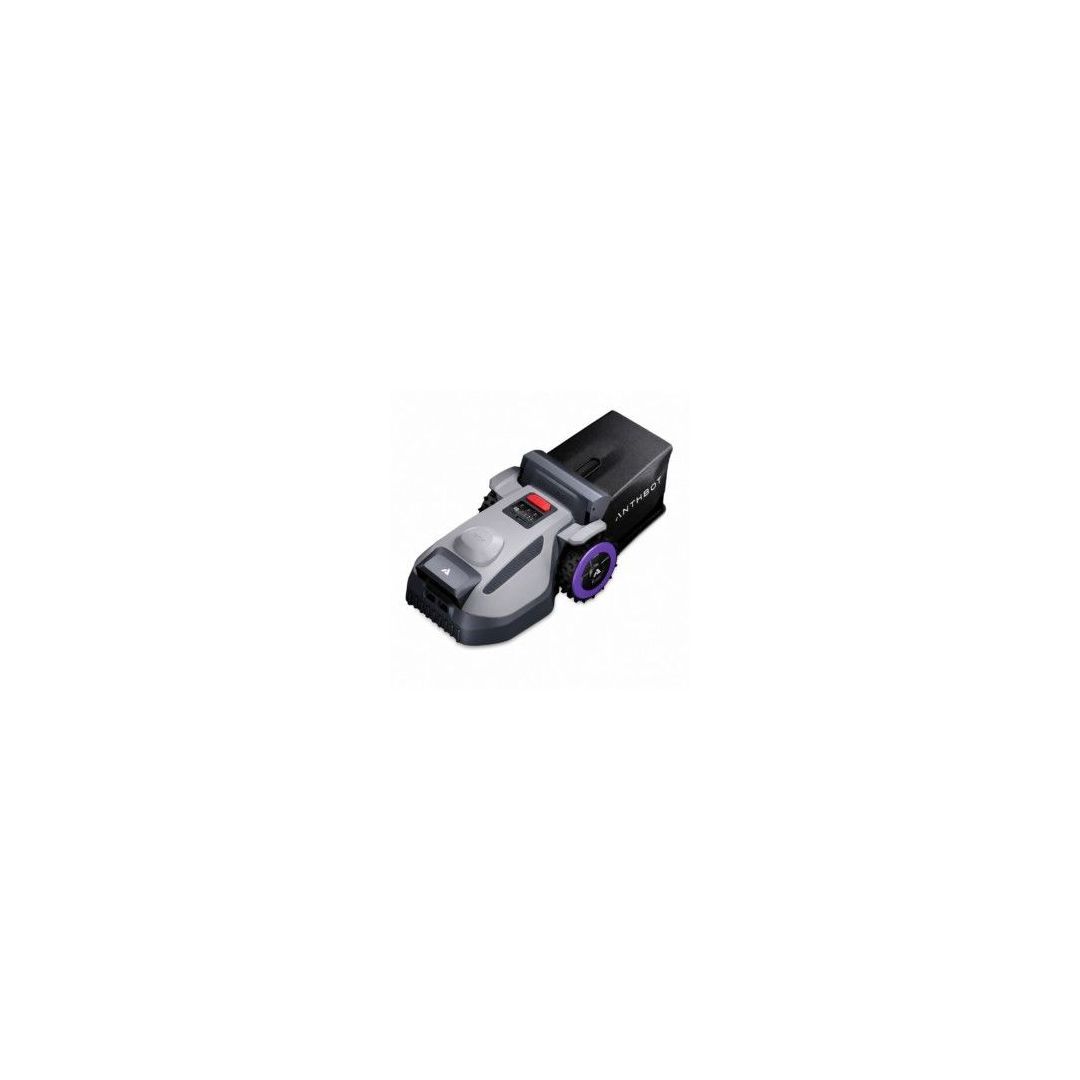 | 7 tp | 1385,80 € +106,60 € | Poodi |
| Kaup24 |  | 933,16 € −6,60 € | Poodi | ||
| Kaup24 |  | 934,98 € | Poodi | ||
| Bauhof | ROBOTNIIDUK ECOVACS GOAT A1600 LIDAR PRO PIIRDEKAABLIVABA 1600M² Tootekood: 778855 GTIN: 6970135038176 Robotniidukid ECOVACS – ülim käed-vaba robotniiduk<br>Kogege muruhoolduse tulevikku. Värskelt turule tulnud GOAT A1600 LiDAR PRO pakub tõeliselt automatiseeritud niitmist ja lihtsaimat kiirseadistust. See tagab kuni 1600 m² suuruste muruplatside täiusliku ja täiesti käed-vaba hoolduse. Saavutage veatu ja servast servani ulatuv tulemus tänu revolutsioonilisele TruEdge trimmerile – see on tõelise automatiseeritud servadeta trimmimise uus tase. Navigeerige oma kinnistul kirurgilise täpsusega nii päeval kui öösel tänu 2-sentimeetrise täpsusega HoloScope 360 süsteemile. Võimas 32 V platvorm ja kaks lõikeketast tagavad igal korral suurepärase tõhususe ja vaibataoliselt ühtlase tulemuse. Kohandage kõike alates lõikekõrgusest kuni keelutsoonide ja ajakavadeni, et nautida tõeliselt vaevatut ja isikupärastatud kogemust.<br><br>ECOVACSi esimene integreeritud trimmeriga robotniiduk<br>Käed-vaba niitmine, isegi servadest. Integreeritud TruEdge trimmeriga GOAT A1600 LiDAR PRO pakub tõeliselt autonoomset trimmimist (see on teile juba tuttav servatrimmer, mis on nüüd täielikult automatiseeritud). See tagab piiride täieliku katvuse, välistades vajaduse käsitsi järelviimistlemise järele. Unustage tüütu järeltöö käsitrimmeriga! TruEdge trimmer automatiseerib täpse servade lõikamise, garanteerides vaevata täiusliku lõpptulemuse.<br><br>Täisautomaatne AI-toega TruEdge trimmer<br>TruEdge trimmer kasutab servade lõikamiseks kiiresti pöörlevaid elastseid tamiile, mis ei jäta ühtki rohuliblet lõikamata. Tänu tehisintellekti süvaõppele suudab GOAT A1600 LiDAR PRO oma AI-kaamera abil reaalajas eristada muru muudest pindadest. See võimaldab robotil täpselt tuvastada muru füüsilised piirid ja langetada koheseid otsuseid parima strateegia osas: kas sõita servast veidi üle, et saavutada tõeline null-serva lõikus, või niita täpselt piki serva. Tulemuseks on puhtad muruservad ja minimaalne vajadus inimese sekkumiseks.<br><br>Ideaalne kohanemine erinevate maastike ja takistustega<br>GOAT A1600 LiDAR PRO kohandub sujuvalt kõigi aiasituatsioonidega, saades vaevata hakkama nii sirgete servade, kurvide kui ka ebakorrapärase kujuga nurkadega. Teie vara ja lähedaste kaitseks tuvastab GOAT A1600 LiDAR PRO automaatselt üle 200 tüüpi takistuse ja rakendab vastavaid vältimisstrateegiaid: robot niidab tihedalt ümber staatiliste objektide (nt puukännud), kuid peatab automaatselt tamiilide pöörlemise, et kaitsta inimesi, loomi või muid liikuvaid objekte. See tagab teile meelerahu ja muretu muruhoolduse.<br><br>HoloScope 360 Dual-LiDAR navigatsioonisüsteem<br>Ühe puudutusega käed-vaba seadistamine. HoloScope 360 abil saate seadme töökorda seada vaid ühe minutiga – süsteem kaardistab kogu teie õueala koheselt ja ühe läbimisega. Unustage keerulised juhendid ja käsitsi konfigureerimine – teie niiduk on kohe kasutusvalmis. HoloScope 360: See teedrajav Dual-LiDAR navigatsioonisüsteem kasutab 360° pöörlevat LiDARit ja 3D-ToF LiDARit, mida täiendab AI-kaamera. 360° pöörlemine tagab pimealadeta täieliku vaatevälja. Tehnoloogia loob automaatselt üksikasjaliku holograafilise kaardi, tagades kogu muruplatsil stabiilse ja 2 cm täpsusega navigeerimise ning seda isegi pimedas. Eesmine 3D-ToF LiDAR võimaldab GOAT A1600 LiDAR PRO’l täpselt tuvastada takistusi, töötades tõhusalt ka keerulistes keskkonnatingimustes.<br><br>Võimas topelt-lõikeketastega 32 V platvorm<br>Suure jõudlusega 32 V platvormil on valdkonna juhtiv vahedeta kahe teraga süsteem. Koos kiire liikumisega (0,7 m/s), tagab see 3-kordse tõhususe, 80% suurema niitmisvõimsuse ja 33% kiirema pöörlemiskiiruse. Seade suudab niita kuni 400 m² tunnis, jättes muru ülipuhtaks ja vaibataoliseks. Isegi kõrge, tihe või ülekasvanud rohi ei valmista talle raskusi.<br><br>Ülikiire laadimine<br>Suurte alade niitmiseks mõeldud GOAT A1600 LiDAR PRO on varustatud vastupidava 3,0 Ah akuga. 113,4 W kiirlaadimine laeb aku täis vaid 50 minutiga. Maksimaalne sujuv niitmiskiirus on 400 m²/h.<br><br>Elektriliselt reguleeritav lõikekõrgus 3–9 cm<br>Lõikekõrgust saab reguleerida vahemikus 3–9 cm (1 cm sammuga) otse telefonirakendusest.<br><br>AIVI 3D takistuste vältimine<br>Tänu AI-Visionile ja 3D-ToF LiDARile väldib GOAT A1600 LiDAR PRO tõhusalt üle 200 takistustüübi (sh siilid) ja suudab takistustest mööduda kõigest 5 cm kauguselt. See tagab kiire tuvastuse ja reageerimise. Lisaks vähendab GOAT A1600 LiDAR PRO lõikamata jääke ja säilitab takistuste lähedalmõistliku ohutuspuhvri.<br><br>Suurepärane tõusude vallutamine ja takistuste ületamine<br>Võimas 32 V platvorm võimaldab vallutada mis tahes keerulise kuni 50% (27°) kallakuga maastiku. Enam ei ole raskesti ligipääsetavaid alasid – nautige põhjalikku muruhooldust koos 4 cm takistuste ületamise võimekusega.<br><br>Tõhus teekonna planeerimine<br>Täiustatud teekonna planeerimise algoritmid määravad ka keeruliste servade, kitsaste ribade või staatiliste takistuste korral GOATile automaatselt kõige tõhusamad marsruudid, suurendades nii üldist tõhusust ja niitmisega kaetust. See kohandub vastavalt teie muru kujule ja suunale, maksimeerides katvust ja vähendades samal ajal tarbetuid pöördeid ja kattuvaid alasid. <br><br>Ajaplaneerimine ja mitme piirkonna kaardihaldus<br>Kasutajasõbralik kaardiredaktor võimaldab vastavalt isiklikele eelistustele alasid lisada, ühendada või kustutada. Lisaks saavad kasutajad planeerida niitmise sagedust konkreetsete alade puhul vastavalt oma isiklikule ajakavale ja eelistustele. <br><br>Kohene seadistamine ja automaatne või kaugkaardistamine<br>Olge valmis vaid 1 minutiga. Tänu revolutsioonilisele InstantGole, mida toetab HoloScope 360, suudab GOAT A1600 LiDAR PRO tuvastada ja meeles pidada igasuguseid piire, ilma et kasutajad peaksid füüsilisi traate paigaldama või oma muru kaugjuhtimise abil täielikult kaardistama. Kui ala on kord juba registreeritud, ei ole vaja teha täiendavaid jõupingutusi piiride või RTK-tugijaama määramiseks. Lihtsalt vajutage start-nuppu ja laske automatiseeritud kaardistamisel ise edasi toimetada. Kaugjuhtimist saab kasutada ka käsitsi niitmiseks või eemalt muru seisukorra kontrollimise jaoks aias „patrullimiseks”.<br><br>IPX6 veekindlus <br>Täiustatud veekindlad omadused, mis on ettenähtud keerulistes tingimustes tõrgeteta toimimiseks, lihtsustavad oluliselt ka puhastusprotsessi, mille puhul piisab vaid ühest loputusest. <br><br>Tehnilised andmed:<br><br>• Värv: valge<br>• Aku: Li-ioon, 3000 mAh, 96 Wh<br>• Laadimisaeg: 50 min<br>• Mõõdud koos tootepakendiga: 768 x 580 x 432 mm<br>• Roboti mõõdud: 680 x 540 x 336 mm (trimmerihari ei ole arvestatud)<br>• Jaama mõõdud: 740 x 540 x 298 mm<br>• Navigatsiooni tüüp: Dual-LiDAR + AI-kaamera<br>• Müratase (robot + TruEdge trimmer): 62 dBA (82 dBA)<br>• Takistuste vältimine: 3D ToF + AI-kaamera + põrkeandur<br>• Niitmise efektiivsus: kuni 400 m²/h<br>• Lõikeketaste arv: 2<br>• Lõikelaius: 330 mm<br>• Lõikekõrgus: 3–9 cm (elektriline reguleerimine)<br>• Maksimaalne kalle: 50% (27°)<br>• IP-kaitseklass (robot / jaam): IPX6 (IPX4)<br>• Laadija tööpinge: 37.8 V<br>• Laadija nimivõimsus: 113.4 W<br>• Roboti netokaal: 17.8 kg<br>• Jaama netokaal: 3.3 kg<br>• Kaal koos pakendiga: 27.62 kg<br><br>Komplekti kuulub:<br><br>• Robot (koos 6 teraga) – 1 tk<br>• Laadimisjaam (10 m toitekaabliga) – 1 tk<br>• Toiteadapter – 1 tk<br>• Trimmeri moodul – 1 tk<br>• Laadimisjaama kinnitustapid – 8 tk<br>• Kuuskantvõti – 1 tk<br>• Varuterade komplekt (12 tera + 12 kruvi) – 1 tk<br>• Kiirstardi juhend – 1 tk<br>• Kasutusjuhend – 1 tk<br> |  | Kohal | 1149,00 € | Poodi |
| Kaup24 | Robotniiduk Ecovacs Goat A1600 LiDar Pro, 1600 m2, lõikepind 1600 m² GTIN: 6970135038176 Robotniidukid Robotniiduk Ecovacs Goat A1600 LiDar Pro, 1600 m2, lõikepind 1600 m² |  | 1167,40 € | Poodi | |
| Bauhof | ROBOTNIIDUK ECOVACS GOAT A3000 LIDAR PRO PIIRDEKAABLIVABA 3000M² Tootekood: 778856 GTIN: 6970135038183 Robotniidukid ECOVACS GOAT A3000 LiDAR PRO pakub täielikult automatiseeritud niitmist kuni 3000 m² aladel. TruEdge trimmer tagab servast servani tulemuse. HoloScope 360 süsteem navigeerib 2 cm täpsusega nii päeval kui öösel. 32 V platvorm ja kaks lõikeketast annavad suure jõudluse ja ühtlase lõiketulemuse. Saate seadistada lõikekõrguse, keelutsoonid ja ajakavad, et niitmine toimiks täpselt teie soovitud viisil.<br><br>ECOVACSi esimene integreeritud trimmeriga robotniiduk<br>Integreeritud TruEdge trimmer võimaldab käed-vaba niitmist ka servades. Robot katab piirid täielikult. Käsitsi järelviimistlust ei ole vaja. Servade lõikamine toimub automaatselt ja täpselt.<br><br>Täisautomaatne AI-toega TruEdge trimmer<br>TruEdge trimmer kasutab kiiresti pöörlevaid elastseid tamiile. See ei jäta ühtegi rohuliblet lõikamata. AI-kaamera eristab muru muudest pindadest reaalajas. Robot otsustab, kas sõita üle serva nullserva lõikuseks või niita täpselt piki piiri. Tulemuseks on puhtad muruservad ja minimaalne inimese sekkumine.<br><br>Kohanemine maastiku ja takistustega<br>GOAT A3000 LiDAR PRO tuleb toime sirgete servade, kurvide ja ebakorrapäraste nurkadega. Süsteem tuvastab üle 200 takistuse. Robot niidab tihedalt ümber staatiliste objektide, näiteks puukännud. Inimeste ja loomade kaitseks peatab seade tamiilide pöörlemise liikuva objekti läheduses. See tagab turvalise ja muretu kasutuse.<br><br>HoloScope 360 Dual-LiDAR navigatsioonisüsteem<br>Seadistamine võtab umbes ühe minuti. Süsteem kaardistab ala ühe läbimisega. 360 kraadi pöörlev LiDAR ja 3D ToF LiDAR töötavad koos AI-kaameraga. Tulemuseks on detailne kaart ja stabiilne 2 cm täpsusega navigeerimine ka pimedas. Eesmine 3D ToF LiDAR tuvastab takistused täpselt ka keerulistes tingimustes.<br><br>Võimas 32 V topeltlõikeketastega platvorm<br>32 V platvorm kasutab vahedeta kahe teraga süsteemi. Liikumiskiirus on 0,7 m/s. Süsteem lubab 3 korda suuremat tõhusust, kuni 80 protsenti suuremat niitmisvõimsust ja 33 protsenti kiiremat pöörlemiskiirust võrreldes varasemate GOAT mudelitega. Seade suudab niita kuni 400 m² tunnis ja jätab muru vaibataoliselt ühtlaseks. Andmed põhinevad ECOVACSi laboritestidel. Tegelik tulemus sõltub murust ja maastikust.<br><br>Ülikiire laadimine<br>GOAT A3000 LiDAR PRO kasutab 7,5 Ah akut. 189 W kiirlaadimine täidab aku umbes 70 minutiga.<br><br>Elektriliselt reguleeritav lõikekõrgus 3 kuni 9 cm<br>Lõikekõrgust saab reguleerida vahemikus 3 kuni 9 cm ühe sentimeetri sammuga. Reguleerimine toimub telefonirakenduse kaudu.<br><br>AIVI 3D takistuste vältimine<br>AI Vision ja 3D ToF LiDAR aitavad vältida üle 200 takistuse, sealhulgas siilid. Robot võib liikuda takistustest mööda umbes 5 cm kauguselt. See vähendab lõikamata alasid ja hoiab ohutu vahemaa.<br><br>Tõusude ja takistuste ületamine<br>32 V platvorm võimaldab töötada kuni 50 protsendi ehk 27 kraadise kallakuga. Seade ületab kuni 4 cm kõrguseid takistusi.<br><br>Tõhus teekonna planeerimine<br>Täiustatud algoritmid määravad automaatselt tõhusaimad marsruudid ka keeruliste servade, kitsaste ribade ja takistuste korral. Robot kohandub muru kuju ja suunaga. See vähendab kattuvaid alasid ja suurendab katvust.<br><br>Ajaplaneerimine ja mitme ala haldus<br>Kaardiredaktoriga saate alasid lisada, ühendada või kustutada. Saate määrata erinevatele aladele eraldi niitmissageduse vastavalt oma ajakavale.<br><br>Kohene seadistamine ja automaatne kaardistamine<br>InstantGo ja HoloScope 360 võimaldavad alustada umbes ühe minutiga. Füüsilisi piirdetraate ei ole vaja. Pärast esmast kaardistamist ei ole vaja täiendavat seadistust. Vajutage start ja robot alustab tööd. Kaugjuhtimist saate kasutada käsitsi niitmiseks või ala kontrollimiseks.<br><br>IPX6 veekindlus<br>IPX6 kaitse tagab töökindluse keerulistes tingimustes. Puhastamiseks piisab loputamisest. Jaama kaitseklass on IPX4.<br><br>Tehnilised andmed:<br><br>• Värv: valge<br>• Aku: Li-Ion, 7500 mAh, 240 Wh<br>• Laadimisaeg: 70 min<br>• Pakendi mõõtmed: 768 x 580 x 432 mm<br>• Roboti mõõtmed: 680 x 540 x 336 mm, trimmeriharjata<br>• Laadimisjaama mõõtmed: 740 x 540 x 298 mm<br>• Navigatsioon: Dual LiDAR + AI-kaamera<br>• Müratase: 62 dBA, koos TruEdge trimmeriga 82 dBA<br>• Takistuste tuvastus: 3D ToF + AI-kaamera + põrkeraua andur<br>• Niitmistõhusus: kuni 400 m²/h<br>• Lõikekettaid: 2<br>• Lõikelaius: 330 mm<br>• Lõikekõrgus: 3 kuni 9 cm, elektrooniline reguleerimine<br>• Maksimaalne kalle: 50 protsenti, 27 kraadi<br>• Kaitseklass: IPX6, jaam IPX4<br>• Laadija tööpinge: 37,8 V<br>• Laadija nimivõimsus: 189 W<br><br>Komplekti kuulub:<br><br>• Robot koos 6 teraga, 1 tk<br>• Laadimisjaam koos 10 m toitekaabliga, 1 tk<br>• Toiteadapter, 1 tk<br>• Trimmeri moodul, 1 tk<br>• Laadimisjaama kinnitustapid, 8 tk<br>• Kuuskantvõti, 1 tk<br>• Varuterade komplekt, 18 tera ja 18 kruvi, 1 tk<br>• Varutrimmerihari, 1 tk<br>• Varutrimmeritamiil, 1 tk<br>• Kiirjuhend, 1 tk<br>• Kasutusjuhend, 1 tk |  | 14 tp | 2099,00 € | Poodi |
| Kaup24 | Robotniiduk Ecovacs Goat A3000 LiDar Pro, 3000 m2, lõikepind 3000 m² GTIN: 6970135038183 Robotniidukid Robotniiduk Ecovacs Goat A3000 LiDar Pro, 3000 m2, lõikepind 3000 m² |  | 2339,00 € | Poodi | |
| Kaup24 | Robotniiduk Ecovacs Goat O1200, lõikepind 1200 m², LiDAR navigatsioon, reguleeritav lõikekõrgus, lõikepind 1200 m² Tootekood: 600966 GTIN: 6970135038169 Robotniidukid Robotniiduk Ecovacs Goat O1200, lõikepind 1200 m², LiDAR navigatsioon, reguleeritav lõikekõrgus, lõikepind 1200 m² |  | 1028,97 € | Poodi | |
| Kaup24 | Robotniiduk Ecovacs Goat O600 RTK 600 m², RTK navigatsioon, vaikne töö, lõikepind 600 m² Tootekood: 600963 GTIN: 6970135038039 Robotniidukid Robotniiduk Ecovacs Goat O600 RTK 600 m², RTK navigatsioon, vaikne töö, lõikepind 600 m² |  | 588,12 € | Poodi | |
| Bauhof | ROBOTNIIDUK EINHELL FREELEXO+ SOLO AKU JA LAADIJATA Tootekood: 743406 GTIN: 4006825646757 Robotniidukid Einhell FREELEXO+ robotniiduk on suure jõudlusega Power X-Change'i perekonna liige, mis pakub süsteemiperekonnas piiramatut paindlikkust. Sarja liitiumioonakusid saab kombineerida iga süsteemiseadmega ning on sarnaselt paigaldustarvikutega saadaval eraldi. FREELEXO+ juhitakse rakenduse kaudu Bluetoothi abil ja robotniiduki seadeid saab seadistada vastavalt individuaalsetele vajadustele. Lisaks on sellel intuitiivne LCD-ekraaniga klaviatuur. Rakenduse abil saab Einhell FREELEXO+ seadet igaks konkreetseks päevaks täpselt programmeerida. Varguse eest kaitsmiseks on mururobotil PIN-kood ja hoiatussignaal. See naaseb automaatselt laadimisseadmesse ja laeb seda vastavalt vajadusele. Mitmetsoonilist niitmisrežiimi kasutades sobib see robotniiduk isegi keeruliste ebakorrapärase kujuga aedadesse. Ohutussensorite süsteemil on löögi-, kalde- ja tõsteandurid, nii et robotniiduk tuvastab ise takistused. Sellel on integreeritud vihmaandur. Robotniidukil on niitmiskõrguse reguleerimise võimalus vahemikus 20 mm kuni 60 mm ja see sobib kuni 35% kaldele. Mugavaks transportimiseks on kandesang.<br /> | 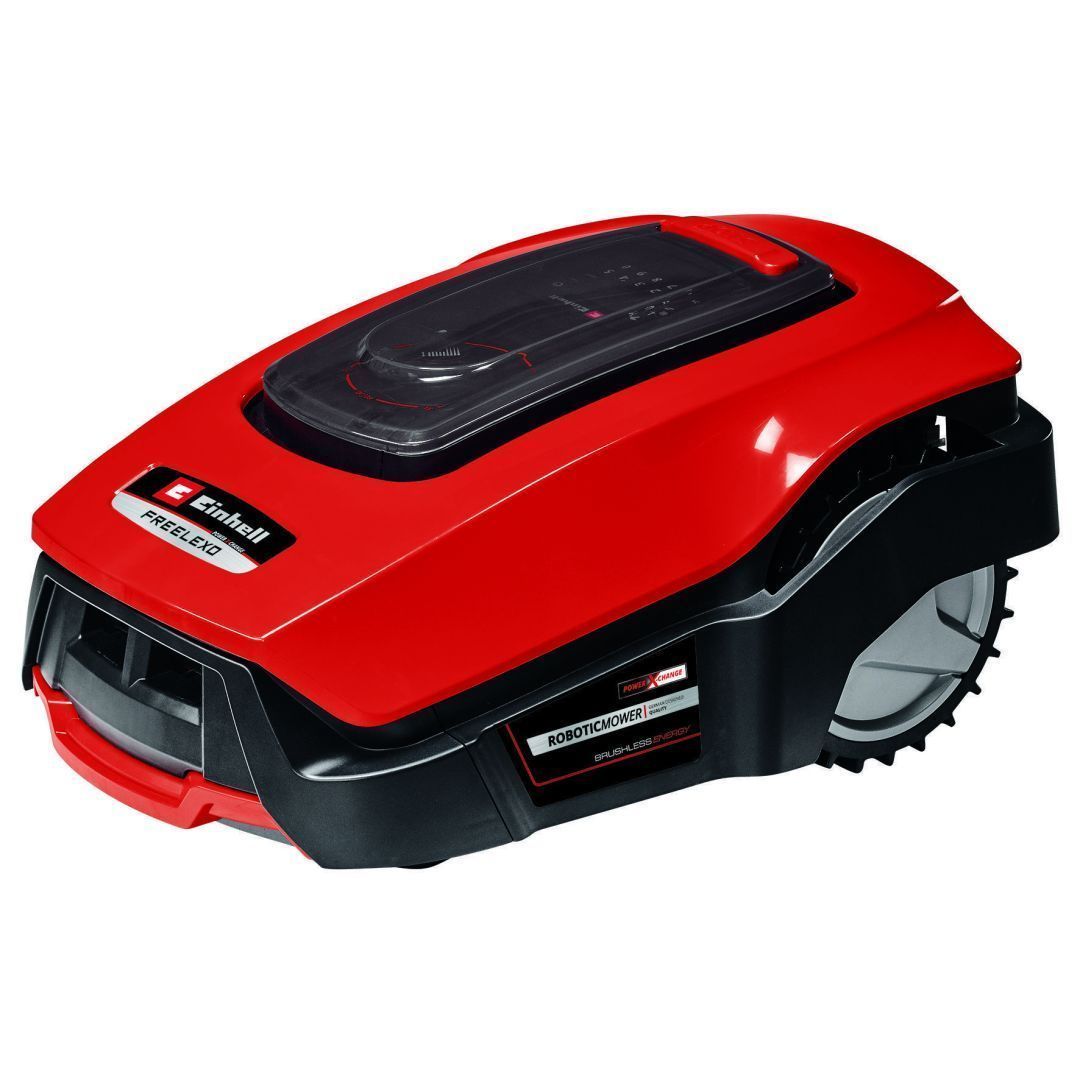 | Kohal | 649,00 € | Poodi |
| Kaup24 | Robotniiduk Eufy E18, 1200 m², Robotas vejapjovė eufy E18 Tootekood: eufy E18 GTIN: 194644290672 Robotniidukid Robotniiduk Eufy E18, 1200 m², Robotas vejapjovė eufy E18 |  | 1-2tp | 1149,00 € | Poodi |
| Bauhof | ROBOTNIIDUK GARDENA SILENO LIFE 1000M² Tootekood: 699106 GTIN: 4078500043694 Robotniidukid Madal müratase, mitmekülgne ja arukalt kujundatud - see on Gardena robotniiduk SILENO, mis sobib kuni 1000 m² muruala niitmiseks. SILENO life sobib ideaalselt keskmise suurusega muru jaoks, ühendades suure jõudluse ja täpsuse mugava niitmisega. Robotniiduki töölaius on 22 cm ja lõikekõrgus 20-50 mm.<br /><br>Alustame! Võtke oma nutitelefon kätte ja sisestage Gardena Bluetooth® rakenduse abil muru suurus, soovitud niitmispäevad ja eelistatud algusaeg. Rakendus Gardena Bluetooth® juhendab teid igal sammul intuitiivselt läbi esmase installimise. Teie robotniiduk paneb paika ajakava ja on valmis niitmiseks. SILENO life on lihtne juhtida Bluetooth® kaudu kuni 10 m kauguselt. Teie niidurobot töötab välja optimaalse rohu lõikamise aja ja Gardena Bluetooth® rakendus kasutab oma planeerimisabilist, et aidata teil oma aeda õigena hoida.<br /><br>Tänu eriti vaiksele mootorile on sellel niidukil oma klassi parim müratase vaid 57 dB (A). Teie ja teie naabrid saavad aias rahulikult lõõgastuda, isegi kui teie robot töötab. Keerukas CorridorCut juhib robotniidukit, kui see lõikab kitsastes kohtades ja kitsastes nurkades, mille laius on vaid 60 sentimeetrit, ilma probleemideta. CorridorCut navigeerib isegi teie robotniidukit keerulistest ummikutest. SensorControli juhendamisel otsustab robot ise, kui sageli teie muru vajab niitmist, asudes teele täpselt õigel sagedusel vastavalt rohu kasvule. Teie nutikas väike abistaja lõikab muru võimalikult tõhusalt. SILENO life alustab ja niidab muru iseseisvalt, olenemata ilmast, vihmast või päikesest. Nutikas robotniiduk märkab, kui maa on külmunud või liiga härmas ja robot peatab oma programmi, kuni maa on sulanud. Piirkaabel näitab SILENO life-le, millist aiaala tuleks niita. Samamoodi suunab juhtkaabel robotniiduki usaldusväärselt ja täielikult automaatselt ümber kõigi niitmisalade. Teie muruniidukil ei ole probleeme kitsastest kohtadest läbi minemisel ja isegi kuni 35-% nõlvadel või kallakutel töötamisega. Kui töö on tehtud, läheb töökas robotiaednik tagasi teenitud laadimiseks koju laadimisjaama. See niidab täiesti autonoomselt, andes teile rohkem aega keskenduda aias armastatud asjade tegemisele. SILENO life saab aiavoolikuga hõlpsasti puhastada, see ei saa olla lihtsam. Muru niitmine muutub SILENO lifega nii lihtsaks, istuge lihtsalt maha, lõdvestuge ja laske robotniidukil enda jaoks rasket tööd teha. Teie muru näeb SILENO life abil alati välja suurepäraselt hooldatud: intelligentne robotniiduk. SILENO. | 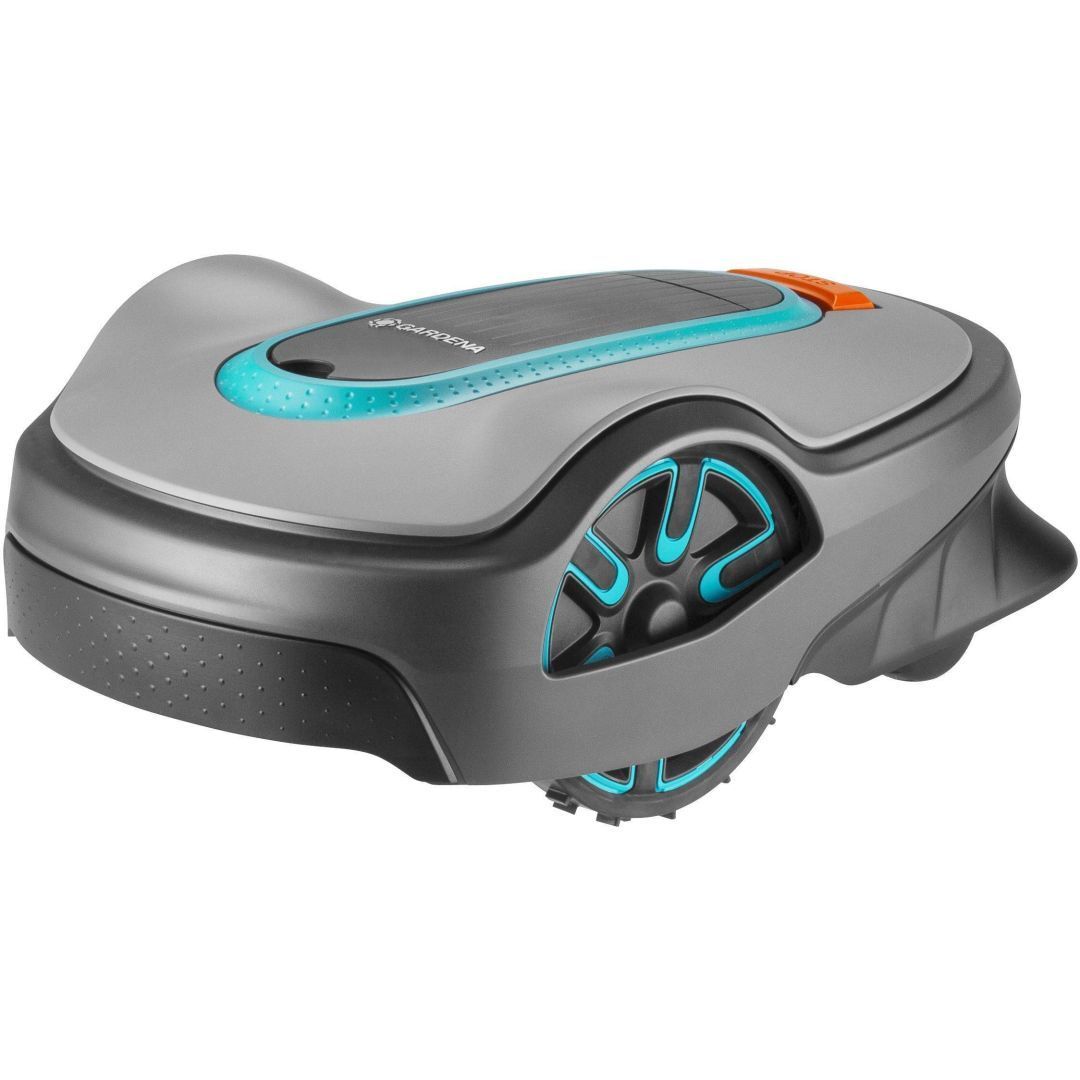 | Kohal | 1099,00 € | Poodi |
| Kaup24 | Robotniiduk Gardena SILENO minimo 15208-47, Robotas vejapjovė Gardena SILENO minimo 15208-47 Tootekood: 15208-47 GTIN: 4066407503946 Robotniidukid Robotniiduk Gardena SILENO minimo 15208-47, Robotas vejapjovė Gardena SILENO minimo 15208-47 |  | 587,90 € −41,10 € | Poodi |

Kõik hinnakirjad
Tooted 651
– 700
/ 1 000
50
| Krisostomus | | 179,85 € | Poodi | ||
| Arvutitark OÜ | | 199,00 € | Poodi | ||
| Krisostomus | | 44,22 € | Poodi | ||
| Arvutitark OÜ | Robotic lawn mower MOVA LIDAX/ULTRA 1200 MXXM4100 DREAME Tootekood: MXXM4100 GTIN: 6977973410782 Lawn Mowers | | 1047,90 € | Poodi | |
| Olibro | | 107,99 € | Poodi | ||
| Libristo | | 99,69 € +0,10 € | Poodi | ||
| Kaup24 | | 19,10 € | Poodi | ||
| Krisostomus | | 20,54 € | Poodi | ||
| Krisostomus | | 12,44 € | Poodi | ||
| Libristo | Robotics Algorithms GTIN: 9798189861321 Robotics | | 28,00 € +0,01 € | Poodi | |
| Krisostomus | | 56,99 € | Poodi | ||
| Libristo | | 8,29 € | Poodi | ||
| Krisostomus | | 13,29 € | Poodi | ||
| Libristo | | 14,70 € +0,01 € | Poodi | ||
| Libristo | | 12,00 € +0,01 € | Poodi | ||
| Libristo | | 21,49 € | Poodi | ||
| Libristo | | 68,19 € | Poodi | ||
| Krisostomus | | 13,19 € | Poodi | ||
| Libristo | Robotics: Everything You Need to Know About Robotics from Beginner to Expert GTIN: 9781523731510 Robotics | | 21,80 € +0,01 € | Poodi | |
| Krisostomus | Robotics: Meet the Robots and Find Out the Amazing Ways They're Changing Our World GTIN: 9780241759806 Raamatud | | 20,75 € | Poodi | |
| Kaup24 | | 45,36 € | Poodi | ||
| Krisostomus | | 14,19 € | Poodi | ||
| Kaup24 | Robotime Dora’s Loft 3D pusle GTIN: 6946785164343 Klotsid ja konstruktorid | | 49,00 € | Poodi | |
| Kaup24 | Robotime Kiikuv karussell GTIN: 1959135963867 Pusled | | 88,18 € | Poodi | |
| Kaup24 | Robotime Kokkupandav puidust 3d mudel - gloobus pusle GTIN: 7938106047342 Pusled | | 49,70 € | Poodi | |
| Kaup24 | Robotime Kokkupandav puidust 3d mudel - Šokolaadivabrik GTIN: 2324962546788 Pusled | | 149,05 € | Poodi | |
| Kaup24 | Robotime mc401 vintage grand prix puidust autod, 22.8 x 15.3 x 1.2 cm, tükke: 220 tk GTIN: 9829010356119 Pusled | | 44,02 € | Poodi | |
| Kaup24 | | 39,00 € | Poodi | ||
| Kaup24 | Robotime Nanci Bear Blind Box Pliuškaru, kollektsionäärne kingitus lastele ja täiskasvanutele, 1 tk. GTIN: 6123456799930 Pehmed mänguasjad | | 21,99 € | Poodi | |
| Kaup24 | Robotime Nanci Bunny Blind Box Plush Jänku, kollektsionäärne kingitus lastele ja täiskasvanutele, 1 tk. GTIN: 6946785125122 Pehmed mänguasjad | | 21,99 € | Poodi | |
| Kaup24 | Robotime pärna vineerpaneelid, 30 tk, 420 x 305 x 3 mm, töötlemata puidust paneel isetegemise jaoks, lasertöötluseks, värvimiseks, pürograafiaks, kodukaunistuseks, isetegemiseks ja mudelite valmistamiseks GTIN: 1606379419413 Liimitavad mudelid | | 103,22 € | Poodi | |
| Kaup24 | Robotime Puidust 3d pusle - Pendliga seinakell kingitus GTIN: 6613628905172 Pusled | | 103,07 € | Poodi | |
| Kaup24 | Robotime puidust 3d pusle Muinasjutu tõld GTIN: 7128227994636 Pusled | | 30,68 € | Poodi | |
| Kaup24 | | 45,00 € | Poodi | ||
| Bauhof | | 899,00 € | Poodi | ||
| Bauhof | ROBOTNIIDUK AIRSEEKERS TRON SE 300W 1500M2 MULTŠIMISSÜSTEEMIGA Tootekood: 782482 GTIN: 717690720070 Robotniidukid | | 1049,00 € | Poodi | |
| Bauhof | | 888,00 € | Poodi | ||
| Bauhof | | 1385,80 € +106,60 € | Poodi | ||
| Kaup24 | | 933,16 € −6,60 € | Poodi | ||
| Kaup24 | | 934,98 € | Poodi | ||
| Bauhof | ROBOTNIIDUK ECOVACS GOAT A1600 LIDAR PRO PIIRDEKAABLIVABA 1600M² Tootekood: 778855 GTIN: 6970135038176 Robotniidukid | | 1149,00 € | Poodi | |
| Kaup24 | Robotniiduk Ecovacs Goat A1600 LiDar Pro, 1600 m2, lõikepind 1600 m² GTIN: 6970135038176 Robotniidukid | | 1167,40 € | Poodi | |
| Bauhof | ROBOTNIIDUK ECOVACS GOAT A3000 LIDAR PRO PIIRDEKAABLIVABA 3000M² Tootekood: 778856 GTIN: 6970135038183 Robotniidukid | | 2099,00 € | Poodi | |
| Kaup24 | Robotniiduk Ecovacs Goat A3000 LiDar Pro, 3000 m2, lõikepind 3000 m² GTIN: 6970135038183 Robotniidukid | | 2339,00 € | Poodi | |
| Kaup24 | Robotniiduk Ecovacs Goat O1200, lõikepind 1200 m², LiDAR navigatsioon, reguleeritav lõikekõrgus, lõikepind 1200 m² Tootekood: 600966 GTIN: 6970135038169 Robotniidukid | | 1028,97 € | Poodi | |
| Kaup24 | Robotniiduk Ecovacs Goat O600 RTK 600 m², RTK navigatsioon, vaikne töö, lõikepind 600 m² Tootekood: 600963 GTIN: 6970135038039 Robotniidukid | | 588,12 € | Poodi | |
| Bauhof | ROBOTNIIDUK EINHELL FREELEXO+ SOLO AKU JA LAADIJATA Tootekood: 743406 GTIN: 4006825646757 Robotniidukid | | 649,00 € | Poodi | |
| Kaup24 | Robotniiduk Eufy E18, 1200 m², Robotas vejapjovė eufy E18 Tootekood: eufy E18 GTIN: 194644290672 Robotniidukid | | 1149,00 € | Poodi | |
| Bauhof | | 1099,00 € | Poodi | ||
| Kaup24 | Robotniiduk Gardena SILENO minimo 15208-47, Robotas vejapjovė Gardena SILENO minimo 15208-47 Tootekood: 15208-47 GTIN: 4066407503946 Robotniidukid | | 587,90 € −41,10 € | Poodi |