Tootekood: 65QNED7EB3C.AEUDGTIN: 8806096835449Audio ja video > Monitorid
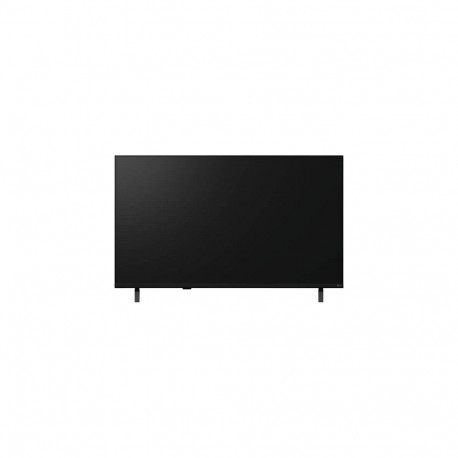
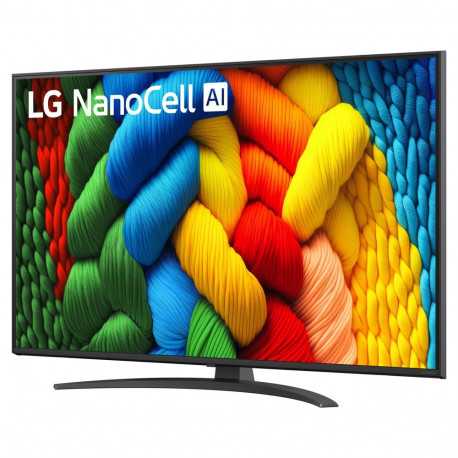
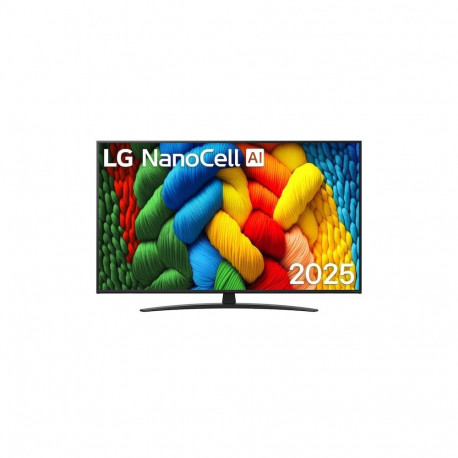
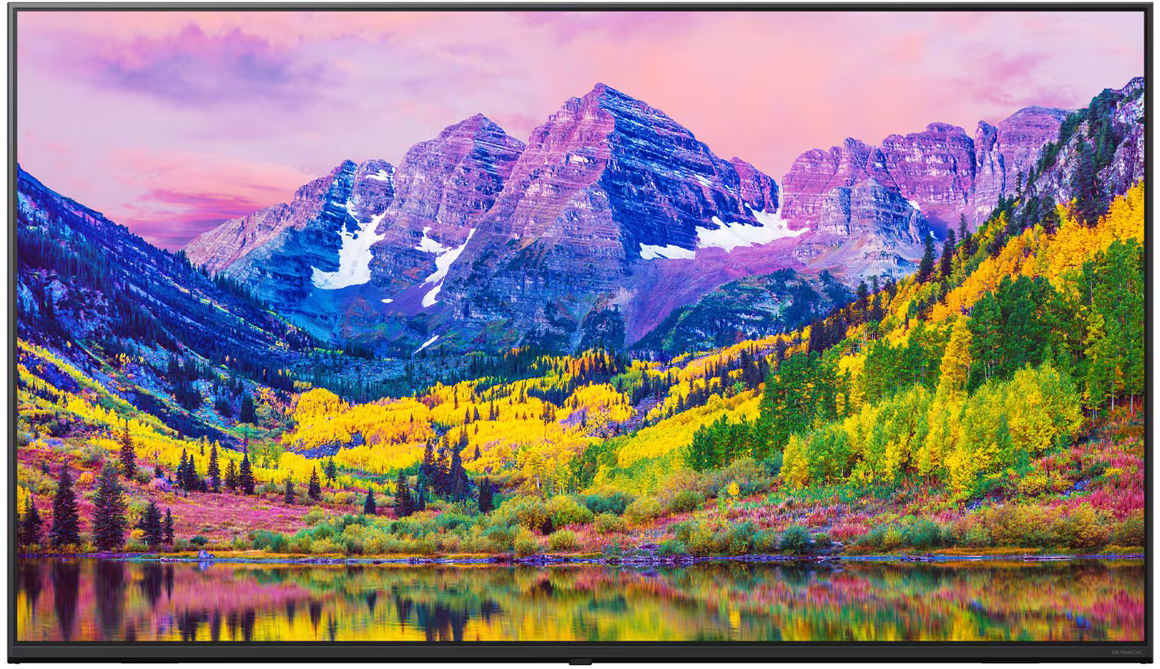
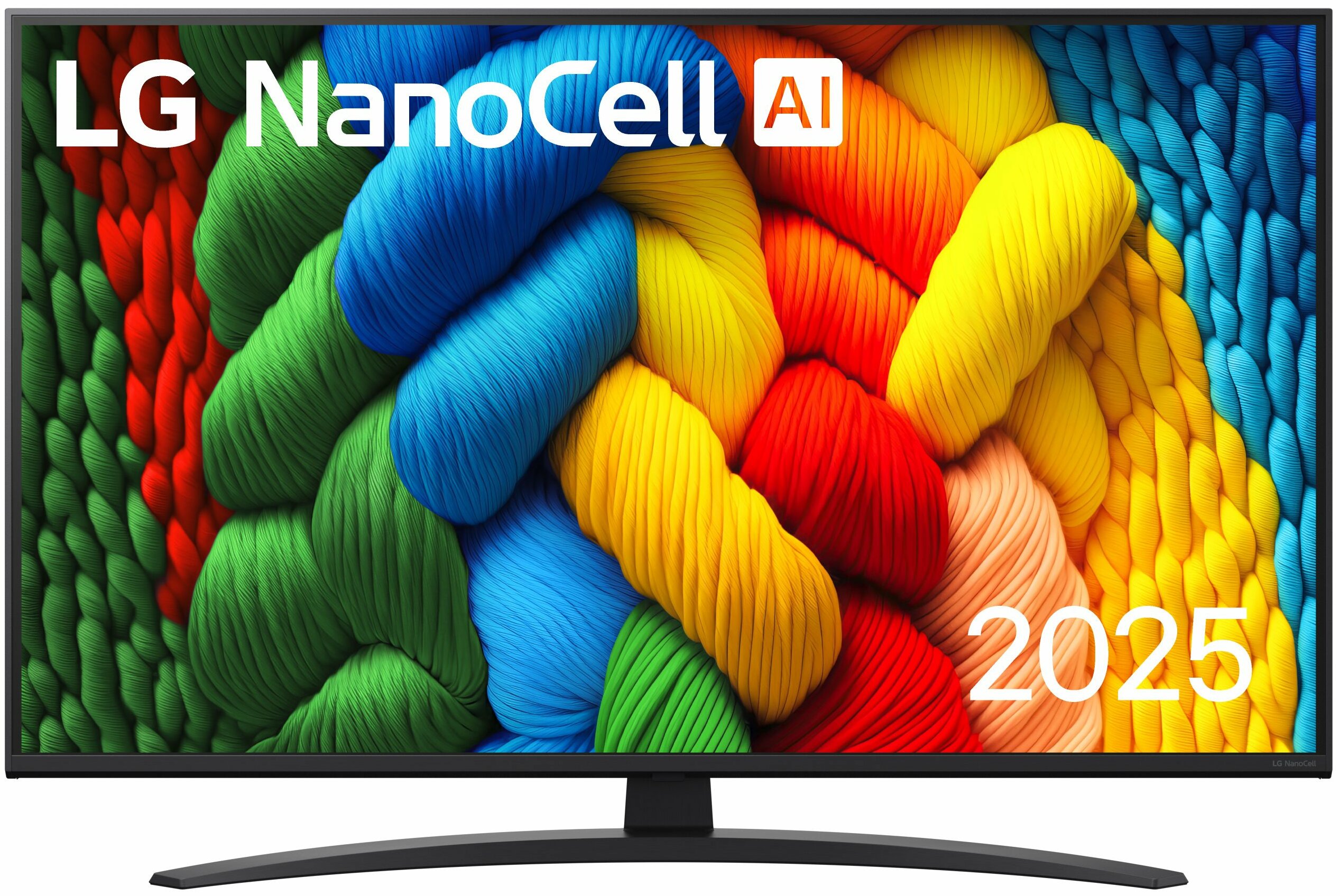
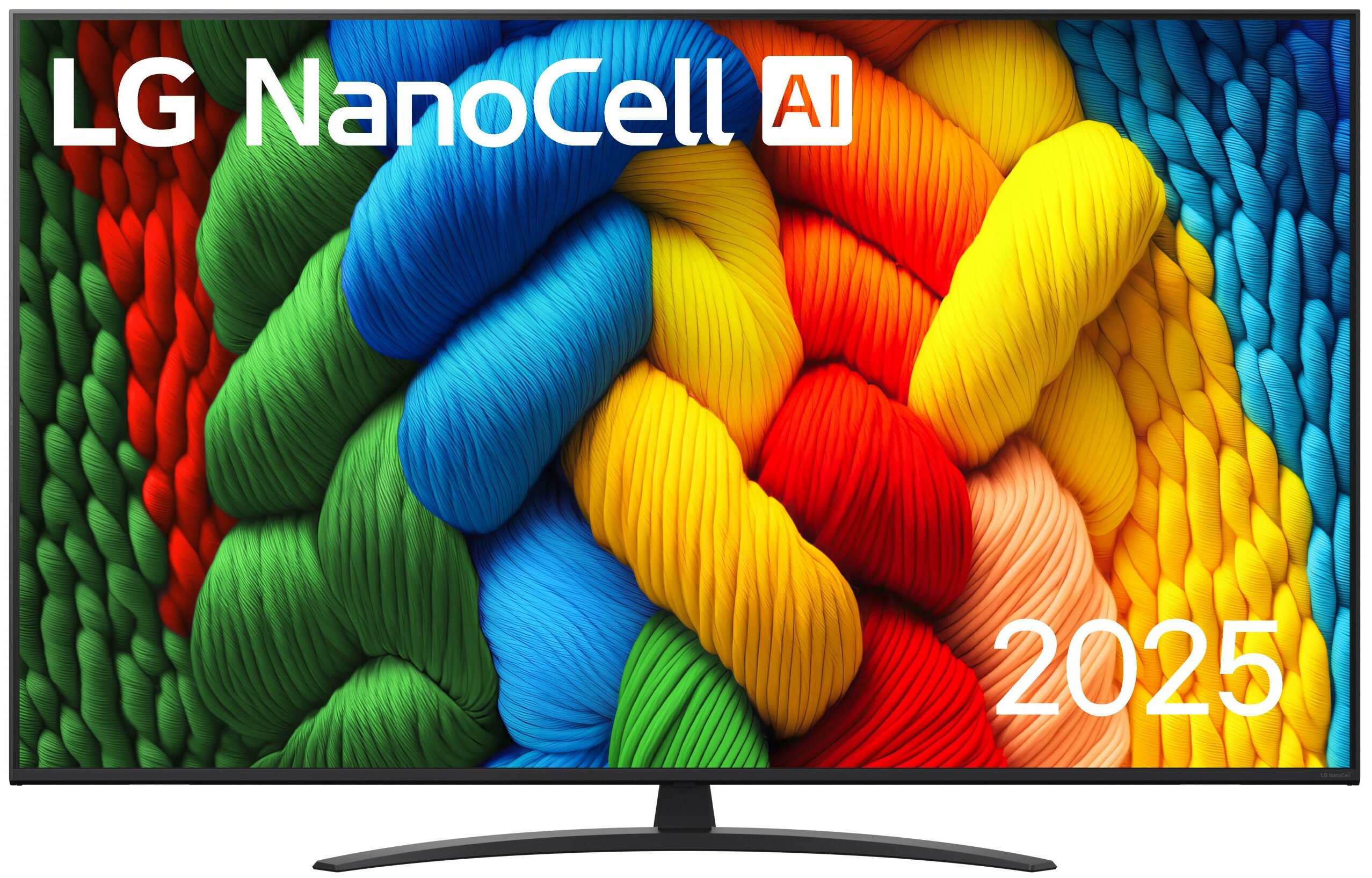
The LG Electronics 65QNED7EB3C.AEUD is a QNED Smart TV with a 165 cm (65 inches) screen diagonal and 3840 x 2160 Pixel resolution. Its Ultra HD/4K image delivers detailed picture quality, while Mini-LED backlighting supports strong contrast and precise image presentation. QNED technology combines Quantum Dot and NanoCell technology to produce natural colours and vivid details. The TV supports HDR Ready, HDR10 and HLG, making compatible films, series, sports broadcasts and games appear more dynamic. The 16:9 image format and 60 Hz refresh rate are suited to everyday television viewing and multimedia entertainment. The Alpha 7 Gen9 4K AI processor automatically optimises picture and sound. Features including 4K Super Upscaling, AI HDR Remastering, FILMMAKER MODE, Dynamic QNED Color, HGIG, Game Dashboard and VRR support viewing across films, streaming content and gaming. ALLM and Bluetooth Ultra Low Latency are designed to reduce delays during compatible gaming use. The webOS 26 operating system provides access to Smart TV functions, a web browser and apps. WLAN and Bluetooth enable wireless communication, while voice control, AI Voice ID, AI Chatbot, AI Concierge, Home Hub, Google Cast and Works with Apple Airplay expand the range of smart features. The TV is compatible with Apple Home and Google Home. The built-in audio system has 2 speakers with a total power of 20 Watt. AI Sound, Clear Voice Pro, Sound Sync, WOW Orchestra and Virtual 9.1.2 Surround-Sound support clearer dialogue and a more spacious sound presentation. The device also includes numerous connections: 3x HDMI input, 1x USB-A-2.0, 1x RJ 45, 1x Antenna-In, 1x LNB-In and 1x CI+. The integrated triple tuner consists of 1x DVB-S2 Tuner, 1x DVB-C (HD) Tuner and 1x DVB-T2 (HD) Tuner. The slim black design is suitable for a living room or home cinema setup, and the VESA-compatible 300 x 200 mm wall mounting standard allows installation with a compatible mount. The TV measures 144,7 cm in width, 89,9 cm in height and 25,5 cm in depth/length, with a weight of 14,1 kg. Product type: QNED television Colour: black EAN: 8806096835449 Manufacturer code: 65QNED7EB3C.AEUD Screen diagonal: 165 cm (65 inches) Screen resolution: 3840 x 2160 Pixel Image format: 16:9 Image technology: QNED Backlighting: Mini-LED Refresh rate: 60 Hz Operating system: webOS 26 Tuner: 1x DVB-S2 Tuner, 1x DVB-C (HD) Tuner, 1x DVB-T2 (HD) Tuner Connections: 1x Antenna-In, 1x LNB-In, 3x HDMI input, 1x USB-A-2.0, 1x RJ 45, 1x CI+ Wireless communication: WLAN, Bluetooth Speaker count: 2 Total speaker power: 20 Watt Energy efficiency class SDR: E (A - G) Energy consumption per 1000 hours SDR: 85 kWh Energy efficiency class HDR: G (A - G) Energy consumption per 1000 hours HDR: 152 kWh Power consumption in on mode SDR: 84.6 Watt Power consumption in on mode HDR: 152 Watt Power consumption in standby and off mode: 0,5 Watt Power consumption in networked standby mode: 2 Watt Wall mounting standard: VESA compatible (300 x 200 mm) Dimensions: Width: 144,7 cm x height: 89,9 cm x depth/length: 25,5 cm Weight: 14,1 kg Included accessories: Power cable, AI Magic Remote remote control MR26GB
Provides an authoritative resource on paper-based functional materials for advanced research, engineering innovation, and industrial application The rapid advancement of paper-based functional materials marks a transformative moment in modern materials science. Once primarily associated with writing, printing, and packaging, paper has evolved into a versatile, multifunctional platform that integrates advances from chemistry, biology, engineering, and nanotechnology. With properties such as high mechanical strength, superior conductivity, flame resistance, and biocompatibility, paper-based functional materials are gaining recognition for their applications in flexible electronics, food preservation, biomedical devices, sensors, and energy storage systems. Paper-Based Functional Materials: Preparation and Applications provides an in-depth and systematic examination of the foundations, preparation methods, and application prospects of this emerging class of materials. Designed to progress from basic principles to applied technologies, the book covers high-performance starch-based papers, nanocellulose composites, hydrophobic and oleophobic papers, thermal insulating and flame-retardant structures, as well as advanced functional papers for detection and separation. Combining traditional papermaking expertise with cutting-edge functionalization strategies, contributors with direct experience in applied papermaking research and technology highlight the role of cellulose-based materials in meeting global sustainability goals and in substituting petroleum-based plastics. Uniting theory, methodology, and practice in a single, comprehensive volume, Paper-Based Functional Materials: Preparation and Applications: Explores cross-disciplinary advances integrating chemistry, biology, and engineering in paper-based functional materials Details synthesis and characterization methods for high-performance starch, nanocellulose, and fiber-based papers Highlights applications in flexible electronics, energy storage, environmental remediation, and biomedical engineering Examines specialized functions such as hydrophilicity, oleophobicity, conductivity, flame retardancy, and filtration Outlines prospects for replacing plastics with cellulose-based solutions aligned with sustainability initiatives Features extensive case studies from commercial engineering and industrial practice Paper-Based Functional Materials: Preparation and Applications is an essential reference for graduate-level courses in materials science, polymer chemistry, chemical engineering, and sustainable design, and can be adopted as a recommended text in advanced engineering curricula. It is equally valuable for researchers, R&D engineers, and industry professionals working in papermaking, biobased materials, and functional product development. <br><br> Autorid: Xianping Yao, Genrong Chen, Zhen Yao, Liping Zheng <br>
<p>LG Magic Remote muudab teleri juhtimise lihtsamaks ja intuitiivsemaks, ühendades ühes puldis kursori abil navigeerimise, kerimisratta ja nutika hääljuhtimise. Universaalne pult võimaldab mugavalt menüüdes liikuda, sisu otsida ja ühilduvaid LG telereid juhtida.<br /><br />• Universaalne LG Magic Remote teleripult<br />• Nutikas häältuvastus mugavaks juhtimiseks<br />• Kursori juhtimine sarnaneb arvutihiire omaga<br />• Kerimisratas menüüdes ja rakendustes kiiremaks liikumiseks<br />• Ühildub 2026. aasta LG OLED W6, G6, C6 ja B6 seeria, MRGB 95B seeria, QNED 92B, 84B, 7SB, 75B ja 74B seeria, NanoCell NU85, NU71 ja NU70 seeria, Lifestyle LX7B seeria ning 2025. ja 2024. aasta LG telerimudelitega</p>
Tootekood: A63232057GTIN: 9783031910791Meditsiin ja õendusabi
Part 1: Introduction in flexible electronics.- Ch 1: Flexible devices. Introduction.- Ch 2: Conventional substrates for flexible devices.- Part 2: Paper as multifunctional material.- Ch 3: History of paper and their traditional fabrication.- Ch 4: Cellulose.- Ch 5: Paper engineering. General consideration.- Ch 6: Conventional paper.- Ch 7: Chemical modification of nanocellulose.- Ch 8: Surface modification using physical methods.- Ch 9: Coating of paper.- Part 3: New trends in paper fabrication.- Ch 10: Bio-cellulose.- Ch 11: Nanopaper.- Ch 12: Transparent paper.- Ch 13: Conductive paper.- Ch 14: Hydrophobic paper.- Ch 15: Thermoconductive paper.- Ch 16: Fire resistant paper.- Ch 17: Magnetic nanocellulose.- Ch 18: Nanocellulose-based hydrogel.- Ch 19: Nanocellulose-based aerogels.- Ch 20: Cellulose-based nanocomposites.- Part 4: Paper-based device technology.- Ch 21: Advantages and Limitations of Using Paper in Sensors and Electronic Devices.- Ch 22: Flexible functional materials.- Ch 23: Functional materials for paper-based chromogenic sensors and devices.- Ch 24: Printing technology used in fabrication of paper-based devices.- Ch 25: Deposition Technologies for Paper-based Sensors and Devices.- Ch 26: Writing of paper electronics.- Ch 27: Paper-Supported Electrodes.- Ch 28: Selecting paper for sensors and electronic devices.