A groundbreaking history of how modern American citizenship has workedand not workedfor Jews in the United StatesThe history of Jews in the United States is often told as if they immigrated, gained citizenship, and almost immediately achieved full legal rights. Yet this story fundamentally misses how citizenship rights worked for Jews and countless others who arrived on American shores. In Who Is American? Lila Corwin Berman draws on case law, statutes, and debates to argue that both the laws of American citizenship and Jews position in them changed repeatedly across the twentieth century. Courts, policymakers, and the public persistently asked what it meant to be Jewish under the law. Were Jews a race, a nationality, a religionor some combination of each? The answer carried profound legal consequences. Not only did it determine Jews citizenship status, but it also affected the rights they could exercise. Just as significantly, the meaning of the categories under law changed over time, affecting Jews self-understanding, their political ideals, and their relationships to other groups of Americans.Who Is American? tells a history that resonates powerfully with todays high-stakes battles over citizenship and rights. As Berman concludes, citizenship law has always been better at posing questions about the terms of belonging than at providing any ultimate resolution. The tangled story of Jewish citizenship demonstrates the limits of law and explains why the United States continues to fall into new and, often, unsettling debates about who is American. Autorid: Lila Corwin Berman
Sandwich Maker Sencor SSM4304RD. Roostevabast terasest korpus, viimistlus punane Poolitab võileivad ja valmistab 4 kolmnurkset võileiba Automaatne temperatuur Kergestipuhastatavad külgevõtmatud küpsetuspinnad Kuumusisoleeritud korpus ja käepide Märgutuled sisselülitatuse ja valmisoleku kohta Vertikaalne säilitusasend Mittelibisevad jalad Ülekuumenemiskaitse Voolujuhe 75 cm Võimsus 700 W Mõõtmed: 238 x 234 x 105 mm Kaal: 1.2 kg Toide: 220-240 V, 50/60 Hz
Ear, Nose and Sideburn Trimmer Sencor SNC101BL. Ninakarvade, kõrvakarvade ja põskhabeme trimmer Roostevabast terasest lõiketerad Pestav trimmimispea Sisseehitatud valgustus 2 vahetatavat otsikut Kummikattega käepide Kaasas: seisualus, puhastushari, 1 AA leelispatarei Mõõtmed: 27 x 29 x 129 mm Kaal: 54 g
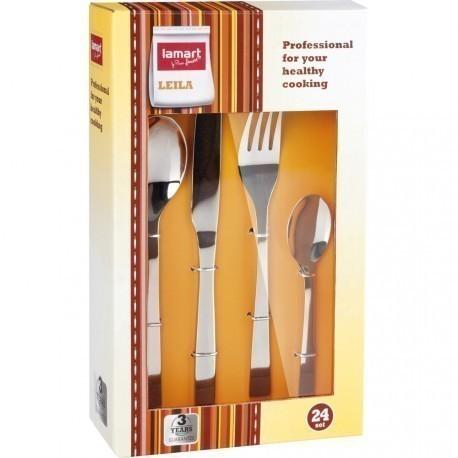
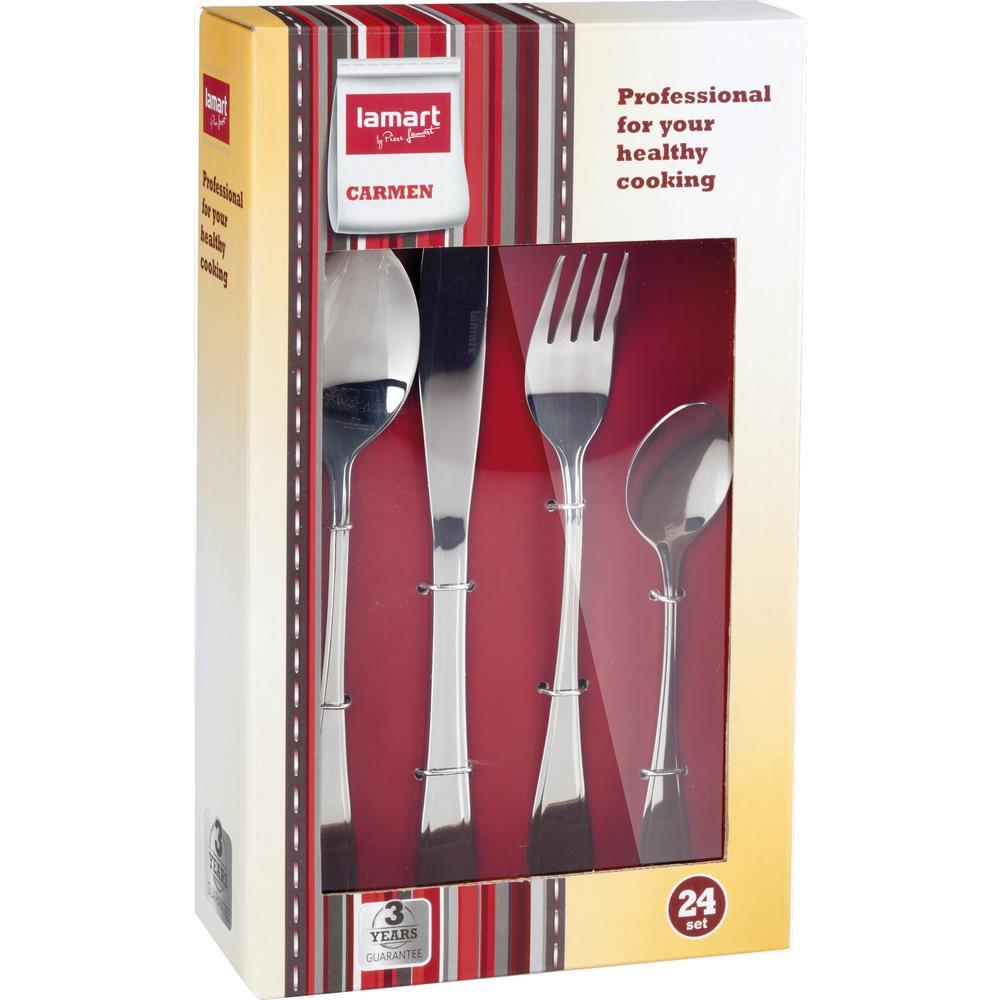
24-osaline roostevabast terasest söögiriistade komplekt. Lusikas: 194 mm/ 2 mm, kaal 36 g Nuga: 223 mm/ 4,5 mm, kaal 64 g Kahvel: 193 mm/ 2 mm, kaal 30 g Teelusikas: 140 mm/ 1,8 mm, 19 g.
Sobivad ideaalselt kasutamiseks püksmähkmete vahetamise ajal. Soovitatav kasutada lisakaitsena voodipesu puhtuse säilitamiseks. Õrn koeta materjalist pealiskiht annab mugavustunde.
Rikkalik pehmendav koostis parandab naha kaitsebarjääri ja kindlustab selle õige toimimise. See hoolitseb lipiidi- ja niiskussisalduse pikaajalise taastumise eest ning vähendab juba pärast ühte kasutuskorda ebamugavustunnet ning leevendab kuiva ja karedat nahka. Rapsi- ja kanepiõlil on rahustavad ja sügelusvastased omadused ning nende tõhusus kroonilise ja liigse kuivuse vastu (ka atoopilise dermatiidi korral) võitlemisel on meditsiiniliselt tõestatud. Need ained stimuleerivad naha mikrokahjustuste paranemist, vähendades kahjustuste süvenemise ohtu piirkondades, kus nendeks on suurem kalduvus. Need toidavad ja taastavad loomulikku hüdrolipiidbarjääri, tugevdades nahka. Naatriumhüaluronaat ja hügroskoopilised niisutavad molekulid taastavad naha vajaliku niisutuse, täiendades epidermise veevarusid. Kreem taastab mugavustunde ja leevendab nahakahjustustega seotud sümptomeid.
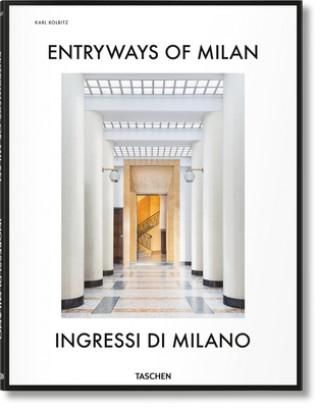
First impressions count, especially in Milano. In this unprecedented photographic journey, editor Karl Kolbitz opens the door to 144 of the city’s most sumptuous entrance halls, captivating in their diversity and splendor. These vibrant Milanese entryways, until now hidden away behind often restrained façades, are revealed as dazzling examples of Italian modernism, mediating public and private space with vivid configurations of color and form, from floors of juxtaposed stones to murals of minimalist geometry.The collection spans buildings from 1920 to 1970 and showcases the work of some of the city’s most illustrious architects and designers, including Giovanni Muzio, Gio Ponti, Piero Portaluppi, and Luigi Caccia Dominioni, as well as non-pedigreed architecture of equal impact and interest. The photographs for the publication were exclusively created by Delfino Sisto Legnani, Paola Pansini, and Matthew Billings, each evoking the entryways with individual sensibility and a stylistic interplay of detail shots—such as stones, door handles, and handrails—with larger architectural views.The images are accompanied by outstanding written contributions from Penny Sparke, Fabrizio Ballabio, Lisa Hockemeyer, Daniel Sherer, Brian Kish, and Grazia Signori, together bringing a wealth of architecture, design, and natural stone expertise to guide the reader through the applied materials and fittings as well as the art-historical and social implications of each of the ingressi. As much an architectural city guide as an aesthetic study, the book provides the exact address and an annotated Milan map for all featured entryways, as well as the architect name and date of construction.In the well-documented realm of 20th-century Italian design, Kolbitz has stepped over the threshold and delivered a brand new area of inquiry in Milanese modernism. With the rigor of its multifaceted research, poised photography, and breadth of its featured hallways, this is an invigorating new reference work and an inside look at the city’s design DNA across high to low architecture.
Discover the freedom of the open road with Lonely Planet's New Zealand's Best Road Trips. This trusted travel companion features 25 amazing drives, from 3-day escapes to 2-week adventures. Cruise Bay of Islands and Milford Sound, meander to sophisticated vineyard restaurants on Waiheke Island, and spot whales and dolphins off the Kaikoura Coast. Get to New Zealand, rent a car, and hit the road! Inside Lonely Planet's New Zealand's Best Road Trips: Itineraries for classic road trips plus other lesser-known drives with expert advice to pick the routes that suit your interests and needs Full-colour route maps - easy-to-read, detailed directions Detours - delightful diversions to see Italy's highlights along the way Link Your Trip - cruise from one driving route to the next Insider tips - get around like a local, avoid trouble spots and be safe on the road - local driving rules, parking, toll roads Stretch Your Legs - the best things to do outside the car Essential infoat your fingertips - hours of operation, phone numbers, websites, prices Honest reviews for all budgets - eating, sleeping, sightseeing, hidden gems that most guidebooks miss Lavish colour photography provides inspiration throughout Covers Marlborough, Bay of Islands, Akaroa, West Coast, Central Plateau, Milford Sound, Waiheke Island, Kaikoura, Mackenzie Country, Waitomo Caves, Canterbury, Rotorua, Wellington, Auckland, Christchurch, Queenstown and more
Kitchen Scale Sencor SKS4001WH. Praktiline eemaldatav kaalukauss LCD ekraan 40 x 19 mm Numbrite kõrgus: 14 mm Suured nupud Kuni 5 kg kaalumiseks 1 g täpsusega Taarafunktsioon Mõõtühikute valik g/ml/oz Tühja patarei ja ülekoormuse märguanne Automaatne väljalülitumine Kaasas 1x 3V CR2032 liitiumpatarei Kausi maht 2000 ml Mõõtmed ilma kausita (L x S x K): 168 x 226 x 40 mm Mõõtmed kausiga (L x S x K): 266 x 244 x 100 mm
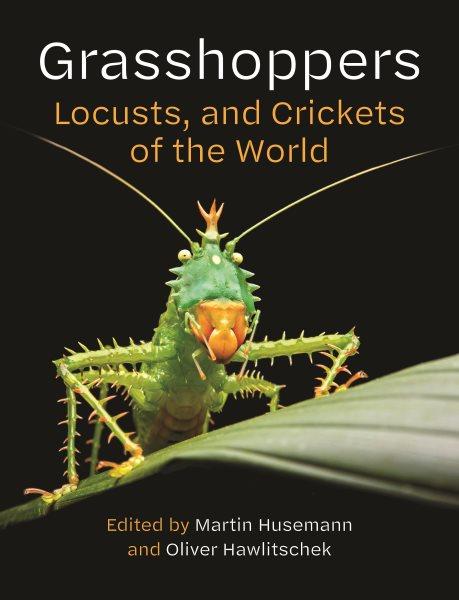
A highly illustrated and authoritative introduction to the worlds OrthopteraGrasshoppers, locusts, crickets, bush crickets, and katydids make up the order of insects known as Orthoptera. Although there are about 30,000 species of Orthoptera around the world, many people pay little attention to them and even scientists know relatively little about them. Yet the world of grasshoppers is a fascinating and diverse one. In this richly illustrated book, leading researchers from around the world detail the many facets of these insects, including their evolution, life cycles, and mating behavior. The book presents interesting facts and stories about species such as monkey hoppers, Cooloola monsters, king crickets, wetas, and sandgropers. It also describes efforts to protect grasshoppers and the relationship between humans and these insects.The book features four main sections:Orthoptera in space and time: fossil record, evolution, and systematicsThe biology of Orthoptera: life cycle, ecology, and bioacousticsThe diversity of Orthoptera by geographic regionOrthoptera and humans: locusts, Orthoptera as food, Orthoptera as pets, and conservation Autorid: Martin Husemann, Oliver Hawlitschek
A 2,500-year history of international currencies that reveals new insights about the future of the U.S. dollaras well as crypto and central bank digital currenciesDoubts about the international dominance of the dollar are only growing amid worries about tariffs, political dysfunction, and fraying international alliances. Will the dollar continue to reign supreme? In Money Beyond Borders, the leading authority on international currencies, Barry Eichengreen, puts the dollars prospects in deep historical perspective by chronicling the entire history of cross-border currencies, from the invention of coins in the seventh century BCE to the cryptocurrencies of today and the central bank digital currencies of tomorrow.Money Beyond Borders recounts how Greek and Roman coins became the first true international currencies. It tells how the Florentine gold florin became the greenback of the Renaissance, and how it was succeeded by Spanish silver and a Dutch fiat currency. The book explains why the British pound dominated the international economy in the nineteenth century, why the dollar rose to the top during World War II, and why the dollar has survived predictions of the imminent loss of its preeminence since the 1970s.The long history of international currencies shows that the same factors that encourage their widespread use eventually lead to their abandonment. Money Beyond Borders makes a powerful case that the dollar is now on the downside of this cycle, and it considers who the winners and losers will be when there is flight away from the greenback. Revealing important patterns in the life cycles of international currencies over the past 2,500 years, the book offers valuable lessons and insights about how currencies riseand why they fall. Autorid: Barry Eichengreen
A comprehensive look at inequalities and why they matterThere is a widespread sense throughout the developed world that progress toward a better society has stalled. Many countries, including the UK, have experienced persistent economic stagnation accompanied by declining trust in institutions. Governments are struggling to respond not only to traditional economic problems but also to newer challenges posed by climate change, migration and technological change. Challenging Inequalities connects these conditions to inequalityinequality not just of income and wealth but of health, political participation and opportunity. It not only offers a detailed analysis of the different forms of inequalities but also an in-depth consideration of why inequalities matter, how they have changed and what can, or should, be done about them.The book explains the enduring effects of early life experiences and education and examines the trends in employment and earnings over recent decades. It argues that economic stagnation since the financial crises of 20082009 has exposed inequalities originating in the 1980s. Not only have incomes stagnated, but so has progress towards reducing health inequalities and dealing with inequalities across gender, ethnicity, geography, age and educational level. The combination of earnings inequality and economic stagnation has led to the growing importance of wealth, the increasing concentration of economic power in an older generation and a decline in social mobility. Economic inequalities have also resulted directly in dangerous differences between regions and in political power across groups.The need to address inequality has never been more urgent. Changing Inequalities offers a road map for how we have arrived at such a perilous spotand how we can change course to achieve better outcomes for all. Autorid: Paul Johnson
An energetic new translation of the ancient Greek satirist Lucians humorous and enlightening dialogue on the prosand consof athletics, fitness, and competitionSports and philosophy went hand in hand for the ancient Greeks and Romans, and philosophical conversation was a recognized part of gym life throughout Greco-Roman antiquity. Athenss Lyceum was a gymand reportedly a hangout of that philosophical gym rat Socratesbefore it became the site of Aristotles school. Fittingly, that gym is the setting of the Greek satirist Lucians Anacharsis, a witty philosophical dialogue that wrestles with questions about the purpose and value of sportsquestions that we are still grappling with in our own sports- and fitness-obsessed times. How to Compete presents a new translation of Lucians timeless classic, inviting us into a ringside debate about the point of sports.Pitting a sports skeptic, Anacharsis, against a superfan, Solon, this delightful and thought-provoking work tries to make sense of sports. Why do so many of us care so much about them? Are sports like boxing too violent? Should we take fitness so seriously? Do athletics have educational value? And, most important of all, why did the ancient Greeks exercise naked? While Anacharsis, observing a Greek sport that sounds something like mixed martial arts, asks what kind of citizens set aside serious affairs to watch young men beat each other to a pulp, Solon counters that sports have great civic benefits and that athletes are ultimately competing for the highest prizehuman excellence.Featuring an inviting introduction, a handy glossary, helpful notes, and the original Greek on facing pages, How to Compete is a winning exploration of why sports are more than just a game. Autorid: Lucian, Heather L. Reid, Phillip Mitsis
Why engineering and computational analogies are poorly suited to the study of biological cognitionMainstream theories of the brain are often expressed through engineering conceptscomputation, code, control, reverse-engineering, optimization. These theories cast the living organism as a machine and the brain as a computer. The fact that cognition is a biological phenomenon seems merely anecdotal; biology is considered just implementation. In The Brain, In Theory, Romain Brette argues that the brain is not a biological computer because living organisms are not engineered. Engineering is the use of knowledge to solve technical problems, to build an artifact with a plan. But, Brette reminds us, Darwins insight is precisely that evolution is not a case of engineering. Unlike engineering, evolution has no predetermined goals, plans, or knowledge.Brette reviews the main theoretical frameworks for thinking about the brain, including computation, neural representations, information, and prediction, and finds them poorly suited to the study of biological cognition. He proposes understanding the brain as a self-organized, developing community of living entities rather than an optimized assembly of machine components. With this new perspective, Brette brings life back to the study of the brain and cognition. Autorid: Romain Brette
Tracing the origins of Britains current malaise to the abandonment of social democracyWhat has happened to Britain? As drivers on its roads can attest, it is the pothole capital of Europe. Once-beautiful towns now feature peeling paint, weeds and broken railings. Public services are no longer fit for purpose. A malaise seems to infect every aspect of British life: its economy, polity, social order, sense of well-being, domestic regional relationships and place in the world. In The Land Where Nothing Works, the distinguished historian A. G. Hopkins offers an explanation, tracing Britains current problems to decisions made in the 1980s that abandoned its postwar experiment in social democracy and mimicked policies of deregulation and privatisation promoted by the United States.In 1945, the new Labour governments development programme aimed at creating a social democracy that would benefit all members of society. The counterrevolution launched by Margaret Thatchers government in 1979, which remains in force today, promoted individualism and deregulation. The transition from one programme to another was a response to the growth of finance and services centred on the City of London, and to decolonisation, which redirected trade to Europe. The expansion of credit led to the financial crisis of 2008 and the years of austerity that followed, and fuelled the populist movement that culminated in Brexit. Hopkins argues that, instead of following the free-market policies of its mentor, the United States, Britain should draw on its own history of social democracy and borrow from its neighbours in Europe, where communitarian principles continue to be upheld. Autorid: A. G. Hopkins