Based on diverse interpretations of the Real Ceduls (Royal Proclamations) by the Spanish monarchs of earlier centuries, the almost 200-year-old border dispute between Ecuador and Peru became one of the longest-running international armed conflicts in the W
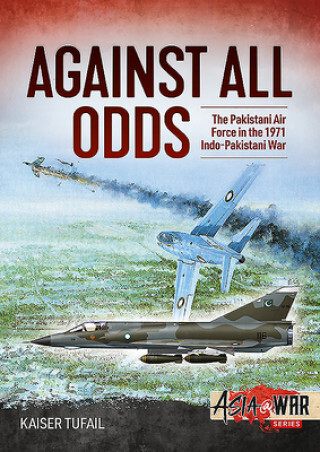
The Indo-Pakistani War of 1971 was a major military confrontation between India and Pakistan. Fought on two fronts of the Indian sub-continent between 3 and 17 December 1971, it pitted two major conventional armed forces in an all-out war over the fate of
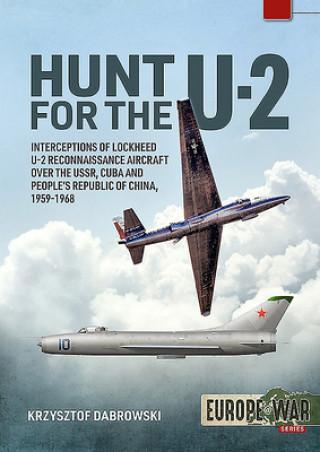
The Lockheed U-2 is probably the best known spy-aircraft ever, famous for the exploits of its pilots over or near hostile territories. Indeed, the bold and provocative operations flown by the CIA-operated Lockheed U-2 reconnaissance aircraft over the Union
War of Intervention in Angola, Volume 3 covers the air warfare during the II Angolan War - fought 1975-1992 - through narrating the emergence and operational history of the Angolan Air Force and Air Defence Force (FAPA/DAA) as told by Angolan and Cuban sou
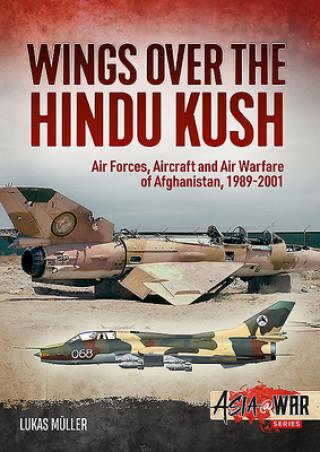
This is the story of nine diverse air forces, their aircraft, and air warfare over Afghanistan in the period between the Soviet withdrawal of 1989, and the US-led Western intervention in 2001.Afghanistan is widely considered one of the World's mo
Metall: • Kvaliteetne M2 teras tagab puuri vastupidavuse ja tugevuse. Vorm ja ehitus: • 118° nurgaga puuriots – mugav käsitrellide kasutamisel, sest ümara pinna puurimisel on lihtsam tsentreerida. • Topelt teritatud nurk – kiirem puurimiskiirus ja parem tsentreerimine. • Kahepoolne trell on vastupidavam, kuna kasutatakse mõlemat otsa. • Tugev varrekonstruktsioon – kõrge purunemiskindlus isegi puurimisel väikesed läbimõõdud. Tööriista kasutatakse: • Õhukesele metallile - tina, profiilidele - puurimine. • Auto keretöödeks. • Neediaukude puurimiseks.
Language: English, Binding: Hardback, Number of pages: 12, Publishers: Make Believe Ideas, Author: ROSIE GREENING, ISBN-13: 9781803374727, Date of issue: 2022
You'll laugh until you die! Adam Meltzer, the world's most neurotic teenager, who just happens to be a zombie, is back! After solving the mystery of the zombees, Adam and his friends Corina (a vegan vampire) and Ernesto (a reluctant chupacubra) head off to summer camp for a well-earned break from detective work. But the countryside in their hometown of Croxton is just as weird and wonderful and soon they are investigating something deadly dangerous in the deep, dark woods...
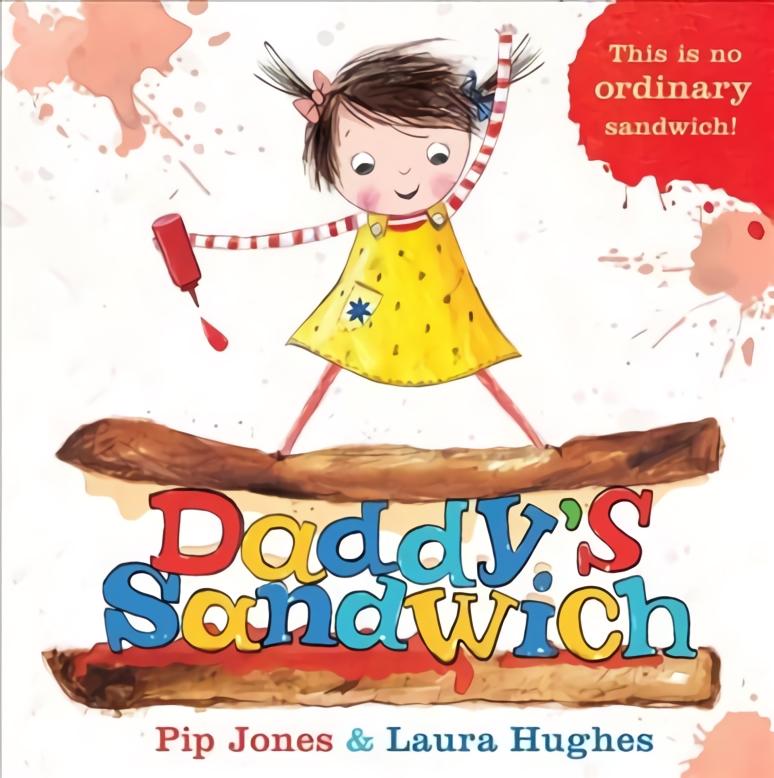
Daddy, would you like a sandwich, with all your favourite things...? Join one little girl on her quest to make her father the perfect sandwich, whether he likes it or not... You're in for a wicked surprise! From Squishy McFluff author Pip Jones and bright new talent Laura Hughes, this is a brilliantly funny and charming picture book perfect for ages 3+ and for Fathers' Day gifts. 'A delightful treat of a story' Guardian, Best New Children's Books 'What small child would not love this amazing picture book to bits!' Books for Keeps
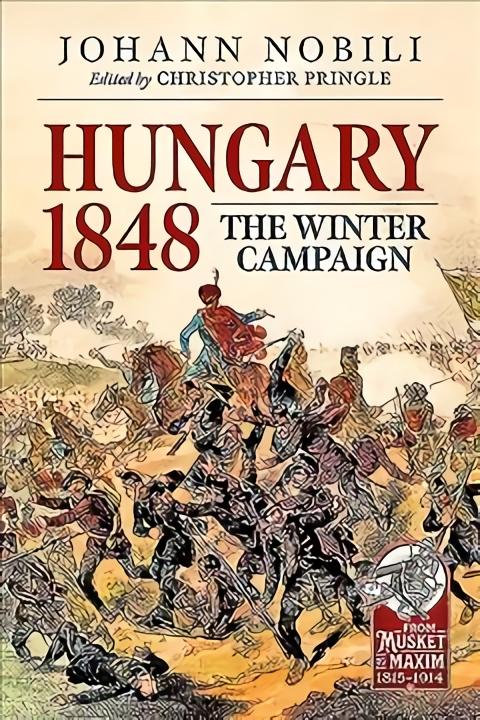
The Hungarian War of Independence was one of the largest European conflicts of the 19th century, lasting a year, encompassing a dozen major battles and many smaller actions and sieges, with half a million men under arms by its end. Autorid: Johann Nobili, Christopher Pringle
A Times, Rough Trade and Uncut Book of the Year, shortlisted for the Gordon Burn Prize 2015. Original Rockers is a clear-eyed yet romantic account of the several years that Richard King spent working behind the counter at Bristol's Revolver Records -- a business run from the heart rather than the head. King brings that lost environment back to life -- the sounds, the smells and the people -- along with a vivid sense of how it feels to discover taste-shaping records and the artists who created them for the first time. Original Rockers evokes a golden moment in British cultural history, and celebrates the magical abandon that music offers us.
Core Classics is a collection of seven books of music from the piano canon, selected and graded by leading educationalists. Each volume contains a rich selection of engaging pieces to form the backbone of any pianist's repertoire. With pieces from Brahms, Liszt, Martinez, and many more, this book includes an abundance of much-loved music. Each book is authoritatively graded, with pieces gradually increasing in difficulty throughout. The books are equally valuable for learners working towards a grade exam, between grades, or playing for leisure, building technical skills and confidence. Perfect for learners exploring repertoire for the own-choice piece in ABRSM's Performance Grade exams Autorid: Richard Jones
Britains war against Revolutionary France is today a largely forgotten prelude to the Napoleonic Wars. The campaign in Flanders was Britains attempt to stem the power of the new republic as it threatened to engulf its neighbors, but it was to end in disaster. This is the first account of this intensive campaign written in modern times; chronicling the many battles as the varying fortunes of the combatants saw their armies march to and fro across the fields of Flanders. A weak and ill-equipped army led by the Duke of York struggled daily with the terrain and climate of the Low Countries as well as the competing aims of its allies and the unrealistic expectations of its government. This book details the numerous major battles of the campaign and the unraveling of the First Coalition using British, French and German sources. A military history of the 1793-95 campaign in Flanders and the Netherlands. Autorid: Philip Ball
Trinidad 1990 details the dramatic events of July 1990 and the successfully operation that quelled it. It was a coming of age for the Trinidad and Tobago Defense Force which, without external intervention, contained and then defeated an Islamist uprising. Illustrated by more than 100 photographs, maps and color profiles. Autorid: Sanjay Badri-Maharaj
This book is the first study to reassess the nature of the royalist cause in the North midland counties of Derbyshire, Leicestershire, Nottinghamshire, Rutland, and Staffordshire during the first civil war (1642-1646). Previous accounts of the war in the region have been heavily dependent on parliamentarian accounts, which were not written in order to create a thorough narrative of the war, but to demonize the royalists and their cause. The resultant image created by the hostile accounts was a war of confusing, rapine and disorder. Examination of a wider range of information showed that by contrast the royalists had a regional command structure which exploited thoroughly at times the resources of the region to fund their war effort. However, there were several problems within that war effort. Command was subject to internal rivalries and the interference of the king. Moreover the higher levels of command in the royalist cause created problems for the royalist commander Lord Loughborough, as his region was divided between different commanders at several points in the war. These conflicts are explored in this book. The book both creates a new and complete narrative of the first English civil war in the region, and analyses the administrative structures of the rivals. It also analyses the command structure and regiments under the command of Henry Hastings, Lord Loughborough. Autorid: Martyn Bennett
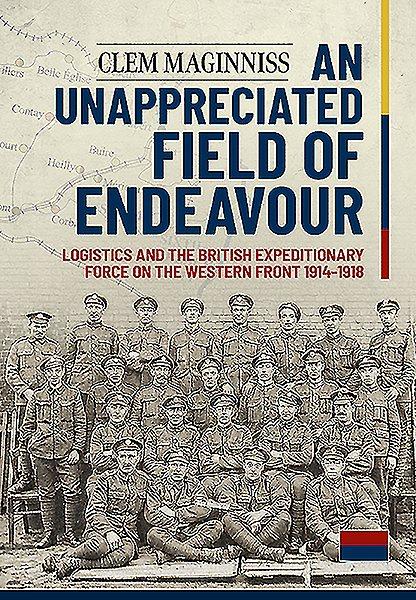
A penetrating and refreshing analysis of the contribution of military and commercial logistics to the operations of the BEF on the Western Front. Autorid: Clem Maginniss
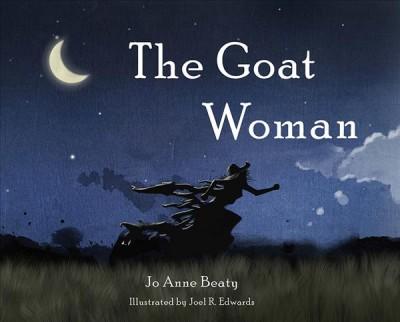
That night, she dreams about her new friend and a sweet baby goat named Daisy. Scary stories told at a sleepover give seven-year-old Jodie nightmares about the Goat Woman. Only after a drive and a special picnic in the countryside with her grandmother does Jodie learn that first impressions can be misleading. That night, she dreams about her new friend and a sweet baby goat named Daisy. Autorid: Jo Anne Beaty, Joel R. Edwards
A detailed account of the Battle of Villamuriel, the largest action during Wellingtons retreat from Burgos in 1812, based on extensive use of international archives. Autorid: Garry David Wills
A fully illustrated unique record of the uniforms of the Napoleonic Danish and Norwegian armies and their flags in full color. Autorid: David A. Wilson
Based on decades of research and newly available sources in Arabic and European languages, and illustrated with authentic photography, Volume 2 of the Air Power and the Arab World, 1909-1955 continues the story of the men and machines of the first half century of military aviation in the Arab World. At a time when multiple wars are raging across much of the Middle East, it is almost forgotten that it was Abu al-Qasim Abbas ibn Firnas ibn Wirdas at-Takurni an Andalusian inventor, physician and engineer who was the first person to undertake experiments in flying with any degree of success. That was back in the 9th Century A.D. Nigh on a thousand years later the Arab World's critical strategic location made it almost inevitable that these regions would be drawn into the imperial rivalries of the leading European powers, while the Ottoman Empire struggled to maintain its existing position in the area. This in turn meant that the first bombs to be dropped by military aircraft fell on Arab soil. Not surprisingly, as the Arab countries slowly achieved their independence, they too wanted to have air forces. In 1948 the first such Arab air forces were thrown into battle in an ill-fated attempt to keep Palestine as a primarily Arab country.Based on decades of consistent research, but also newly available sources in both Arabic and various European languages, and richly illustrated with a wide range of authentic photography, Volume 2 of the Air Power and the Arab World, 1909-1955 mini-series continues the story of the men and machines of the first half century of military aviation in the Arab World. Autorid: David Nicolle
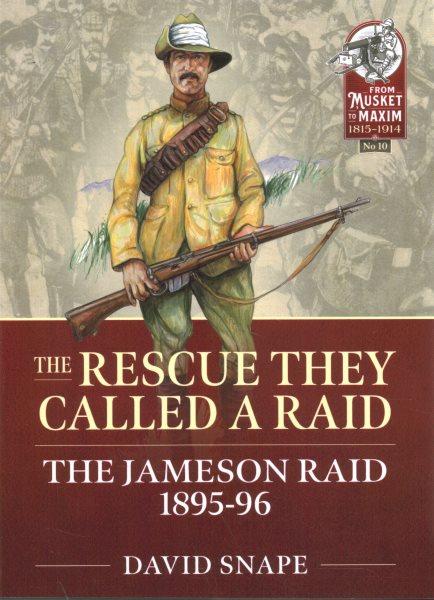
Almost one hundred and twenty five years ago, a Scottish adventurer attempted to expand the British Empire in South Africa with the backing of a mere 500 men. He was part of a conspiracy of entrepreneurs, gold magnates and politicians, each of whom had different motives for supporting and encouraging his actions. Leander Starr Jamesons Raid failed Almost one hundred and twenty five years ago, a Scottish adventurer attempted to expand the British Empire in South Africa with the backing of a mere 500 men. He was part of a conspiracy of entrepreneurs, gold magnates and politicians, each of whom had different motives for supporting and encouraging his actions. Leander Starr Jamesons Raid failed miserably. It almost brought down the British Government, destroyed the career of one of the most eminent South African Statesmen, nearly caused a war with the South African Republic and exposed Britain to international ridicule. It was a failed attempt to expand the Empire on the cheap.This book, using a number of contemporary sources, examines the motives for Jamesons actions, the reasons for the Raids failure and its consequences for those involved. It attempts to answer the extent of the involvement of the British Colonial Office and its Secretary of State, Joseph Chamberlain and how he, Cecil Rhodes, Paul Kruger and Jameson worked for their own and their countries best interests which were not necessarily one in the same.It also considers the part played by the dignitaries in Johannesburg and the consequences of their lukewarm support of Dr Jameson.The book contains a detailed examination of the two Inquiries which were held as a result of the Raid and a blow by blow account of the evidence given by their many witnesses. Reactions in the British Parliament and the fate of the Raiders are particular features of this work,as is how the actions of those swept up in the plans of the key players were to affect their future careers. Autorid: David Snape
Let PopOut Map Bath guide you around this wonderful city. Uncover the fascinating city of Bath with the help of this genuinely pocket-sized, pop-up map. Small in size, yet big on detail, this compact, dependable Bath city map will ensure you don't miss a thing. Step back in time at the ancient Roman Baths, admire the stunning architecture of Bath Abbey, and stroll across the elegant Pulteney Bridge with the help of this super-portable, pocket map. What youll find inside: One pop-up map a detailed street map of the city centre Thorough street index - fully cross-referenced to the map so you can easily find your destination Hotels, restaurants, stores and attractions - find your hotel and check out the nearest restaurants and tram stops. Get to know the neighbourhood before you even arrive! Designed to fit perfectly in your pocket, the Bath Popout Map is ideal for exploring without flashing your phone or unfolding a bulky map. Its discreet, safe, easy to use, and full of useful details. Just pop it in your pocket and enjoy a fabulous day out. Fold size: 95mm x 130mm Sheet size: 215mm x 225mm Approx scale: 1:6 000 (Scale to be used as a guideline only) Autorid: PopOut Maps
Bref Power Aktiv sobib suurepäraselt läikiva ja värskelt lõhnava puhastustulemuste saavutamiseks. WCpuhastusvahend eemaldab tualetilt katlakivi, mustuse ja plekid ning täidab vannitoa pikka aega värske lõhnaga. Bref Power Aktiv on efektiivne kõige igapäevasemate WC puhastamisega kaasnevate probleemide vastu ning pakub suurema vaevata hügieenilist sügavpuhastust ning eemaldab katlakivi ja mustuse. Seda saab kasutada igapäevase puhastusvahendina mis tahes tualettpindade jaoks.
The book re-evaluates both the plug bayonet as a weapon and its implementation which fundamentally changed how it impacted both the formation and tactics of all armies of the long seventeen century. The plug bayonets reputation was marred by General Hugh Mackay following his defeat at the Battle of Killiekrankie on the 27th July 1689 when he supposedly stated: his men were defeated by an unforeseen technical flaw in their weaponry (plug bayonet]. This view of the plug bayonet has been re-iterated constantly over the following 300 years, with military historians sideling the plug bayonet as a dead-end technology with little to commend it.While the introduction of the bayonet was a monumental step in the development of infantry in infantry tactics from pike to shot, one chapter will look at some of the other important developments with military technology. It will look at the arguments of matchlock vs flintlock and how they developed, and the introduction of Chevaux de frise, etc. It will prove that unlike some previous assertions, advancements within this sphere were not linier in nature. I will show that the adoption of the bayonet or the re-adoption of the pike were down to individual regimental colonels perception of these weapons, and in some cases the overall general in charge of specific operations.The following chapter investigates the changes within infantry battalion drills and organisation. How foot battalions went from up to one third of all soldiers armed only with defensive weapons (the pike) to battalions fully armed with both offensive and defensive weapons, the musket with bayonet. This development increased the firepower of any one battalion by up to one third, a step which was as a direct consequence of the introduction of the plug bayonet.The book will show that the plug bayonet was not only in use with English forces during the Dunkirk campaign in the early 1660s, but the English establishment bought into the idea of the plug bayonet earlier than previously thought and placed large orders from the 1670s, with the Board of Ordnance ordering 10,000 plug bayonets in 1678. Additionally, it will show that contemporary privately printed drill manuals are a valuable and accurate tool for identifying changes in military drill. It will identify how issues of supply and demand affected both English and continental armies.This is the first book whose primary focus is on the plug bayonet and its lasting impact on military tactics and equipment. The book will highlight that a piece of technology, which was derived from a civilian hunting weapon developed to hunt boars during the 16th century, that was still in use as such in Spain and Germany in the 19th century, transferred to an important piece of military equipment. As such, the plug bayonet was in use with the English army from c1660 until after 1700, being in use for over 40 years of service and as such does not deserve its reputation as a failure. The book re-evaluates the introduction of the plug bayonet within the English army and consequential impact on infantry tactics and equipment in the last seventeenth century. Autorid: Mark W. Shearwood
KONG Puppy Teething Stick on spetsiaalselt disainitud mänguasi kutsikatele hammaste tuleku perioodil. See masseerib igemeid, aitab toime tulla ebamugavusega ja soodustab õigete närimisharjumuste arengut. Valmistatud pehmest kummist.
Tracing a solo road trip from Minnesota to Nova Scotia, this memoir explores the tension between family history and personal independence, examining identity, belonging and the power of storytelling through reflections on ancestry, travel and self-discovery. Original. "A memoir about camping alone in a Scamp camper and traveling to Nova Scotia to better understand her family's past"-- A truly fascinating and heartwarming travelogue that beautifully points us in bold directions.Aimee Nezhukumatathil, author of World of WondersOne womans cross-country journey to explore the hold family history has on our lives, and the power of new stories to shape what lies ahead.In her mid-thirties and happily single, Karen Babine hitches up her tiny Scamp camper and sets out with her two unenthusiastic cats, Galway and Maeve, on a journey from her home in Minnesota to Nova Scotia to explore the place where her French-Acadian ancestors settled in North America some four centuries ago.As the miles roll by, she wonders: Why do we carry this need to belong to an established history? What happens when that cantor shouldnthappen? The road reveals more questions than answers about her history, identity, and belonging, about the responsibilities of stories and silence, about her life choices as a solo woman, and what it means to be driven by both a strong sense of kinship to a very close-knit family on one hand and a deep desire for independence on the other.Capturing the joy, freedom, and powerful pull of the open road, The Allure of Elsewhere is about the stories were told, the stories we tell, and the way those stories make us who we are, often in surprising ways. Intimate, curious, and candid, written with wry wit and warmth, this is a courageous and inspiring memoir. Autorid: Karen Babine
From the searing heat of the Zambezi valley to the freezing cold of the Chimanimani mountains in Rhodesia; from the bars in Port St Johns in the Transkei to the Drakensberg Mountains in South Africa; to the slums of Maputo Mozambique and the violence and corruption of Beira Mozambique to the beauty of the Portuguese Islands. This is one mans story of his fight against terror and survival in a world that no longer had any use for him or his skills.Twice decorated with the Member Of The Legion of Merit (ML) and the Military Forces Commendation (MFC), Andrew Balaam was a member of the Rhodesian Light Infantry and later the Selous Scouts for twelve years. This is his account of his experiences whilst in the Rhodesian Light Infantry, Selous Scouts, Transkei and South African Government.His story is brutally truthful, frightening and sometimes humorous. It is also the story of the final hours of one of the finest armies in the world, the fight for power amongst senior army officers, the fighting, backstabbing and spying as seen through the eyes of the author. From the searing heat of the Zambezi valley to the freezing cold of the Chimanimani mountains in Rhodesia; from the bars in Port St Johns in the Transkei to the Drakensberg Mountains in South Africa; to the slums of Maputo Mocambique and the violence and corruption of Beira Mocamique to the beauty of the Portuguese Islands. This one mans story of Autorid: A.J. Balaam
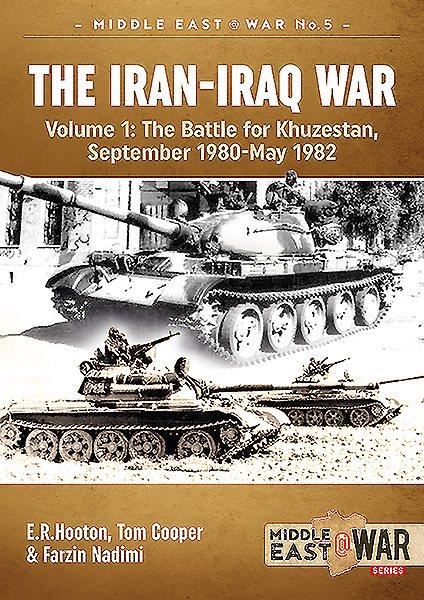
The Iran-Iraq War was one of the bloodiest conflicts of the 20th century and accidentally created the current nightmare of Islamic fundamentalist terrorism. There have been many books on the conflict, but this is the first detailed military history using materials from both sides, as well as materials obtained from US intelligence circles and British governmental archives. It provides a unique insight into a war which began through miscalculation and rapidly escalated into the longest conventional conflict in the post-Second World War era. The first volume looks at the background and describes in detail how Saddam Hussein decided to invade, but hamstrung, the Iraqi Army to restrict its greatest success to a narrow strip of territory in Irans southern province of Khuzestan. This left the Iraqis unable to either advance or withdraw, and exposed them to ever greater and more successful Iranian counter-strokes which drove them out in May 1982 in the ferocious Battle of Khorramshahr. Autorid: E.R. Hooton, Tom Cooper, Farzin Nadimi
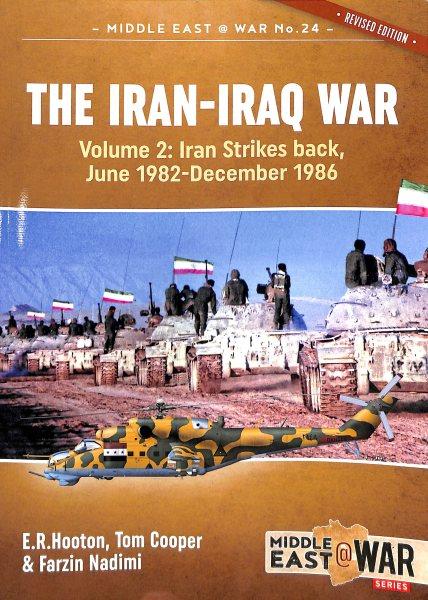
Volume 2 takes up the account after Iraq withdrew from Khuzestan and is based upon material from both sides, from US Intelligence data, British Government documents and secret Iraqi files. Iraqs withdrawal exposed the great southern city of Basra to Iranian attack but it was shielded by fortifications based upon a huge anti-tank ditch, the so-called Fish Lake, which the Iranians tried to storm in the summer of 1982. This bloody failure left Tehran in a position where prestige prevented a withdrawal into Iran but the armed forces lacked the resources to bring the conflict to a favorable conclusion. During the next four years the Iranians tried to outflank the Fish Lake defenses initially through the marshes in the north and finally through an attack on the Fao Peninsula which increased national prestige but was a strategic failure and paved the way for Iraqs massive victories in 1988. This followed a series of successful defensive battles in which the Iranians were driven back with great loss. This account describes the battles in greater detail than before and, by examining them, provides unique insights and ends many of the myths which are repeated in many other accounts of this conflict. Autorid: E.R. Hooton, Tom Cooper, Farzin Nadimi
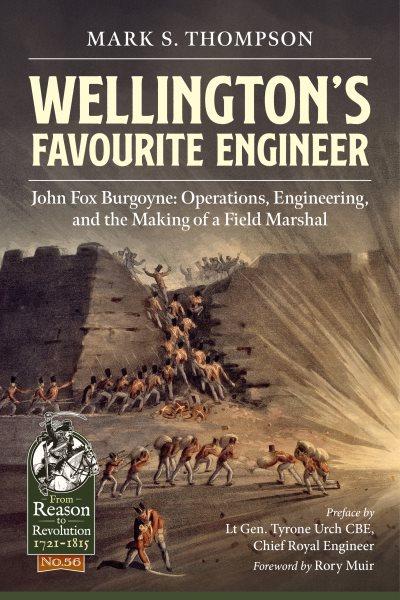
The Napoleonic Services of John Burgoyne RE who was present at many battles and sieges in the Peninsular War. This book is about the formative years of the first field marshal in the Corps of Royal Engineers, John Burgoyne, and his service in the Napoleonic Wars. Burgoynes early service was in the Mediterranean, followed by service in the Iberian Peninsula from 1808-1814. Having built up a good relationship with Wellington, Burgoyne was selected to command the engineers in the disastrous American campaign of 1814-15.Burgoynes father was also a well-known British general who, sadly, is remembered for his surrender of the British Army at Sarratoga, rather than for more positive reasons. He died penniless, leaving his children, including John, to be cared for by family friends. Burgoyne seemed to spend the rest of his life working to obtain his independence.Like many engineers, Burgoyne kept detailed diaries, also writing comprehensive letters and analyses of his actions. These give contemporary knowledge of many notable events, particularly during the Peninsular War. His letters to fellow officers give an insight into the opinions and thoughts of an engineer officer, views which are often not visible in official communications.The main theme of the book is to show the development of a young officer during the Napoleonic Wars from in inexperienced subaltern through to someone who advised Wellington and his generals directly on military matters. His involvement with the senior officers in the army was not restricted to engineering matters and he was trusted to carry out staff roles on many occasions.Burgoyne was present at many of the sieges and commanded at some. There is a wealth of unpublished information in his journals and letters. Burgoyne was highly critical of some of the sieges, even those that were considered successful. He was also critical of those where he commanded, particularly, Burgos in 1812. When Burgoyne was advising Raglan in the Crimea at the siege of Sevastopol, the failures at Burgos were used to undermine his position.The previous biography of Burgoyne by his son-in-law, George Wrottesley, published nearly 150 years ago. This biography is flawed in a number of ways and a new interpretation will help our understanding of this officer and present a different view on some of the key events during the Peninsular War.Wellingtons Favourite Engineer includes a Foreword by Rory Muir. Autorid: Mark S. Thompson
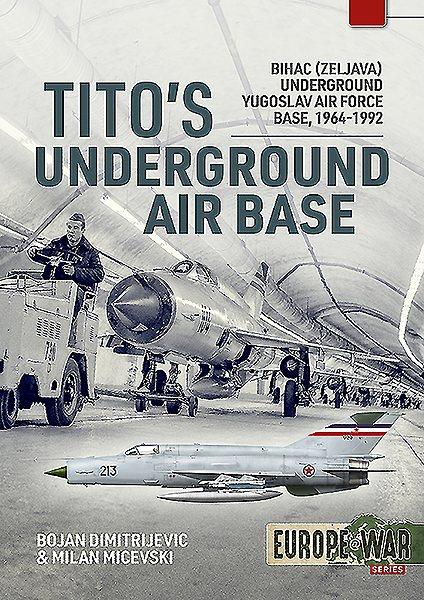
The air force of Titos Yugoslavia has had many different peculiarities - from a unique Cold War position of having operated a mix of US, Soviet, and indigenous aircraft and equipment, to the changeable strategies in case of war.One such feature was an entire underground air base constructed inside a hill near the town of Bihac, in western Bosnia. The Object was the core, the heart, of this air base: it housed four MiG-21 squadrons for nearly 25 years, until the civil war tore Yugoslavia apart.The Object was built as the outcome of Yugoslav military efforts to build up its independent defence capabilities, especially the air force which was regarded as the strategic tool in keeping Titos Yugoslavia's independence from both Cold War blocks. There were a few other underground shelters built at Yugoslavias air bases, but Bihac underground air base remained the only underground facility which was permanently used.Bihac Air Base was constructed directly on the border between two former federal states of Yugoslavia, now two independent countries: The Republic of Croatia, and The Republic of Bosnia and Herzegovina. Indeed, their post-independence border runs between the former taxiways and underground entrances. Nowadays, its ruins are a place of pilgrimage by many aviation and military enthusiasts, and is known as Zeljava, after a nearby village on the Croatian side.In its five chapters this book provides an in-depth account of the design and construction of the air base and its underground object, and a detailed account of the activities of its MiG-21 squadrons and everyday operations in the period between 1968 and 1991. The book concludes with an exhaustive description of combat operations during the final year of the existence of the Bihac Air Base in 1991-1992, under the conditions of the civil war.Drawing upon exclusive archival sources many of them classified until very recently the authors have expanded the emerging story through interviews with dozens of officers and other ranks that served at this underground aircraft carrier, thus managing to fill the gaps in usage not covered by the documentation.Titos Underground Air Base is lavishly illustrated with a huge collection of exclusive photographs collected from numerous archives, museums, and private collections, and a set of authentic colour profiles and diagrams. It is a unique source of reference about one of most fascinating projects related to underground military facilities constructed during the Cold War. Titos Underground Air Base is lavishly illustrated with exclusive photographs from numerous archives, museums, and private collections, and a set of authentic colour profiles and diagrams. It is a unique source of reference about one of most fascinating projects related to underground military facilities constructed during the Cold War. Autorid: Bojan Dimitrijevic, Milan Micevski
With a lack of sentimentality unusual for the genre, Venice Observed explores the history, art, architecture, religion, and cultural peculiarities of the City of Canals. Mordantly witty and legendarily wry, Mary McCarthy catalogs the impressions of such visitors to the city as Montaigne, Stendhal, Spencer, and Henry James, but paints her own wholly original depictions of the city. Her adoration of the immortal city enlivens her interest in everything from the Venetian preference for cats over dogs to Tintoretto's paintings in the Scuola di San Rocco. Concerning Venice's ubiquitous tourists, McCarthy notes, "The complaint against foreigners, voiced by a foreigner, chimes querulously through the ages, in unison with the medieval monk who found St Mark's Square filled with 'Turks, Libyans, Parthians, and other monsters of the sea.' Today it is the Germans we complain of, and no doubt they complain of the Americans, in the same words." Conversational yet deeply informed, Venice Observed is a classic travel narrative for the ages.
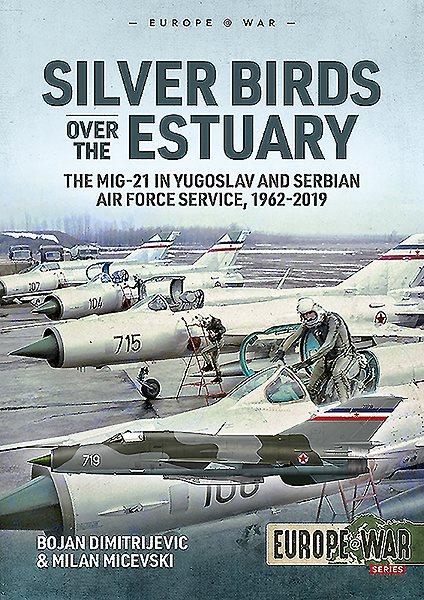
MiG-21s formed the backbone of the Yugoslav Air Force and Air Defence Force and later the Serbian Air Force. This book is based upon the authors extensive research in archives and interviews with veterans that flew this type. Most of the photos in this volume have never been published before. The Mikoyan i Gurevich MiG-21 has been built in greater numbers than any other combat aircraft since 1945. It also saw service with more air forces than any other type manufactured over the last 70 years.Locally designated the L (for Lovac or fighter), for more than half a century over 260 MiG-21s in 12 different versions and sub-variants formed the backbone of the Yugoslav Air Force and Air Defence Force (JRV i PVO) and later the Serbian Air Force (RV i PVO).Entering service at the peak of the Cold War, the MiG-21 quickly replaced the US-supplied North American F-86E and F-86D Sabres in the Yugoslav inventory. The first version, MiG-21F-13, was followed by the MiG-21PFM in 1967, and MiG-21M/MF in 1970. Serving with the 204th Fighter Regiment, the task of these fighters was the air defence of Belgrade, capital of Yugoslavia.Whenever a new and more advanced variant became available, older types were handed over to other units. This is how the 117th Fighter Regiment came into being, based at the famous underground air base outside the town of Bihac. The Pristina-based 83rd Fighter Regiment followed in 1972.In Titos Yugoslavia, the MiG-21 was also deployed for strategic reconnaissance. In 1968-1969, the JRV i PVO introduced the MiG-21R to service, which became the primary photo- and electronic reconnaissance platform of the entire military. The importance of the fleet was further increased in 1984, when US-made Fairchild KA-112 LORAP containers were added to their arsenal.The final and most widely used version became the MiG-21bis, delivered to Yugoslavia in the 1977-1983 period. By the time of the dissolution of the country, in 1991-1992, it formed the backbone of the fleet and saw intensive combat service as a fighter-bomber during the conflicts in Slovenia, Croatia, and Bosnia and Herzegovina. Of particular interest during this period was the widespread use of diverse ordnance of native and NATO-origins.While operated by the RV i PVO, MiG-21s did not fly any combat sorties during NATOs campaign against the Federal Republic of Yugoslavia of 1999 better known as the Kosovo War. Nevertheless, it was intensively targeted by NATOs air power, resulting in destruction of nearly half the fleet.Although subsequently considered obsolete, and operated in continuously declining numbers, the MiG-21bis continued soldiering on with the RV i PVO, and even maintained quick reaction alert duty until late 2015, when officially retired. The final handful of two-seat conversion trainers is still in service as this volume is prepared.The book is based upon the authors extensive research in Serbian and Croatian archives, museums and interviews with veterans that flew this type. Most of the photos in this volume have never been published before. Autorid: Bojan Dimitrijevic, Milan Micevski