Charme White+ Conditioner on professionaalne palsam valgete karvadega koertele, mis hoiab ära kollasuse. White+ valem on loodud: lisama karvkattele sära, rõhutama karva valget värvi, niisutama ja toitma karvu. Regulaarne kasutamine aitab säilitada valget karva ja hoiab ära kollasuse. Valemis sisalduvad orgaanilised õlid, puuvill ja kookos, toidavad karva sügavuti, andes sellele pehmuse ja niisutuse. Kontsentraat: 1:5. Kuidas kasutada: lahjendage palsam sooja veega vahekorras 1:5 (1 osa palsamit, 5 osa vett). Kandke segu eelnevalt pestud, märjale karvale. Masseerige või jaotage palsam kammiga. Laske mõjuda paar minutit. Loputage põhjalikult. Parimate tulemuste saavutamiseks: kasutage koos Charme WHITE+ šampooni ja Charme White+ viimistlusspreiga. Koostisosad: vesi, cetearyl alcohol, Ceteareth-20, Gossypium Herbaceum (puuvilla) seemneõli, Cocos Nucifera õli, Polyquaternium-7, sidrunhape, Laueth-3, Cl 60730.
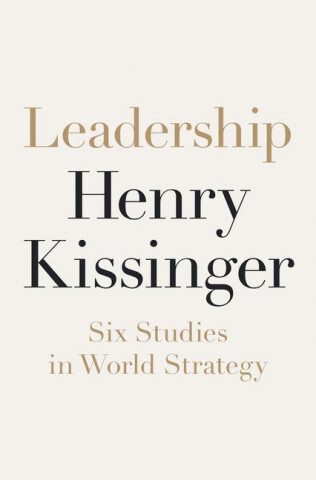
Henry Kissinger, consummate diplomat and statesman, examines the strategies of six great twentieth-century figures and brings to life a unifying theory of leadership and diplomacy Leaders, writes Henry Kissinger in this compelling book, think and act at the intersection of two axes: the first, between the past and the future; the second, between the abiding values and aspirations of those they lead. They must balance what they know, which is necessarily drawn from the past, with what they intuit about the future, which is inherently conjectural and uncertain. It is this intuitive grasp of direction that enables leaders to set objectives and lay down a strategy. In Leadership, Kissinger analyses the lives of six extraordinary leaders through the distinctive strategies of statecraft, which he believes they embodied. After the Second World War, Konrad Adenauer brought defeated and morally bankrupt Germany back into the community of nations by what Kissinger calls the strategy of humility. Charles de Gaulle set France beside the victorious Allies and renewed its historic grandeur by the strategy of will. During the Cold War, Richard Nixon gave geostrategic advantage to the United States by the strategy of equilibrium. After twenty-five years of conflict, Anwar Sadat brought a vision of peace to the Middle East by a strategy of transcendence. Against the odds, Lee Kuan Yew created a powerhouse city-state, Singapore, by the strategy of excellence. And, though Britain was known as the sick man of Europe when Margaret Thatcher came to power, she renewed her country s morale and international position by the strategy of conviction. To each of these studies, Kissinger brings historical perception, public experience and because he knew each of the subjects and participated in many of the events he describes personal knowledge. Leadership is enriched by insights and judgements that only Kissinger could make and concludes with his reflections on world order and the indispensability of leadership today.
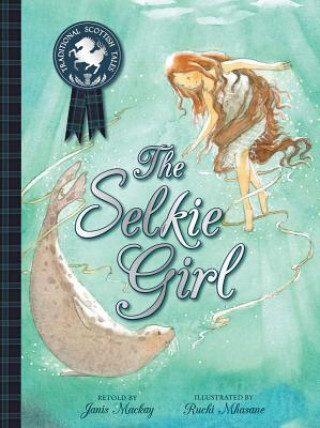
An adaptation of the beautiful traditional Scottish folk tale of the selkie (a seal who can become human). Shonagh's seal skin is found by a lonely little boy. Will Fergus and the selkie girl become friends?
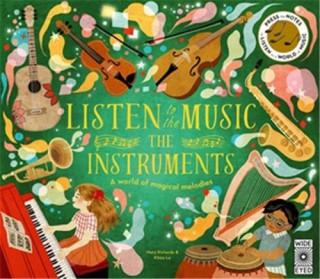
Press the buttons to hear the music in this time-travelling journey around the world, as young readers embark on a magical adventure through classical music! Covering 10 different, beloved orchestral instruments, from different pieces from around the world, readers hear music composed and can press them to hear clips of musical masterpieces! From Elgar's Cello Concerto to a violin sonata by Beethoven, this book will teach children about cultural history, famous musicians and musical genres, all while wanting to press the buttons and hear the music again and again. Each of the ten composers throughout the story tells children about their favourite instrument, how it makes them feel, and what animals or moods they thought of as they were writing the piece of music. This is a beautiful first introduction to the history of music as told to the tune of the key instruments in the orchestra. Perfectly pitched to inspire and instil a love of music from a young age, this book will strike a chord with curious children who might be thinking about choosing a first instrument to learn. Autorid: Mary Richards, Khoa Le
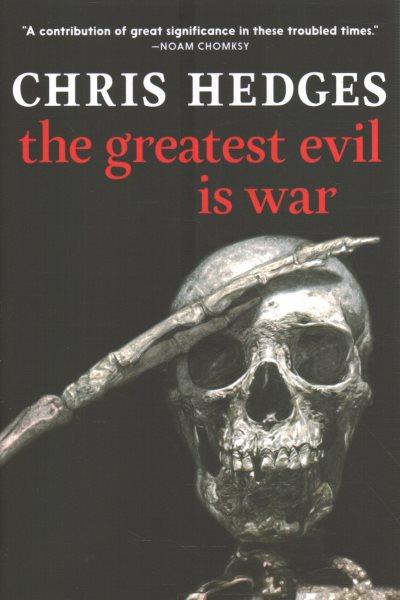
"In fifteen short chapters, Chris Hedges astonishes us with his clear and cogent argument against war, not on philosophical grounds or through moral arguments, but in an irrefutable stream of personal encounters with the victims of war, from veterans andparents to gravely wounded American serviceman who served in the Iraq War, to survivors of the Holocaust, to soldiers in the Falklands War, among others. Hedges reported from Sarajevo, and was in the Balkans to witness the collapse of the Soviet Union. In 2002 he published War Is a Force that Gives Us Meaning, which the Los Angeles Times described as "the best kind of war journalism... bitterly poetic and ruthlessly philosophical" and the New York Times called "a brilliant, thoughtful, timely, and unsettling book." In the twenty years since, Hedges has not wanted to write another book on the subject of war-until now, with the outbreak of war in Ukraine. It is important again to be reminded who are the victors of the spoils of war and of other unerring truths, not only in this war but in all modern wars, where civilians are always the main victims, and the tools and methods of war are capable of so much destruction it boggles the mind. This book is an unflinching indictment of the horror and obscenity of war by one of our finest war correspondents"-- An unflinching indictment of the horror and obscenity of war by one of our finest war correspondents.Drawn from experience and interviews by Pulitzer-prize-winner Chris Hedges, this book looks at the hidden costs of war, what it does to individuals, families, communities and nations.In fifteen short chapters, Chris Hedges astonishes us with his clear and cogent argument against war, not on philosophical grounds or through moral arguments, but in an irrefutable stream of personal encounters with the victims of war, from veterans and parents to gravely wounded American serviceman who served in the Iraq War, to survivors of the Holocaust, to soldiers in the Falklands War, among others. Hedges reported from Sarajevo, and was in the Balkans to witness the collapse of the Soviet Union. In 2002 he published War Is a Force that Gives Us Meaning, which the Los Angeles Times described as the best kind of war journalism… bitterly poetic and ruthlessly philosophical and the New York Times called a brilliant, thoughtful, timely, and unsettling book. In the twenty years since, Hedges has not wanted to write another book on the subject of waruntil now, with the outbreak of war in Ukraine. It is important again to be reminded who are the victors of the spoils of war and of other unerring truths, not only in this war but in all modern wars, where civilians are always the main victims, and the tools and methods of war are capable of so much destruction it boggles the mind. This book is an unflinching indictment of the horror and obscenity of war by one of our finest war correspondents. Autorid: Chris Hedges