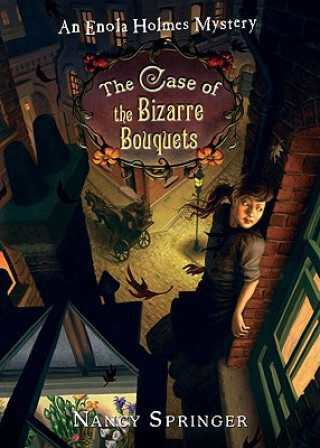
Everyone knows Dr. Watson is Sherlock Holmes? right-hand man?so when he goes missing, it's a shock. Even Sherlock hasn't the slightest clue as to where he could be. Enola is intrigued but wary; she's still hiding from her older brothers, and getting involv
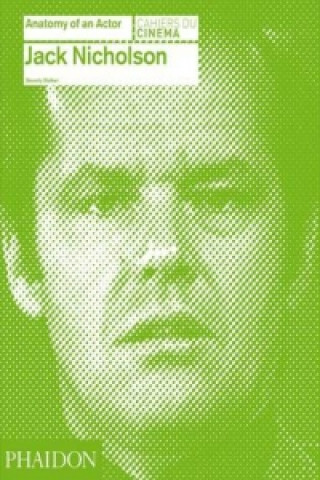
This monograph focuses on Jack Nicholson (b.1937), celebrated around the world as a unique film presence, specialising in a long list of challenging roles successfully brought to life on screen.
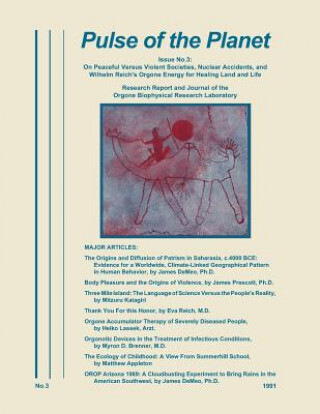
First published in 1991, Pulse of the Planet No.3 was part of a series of occasional reports by the Orgone Biophysical Research Laboratory (OBRL), edited by James DeMeo, PhD, who also is the founder and Director of OBRL. This particular issue continued to present new materials documenting long-distance geophysical, atmospheric and biological reactions to the on-going program of underground nuclear testing of that period. It also provided additional information on Wilhelm Reich's orgone energy discovery, including papers which discussed the use of the orgone energy accumulator for health and healing. An experimental field test of Reich's cloudbusting method to increase rains over Arizona in 1989, was also reported. Additional papers presented a concise discussion on cross-cultural factors which identify peaceful versus violent societies, including DeMeo's work on Saharasia. Plus, a discussion on Summerhill School in Suffolk England was also presented. This third issue of Pulse contains the following items: * By James DeMeo: "The Origins and Diffusion of Patrism in Saharasia, c.4000 BCE: Evidence for a Worldwide, Climate-Linked Geographical Pattern in Human Behavior", "OROP Arizona 1989: A Cloudbusting Experiment to Bring Rains in the Desert Southwest", and "Interview with James DeMeo" conducted by Matthew Ryan. * By James Prescott: "Body Pleasure and the Origins of Violence". * By Mitzuru Katagiri: "Three Mile Island: The Language of Science versus the People's Reality". * By Heiko Lassek: "Orgone Accumulator Therapy of Severely Diseased People". * By Myron D. Brenner: "Orgonotic Devices in the Treatment of Infectious Conditions". * By Matthew Appleton: "The Ecology of Childhood: A View from Summerhill School". * By Eva Reich: "Thank You For This Honor". * Conference Reports. * Book Reviews. * Research Progress Report. * Emotional Plague Report. * Science Notes. * Sex-Economic Notes. * Environmental Notes. * Nuclear Hazards. * Health Notes. * Positive Signs. * Orgonomic Research Review. * Calendar of Forthcoming Events. * Letters to the Editor. This was the third and last issue of Pulse of the Planet under that specific title, though it continues as an "Occasional Report" from the OBRL under separate book titles. The original edition of Pulse No.3 went out of print years ago, but is now made available once again given the importance of the materials, both for the issues they raise, as well as for the history of orgonomy in the period after Reich's death.
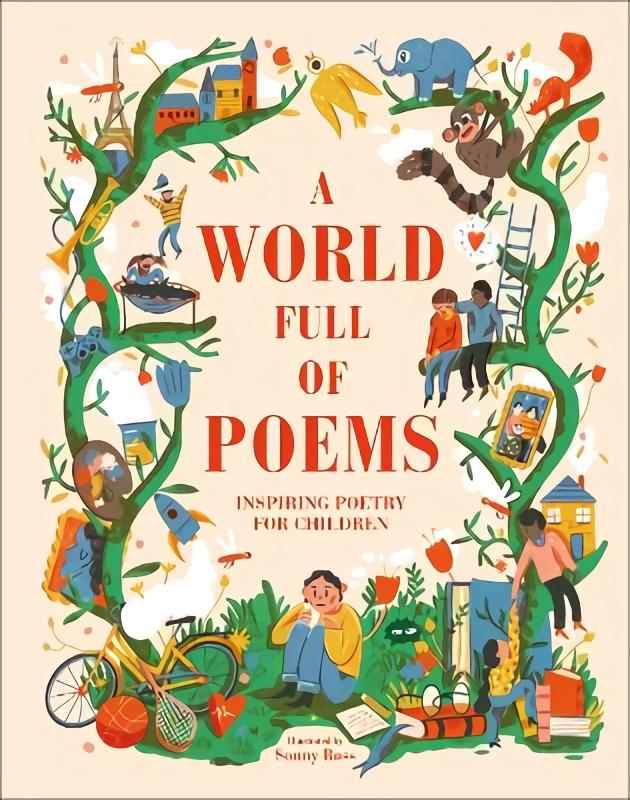
A gorgeously illustrated introduction to poetry for children, featuring poems about everything from science, sports, and space, to friendship, family, and feelings. This thoughtfully crafted anthology is perfect for children new to verse and for young poetry fans seeking out new favorites. Explore poetry from a diverse selection of contemporary and historical poets, covering a broad range of topics--from personal subjects like emotions and family, to the wonders of the natural environment. Carefully selected works encourage children to see the poetry in everything and to embrace the beauty of their everyday lives. Poems are complemented by detailed illustrations, timelines, and interesting facts about the topics covered, ensuring that the poems are not just entertaining, but relevant, topical, and informative. Prompts and activities inspire children to create their own poetry, and devices like rhyme, repetition, and alliteration are introduced and explained in a fun and accessible manner.
Every civil action raised in a Scottish court is initiated by written pleadings, which set out the remedy sought, the facts and the propositions in law.Drawing on the authors combined expertise and wealth of experience as civil court judges and practitioners, this book provides a practical guide to drafting and responding to pleadings. More than that, it provides tips for the drafter on approaching their case analysis and on the factual investigations to be carried out before the drafting begins.Whether you are a student undertaking the Diploma in Professional Legal Practice, a trainee solicitor, a devil advocate or a civil court practitioner, this book will provide you with the essential principles and rules of good pleading and will steer you away from common pitfalls and judicial criticism. Like the first edition before it, it does so with a light-hearted touch and (with poor attempts at) humour.Coverage includes drafting the initial writ/summons, drafting the defences, adjusting pleadings, amending pleadings, special causes (such as personal injuries actions, commercial actions, family actions, petitions and summary applications), ethical pleading and a chapter devoted to avoiding the pitfalls. A practical guide to drafting written pleadings in Scottish civil courts. Autorid: Robert Black, Peter Braid, Lesley Johnston, Dominic Scullion