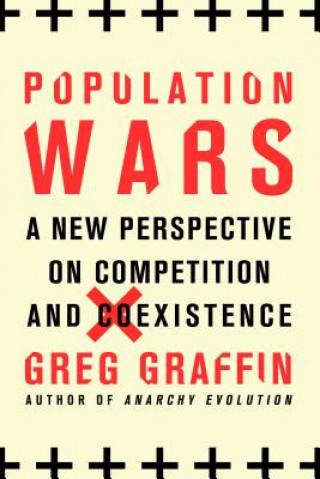
In Population Wars, Greg Graffin points to where the mainstream view of evolutionary theory has led us astray. That misunderstanding has allowed us to justify wars on every level, whether against bacterial colonies or human societies, even when other, less violent solutions may be available.
INSEKTITSIID „DICHLOFOSS“ Lendavate putukate (kärbsed, sääsed) hävitamiseks ruumides. Kasutamine. Enne kasutamist tuleb sulgeda aknad ja uksed. Viia ruumist ära toiduained, loomapuurid, akvaariumid. Katta esemed, mis võivad puutuda kokku toiduainetega. Enne kasutamist loksutada. Lendavate putukate hävitamiseks 14–18 m2 ruumis pihustada 5–7 sekundit. 15 min. möödumisel ruum korralikult tuulutada nii, et vahendi lõhna ei oleks enam tunda. Lendavate putukate hävitamiseks, v.a taimede ja toodete kaitseks.
Ole vastupandamatu sädeleva-poolläbipaistva body sensuaalses võlus! Miks see on hea? Kõrge kvaliteediga elastne ja paindlik materjalAhvatlev, mänguline, elegantne ja lopsakas - kõik see kehtib body kohta, millel on kaunistuseks rõngad nibude juuresÜlemine osa on täiesti läbipaistev, samas kui alumine osa ja kaelarihm on sädeleva materjaligaKaelarihmaga ja pikkade varrukatega disainLukuga, mida saab tõmmata kaelast kuni kubemeniPidage meeles: Pestav käsitsi õrna pesuvahendiga veesEi tohi triikida, ei tohi panna kuivatisse, ei tohi pleegitadaTundliku materjali tõttu soovitatav hoida eraldi, et vältida kahjustusi.Pakendi sisu: 1 bodyToote spetsifikatsioonid ja omadused: Kvaliteetne materjalist bodyNoir - Project Fetish kollektsioonVenivÜlalt läbipaistevAlt läikiv, sädelev materjal (wet look)Pikad varrukadLukkKaelarihmVärv: mustMaterjal: alt 76% polüester, 24% elastaan PU kattega; ülalt 93% polüamiid, 7% elastaan
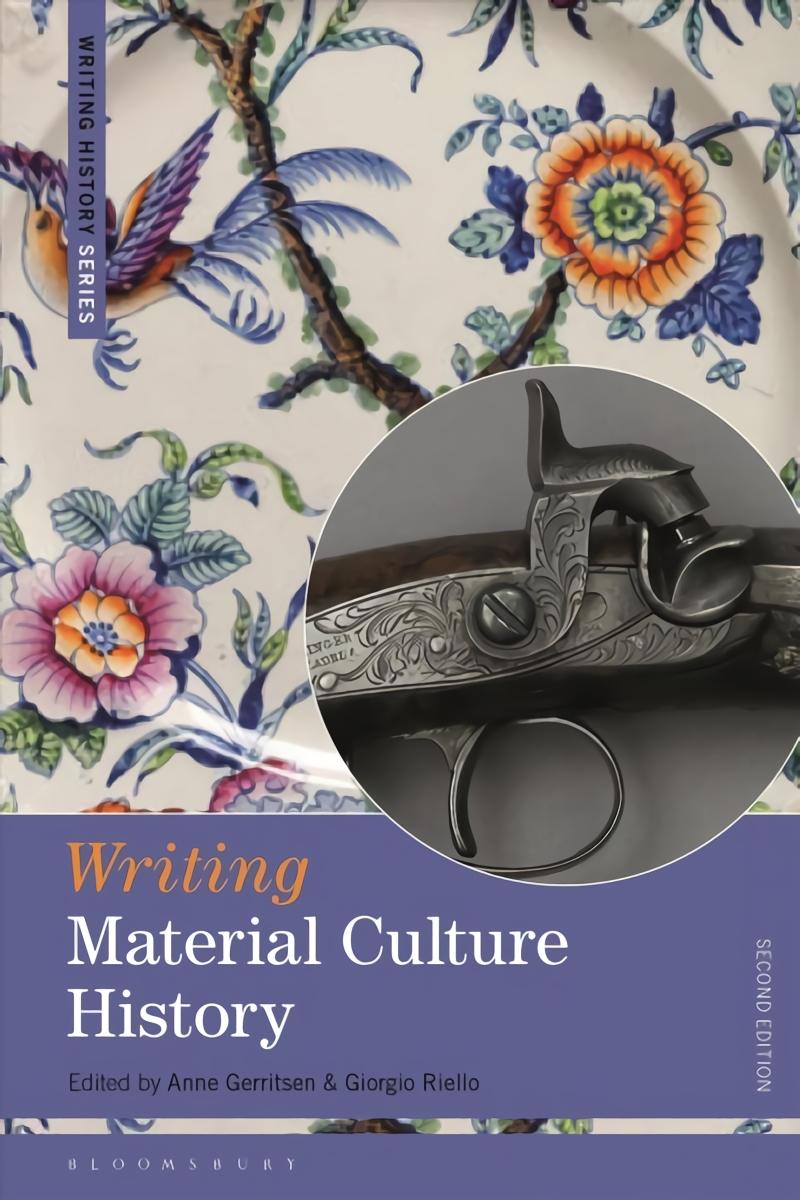
"This new edition of Writing Material Culture History examines the methodologies currently used in the historical study of material culture. Touching on archaeology, anthropology, art history and literary studies, the book provides history students with a fundamental understanding of the relationship between artefacts and historical narratives. The role of museums, the impact of the digital age and the representations of objects in public history are just some of the issues addressed in a book that brings together distinguished scholars from around the world"-- Writing Material Culture History examines the methodologies currently used in the historical study of material culture. Touching on archaeology, anthropology, art history and literary studies, the book provides history students with a fundamental understanding of the relationship between artefacts and historical narratives. The role of museums, the impact of the digital age and the representations of objects in public history are just some of the issues addressed in a book that brings together distinguished scholars from around the world.This new edition includes:* A new wide-ranging introduction highlighting the role of material culture in the modern period and presenting recent contributions to the field.* A more balanced and easy-to-use structure, including 9 methodological chapters and 20 'object in focus' chapters consisting of case studies for classroom discussion.* 5 fresh 'object in focus' chapters showing greater engagement with 20th-century material culture, non-European artefacts (particularly in relation to issues of power, indigenity and repatriation of objects), architecture (with pieces on industrial heritage in Europe and on heritage destruction in China) and the definitions and limits of material culture as a discipline.* Expanded online resources to help students navigate the museums/institutions holding key artefacts.* Historiographical updates and revisions throughout the text.Focusing on the global dimension of material culture and bridging the gap between the early modern and modern periods, Writing Material Culture History is an essential tool for helping students understand the potential of objects to re-cast established historical narratives in new and exciting ways.
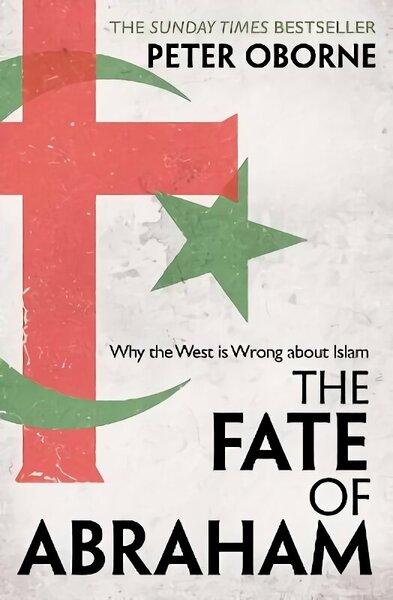
As the Cold War faded into history, it appeared to have been replaced by a new conflict - between Islam and the West. Or so we are told. After the events of 9/11 and the advent of the 'war on terror', this narrative seemed prophetic. But, as Peter Oborne reveals in this masterful new analysis, the concept of an existential clash between the two is a dangerous and destructive fantasy. Based on rigorous historical research and forensic contemporary journalism that leads him frequently into war-torn states and bloody conflict zones, Oborne explains the myths, fabrications and downright lies that have contributed to this pernicious state of affairs. He shows how various falsehoods run deep, reaching back as far as the birth of Islam, and have then been repurposed for the modern day. Many in senior positions in governments across the West have suggested that Islam is trying to overturn our liberal values and even that certain Muslims are conspiring to take over the state, while Douglas Murray claims in his new book that we face a 'War on the West'. But in reality, these fears merely echo past debates, as we continue to repeat the pattern of seemingly wilful ignorance. With murderous attacks on Muslims taking place from Bosnia in 1995 to China today, Oborne dismantles the falsehoods that lie behind them, and he opens the way to a clearer and more truthful mutual understanding that will benefit us all in the long run. Autorid: Peter Oborne
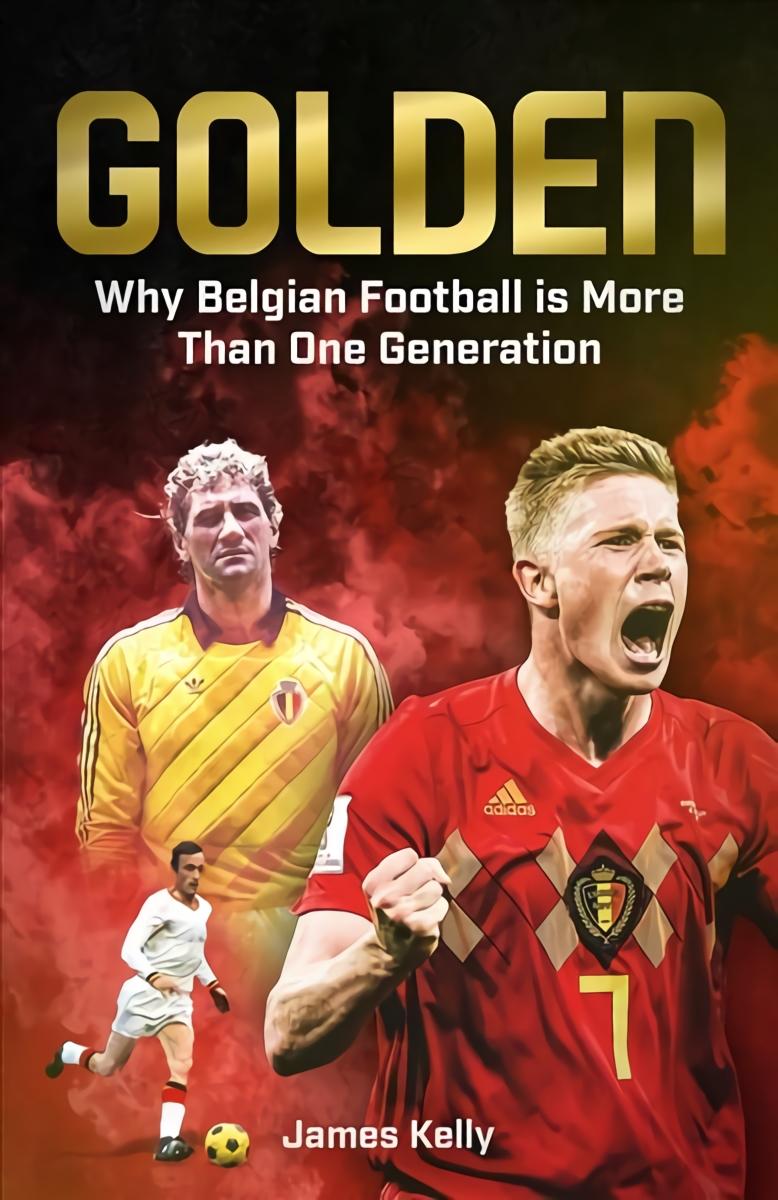
In 2018, the Belgian national football team finished third in the FIFA World Cup and reached number one in the FIFA/Coca-Cola Men's Rankings. With a squad boasting the likes of Eden Hazard, Kevin De Bruyne and Romelu Lukaku they possess some of the world's best players. However, such success is more than a flash in the pan. This generation is just the latest wave of talent the nation has produced. The first book of its kind in English, Golden: Why Belgian Football is More Than One Generation is the definitive story of football in Belgium. It relives the sport's growth and the European glories of Belgian clubs, charting their untold triumphs against the biggest names. It dives into the recent production of world-class players in its academies, amid the murkiness of financial irregularities and match-fixing. It tells the tale of how a nation with a population of under 12 million has continued to make its mark on world football. Autorid: James Kelly
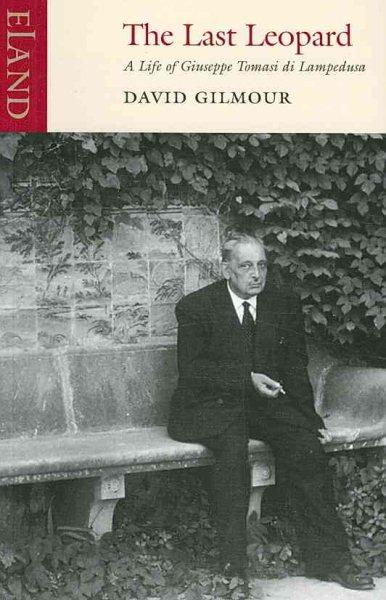
David Gilmour's biography of Giuseppe di Lampedusa unearths the life story of the creator of "The Leopard", one of the great novels of the twentieth century. A book whose imagery, once tasted, haunts the reader forever. "The Leopard" describes the golden era of the nineteenth-century Sicily in all its sensual, fading, aristocratic glory. But beneath the surface lurk Sicily's millenial contagions - corruption, brutality and inequality. Who wrote this masterpiece, this work of art? the answer is as unlikely as one might hope. This is a fascinating meditation on what it is that makes a writer. Autorid: David Gilmour
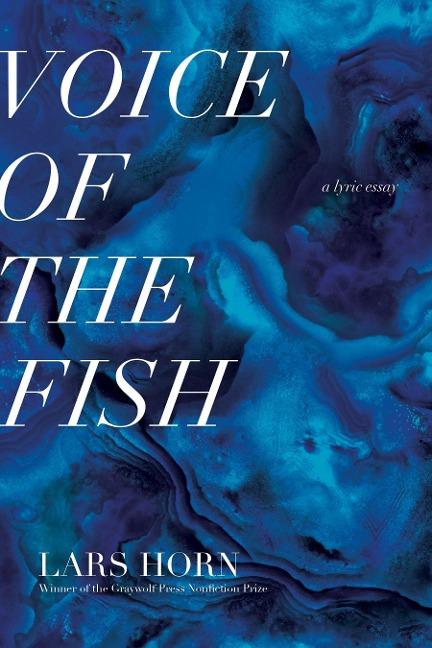
Lars Horn's Voice of the Fish, the latest Graywolf Press Nonfiction Prize winner, is an interwoven essay collection that explores the trans experience through themes of water, fish, and mythology, set against the backdrop of travels in Russia and a debilitating back injury that left Horn temporarily unable to speak. In Horn's adept hands, the collection takes shape as a unified book: short vignettes about fish, reliquaries, and antiquities serve as interludes between longer essays, knitting together a sinuous, wave-like form that flows across the book.Horn swims through a range of subjects, roving across marine history, theology, questions of the body and gender, sexuality, transmasculinity, and illness. From Horn's upbringing with a mother who used them as a model in photos and art installations-memorably in a photography session in an ice bath with dead squid-to Horn's travels before they were out as trans, these essays are linked by a desire to interrogate liminal physicalities. Horn reexamines the oft-presumed uniformity of bodily experience, breaking down the implied singularity of "the body" as cultural and scientific object. The essays instead privilege ways of seeing and being that resist binaries, ways that falter, fracture, mutate. A sui generis work of nonfiction, Voice of the Fish blends the aquatic, mystical, and physical to reach a place beyond them all.