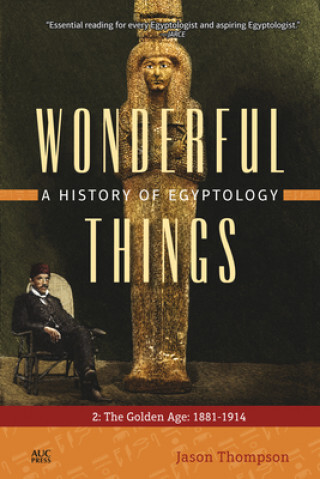
The golden age of Egyptology is covered in this comprehensive history of the study and understanding of ancient Egypt, from ancient times to the twenty-first century, in this second volume new in paperback The discovery of ancient Egypt and the
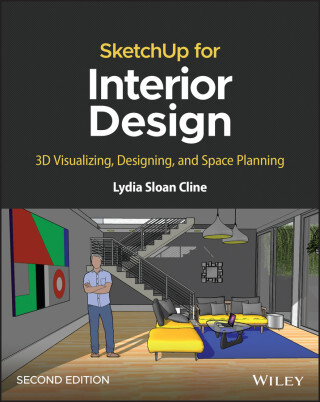
Practical guide addressing the specific needs of interior designers and explaining the latest features of the professional, subscription-based version of SketchUp.SketchUp for Interior Design, Second Edition shows interior designers, interior architects, and students how to design and model with this software. How to create 3D models and space plans, furniture, cabinetry, accessories, experiment with colors and materials, import manufacturers' models, and make client presentations and animated walk-throughs are all covered in a step-by-step tutorial manner.This edition also includes expanded information on the LayOut feature, the Component and Extension Warehouses, and updates on the latest tools and functions.Each chapter is packed with screenshots, making the instructions easy to follow. Files on a companion site allow readers to play along with the book's examples.In SketchUp for Interior Design, readers will:* Choose a template and navigate the interface.* Use fundamental tools such as push/pull, circle, rectangle, eraser, pencil, move, and modifiers to make those tools perform different functions.* Import paper sketch and AutoCAD plans, and trace over them for quick modeling.* Download and install toolbars from the Extension Warehouse and other sites.* Create scaled, 2D graphics from the model.* Make tables of design components for costs and contractors.With comprehensive, accessible coverage of SketchUp and its practical application, SketchUp for Interior Design is an essential reference for professionals, hobbyists, students, and anyone who wants to create spaces and communicate their ideas.
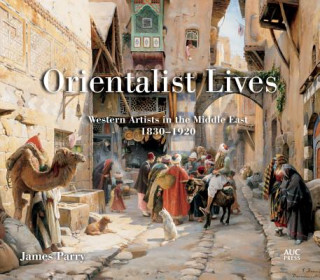
In one of the most remarkable artistic pilgrimages in history, the nineteenth century saw scores of Western artists heading to the Middle East. Inspired by the allure of the exotic Orient, they went in search of subjects for their paintings. Orientalist Lives looks at what led this surprisingly diverse and idiosyncratic group of men-and some women-to often remote and potentially dangerous locations, from Morocco to Egypt, the Levant, and Turkey. There they lived, worked, and traveled for weeks or months on end, gathering material with which to create art for their clients back in the drawing-rooms of Boston, London, and Paris. Based on his research in museums, libraries, archives, galleries, and private collections across the world, James Parry traces these journeys of cultural and artistic discovery. From the early pioneer David Roberts through the heyday of leading stars such as Jean-Léon Gérôme and Frederick Arthur Bridgman, to Orientalism's post-1900 decline, he describes how these traveling artists prepared for their expeditions, coped with working in unfamiliar and challenging surroundings, engaged with local people, and then took home to their studios the memories, sketches, and collections of artifacts necessary to create the works for which their audiences clamored. Excerpts from letters and diaries, including little-known accounts and previously unpublished material, as well as photographs, sketches, and other original illustrations, bring alive the impressions, experiences, and careers of the Orientalists and shed light on how they created what are now once again recognized as masterpieces of art.
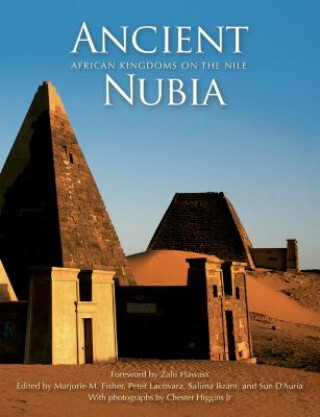
Gloriously illustrated and impressive in scope, this book represents a comprehensive overview of ancient Nubia. It opens with a thematic survey with contributors addressing topics such as the rediscovery of ancient Nubia and the development of archaeological work there, including the widespread destruction in the wake of the construction of the Aswan and Merowe dam, its physical geography, and historical outline. There follow chronological reviews of Nubia's art and architecture, chapters on cultural aspects such as religion, burial practices, texts, daily life, costume and pottery. The second half of the book consists of a gazetteer of sites, following the course of the Nile from North to South: descriptions of the archaeology are accompanied by plentiful plans and photos as well as notes on the history of their excavation.
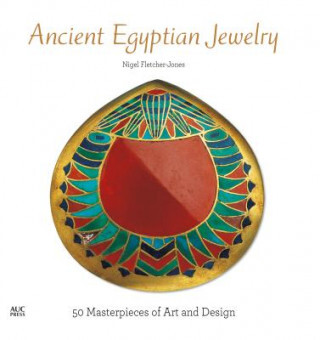
The artistry and splendor of ancient Egyptian jewelry in fifty masterpieces Jewelry was worn by ancient Egyptians at every level of society and, like their modern descendants, they prized it for its aesthetic value, as a way to adorn and beauti
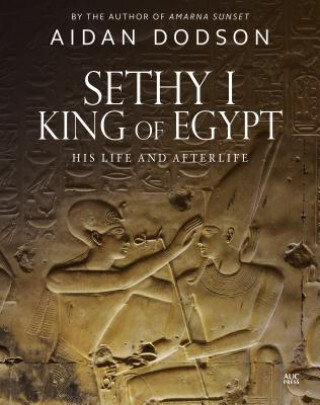
Language: English, Binding: Hardback, Number of pages: 200, Publishers: The American University in Cairo Press, Author: Aidan Dodson, ISBN-13: 9789774168864, Date of issue: 2018
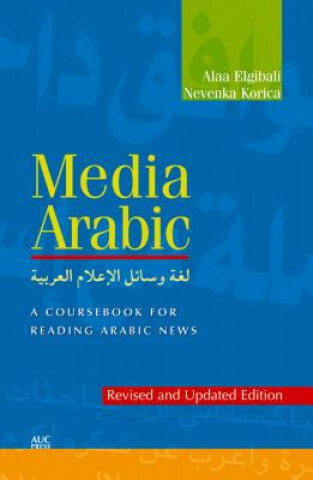
In light of the rapidly growing number of people studying Arabic-in academia, governments, NGOs, and business-Media Arabic is a unique and timely learning tool for anyone looking to access news information from this important global region firsthand. Media Arabic introduces the language of the newspapers, magazines, and internet news sites to intermediate and advanced level students of Modern Standard Arabic. Using this textbook, students will be able to master core vocabulary and structures typical of front-page news, recognize various modes of coverage, distinguish fact from opinion, detect bias, and read critically in Arabic. Drawing on their long experience as Arabic instructors, Alaa Elgibali and Nevenka Korica have organized the book into six chapters, each covering a dominant news topic: Talks and Conferences, Demonstrations and Protests, Conflicts and Terrorism, Elections, Rule of Law, and Business. In addition, the book offers three self-assessment units and a glossary organized by theme. The book enables students to read extended texts with greater accuracy and speed by focusing on the relationships among meaning, language form, and markers of cohesive discourse. The activities include pre-reading discussions as well as extensive practice on vocabulary in context, organizing information, skimming, scanning, critical reading, and analyzing content.
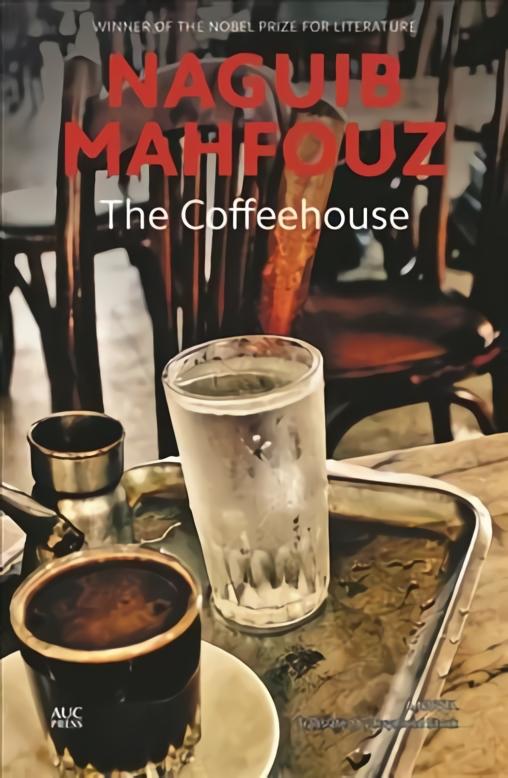
Mahfouz's last novel, an evocative depiction of life in Egypt in the twentieth century as told through the lives of a group of friends, is now available in paperback for the first time On a school playground in the stylish Cairo suburb of Abbasiya, five young boys become friends for life, making a nearby café, Qushtumur, their favorite gathering spot forever. One is the narrator, who, looking back in his old age on their seven decades together, makes the other four the heroes of his tale, a Proustian, and classically Mahfouzian, quest in search of lost time and the memory of a much-changed place. In a seamless stream of personal triumphs and tragedies, their lives play out against the backdrop of two world wars, the 1952 Free Officers coup, the defeat of 1967 and the redemption of 1973, the assassination of a president, and the simmering uncertainties of the transitional 1980s. But as their nation grows and their neighborhood turns from the green, villa-studded paradise of their youth to a dense urban desert of looming towers, they still find refuge in the one enduring landmark in their ever-fading world: the humble coffeehouse called Qushtumur. The Coffeehouse is a powerful and timeless novel of loss and memory from one of Egypt's most celebrated literary masters. Autorid: Naguib Mahfouz, Raymond Stock
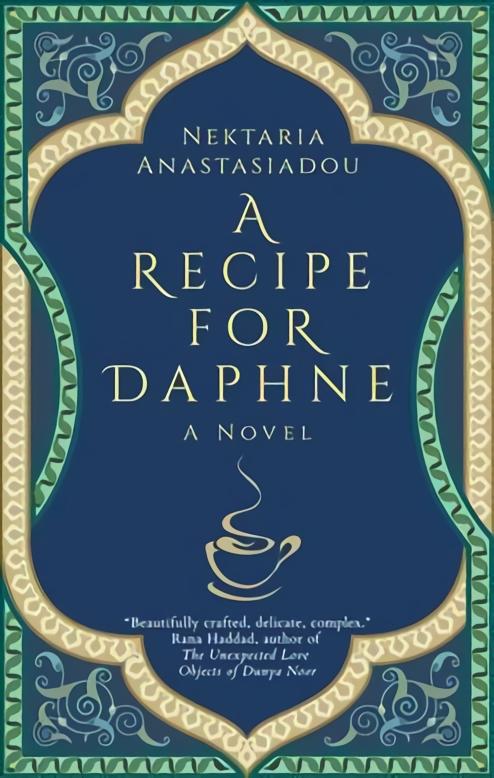
ELIF SHAFAK'S NEW YORK TIMES ISTANBUL READING LIST A GREAT GROUP READS SELECTION SHORTLISTED FOR THE 2022 RUNCIMAN AWARD LONGLISTED FOR THE 2022 DUBLIN LITERARY AWARD At the neighborhood café where pastry chef Kosmas, charming widower Fanis, and other RumGreek Orthodox Christianfriends meet regularly for afternoon tea, American-born Daphne arrives with her elderly aunt. Daphne unsettles hearts, provokes jealousies, and stirs up memories of the 1955 Istanbul pogrom, forcing Kosmas and Fanis to confront their painful history in order to risk new beginnings. A shrewd and humorous tale, A Recipe for Daphne invites the reader into the kitchens, loves, and secret lives of Istanbul's most ancient community. Autorid: Nektaria Anastasiadou
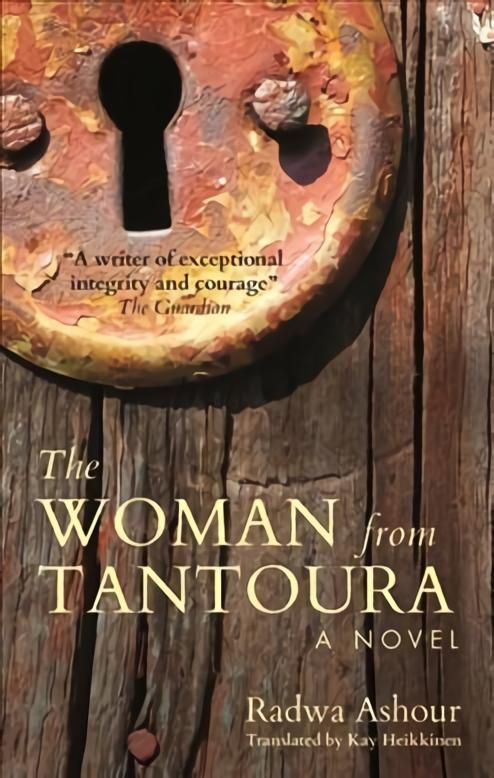
Ruqayya was only thirteen when the Nakba came to her village in Palestine in 1948. The massacre in Tantoura drove her from her home and from everything she had ever known. She had not left her village before, but she would never return. Now an old woman, Ruqayya looks back on a long life in exile, one that has taken her to Syria, Lebanon, the Gulf, and given her children and grandchildren. Through her depth of experience and her indomitable spirit, we live her love of her land, her family, and her people, and we feel the repeated pain of loss and of diaspora. Autorid: Radwa Ashour, Kay Heikkinen
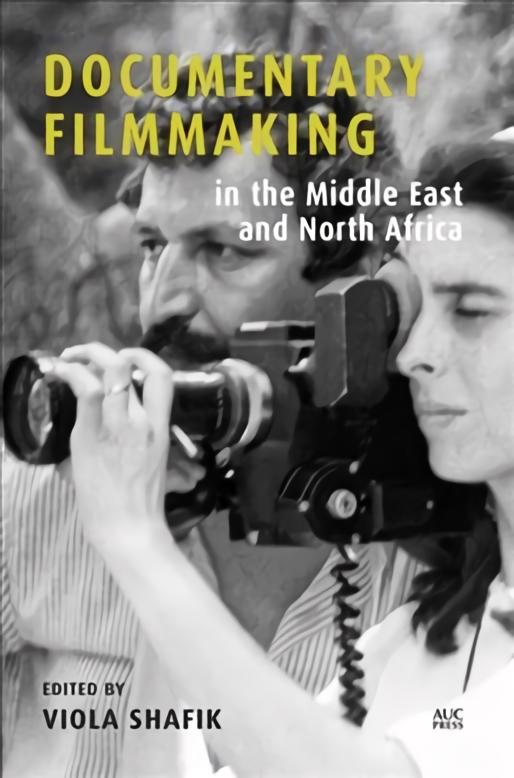
A comprehensive, in-depth study of Arab documentary filmmaking by leading experts in the field While many of the Arab documentary films that emerged after the digital turn in the 1990s have been the subject of close scholarly and media attention, far less well studied is the immense wealth of Arab documentaries produced during the celluloid era. These ranged from newsreels to information, propaganda, and educational films, travelogues, as well as more radical, artistic formats, such as direct cinema and film essays. This book sets out to examine the long history of Arab nonfiction filmmaking in the Middle East and North Africa across a range of national trajectories and documentary styles, from the early twentieth century to the present. Bringing together a distinguished group of film scholars, practitioners, and critics, Documentary Filmmaking in the Middle East and North Africa traces the historical development of documentary filmmaking with an eye to the widely varied socio-political, ethnic, linguistic, and cultural contexts in which the films emerged. Thematically, the contributions provide insights into a whole range of relevant issues, both theoretical and historical, such as structural development and state intervention, formats and aesthetics, new media, politics of representation, auteurs, subjectivity, minority filmmaking, Artivism, and revolution. Also unearthing previously unrecognized scholarly work in the field, this rich and theoretically informed collection sheds light on a hitherto neglected part of international film history. Contributors: Ali Abudlameer, Hend Alawadhi, Jamal Bahmad, Ahmed Bedjaoui, Dore Bowen, Shohini Chaudhuri, Donatella della Ratta, Yasmin Desouki, Kay Dickinson, Ali Essafi, Nouri Gana, Mohannad Ghawanmeh, Olivier Hadouchi, Ahmad Izzo, Alisa Lebow, Peter Limbrick, Florence Martin, Irit Neidhardt, Stefan Pethke, Mathilde Rouxel, Viviane Saglier, Viola Shafik, Ella Shohat, Mohamad Soueid, Hanan Toukan, Oraib Toukan, Stefanie van der Peer, Nadia Yaqub, Alia Yunis, Hady Zaccak Autorid: Viola Shafik
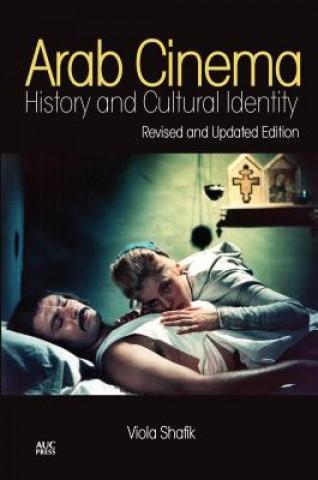
Since it was first published in 1998, Viola Shafik's Now updated to reflect cultural shifts in the last two decades, this revised edition contains a new afterword highlighting the latest developments in popular and in art-house filmmaking
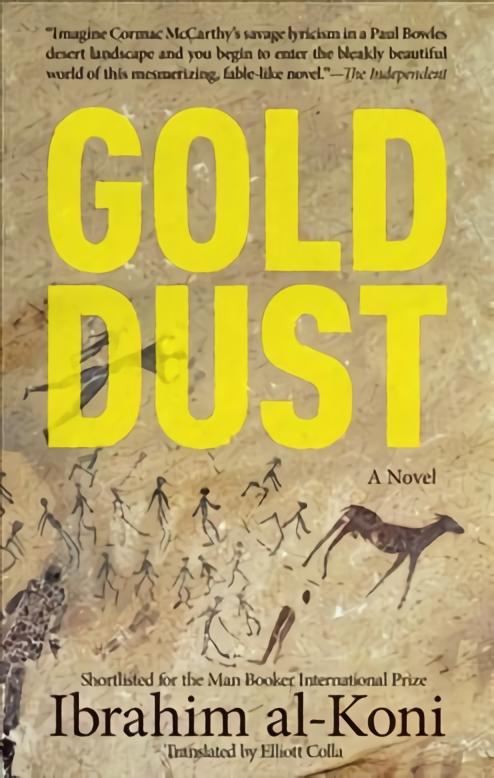
Imagine Cormac McCarthy's savage lyricism in a Paul Bowles desert landscape and you begin to enter the bleakly beautiful world of this mesmerizing, fable-like novel.The Independent Gold Dust is a classic story of the brotherhood between man and beast, the thread of companionship that is all the difference between life and death in the desert. It is a story of the fight to endure in a world of limitless and waterless wastes, and a parable of the struggle to survive in the most dangerous landscape of all: human society. Rejected by his tribe and hunted by the kin of the man he killed, Ukhayyad and his thoroughbred camel flee across the desolate Tuareg deserts of the Libyan Sahara. Between bloody wars against the Italians in the north and famine raging in the south, Ukhayyad rides for the remote rock caves of Jebel Hasawna. There, he says farewell to the mount who has been his companion through thirst, disease, lust, and loneliness. Alone in the desert, haunted by the prophetic cave paintings of ancient hunting scenes and the cries of jinn in the night, Ukhayyad awaits the arrival of his pursuers and their insatiable hunger for blood and gold. Autorid: Ibrahim al-Koni, Elliott Colla, Elliott Colla
Modern Standard Arabic (MSA) is the literary language of today's books, media, and formal communication throughout the Arab world, the region's principal shared language of written and official discourse. The fifth book in this new series for the classroom is designed for the Advanced levels, the low-mid stages of the ACTFL proficiency level, and C1 in the Common European Framework for Arabic learners. The aim of this book is to help students to read and write long and complex factual and literary texts in order to appreciate different writing styles. The students' facility with sentence structure and vocabulary is increased by reading newspapers and listening to news broadcasts, and by writing about real-life interests such as social, economic, political, and gender issues, technological advancements, and education. The chapters guide students through the gradual acquisition of vocabulary and grammar. Exercises at the end of each chapter cover all essential skills and translation, with emphasis on reading and writing. The accompanying DVD includes audio material for all listening activities, dialogs, and reading exercises. The book is further supported by online interactive reading, writing, and grammar drills. Autorid: Samia Louis
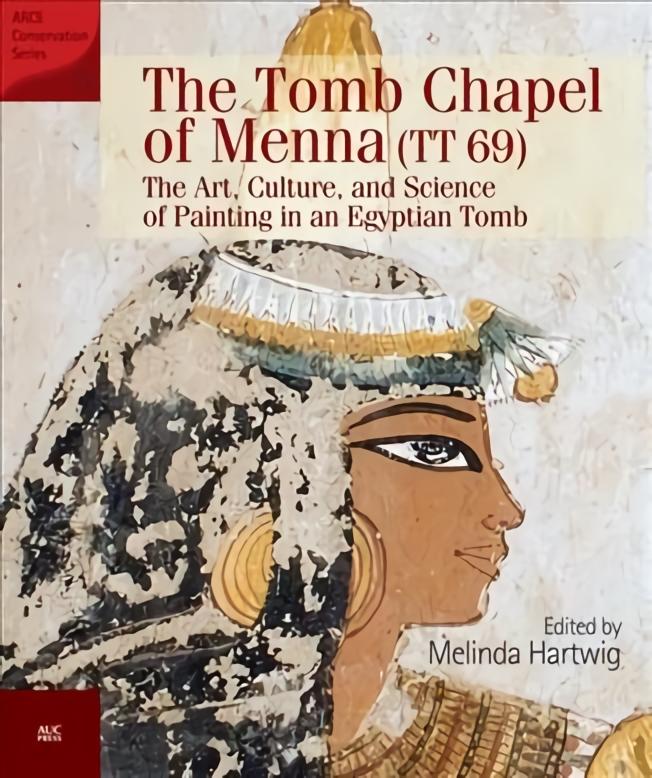
This illustrated book is the culmination of a project to document and conserve the tomb of Menna, one of the most beautiful and complex painted tombs of the ancient Egyptian necropolis at Luxor. Through conservation, the tomb, which previously lay open to environmental influence, was brought back to its former glory. Aided by non-invasive methods of scientific analysis, the historical and cultural importance of Mennas paintings can now be viewed and studied and enjoyed by a worldwide audience. High-definition photography and drawings complement specialist essays by scholars, scientists, and technicians, who discuss the artistic and cultural significance of the paintings, their architectural context, and scientific importance. Directed by Dr. Hartwig and administered by the American Research Center in Egypt (ARCE) as part of its Egyptian Antiquities Conservation Project, the project was funded by a grant from the United States Agency for International Development (USAID), sponsored by Georgia State University, and carried out in collaboration with Egypts Supreme Council of Antiquities. Autorid: Melinda Hartwig
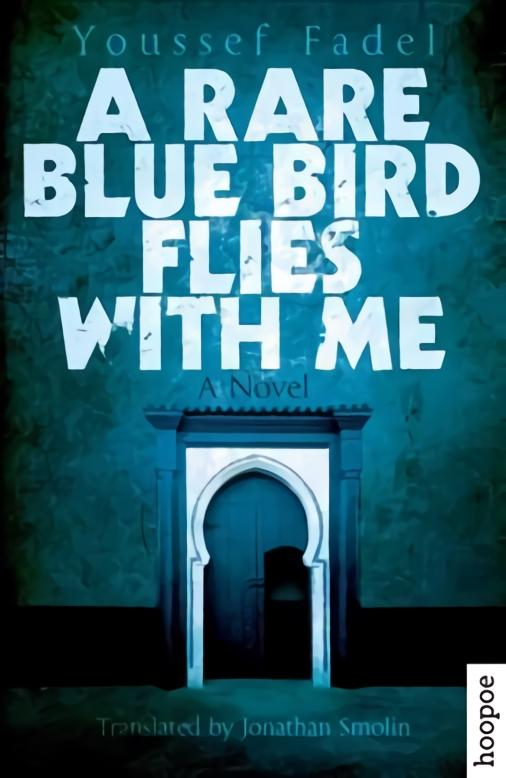
It's spring 1990 in a dingy small-town Moroccan bar. Zina is serving drinks when a mysterious man approaches her. The man gives Zina a handwritten note from her husband, Aziz, who disappeared the day after their wedding, eighteen years ago, after participating in the failed 1972 coup against King Hassan II. Zina has spent the past eighteen years searching for Aziz, who has been imprisoned in inhuman conditions in a solitary cell inside a secret desert jail. Will Zina finally find Aziz? Moving back and forth between 1990 and the past, A Rare Blue Bird That Flies with Me recounts the painful circumstances that brought Zina and Aziz together and the torture after the 1972 coup that tore them apart. Told from the perspective of several narrators-including Zina, Aziz, Aziz's two jailors-Youssef Fadel's novel is a masterful history of modern Morocco. Autorid: Youssef Fadel, Jonathan Smolin
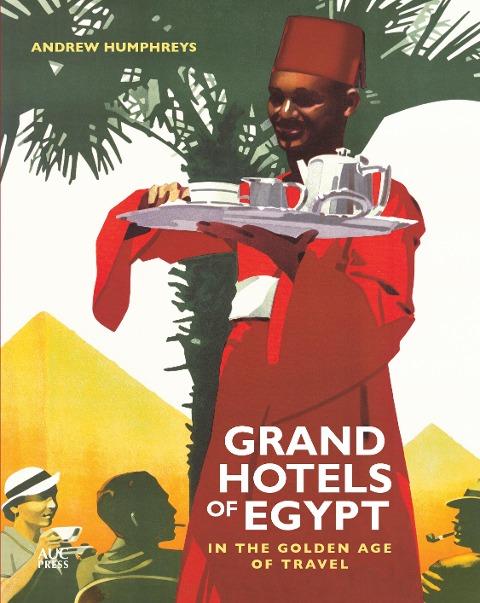
This book tells the stories of Egypt's historic hotels (including the Cecil, Shepheard's, the Mena House, Gezira Palace, Semiramis, Winter Palace, and Cataract) and some of the people who stayed in them, from Amelia Edwards, Lucie Duff Gordon and Florence Nightingale to Agatha Christie, Conan Doyle, Winston Churchill, and TE Lawrence.